Industrial-Grade HMI Assemblies & Metal Dome Arrays
Precision-engineered human-machine interface solutions built with high-adhesion 3M acrylics, fatigue-resistant stainless domes, and moisture-proof polyimide circuits built to withstand alpine condensation and heavy duty operations.
Engineering White Paper: FPC Membrane Switches vs. Screen-Printed Silver PET in High-Altitude Environments
In modern industrial and embedded hardware design, human-machine interfaces (HMIs) face demanding physical stress when operating in alpine environments such as Sant Julià de Lòria. Perched in the southern corridor of the Principality of Andorra along the Gran Valira river basin, electronic enclosures experience wide temperature variations between sub-zero winter nights and hot, high-UV summer afternoons. Standard membrane switches utilizing screen-printed silver conductive ink on polyester (PET) films frequently suffer from micro-fracturing, silver migration under humidity cycles, and trace impedance degradation. For critical deployments, Flexible Printed Circuit (FPC) membrane switches provide the requisite thermodynamic stability and signal integrity.
The Metallurgy and Physics of Polyimide-Copper FPC Substrates
A Flexible Printed Circuit (FPC) membrane switch replaces conventional polymer thick film (PTF) silver paste with chemically etched rolled-annealed (RA) or electro-deposited (ED) copper foil laminated onto a polyimide (Kapton) core dielectric. The copper trace thickness generally ranges between 0.5 oz (17.5 μm) and 1.0 oz (35 μm), delivering trace loop resistance commonly below 1.0 Ohm—nearly an order of magnitude lower than screen-printed conductive carbon or silver inks (which regularly hover between 20 Ω and 150 Ω depending on run length). This significant reduction in electrical resistance allows Sant Julià de Lòria electronic engineering teams to route low-voltage high-frequency logic lines (such as I2C, SPI, or UART) directly through the interface tail without signal dampening, capacitive crosstalk, or voltage drops.
Furthermore, polyimide demonstrates an exceptional Glass Transition Temperature (Tg) in excess of 300°C, compared to standard heat-stabilized polyester film (PET), which softens and loses dimensional tolerance around 120°C to 140°C. This thermal robustness permits direct surface-mount soldering (SMT) of miniature 0402/0603 bi-color indicator LEDs, phototransistors, reverse-mount side LEDs, and ZIF-locking connector interfaces right onto the membrane circuitry using lead-free reflow or selective hot-bar soldering processes. The resulting solder joints exhibit shear strengths unattainable on conductive adhesive-bonded silver-printed substrates.
| Parametric Metric | Standard Silver Conductive PET | Copper-Polyimide FPC Membrane (Cevra Spec) | Engineering Advantage in Alpine Climates |
|---|---|---|---|
| Conductor Resistivity | 15 – 100 Ω / run | < 0.5 – 1.5 Ω / run | Eliminates false triggering in low-power microcontrollers |
| Operating Temperature | -20°C to +65°C | -40°C to +85°C (Specialty up to 105°C) | Resists freeze-thaw thermal contraction in Pyrenean installations |
| Flexural Endurance | ~100,000 cycles (R=5mm) | > 2,000,000 cycles (Dynamic bend R=2mm) | Withstands repetitive tactile actuation and chassis routing strains |
| Component Assembly | Isotropic Conductive Adhesive (Epoxy) | Lead-Free SMT Reflow Soldering (SAC305) | Zero delamination or contact oxidation under mechanical vibration |
| Pitch Density (Trace/Space) | 0.8mm – 1.0mm minimum | 0.15mm / 0.15mm (6 mil / 6 mil) | Permits ultra-compact multi-pin ZIF tails for dense enclosure cutouts |
| Moisture Absorption Rate | 0.8% – 1.2% (at 90% RH) | < 0.3% (with polyimide coverlay passivated) | Eliminates electrochemical silver dendrite migration completely |
Hermetic Sealing, Condensation Mitigation, and Altitude Mechanics
Sant Julià de Lòria sits at an altitude ranging from 900 meters to well over 1,600 meters in surrounding recreational zones such as La Rabassa. Elevation differentials alter internal atmospheric pressures within sealed electronic enclosures. A conventional sealed membrane switch subjected to elevation shifts develops a pressure imbalance between the encapsulated air pocket housing the metal dome and ambient external air. If air cannot equilibrate, the switch risks "ballooning" (reducing actuation travel and tactile ratio) or "dimpling" (causing inadvertent actuation or high pre-travel mushiness).
Cevra integrates precision laser-cut pressure-equalization breathing channels backed by oleophobic, hydrophobic microporous membrane vents (e.g., expanded PTFE). These vents allow atmospheric equalization while maintaining an IP67 or IP68 environmental barrier against splashing water, fine mountain dust, and freezing condensation. For industrial control enclosures placed outdoors across the parish, Cevra utilizes high-shear 3M 200MP, 3M 300LSE, or VHB structural bonding adhesive systems specially selected to bond reliably to low-surface-energy (LSE) powder-coated cast aluminum, stainless steel, and polycarbonate housings.
Sant Julià de Lòria: Specialized HMI Operating Contexts
From smart building infrastructure and altitude-resistant sports technology to industrial academic laboratories, our membrane switches meet the rigorous operational realities of Andorra's southern gateway.
Mountain Infrastructure & Eco-Park Automation
Sant Julià de Lòria hosts substantial recreational terrain such as Naturland and alpine transit corridors. Outdoor ticketing kiosks, snow telemetry terminals, and maintenance equipment require tactile switches operable with heavy ski gloves. We formulate custom 12mm to 16mm SUS301 stainless steel domes generating 350g to 500g of snap force, paired with deep rim-embossed graphic overlays for unambiguous tactile verification under freezing ambient conditions.
Laboratory, Research & Educational Systems
Serving the higher education and applied technology sector centered around the University of Andorra (Universitat d'Andorra) in Sant Julià de Lòria. Analytical laboratory devices demand front panels resistant to harsh chemical sterilizers, including isopropyl alcohol, diluted acids, and hospital-grade biocides. Autotex XE textured polyester overlays provide chemically passivated barriers that prevent fogging, yellowing, or delamination.
Clean Energy, Hydropower & Smart Grid Telemetry
The Valira river basin serves as a prime channel for micro-hydropower generation and localized energy distribution grids. Control interfaces installed within subterranean valve rooms and outdoor substation cabins endure relative humidity approaching 98% with cyclical damp cold. Cevra's double-pass die-cut closed-cell gasket arrays eliminate edge-wicking moisture infiltration across multi-year operational cycles.
Engineering Architecture: Multi-Layer Stack-Up Analysis
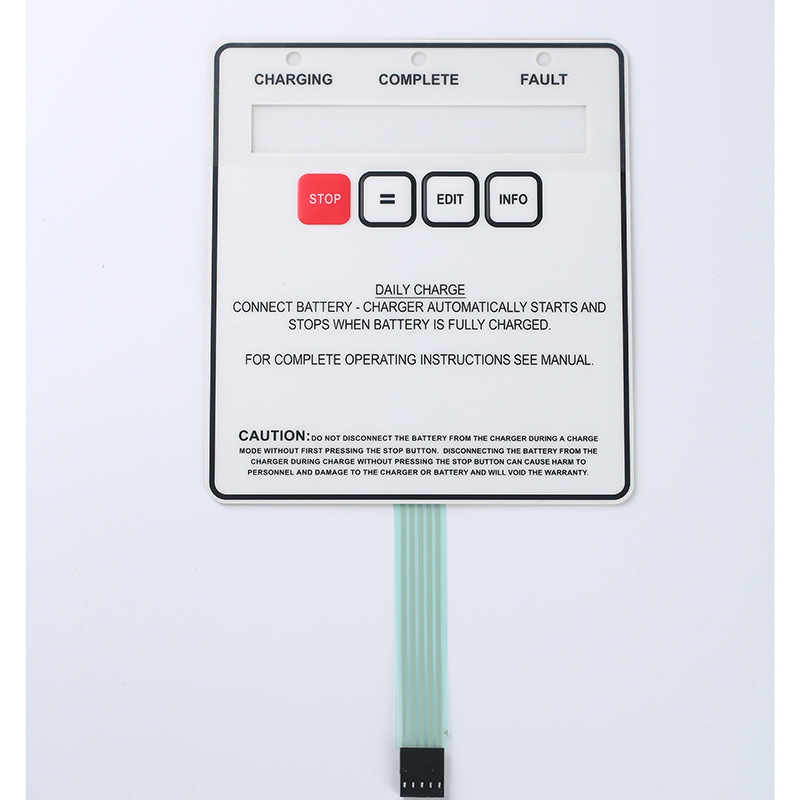
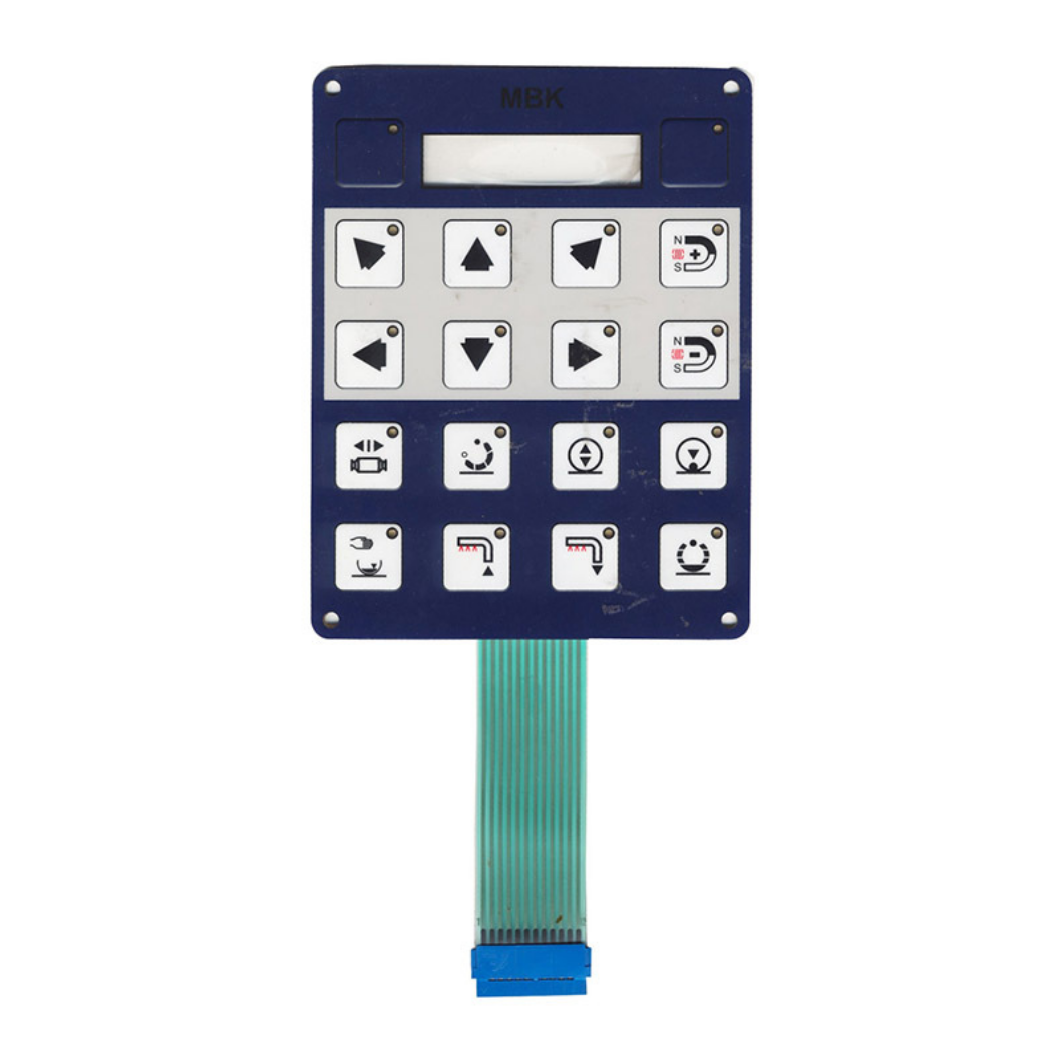
A high-performance FPC tactile membrane switch is not simply a decorative faceplate adhered to a circuit; it is a finely tuned optoelectronic and mechanical sandwich. Each discrete layer is engineered with specific thickness, modulus of elasticity, and bonding properties:
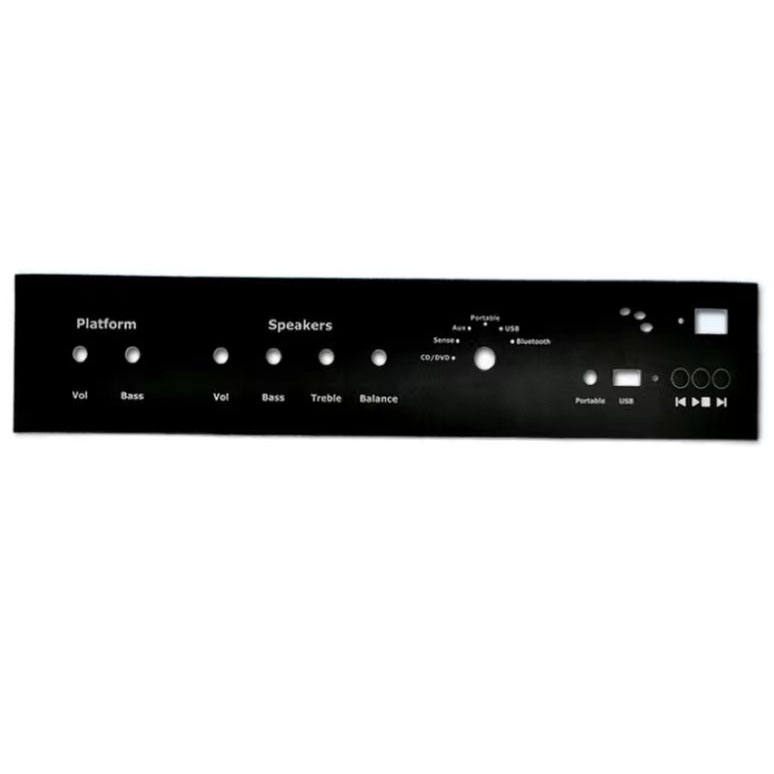
- Layer 1: Graphic Overlay (0.15mm – 0.20mm XE Polyester/Polycarbonate): Sub-surface screen-printed using solvent or UV-cured inks. Sub-surface printing guarantees that icons, legends, and brand graphics are entirely shielded from surface abrasion, cleaning agents, and UV exposure. Selective matte or velvet textures prevent optical glare while retaining optically transparent, water-clear display windows for LCDs and OLEDs.
- Layer 2: Overlay Graphic Adhesive (0.05mm – 0.125mm Acrylic Transfer Film): Typically 3M 467MP or 3M 468MP adhesive transfer tape with high shear strength, engineered with micro-channels to isolate LED pockets and prevent optical cross-bleeding.
- Layer 3: Top Dome-Retaining Layer (0.075mm – 0.10mm Heat-Stabilized PET): Holds the snap-action SUS301 metal domes in microscopic geometric alignment with the underlying circuit pads. Engineered with laser-vented air pathways connecting all key cavities.
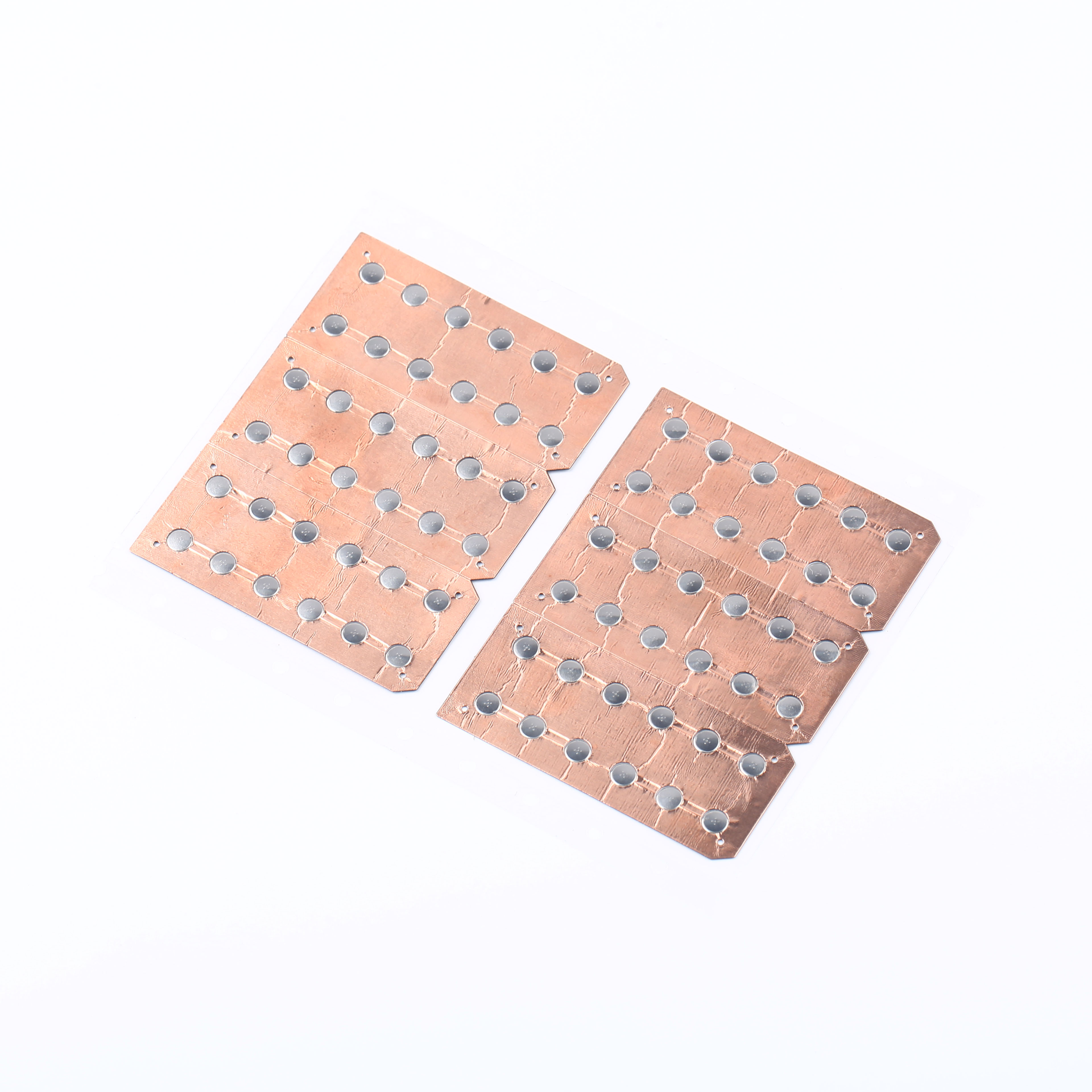
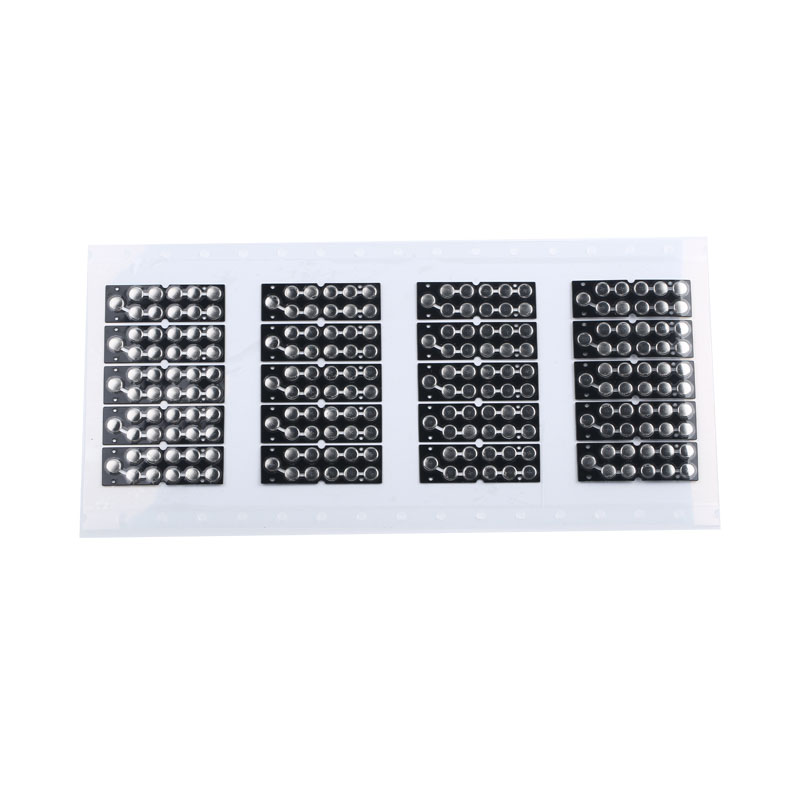
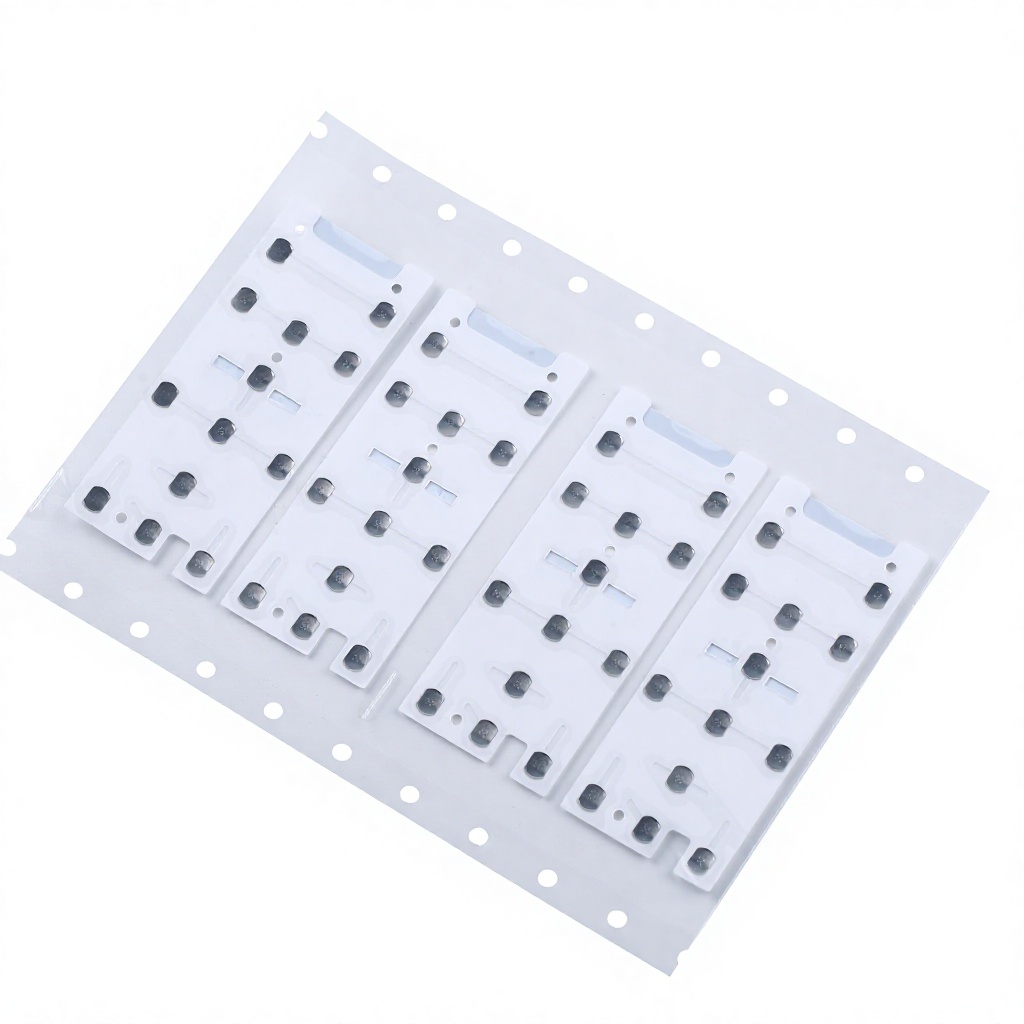
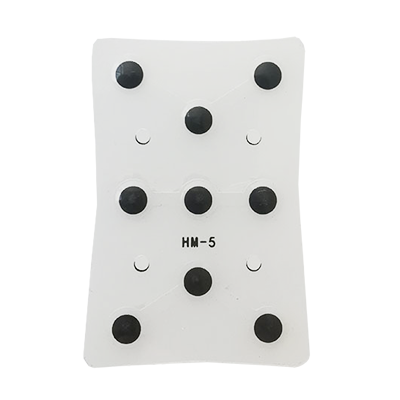
- Layer 4: Stainless Steel Metal Domes (Nickel/Gold-Plated Four-Leg or Triangular Domes): Stamped from high-yield-strength SUS301 stainless steel with trip forces tuned from 180g to 450g depending on target human factors. Provides crisp tactile feedback with switch bounce durations < 5ms and lifetime ratings exceeding 1,000,000 to 5,000,000 actuations.
- Layer 5: Spacer Insulation Layer (0.10mm – 0.18mm Double-Coated Polyester Gasket): Provides physical key travel depth while preventing dome float or premature actuation caused by chassis flexure.
- Layer 6: Flexible Printed Circuit (FPC) Conductor Layer (1-oz Cu + 25μm Polyimide + Coverlay): Etched rolled-annealed copper circuit coated with an insulative solder mask or polyimide film coverlay. Contact fingers are plated with 1.5–3.0 μm hard gold over 2.5 μm nickel to prevent galvanic oxidation and guarantee contact resistance < 0.5 Ω.
- Layer 7: Rear Mounting Adhesive System (0.13mm – 0.20mm 3M 300LSE / 9472LE): Formulated specifically for exceptional bond energy on rough powder-coated metals, die-cast aluminum boxes, and low-surface-energy polymers (e.g., ABS, polypropylene).
- Layer 8: Integrated Backer Plate (Optional 1.0mm – 2.5mm AL5052 / FR4): Provides rigid structural backing, integrated PEM threaded standoffs, and EMI/RFI grounding tabs ready for rapid drop-in assembly into final enclosures.
Advanced Illumination: Light Guide Film (LGF) vs. Discrete LEDs
In low-light applications such as alpine transit terminals or emergency monitoring consoles in Sant Julià de Lòria, uniform key backlighting is crucial. Conventional discrete LED backlighting often results in visible bright hotspots and uneven light distribution. Cevra resolves this by deploying ultra-thin Light Guide Film (LGF) modules (0.125mm to 0.25mm thickness) directly beneath the graphic overlay. Side-firing miniature SMD LEDs soldered onto the FPC layer inject lumens into the micro-etched optical LGF core. Proprietary optical extraction micro-dots scatter light upward uniformly across the entire embossed key legend or perimeter halo, drawing minimal power while completely eliminating localized hot-spotting.
Dongguan Cevra Electronic Technology: Direct Manufacturing Capabilities
Operating as a genuine original equipment manufacturer (OEM/ODM) based in Dongguan, China, Dongguan Cevra Electronic Technology Co., Ltd. offers over 16 years of dedicated manufacturing expertise in membrane switches, tactile metal dome arrays, capacitive touch sensors, graphic overlays, and precision die-cut assemblies. Unlike trading intermediaries, Cevra controls the entire production cycle under an ISO 9001 certified quality management system, verified onsite by SGS Group.
Comprehensive In-House Tooling & Production Apparatus
Within our 2,600 m² production facilities, our cleanroom workshops (Class 10,000 / 100,000 environments) maintain rigorous control over airborne particulates, relative humidity, and temperature. Our primary manufacturing equipment comprises:
- Automated Precision Screen Printing Lines: Featuring micro-metric CCD optical targeting to ensure overlay printing and circuit layer alignment tolerances within ±0.05mm.
- High-Speed CCD Target Drilling & Laser Cutting Systems: Enabling rapid prototyping and burr-free edge profiling for intricate tail geometry and perimeter cutouts without expensive initial die-tooling.
- Fully Automatic High-Precision Laminating Lines: Eliminating entrapped microscopic air bubbles and ensuring uniform inter-layer adhesive wet-out under regulated roller pressure.
- High-Volume Metal Dome Pick-and-Place Stations: Ensuring zero missing domes, perfectly centered contacts, and rapid array assembly.
Stringent Quality Assurance & Environmental Reliability Testing
Every membrane switch batch dispatched to international clients, including partners in Andorra, undergoes exhaustive verification using calibrated laboratory equipment:
- Automated Metal Dome Force-Displacement Testing: Evaluates snap ratio, pre-travel distance, and actuating force to verify batch-to-batch tactile consistency.
- Programmable Thermal Shock & Humidity Chambers: Cycles assemblies from -40°C to +85°C under 95% relative humidity to validate zero delamination, silver migration resistance, and stable adhesive shear strength.
- 100% Electrical Loop & Insulation Resistance Testers: Verifies trace continuity, switch bounce parameters, and open-circuit isolation resistance (>100 MΩ at 100V DC).
- Pencil Hardness & Surface Abrasion Testers: Assesses overlay scratch resistance up to 3H/4H pencil hardness and tests taber abrasion over 10,000 cycles.
Frequently Asked Questions: Sourcing from Andorra
Answers to technical, logistical, and environmental queries frequently posed by engineering and procurement teams in Sant Julià de Lòria and the Pyrenean region.
Why should an engineering project in Sant Julià de Lòria specify an FPC circuit over silver PET?
How do you prevent membrane switch ballooning or sticking at mountain altitudes?
What are the typical logistics, customs, and delivery timelines into Andorra?
What design files and specifications are required to initiate a formal engineering quote?
Can Cevra provide integrated backer plates and custom connector crimping?
What is the Minimum Order Quantity (MOQ) for prototypes and series production?
Collaborate with Cevra's Senior HMI Engineering Team
Whether you are developing next-generation environmental instrumentation, ski-lift diagnostic systems, or medical automation in Sant Julià de Lòria, speak directly with our engineering department to receive rapid DFM feedback, stack-up optimization, and free prototype evaluations.
Contact Us