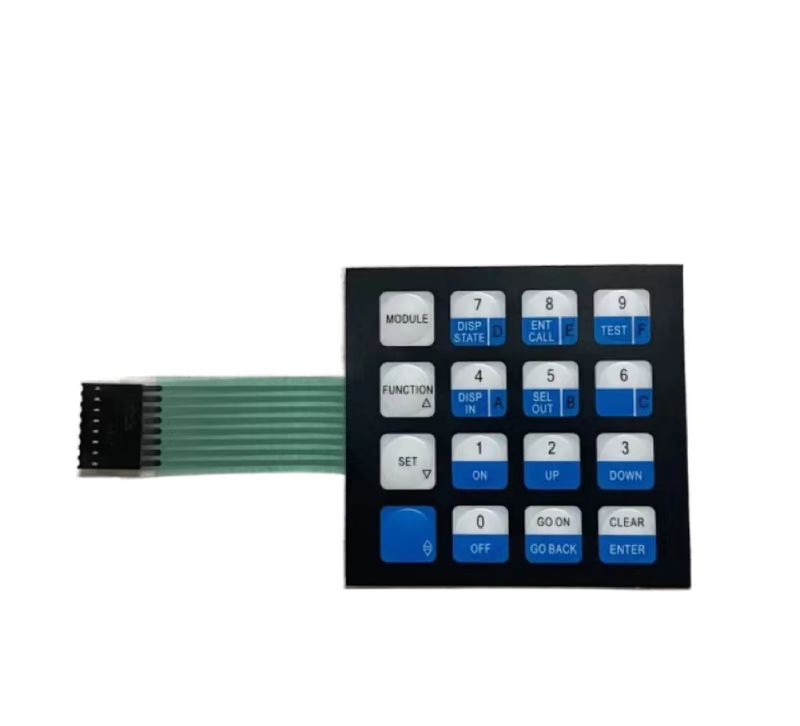
Engineered Interface Lineup
Specialized Flexible Membrane Keypads & Tactile Assemblies
High-reliability tactile overlays, metal dome matrix switches, and capacitive sensors built to precise OEM/ODM specifications.
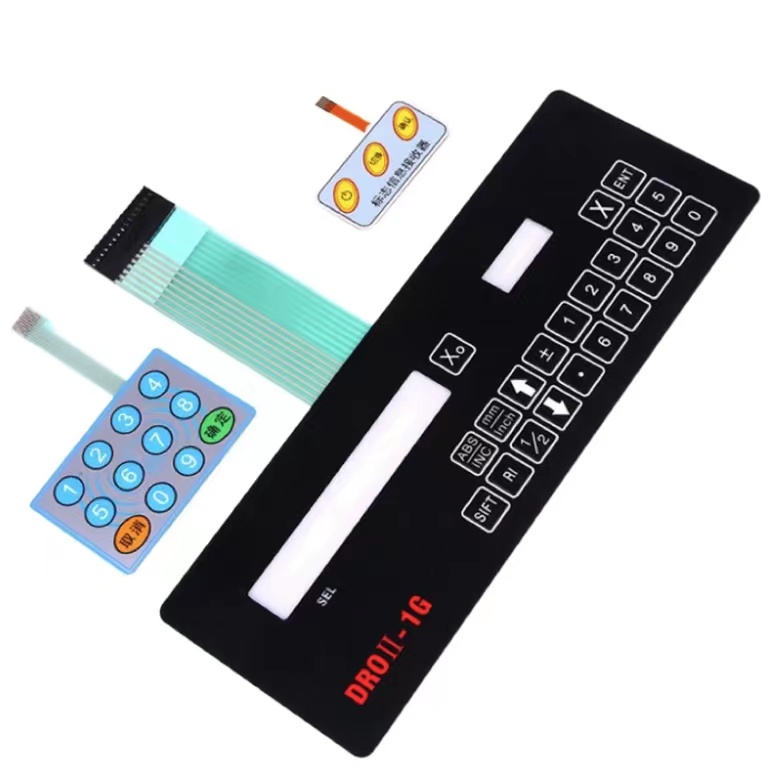
Factory Direct Graphic Overlay Custom Membrane Keyboard Switch Membrane Switch
View Details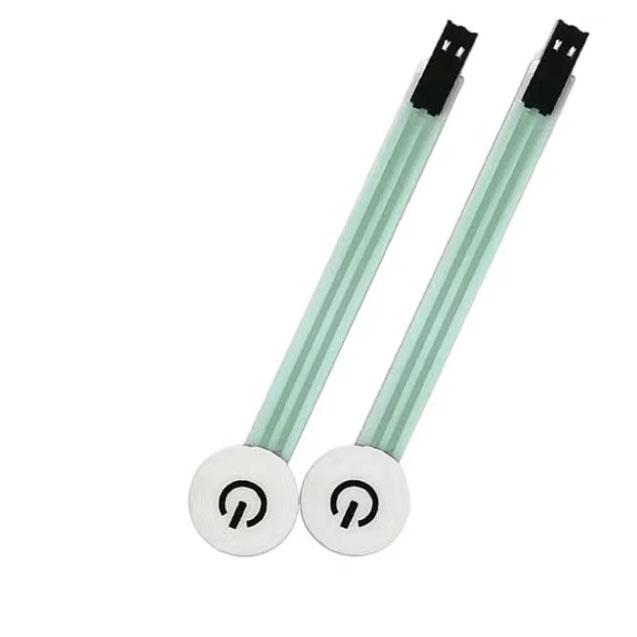
High Quality Single Button Small Membrane Switch
View Details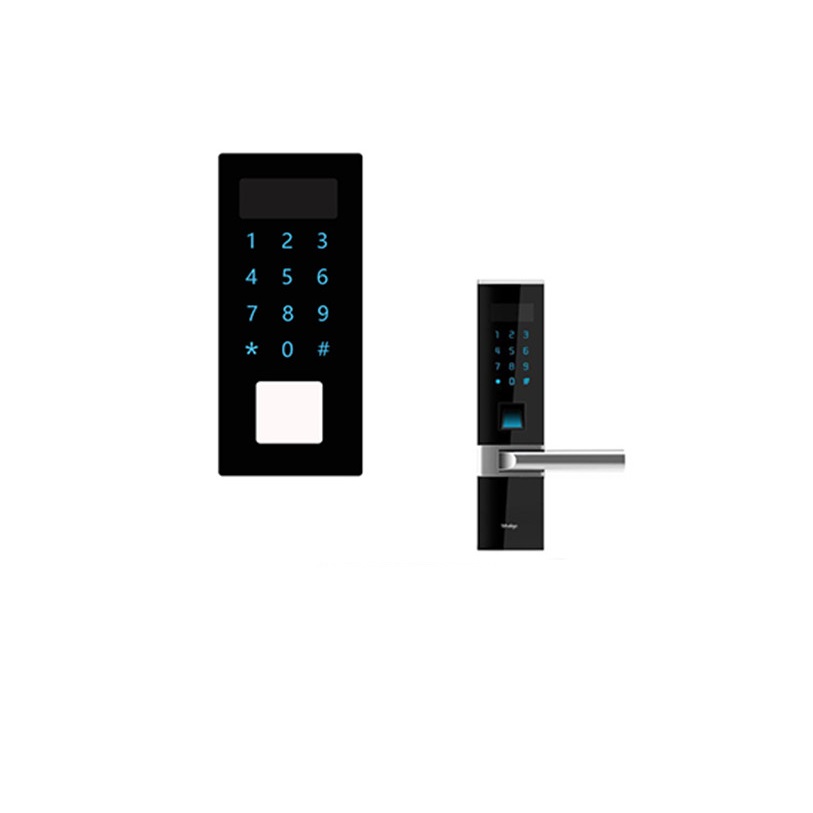
Custom Waterproof Keypad Smart DoorTouch Switch Button Membrane Switch PMMA Capacitive
View Details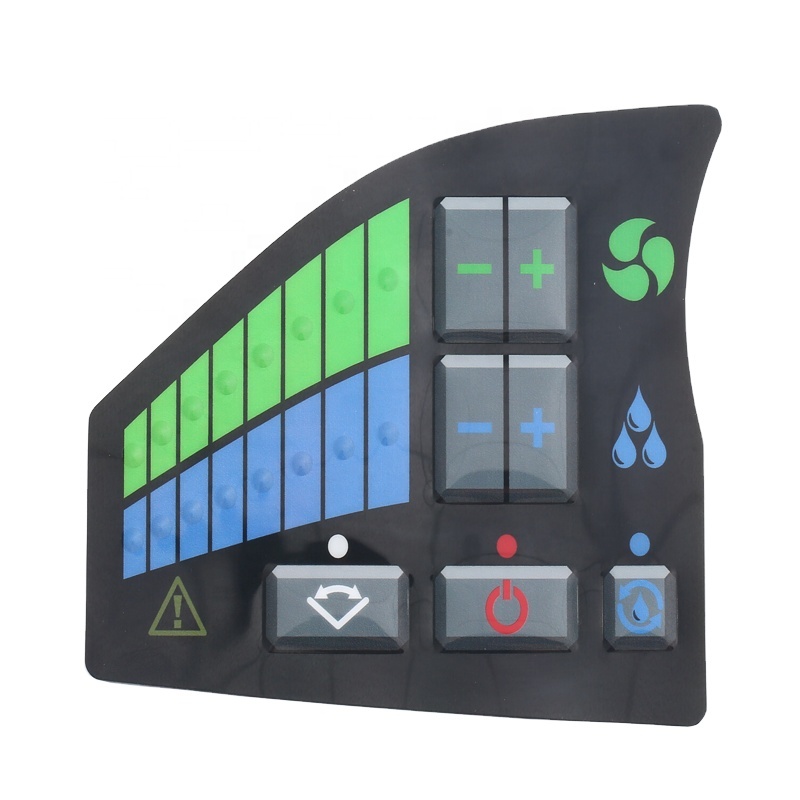
Custom Silk Printing Embossed Metal Dome Tactile Buttons Membrane Switch Control Overlay
View Details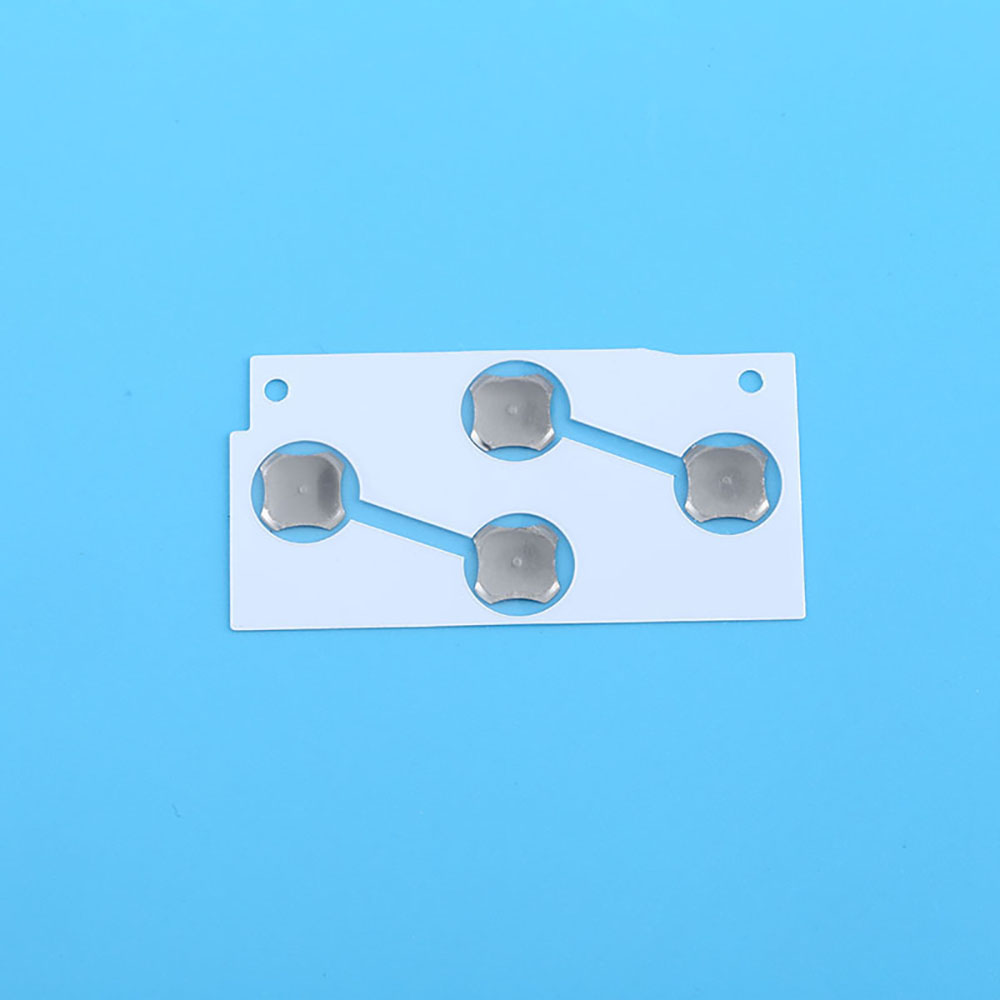
Customized Metal Dome Array
View Details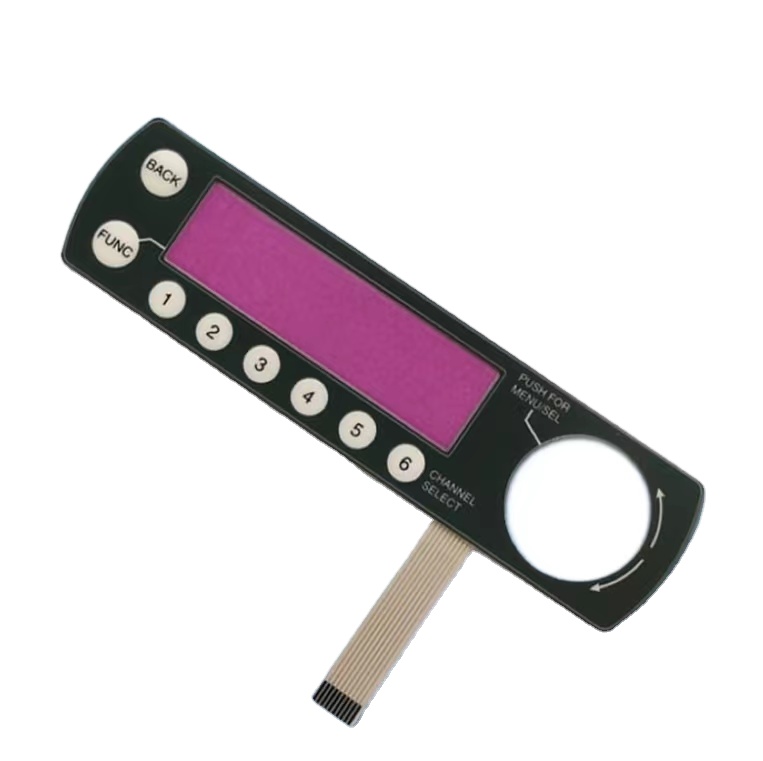
Customized Medical Instrument Membrane Switch PET Membrane Key PC Switch
View Details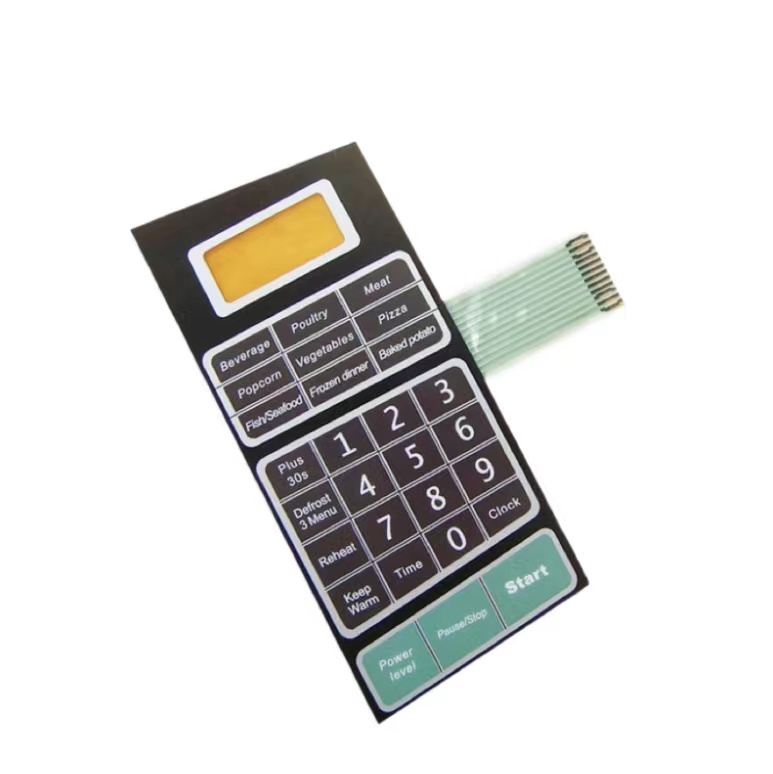
Low Moq Custom Membrane Switch Panel Keypad Control
View Details
Engineering Whitepaper
Strategic Integration of High-Reliability Flexible HMI Systems in Dudelange's High-Tech Industrial Hub
Situated in the heart of the Grand Duchy of Luxembourg, Dudelange is rapidly transforming from its historic metallurgical prowess into a vital center for innovation, clean technology, logistics, and high-precision manufacturing. Modern manufacturing operations across the Innovation Hub Dudelange and industrial clusters throughout the Southern Region demand human-machine interface (HMI) components capable of enduring extreme mechanical, chemical, and environmental stresses. China’s advanced flexible circuit membrane switch export sector—anchored by specialized tier-one manufacturers like Dongguan Cevra Electronic Technology Co., Ltd.—delivers high-performance, cost-effective interface panels custom-tailored to these European industrial standards.
A flexible membrane switch is not simply an aesthetic cover; it represents a mission-critical multi-layer electro-mechanical system. Typical assemblies integrate graphic overlays constructed from chemically resistant bi-axially oriented polyethylene terephthalate (PET) or flame-retardant polycarbonate (PC), precision-printed silver or carbon conductive traces, tactile stainless steel metal dome arrays, and industrial adhesive systems engineered by 3M (such as 3M 467MP, 468MP, or VHB series). For Dudelange’s engineering enterprises, these assemblies offer IP65 to IP67 sealing, preventing the ingress of fine particulate matter, industrial lubricants, coolant mists, and cleaning fluids commonly found in automated factory floors and automated logistics hubs.
Key Engineering Standard: Compliance with DIN ISO 9001 and strict European directives (RoHS 2011/65/EU and REACH EC 1907/2006) ensures that all flexible circuits, conductive inks, and silicone or acrylic layers exported from China withstand over 1,000,000 operational cycles while maintaining contact resistances strictly below 100 ohms.
As industrial automation engineers in Luxembourg transition toward Industry 4.0 paradigms, HMI architectures are migrating from bulky mechanical pushbuttons toward low-profile, integrated planar surfaces. Flexible circuit switches excel in these tight packaging environments: they eliminate bulky rear-panel brackets, interface seamlessly with surface-mount electronics via Zero Insertion Force (ZIF) or crimped female pin connectors, and readily incorporate Light Guide Films (LGF), embedded surface-mount LEDs, and EMI/RFI shielding grids. This level of technical cohesion allows Dudelange instrumentation developers to achieve sleek, modern aesthetic footprints without sacrificing tactile feel or ruggedness.
16+
Years Specialized HMI Experience
2,600㎡
ISO 9001 Manufacturing Facility
< 100Ω
Contact Loop Resistance Control
1,000,000+
Tactile Actuation Lifespan Cycles
Localization Scenarios
Applied Engineering: Membrane Keypads Across Dudelange's Core Sectors
Targeted electro-mechanical interface designs configured for Southern Luxembourg's diverse high-spec sectors.
Heavy Logistics & Transport Hubs
Dudelange houses premier multimodal logistics terminals. Equipment operators require ruggedized handheld terminals, barcode scanner trigger panels, and crane remote controls featuring tactile metal domes that provide positive click feedback even through thick work gloves in sub-zero winter temperatures.
Medical & Laboratory Instrumentation
In healthcare analytics and precision diagnostic instruments, completely flat, non-porous antimicrobial polyester overlays enable wipe-down sterilization with aggressive detergents, isopropyl alcohol, and bleach without fading sub-surface graphics or compromising inner circuitry.
CleanTech & Smart Energy Controls
Supporting Luxembourg's circular economy and energy initiatives, our UV-resistant overlays (using Autotex XE or similar outdoor-rated polyesters) prevent yellowing and embrittlement on solar inverter control panels, EV charging kiosks, and outdoor environmental sensing hardware.
Technical Matrix
Material Stack-Up & Performance Specifications
Engineered layers optimized for mechanical durability, moisture resistance, and tactile consistency.
| Layer Component | Primary Material Options | Typical Thickness | Critical Performance Parameters |
|---|---|---|---|
| Graphic Overlay | Autotype PET, Lexan PC, PMMA Acrylic | 0.125 mm – 0.25 mm | Chemical resistance, textured/matte/gloss, anti-glare, pencil hardness 3H |
| Overlay Adhesive | 3M 467MP, 3M 468MP, 3M 300LSE | 0.05 mm – 0.13 mm | Shear strength, temperature resistance (-40°C to +150°C), plastic adhesion |
| Tactile Dome Layer | SUS301 Stainless Steel (Nickel/Gold Plated) | 0.06 mm – 0.10 mm | Trip force 220g – 450g; tactile ratio > 40%; lifecycle > 1M cycles |
| Circuit Carrier | Toray PET Film or Flexible Polyimide (FPC) | 0.075 mm – 0.125 mm | Conductive silver ink with carbon overcoat; trace pitch down to 0.5 mm |
| Rear Adhesive Backing | 3M 9448A, 3M 468MP, Foam VHB Tape | 0.10 mm – 0.50 mm | Structural lamination to die-cast aluminum, ABS, or sheet metal enclosures |
Future Perspectives
Emerging Trends in Dudelange's Flexible Circuit Procurement
The manufacturing dynamics of Luxembourg's industrial corridor are characterized by agility, high added value, and lean automation. As engineers in Dudelange design the next generation of specialized testing gear, autonomous guided vehicles (AGVs) for warehousing, and energy monitoring infrastructure, procurement criteria are evolving beyond pure component cost:
1. Capacitive Touch Hybridization: Traditional tactile switches are increasingly paired with capacitive sensing zones. This hybrid construction preserves tactile switches for power-critical functions (Emergency Stops, System Resets) while utilizing seamless capacitive sliders or keys for routine parameter adjustments. The result is an interface that boasts zero moving parts in wear-prone locations while retaining reassuring mechanical response where human error must be minimized.
2. Integration of Uniform Light Guide Films (LGF): Rather than relying on power-intensive backlighting arrays, designers are demanding ultra-thin LGF backlighting modules. Using precision micro-dots molded into transparent films, light from side-firing SMT LEDs is diffused evenly across symbols, text legends, and border zones with minimal thermal generation, reducing total panel power consumption by up to 60%.
3. Direct Supply-Chain Verification and High Flexibility in Prototyping: Dudelange engineers frequently operate in rapid iterative product development cycles. Direct factory-level cooperation with verified Chinese manufacturing facilities eliminates the administrative markup and communication bottlenecks typical of regional distributors. With initial sample turnarounds within 5 to 7 working days, prototypes can be validated, modified, and scaled directly into volume production without redesign delays.
Manufacturing Authority
Why Dudelange Buyers Choose Cevra for Flexible Circuits
Direct from our 2,600㎡ Dongguan facility to your production line in Luxembourg.
ISO 9001 & SGS Audited Facility
Established in March 2009, Dongguan Cevra Electronic Technology Co., Ltd. operates under an internationally recognized ISO 9001 Quality Management System. Our factory facilities, staffing, and QA/QC procedures have been independently verified onsite by SGS Group, giving European procurement teams total peace of mind.
Full In-House Engineering Stack
From initial Design for Manufacturability (DFM) reviews to precision silk screen printing, CCD drilling, laser die-cutting, automatic dome placing, and multi-layer laminating—every step is executed under one roof. This minimizes dimensional tolerance stack-up and provides a single, accountable engineering contact.
Rigorous Reliability Test Lab
Every production batch undergoes comprehensive testing in our quality lab: automated metal dome load/displacement testing, contact loop resistance checking, high-and-low temperature climate cycling (-40°C to +85°C), peel adhesion testing, holding tack tests, and pencil scratch hardness verification.
Procurement Support
Frequently Asked Questions for Dudelange Engineering Teams
Direct answers regarding custom specifications, prototyping, international shipping, and compliance.
What engineering files and documentation are required to quote and begin production?
To initiate a comprehensive DFM and cost proposal, our engineering team requires your vector artwork (Adobe Illustrator, CorelDraw, or PDF with Pantone/RAL color codes), mechanical CAD drawings (DXF, DWG, or STEP format detailing outer dimensions, window openings, embossing profiles, and tail geometry), an electrical schematic or pinout list, and connector specifications (pitch, pin count, ZIF vs. female housing).
How do you ensure proper IP-rated water and chemical resistance for harsh industrial environments?
We utilize continuous perimeter adhesive gaskets (typically 3M 467MP or 468MP) uninterrupted by tail routing, creating a hermetically sealed internal cavity that meets IP65 to IP67 standards. Internal venting channels are designed between key cavities rather than venting externally, protecting conductive silver traces from airborne humidity, cleaning sprays, and chemical vapor ingress.
What are the differences between PET and PC overlays for equipment manufactured in Dudelange?
Polycarbonate (PC) is economical, easy to emboss, and offers crystal-clear optical display windows, making it suitable for indoor diagnostic panels. However, Polyethylene Terephthalate (PET, such as Autotype) provides vastly superior flexural fatigue resistance (>5 million switch cycles without micro-cracking) and higher resistance to industrial hydrocarbons, solvents, and cleaning alcohol. For heavy-duty industrial machinery in Dudelange, we recommend textured PET.
What is your typical turnaround timeline for samples delivered to Luxembourg?
Following final DFM approval and artwork sign-off, functional prototypes are completed in our Dongguan facility within 5 to 8 working days. Courier transit via DHL, FedEx, or UPS to Dudelange typically requires an additional 3 to 5 business days, allowing European design teams to validate mechanical fit and electrical continuity in under two weeks.
What are your Minimum Order Quantities (MOQ), and do you accommodate pilot production runs?
We strongly support prototyping and pilot batch runs: graphic overlay keypads can be sampled from as few as 10 to 50 pieces, standard custom membrane switch assemblies have an entry MOQ of 100 pieces, and metal dome components start at 1,000 pieces. Full volume mass production runs can readily scale to hundreds of thousands of units with guaranteed batch-to-batch consistency.
Ready to Build Your Custom Flexible Membrane Switch?
Consult directly with our engineering department. Receive expert layer stack-up guidance, rapid DFM feedback on your CAD drawings, and factory-direct pricing for your project in Dudelange.
Contact Us