Engineered Tactile Keypads & Membrane Interface Assemblies
Precision tactile push-button matrices, custom metal dome arrays, and ruggedized front-panel HMI switches manufactured in Dongguan, China, with expedited oceanic and air freight support for Honiara, Noro, and Auki industrial projects.
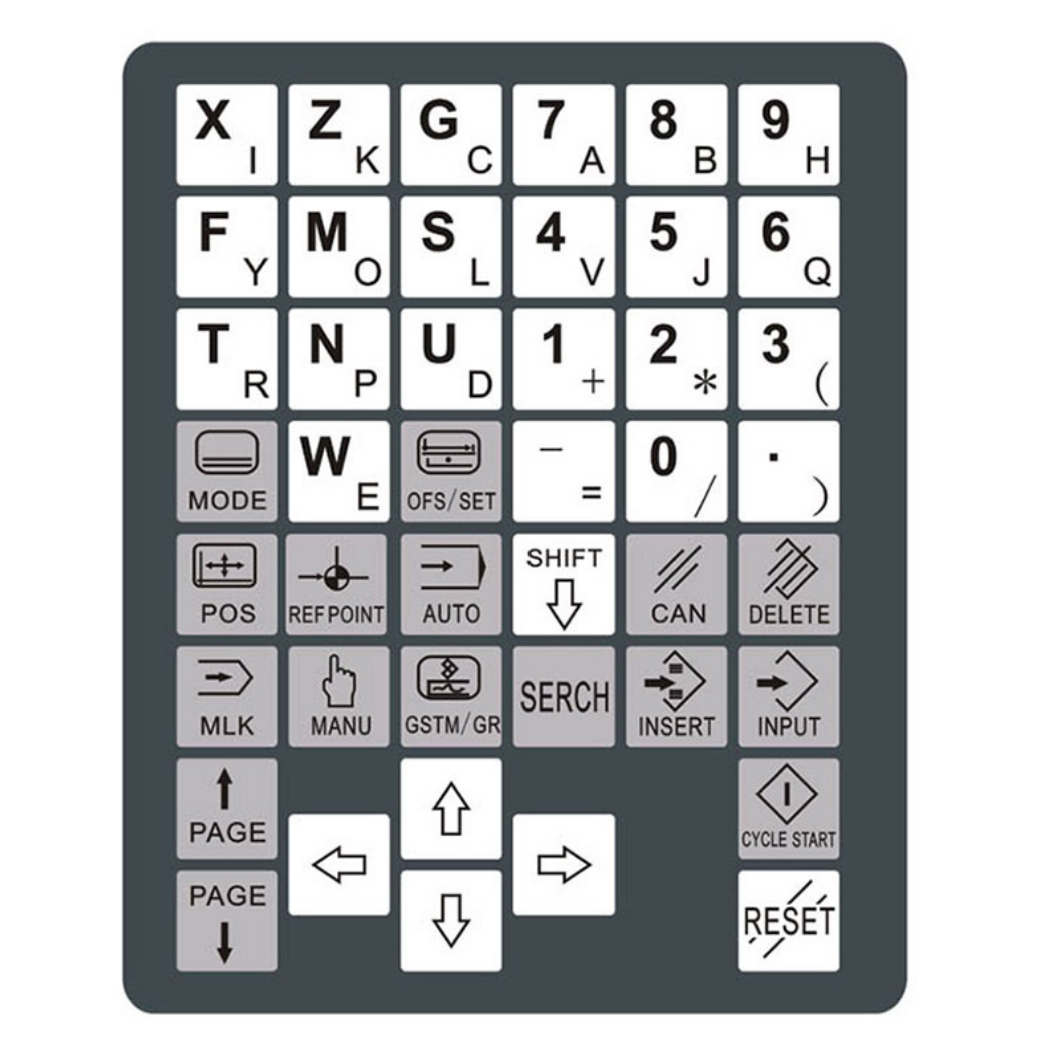
Custom Standard Good Price 3X3 4X5 Matrix Membrane Switch Keypad Keyboard Panel for Fuel Dispenser
- Circuit Matrix: 3x3 / 4x5 Reconfigurable
- Ingress Sealing: IP67 Waterproof Boundary
- Tactile Travel: 0.5mm with 350g Click
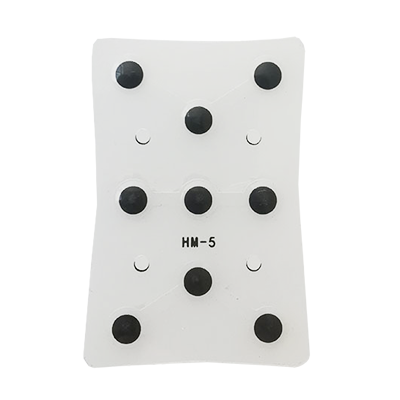
Membrane Keypad With Light Guide Film Metal Dome Array Sheet PCB Switch Button
- Illumination: Ultra-thin 0.125mm LGF
- Substrate: Rigid FR4 or Polyimide FPC
- Dome Contact: Nickel-Plated SUS301
Free Sample Metal Dome Array Single Layer Pet With Adhesive
- Carrier Film: Clear Mylar / Polyester
- Adhesive Base: 3M 467MP / 300LSE
- Life Expectancy: > 1,000,000 Cycles
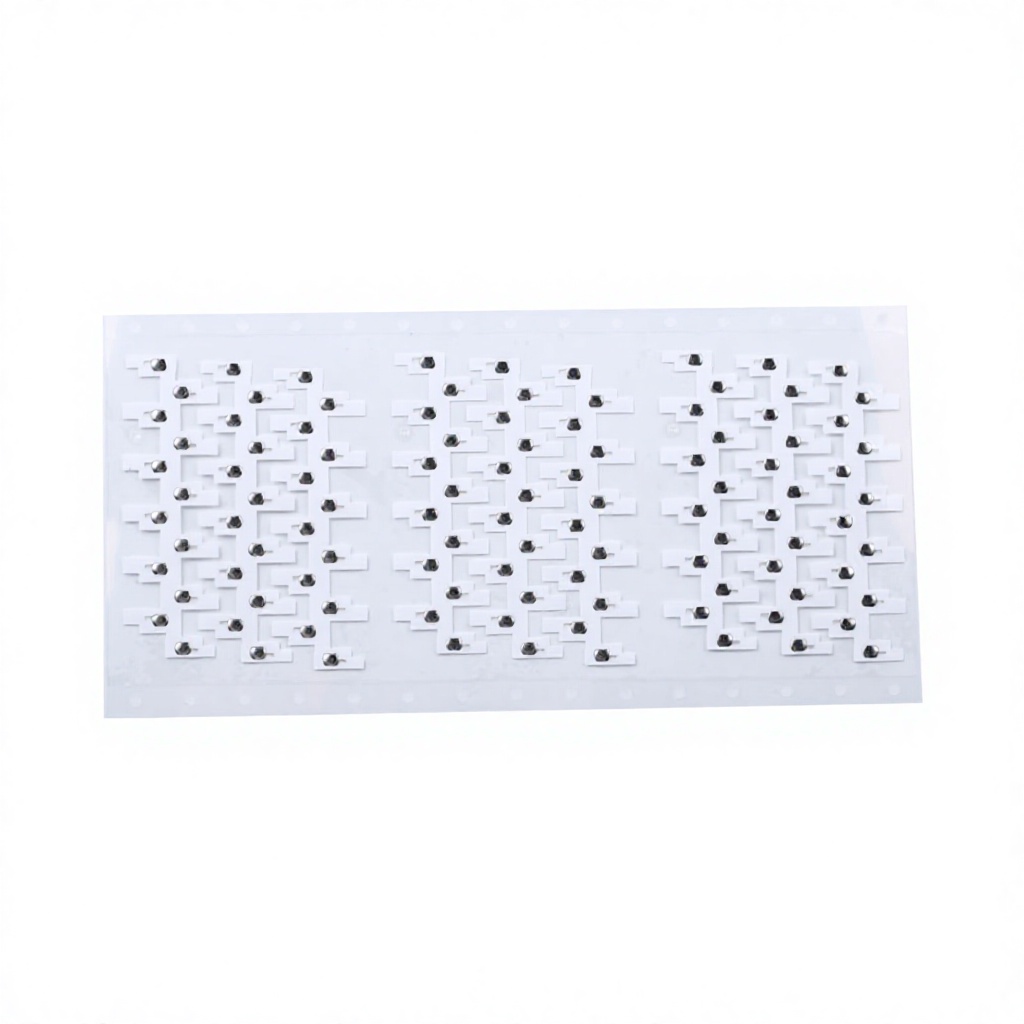
Single Layer SUS301 Stainless Steel Metal Dome Array for Earphone Mobile Phone Keypad Remote Control Switch
- Raw Metal: Japanese SUS301 3/4H
- Plating: Flash Gold / Bright Nickel
- Trip Force: 160g – 450g Customized
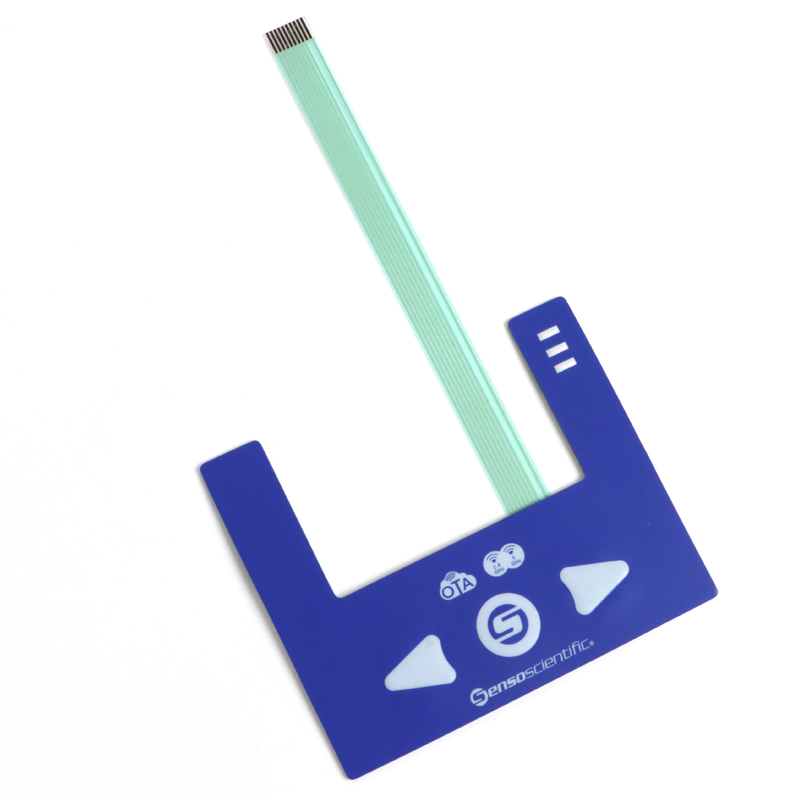
Manufacturer Custom Membrane Keypads Membrane Keyboard and Led Membrane Graphic Overlay
- Overlay Resin: Autotex F150 / F200 PET
- LED Mount: SMD 0603 / 0805 Embedded
- Interface: ZIF or Nicomatic Crimp

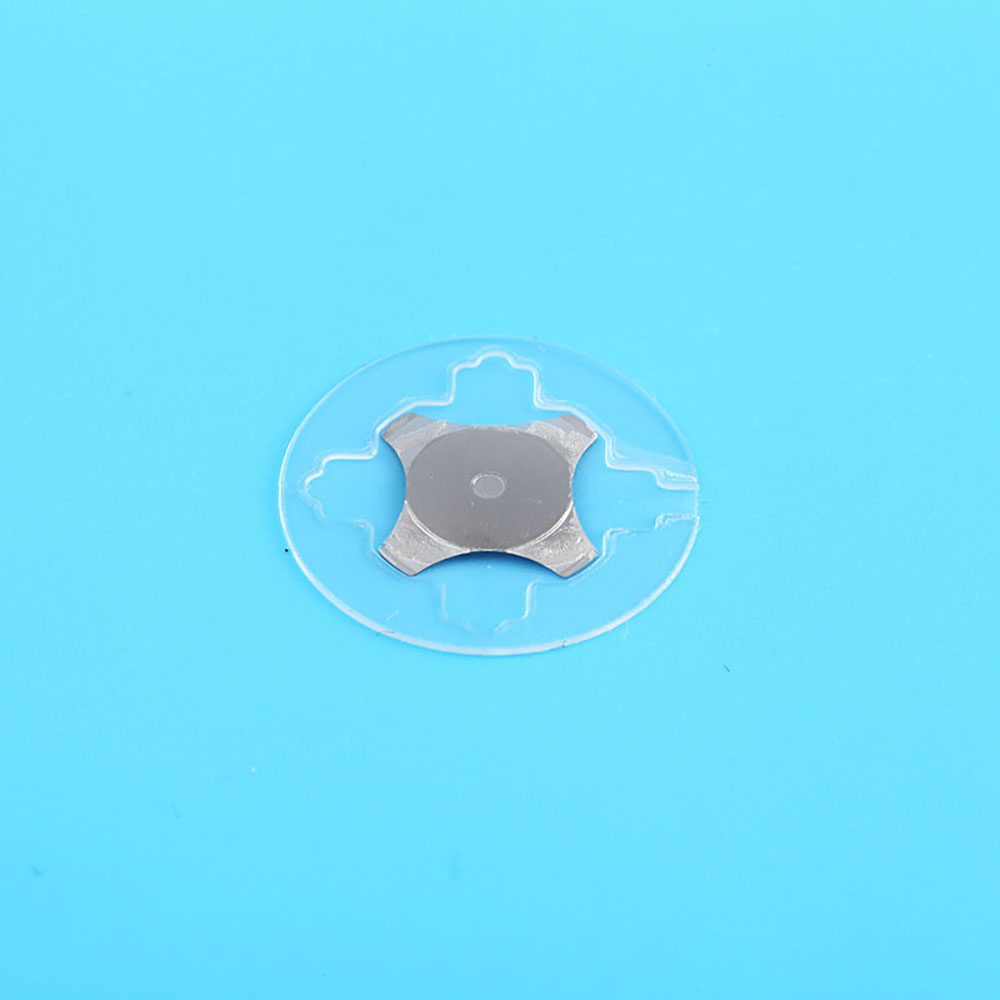
New Trend Factory Custom Cross 4-Legged Snap Dome Poly Metal Dome in Reel Packing for SMT Assembly on Membrane Switch
- Geometry: 4-Leg Cross with Dimple
- Packaging: EIA Tape & Reel for Auto-Pick
- Diameter: 6.0mm, 8.4mm, 10mm, 12mm
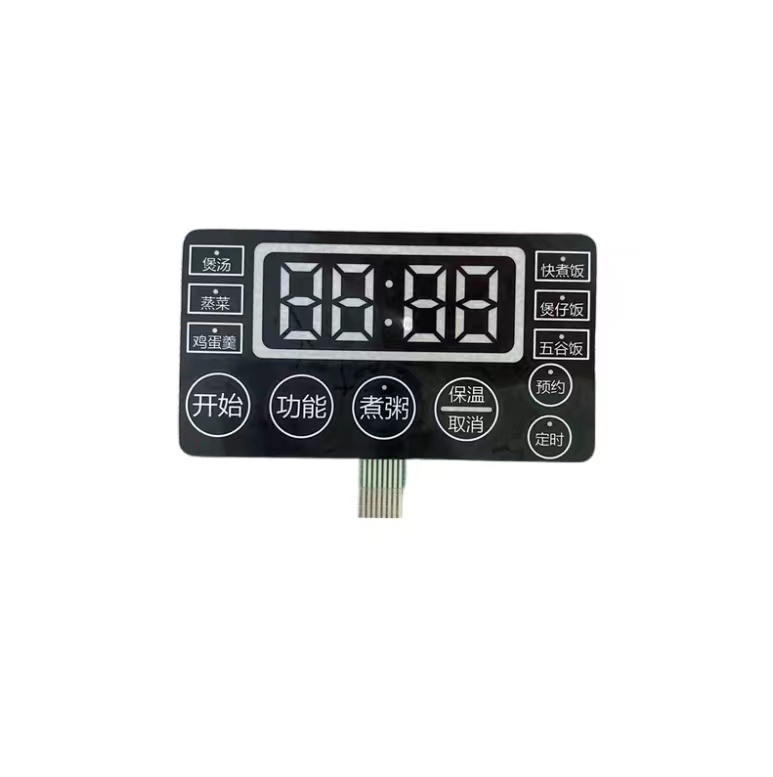
Hot Sale Factory Direct Membrane Switch Black Panel Control PC Membrane Switch Panel
- Overlay Base: Sabic Lexan Polycarbonate
- Embossing: Rim or Pillow Button Relief
- Chemical Shield: Diesel & Solvent Resistant
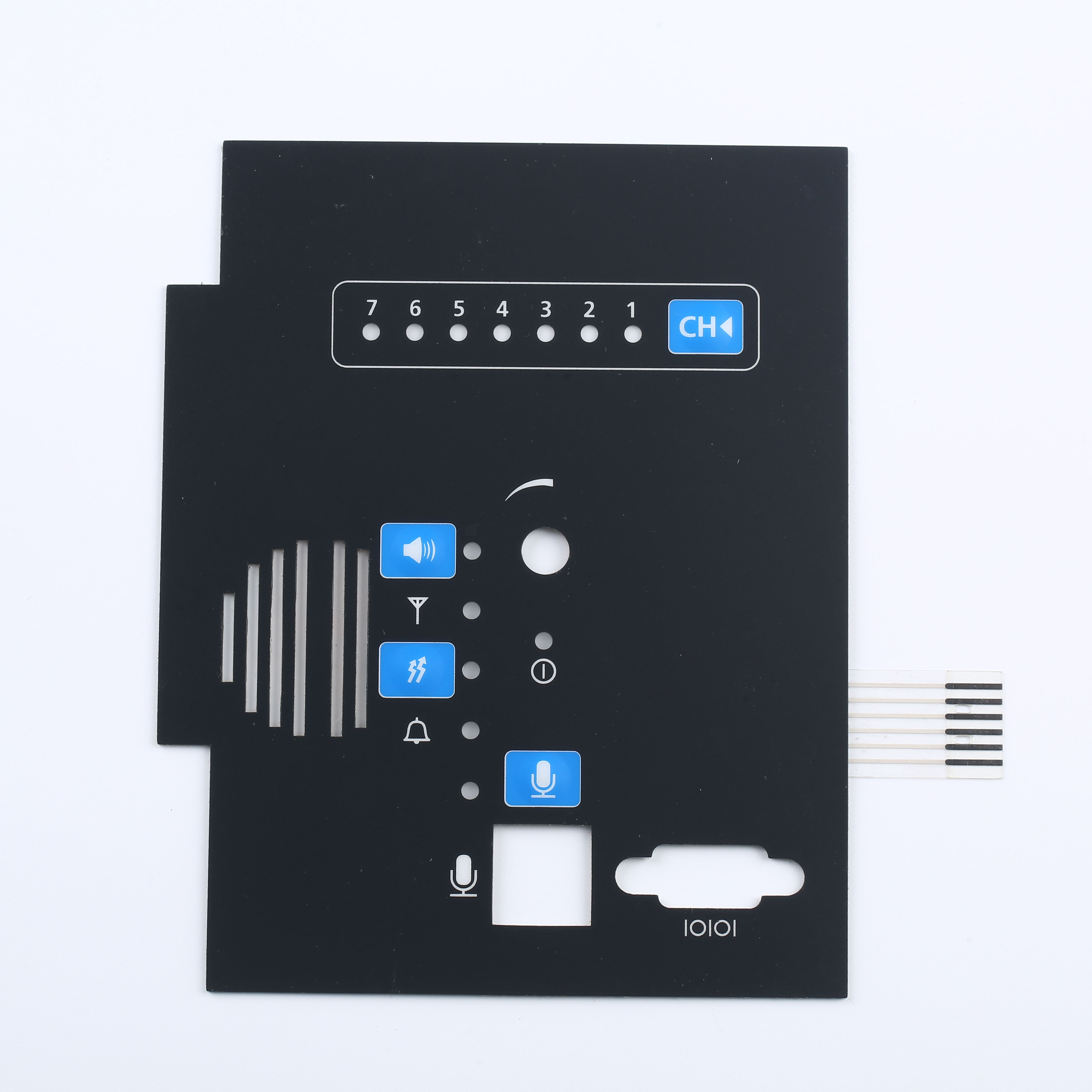
Polycarbonate Film Touch Switch Panel Screen Printing Process Electronic Product Instrument Display Membrane Switch
- Printing: Precision Sub-Surface Silkscreen
- Window Clarity: Optical Clear Tint for LCD/OLED
- Tolerances: CNC Laser Cut ±0.05mm
Overcoming Equatorial Maritime Corrosion in Tactile Switch Systems
For electronic product developers, infrastructure engineers, and procurement directors sourcing human-machine interface (HMI) modules for the Solomon Islands, standard commercial tactile keypads present severe reliability hazards. Located in the southwestern Pacific between latitudes 5° and 13°S, the Solomon Islands archipelago endures an equatorial oceanic climate characterized by constant relative humidity levels spanning 80% to 98%, average ambient temperatures exceeding 31°C, and heavy salt aerosol saturation driven by prevailing trade winds.
Under these rigorous maritime circumstances, conventionally manufactured membrane keypads inevitably succumb to electrolytic silver migration—a destructive phenomenon where moisture ingress combines with low electrical DC bias to generate microscopic conductive dendrites between adjacent circuit traces, resulting in permanent short circuits. Furthermore, the extreme Pacific Ultraviolet (UV) index often degrades standard low-grade Polycarbonate (PC) front overlays within 8 to 14 months, producing embrittlement, cosmetic yellowing, micro-cracking, and eventual loss of hermetic button seals.
Dongguan Cevra Electronic Technology Co., Ltd. (Cevra) addresses these critical operational failure modes through bespoke structural engineering. Operating from our 2,600㎡ ISO 9001 certified production facility in Guangdong, China, Cevra integrates high-grade raw materials—including Japanese high-tensile SUS301 stainless steel tactile snap domes, DuPont silver pastes with proprietary carbon overcoat barriers, copper-etched Flexible Printed Circuits (FPC), and MacDermid Autotex marine-stabilized polyester (PET) films. Our tactile switches maintain tactile actuation integrity across millions of cycles, ensuring uninterrupted operation for the Solomon Islands' mission-critical maritime, energy, and telecommunications installations.
Tactile Keypad Applications Tailored for Solomon Islands Industries
From the bustling logistics nodes of Point Cruz in Honiara to remote outer-island off-grid installations in Malaita, Western Province, and Choiseul, Cevra tactile keypad modules empower dependable device control across vital economic sectors.
Off-Grid Solar PV & BESS Inverters
Decentralized solar micro-grids and battery storage systems (BESS) installed across remote provinces require robust user input interfaces immune to moisture condensation and nighttime thermal shifts.
- Hermetically isolated switch cavities prevent internal condensation
- High-contrast backlit keys with Light Guide Film (LGF) for dark enclosures
- UV-stabilized textured overlays resisting direct tropical sunlight
Marine Bridge & Commercial Fishing
Inter-island transport ferries, landing craft, and Noro-based commercial tuna fishing vessels demand bridge consoles that withstand direct seawater spray, salt encrustation, and aggressive washdowns.
- Gold-plated stainless steel domes (SUS301) immune to salt-fog corrosion
- Crisp snap feedback operable through heavy-duty rubberized marine gloves
- 3M 300LSE adhesive bonding directly to marine-grade cast aluminum cases
Honiara Port Fuel & Bulk Terminals
Fuel dispensing units, shore power control pillars, and bulk container handling stations at the Port of Point Cruz require petroleum-resistant tactile keypads rated for explosive fumes and continuous use.
- Solvent-resistant Autotex PET overlays resisting diesel and gasoline splash
- Explosion-proof low-voltage contact designs complying with ATEX safety
- 16-key matrix keypads with embossed tactile perimeter framing
Mining, Quarrying & Timber Processing
Heavy machinery operating at the Gold Ridge gold mine on Guadalcanal and timber logging operations throughout the provinces encounter extreme vibration, abrasive red mud, heavy particulate dust, and mechanical impacts. Cevra constructs heavy-gauge tactile panels featuring 0.25mm embossed PET top sheets, 450g high-actuation metal domes to prevent accidental activation from chassis vibration, and IP68 perimeter silicone seals that prevent slurry infiltration.
Remote Island Telecommunications & Meteorology
Autonomous wireless relay towers operated by telecommunication providers (such as Our Telekom) and meteorological stations on remote volcanic islands require maintenance-free HMI terminals. Cevra provides copper-etched FPC switches with gold-plated contact pads that completely eliminate dendrite growth even when exposed to sulfurous volcanic atmospheres and constant 95% humidity, assuring flawless diagnostics and field calibration for over 10 years.
Tactile Keypad Material Selection for Pacific Ocean Environments
Choosing the correct combination of graphic overlay, circuit conductive medium, and dome metallurgy is essential to avoid premature failure in the Solomon Islands. Review our technical stack comparison below.
| Performance Criterion | Commercial Grade Membrane Switch | Cevra Tropical Marine-Grade Tactile Switch | Cevra Rugged Copper FPC Tactile Panel |
|---|---|---|---|
| Overlay Material | Standard Monolithic PC (Lexan 8010) | Autotex F150 / F200 Marine Grade PET | Hard-Coated Anti-Glare Anti-UV PET / PC Blend |
| Conductive Traces | Silver Ink screen-printed on PET | DuPont Silver with Carbon Dielectric Cap | Etched Rolled Annealed Copper Foil on Polyimide |
| Silver Migration Immunity | Poor (High risk of short circuits >80% RH) | High (Carbon mask barrier prevents ionization) | Absolute (100% immune; solid copper metallurgy) |
| Tactile Dome Metallurgy | Nickel-plated Carbon Steel | Japanese SUS301 High-Yield Stainless Steel | Flash Gold-Plated SUS301 (50μ-inch Gold) |
| Adhesive Specification | Generic Acrylic Double-sided Tape | 3M 467MP / 3M 468MP High Performance Adhesive | 3M 300LSE / 3M VHB Moisture-Tolerant Bonding |
| Operational Temperature | -10°C to +50°C | -30°C to +80°C | -40°C to +105°C |
| Actuation Lifespan | 100,000 to 300,000 cycles | > 1,000,000 cycles | > 3,000,000 cycles |
| Target Regional Use Case | Dry indoor office peripherals only | Port dispensers, solar inverters, boat consoles | Mining equipment, telecom towers, outdoor military |
Solomon Islands Industrial HMI & Hardware Modernization Trends
Key economic transitions across the archipelago are driving next-generation hardware interface specifications.
1. Tina River Hydropower & Clean Energy Transition
With major capital projects like the Tina River Hydropower Project nearing completion on Guadalcanal, utility monitoring hardware, remote telemetry units (RTUs), and substation tap-changer panels require sealed tactile keypads with integrated LED annunciators that guarantee zero failure under round-the-clock jungle humidity conditions.
2. Transition from Touchscreens to Rugged Tactile Switches
Industrial operators in Noro's tuna cannery facilities and Point Cruz vessel berths are increasingly moving away from purely capacitive touchscreens. In heavy rain, sea spray, or when workers wear protective petroleum-resistant gloves, touchscreens register phantom inputs. Tactile metal dome switches provide physical snap confirmation that never triggers false operations.
3. Direct China-to-Pacific Supply Chain Optimization
Historically, Solomon Islands engineering firms procured replacement switch panels through costly intermediaries in Brisbane or Auckland. Local enterprises and OEM contractors are now establishing direct-to-factory partnerships with China-based ISO 9001 certified manufacturers like Cevra, saving 40% to 60% on unit costs while accessing rapid engineering DFM consultations.
Why International Buyers Trust Cevra’s Dongguan Manufacturing Facility
Located in the global electronics center of Dongguan, China, Dongguan Cevra Electronic Technology Co., Ltd. has delivered precision Human-Machine Interface solutions since March 2009. Our manufacturing infrastructure is independently verified on-site by SGS Group.
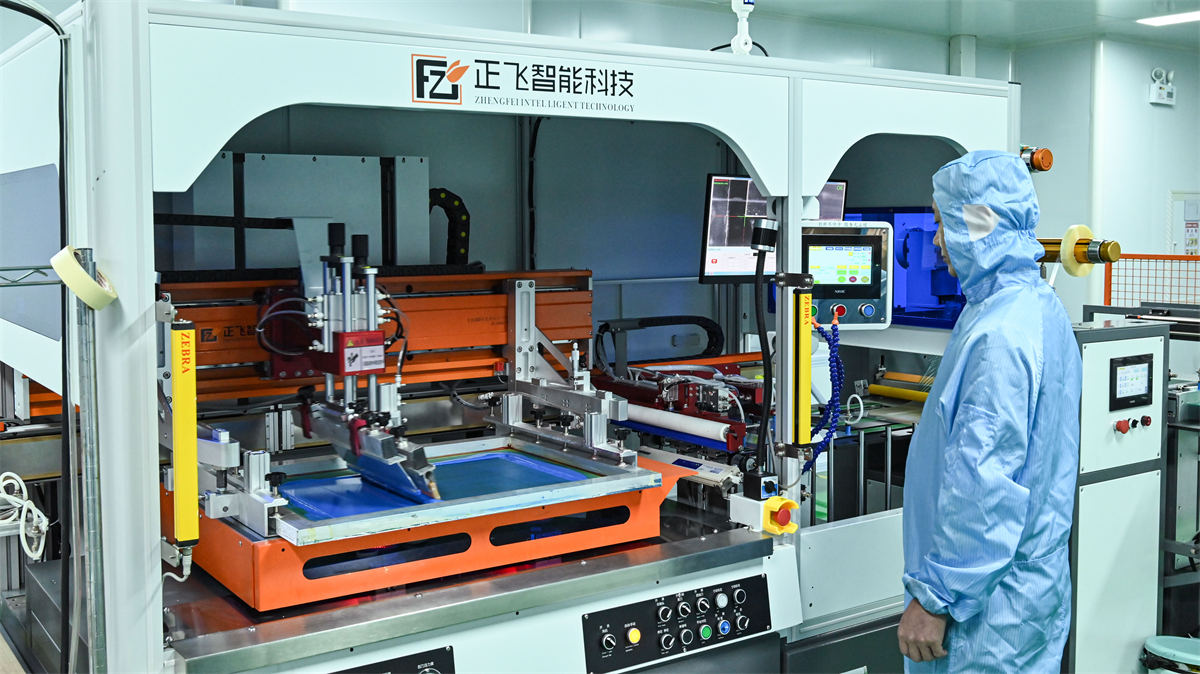
Precision Screen Printing
100,000-class dust-free printing suites ensuring zero particle contamination on circuit traces and transparent display windows.
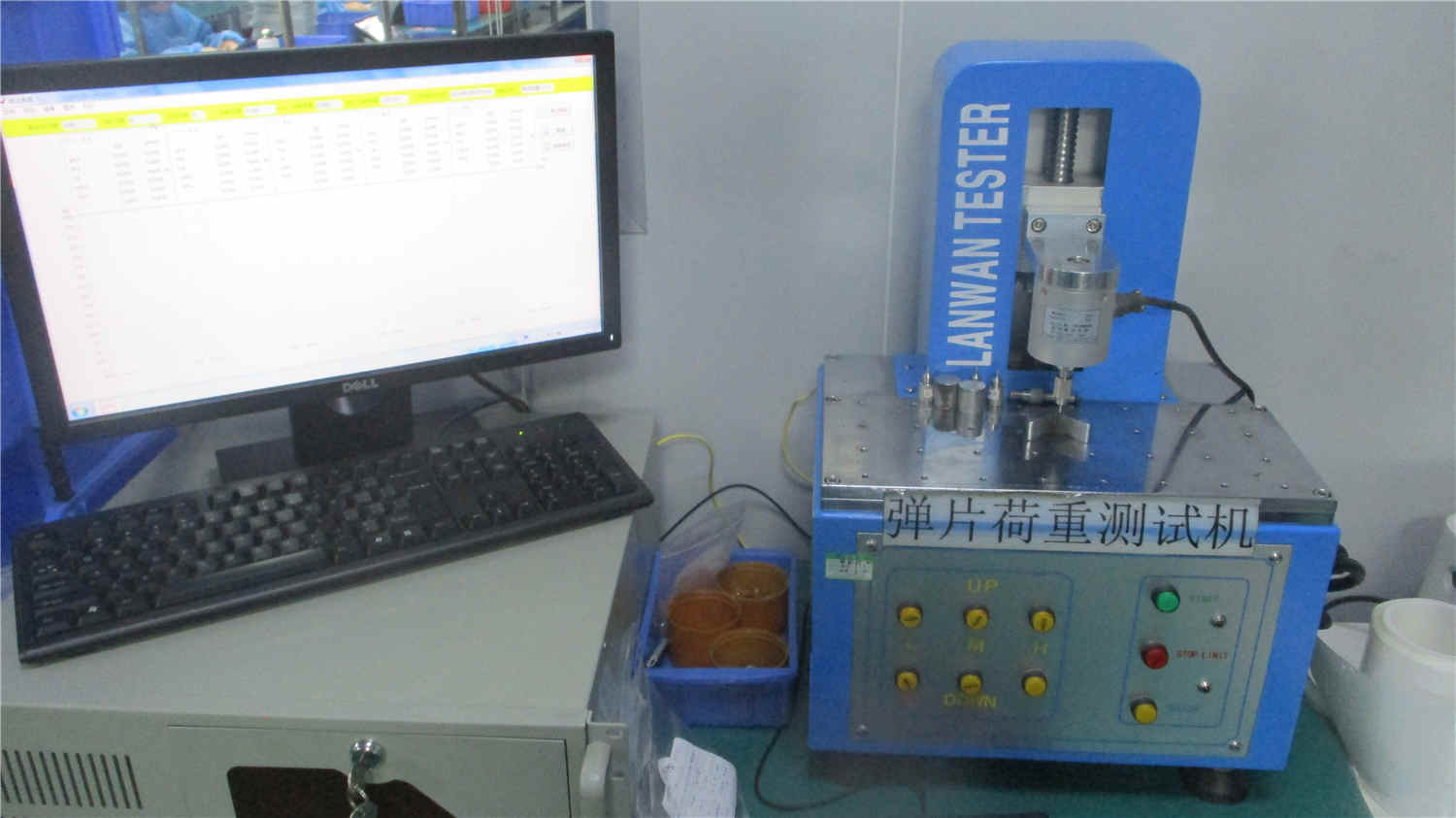
Metal Dome Load Force Testing
Computerized force-displacement curve analysis verifying tactile ratio, click feeling, and trip force consistency per lot.
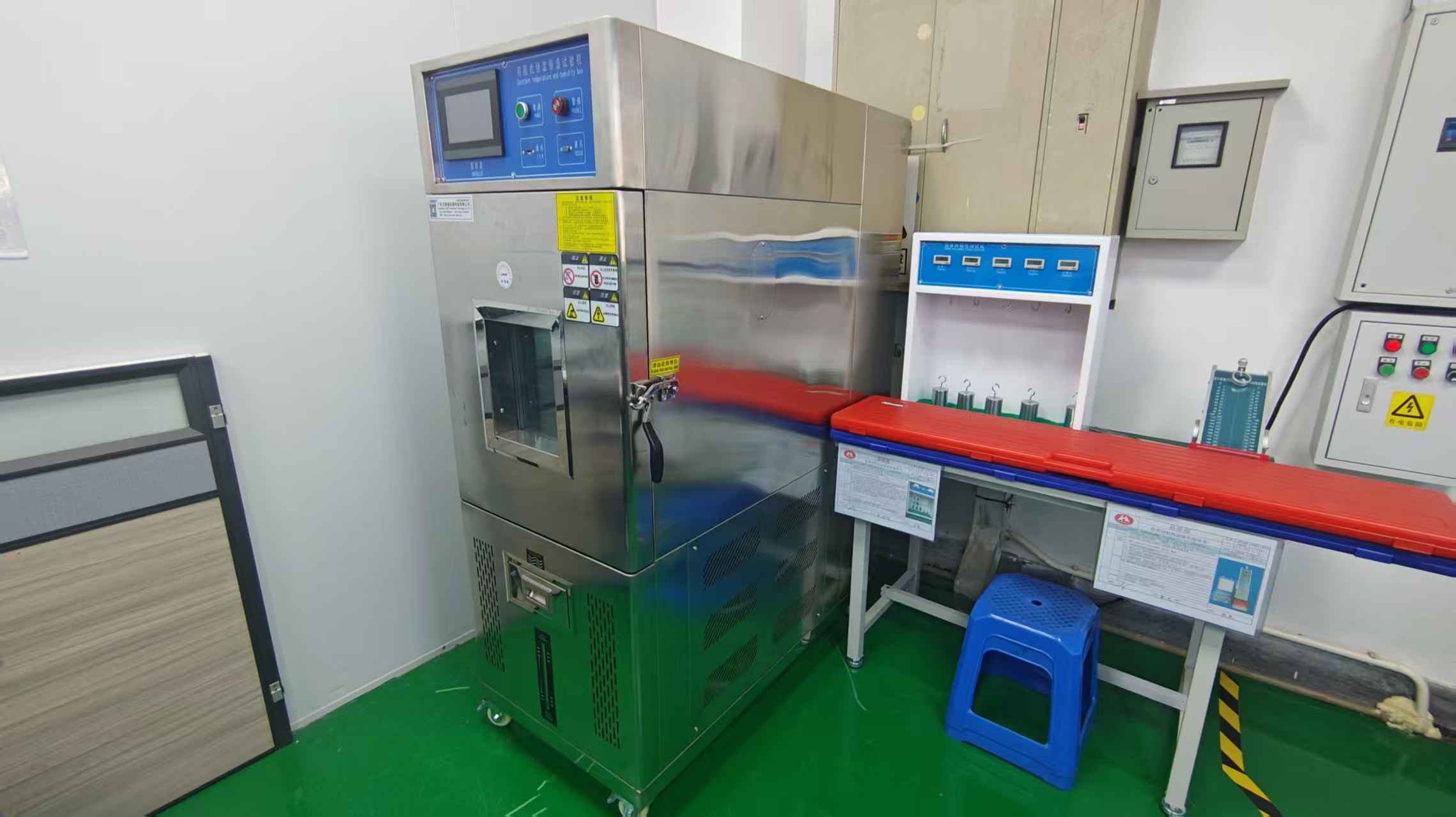
Environmental Stress Testing
High and low temperature, humidity chambers (-40°C to +120°C, 98% RH) simulating prolonged Pacific maritime exposure.
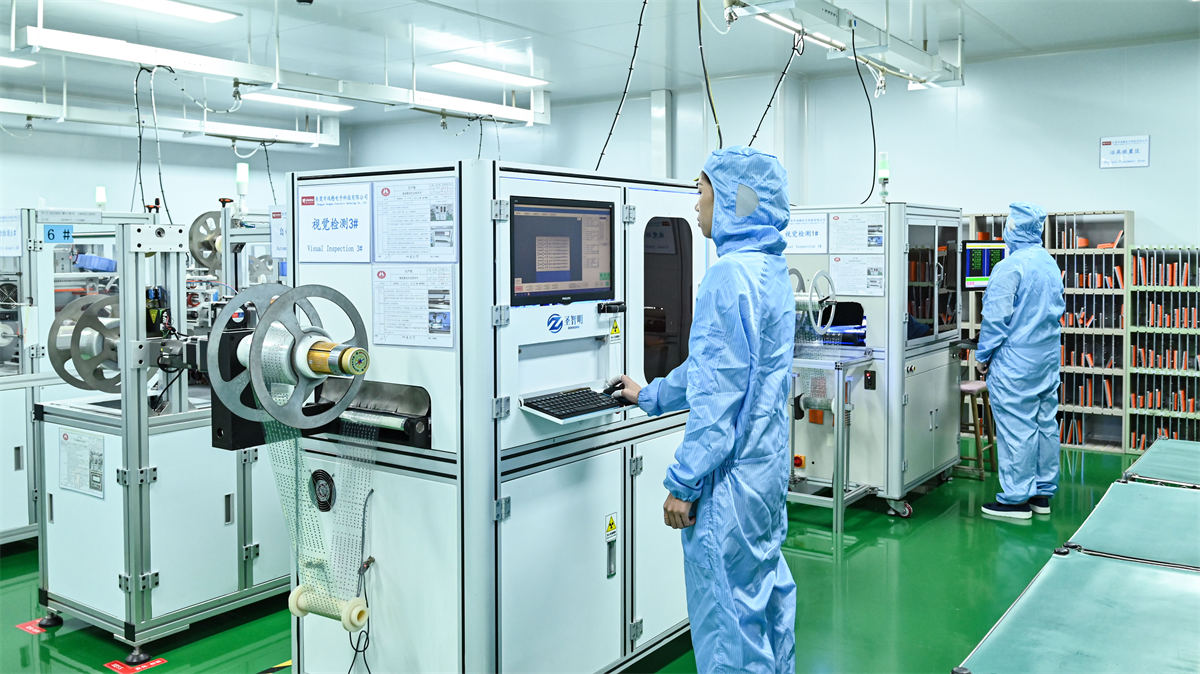
CCD Vision Inspection
Automated optical inspection verifying sub-millimeter alignment of graphic key outlines, LED windows, and dome arrays.
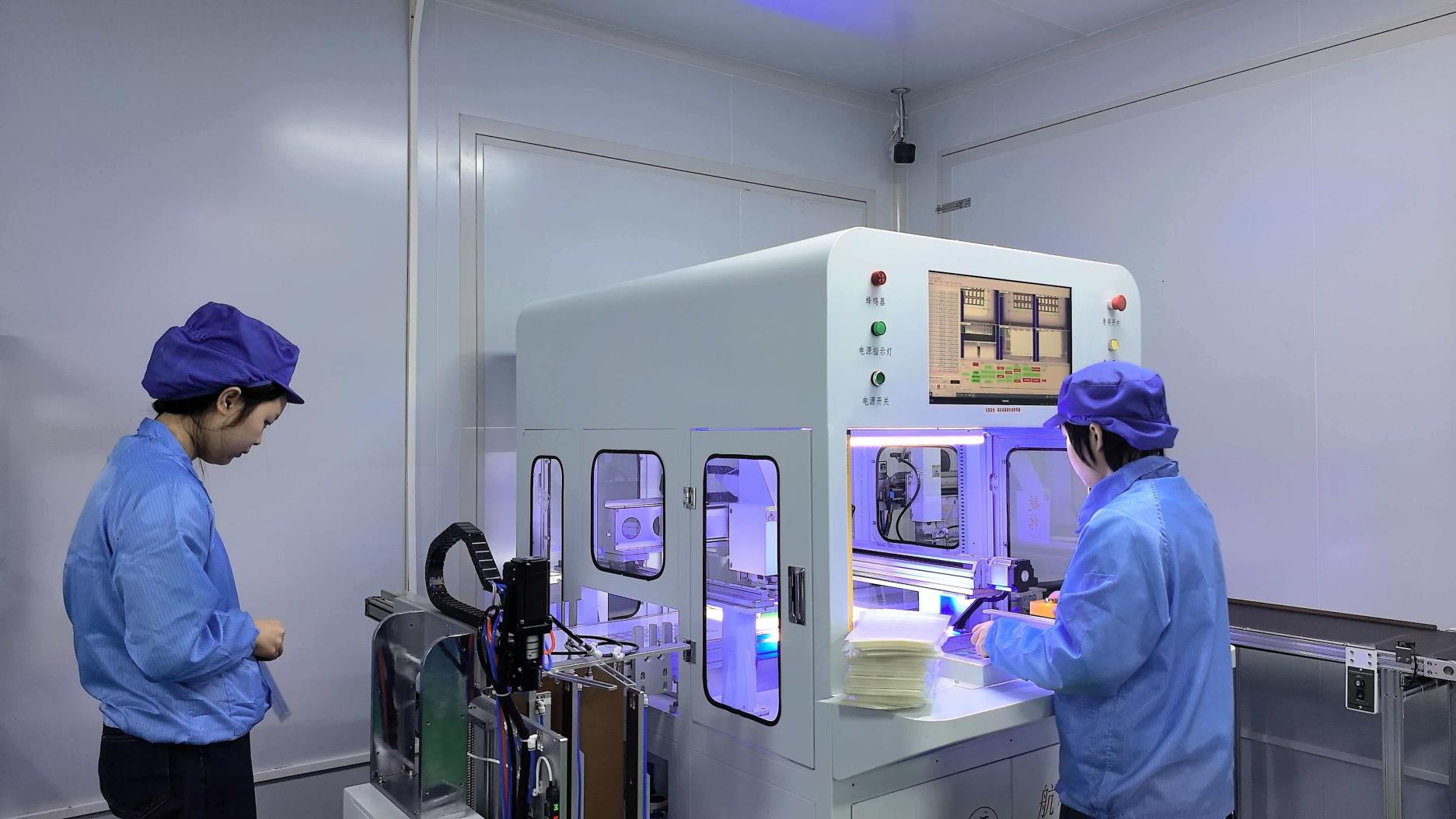
Automatic Vacuum Lamination
High-precision automated layer laminating lines that eliminate air trapped between graphic, spacer, and circuit layers.
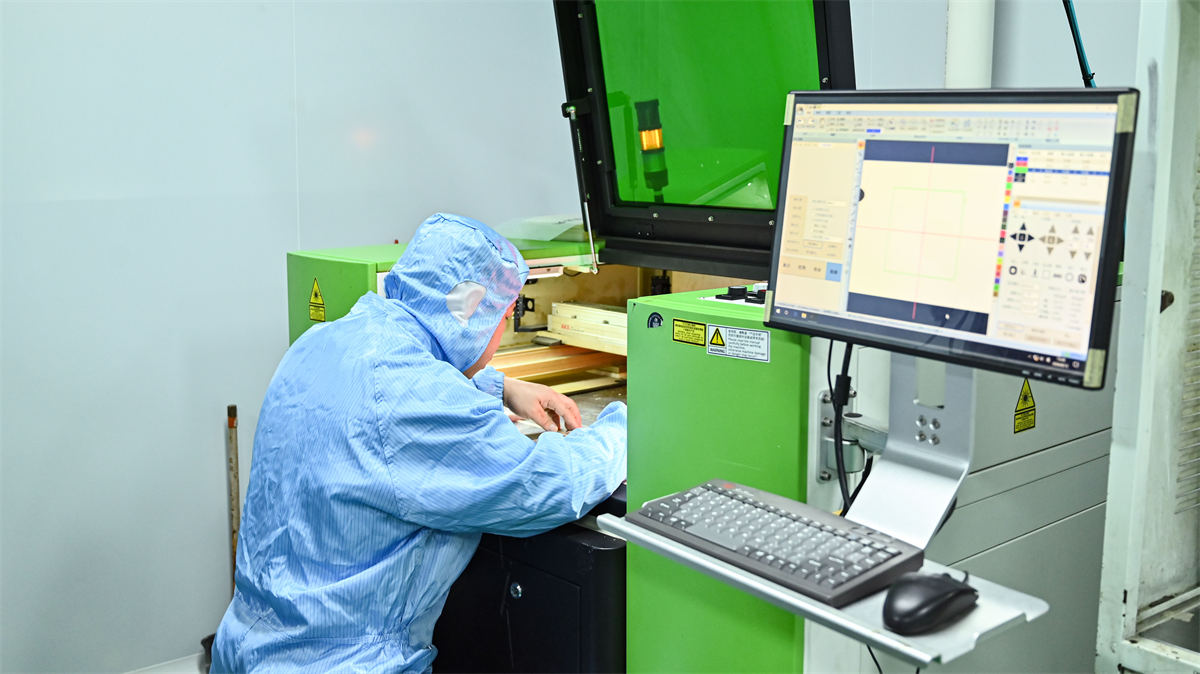
CNC Laser & Die Punching
High-speed laser cutting achieving ±0.05mm dimensional tolerances on intricate perimeter gaskets, cutouts, and tail positions.
Ready to Review CAD Drawings or Request Prototype Samples?
Our bilingual engineering team provides DFM analysis and layer stack recommendations within 24 hours.
Frequently Asked Questions: Sourcing Tactile Keypads for Solomon Islands
Direct answers for procurement officers, system integrators, and equipment manufacturers regarding specifications, lead times, logistics, and quality assurance.
How does Cevra prevent silver migration in the hyper-humid climate of Solomon Islands?
Can Cevra custom tactile keypads be operated while wearing heavy work gloves?
What are the shipping routes, customs transit times, and packaging methods to Honiara?
What is the Minimum Order Quantity (MOQ) for custom membrane switches and metal dome arrays?
How do I verify the authenticity and credential compliance of Cevra before placing an order?
What engineering design files are required to generate an accurate quotation and DFM report?
Engineered for Extreme Reliability. Manufactured for the Solomon Islands.
Whether you are upgrading marine electronics in Noro, assembling remote solar inverter systems for provincial off-grid communities, or manufacturing fuel management consoles in Honiara, partner with China’s premier tactile keypad engineering factory.
Send an Inquiry