Featured Capacitive & Tactile Membrane Switch Solutions
Explore our top-tier HMI panels, illuminated touch assemblies, and stainless snap dome arrays engineered for high-salinity Pacific applications.
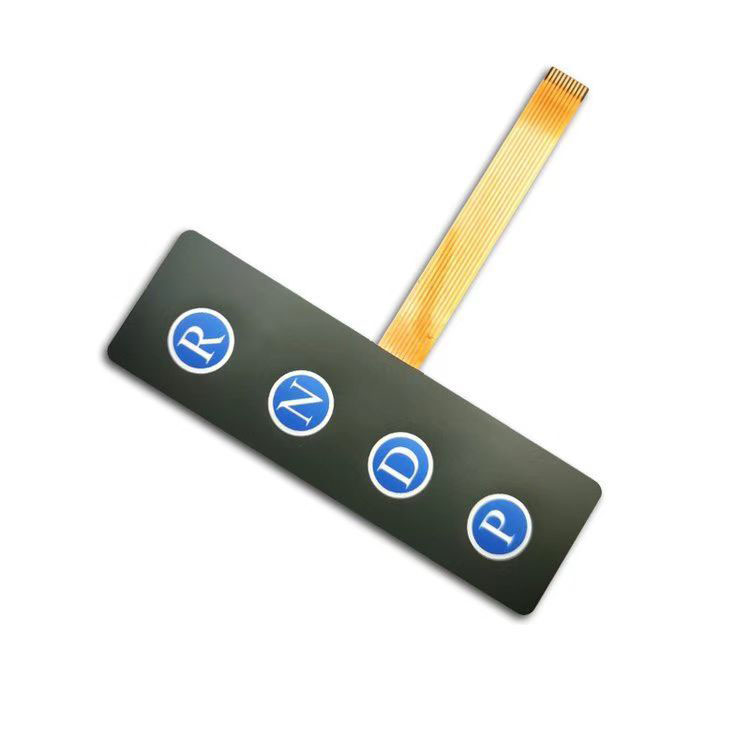
Embossing Diy Backlit 3 4 5 Button Touch Controller Membrane Switch Keypad Repair
- IlluminationUniform LED Backlit
- Key ConstructionEmbossed Tactile / Touch
- Ingress RatingIP65 Splash-Proof
- ApplicationResort Automation / Repair
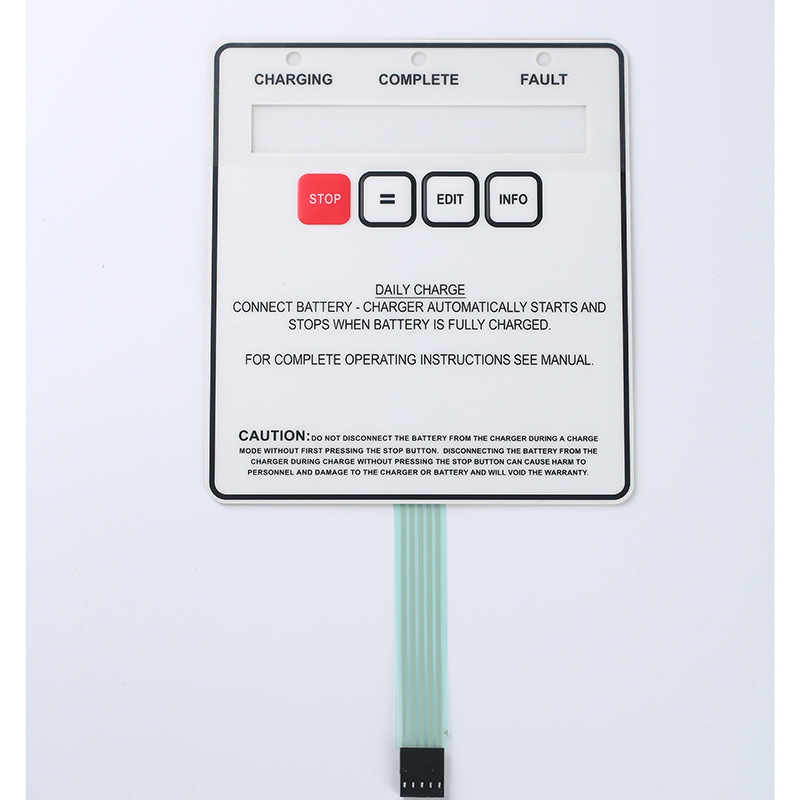
Waterproof and Dustproof Membrane Control Panel in Medical Equipment Medical Membrane Switch
- Overlay SurfaceAntimicrobial Textured PET
- Sealing StandardIP67 Dust & Water Hermetic
- Actuation Force280g - 350g Crisp Feel
- ApplicationClinic & Lab Diagnostic Devices
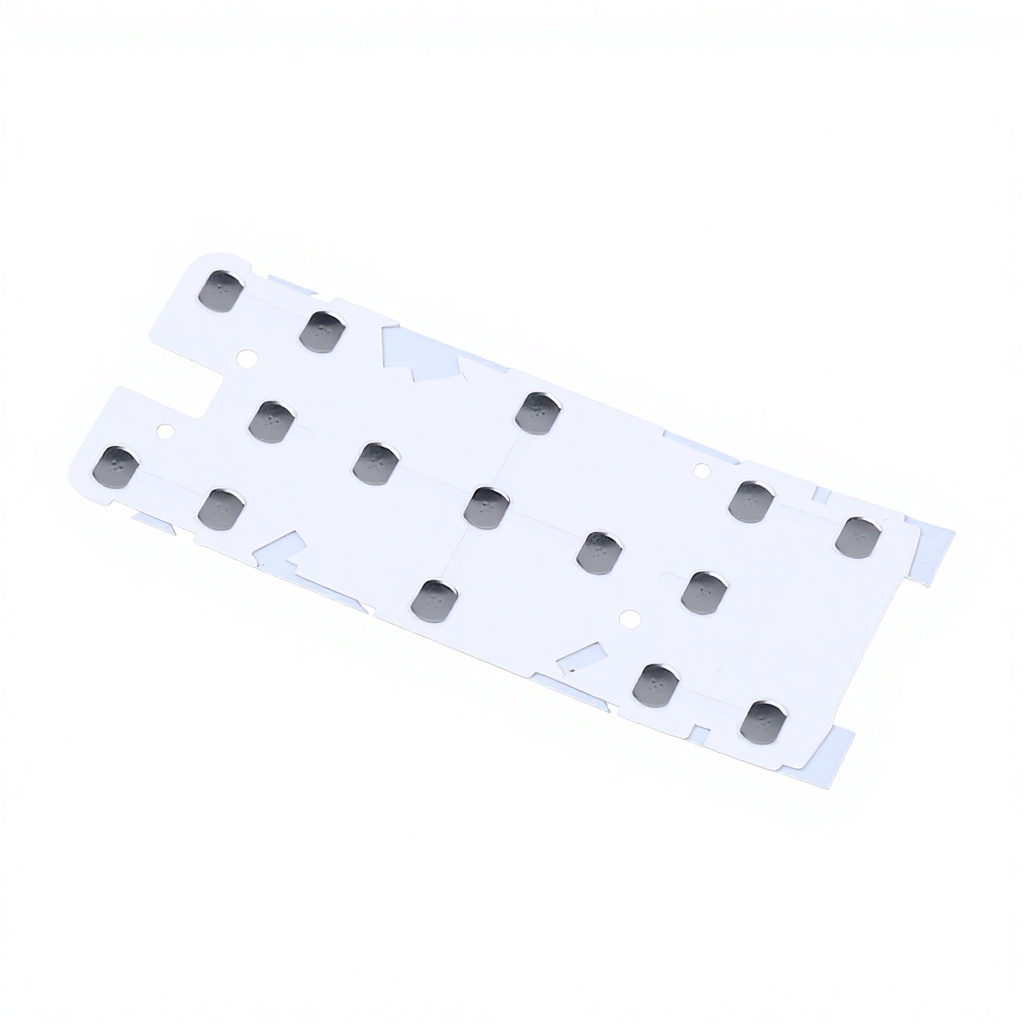
Customized White PET Waterproof Single Layer SUS301 Stainless Steel Dome Array Remote Control Metal Dome Array
- SubstrateAdhesive White PET Carrier
- Dome AlloySUS301 Stainless Steel
- PlatingNickel / Gold Contact
- ApplicationMarine & Crane Handheld Controls
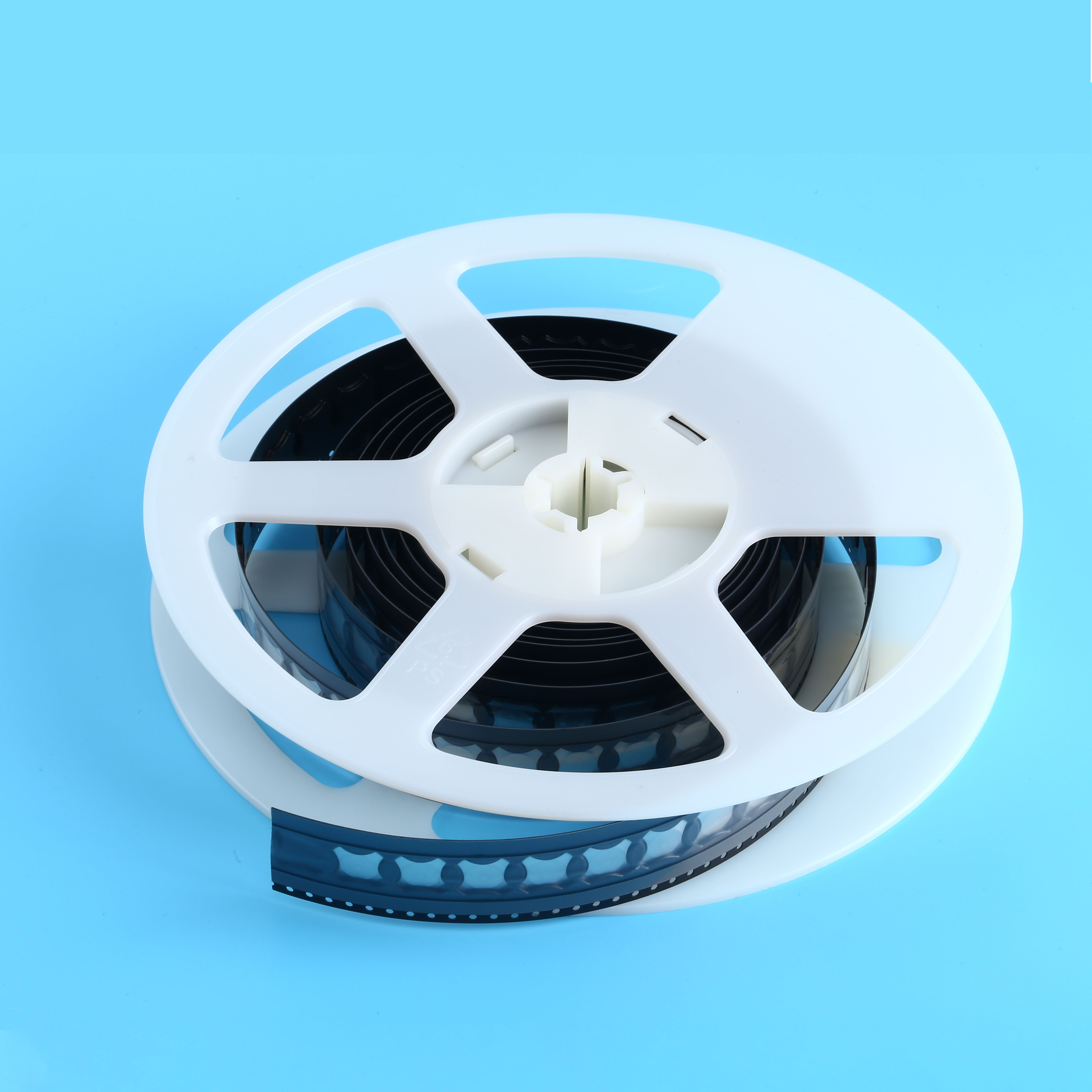
New Trend Factory Custom Cross 4-Legged Snap Dome Poly Metal Dome in Reel Packing Metal Dome Array
- Dome Geometry4-Leg Cross with Dimple
- PackagingTape & Reel for Auto Pick-Place
- Mechanical Life> 1,000,000 Cycles
- ApplicationPCB Sub-assembly Integration

New Trend Factory Custom Cross 4-Legged Snap Dome Poly Metal Dome in Reel Packing for SMT Assembly on Membrane Switch
- Mounting MethodSMT High-Speed Production
- Contact Resistance< 100 mΩ Low Ohmic
- Diameter Range8.4mm / 10mm / 12mm
- ApplicationHigh-Density Interface PCBs
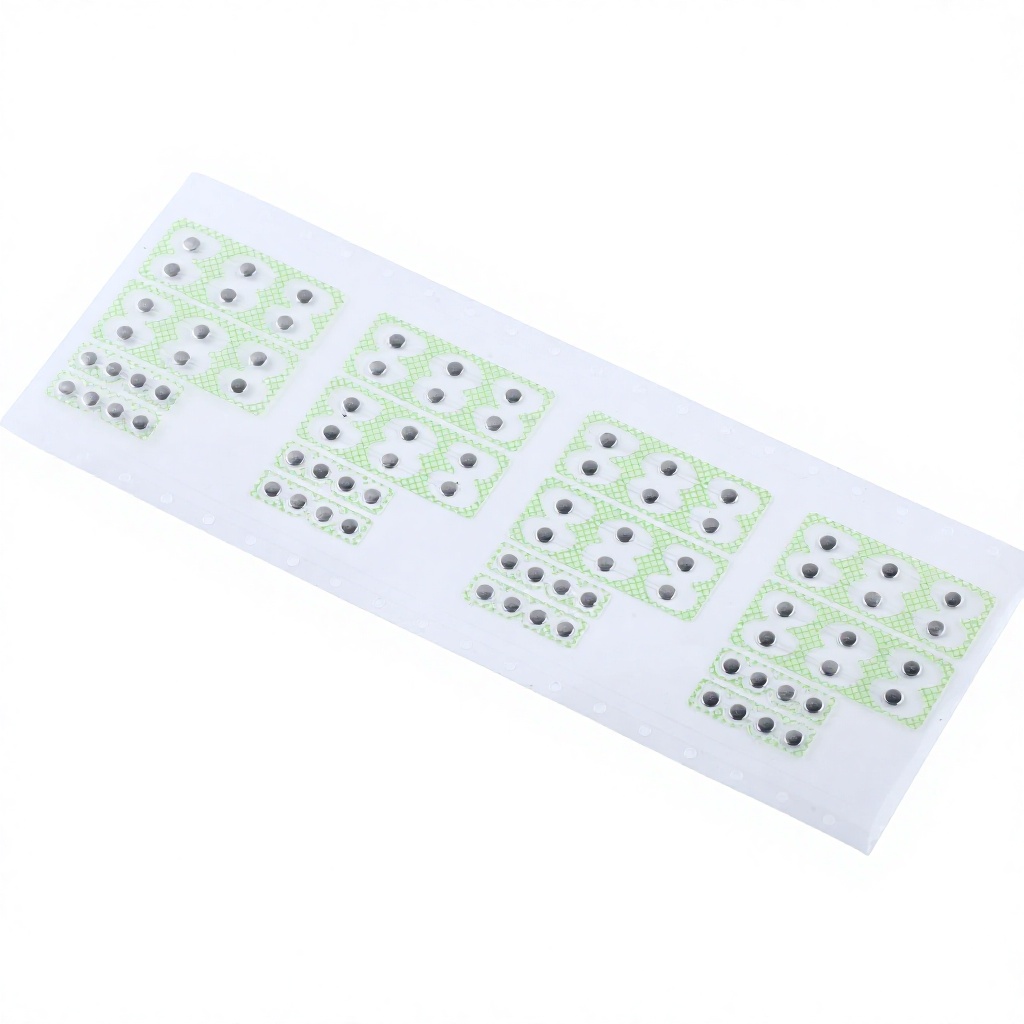
Waterproof Single Layer SUS301 Stainless Steel Dome Array Remote Control Metal Dome Array
- Moisture DefenseIntegrated Micro-Vent Channels
- Adhesive Layer3M High-Bond Waterproof Tape
- Trip Force Tolerance±20 Grams Precision
- ApplicationHarsh Environment Remote Remotes
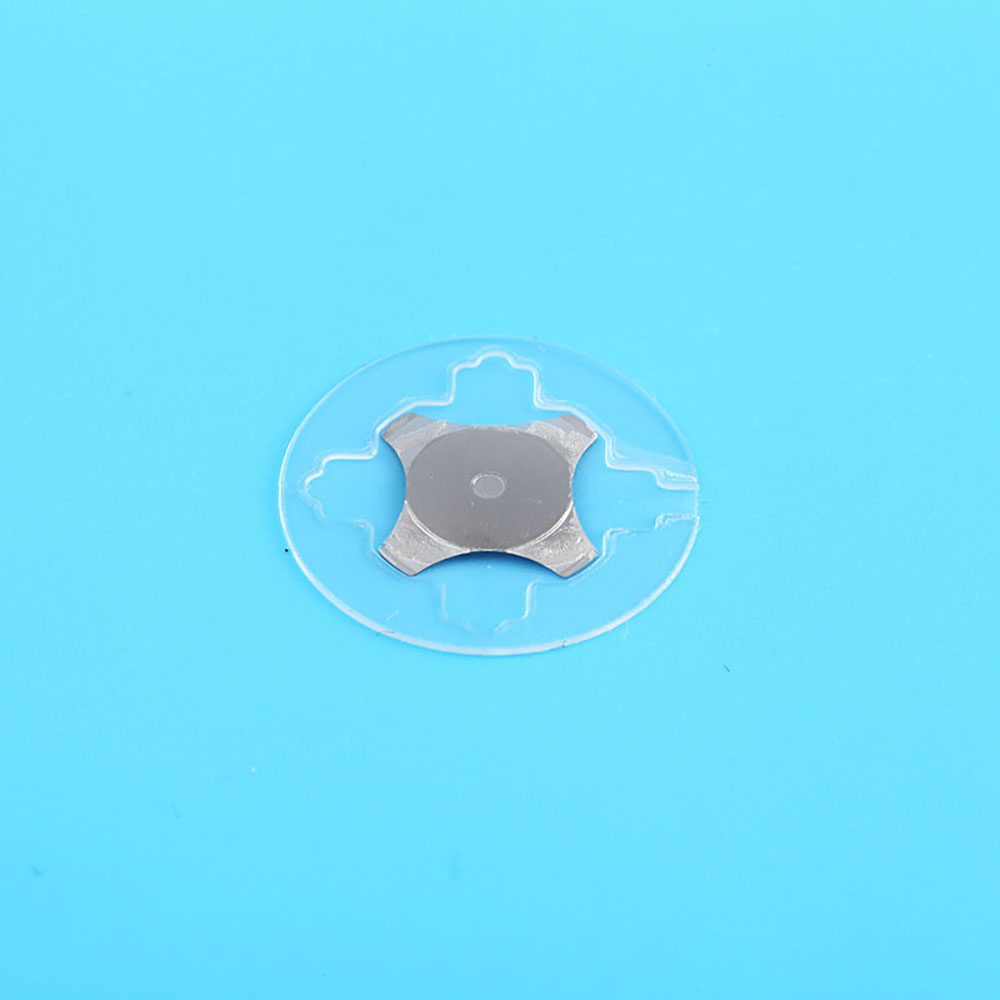
Free Sample Metal Dome Array Single Layer Pet With Adhesive
- Sampling StatusEngineering Verification Samples
- Base FilmHigh-Transparency Optical PET
- Dome LayoutCustom Pitch & Matrix Config
- ApplicationOEM Design Prototyping
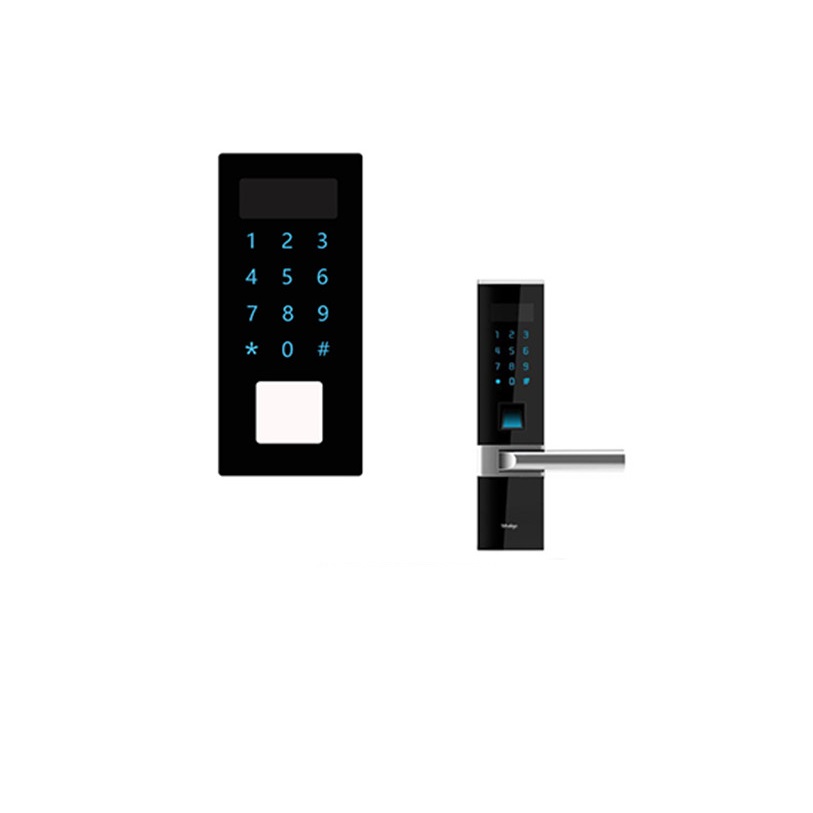
Custom Waterproof Keypad Smart DoorTouch Switch Button Membrane Switch PMMA Membrane Switch Panel Capacitive
- Front PanelTough Optical PMMA Acrylic
- Touch ArchitectureProjected Capacitive Sensing
- Sealing CapabilityIP68 Seamless Smooth Surface
- ApplicationSmart Resort Entry & Access HMI
Capacitive HMI Performance in Oceanic & Tropical Pacific Conditions
An authoritative engineering analysis on overcoming ionic humidity, salt-spray fogging, and extreme ultraviolet degradation in the Fiji archipelago.
Deploying electronic user interfaces across the Republic of Fiji presents unique electro-mechanical challenges. Operating environments across Viti Levu and Vanua Levu frequently subject human-machine interfaces (HMIs) to relative humidity levels exceeding 90%, ambient operating temperatures alternating between coastal solar baking (+35°C) and conditioned indoor atmospheres (+18°C), and severe ambient ionic salinity driven by Pacific trade winds. Traditional open-frame electromechanical switches or substandard commercial keyboards suffer premature catastrophic failure under these tropical maritime conditions due to contact oxidation, galvanic copper corrosion, and particulate ingress.
As China’s foremost engineering manufacturer and direct exporter of capacitive membrane switches and precision metal dome assemblies to Fiji, our facility engineers capacitive touch modules specifically optimized to maintain signal-to-noise ratio (SNR) integrity under wet finger tracking and surface moisture filming. Capacitive membrane switches replace conventional moving contact fingers with printed copper, silver, or carbon capacitive sensor pads encased entirely within impermeable dielectric barriers. When an operator approaches the front overlay—typically constructed of optical-grade polymethyl methacrylate (PMMA) or chemically treated Autotex polyester (PET)—the local dielectric constant changes, inducing a measurable micro-capacitance delta that our tuned microcontroller IC registers instantaneously without requiring physical switch compression.
Material Stack-Up Integrity: Chemical Resistance & Dielectric Reliability
The operational lifespan of a capacitive membrane switch operating along the coastal corridors of Suva, Lautoka, and Denarau is entirely governed by its laminated material stack-up. Our Dongguan production facility applies medical-grade, biaxially oriented polyester (PET) films and UV-stabilized acrylic substrates that resist prolonged exposure to UV Index ratings of 11+. Utilizing high-performance pressure-sensitive adhesives (such as 3M 467MP, 468MP, and 3M 300LSE for low surface energy plastics), each layer is laminated inside clean-room environments under controlled pressure and temperature to guarantee total hermetic isolation.
Furthermore, while standard membrane keypads frequently utilize open silver-paste conductors that are susceptible to silver dendrite migration in humid, electrified conditions, our proprietary conductive routing utilizes carbon-overcoated silver inks and multi-pass dielectric insulation. For hybrid interfaces requiring physical haptic tactile feedback alongside capacitive proximity sensing, our SUS301 stainless steel metal dome arrays provide crisp tactile clicks rated for over 1,000,000 actuations, with optional nickel or selective hard-gold electroplating ensuring contact resistances lower than 100 milliohms across years of continuous oceanic service.
Localized Application Scenarios Across Fiji's Key Industries
Tailored HMI configurations engineered for resort infrastructure, agricultural manufacturing, marine logistics, and off-grid Pacific utilities.
Marine Vessels & Port Logistics
Deployed across commercial fishing fleets, inter-island passenger ferries, and Suva port handling equipment where salt-encrusted cockpits demand absolute IP67/IP68 ingress defense.
- SUS301 stainless steel dome backup for tactile control in rough seas
- Salt-fog corrosion certified via ASTM B117 testing standards
- Anti-glare textured PET overlays for intense tropical sunlight
Resort Automation & Smart Hospitality
Custom PMMA acrylic capacitive touch panels designed for five-star eco-resorts across Denarau, the Mamanuca, and Yasawa islands for premium room controls and outdoor access.
- Sleek, seamless, glass-like PMMA panels matching luxury aesthetics
- Subtle, energy-efficient LED night-illumination for guest comfort
- Zero mechanical joints—impervious to beach sand, sunscreen, and cleaning alcohol
Sugar Milling & Beverage Processing
Operating on packaging lines, rum distilleries, and automated sugar centrifuge machinery in Lautoka and Ba, resisting continuous high-pressure washdowns and sugar syrup aerosols.
- Autotex chemical-resistant graphic overlays repelling corrosive wash chemicals
- High mechanical endurance under non-stop heavy harvest operating seasons
- Sealed perimeter gaskets preventing sticky fluid migration behind panels
Off-Grid Solar & Telecom Microgrids
Integral HMI controllers for solar power inverters, battery management systems (BMS), and remote telecommunications repeater stations spanning isolated maritime islands.
- Thermal-cycle stability certified from -20°C up to +70°C ambient extremes
- FPC flexible circuit connections eliminating mechanical wire harness failure
- Low-power capacitive proximity sensing conserving remote battery reserves
HMI Procurement & Engineering Trends in Fiji
Understanding the transition toward digitalized infrastructure and direct Asian manufacturing partnerships across the South Pacific.
Replacement of Mechanical Push-Buttons
Fiji’s commercial equipment operators are aggressively phasing out mechanical rocker switches. The humid, salt-saturated air causes internal arcing and contact pitting in conventional switches, driving widespread demand for solid-state capacitive surfaces that contain zero air gaps and zero moving conductors.
Rise of Capacitive + Tactile Fusion
For safety-critical machinery such as marine winches and emergency shutdowns at sugar processing facilities, engineers throughout Fiji increasingly specify hybrid interfaces: sleek capacitive touch controls for parameter tuning, combined with high-force stainless steel tactile metal domes for tactile verification.
Bypassing Middlemen for Guangdong Hubs
To combat protracted lead times and high markups from Australian and New Zealand intermediaries, Pacific engineering procurement teams are contracting directly with Dongguan OEM/ODM manufacturers like Cevra. Air consolidations via Nadi International Airport offer rapid delivery cycles for custom switch batches.
Why Pacific Importers Rely on Dongguan Cevra Electronic Technology
Founded in March 2009 in Dongguan, China. Over 16 years of certified human-machine interface manufacturing capability under an ISO 9001 certified quality system.
ISO 9001 & SGS Onsite Verified
Our 2,600㎡ manufacturing facility and clean-room assembly lines have undergone thorough onsite audit and verification by the SGS Group. Full material traceability from raw PET films to finished assemblies.
Full In-House Manufacturing Loop
We do not broker orders. Precision screen printing, punch tooling, high-precision laser profiling, CCD automatic alignment drilling, and automatic layer lamination are all executed completely under our roof.
Advanced Reliability & QC Laboratory
Every batch undergo rigorous evaluation: Dome load force dynamometer testing, high/low temperature humidity chambers, adhesive peel tension testing, holding tack analyzers, and electric pencil hardness (3H) checks.
Top-Tier Factory Reputation
Ranked #5 Most Popular Factory in Keypads & Keyboards on global industrial platforms. Supported by 5 years of verified Trade Assurance records, offering secure financial transactions for international accounts.
Low Prototyping MOQs & ODM Support
We provide accessible minimum order quantities—custom overlays starting from just 10 pieces and membrane keypads from 100 pieces—enabling Fijian engineers to prototype without massive upfront capital commitments.
Export-Ready Logistics & Packaging
Our engineering documentation and communication are entirely in English. All orders receive vacuum-sealed moisture barrier packaging with desiccant packs to endure ocean cargo transit across the South Pacific.
Frequently Asked Questions by Fiji Importers & Engineers
Technical, logistical, and commercial inquiries answered by our senior HMI application engineers.
We utilize non-corrosive SUS301 stainless steel for all tactile snap domes, combined with gold or nickel electroplating. For membrane circuitry, silver traces are sealed with carbon overcoats and double-pass dielectric UV masks, then hermetically bonded using marine-grade 3M 300LSE adhesive gaskets to prevent any saline ingress.
No. Our custom capacitive designs incorporate dedicated driven-shield electrode patterns and ground guard tracks. Combined with moisture-tolerant controller firmware (supporting mutual-capacitance tracking and threshold filtering), the panel readily discriminates between human finger proximity and water droplets.
For express prototypes and urgent maintenance batches, air express via DHL, FedEx, or SF Express lands at Nadi International Airport (NAN) within 4 to 7 business days from our Dongguan facility. Standard production sea freight to the ports of Suva or Lautoka generally takes between 18 and 26 days.
We supply fully itemized Commercial Invoices with internationally standardized HS Codes (typically 8537.10 or 8538.90), Packing Lists, Certificates of Origin (COO), and RoHS/REACH compliance declarations, ensuring seamless duty classification and clearance under FRCS guidelines.
For installations exposed to the intense Pacific sun, we strongly recommend biaxially oriented PET (such as Autotex XE UV-resistant polyester) or hard-coated PMMA acrylic. Standard Polycarbonate (PC) will yellow, embrittle, and micro-crack within 12-18 months under tropical UV index 11+ exposure.
We offer flexible ordering tiers to accommodate both resort retrofits and equipment builders. Graphic overlays start from 10 pieces, custom tactile and capacitive membrane switch assemblies from 100 pieces, and stamped metal domes or dome arrays from 1,000 pieces.
Yes. If original CAD files are lost, you can airmail a sample panel to our Dongguan lab. Our engineering team conducts reverse engineering: tracing internal silver circuit tracks, scanning the front overlay artwork for exact color matching, and reproducing a drop-in replacement with modern, higher-grade materials.
We provide gold-plated pin crimp housings (such as FCI/Berg female connectors with 2.54mm pitch) or solder-masked flexible printed circuit (FPC) tails with hot-melt polyimide reinforcements. Tail insertion points are sealed with epoxy encapsulation to block moisture capillary creep.
Initiate Your Custom Membrane Switch Project
Connect directly with our senior application engineers in Dongguan, China. Receive comprehensive Design-for-Manufacturability (DFM) feedback, stack-up schematics, and rapid prototype quotations tailored for the Fiji and South Pacific markets.
Get a Quote