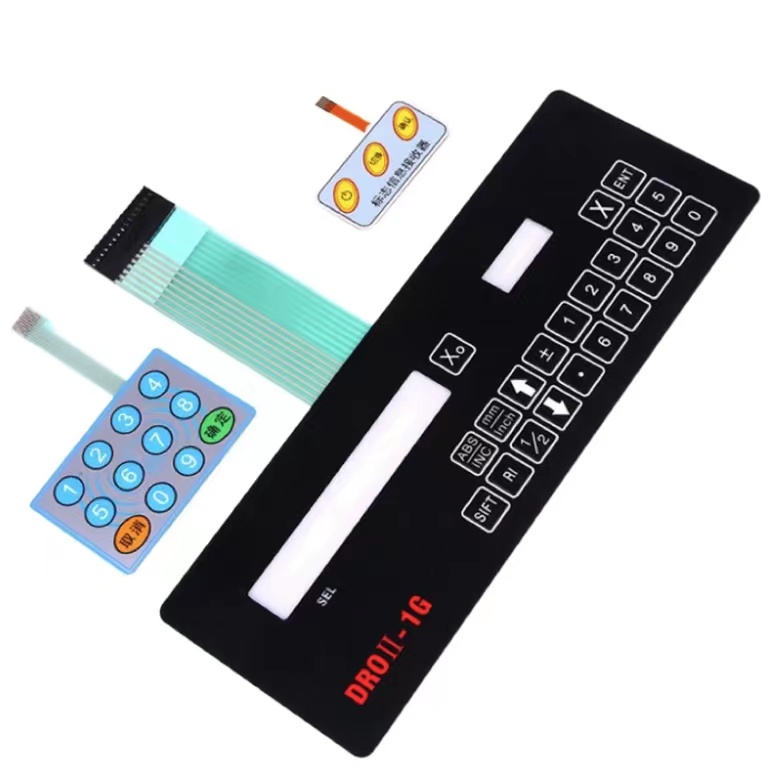
Factory Direct Graphic Overlay Custom Membrane Keyboard Switch
- Material: Autotex/Autoflex PET
- Actuation: Embossed Tactile Keys
- Flex Life: > 5,000,000 Cycles
Engineered from autoclave-ready and chemical-resistant biaxially-oriented PET substrates, fully certified to CE and ISO 9001 global standards.
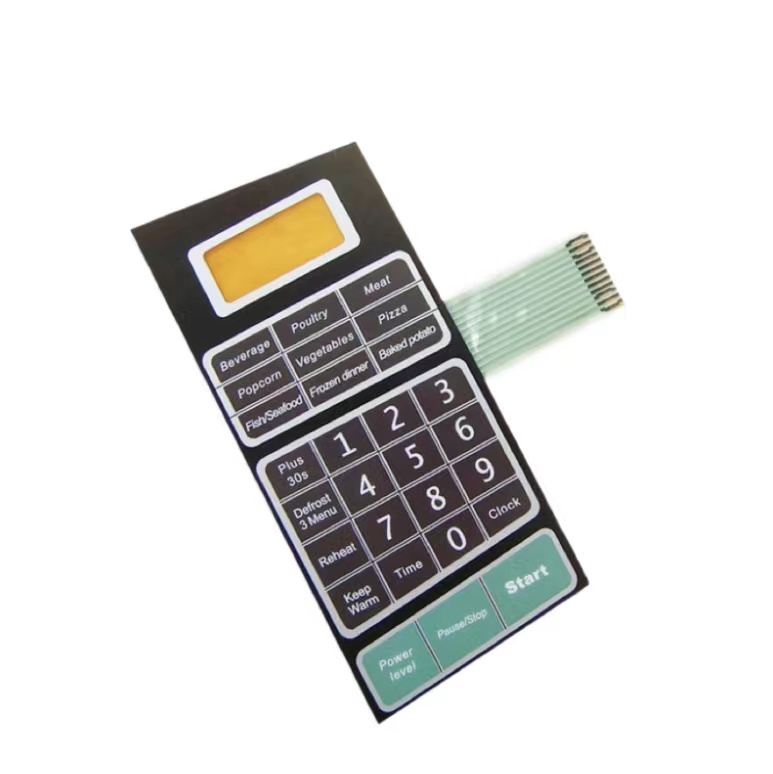
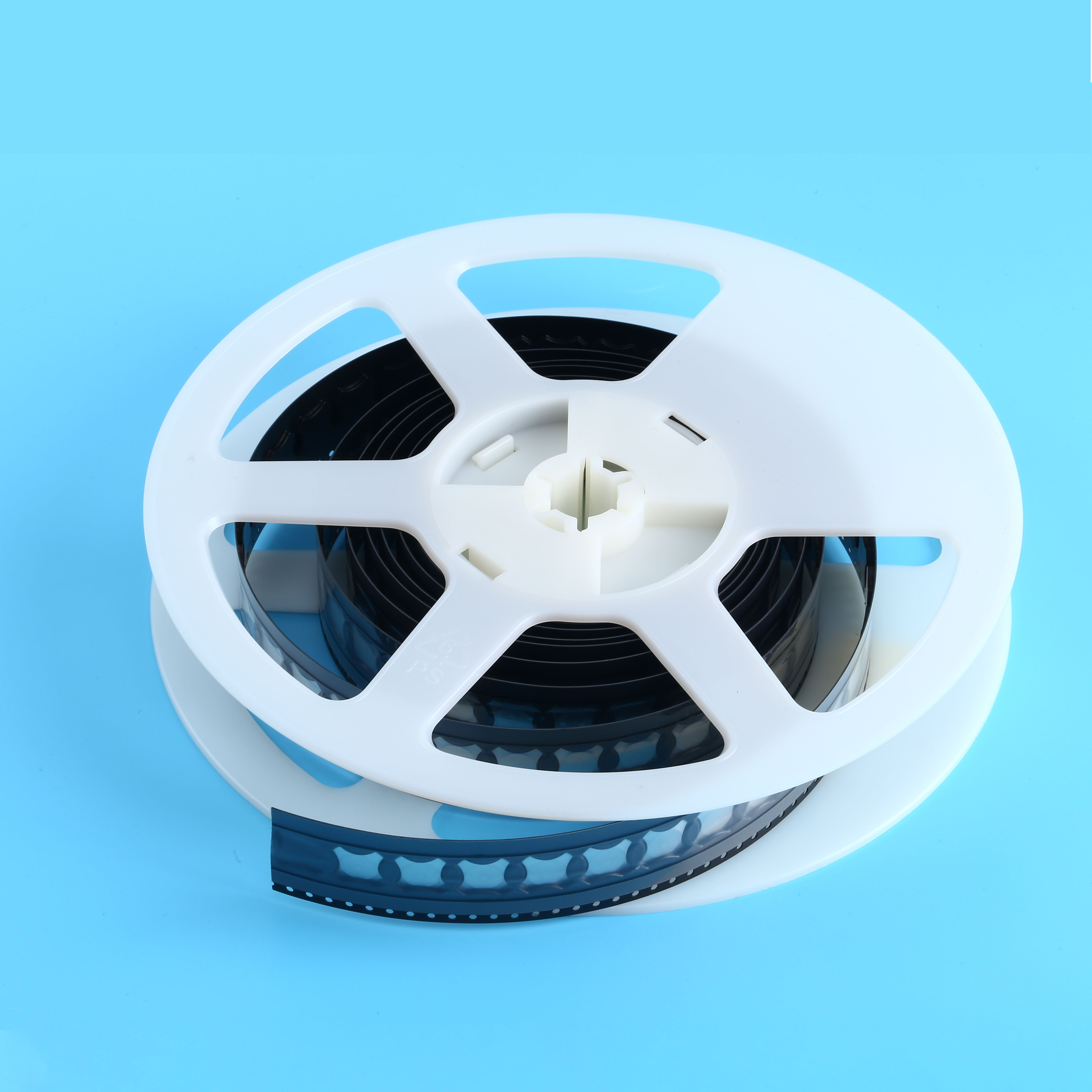
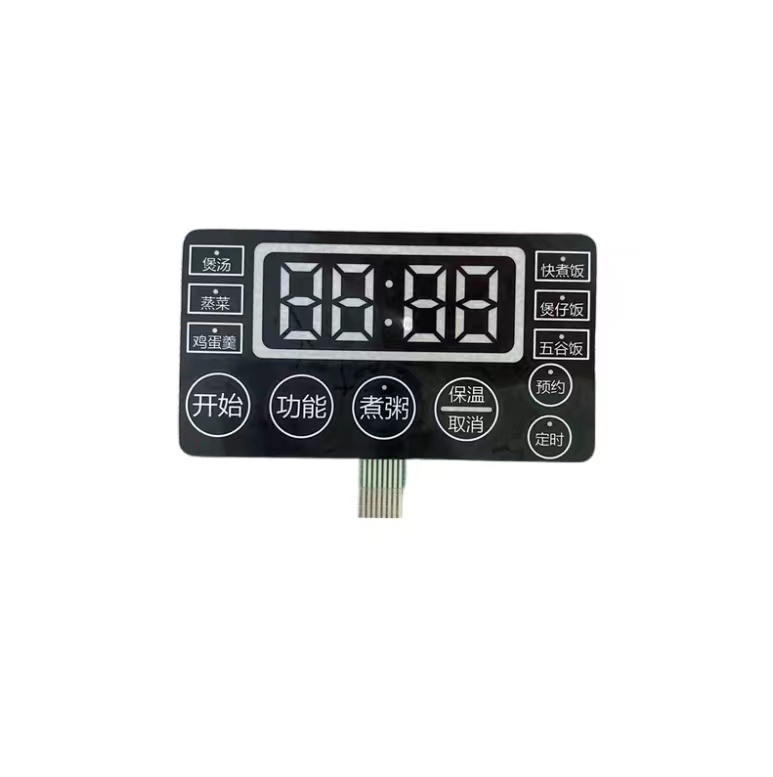
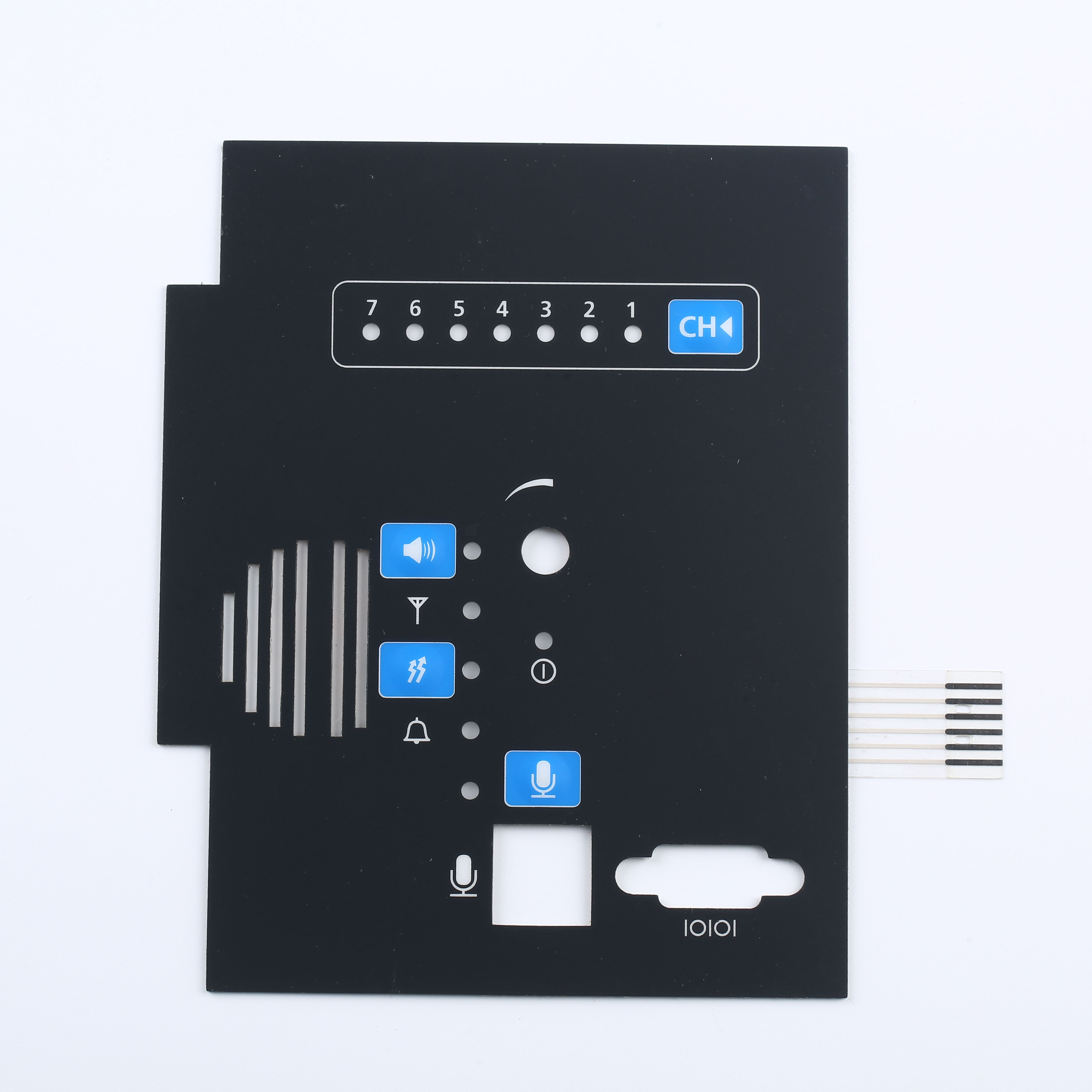
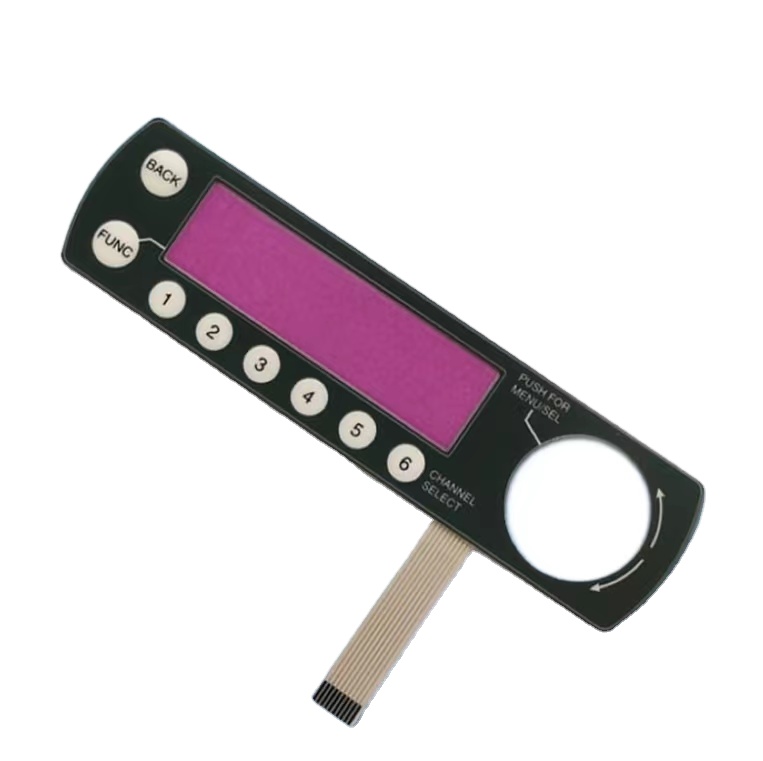
Years of HMI Engineering (Since 2009)
ISO 9001 In-House Facility
CCD Vision & Electrical Load Tested
Actuations Guaranteed Tactile Life
Why Houston's upstream, midstream, medical, and aerospace systems demand high-spec biaxially-oriented polyester over standard polycarbonate.
Houston is home to the world's largest petrochemical corridor along the Houston Ship Channel. Keypads in these refineries are exposed around the clock to harsh airborne hydrocarbons, industrial solvents (MEK, toluene, xylene), aggressive washdowns, and high ambient humidity.
Our CE-certified graphic overlays integrate reverse screen printing where pigments are placed behind the transparent PET film, physically protecting key legends from solvent wipe-downs and friction wear.
The Texas Medical Center—the world's largest medical complex—requires specialized medical diagnostic devices, surgical consoles, and sterilization equipment that withstand frequent antimicrobial washdowns with isopropyl alcohol, chlorine bleach, and quaternary ammonium compounds.
Eliminating exposed crevices stops pathogen harbors, while custom tactility and dead-front light indicators provide clear visual confirmation for critical healthcare procedures.
Facilities across NASA’s Johnson Space Center and the Houston Spaceport require ruggedized auxiliary controls, ground test benches, and monitoring terminals that maintain functionality under wide temperature swings and intense thermal cycling.
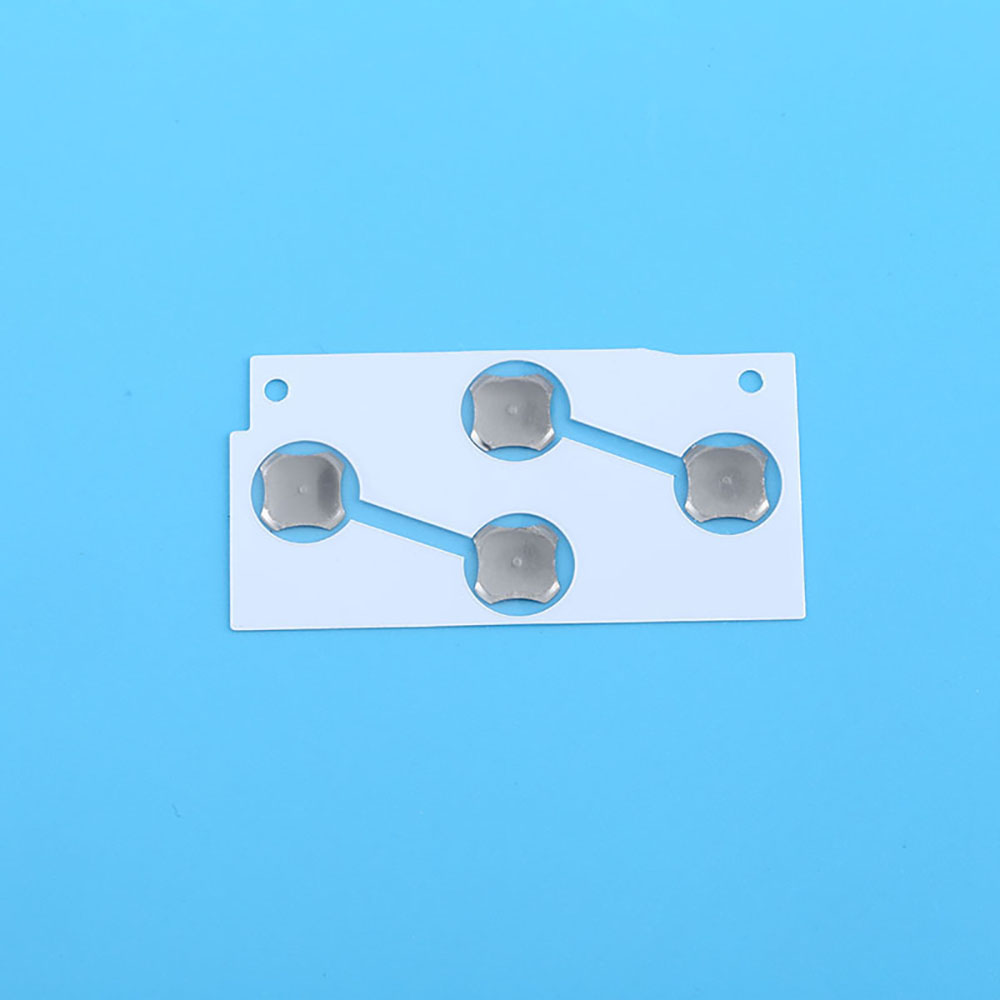
Paired with gold-plated stainless steel metal dome arrays, these assemblies provide instantaneous switch feedback that won't crack under low-pressure atmospheres or heavy physical vibration.
Select the optimal front overlay substrate based on empirical mechanical and chemical testing metrics.
| Evaluation Parameter | Polyester (PET) Overlay | Polycarbonate (PC) Overlay | Impact on Houston Applications |
|---|---|---|---|
| Flexural Endurance (Switch Cycles) | > 5,000,000 actuations | ~ 100,000 - 300,000 actuations | PET prevents micro-fracturing in high-frequency refinery field test keypads. |
| Chemical & Solvent Resistance | Exceptional resistance to alcohols, ketones, and hydrocarbons | Susceptible to cracking from solvents and cleaning chemicals | Critical for oilfield instrumentation and medical diagnostic washdowns. |
| Embossing Longevity | High retention (requires temperature-controlled heat forming) | Readily cold-embossed; relaxes under sustained thermal stress | PET preserves tactile feedback in outdoor Gulf Coast humidity and heat. |
| Optical Window Clarity | High transparency; anti-glare / textured clear options | High optical clarity; prone to scratches unless hard-coated | Both support LCD/LED readouts; PET offers superior scratch resistance. |
| Thermal Stability Range | -40°C to +105°C continuous | -30°C to +85°C continuous | PET prevents delamination and curling under harsh Texas field exposure. |
How Houston instrumentation OEMs are optimizing their Human-Machine Interface architecture.
Industrial machinery builders in Energy Corridor facilities increasingly require hybrid interfaces. These combine the clean, completely sealed front surface of a capacitive touch panel with discrete tactile metal dome zones for emergency shut-offs and blind operation by field personnel wearing heavy gloves.
Class I, Division 2 and ATEX hazardous zones are widespread throughout Pasadena and Baytown processing terminals. Procurement specifications now routinely demand integrated aluminum foil or conductive carbon-printed shielding grids that route electrostatic discharge safely away from the underlying circuit board.
For offshore drilling rigs and dark industrial environments, non-uniform LED spotting creates operator strain. Modern overlays incorporate thin Light Guide Films (LGF) that channel light from edge-mounted surface LEDs across button icons and dead-front text with minimal power consumption and negligible heat output.
No trading middlemen. Complete engineering control from artwork vectoring to environmental stress validation.
Complete manufacturability audit, layer stack-up selection, circuit layout, and PMS color proofing.
Semi-automatic cleanroom silk-screen printing of graphic foils and high-conductivity conductive silver traces.
Precision hydro-form die embossing for rim, pillow, or domed buttons with tight tactile registration.
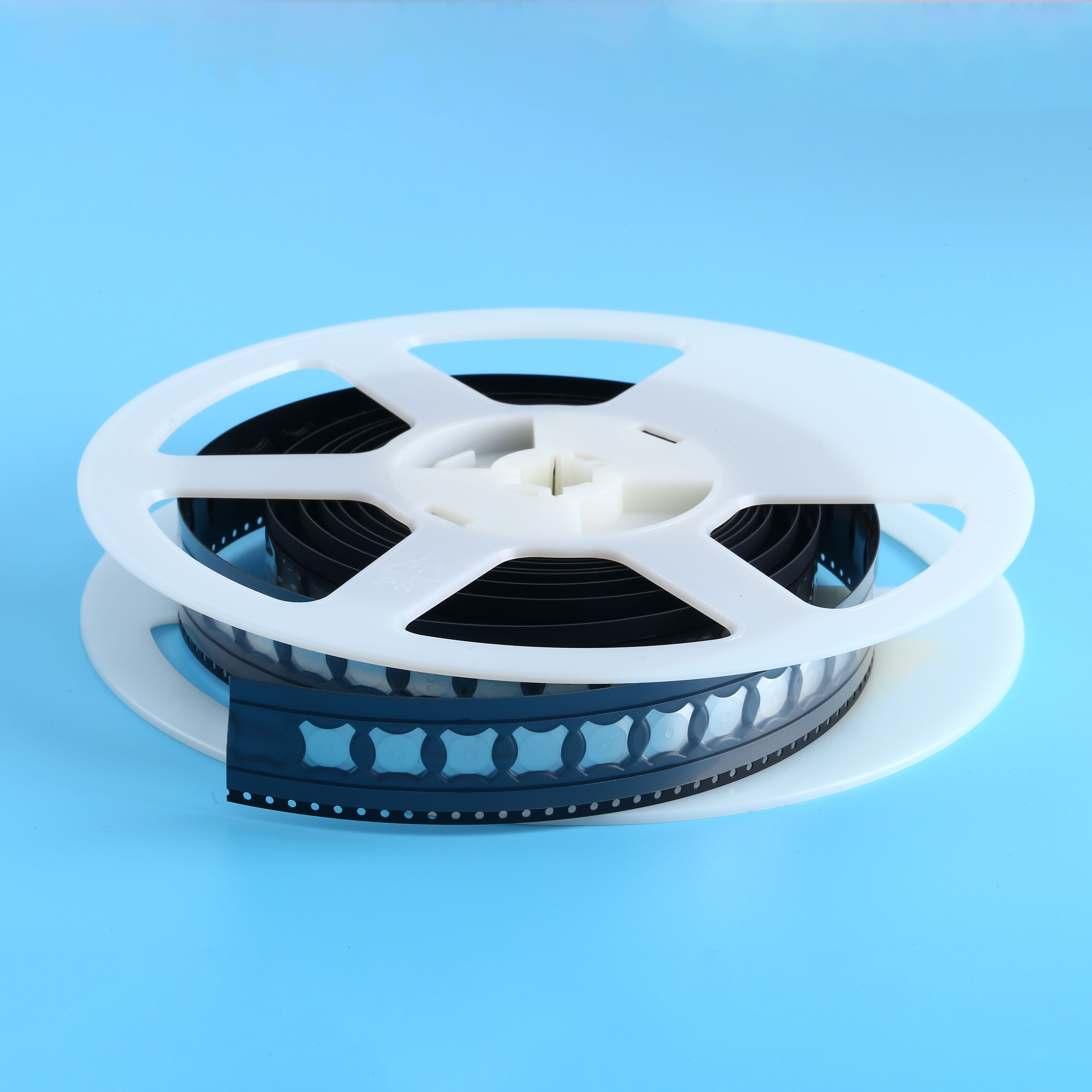
Robotic placement of nickel/gold-plated stainless steel metal domes ensuring consistent snap-action actuation.
High-accuracy bubble-free adhesive bonding with 3M 467MP/468MP acrylic films under clean-air hoods.
Optical CCD-aligned perimeter die cutting and laser contour trimming matching tight panel tolerances (±0.05mm).
Dome trip load force testing, high/low temperature soak, contact resistance checks, and tension peel analysis.
Direct technical answers regarding tolerances, testing, environmental resistance, and logistics.
While Polycarbonate is budget-friendly and easy to form, it rapidly suffers environmental stress cracking when exposed to petrochemical vapors, cleaning solvents, and intense Texas solar UV radiation. Biaxially-oriented PET (such as Autotex) provides a flex life exceeding 5 million switch presses without key embrittlement, is practically inert to hydrocarbons and hospital-grade sanitizers, and resists thermal creep up to 105°C.
We seal the graphic overlay layers using closed-cell perimeter adhesive gaskets manufactured from genuine 3M 200MP acrylic adhesives (such as 3M 467MP and 468MP) or 3M 300LSE for low surface energy plastics. This creates a continuous environmental barrier rated up to IP65, IP66, or IP67, preventing moisture pooling, humidity degradation, and dust contamination from fouling circuit traces.
To initiate a comprehensive DFM review, we require your mechanical layout vector files (AI, PDF, DWG, or DXF) showing graphic dimensions, window clearings, cutouts, and embossing profiles; a circuit diagram or schematic (if incorporating switches); details on preferred actuation force (180g to 450g); connector pitch specs (e.g., 2.54mm or 1.0mm ZIF); and your annual projected delivery volume.
Every production batch is tested in our factory QA lab using automated CCD optical inspection for print registration, digital electrical testing for circuit resistance and open/short detection, load-displacement testing on metal snap domes, thermal shock cycling in our high/low temperature chambers (-40°C to +85°C), and 180° peel adhesion pull testing to guarantee adhesive integrity.
Laser-cut prototyping runs typically ship within 5 to 7 business days following artwork proof sign-off. High-volume serial production runs with custom hard tooling, hydro-embossing, and automated die-cutting generally dispatch in 2 to 3 weeks, delivered directly via DDP express air to Houston-area facilities (IAH logistics hubs).
Yes. Dead-front printing keeps LED status legends, warning icons, and system readouts completely invisible until backlit by the internal circuitry. We calibrate ink translucency layers precisely to prevent LED light bleed while maintaining full legibility even in direct outdoor daylight environments.
Operational since March 2009, Cevra maintains an independent 2,600㎡ manufacturing facility verified onsite by SGS Group, delivering complete accountability for global OEM partners.
Connect directly with our engineering department for rapid DFM analysis, material stack-up recommendations, and factory-direct quotation within 24 hours.