Polycarbonate/PET
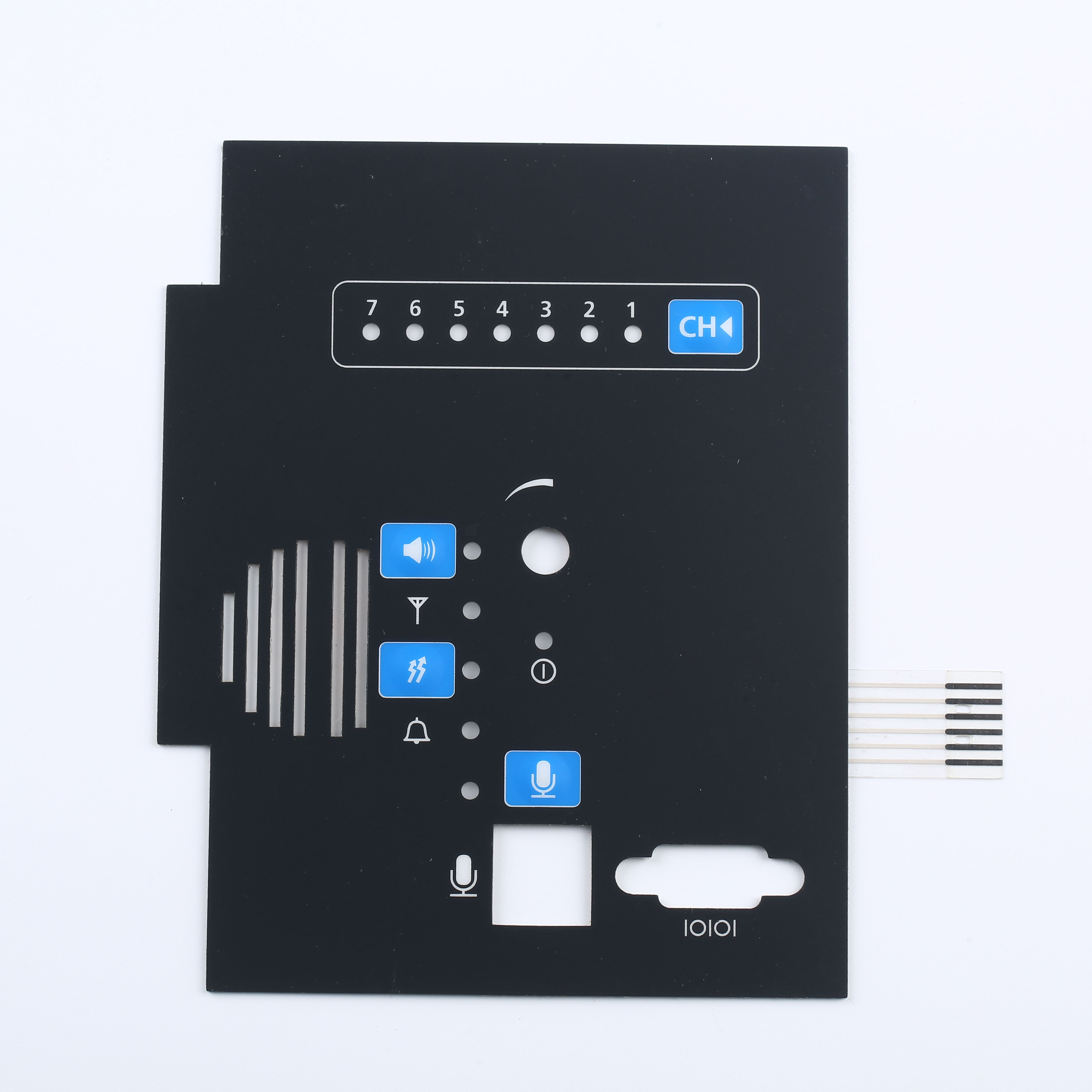
Precision HMI Solutions, Low Contact Resistance Silver/Copper Flexible Circuits, and Industrial-Grade Sealing Engineered for Estonian Clean-Tech & Baltic Electronics OEMs
Engineered for mission-critical interfaces across Harjumaa industrial parks, autonomous tech hubs in Ülemiste City, and medical robotics labs throughout Tallinn.
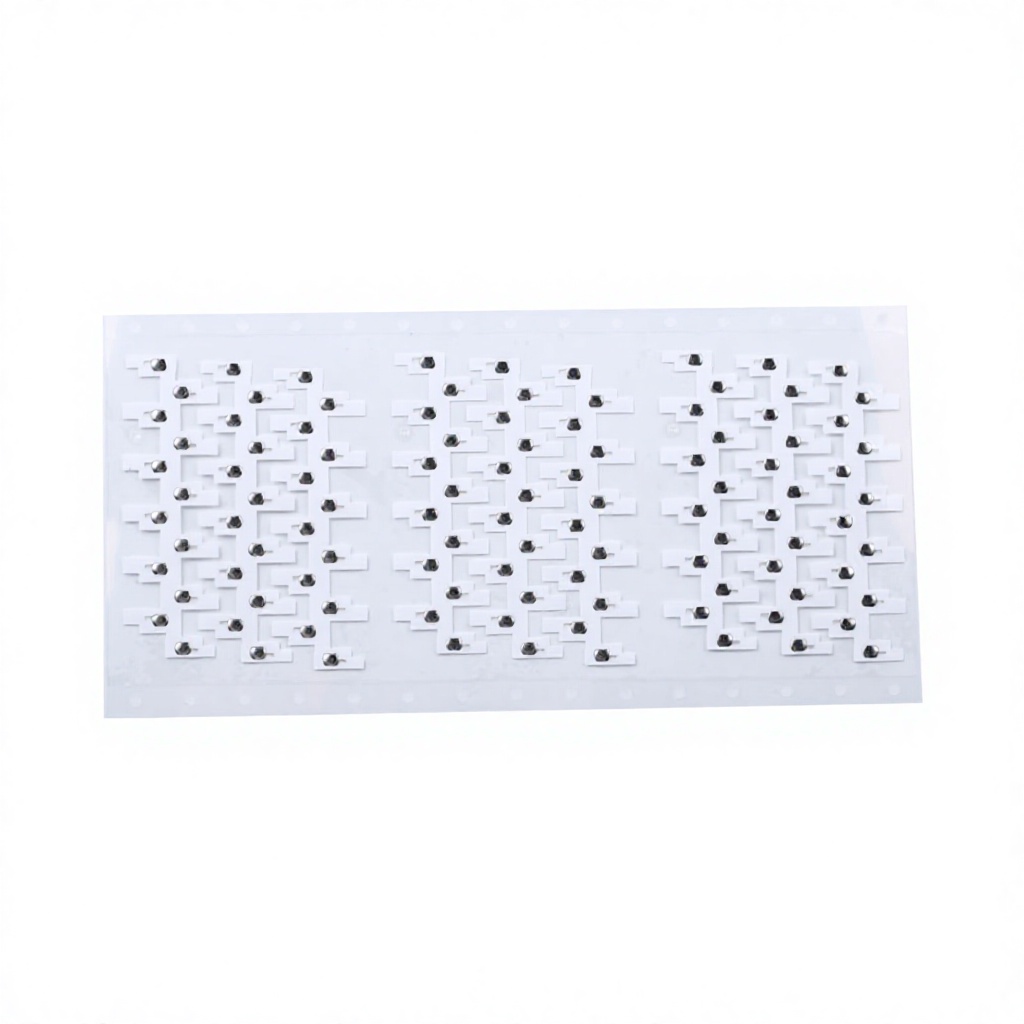
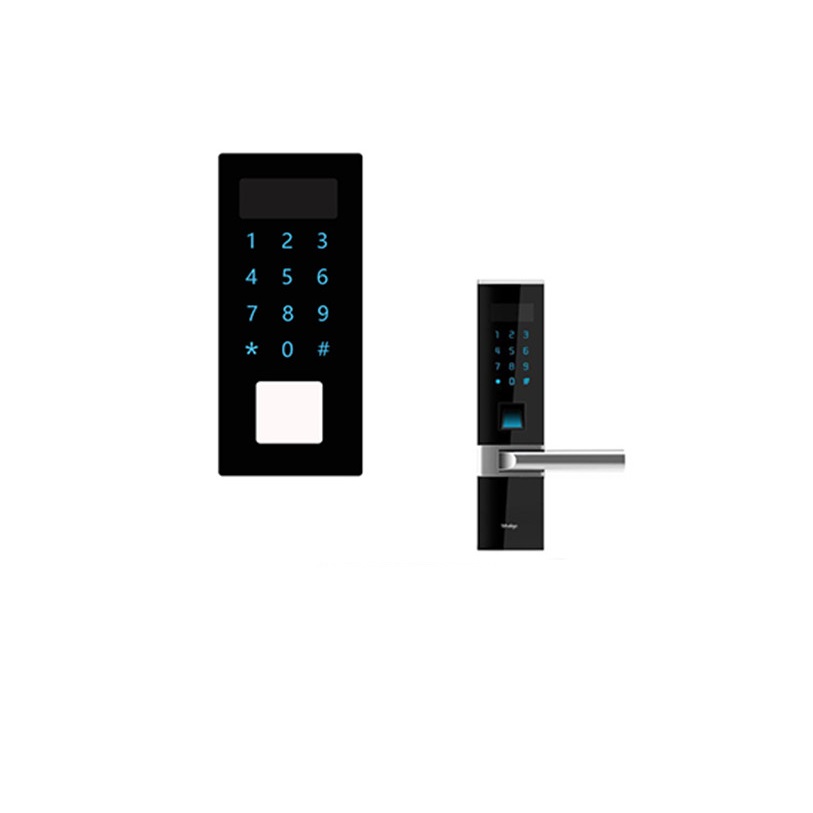
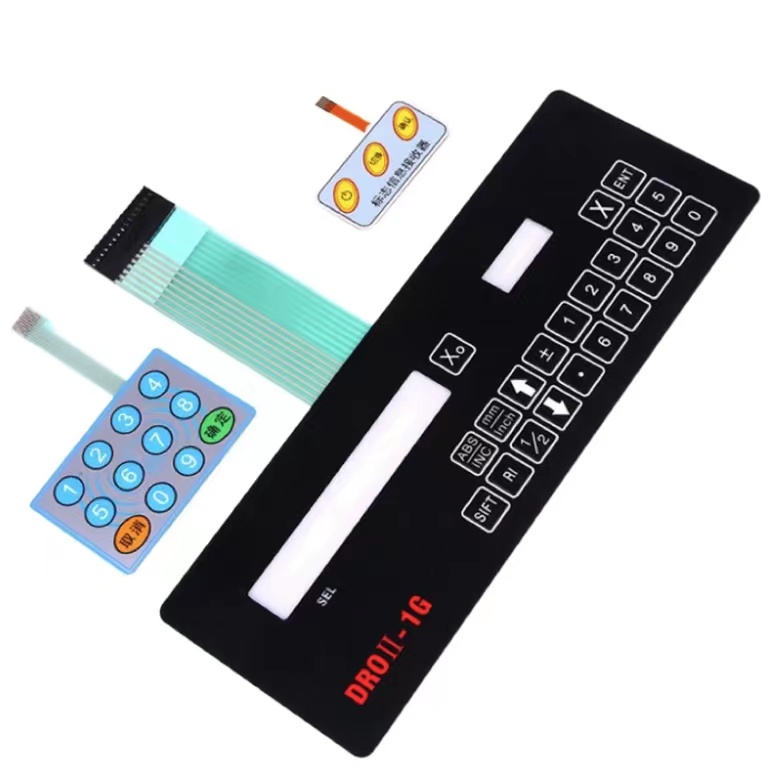
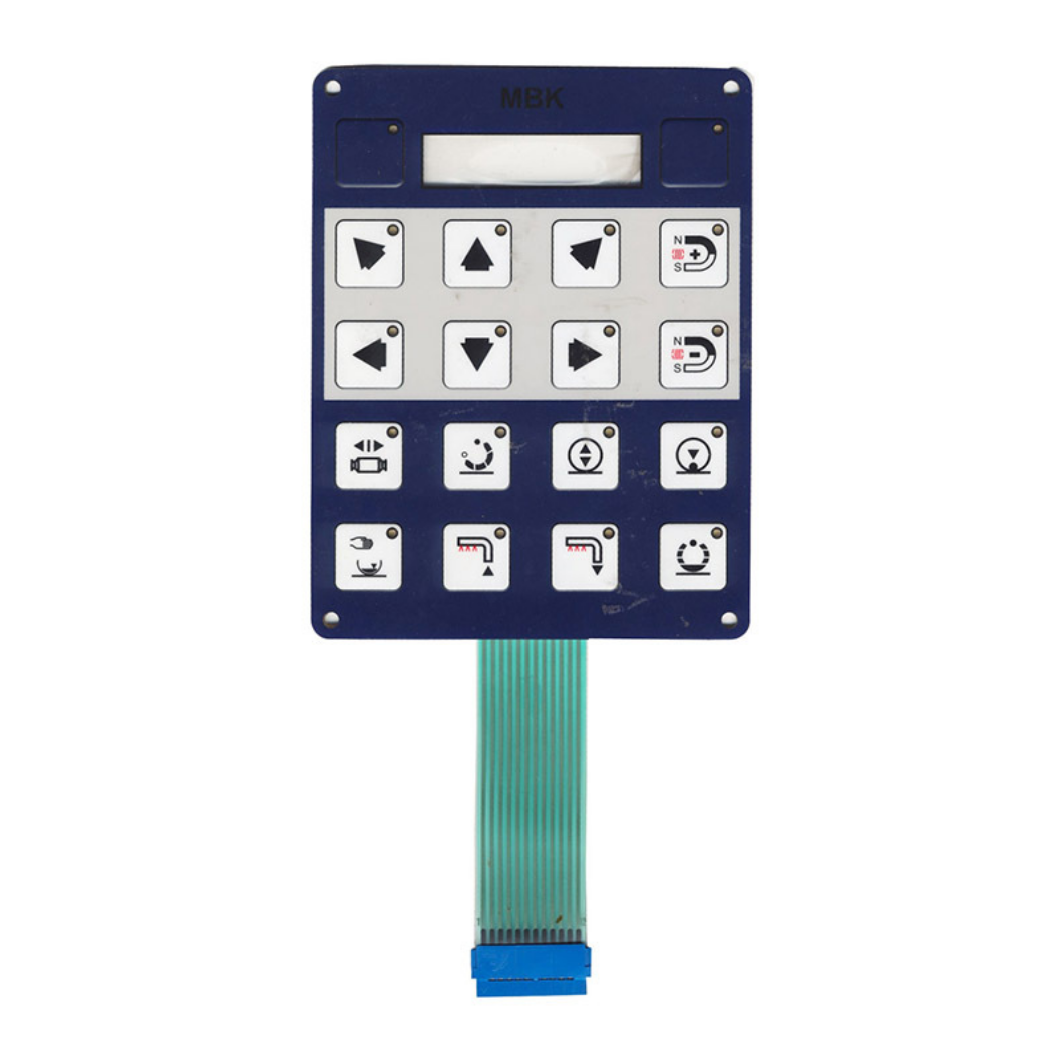
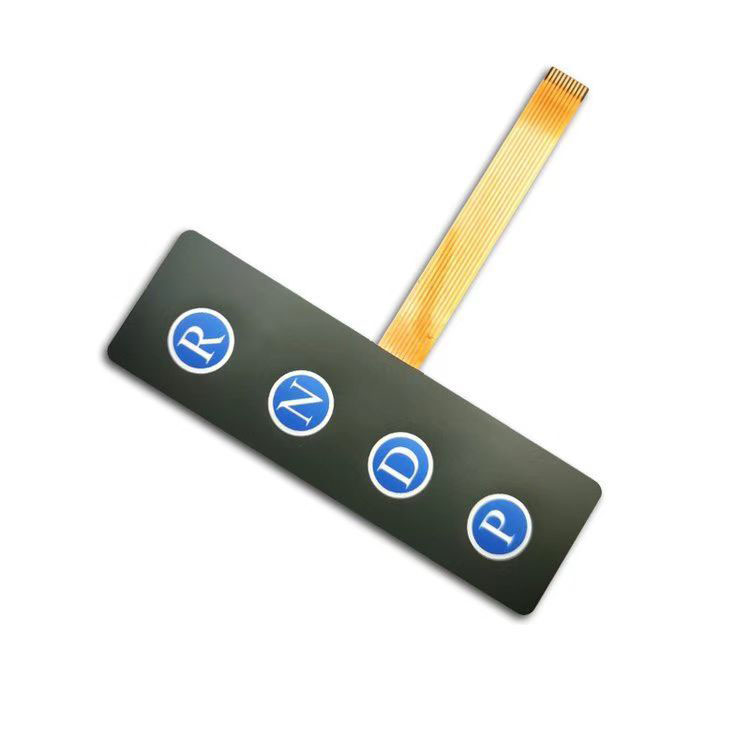
Estonia stands as a global flagship for digital engineering and intelligent hardware. Matrix membrane keyboards must cope with severe Baltic maritime climates while adhering to stringent EU EMC and Low Voltage directives.
Tallinn is the testbed and cradle for world-renowned autonomous urban delivery robots and automated warehouse guided vehicles (AGVs). Our CE certified matrix membrane switches feature UV-cured textured autotex PET graphic overlays and IP67 sealed perimeters that resist Northern European sleet, road salt, vibration, and sub-zero temperatures down to -40°C without mechanical fatigue.
With Tallinn’s burgeoning HealthTech cluster centered near Mustamäe and the Tehnopol Science and Business Park, biological analyzers require perfectly flush, non-porous user interfaces. We incorporate chemically inert antimicrobial surfaces and capacitive switch panels that withstand aggressive hospital wipe-down detergents (IPA, bleach, glutaraldehyde) without cosmetic ink degradation.
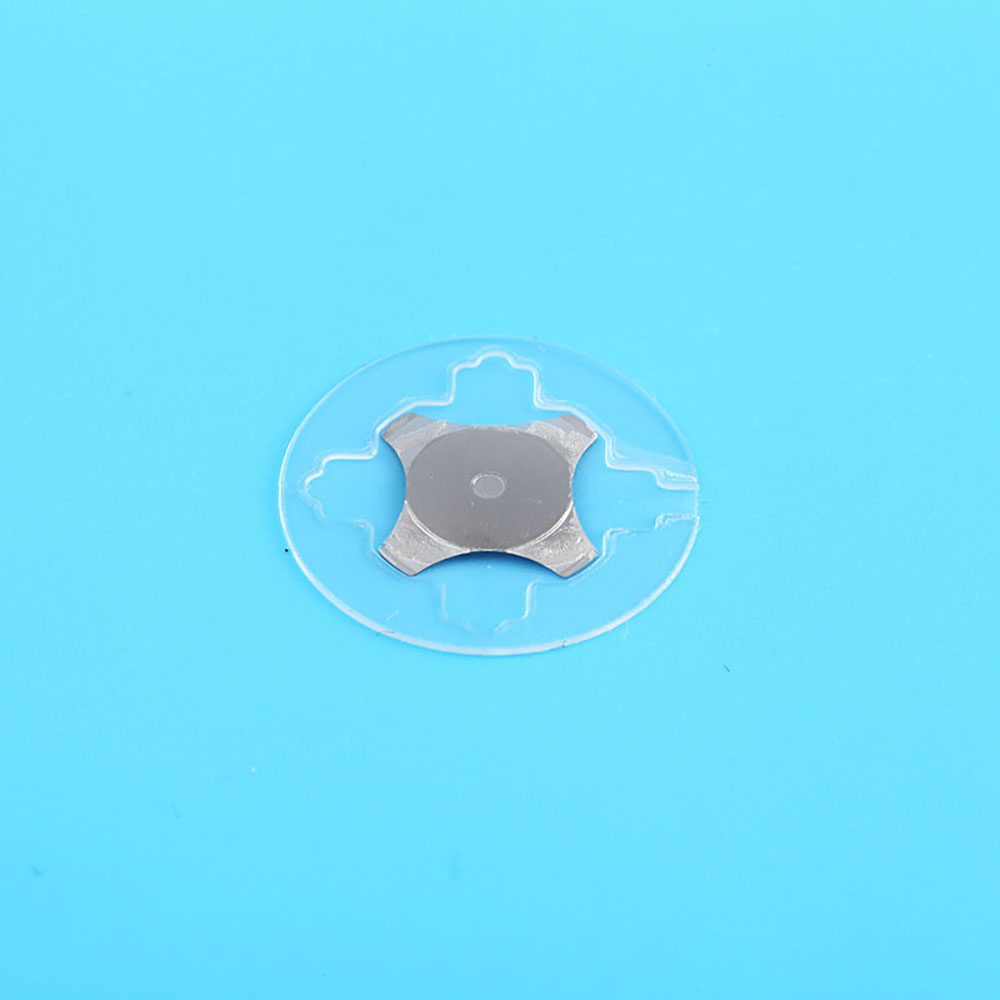
Operating near the Port of Tallinn and Muuga Harbor requires HMIs built for high salt mist environments. Cevra implements multi-layer perimeter gaskets using genuine 3M 200MP/300LSE adhesive transfer tapes paired with nickel/gold-plated stainless steel metal domes. This configuration prevents trace dendrite formation and ensures low electrical bounce on marine control consoles.
In digital electronics, an X-Y matrix membrane switch array represents a clean, low-pin-count method to capture multiple user inputs. However, European CE directives (specifically EN 61000-6-2 for Industrial Immunity and EN 61000-6-3 for Emissions) impose demanding performance criteria on trace impedance, ESD suppression, and mechanical bounce. Cevra’s ISO 9001 certified manufacturing facility in Dongguan utilizes micro-gap dielectric printing combined with conductive silver inks containing optimized silver flake-to-resin ratios, consistently keeping loop resistance below 50Ω even on intricate 16-key matrix layouts.
A common pitfall encountered by hardware startups in Harju County is the improper specification of the graphic overlay substrate. Below is our comparative matrix engineered for industrial system designers:
| Mechanical & Physical Property | Biaxially Oriented PET (Autotex / Melinex) | Optical Polycarbonate (Lexan 8B35) | Hybrid PMMA / Hardcoated Acrylic |
|---|---|---|---|
| Flexural Fatigue Life | >5,000,000 actuations without cracking | Approx. 100,000 actuations before micro-fissuring | Rigid; zero flexural embossing tolerance |
| Chemical Resistance | High (Resistant to alcohols, solvents, diesel) | Moderate (Prone to crazing with harsh hydrocarbons) | Superior scratch & UV degradation resistance |
| Sub-Zero Brittleness Point | Maintains ductile elasticity down to -40°C | Becomes progressively brittle below -15°C | Moderate impact resistance at -10°C |
| Embossing Profile Retention | Excellent thermo-forming retention (Rim/Pillow) | Exceptional cold-embossing memory | Not applicable (Flat surface profile only) |
| Recommended Use-Case in Tallinn | Robotics controllers, outdoor payment kiosks, EV chargers | Indoor medical monitoring screens, appliance faces | Luxury smart home capacitive panels, marine bridges |
Established in March 2009 in Dongguan, China, Dongguan Cevra Electronic Technology Co., Ltd. is an ISO 9001 certified manufacturer with complete vertically-integrated production lines verified on-site by SGS Group.
Our complete manufacturing operation undergoes regular SGS Group audits. Every raw material roll is tested for adhesion, surface energy, and ink anchoring before entering cleanroom printing stations.
From high-speed automated screen printers and CCD optical alignment punchers to fully automatic layer laminating tables and auto-dome pick-and-place lines, human handling error is minimized.
Our workshop is equipped with dedicated Metal Dome Load Testers, High/Low Temperature Thermal Shock Cabinets, Holding Tack Testers, Tension Peel Testers, and Electric Pencil Hardness Testers.
We eliminate unnecessary lead times by providing functional prototype batches in as few as 5 to 7 working days, complete with comprehensive Design for Manufacturing (DFM) stack-up reviews.
Select actuation forces between 180g and 500g with 4-leg cross, round, or triangular stainless steel snap domes. We offer both nickel and gold plating for ultra-low resistance applications.
Experienced in direct DDP/DAP shipments to Lennart Meri Tallinn Airport (TLL) and logistics warehousing in Harju County. All custom products ship in anti-static, moisture-barrier packaging.
Detailed technical, compliance, and logistic insights addressing typical concerns of Tallinn engineering and purchasing managers.
Yes. All matrix membrane keyboards, graphic overlays, and metal dome assemblies exported to Tallinn fully comply with EU RoHS (Directive 2011/65/EU and amendment 2015/863) and REACH regulations (EC 1907/2006). We supply full material declarations and raw material SGS test certificates covering all adhesives, silver inks, PET films, and dome alloys with your initial production lot.
Tallinn winters frequently see heated indoor production facilities with dry ambient air, elevating ESD strike risks. We integrate dedicated full-surface aluminum foil or grid-printed conductive carbon/silver ground planes placed directly beneath the graphic overlay. These shields dissipate discharges up to 15kV directly to chassis ground via a dedicated tail pin, protecting sensitive downstream microcontrollers.
We offer standard 2.54mm (0.100") pitch female housing connectors (FCI/Berg, Nicomatic, or equivalent latch housings) as well as 1.00mm and 0.50mm pitch bare ZIF (Zero Insertion Force) contact tails with stiffener backings. For dynamic flex applications, we can bond your overlay to a Flexible Printed Circuit (FPC) with polyimide substrate and copper traces.
For custom engineering prototypes, tooling and sample fabrication typically takes 5 to 8 working days. Following prototype sign-off, standard production lots run in 12 to 18 working days. Urgent shipments fly via express air couriers (DHL Express, FedEx, UPS) directly into Lennart Meri Tallinn Airport within 3 to 5 business days, with all export commercial invoices properly formatted for Estonian Tax and Customs Board clearance.
Yes. Depending on your thickness budget, we implement surface-mount ultra-thin 0603/0805 LEDs directly into the circuit layer or utilize an engineered Light Guide Film (LGF) layer. LGF technology uses side-firing LEDs to route balanced, uniform light across legends and icon borders without creating hotspots, adding as little as 0.25mm to the total keypad stack-up.
We actively support Tallinn’s agile hardware ecosystem. While volume production typically begins at 500 to 1,000 units, we provide low-volume pilot prototype runs starting from just 10 to 50 pieces. This enables hardware teams to conduct mechanical fit checks, environmental chamber trials, and EMC certification before committing to large volumes.
Connect with our senior HMI application engineers today. Send your CAD, DXF, or PDF drawings to receive a complimentary DFM analysis, layer stack-up recommendation, and quotation within 24 hours.