Engineered Tactile, Backlight & Optical Interface Components
Seamlessly integrating optical Light Guide Panels (LGP), responsive dome switch matrices, and CE-compliant human-machine interfaces engineered for demanding operational conditions across Serravalle and regional hubs.
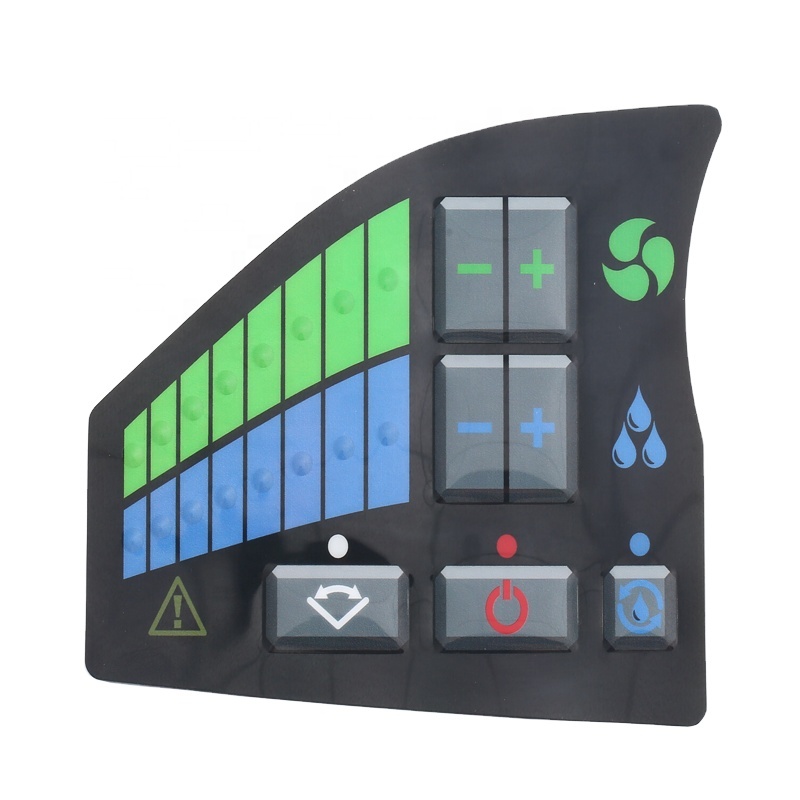
Custom Silk Printing Embossed Metal Dome Tactile Buttons Membrane Switch Control Graphics Overlay

New Trend Factory Custom Cross 4-Legged Snap Dome Poly Metal Dome in Reel Packing for SMT Assembly
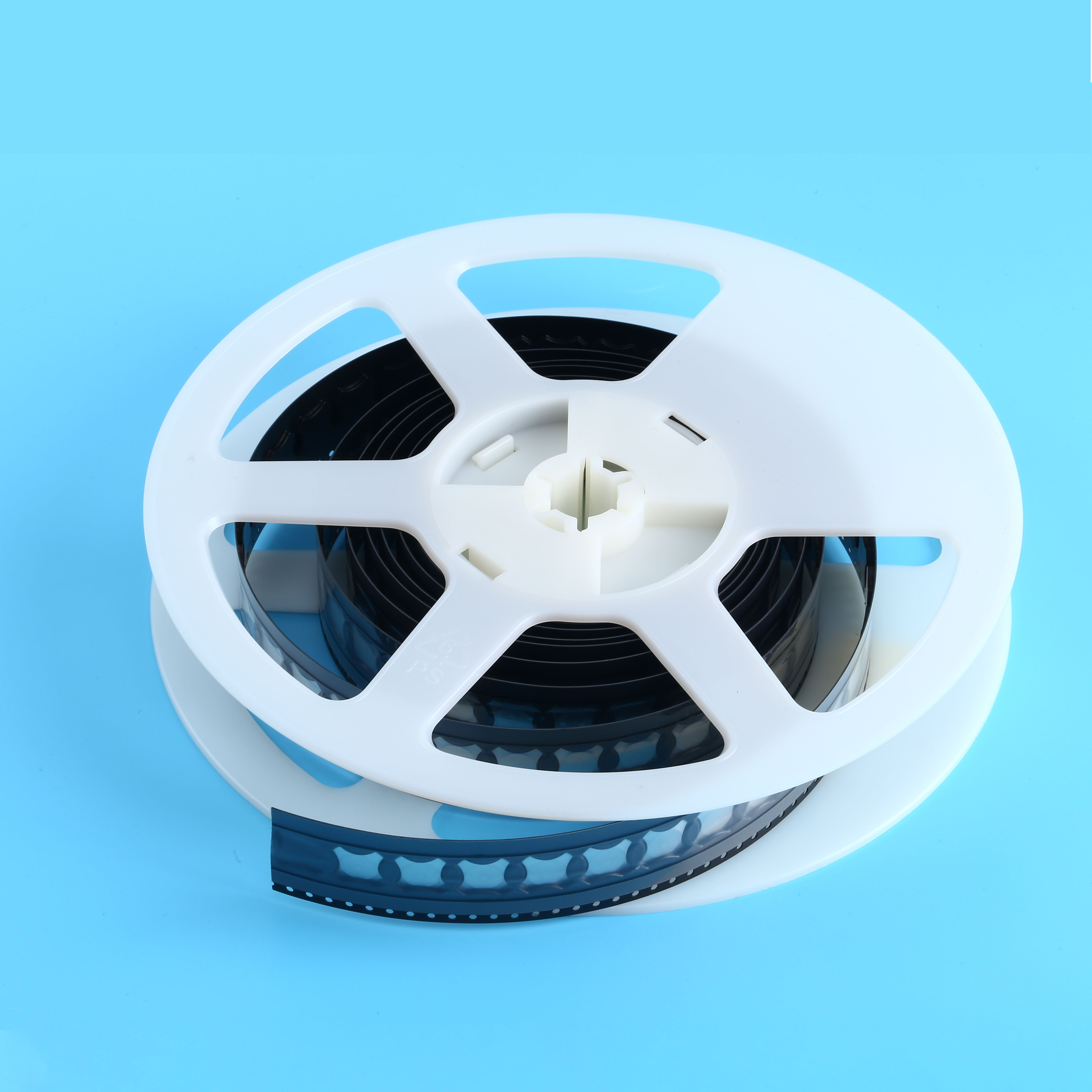
Cross 4-Legged Snap Dome Poly Metal Dome in Reel Packing Array
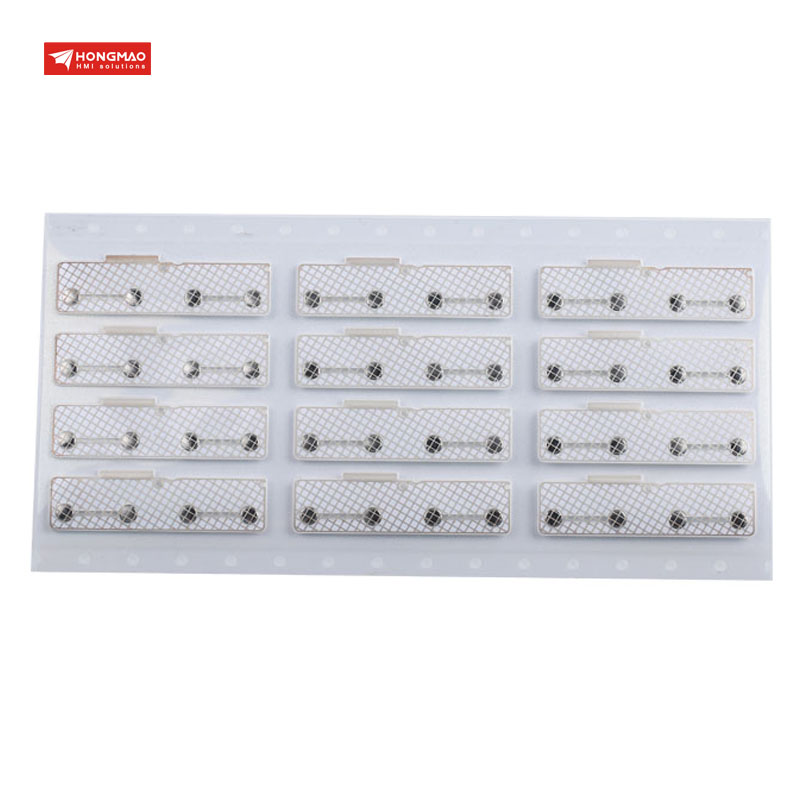
Double-Sided SUS301 Stainless Steel EMI Suppression Metal Dome Array
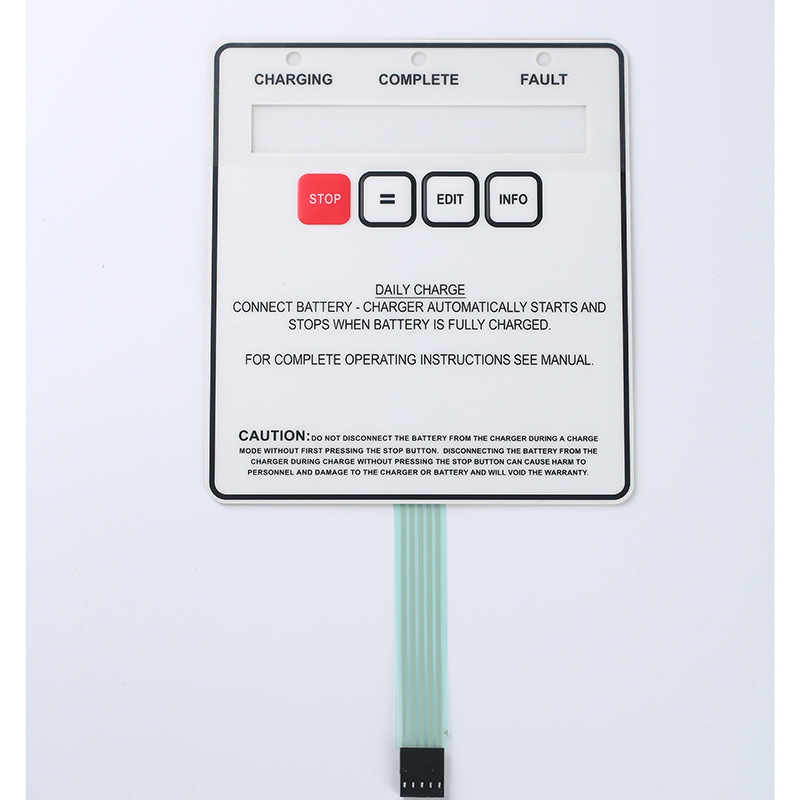
Waterproof & Dustproof Membrane Control Panel for Medical Instrumentation
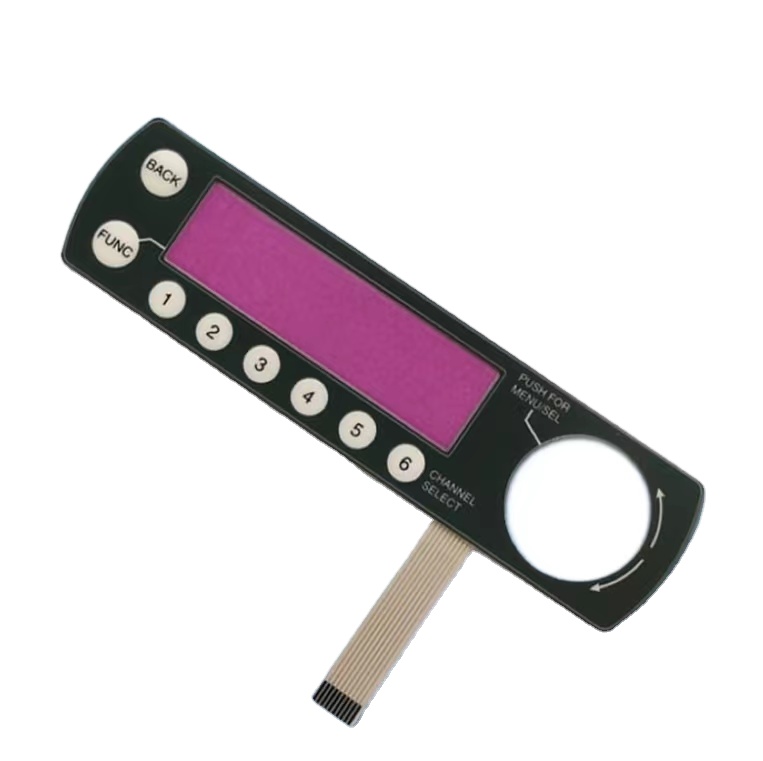
Customized Medical Instrument PET/PC Dynamic Graphic Keypad Panel
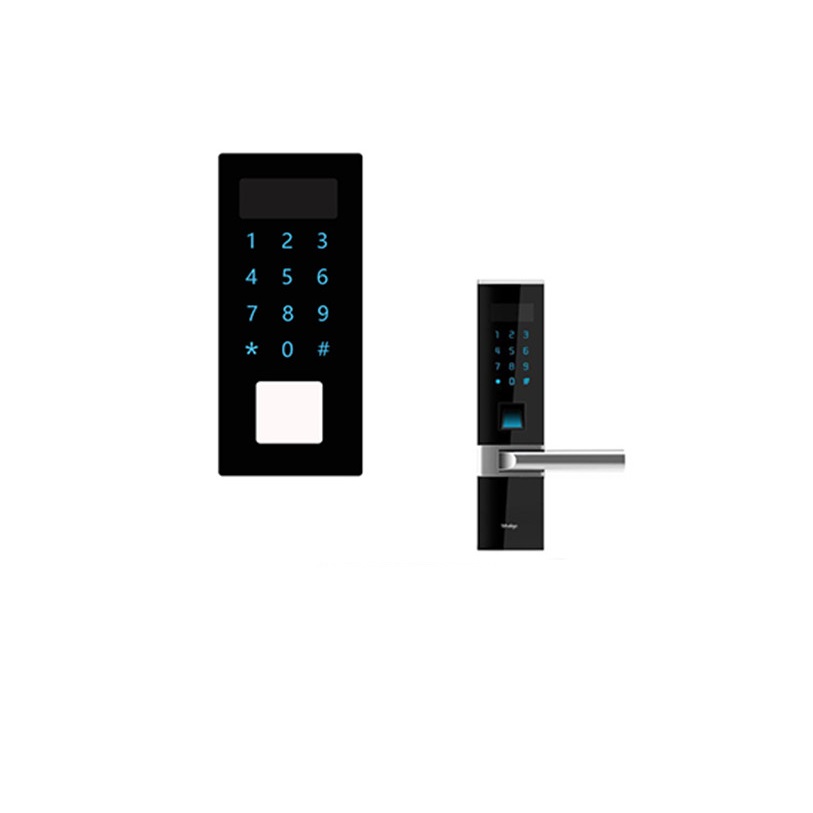
Custom Waterproof Capacitive Touch PMMA HMI Panel for Automation Systems
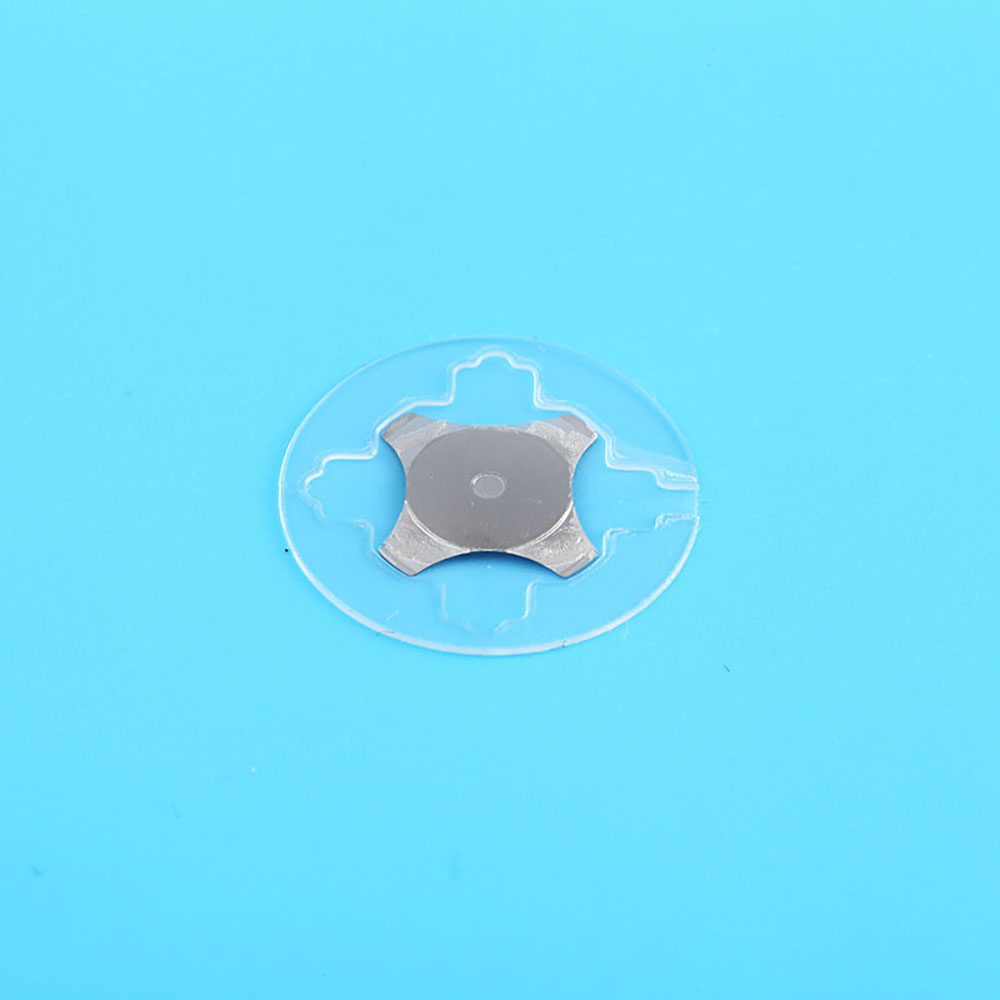
Single-Layer Structural PET Adhesive Carrier Metal Dome Array
Technical Architecture: Micro-Pattern Dot Matrix & Total Internal Reflection (TIR) Efficiency
As human-machine interfaces evolve toward ultra-thin footprints and energy-efficient backlighting, the role of optical light guide plates (LGP) has transformed. Standard diffuse backlights frequently yield inconsistent luminescence gradients, edge leakage, and localized hotspots that degrade critical equipment readability. Dongguan Cevra Electronic Technology Co., Ltd. solves these optical degradation issues using precision-engineered optical-grade PMMA/polycarbonate substrates paired with advanced algorithm-driven dot matrix configurations.
By leveraging custom Total Internal Reflection (TIR) modeling, our manufacturing system calculates dot density and depth variances across the panel plane. Near the light injection edge, laser-etched or screen-printed extraction microdots are deployed with micron-level spacing to prevent luminance saturation. As distance from the optical injection diode expands, dot diameter and packing density increase algorithmically. This balances the photonic flux distribution across the active display area, yielding uniform surface brightness of over 88% to 92%.
| Evaluation Parameter | Cevra Engineered Optical Plates | Standard Commercial Diffusers | Engineering Benefit |
|---|---|---|---|
| Luminance Uniformity (ANSI 9-point) | ≥ 90% Uniform Output | 65% - 75% Variable | Eliminates hotspot shadowing in operator consoles |
| Light Transmittance (PMMA) | ≥ 92.5% (ASTM D1003 Standard) | 84% - 87% | Significantly reduces LED forward-drive current |
| Thermal Warpage Resistance | Stable up to +85°C (continuous) | Softening around +65°C | Long-term durability in enclosed industrial equipment |
| Environmental Compliance | RoHS 2.0, REACH, CE Directives | Inconsistent batch validation | Frictionless customs entry for Serravalle & European plants |
For procurement engineers and systems integrators in Serravalle and adjacent precision-manufacturing territories, having factory-direct control over the complete production chain—from optical PMMA formulation and precision die-cutting to integrated silver circuit printing—removes the multi-tiered sourcing risk common with intermediate brokers.
Localized Application Scenarios in Serravalle & Surrounding Regions
Targeted optical and switching solutions tailored to the operational demands of Serravalle’s industrial, commercial, and automation infrastructure.
High-Precision Industrial Machine Tool Interfaces
In Serravalle's precision assembly plants and manufacturing workshops, machining consoles demand extreme optical clarity coupled with physical resilience. Our ultra-thin LGP solutions, integrated within sealed PET membrane switches, illuminate vital operational metrics while withstanding exposure to hydraulic fluids, cutting coolants, and airborne particulate.
Retail, Architectural & Commercial Lighting Assemblies
Serving upscale commercial facilities and high-end retail sectors across the Serravalle district, Cevra delivers edge-lit acrylic light panels with precise color rendering indices (CRI > 90 compatible). These maintain absolute visual consistency across large architectural expanses, perimeter edge-lit signage, and luxury product presentation modules.
Medical & Laboratory Diagnostic Instrumentation
Biomedical testing facilities require glare-free, highly uniform backlighting combined with capacitive touch surfaces or sealed tactile keys. Our CE-certified optical assemblies eliminate visual fatigue during critical microscopic and spectral diagnostics, supporting full compliance with cleanroom wipe-down protocols using harsh chemical disinfectants.
Macro Trends: Photonic & HMI Advancements in the Regional Market
How technological transitions across Southern European manufacturing corridors influence LED Light Guide Plate procurement.
Transition to Low-Wattage High-Luminance Architectures
With aggressive European energy consumption benchmarks driving manufacturing criteria, mechanical designers in Serravalle are prioritizing advanced micro-etched LGPs that cut diode count by up to 35% while sustaining required lux thresholds. This directly lowers thermal dissipation inside sealed electronics housings, enhancing total system mean-time-between-failures (MTBF).
Hygiene-Centric & Sealed Capacitive Topologies
Mechanical switches are increasingly paired with or replaced by planar, fully sealed optical surfaces. By laminating Light Guide Plates directly beneath textured PMMA and capacitive overlays, regional manufacturers produce dead-front panels where illuminated legends activate dynamically only upon operational request, keeping the external envelope flush and contaminant-free.
Rigorous Traceability & CE Structural Verification
EU border controls and safety frameworks necessitate complete traceability of polymer materials and electronic carrier traces. Serravalle purchasing leads demand verified declarations of conformity, raw resin UV-stabilization data, and low outgassing adhesives (such as genuine 3M series), mitigating post-assembly delamination and micro-yellowing risks.
Why Global Engineering Teams Partner with Cevra
Direct manufacturing excellence from Dongguan, backed by verifiable quality audits and end-to-end process control.
SGS Verified & ISO 9001
Operating continuously under ISO 9001 quality management since March 2009. Our complete factory footprint, testing facility, and staff capacity are rigorously verified onsite by SGS Group.
Full In-House Integration
From CAD/DFM review to automated screen printing, CCD drilling, laser die-cutting, high-precision lamination, and automated dome assembly—no process is subcontracted to unvetted third parties.
Comprehensive In-House Testing Lab
Our quality assurance lab is equipped with computerized metal dome load testers, holding tack testers, high/low temperature chambers, pencil surface hardness testers, and CCD visual inspection stations.
Tailored Prototype-to-Volume Agility
Whether prototyping a bespoke optical array for a custom instrument in Serravalle or scaling up to 100,000-unit continuous production runs, we provide DFM feasibility analyses and low setup barriers.
Procurement FAQ for Serravalle & European Buyers
Answers to technical, regulatory, and logistics questions commonly raised during project planning.
How do you guarantee CE and RoHS compliance for imports into Serravalle?
Every raw material batch used in our Light Guide Plates, PET films, conductive silver paste, and metal snap domes comes with accredited third-party test reports (SGS/RoHS/REACH). We supply a formal CE Declaration of Conformity and material safety data dossiers with each shipment to guarantee rapid customs clearance.
What optical parameters must be specified for custom LGP manufacturing?
To optimize the optical extraction pattern, we request: active illumination dimensions, desired surface lux or candela output, LED positioning (single-edge, dual-edge, or quadrant), LED pitch and color temperature (CCT), along with housing thickness constraints. Our optical engineering team runs trace simulations to generate the ideal dot gradient.
Can Light Guide Panels be integrated directly into tactile membrane switches?
Yes. We specialize in sub-millimeter light guide film (LGF) and rigid PMMA light guide assemblies laminated directly beneath graphic overlays and above the metal dome matrix. This prevents light bleed between adjacent keys while offering crisp tactile feedback with no actuation degradation.
What is the typical prototype lead time and delivery schedule to Serravalle?
Standard prototype tooling and sample turnaround is 7 to 10 business days following engineering drawing sign-off. Express international air freight (via DHL, FedEx, or UPS Priority) delivers shipments to facilities in Serravalle within 3 to 5 business days, complete with lot inspection reports.
How do you mitigate yellowing and thermal degradation in continuous-use environments?
We strictly utilize virgin, UV-stabilized optical-grade polymethyl methacrylate (PMMA) from verified international suppliers. Unlike low-grade polystyrene (PS) or recycled blends, our optical guides resist long-term yellowing and maintain structural flatness across operating ranges from -20°C to +80°C.
Accelerate Your Optical Interface Design Today
Consult directly with our experienced optical and tactile switch engineering teams. Receive thorough Design-for-Manufacturability (DFM) feedback, complete photometric guidance, and transparent factory quotations within 24 hours.