Direct Factory Catalog
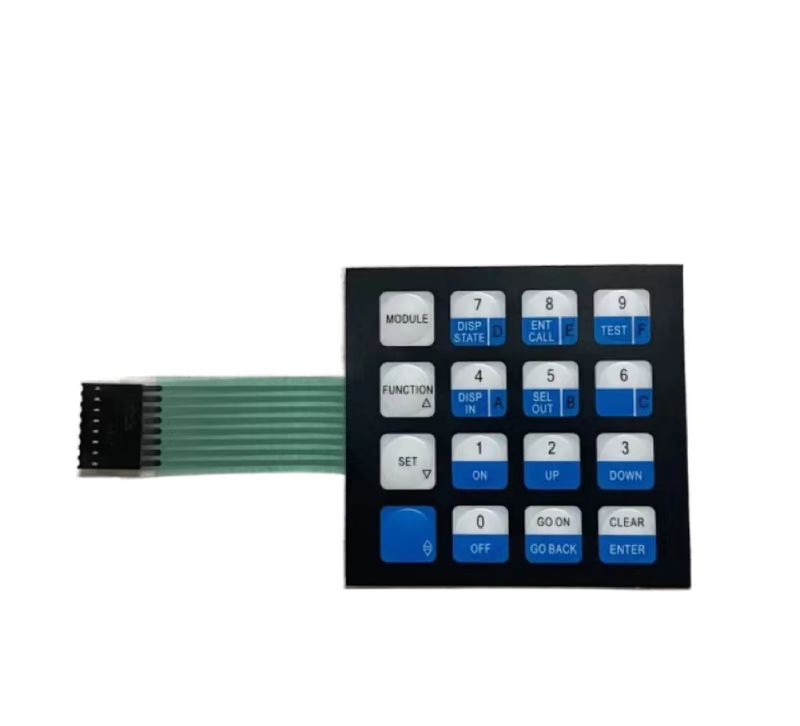
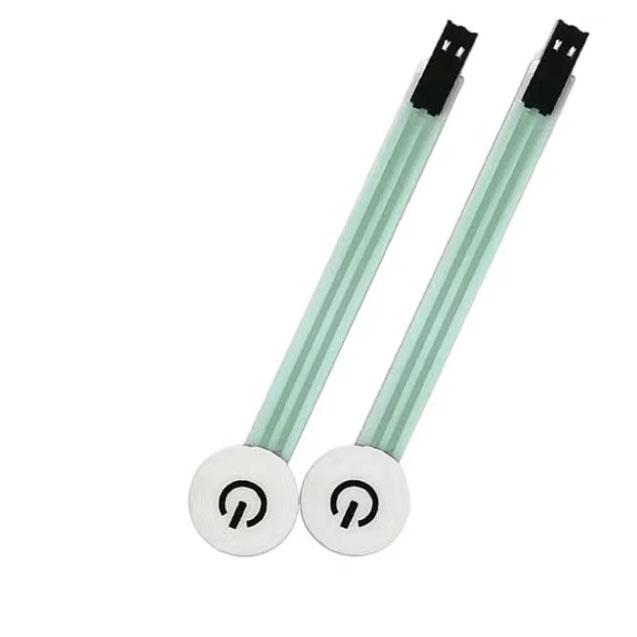
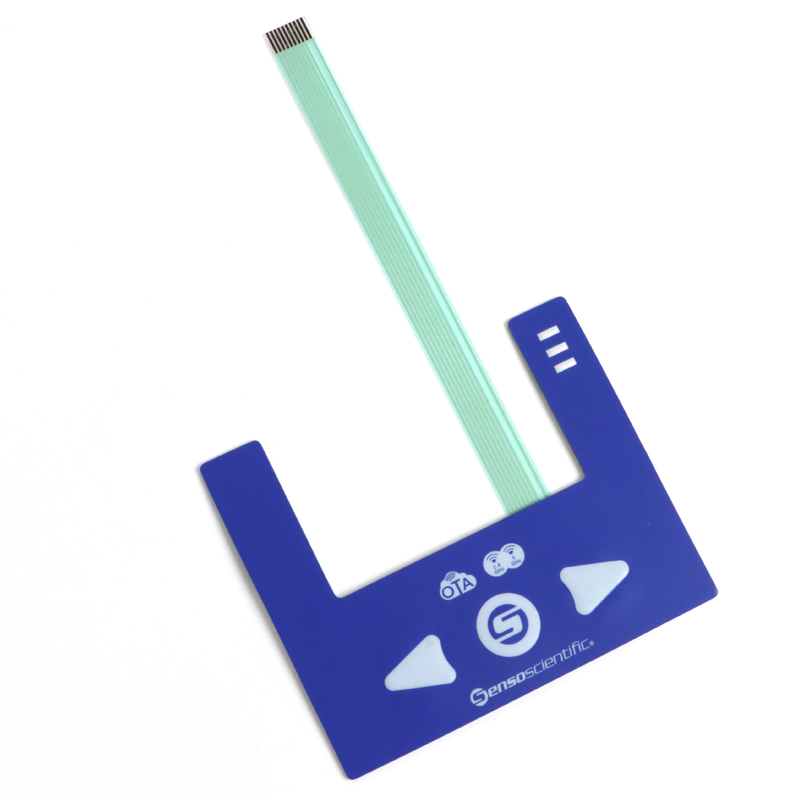
Engineered Membrane Keypads & Electroluminescent Sub-Assemblies
Tested for European operating environments: extreme thermal cycling, chemical resistance, and tactile endurance. Fully compatible with Baltic high-tech production standards.
16+
Years Manufacturing Excellence
2,600㎡
ISO 9001 In-House Facility
<0.3mm
Ultra-Thin EL Profile Available
100%
Batch Traced & CE/RoHS Compliant
Technical Whitepaper
Electroluminescent (EL) Backlight Integration in Modern Central European Electronics
In the evolving manufacturing landscape of Lithuania—most noticeably around the Kaunas Free Economic Zone (Kauno LEZ) and the academic-industrial research centers near Kaunas University of Technology (KTU)—the demand for ruggedized, low-power Human-Machine Interfaces (HMI) has surged. Modern mechanical engineering demands that display units and backlighting maintain complete surface planarity without creating hotspots or adding mechanical depth.
Electroluminescent (EL) backlighting technology bridges this gap by functioning as a cold light source operating through the electrical excitation of phosphor crystals embedded in a dielectric sandwich. Unlike conventional edge-lit Light Emitting Diode (LED) arrays, which necessitate thick Light Guide Plates (LGP) ranging from 1.0mm to 3.0mm, an EL backlight film maintains an ultra-thin stack of less than 0.35mm. This ultra-flat architecture provides uniform luminous emission across large curved surfaces and complex geometric switch patterns, making it uniquely suited for the medical sensor clusters, defense field instrumentation, and industrial drive interfaces produced in Kaunas.
Key Engineering Fact for Baltic Procurement: CE Certification for EL panels is fundamentally tied to Electromagnetic Compatibility (EMC Directive 2014/30/EU) and Low Voltage safety directives (LVD 2014/35/EU). Cevra provides optimized AC inverter circuitry matching the dielectric capacitance of each customized panel, avoiding RF emission spikes commonly seen with uncertified generic Asian imports.
Cold Phosphor Radiance
Produces zero heat signature during extended operational cycles, critical for temperature-sensitive medical testing equipment and chemical monitoring instruments in Kaunas laboratories.
Superior Anti-Vibration
Solid-state printed layers contain no delicate filaments or fragile solder joints, withstanding mechanical shock testing up to 50G in industrial automotive and off-highway vehicle dashes.
Uniform Light Diffusion
Eliminates localized shadows and bright clusters. Phosphor particle dispersion provides a uniform balanced glow, crucial for night-vision compatible cockpits and dimly lit production lines.
Localized Application Scenarios in Kaunas Industry
Lithuania's industrial engine in Kaunas has transitioned aggressively from legacy assembly to high-complexity, low-to-medium-volume specialized equipment. Cevra supports this sector through tailor-engineered configurations across four primary regional verticals:
| Industrial Vertical | Common Regional Application | Material Layer Recommendation | Environmental Durability Standard |
|---|---|---|---|
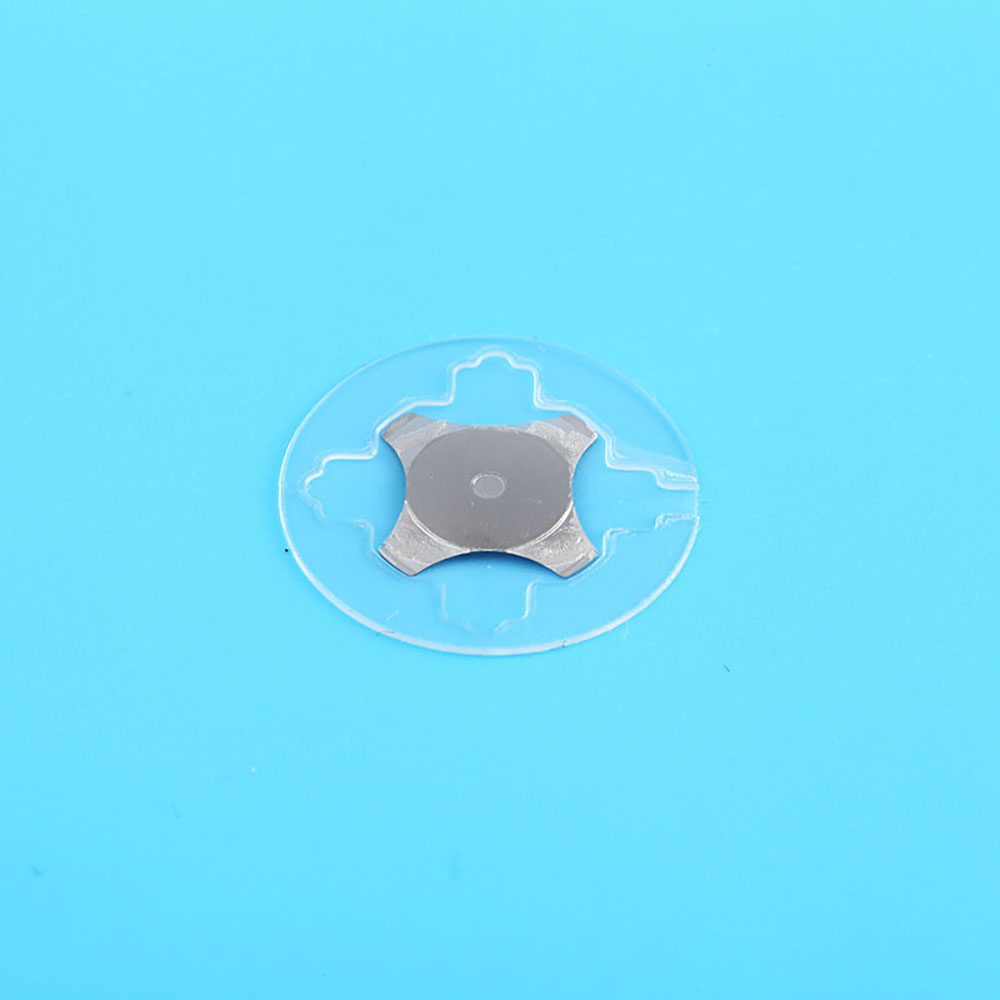
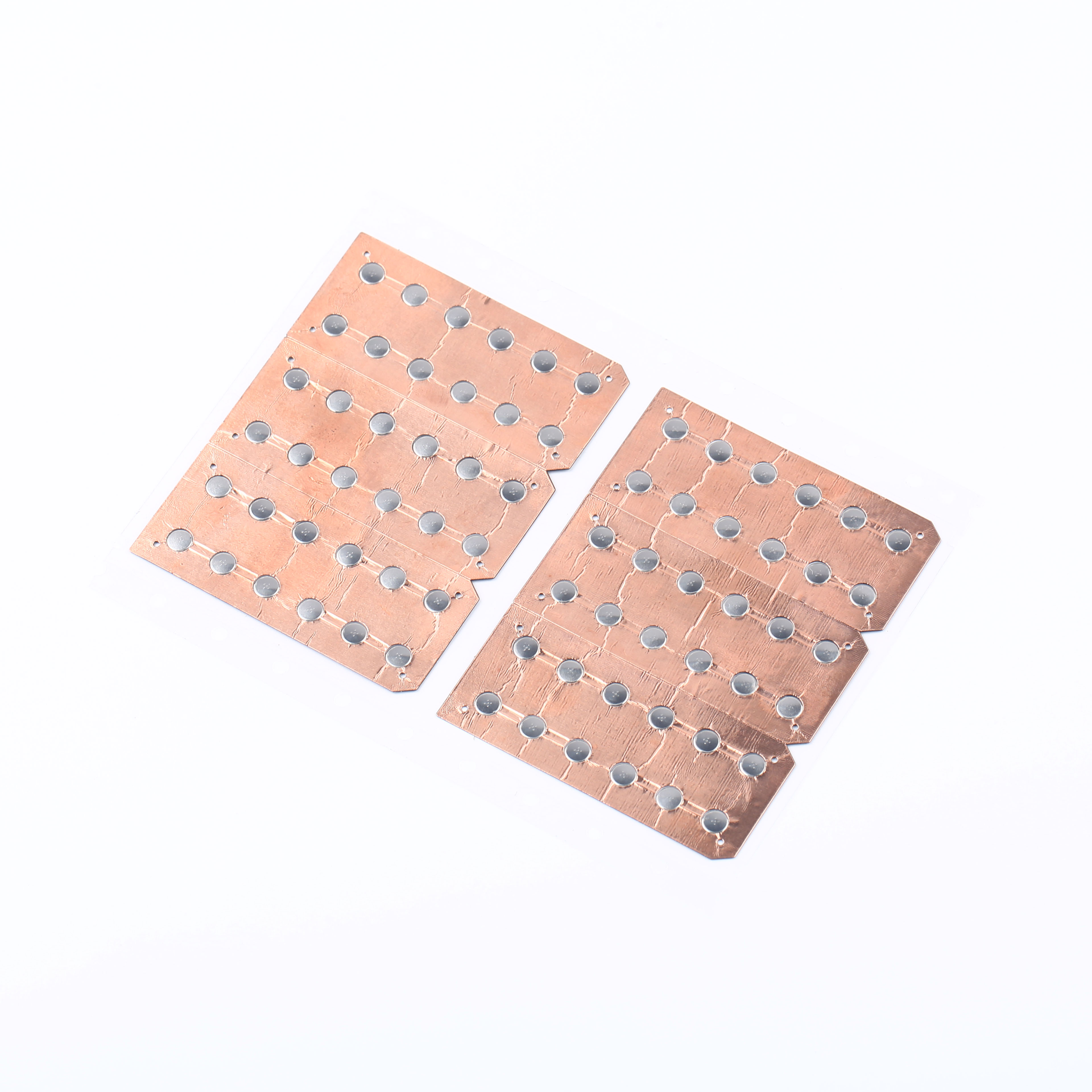
| Industrial Robotics & Inverters | Controller pendants, motor control panels in Kaunas LEZ factories | Autotex Steel Texture PET + EL Film + Stainless Steel Cross Dome Array | IP65, DIN 42115 chemical wash resistance |
| Medical Instrumentation | Centrifuges, patient diagnostic units, optical analyzers | Anti-microbial treated PET overlay with integrated capacitive touch film | ISO 13485 biocompatibility compliant surface |
| Automotive & Commercial Fleets | Dashboard auxiliary clusters, telemetry keypads, EV chargers | Polycarbonate optical front with UV-stabilized inks & EL night-glow | -40°C to +85°C thermal cycling tolerance |
| Precision Defense & Telecom | Tactical radios, military vehicle telemetry, outdoor stations | Copper-shielded EMI barrier layer + NVG-compliant blue-green EL lamp | MIL-STD-810 climatic and EMC shielding |
Localized Growth Trends: The Baltic Shift to Smart, Tactile Surfaces
Contract manufacturers (EMS) operating across Kaunas, Vilnius, and Klaipėda are steadily migrating toward hybrid Human-Machine Interfaces that fuse traditional tactile feedback with capacitive intelligent surfaces. Pure touchscreen glass panels often fail operator requirements in heavy industrial and outdoor settings where gloves are mandatory or where grease and liquid splashes cause false triggers.
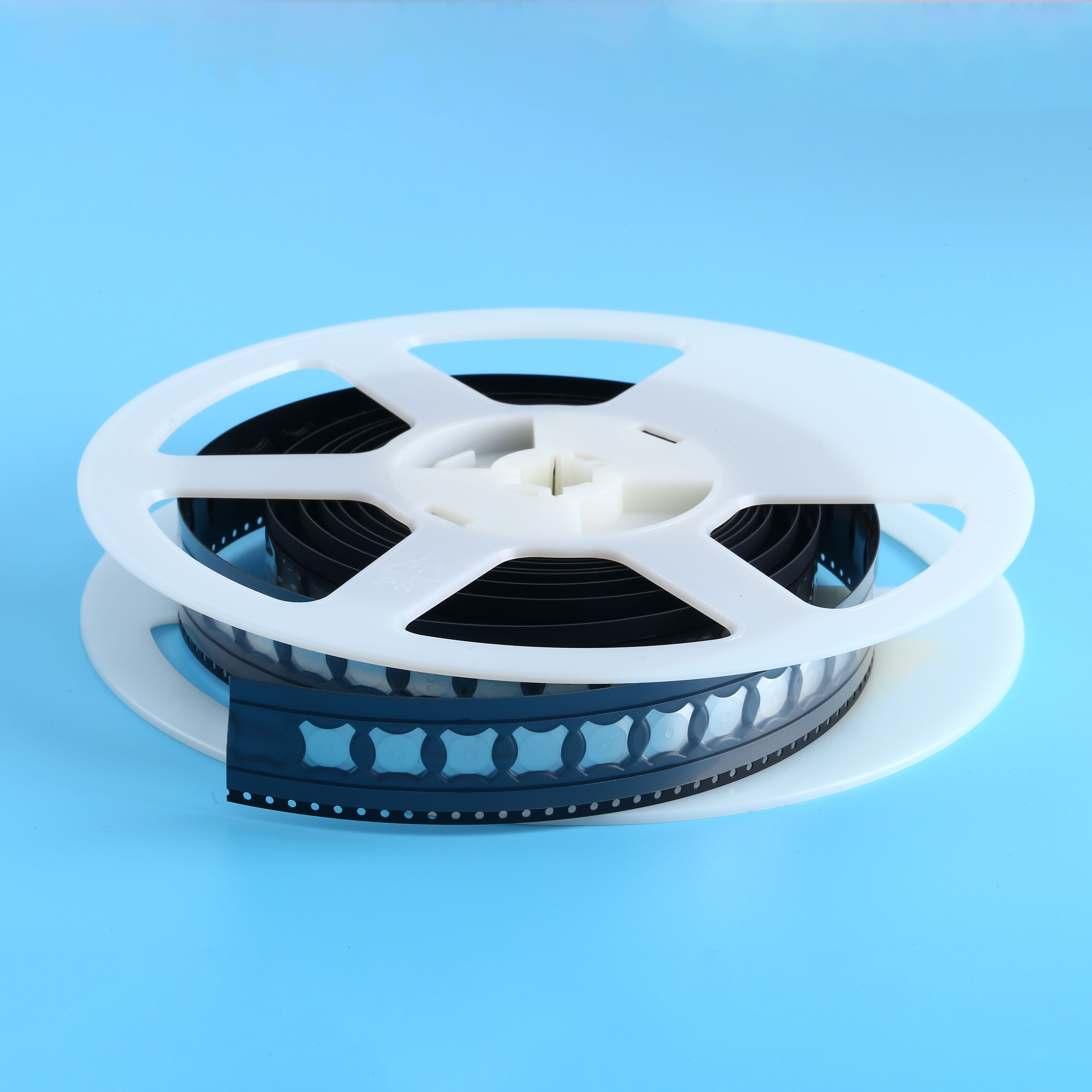
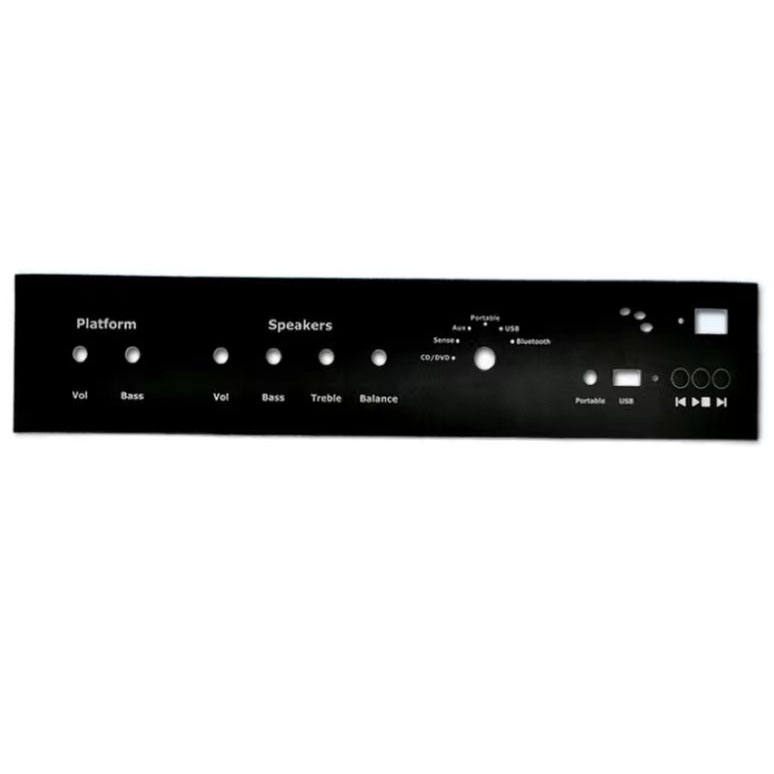
The emerging standard combines metal dome tactile feedback, graphic dead-front masking, and selective EL illumination. By utilizing dead-front screen printing, icons remain completely invisible until energized by the system microcontroller. This reduces visual clutter for equipment operators and directs attention strictly to operational alarms or dynamic parameters. Cevra's custom multi-layer fabrication facilities allow electronics designers in Kaunas to integrate tactile click feedback, embedded status LEDs, and backlighting in a single integrated component, eliminating multiple third-party assemblies.
Factory Heritage & E-E-A-T Authority
Dongguan Cevra Electronic Technology Co., Ltd.
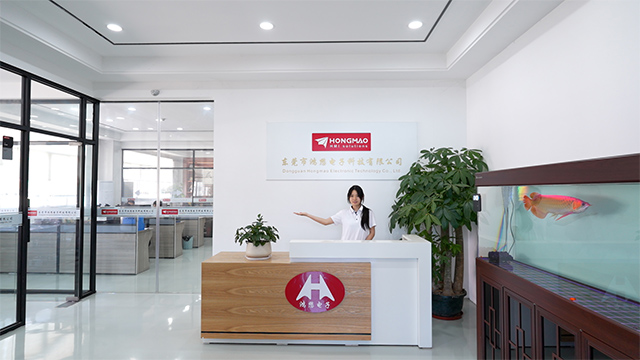
A proven, audit-verified manufacturer since March 2009. We control all steps under one roof—from screen printing and precision die-cutting to automated dome placement and optical inspection.
16+
Years of dedicated HMI manufacturing with audited ISO 9001:2015 quality control systems.
In-House Tooling & Quality Rigor for Direct Export
Unlike middlemen or trading operations, Dongguan Cevra executes 100% of its critical production stages within our modern 2,600㎡ production facility. Every custom batch intended for European delivery undergoes strict testing in our specialized laboratory to prevent failures in critical installations.
SGS Onsite Verified
Independent third-party verification of factory premises and production lines.
Automated Assembly
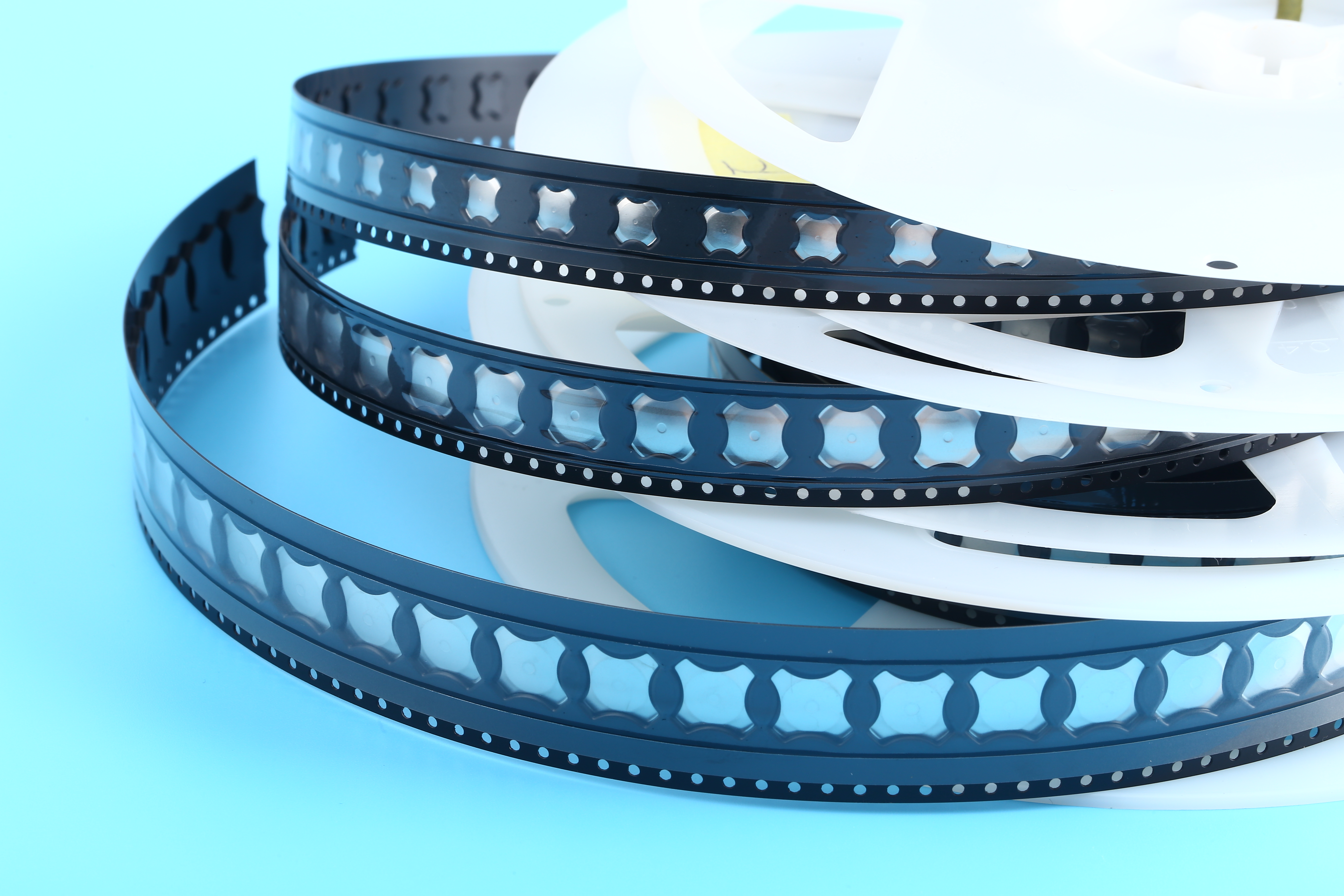
CCD automatic alignment drilling, die-cutting, and computerized dome positioning.
Dome Load Force Testing
Accurate snap-ratio evaluation ensuring switch feel matches customer specifications.
Environmental Chambers
High/low thermal cabinet testing simulates Baltic winters and industrial heat.
Our export operations team handles complete shipping documentation (EUR.1 support, CE compliance dossiers, custom HS code categorization) directly to Kaunas Airport (KUN) or via consolidated rail/sea freight networks reaching Klaipėda and Kaunas container depots.
Procurement Guide
Frequently Asked Questions: Ordering EL Films & Keypads in Kaunas
Practical answers to help Lithuanian design engineers, purchasing managers, and EMS specialists specify and import our products seamlessly.
What specific electrical parameters are required to drive an EL backlight film?
Electroluminescent panels operate as cold-light lossy capacitors and require alternating current (AC). Typical excitation parameters are 60V to 110V AC at frequencies between 400Hz and 1000Hz. For DC-powered devices (e.g., 5V, 12V, or 24V industrial rails), we co-design and provide matching compact DC-AC inverters or advise your PCB design team on inverter IC integration (such as Durex or Supertex drivers) to ensure high luminous efficiency, zero audible inverter hum, and full CE/EMC compliance.
How does Cevra ensure compliance with European CE, RoHS, and REACH directives?
Every raw material integrated into our membrane switches and EL lamps—including PET substrate carriers (Autotex/Melinex), conductive silver inks, copper foils, dielectric layers, and 3M adhesive backings—comes with current chemical composition dossiers meeting RoHS Directive 2011/65/EU and EU REACH Regulation (EC 1907/2006). Factory testing data and CE declarations of conformity are provided with prototype and production lots.
What is the typical half-life of an EL backlight and how does it handle Baltic climates?
The standard operating half-life of our high-grade phosphor EL films ranges from 3,000 to 8,000 hours of continuous illumination, depending on drive voltage and frequency. In pulsed, indicator, or on-demand night modes, lifetime extends to over 20,000 operating hours. Because the luminescent mechanism involves no liquid state or heated gas, the film remains fully operational from -40°C to +85°C without freezing, flickering, or shifting color during cold Lithuanian winters.
Can you supply prototypes for rapid DFM testing to Kaunas-based hardware startups?
Yes. We support agile prototyping with dedicated rapid-turn sample production. Mechanical and electrical samples can be produced from CAD/Gerber/vector files in 7 to 10 working days, shipped via DHL Express or FedEx directly to your facility in Kaunas or Vilnius in 3 to 4 days, allowing your team to complete bench validation before tooling sign-off.
What files and specifications do your engineers need to generate a project quote?
To deliver a comprehensive DFM evaluation and quote within 24 hours, provide: (1) Vector artwork files (.AI, .PDF, or .DXF) showing dimensions, color codes (Pantone/RAL), and window cutouts; (2) Circuit schematics indicating pin-out connections and tail length; (3) Desired tactile actuation force (e.g., 180g to 400g snap domes); and (4) Operating environmental factors (indoor, outdoor UV exposure, chemical cleanings).
Ready to Engineer Your Custom Keypad or Backlight Solution?
Connect with our technical engineering desk today. We provide direct DFM feedback, sample evaluations, and CE-ready export quotes tailored for procurement teams across Kaunas and the European Union.
Inquire Now