High-Reliability Human-Machine Interface & Capacitive Sensor Series
Direct OEM manufacturing with full stack-up customization, high EMC immunity, custom tactile integration, and IP67/IP68 environmental ingress sealing.
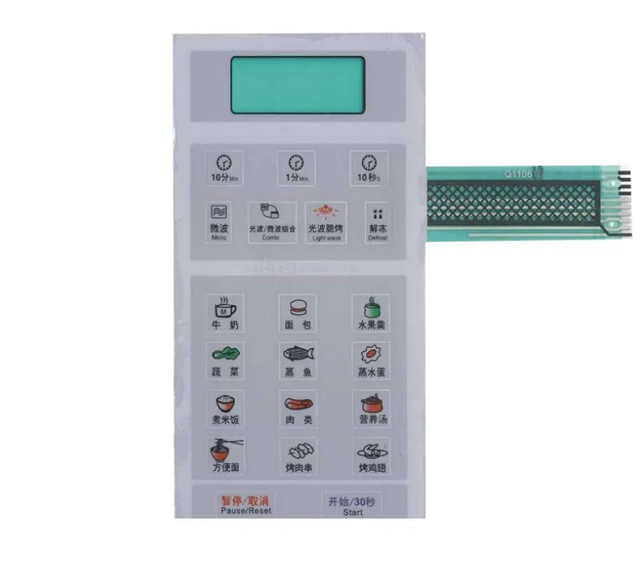
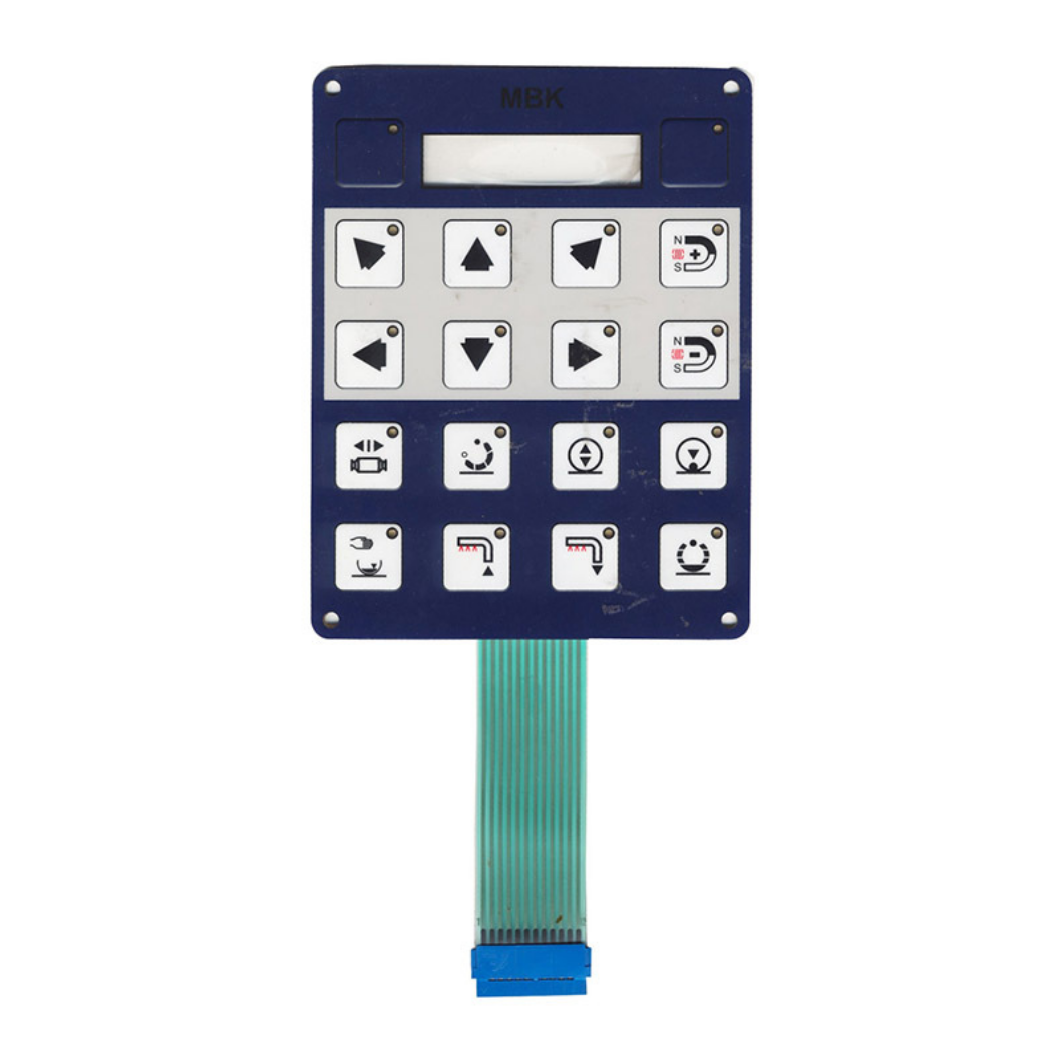
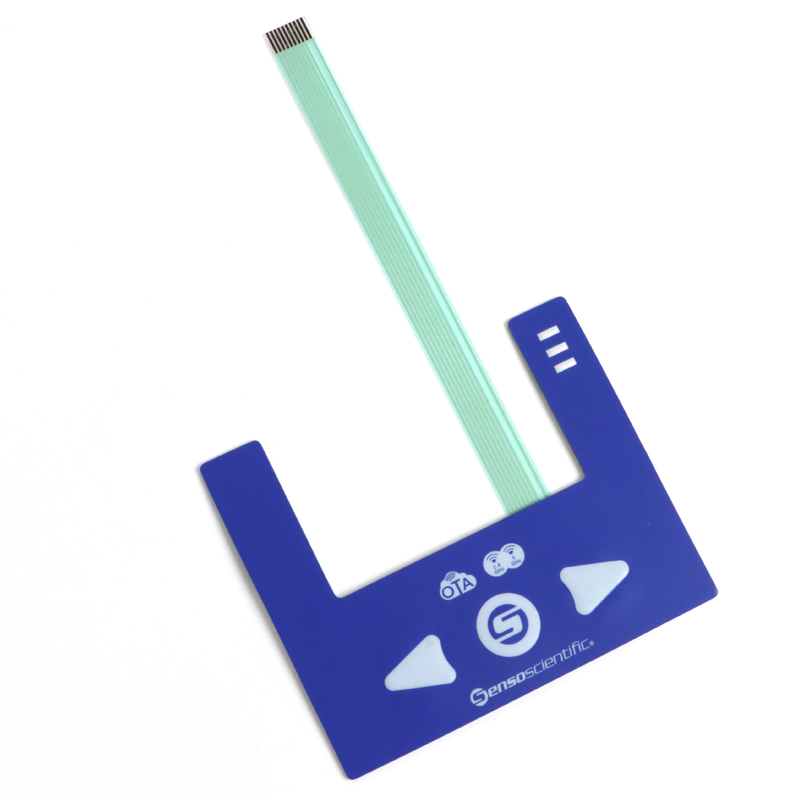
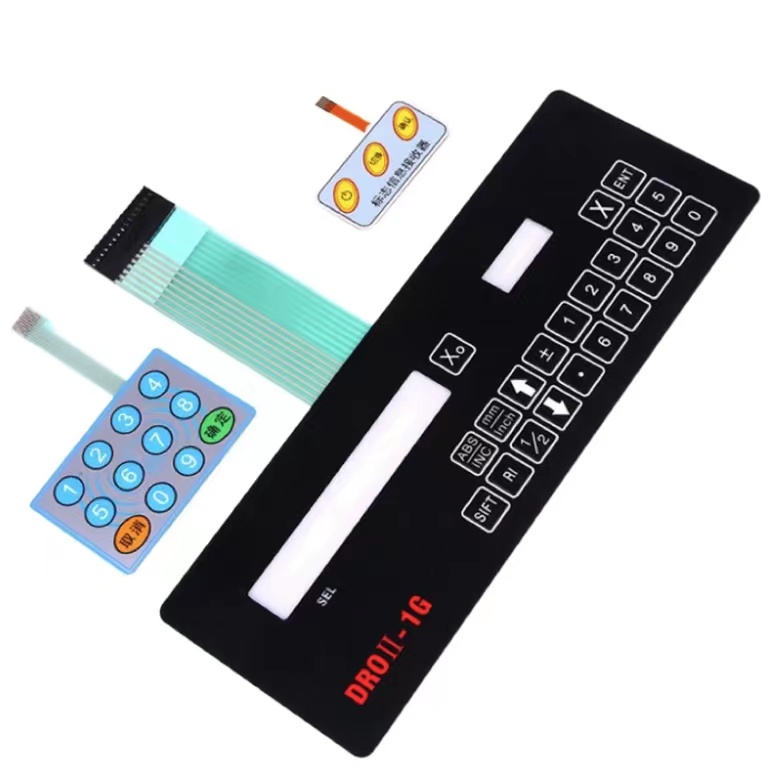
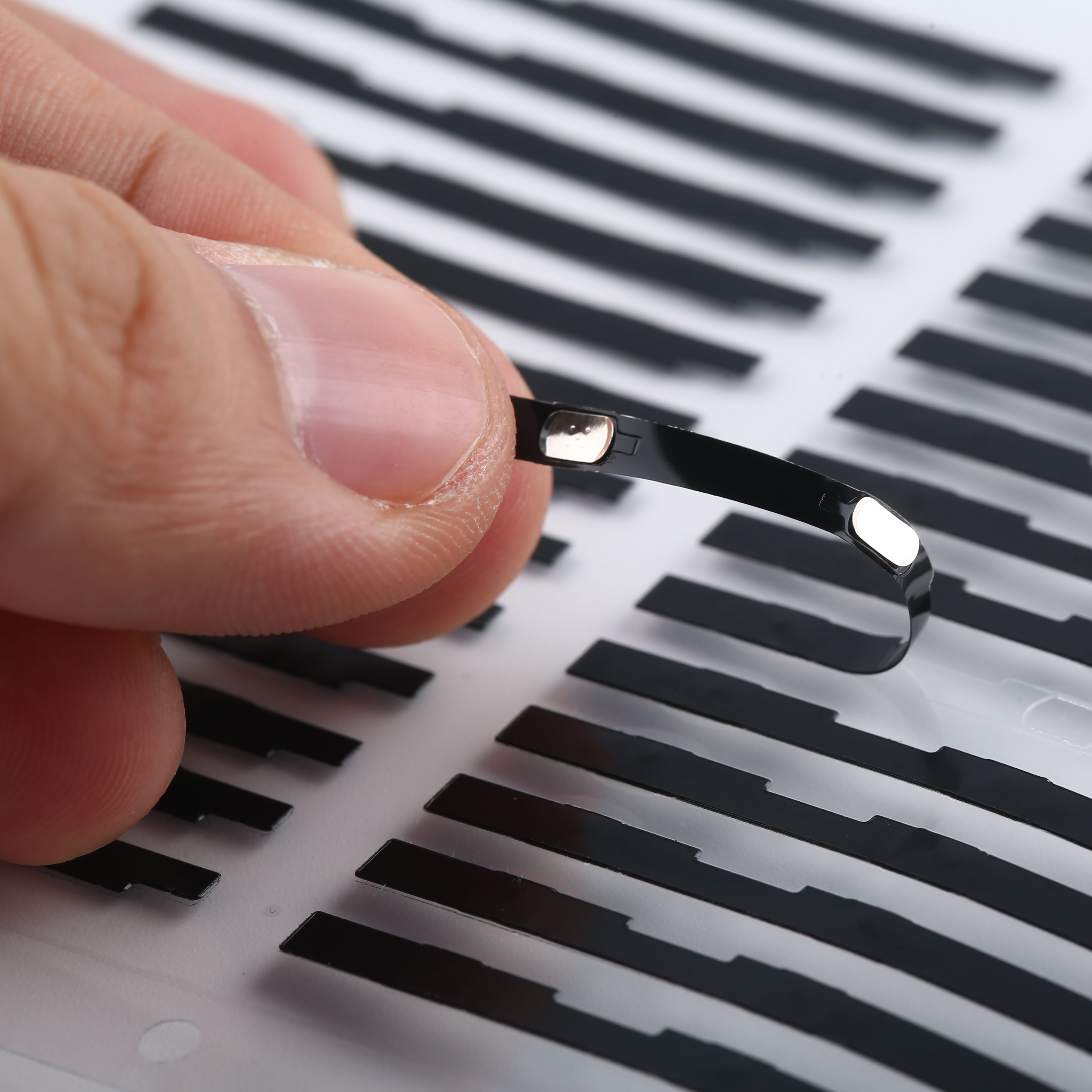
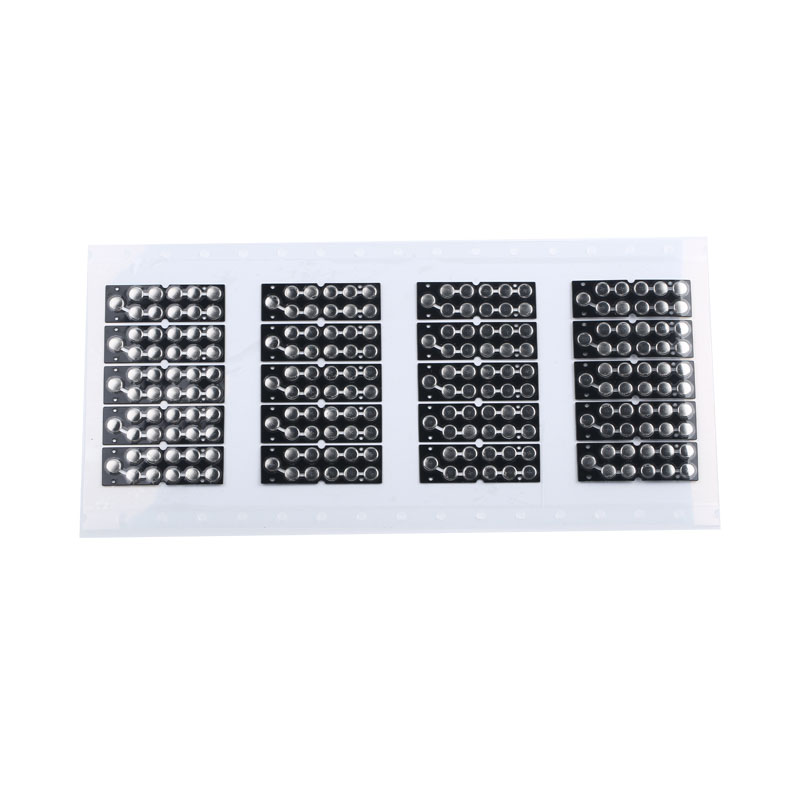
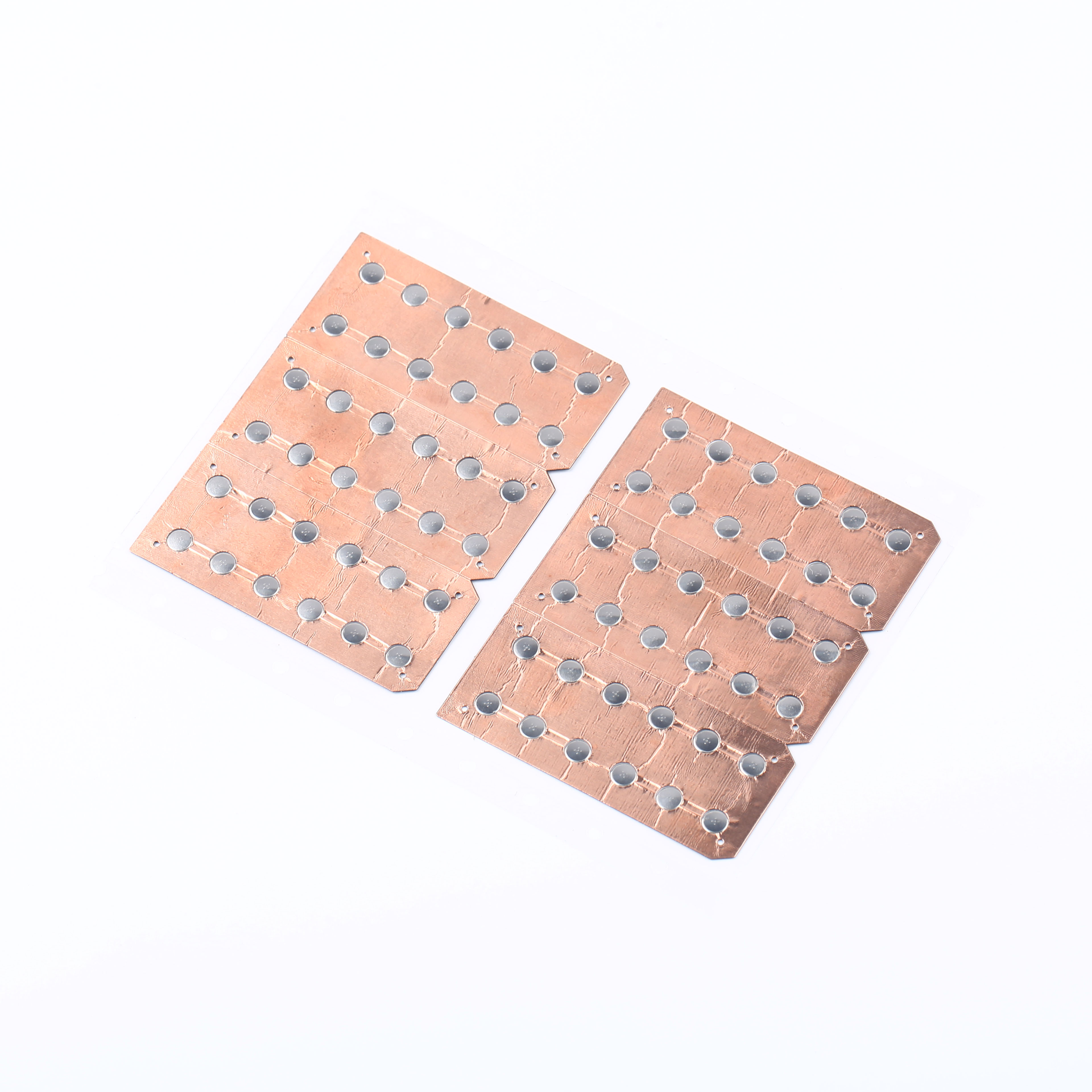
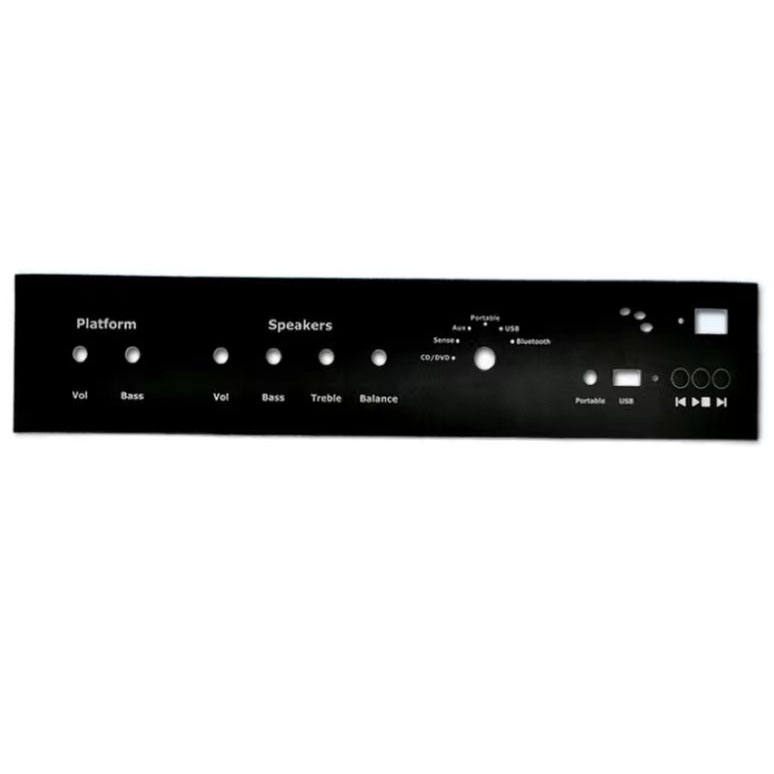
Capacitive Touch Architecture: Physics, Dielectrics, and Marine Ruggedization
Overcoming electrical noise, conductive moisture films, heavy neoprene work gloves, and extreme sub-zero temperatures in Norwegian industrial automation.
1. Sensor Topology: Projected Capacitance (PCAP) vs. Discrete Surface Electrodes
In harsh maritime and industrial environments such as Rogaland's coastal processing facilities and North Sea offshore rigs, standard consumer capacitive touch architecture fails. Ambient seawater spray, dense fog, oil contamination, and heavy safety gloving disrupt standard touch-delta thresholds. At Dongguan Cevra Electronic Technology Co., Ltd., we develop CE-certified Projected Capacitive (PCAP) and discrete printed capacitive electrode sensors specifically tuned for harsh-environment human-machine interfaces (HMIs).
Capacitive touch sensing functions through electrostatic field perturbation. When a conductive object (such as an operator's finger or conductive gloved digit) approaches the electrode pattern, it couples with the localized electric field, shunting a fraction of the electric flux to earth ground. For Stavanger industrial buyers, we implement two primary sensor topologies depending on controller requirements and spatial constraints:
- Self-Capacitance Arrays (Discrete Keys & Sliders): Each sensor pad is monitored individually against system ground. Self-capacitance produces high signal-to-noise ratio (SNR) and exceptional electrical field penetration, making it the preferred topology for through-overlay thickness up to 6.0 mm (chemically strengthened glass, marine-grade PMMA, or thick polycarbonate). It is the premier choice for hazardous control consoles, emergency stop interlocks, and offshore winch stations.
- Mutual Capacitance Matrices (Multi-touch Panels): Formed by intersecting orthogonal drive (Tx) and sense (Rx) electrodes patterned onto flexible PET (polyethylene terephthalate) or copper-clad polyimide (FPC). While mutual capacitance allows precise multi-finger tracking and complex gesture control, our Stavanger-bound units undergo specialized firmware-level matrix shielding to counteract the salt-film conductance effect common in coastal offshore platforms.
2. The Water-Rejection Challenge: Eliminating False Triggers from Salt Mist & Pooling Water
Standard capacitive switches register standing water droplets as valid touch actuations because water has a high dielectric constant (approx. 80). In Stavanger, where horizontal rain, dense sea salt spray, and pressurized washdown protocols are constant operational realities, false triggering is unacceptable. Our engineering stack-up eliminates liquid bridging through a tri-layer mitigation strategy:
- Active Driven Guard Shielding: We route a continuous printed conductive loop surrounding every active capacitive button. By driving this guard electrode with an identical in-phase alternating electrical potential as the sensing pad, no electric field gradient forms between the sensor and surrounding wet surfaces. Liquid pooling across the overlay fails to create a capacitive delta, entirely neutralizing false actuations.
- Hydrophobic Surface Texturing: Overlays are fabricated from automotive-grade hard-coated Autotype MacDermid PET or Sabic Lexan HP92S polycarbonate treated with oleophobic and hydrophobic optical micro-textures. Water sheets instantly bead up and roll off vertical or tilted console faces without forming conductive continuous films.
- Differential Threshold Tuning: Our sensor controllers (compatible with Microchip maXTouch, Cypress/Infineon, and Azoteq IQS series) differentiate between positive capacitance deltas (human touch) and negative or slow-drift capacitive perturbations caused by environmental moisture changes.
| Performance Parameter | Standard Commercial Touch | Cevra Industrial Capacitive Sensor | Marine & Offshore Subsea Target |
|---|---|---|---|
| Operating Temperature | 0°C to +50°C | -40°C to +85°C continuous | EN 60068-2-1 / DNV-CG-0339 Cold Test |
| Overlay Penetration (Glass/PC) | Up to 1.2 mm | Up to 6.0 mm (Tuned Self-Cap) | Vandal-resistant IK09/IK10 covers |
| Glove Operation Compatibility | Bare finger only | Heavy leather, neoprene, nitrile (5 mm) | North Sea offshore cold-weather gloves |
| EMC Conducted Immunity (CS) | 3 Vrms (EN 61000-4-6) | 10 Vrms (EN 61000-6-2 industrial) | Exceeds marine high-RF transmitter tests |
| Salt Spray Resistance | 24 Hours (ASTM B117) | 1,000+ Hours hermetically sealed | Subsea & splash-zone exposed housings |
| Mechanical Switching Life | N/A (Wear on glass coating) | > 50 Million actuations (Solid-state) | No moving parts, fatigue-free lifecycle |
Mission-Critical Applications in Stavanger & the Norwegian Energy Corridor
Custom-engineered human-machine interface solutions designed for extreme North Sea operating conditions, offshore electrification, and maritime automation.
Offshore Drilling & Wellhead Control
Installed across the Continental Shelf on floating production platforms (FPSO) and tension-leg installations. Solid-state capacitive keypads integrate hermetic 3M 467MP/300LSE adhesive gaskets to prevent gas seepage and corrosive brine ingress, supporting ATEX non-sparking design requirements.
Subsea ROV & Hydrographic Tether Consoles
Stavanger's world-leading subsea robotics cluster relies on our precision flexible printed circuit (FPC) capacitive touch sensors for topside deck controllers. Operates flawlessly under high UV radiation, saltwater spray, and constant oil-mist saturation without tactile decay.
Floating Offshore Wind (Hywind Corridor)
Marine wind substations and floating turbine power converter panels require HMIs certified against severe electromagnetic discharge (ESD) and conducted emissions. Cevra incorporates buried copper foil ground planes that safely dissipate 15 kV air discharges.
Aquaculture & Pelagic Processing Automation
Rogaland's intense salmon farming industry demands IP69K washdown resistance. Our seamless capacitive membrane touch panels withstand 80°C caustic cleaning agents, automated scrubbing, and high-pressure steam sanitation without edge peeling or delamination.
Green Hydrogen & Carbon Capture (CCUS)
Next-generation processing facilities at Risavika and industrial decarbonization corridors utilize our solid-state switches inside pressurized NEMA 4X / IP66 stainless enclosures. Complete absence of mechanical sparks elevates functional safety for combustible atmospheres.
Cold-Climate Maritime Bridge Navigation
Vessel propulsion panels and GPS navigation displays require dimmable LED backlighting and capacitive sliders that maintain continuous responsiveness from tropical routes to Arctic freezing zones (-40°C), immune to condensation and dielectric drift.
Technological Shift in Western Norway's Marine & Energy HMI Sector
Strategic modernization trends shaping sensor procurement across Stavanger, Sandnes, and the wider Rogaland industrial triangle.
Key Modernization Vectors Driving Sensor Demand
The industrial landscape in Stavanger is executing a historic dual transition: optimizing existing subsea hydrocarbon extraction while accelerating clean energy initiatives, including offshore floating wind, green ammonia propulsion, and land-based aquaculture. This transformation imposes stringent technical requirements on HMI hardware suppliers:
- Elimination of Mechanical Points of Failure: Traditional electromechanical push buttons and rotary switches suffer seal degradation, salt encrustation, and spring fatigue within 18–36 months in North Sea marine exposure. Capacitive sensors, featuring no moving parts and flat hermetic fascias, offer an operational lifetime exceeding 15 years, drastically cutting offshore maintenance voyages where helicopter transit costs tens of thousands of NOK per technician.
- Transition from Silver Ink to Ultra-Thin Copper FPC Arrays: While screen-printed conductive silver traces remain highly cost-effective for general industrial panels, high-vibration maritime equipment in Rogaland increasingly demands rolled-annealed (RA) copper-clad polyimide circuits. Copper circuits eliminate silver electromigration risks in high-humidity salty environments, ensuring zero open-circuit risks across decades of offshore deployment.
- Integrated Optical Bonding & Anti-Reflective Cover Glass: Modern offshore consoles combine PCAP touch sensors directly laminated behind 3 mm to 6 mm chemically strengthened Corning Gorilla Glass or IK10-rated polycarbonate panels. Cevra provides full cleanroom optical lamination using high-transmittance optical clear adhesives (OCA), completely eliminating the internal air gap to stop internal condensation and eliminate reflections under direct North Sea daylight.
- Enhanced Functional Safety Compliance (IEC 61508 / ISO 13849): Norwegian automation engineers increasingly design touch consoles with dual-channel redundant sensor routing, where critical functions require two deliberate spatial touch inputs or simultaneous capacitive touch combined with a tactile perimeter confirm, preventing accidental activation by dropped tools or sea spray.
Why Norwegian OEMs & Engineering Contractors Partner with Cevra
Direct Chinese factory pricing combined with Tier-1 precision manufacturing, verified quality certifications, and complete in-house production control.
Proven Manufacturing Infrastructure in Dongguan, China
Founded in March 2009, Dongguan Cevra Electronic Technology Co., Ltd. has evolved over 16+ years into an internationally verified direct manufacturer of membrane switches, capacitive touch interfaces, metal domes, graphic overlays, and light guide film (LGF) backlighting systems. We operate a modern 2,600 m² production facility in Dongguan—the epicenter of global precision electronics.
Unlike trading entities or intermediate brokers, Cevra controls every single processing stage under our own roof, ensuring complete traceability and IP protection:
- Full Process In-House Fabrication: High-precision automatic screen printing lines, precision CCD guide-hole drilling machines, CNC laser profiling, hydraulic die-cutting, automatic membrane laminators, and automated metal dome pick-and-place lines.
- Class 10,000 / ISO Class 7 Cleanroom Printing: Overlay printing and optical lamination are executed in climate- and dust-controlled environments, guaranteeing optical clarity with zero microscopic inclusions, lint, or particulate voids.
- SGS Group Onsite Verified: Our production capacity, employee workforce, and quality systems have been thoroughly inspected and authenticated onsite by SGS Group, providing European procurement officers with verifiable compliance documentation.
- Rigorous Laboratory Quality Assurance: Every production batch is subjected to dome actuation force curve analysis (Dome Load Tester), loop resistance measurement, insulation impedance testing (>100MΩ at 100V DC), high/low temperature cyclic environmental stress testing (-40°C to +85°C), 3M adhesive peel tension testing, pencil surface hardness testing (exceeding 3H), and accelerated salt spray corrosion testing.
- Flexible Minimum Order Quantities (MOQ): We support Stavanger engineering teams from rapid prototype development (from 10 to 100 pieces for field testing) up to scheduled annual blanket-order mass production exceeding tens of thousands of units.
Frequently Asked Questions for Norwegian Buyers & System Integrators
Detailed technical, compliance, logistics, and testing guidance for engineering teams in Stavanger, Rogaland, and Scandinavia.
Ready to Engineer Your Offshore & Industrial Touch Interface?
Consult directly with our Dongguan engineering department. Receive comprehensive DFM evaluation, custom stack-up schematics, and competitive factory-direct quotations within 24 hours.