High-Precision Interface Hardware for European Integration
Engineered for high noise immunity, durability against humidity, and seamless enclosure assembly. Browse our primary human-machine interface series built to CE and RoHS specifications.
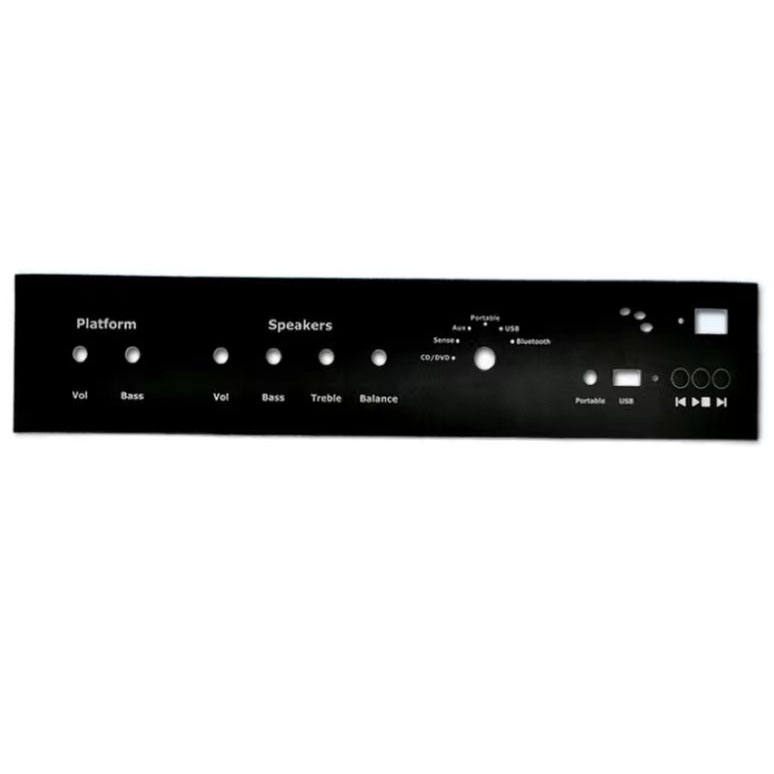
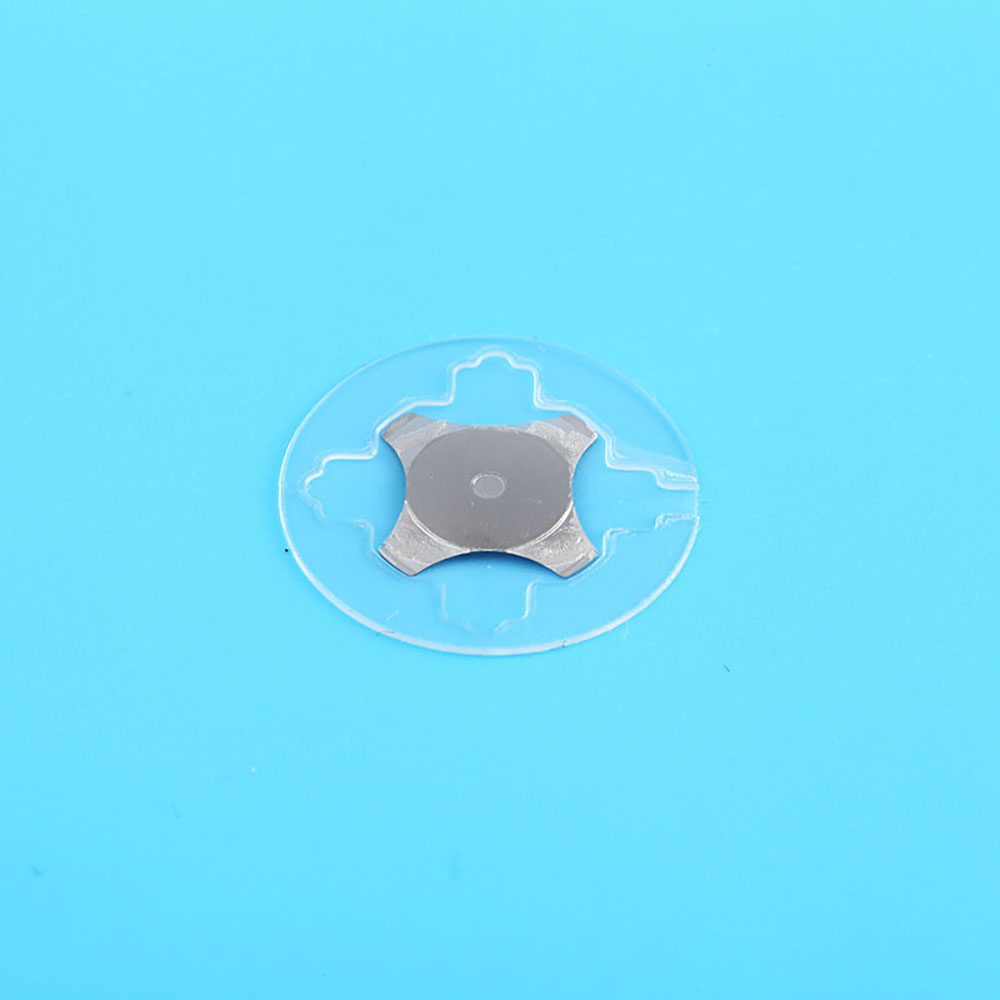
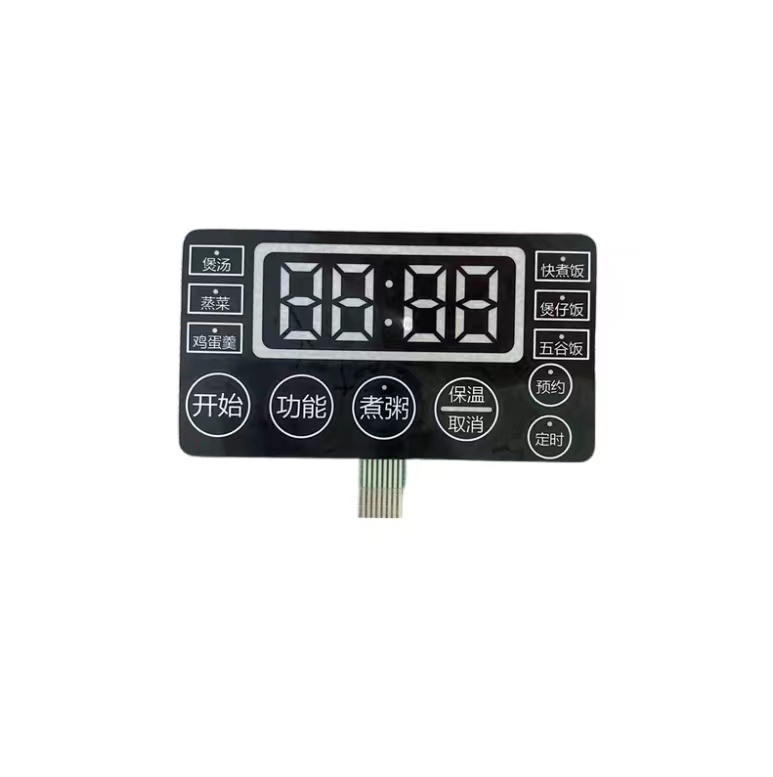
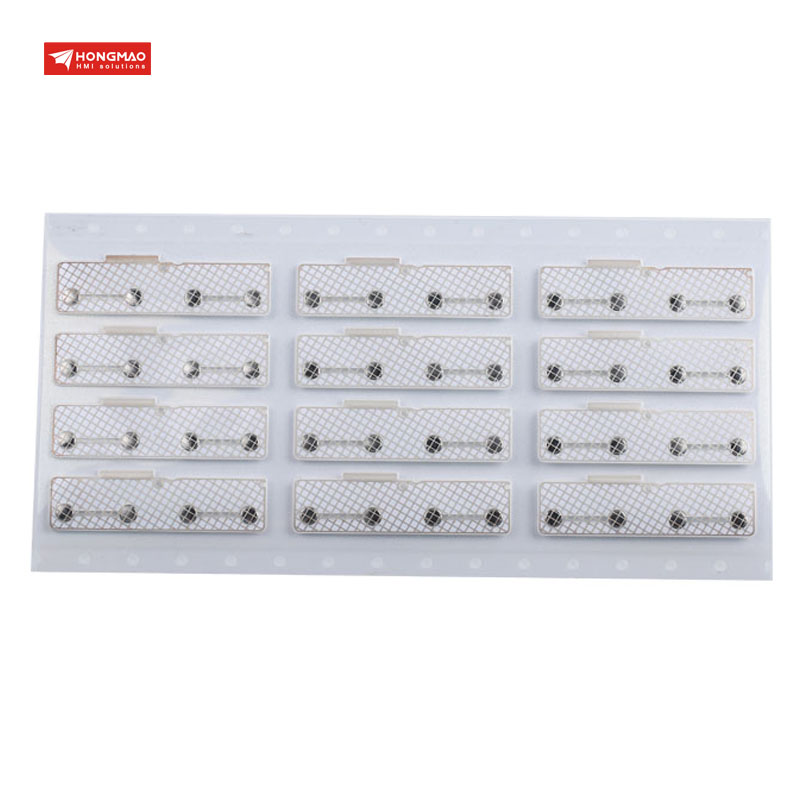
Engineering Capacitive Touch Interfaces for Bulgarian Hardware Hubs
Bulgaria has steadily evolved into a major design and assembly nexus for Southeast Europe. From the automotive software and hardware clusters in Sofia to heavy mechatronics in Plovdiv and HVAC production across Ruse and Stara Zagora, capacitive touch requirements demand strict adherence to European electromagnetic compatibility and ruggedization norms.
Technical Baseline: Projected Capacitive (PCAP) vs. Capacitive Membrane Architecture
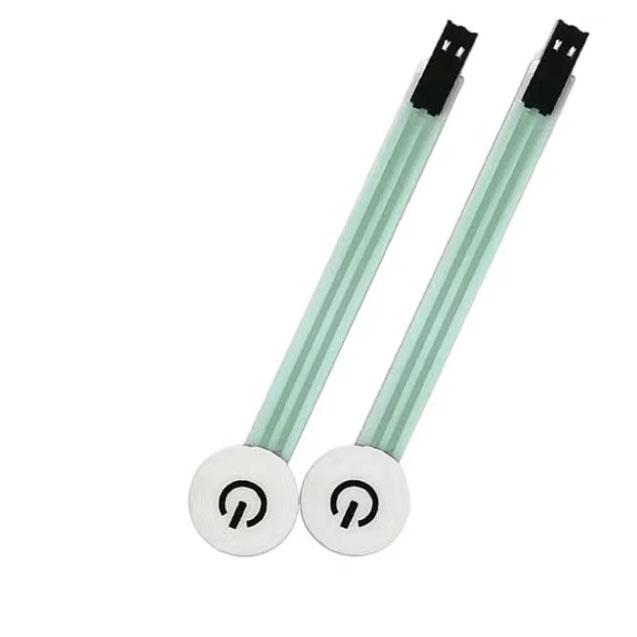
Bulgarian Original Equipment Manufacturers (OEMs) and contract electronics manufacturers (EMS) operating under EU directives frequently confront the challenge of choosing between rigid glass Projected Capacitive (PCAP) panels and flexible printed capacitive membrane keypads. In demanding operating conditions—such as thermal processing plants in Pernik or outdoor agricultural monitors across Northern Bulgaria—capacitive touch membranes engineered with optical-grade Polyethylene Terephthalate (PET) or high-yield Polycarbonate (PC) provide an optimal balance of shock absorption, ingress protection (IP65–IP67), and cost-effective tooling.
Unlike standard resistive touch panels that suffer from mechanical degradation of transparent conductive layers over repeated cycles, capacitive sensor films utilize etched copper or conductive silver tracking to detect the dielectric perturbation caused by an operator's finger. Cevra combines this solid-state reliability with custom graphic overlays, selective tactile response, and backlighting integration to deliver robust interfaces designed for multi-million-cycle life spans.
| Engineering Attribute | Cevra Printed Capacitive Membrane | Standard Resistive Panel | Rigid Glass-on-Glass PCAP |
|---|---|---|---|
| Actuation Mechanism | Dielectric field detection (no mechanical stroke required) | Physical deformation bringing two ITO layers into contact | Projected electrostatic field disruption |
| Bulgarian Industrial Compliance | RoHS, REACH, CE EN 61000-6-2 (Industrial Immunity) | RoHS, Basic CE (susceptible to wear debris) | RoHS, REACH, CE Industrial Grade |
| Surface Sealing (Ingress) | Hermetic IP65 to IP67 with continuous perimeter 3M acrylic seals | Limited IP54–IP65 depending on perimeter venting requirements | IP65+ with customized silicone or optical bonding bezels |
| Impact Resistance (IK Rating) | IK07 to IK09 with structured Polycarbonate overlays | IK02 to IK04 (susceptible to ITO micro-cracking) | IK08 to IK10 depending on chemically strengthened cover glass |
| Tooling & Prototype Capital | Low initial NRE; rapid laser-cut & screen tooling | Moderate initial NRE | High glass etching & optical bonding tooling expense |
Bulgarian Industrial Adoption Profiles
Cevra’s design department tailors capacitive sensor geometry, conductive trace resistance, and overlay material stack-ups specifically for Bulgarian industrial sectors.
Automotive Electronics & Telematics (Sofia & Botevgrad)
Bulgaria produces critical sub-assemblies for European automotive giants. Our automotive-grade capacitive touch membranes are deployed in overhead console controls, climate adjustment interfaces, and dashboard panels.
- High thermal tolerance: -40°C to +85°C operating parameters
- Low contact resistance silver traces with conductive carbon overcoats
- Custom backlight channels with light guide films (LGF) for zero hot-spot night visibility
- Compatible with glove operation algorithms for commercial fleet telematics
Industrial Robotics, Inverters & Mechatronics (Plovdiv Cluster)
The Thrace Economic Zone houses major industrial robotics, motor drive, and variable-frequency inverter manufacturers requiring clean, wipeable control surfaces resistant to cutting oils and vibration.
- Continuous, seamless front surfaces preventing grease, debris, and fluid intrusion
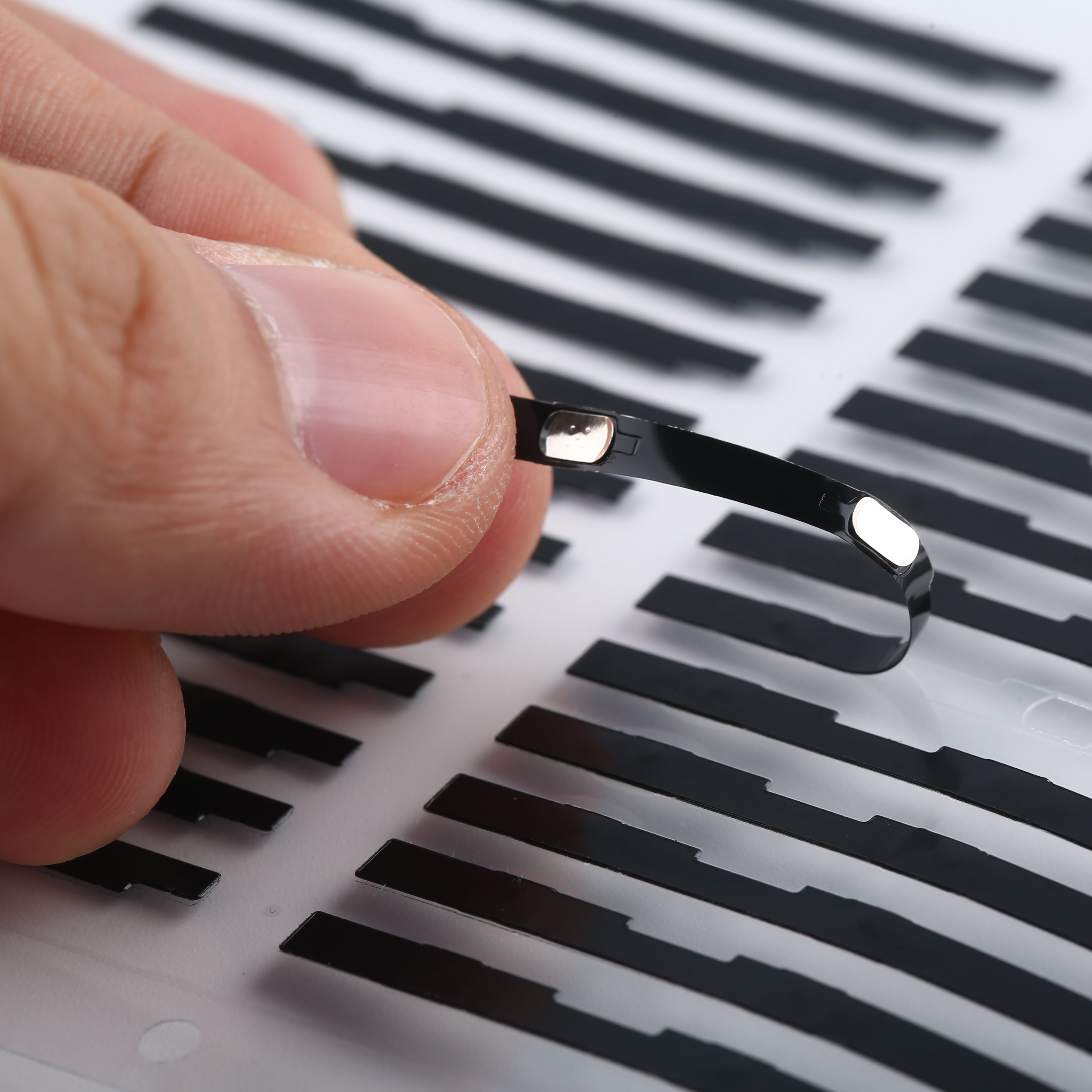
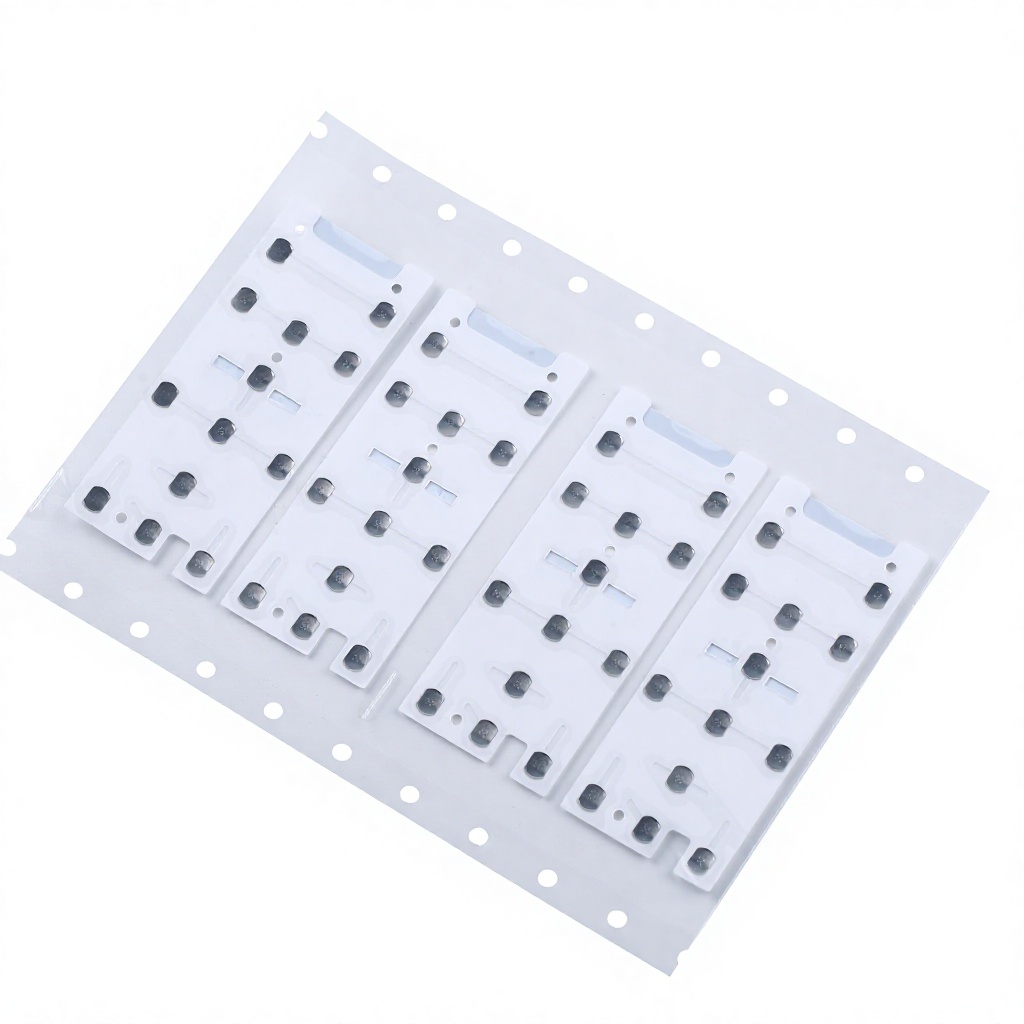
- Dual-technology integration: capacitive touch combined with underlying SUS301 metal dome array keys for physical tactile emergency switches
- Integrated EMI/RFI shielding layers preventing false touches from high-voltage motor drives
- Custom anti-glare, textured Autotex PET overlays resisting abrasive cleaning agents
Commercial HVAC, Boilers & Smart Building IoT (Ruse, Varna, Gabrovo)
Bulgarian heating equipment, pellet burner controllers, and ventilation system developers require interface panels that maintain sensitivity despite steam, condensation, and fluctuating winter conditions.
- Water-droplet rejection software compatibility via optimized electrode design
- Anti-UV outdoor stabilization using engineered Polycarbonate films with hard-coat coatings
- Display window integration: optically transparent adhesive (OCA) lamination over TFT/OLED displays
- Low minimum order quantities enabling rapid prototyping for seasonal production runs
Emerging Trends Shaping Capacitive HMI Sourcing in Bulgaria
As Bulgarian equipment developers integrate Industry 4.0 automation, connected healthcare hardware, and green energy management systems, several key technological transformations are influencing product architecture and export specifications.
Hybrid Tactile-Capacitive Panels
Industrial machinery builders in Eastern Europe are increasingly adopting hybrid layouts: using capacitive sensor keys for digital parameter tuning alongside discrete metal dome snap buttons for critical safety and start/stop controls.
Advanced Antimicrobial & Chemical Protection
Driven by post-pandemic hygiene standards in medical device manufacturing and food processing plants, front overlays are now specified with silver-ion antimicrobial coatings and textured polyester resisting alcohol wipedowns.
Direct FPC Connector Miniaturization
Modern IoT edge devices developed in Sofia require ultra-thin stack-ups. The transition from bulky silver-printed crimp tails to high-density 0.5 mm or 1.0 mm pitch Flexible Printed Circuits (FPC) with gold-plated contact fingers is expanding rapidly.
Supply Chain Reshoring to China Direct Factories
Bulgarian procurement teams are bypassing regional European intermediaries to work directly with audited Chinese manufacturing facilities like Cevra, eliminating middleman markups while gaining full DFM engineering access.
Dongguan Cevra Electronic Technology Co., Ltd.
Founded in March 2009 in Dongguan—the core of South China's high-tech manufacturing ecosystem—Cevra operates a full-process 2,600㎡ facility. We provide end-to-end custom engineering, manufacturing, and export services directly to European hardware clients.
ISO 9001:2015 & SGS Onsite Verified
Our entire quality management protocol is audited onsite by SGS Group. From raw chemical batch verification to final electrical matrix testing, we guarantee complete lot traceability and standard European documentation.
Complete In-House Manufacturing Capabilities
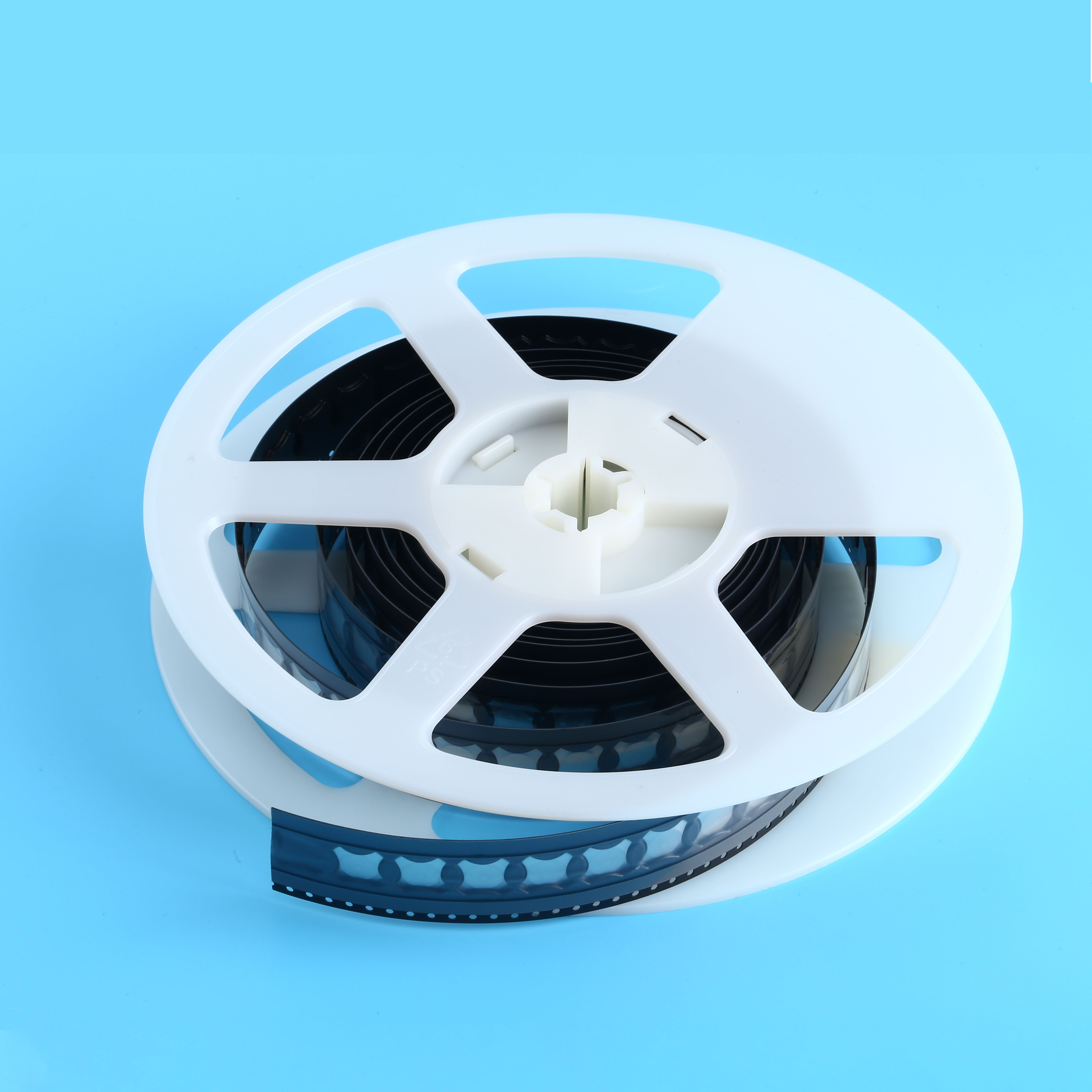
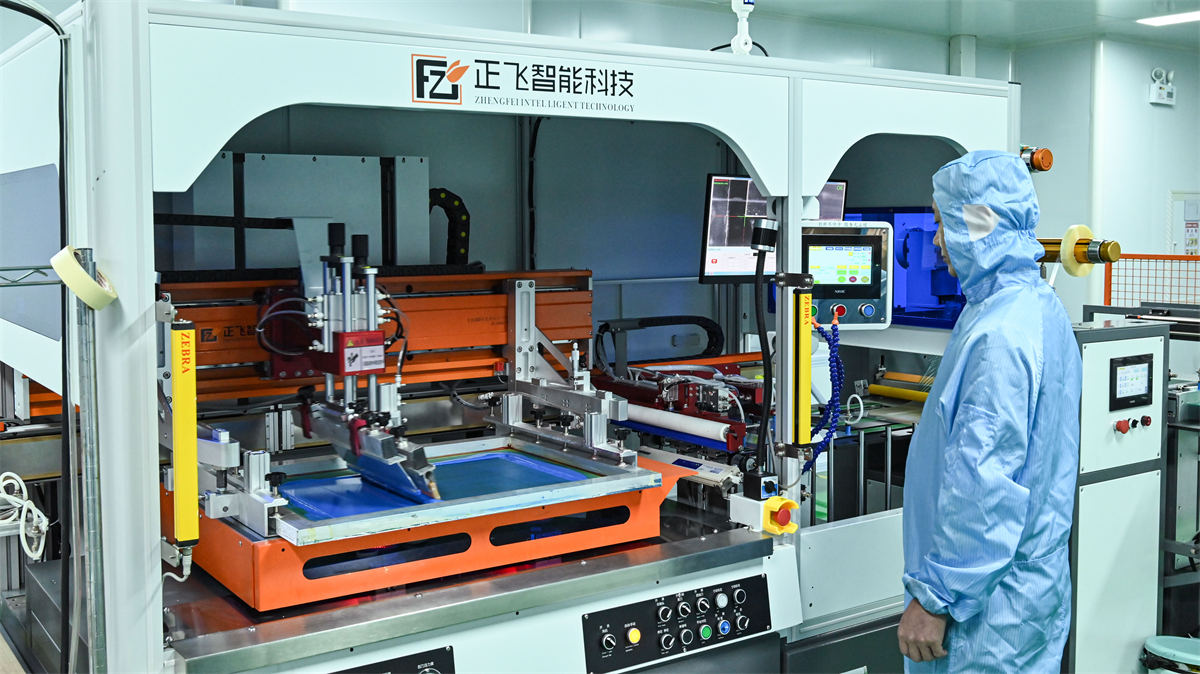
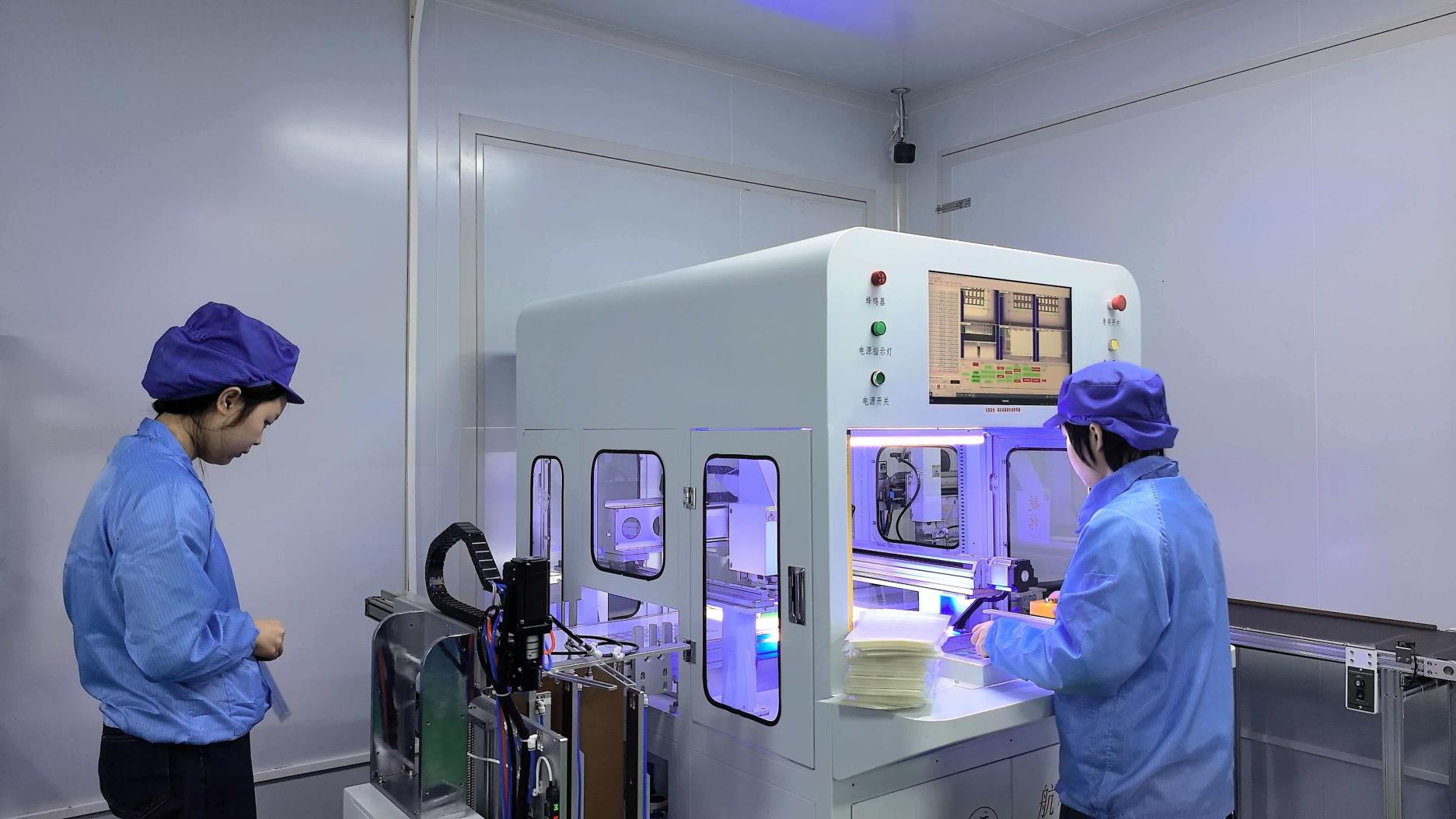
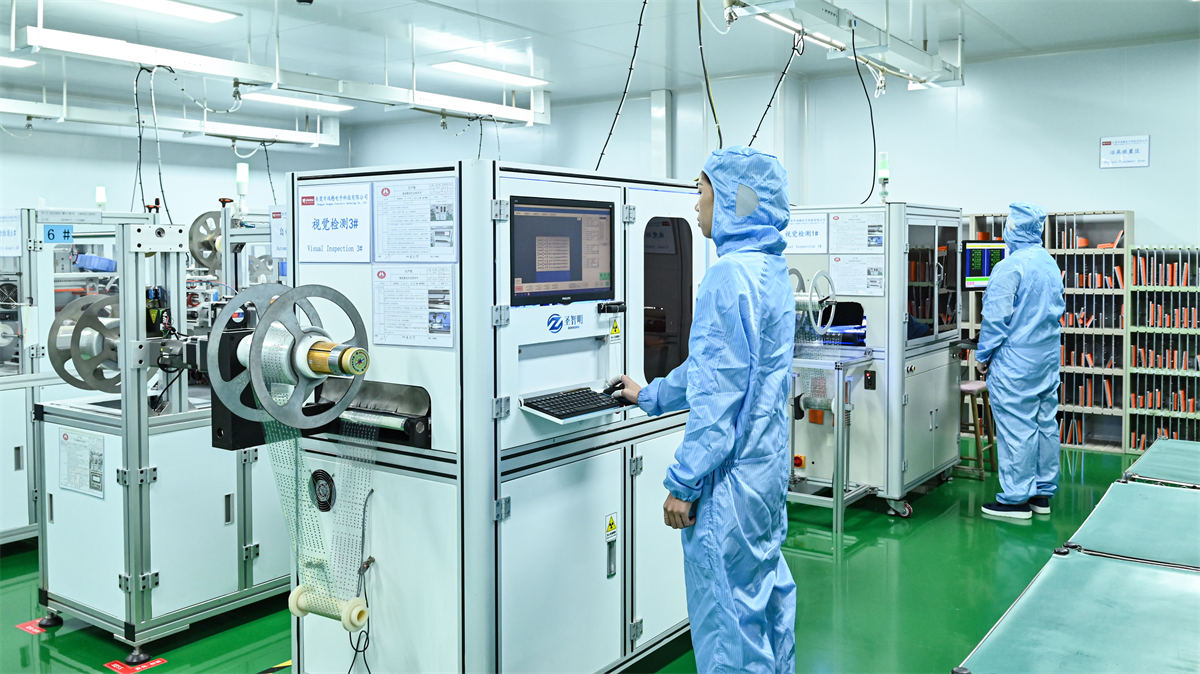
We eliminate subcontractor delays. Our clean workshop encompasses precision silk-screen printing, fully automatic layer laminating, CCD vision drilling, laser profile cutting, and automated dome placement lines.
Turnkey OEM/ODM Engineering & DFM
Share your STEP, DXF, or Gerber drawings. Our engineering team reviews trace pitch, capacitive coupling thresholds, dielectric spacing, adhesive channels, and environmental venting within 24 hours.
Inside Our Dongguan Precision Facility
Frequently Asked Questions for Bulgarian Importers & Engineers
Clear, direct answers regarding European trade compliance, customs handling, sample runs, and technical layer stack-ups.
How do you manage customs clearance and VAT for shipments into Bulgaria?
Can your capacitive panels handle water droplets or wet-finger operation?
What is the difference between PET and PC overlays for Bulgarian industrial applications?
What are the Minimum Order Quantities (MOQ) and sample lead times?
How does Cevra guarantee electromagnetic immunity (EMC) in industrial setups?
Ready to Accelerate Your HMI Development?
Whether you are developing a next-generation medical monitor in Sofia or revamping industrial automation panels in Plovdiv, Cevra provides comprehensive DFM reviews, free layer stack-up guidance, and rapid quotation response within 24 hours.