Precision-Engineered HMI Architectures for Czech Industry
As the Czech Republic consolidates its leadership in advanced automotive sub-assemblies, heavy machinery in Brno and Ostrava, laboratory medical instrumentation, and Industry 4.0 automation, the demand for ruggedized capacitive touch interfaces has surpassed conventional electro-mechanical switches. Discover our export-ready product series engineered to withstand harsh coolant mist, electromagnetic noise, and multi-million-cycle actuations.
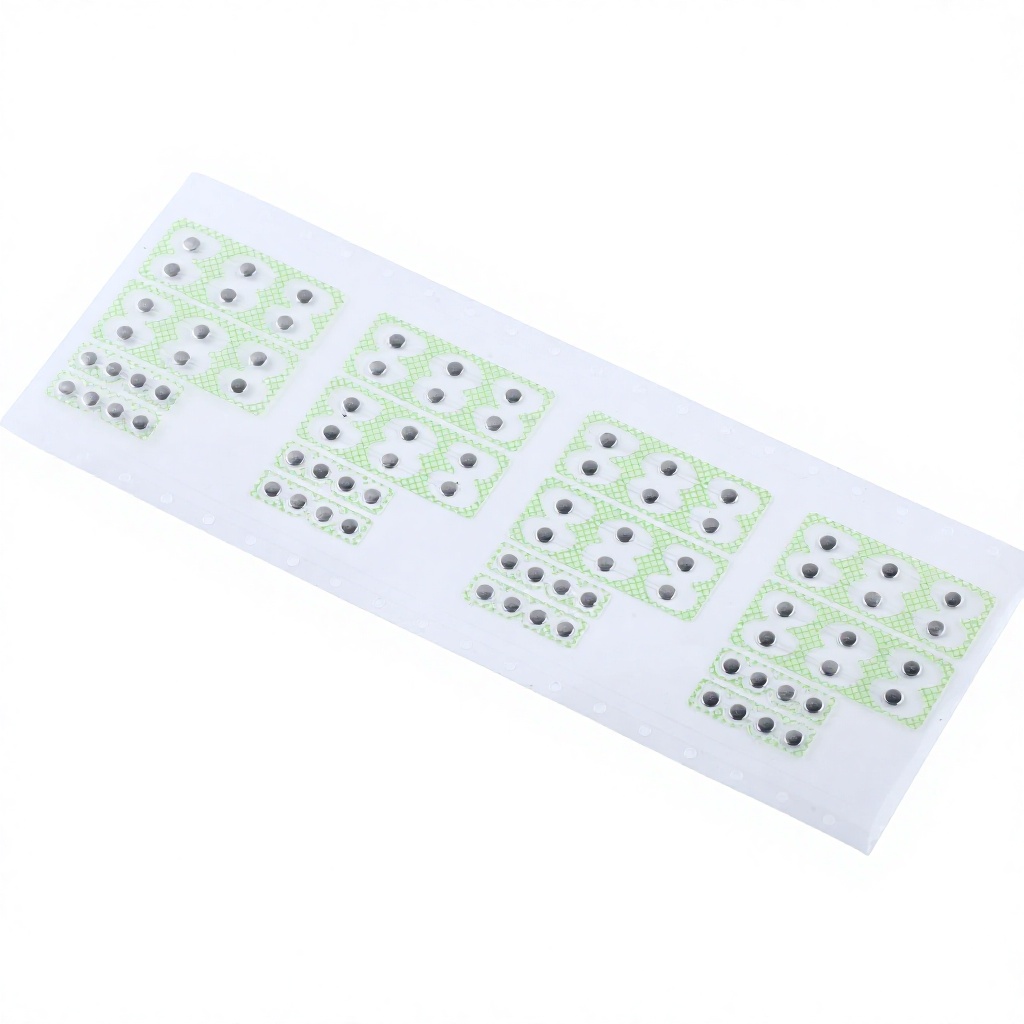
- Material: SUS301 Stainless
- Ingress: IP67 Waterproof
- Life Cycle: ≥1,000,000 Ops
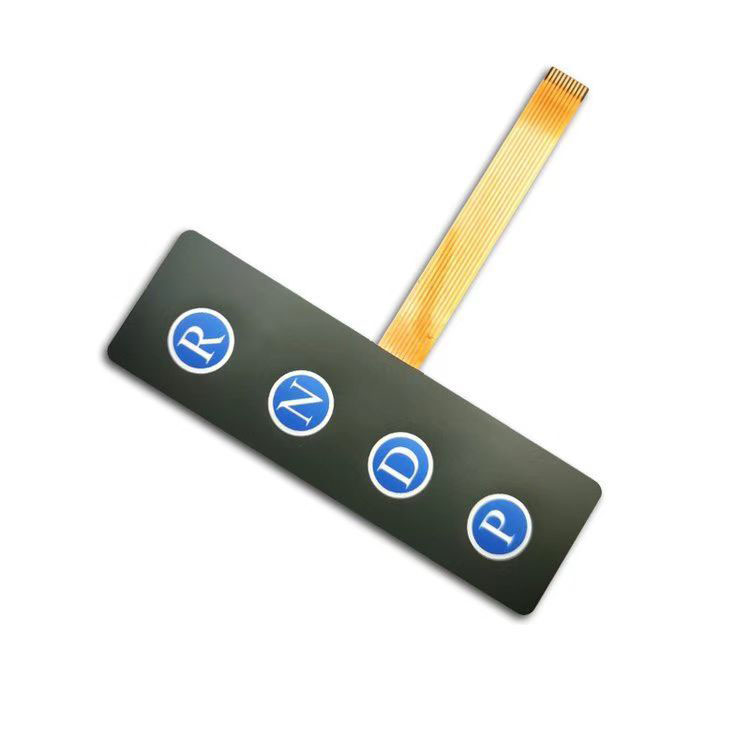
- Optics: Light Guide Film (LGF)
- Substrate: Autotex PET
- Actuation: Embossed Poly-dome
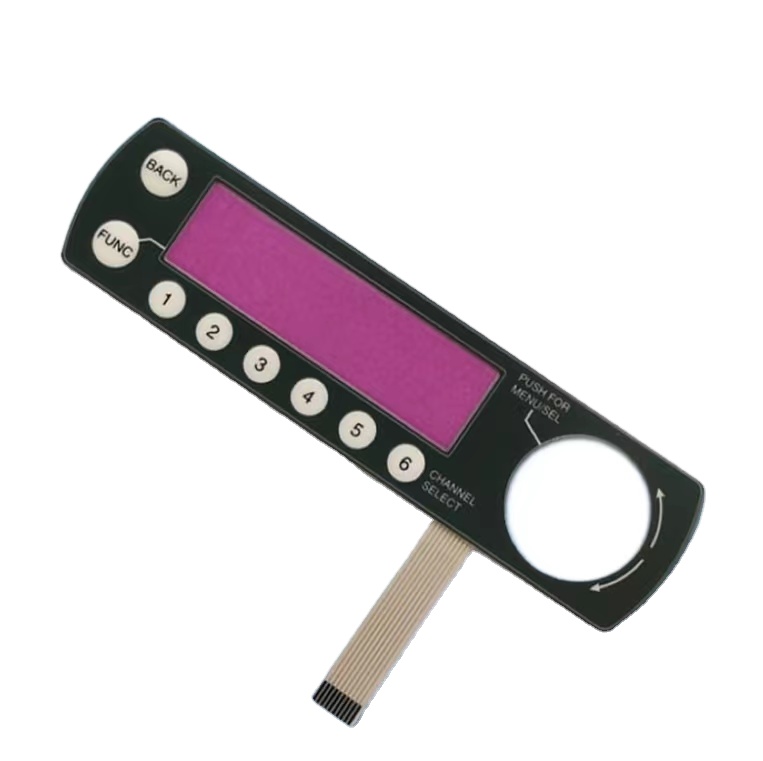
- Sanitation: Antibacterial PET
- Chemical: Alcohol/IPA Resistant
- Adhesive: 3M 467MP / 468MP
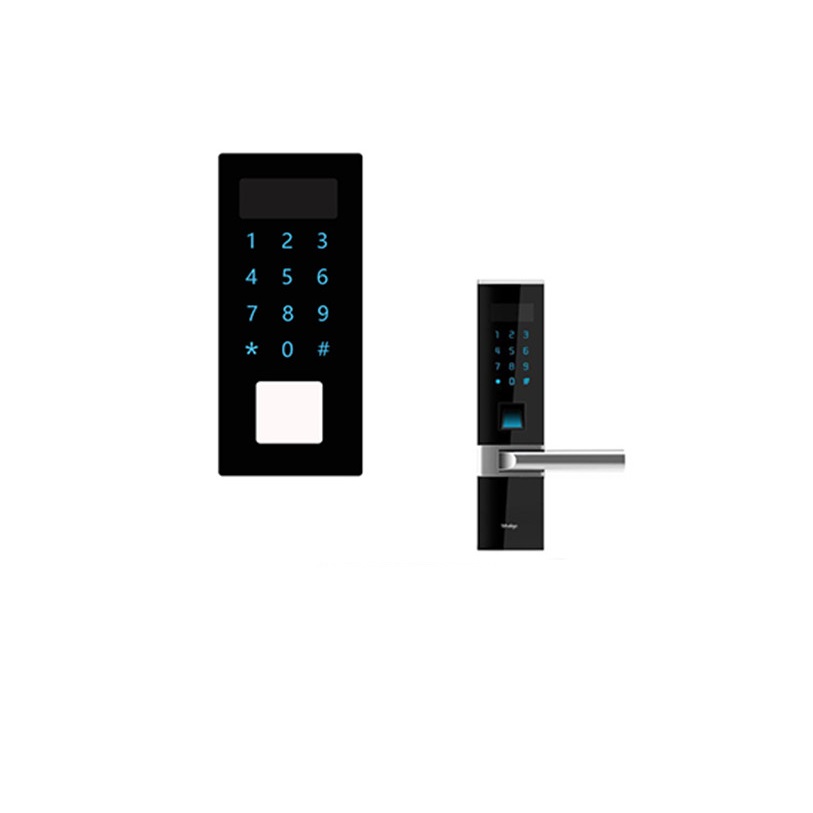
- Fascia: Hardcoated PMMA
- Interface: I2C / UART / Discrete
- Protection: IK07 Impact / IP68
- Metal: Anodized Al / SUS
- Tooling: Fiber Laser Micro-cut
- Durability: UV / Salt-Mist 500h
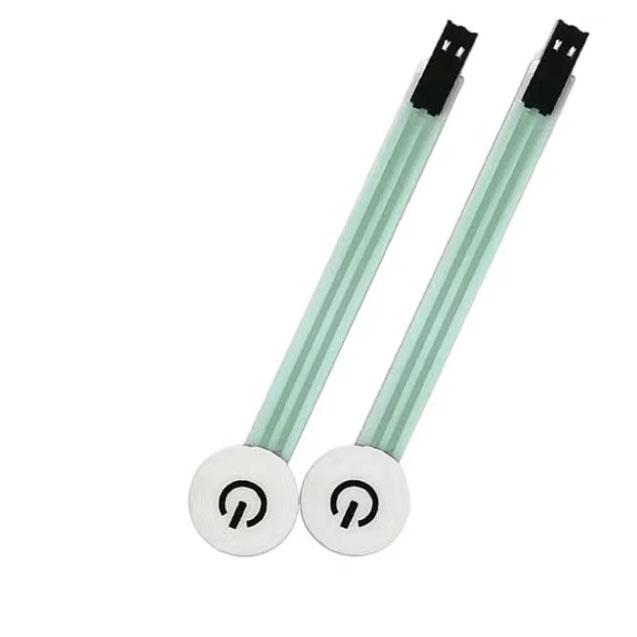
- Footprint: Ultra-Compact Form
- Tail: Flexible Silver / FPC
- Feedback: Tactile Click 250g
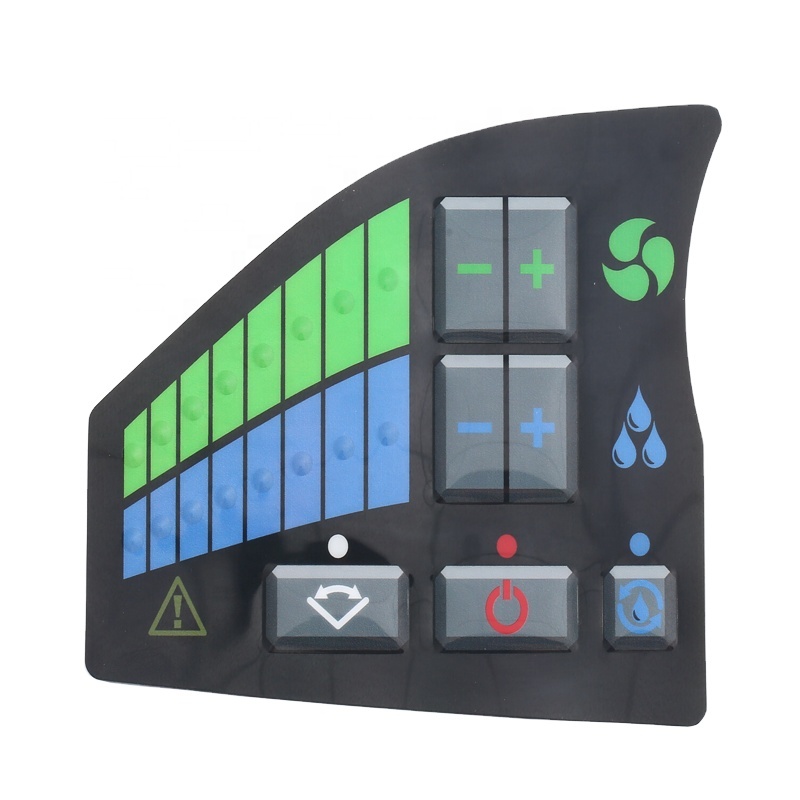
- Print: Multi-Color Pantone
- Windows: Dead-front / Smoked
- Force: 280g - 400g Options
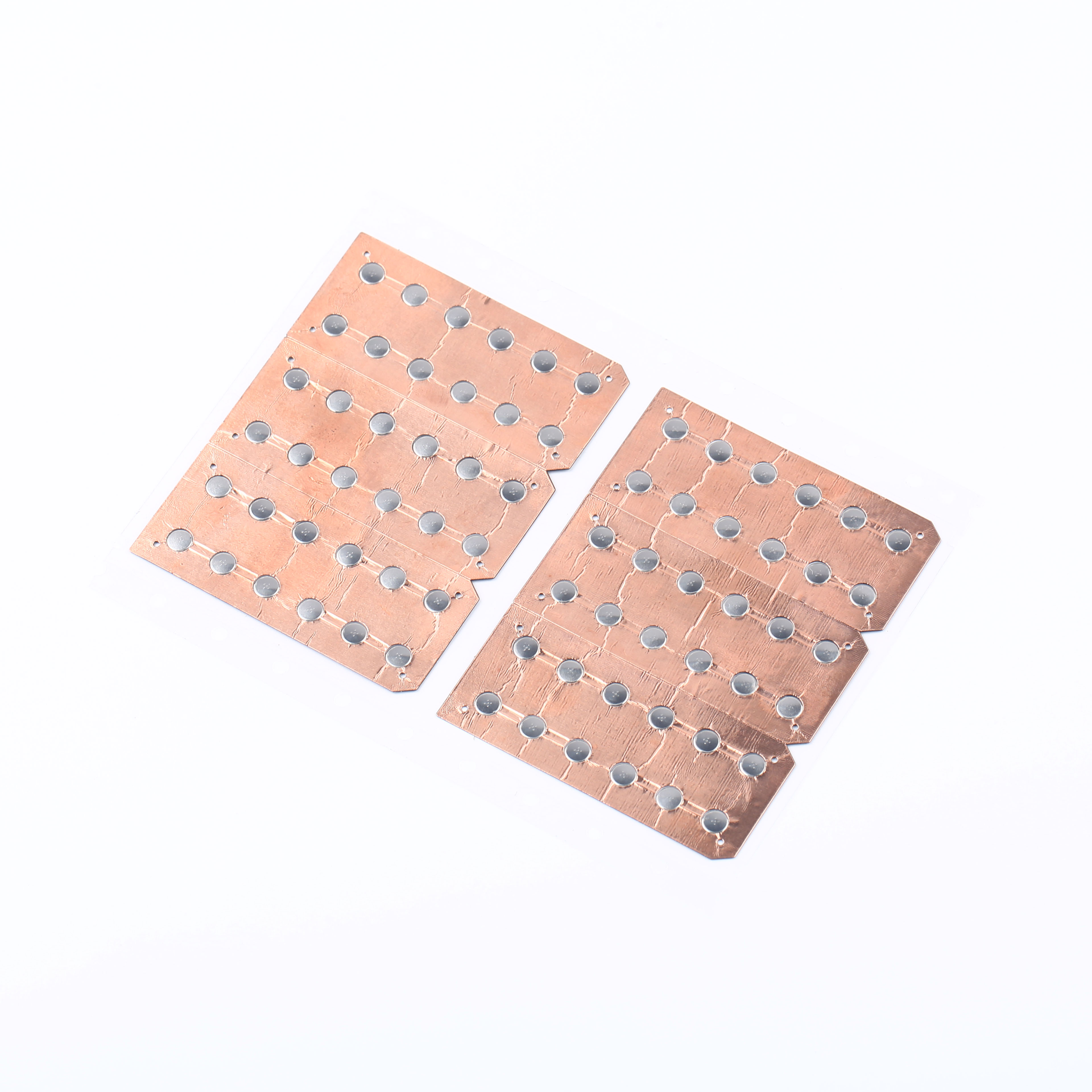
- Shielding: Solid Copper Foil
- Dome Type: Nickel-Plated Snap
- Carrier: High-Tack Mylar Sheet
The Paradigm Shift: Capacitive Sensing Architectures in the Czech Industrial Matrix
The Czech Republic stands as one of the most industrialized nations within the European Union, contributing approximately one-third of its national GDP to industrial output. Rooted in legendary mechanical and precision engineering, the nation's contemporary manufacturing landscape across the Central Bohemian Region (Prague, Mladá Boleslav), South Moravia (Brno), and Moravia-Silesia (Ostrava) is undergoing a sweeping digital conversion. Electromechanical pushbuttons and traditional dome switches, while still viable for tactile safety stops, are increasingly replaced by solid-state capacitive touch keypads and continuous dielectric fascia panels.
Capacitive touch keypads operate upon the fundamental principle of capacitive perturbation. An alternating electric field is established across a patterned electrode layer—typically composed of conductive silver polymers on optical-grade Polyethylene Terephthalate (PET) or photo-etched Copper on Polyimide (Flexible Printed Circuit - FPC). When a conductive mass (such as a human finger, whether bare or gloved with conductive textiles) approaches the fringe electric field, it introduces an additional mutual or self-capacitance ($C_m$ or $C_s$) to ground. Highly integrated microcontrollers (such as Microchip, Cypress/Infineon, or STMicroelectronics capacitive sensing engines) continuously sample this charge-discharge waveform, registering a validated touch event when the delta threshold ($\Delta C$) breaches calibrated signal-to-noise criteria.
For Czech hardware design engineers, this architecture eliminates mechanical fatigue. Traditional tactile switches endure between 500,000 to 1,500,000 depressions before spring leaf hysteresis or metal contact oxidation causes bounce. A capacitive membrane stack features zero moving parts, yielding theoretical operational life spans exceeding tens of millions of cycles. Furthermore, the absence of cutouts across the outer front plate allows Czech system integrators to achieve hermetic ingress seals up to IP68 and IP69K, insulating sensitive microelectronics from cutting fluid mists, high-pressure steam sanitization, and ambient coal dust historically pervasive in heavy regional workshops.
Automotive Tier-1 / Tier-2 Clusters
Mladá Boleslav, Kvasiny, and Kolín house extensive automotive manufacturing ecosystems. Modern dashboard sub-panels, climate control clusters, and steering controls demand ultra-slim, backlit capacitive touch keypads that comply with stringent automotive EMC and vibration tests.
Heavy Machinery & CNC Robotics
In Brno and Plzeň, precision machine tool builders integrate capacitive HMIs behind chemically tempered glass or 3.0mm PMMA. These sealed panels resist industrial cutting lubricants, dielectric sparks, and hydraulic oils without adhesive degradation.
Biomedical & Laboratory Analytical
Czech medical diagnostic devices (such as clinical dialysis and dental autoclave units) require front surfaces capable of surviving daily wipe-downs with 70% Isopropanol, Sodium Hypochlorite, and aggressive enzymatic cleaning agents without graphic leaching.
Dielectric Engineering & Layer Stack Optimization
A capacitive touch keypad is not a monolithic component; it represents a finely balanced dielectric sandwich whose electrical capacitance ($C = \frac{\varepsilon_0 \varepsilon_r A}{d}$) dictates sensitivity, signal fidelity, and mechanical resilience. In our Dongguan manufacturing cleanrooms, our engineers customize every layer depending on the environmental envelope outlined by Czech technical procurement teams.
| Substrate Material | Dielectric Constant (εr @ 1MHz) | Pencil Hardness | Chemical Resistance (IPA / Acetone) | Recommended Czech Application |
|---|---|---|---|---|
| Autotex XE PET (Polyester) | 3.2 – 3.4 | 3H | Excellent against IPA, aliphatic hydrocarbons; Moderate acetone | Industrial outdoor HMIs, UV exposure, flexible enclosures |
| Optical Grade Polycarbonate (PC) | 2.9 – 3.0 | HB – 1H | Poor against ketones/esters; good optical clarity | Low-cost indoor appliances, flat display bezels |
| Cast PMMA (Acrylic) Fascia | 3.4 – 3.7 | 4H – 5H (Hardcoated) | High resistance to disinfectants and mild acids | Smart home HVAC, building access, laboratory sterilizers |
| Gorilla / Chemically Toughened Glass | 6.8 – 7.2 | ≥8H (Mohs 6-7) | Impervious to all common industrial solvents | Heavy CNC milling controls, hygienic medical operating panels |
When selecting the dielectric overlay thickness ($d$), Czech designers face a trade-off between impact resistance (IK rating according to EN 62262) and touch sensitivity. While thin PET (150μm – 200μm) produces immense signal deltas, heavy industrial equipment often specifies thick polymethyl methacrylate (PMMA) or soda-lime glass spanning 2.0mm to 4.0mm to survive a direct dropped-wrench impact. In such cases, standard copper traces on PET exhibit excessive line resistance and parasitic cross-talk. Cevra counteracts this by deploying multi-layer polyimide FPC circuits with gold-plated contact fingers and micro-patterned driven-shield guard rings that neutralize parasitic ground coupling, allowing responsive actuation even through 4mm of hardcoated front armor.
Electromagnetic Compatibility (EMC) & CE Marking Compliance
The Czech Republic strictly enforces European Union Harmonized Standards (such as EN 61000-6-2 for Industrial Immunity and EN 61000-6-4 for Industrial Emissions). A poorly engineered capacitive membrane is prone to false triggering when exposed to variable-frequency motor drives (VFDs), contactor arcing, or radiofrequency transceivers. At Cevra, our customized capacitive touch solutions incorporate three levels of electromagnetic defense:
- Continuous Copper/Aluminum Mesh Shielding: An integrated conductive ground plane located directly beneath the sensor trace array shunts electrostatic discharge (ESD) transients up to 15kV (air discharge) and 8kV (contact discharge) harmlessly to chassis ground, adhering to IEC 61000-4-2.
- Differential Electrode Routing: Sensor lines are tightly paired with complementary references or surrounded by active driven shields, preventing nearby high-voltage switching relays from inducing common-mode noise.
- Moisture & Water Film Discrimination: Leveraging specialized mutual-capacitance matrix layouts, our sensors distinguish between an isolated finger contact and continuous conductive films (such as spilled saline solution, tap water, or rain on outdoor transit ticket kiosks in Prague), eliminating false ghost touches.
Why Czech Industrial Buyers Partner with Dongguan Cevra
Cevra operates not as an unvetted third-party broker, but as a direct ISO 9001 certified manufacturer with over 16 years of vertical integration. Our engineering staff provides end-to-end Design-for-Manufacturability (DFM) support, fast prototyping, and reliable sea/air export logistics to European supply chain hubs.
ISO 9001 & SGS Onsite Audited
Production facility, worker competencies, and operational workflows are verified on-premise by SGS Group. Strict batch traceability for every exported batch.
Complete In-House Tooling
From screen printing in dust-free workshops to precision laser cutting, CCD alignment drilling, and automatic multi-layer vacuum lamination.
Comprehensive Reliability Testing
Equipped with computerized dome load testers, holding tack fixtures, tension peel gauges, electric pencil hardness testers, and high/low thermal chambers (-40°C to +105°C).
Flexible MOQs & EU Logistics
Rapid prototyping starting from 10 to 100 units for pilot machine trials, scaling seamlessly to 100,000+ units with Alibaba Trade Assurance buyer protection.
Frequently Asked Questions: Czech B2B Sourcing & Engineering
Real questions asked by design engineers, project managers, and procurement officers across Prague, Brno, and Plzeň when procuring custom capacitive touch interfaces from China.
Unlike electromechanical switches that rely on suspended metal leaves subject to mechanical resonance and contact fatigue under continuous 50Hz/60Hz machine oscillation, capacitive touch keypads possess a completely solid-state profile. The sensor layers and graphic fascia are laminated using aerospace-grade pressure-sensitive acrylic adhesives (such as 3M 467MP, 468MP, or 3M 300LSE). Cevra conducts thermal cycle testing in environmental test chambers ranging from -40°C to +85°C (and up to +105°C for specialized automotive grades), ensuring no layer delamination, bubble formation, or impedance drift occurs across years of operation.
Yes. Standard capacitive consumer screens are tuned for bare skin contact, but industrial HMI controllers can be calibrated for glove actuation. The sensitivity is governed by the dielectric constant of the glove material (nitrile, leather, or synthetic polymers) and the spacing between the electrode and the outer surface. By optimizing sensor pad geometry, widening electrode trace pitch, and configuring low baseline detection thresholds in the firmware, Cevra delivers panels capable of reliable triggering through 2.0mm to 3.5mm thick work gloves, eliminating the need for workers to remove safety gear.
Every raw component imported into our manufacturing lines—including polyester substrates, conductive silver inks, carbon resistor pastes, insulating dielectric coatings, and 3M transfer tapes—is accompanied by full chemical test documentation verified under EU RoHS Directive 2011/65/EU and amendment (EU) 2015/863, as well as EC 1907/2006 (REACH SVHC). Full Declarations of Conformity (DoC) and material composition datasheets are provided alongside pilot qualification samples to streamline CE certification with Czech technical testing institutes (such as EZÚ or ITC Zlín).
We recognize that Czech hardware startups and Tier-1 integrators work under agile sprint cycles. Upon receiving your mechanical CAD drawings (DXF, DWG, STEP) and graphic vector artwork (AI, PDF), our engineering team returns a full Design for Manufacturability (DFM) review and pinout schematic within 24 hours. For prototypes, we utilize digital flatbed laser cutting and digital screen printing, eliminating expensive hard tooling and enabling initial prototype delivery in as few as 7 to 10 working days. Once the pilot design is approved, permanent steel punching dies are created for high-volume automated runs.
For consumer or light commercial units, standard 2.54mm or 1.00mm pitch female connectors (such as Nicomatic or FCI/Amphenol clinch connectors) are cost-effective. However, for industrial automation subject to constant plant vibration, we recommend Flexible Printed Circuit (FPC) tails with gold-plated contact pads configured for Zero Insertion Force (ZIF) locking connectors. FPC tails offer superior trace impedance control, tighter pin pitches (down to 0.5mm), and an immune profile against silver migration when operating in humid Central European environments.
Ready to Upgrade Your Czech HMI Hardware Stack?
Collaborate directly with Cevra's senior design and tooling engineers. Send your mechanical drawings, schematic requirements, or custom overlay artwork for a complimentary 24-hour DFM feasibility review and formal quotation.