Featured Capacitive Touch & Tactile Membrane Assemblies
Precision human-machine interface components engineered for humid, high-salinity oceanic environments, off-grid telemetry, municipal infrastructure, and coastal fuel distribution panels.
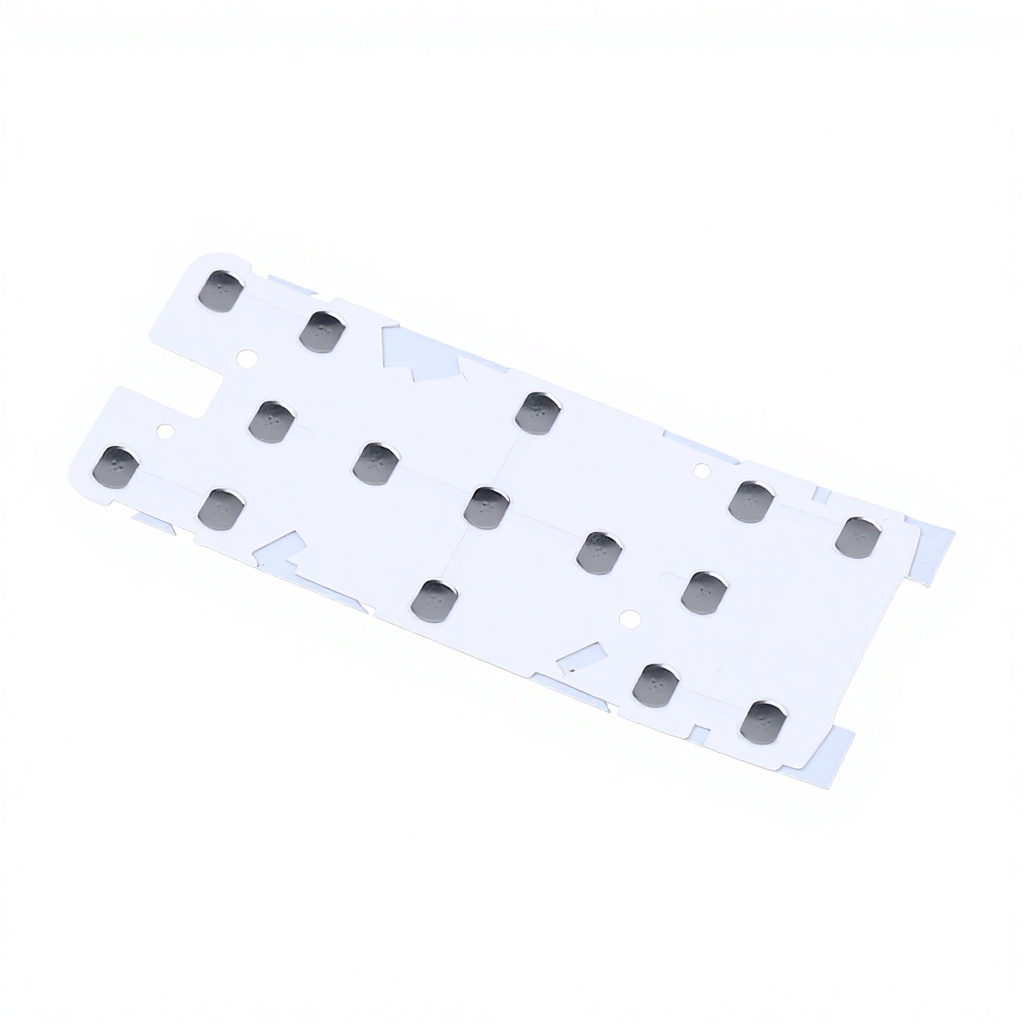
Customized White PET Waterproof Single Layer SUS301 Stainless Steel Dome Array
Ultra-thin single layer PET dome array with SUS301 stainless steel tactile elements. Features high environmental moisture seal protection.
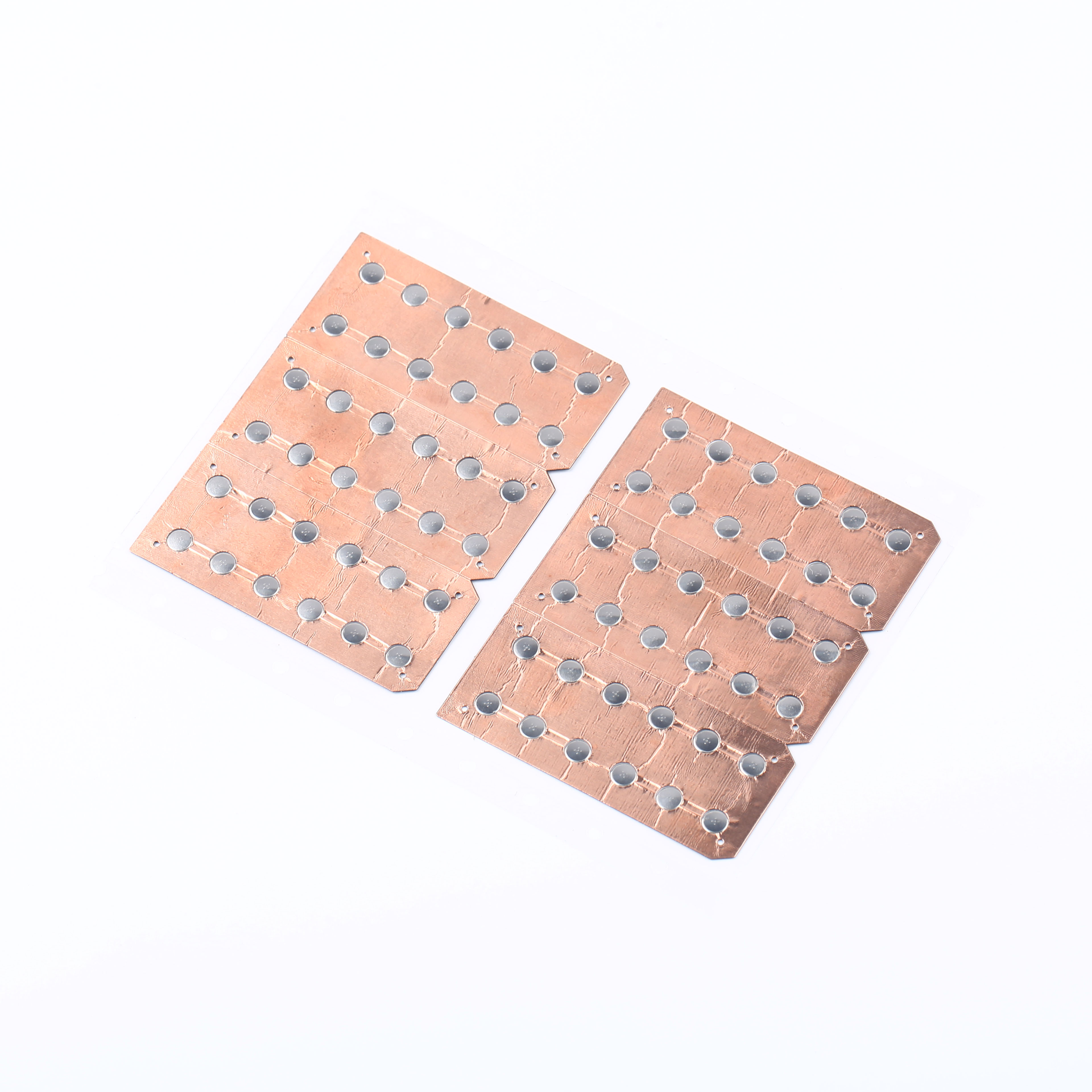
OEM/ODM Round Metal Snap Dome Sheet with Copper Foil Array
Factory direct snap dome sheets with conductive copper foil backing for low contact impedance and maximum EMI shielding performance.
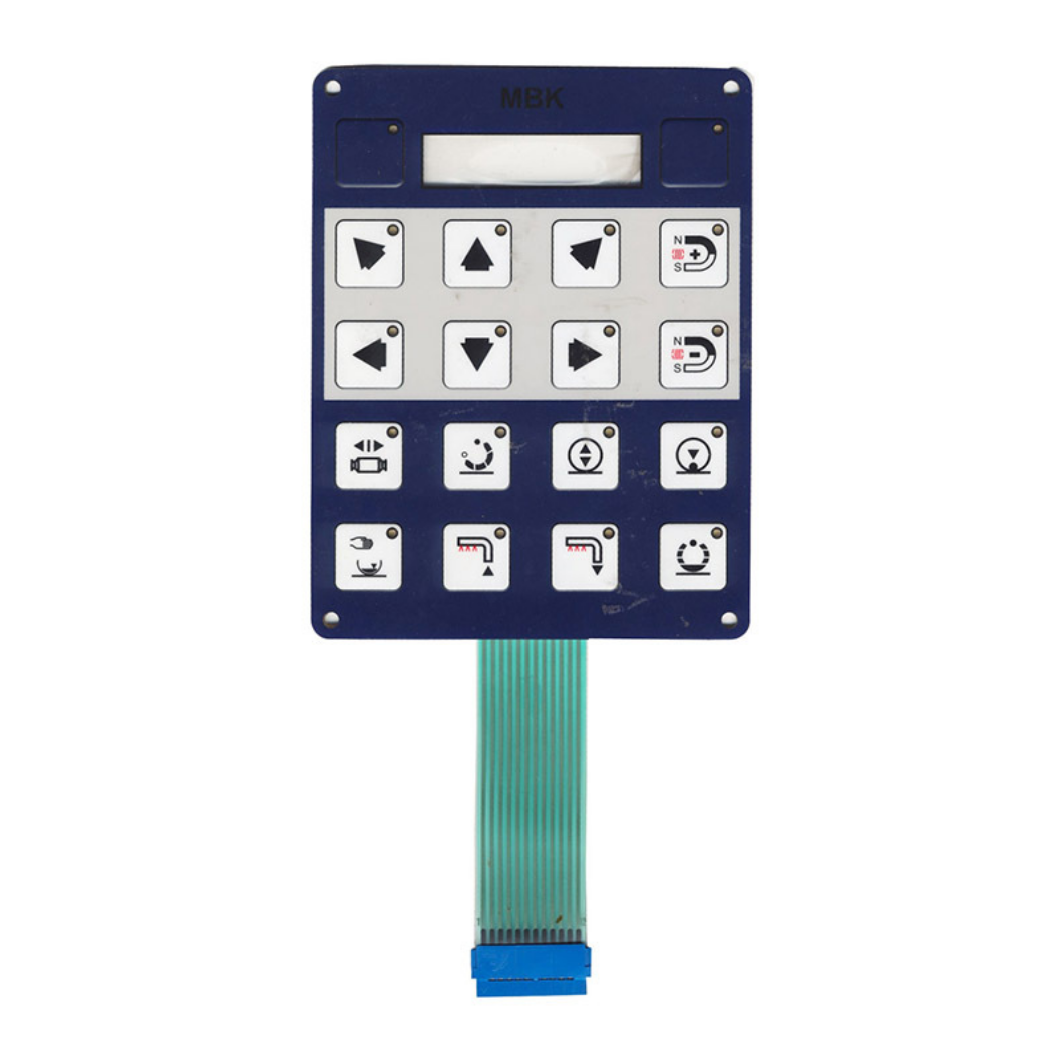
1-Row 4-Key Custom Made Linear Keyboard Membrane Switch
Slim form-factor 4-key linear array keyboard switch with embossed keys, visual indicators, and customizable rear pin tail connectors.
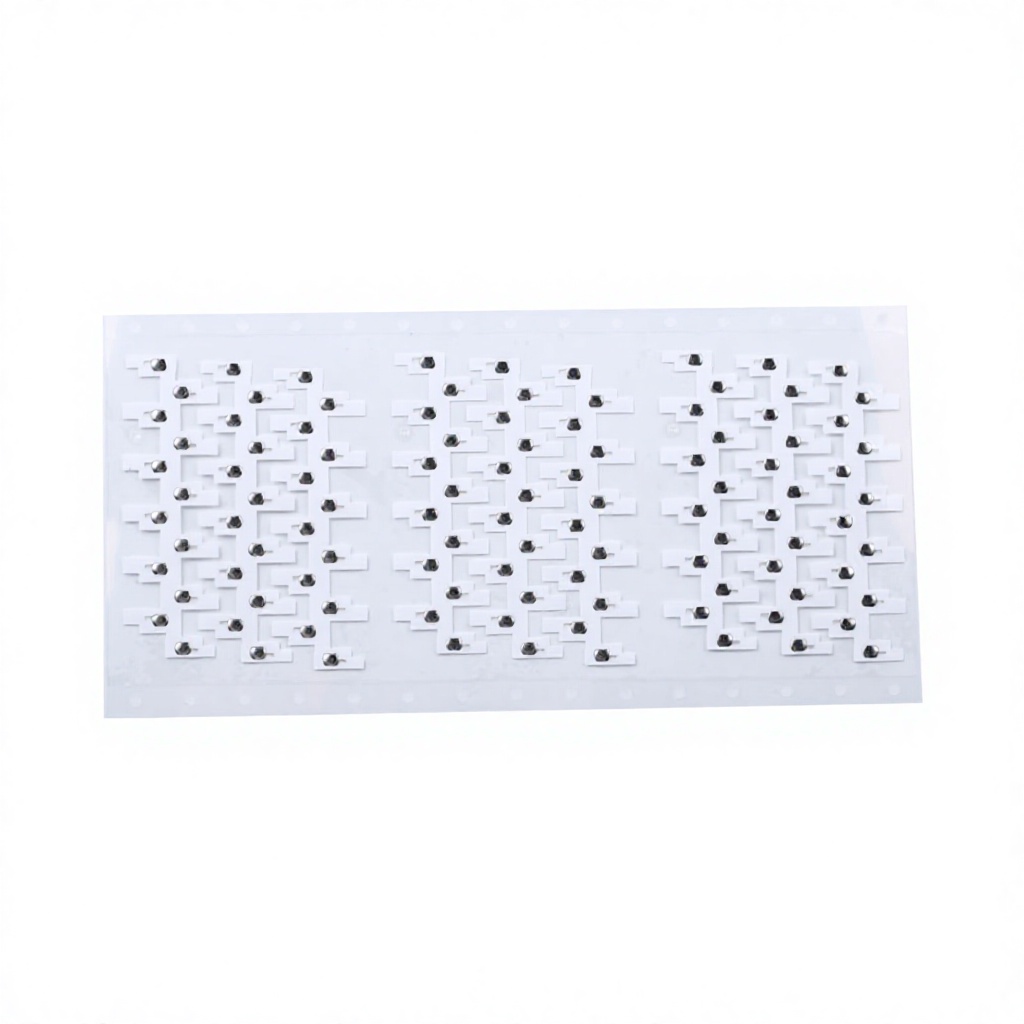
SUS301 Stainless Steel Metal Dome Array for Compact Terminals
Precision-stamped stainless snap domes for high tactile response in miniature handheld monitors, VHF marine radios, and field devices.
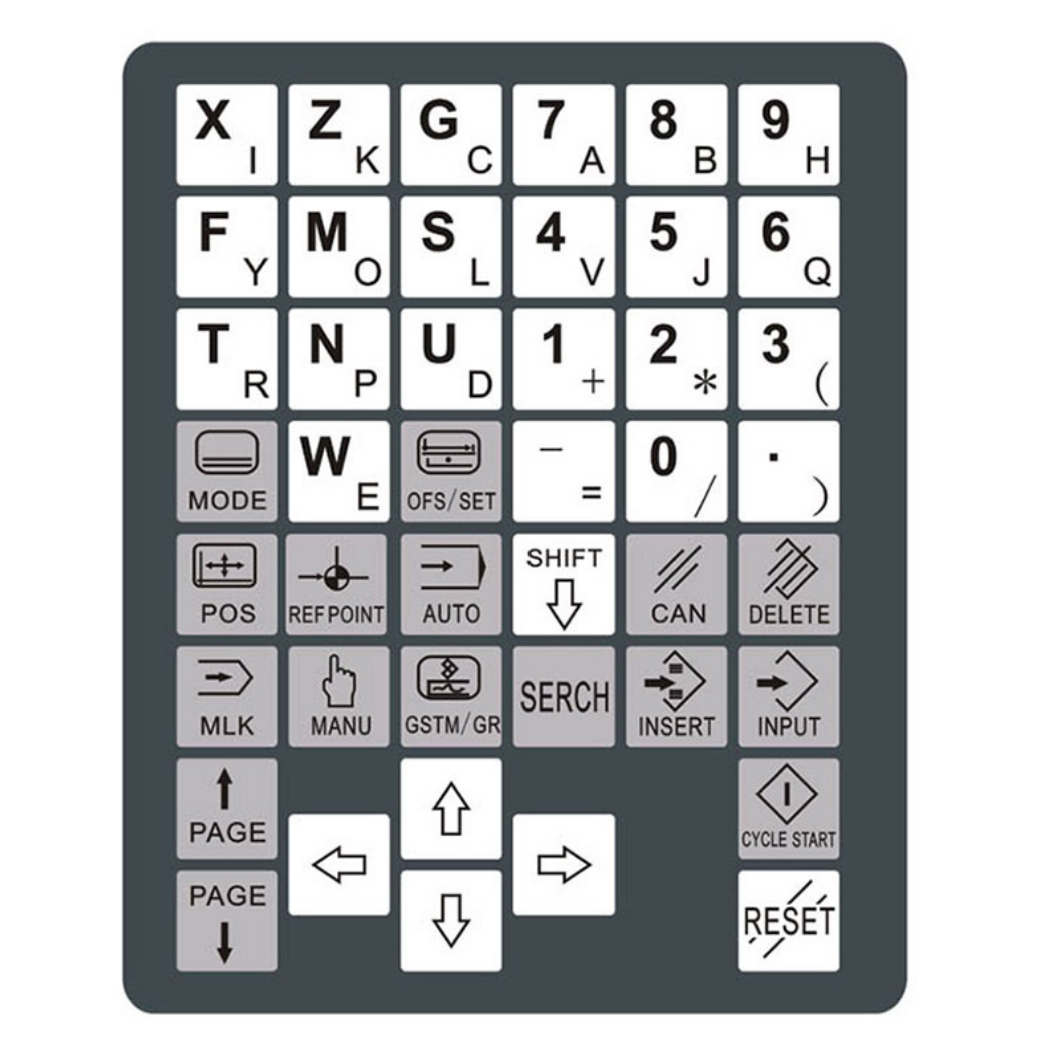
Heavy-Duty Matrix Membrane Keypad Panel for Fuel Dispensers
Solvent-resistant, UV-stabilized 3x3 / 4x5 matrix keypad developed specifically for outdoor petroleum and diesel dispensing pump stations.
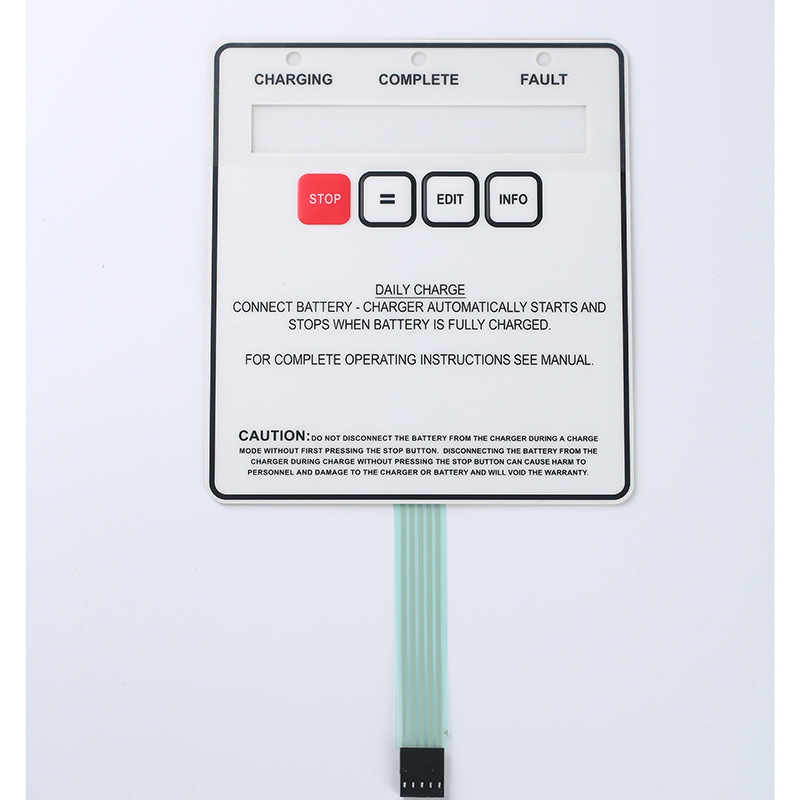
Waterproof & Dustproof Medical Equipment Membrane Panel
Antimicrobial surface-treated membrane control interface designed for frequent disinfectant wiping, patient monitoring, and lab clinics.
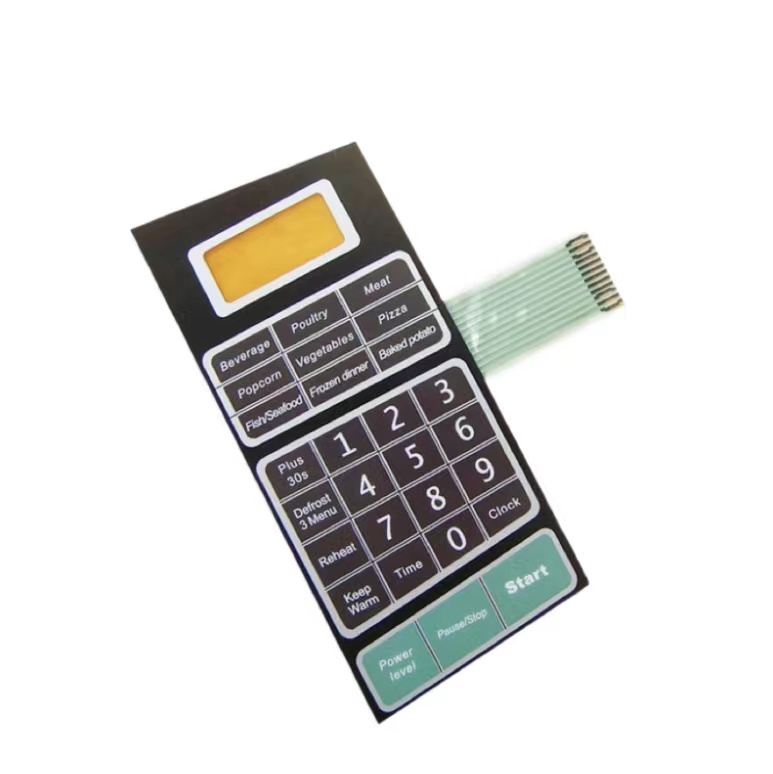
Low MOQ Custom Rapid-Prototype Membrane Switch Control
Flexible low-volume manufacturing setup for pilot projects, utility testbeds, and replacement parts for custom control cabinets.
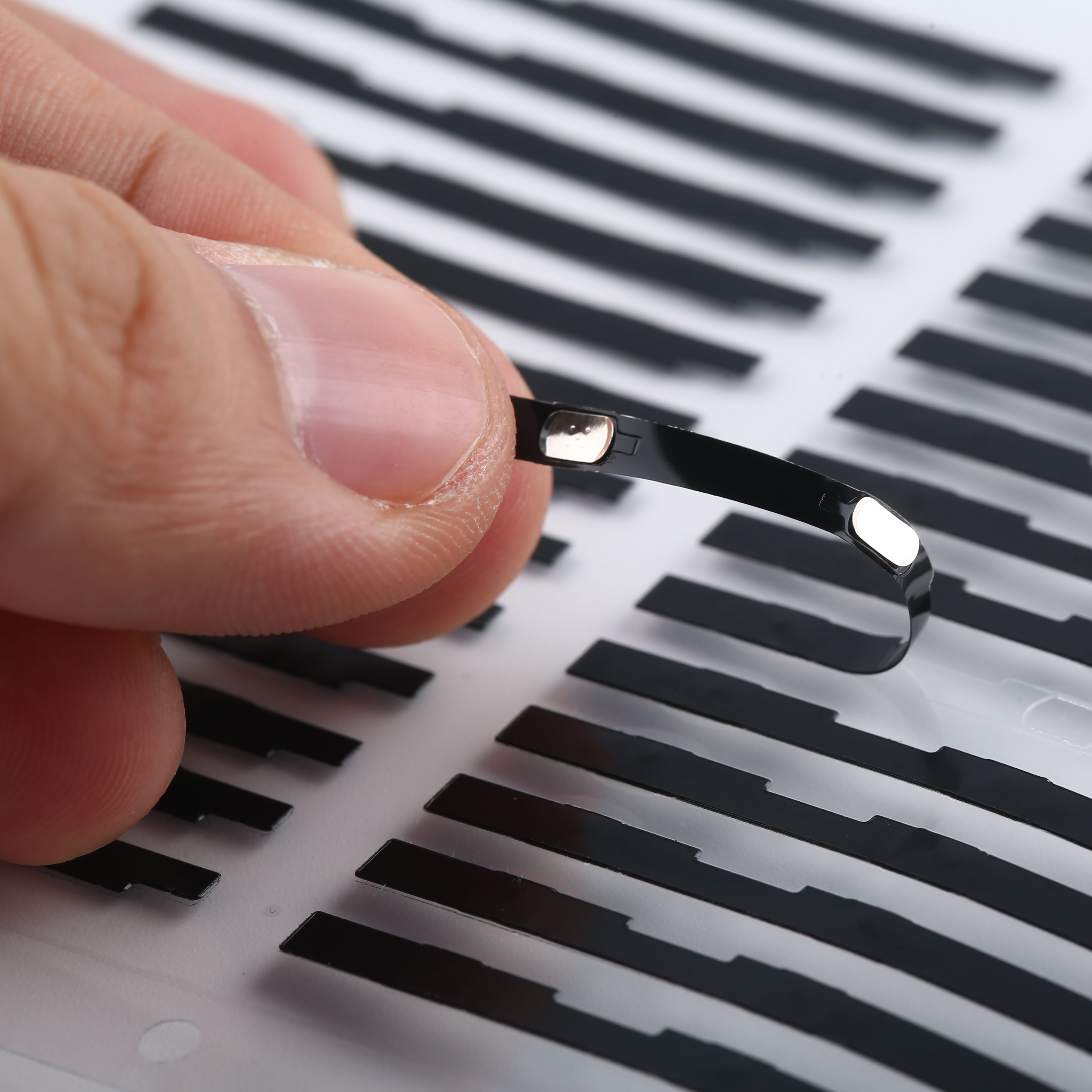
Oval Metal Dome Array with Single Layer PET Adhesive
High-precision oval stainless steel dome array configured for narrow bezel electronics, marine communication gear, and audio consoles.
Capacitive Touch HMI Engineering for Atoll & Marine Deployments
Why solid-state capacitive switching architectures represent the definitive interface technology for Tuvalu's coastal salinity, extreme relative humidity, and high ultraviolet radiation.
Funafuti Climatic Micro-Environment
Funafuti atoll experiences an equatorial maritime climate characterized by year-round humidity averaging 80% to 90%, frequent rain squalls, high ambient temperatures (28°C to 34°C), and relentless salt fog (aerosolized NaCl). Standard mechanical push-buttons with copper contacts experience galvanic corrosion, oxidation, and mechanical binding within months.
- Immunity to aerosolized ocean salinity
- Hermetically sealed front fascias (IP67/IP68 rating)
- Complete isolation of electrical traces from atmospheric oxygen
Solid-State Capacitive Detection
Capacitive touch buttons (CTB) eliminate mechanical movement entirely. By projecting an electrostatic charge field through a non-conductive dielectric front panel (polycarbonate, chemically strengthened glass, or PMMA), the sensor IC detects the minute change in mutual or self-capacitance caused by a human finger touch.
- Zero mechanical wear components (>10,000,000 actuations)
- Auto-calibration algorithms filtering out moisture condensates
- Operable through up to 6mm glass or 3mm rugged acrylic barriers
Stack-Up Layer Engineering
At Dongguan Cevra Electronic Technology Co., Ltd., our capacitive panels utilize an advanced multi-layer stack-up: an Autotex XE outdoor-grade UV-stabilized hardcoat PET graphic overlay, optically clear adhesive (OCA), copper etched FPC or screen-printed conductive polymer sensors, and marine-grade 3M 468MP acrylic adhesive transfer tapes.
- Double-sided carbon shielding against RF marine interference
- Vapor-tight border seals preventing moisture capillary migration
- Anti-glare textured finish for tropical solar readability
Interface Reliability in Marine & Equatorial Island Deployments
Benchmark data comparing standard mechanical push buttons against Cevra sealed capacitive touch panels under simulated Central Pacific marine conditions.
| Operational Parameter | Conventional Mechanical Push Button | Tactile Membrane Switch (Standard) | Cevra Capacitive Touch Panel (Marine Grade) |
|---|---|---|---|
| Salt Spray Resistance (ASTM B117) | 24–48 Hours before contact oxidation | 96 Hours (subject to border creepage) | 1,000+ Hours (Complete hermetic barrier) |
| Moisture Ingress Protection | IP40 – IP54 (Rubber boot degrades in UV) | IP65 (Gasket dependent) | IP67 / IP68 Continuous Submersion |
| Actuation Lifetime | 50,000 – 100,000 Cycles | 1,000,000 Cycles (Metal Dome) | > 10,000,000 Cycles (Zero physical wear) |
| False Trigger Filtering | Subject to mechanical chatter/bounce | Debounce timing circuit needed | DSP Water-Droplet Rejection Firmware |
| Surface Decontamination | Difficult crevices; harbors mold/salt crust | Easy wipe-down | 100% Seamless Flat Front Glass/PET |
| Vibration & Wave Shock | Spring-loaded pins may disengage | High resistance | Impervious Solid-State Architecture |
Critical Application Scenarios in the Funafuti Market
Targeted solutions developed for public utilities, international aid facilities, renewable power microgrids, and maritime infrastructure across Fongafale and surrounding atolls.
Solar PV Microgrids & Battery Storage
Tuvalu’s progressive shift toward 100% renewable energy involves distributed solar photovoltaic arrays and centralized battery energy storage systems (BESS). Inverters, charge controllers, and grid monitoring cabinets located in outdoor enclosures demand capacitive touch buttons that will not fail when exposed to hot trade winds, UV glare, and nocturnal humidity condensations.
Cevra Solution: Optically bonded overlays featuring UV-resistant Autotex XE films and high-brightness LED backlighting for clear midday sunlight visibility and long-term nocturnal monitoring.
Reverse Osmosis (RO) Desalination Plants
Freshwater security in Funafuti depends directly on reverse osmosis desalination units and rainwater collection monitoring stations. Pumping panels are subject to high chemical splashing, salt brine concentrations, and perpetual moisture. Mechanical switches corrode rapidly, causing critical pump shutdown.
Cevra Solution: Seamless capacitive glass/PET panels rated IP68 with integrated flow-meter digital windows and capacitive emergency shut-off controls, fully resistant to chloride attack.
Maritime Cargo & Fishing Vessel Controls
Vessels navigating between Funafuti, outer islands (Nanumea, Niutao, Vaitupu), and regional hubs require dependable deck electronics, bilge pump triggers, sonar monitors, and VHF radio keypads that withstand direct seawater spray, engine oils, and diesel fuels.
Cevra Solution: FPC-backed capacitive button arrays sealed inside marine consoles, integrated with capacitive touch matrix keypads resistant to petrochemical corrosion.
Key Technological Trends in Central Pacific HMI Procurement
Emerging standards and design paradigms shaping the acquisition of industrial human-machine interfaces across island developing states.
1. Thru-Glass Capacitive Sensing
Equipment builders are increasingly specifying touch sensors that trigger reliably through thick (4mm–10mm) front-panel marine glass or architectural polycarbonate. This technique isolates the electronics inside an air-conditioned or potted enclosure, while the user interacts through a chemically non-reactive, external glass surface.
2. Intelligent Water-Droplet Rejection
In outdoor tropical environments, heavy rain droplets on capacitive pads traditionally induced false triggers. Modern microcontroller chips utilize dual-differential capacitive measurement and self-capacitance baseline scanning to distinguish between ambient rain splashes and deliberate fingertip touch.
3. Ultra-Low Power Consumption
With remote weather observation buoys and satellite ground stations relying exclusively on battery-buffered solar arrays, touch controllers now feature dynamic low-power sleep modes (<15µA quiescent current), waking instantaneously upon human proximity detection.
Frequently Asked Questions by Funafuti & Regional Buyers
Critical engineering considerations, shipping logistics, and customization protocols for sourcing human-machine interface assemblies.
How do capacitive touch button panels withstand continuous marine salt fog compared to traditional switches?
Can capacitive touch panels operate properly when wet or in high-humidity rainfall conditions?
What engineering documentation is required to receive a custom prototype quote?
How does Cevra handle logistics, shipping lead times, and protective packaging to Funafuti, Tuvalu?
What is your Minimum Order Quantity (MOQ) for custom Pacific infrastructure projects?
How are layers tested before dispatch to guarantee zero field failures?
Partner with a Verified HMI & Membrane Switch Manufacturer
Whether you are designing a solar microgrid interface, retrofitting a maritime vessel dashboard, or sourcing heavy-duty fuel dispenser keypads for the Funafuti market, our engineering team is ready to assist with design-for-manufacturability feedback, rapid prototyping, and competitive direct-factory pricing.
Get Catalog