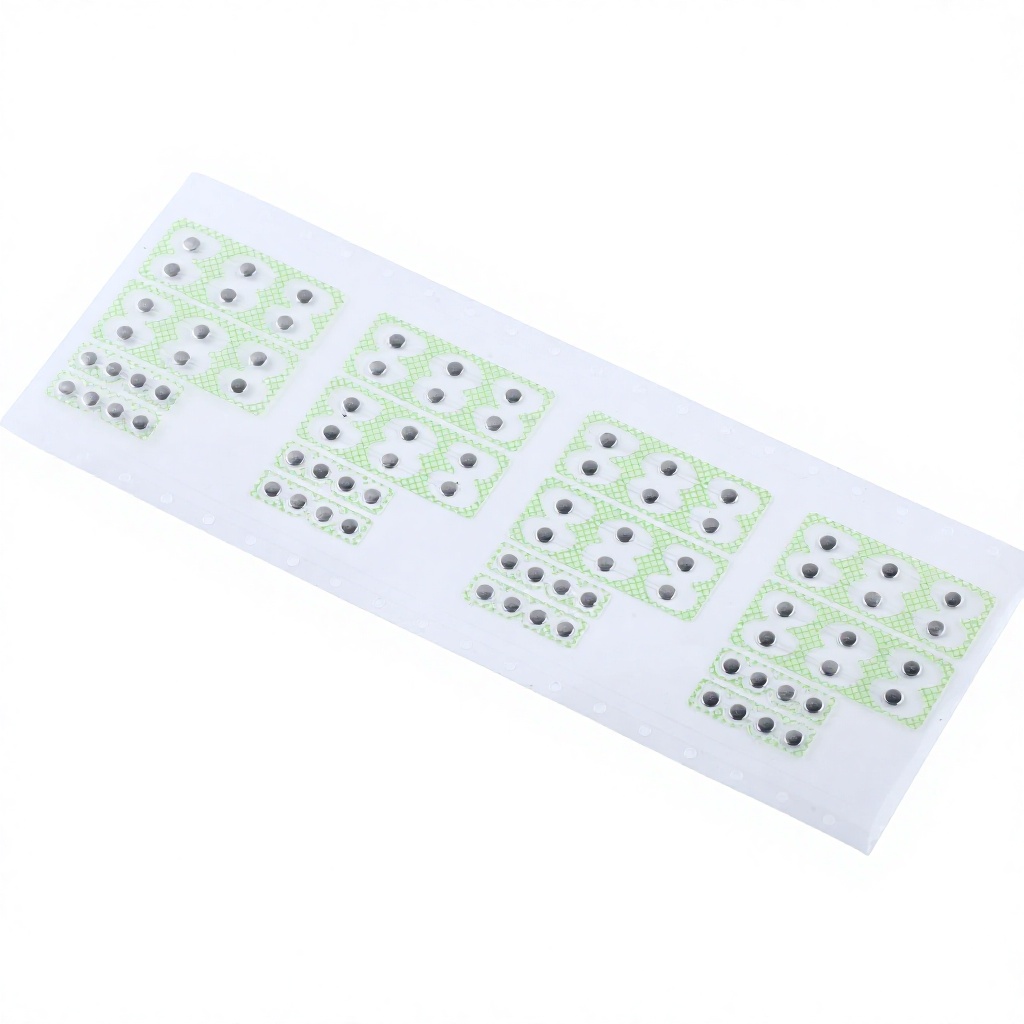
Waterproof Single Layer SUS301 Stainless Steel Dome Array
- MaterialSUS301 Stainless
- Ingress RatingIP67 Equivalent
- Life Expectancy> 1,000,000 Clicks
Engineered for high environmental stability, tactile consistency, and seamless integration with low-profile LED and Light Guide Film (LGF) human-machine interfaces.
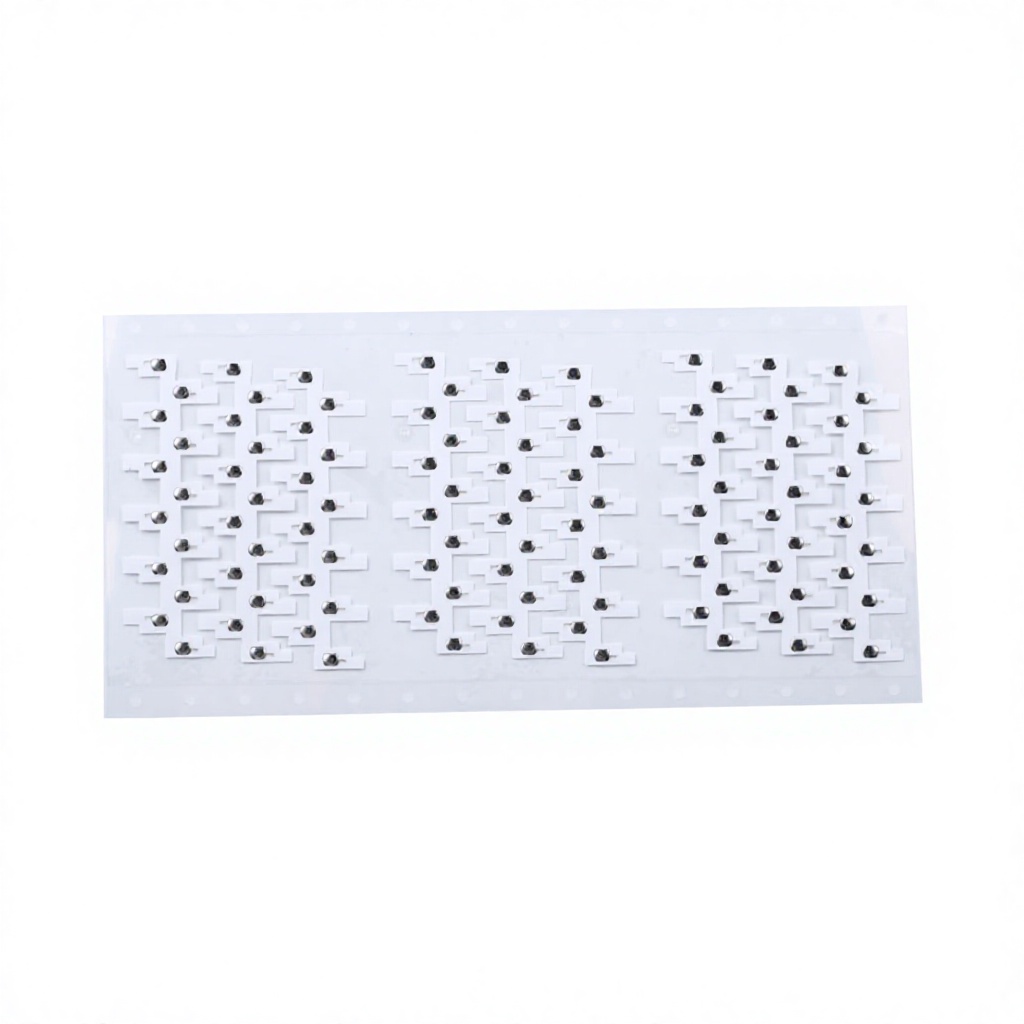
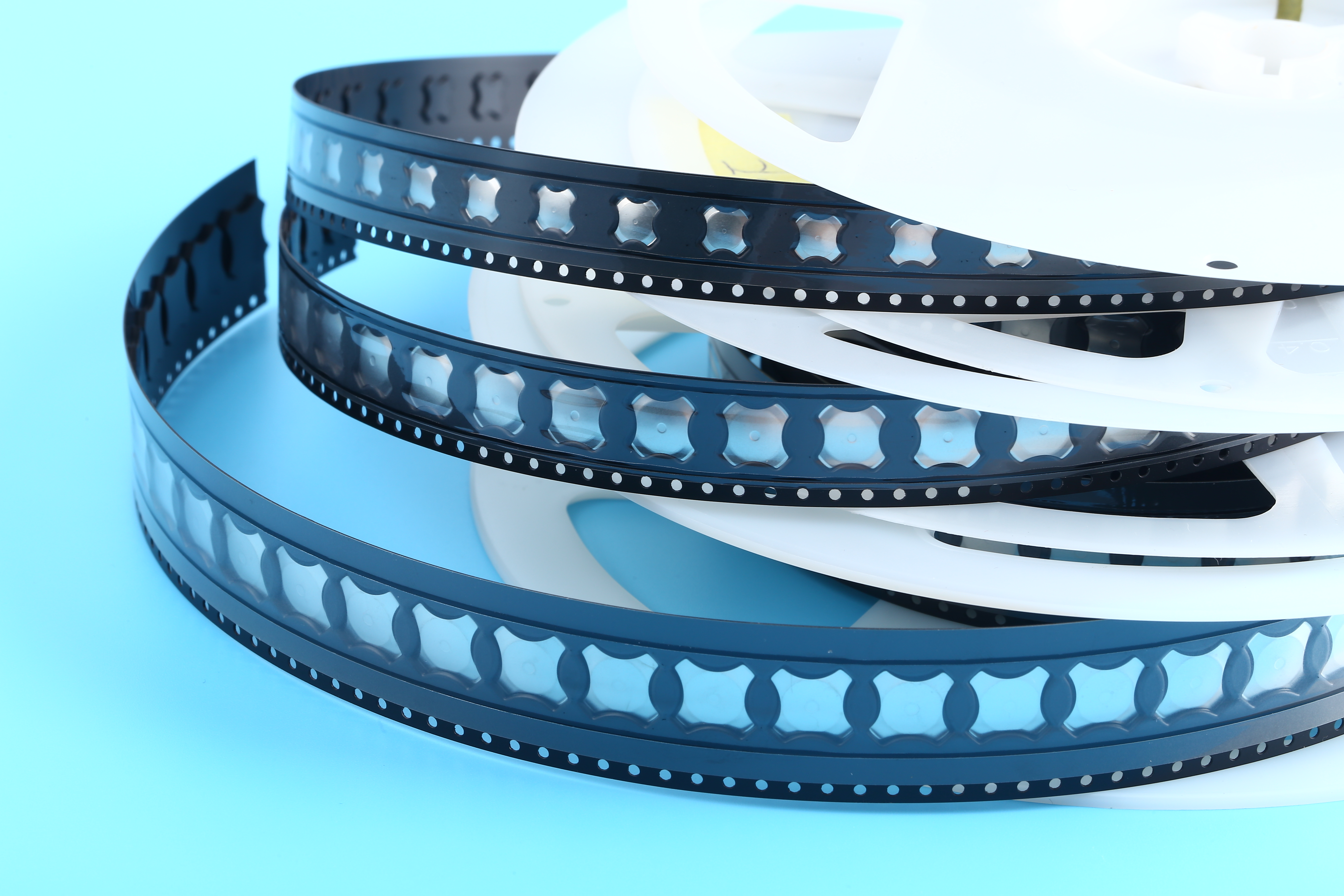
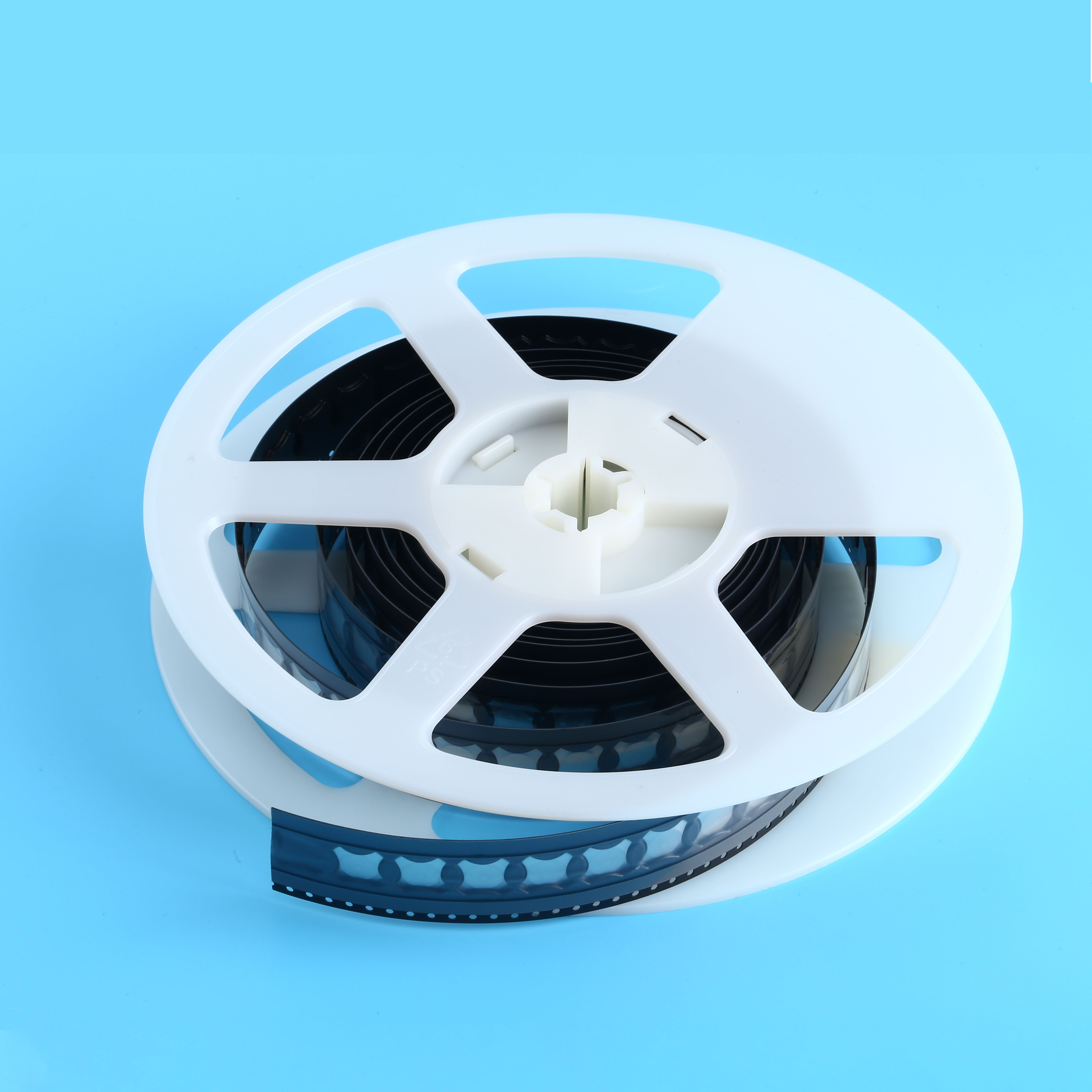
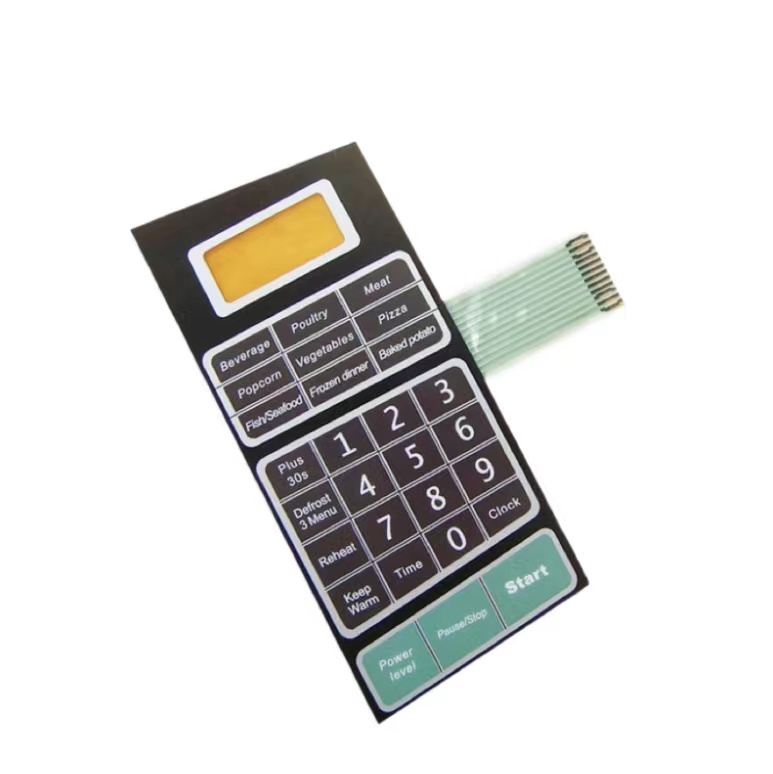
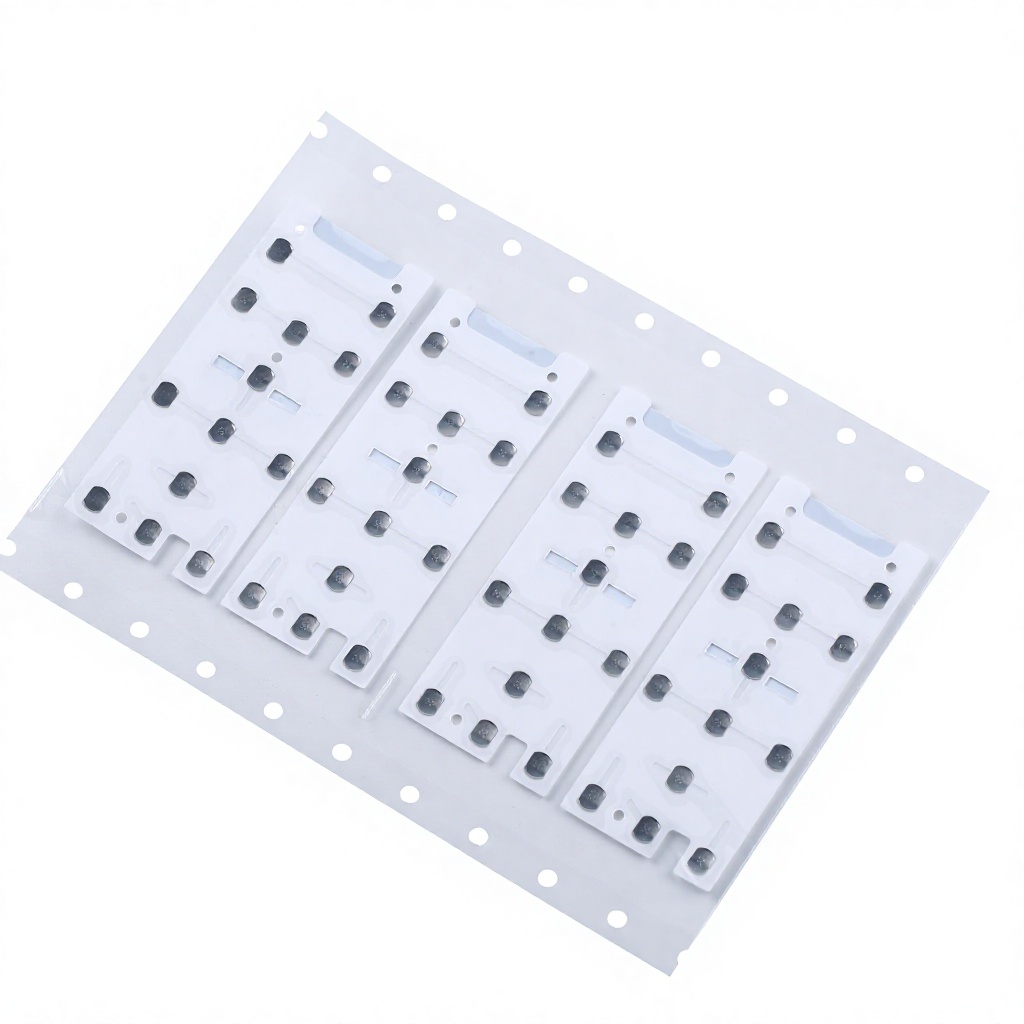
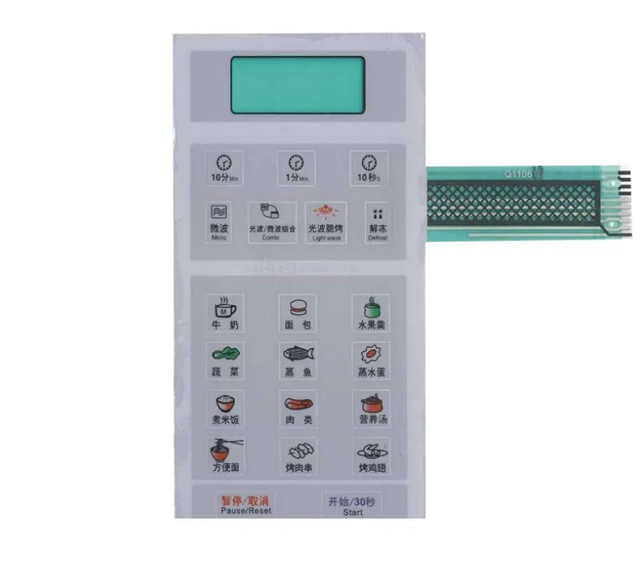
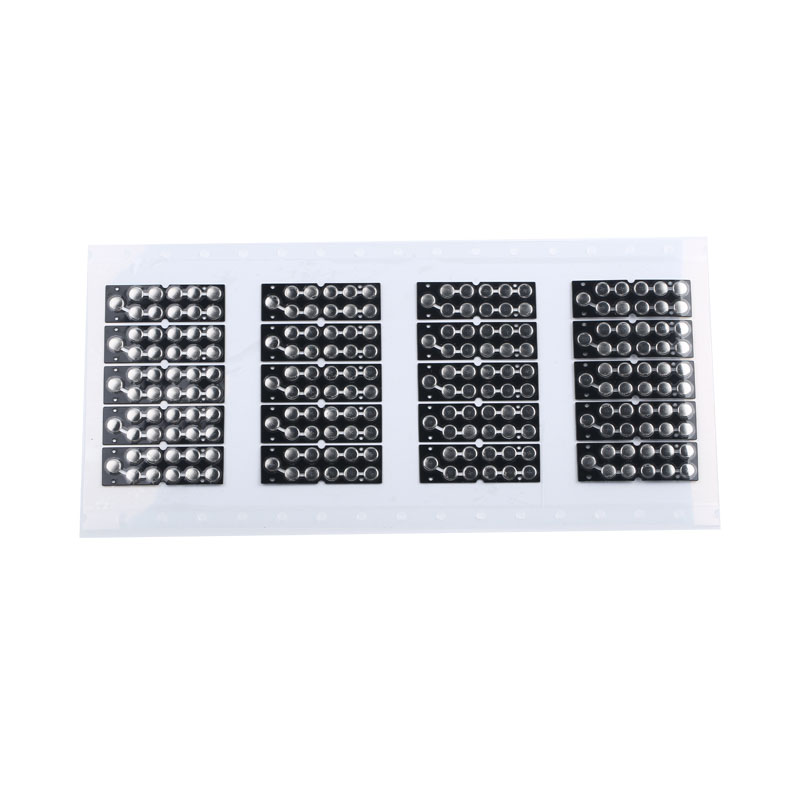
In contemporary electro-mechanical design, user-interface backlighting is no longer merely aesthetic; it is a critical functional requirement for human factors engineering, functional safety, and interface usability. Optical diffusion, micro-groove refraction index, and chromatic uniformity across low-profile graphic overlays represent significant engineering challenges. For manufacturers and industrial integrators operating within Bruges and the wider Flemish engineering triangle (Ghent-Bruges-Ostend), selecting an experienced manufacturing partner for backlight films and membrane switch sub-assemblies is instrumental to delivering durable, CE-compliant, and ingress-protected systems.
A high-performance Human-Machine Interface (HMI) stack consists of balanced mechanical and optical dynamics. Cevra integrates thin-gauge Light Guide Films (LGF)—often manufactured from 0.125mm to 0.250mm optical-grade Polycarbonate (PC) or optical Polyethylene Terephthalate (PET)—with micro-etched or laser-ablated dot arrays. These microscopic dots refract light projected from edge-mounted side-fire SMD LEDs at an angle of 90 degrees directly through graphic legends. Unlike archaic Electroluminescent (EL) foils that generate high-frequency inverter noise and suffer short half-lives, modern LED-driven light guide films combined with SUS301 stainless steel domes yield over 1,000,000 continuous actuation cycles without thermal degradation or acoustic interference.
The core determinant of backlighting quality is luminance uniformity (calculated as Lmin / Lmax × 100%). In non-optimized designs, hot-spotting occurs immediately adjacent to LED emission windows, leading to severe decay toward key centers. Cevra’s CAD and optical modeling workflow iteratively scales dot density and depth, producing balanced lux distributions across expansive control panels even when constrained by a single 0.8mm total thickness budget.
| Technical Parameter | Standard Backlight Film (PET/PC) | Capacitive Illuminated Film | Integrated SUS301 Tactile Stack |
|---|---|---|---|
| Luminous Uniformity (Lmin/Lmax) | ≥ 82% across all keys | ≥ 88% diffusion profile | ≥ 78% (with dome clearance vents) |
| Operational Temperature Range | -30°C to +85°C continuous | -20°C to +75°C | -40°C to +90°C (marine grade) |
| Actuation Force Tolerance | N/A (Optical layer) | Solid state (0 Actuation force) | ±15g to ±25g controlled trip |
| Surface Hardness Rating | 2H – 3H pencil hardness | 3H – 4H hard-coated PC | 3H hard-coated graphic overlay |
| Contact Resistance | Non-conductive optical zone | < 50 Ohm/sq sensor matrix | < 1.0 Ohm through SUS301 dome |
Furthermore, when backlight panels interface with metal snap domes, engineered venting channels must be cut into the spacer layers. This prevents mechanical hydraulic resistance: without air evacuation paths between adjacent dome cavities, rapid key actuation compresses trapped air, inflating tactile resistance and precipitating localized layer delamination. Cevra addresses this by die-cutting precision micro-grooves into 3M acrylic adhesive carriers without breaching the perimeter moisture seal, maintaining IP65 or IP67 ratings for moisture-prone operational settings.
Tailored HMI and backlit panel architectures built for the unique demands of coastal humidity, automated food processing plants, advanced maritime logistics, and precision robotics.
The Port of Zeebrugge, serving as a prominent European deep-water trade terminal, demands cargo-handling control panels, automated terminal gate switches, and maritime deck navigational interfaces capable of withstanding intense UV radiation, salinity, and water intrusion. Cevra supplies double-sided laminated, chemically inert PET overlays backed by single-layer SUS301 stainless steel arrays, engineered to avoid galvanic corrosion and ensure clear night-vision backlighting for multi-shift logistics workers.
West Flanders is an agro-food powerhouse with strict sanitary and HACCP mandates. Processing line operator stations are subjected daily to high-pressure washdowns and aggressive cleaning agents containing chlorine, peracetic acid, and hot water steam. Our IP67-sealed capacitive membrane touch panels and closed-surface graphic overlays eliminate recessed crevices where bacterial colonies form, while the high-contrast backlight films clearly illuminate critical safety stop and calibration markers under harsh factory lighting.
Serving technology incubators and precision instrumentation developers in the Bruges and Kortrijk mechatronics cluster, Cevra provides fine-pitch FPC circuit tails, custom tactile force snap domes (from 160g to 450g), and whisper-quiet tactile feedback. Diagnostic displays and cleanroom control consoles benefit from our electric pencil hardness tested front panels (up to 3H/4H) resistant to hospital-grade isopropyl alcohols and sterilizing wipes.
Understanding shifting technical criteria: How sustainability directives, Industry 4.0 digitalization, and smart surfaces are shaping component selection.
Industrial machinery builders in West Flanders are continuously downsizing operator housing volumes. The legacy mechanical pushbutton array is being systematically replaced by integrated membrane interfaces that sit under 1.2mm total depth. By combining Light Guide Films (LGF) with surface-mount 0603 or 0805 LEDs and stainless snap domes directly on thin FPC carriers, equipment manufacturers reduce overall enclosure weight, optimize spatial architecture, and streamline assembly cycles.
Energy management directives across Belgium and the European Green Deal enforce stringent energy budgets for industrial equipment remaining on standby. Traditional incandescent or high-draw multi-LED backlights are being phased out in favor of micro-dot refraction LGF units. These require fewer SMD diodes to achieve identical LUX illumination, drastically cutting power draw and simplifying CE thermal management while strictly observing RoHS and REACH restricted substance thresholds.
Modern machine builders serving Flemish export markets require interfaces that operators can manipulate while wearing heavy protective work gloves without sacrificing tactile certainty. The trend pairs capacitive touch zones for menu navigation with sealed SUS301 snap dome buttons for mission-critical actions (Machine Start, Emergency Stop, Cycle Confirm). This hybrid setup delivers dual physical-acoustic feedback alongside intuitive modern touch convenience.
Operating as a genuine original manufacturer in Dongguan, China since 2009—delivering verified production control, lab validations, and direct engineering access to overseas purchasers.
Our production premises, testing infrastructure, and quality control systems are fully audited and verified onsite by SGS Group, giving Bruges procurement teams verified supplier reliability.
From screen printing and automatic layer laminating to precision punching, laser profiling, and CCD automated drilling—every stage is executed on our 2,600㎡ factory floor without subcontracting risk.
Each batch undergoes dome load force testing, peel tension adhesion testing, tack testing, high/low temperature environmental stress screening (-40°C to +90°C), and pencil hardness grading.
Low MOQ prototyping starting at 10 to 100 units for membrane switches and 1,000 units for snap domes, supported by prompt DFM feedback, English-speaking technical staff, and Trade Assurance protection.
Addressing common technical, logistical, and compliance considerations when sourcing custom membrane switches and backlight assemblies from our factory.
We work directly with vector artwork and CAD drawings provided in DXF, DWG, STEP, AI, or high-resolution PDF formats. Essential specifications include layer stack-up dimensions, key boundary positions, tactile trip force targets (standard ranges: 180g, 250g, 350g, or 450g), LED emission wavelengths/colors, circuit tail pitch (typically 1.0mm or 2.54mm pitch), connector termination type (such as Nicomatic, FCI, or bare ZIF contact fingers), and environmental parameters. Standard mechanical cut tolerances are held within ±0.10mm, with circuit trace resistances precisely maintained according to silver ink trace widths.
Optical consistency begins with selecting narrow-bin SMD LEDs to avoid visible color shift across individual keys. During tool layout, our engineering team optimizes dot density gradients across the Light Guide Film (LGF) to compensate for distance from the light source. Diffusion films and printed masking layers prevent backlight leakage into adjacent display windows. We verify luminance (Cd/m²) and color temperature (Kelvin) across predefined multi-point matrices using spectrophotometers prior to production release.
For industrial machinery, maritime systems, and repetitive switch duty in West Flanders, we strongly advise biaxially oriented PET (such as MacDermid Autotype). PET offers an actuation flex life exceeding 5 million cycles, superior solvent resistance against industrial greases, and high dimensional stability. Polycarbonate (PC) is suitable for decorative fascia panels, display windows, or cost-conscious devices with non-flexing bezels, as it offers crisp optical clarity and deep embossing characteristics.
Fast-track prototyping typically takes 7 to 10 working days from drawing sign-off. Mass manufacturing runs range from 15 to 25 days depending on tooling complexity. For urgent prototypes or pilot production, express air freight (DHL, FedEx, UPS) directly to facilities in Bruges or Ostend takes 3 to 5 transit days. For recurring containerized mass orders, direct maritime cargo from Shenzhen/Hong Kong to the Port of Zeebrugge takes roughly 28 to 34 days, offering substantial cost efficiencies for large-volume programs.
Yes. All raw materials—ranging from 3M adhesives, SUS301 stainless steel domes, silver conductive inks, and PET carrier substrates to flame-retardant overlays—comply with EU RoHS Directive 2011/65/EU and REACH (EC) No 1907/2006 SVHC standards. Comprehensive material certificates of compliance (CoC) and third-party test reports (such as SGS documentation) are delivered with every production lot.
For equipment designated for coastal operations around Zeebrugge or humid food processing plants, we utilize full perimeter rim gaskets using water-impermeable 3M acrylic foam or high-tack adhesives (such as 3M 200MP / 300LSE). Conductive silver traces are fully encapsulated with printed dielectric UV-cured moisture barrier coatings. Furthermore, SUS301 metal snap dome arrays can be specified with gold or nickel plating to eliminate oxidation over years of high-humidity operation.
Send your CAD layouts, circuit schematics, or sample requests directly to our Dongguan engineering team. Receive rapid DFM evaluations and competitive factory-direct quotations within 24 hours.