High-Reliability Automotive HMI Products for Odense Integrators
Manufactured under strict ISO 9001:2015 controls. Our switch panels, tactile dome arrays, and graphic overlays survive continuous mechanical vibration, washdown cycles, engine fluids, and wide temperature swings.
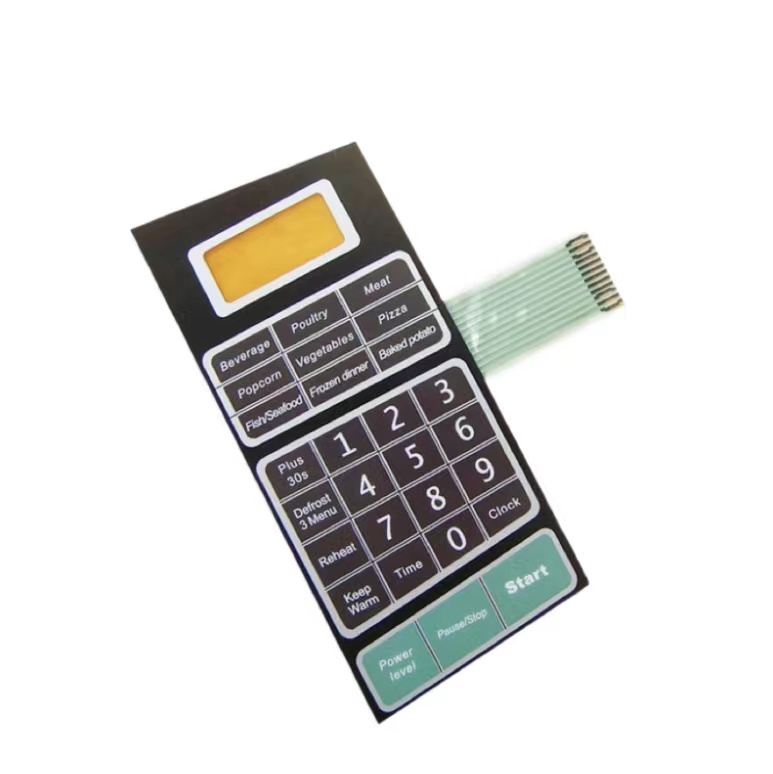
Low MOQ Custom Membrane Switch Panel Keypad Control
- SubstrateAutotype PET / PC
- Circuit InksConductive Silver / Carbon
- Actuation Force280g - 450g Tactile Snap
- Ingress RatingIP65 / IP67 Hermetic Seal
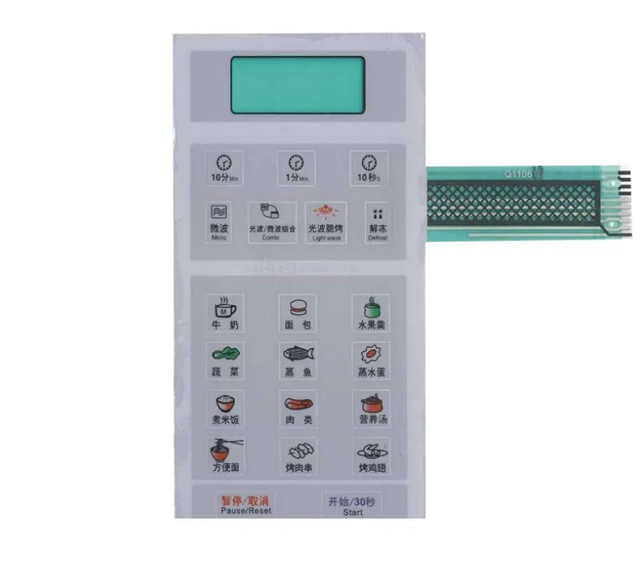
Electronic Membrane Switch Control Panel
- Overlay FinishAnti-Glare Textured Velvet
- Tail Pitch1.0mm / 2.54mm Standard
- Tail PlatingGold / Solder Tab Option
- Contact Bounce< 5 ms Automotive Grade
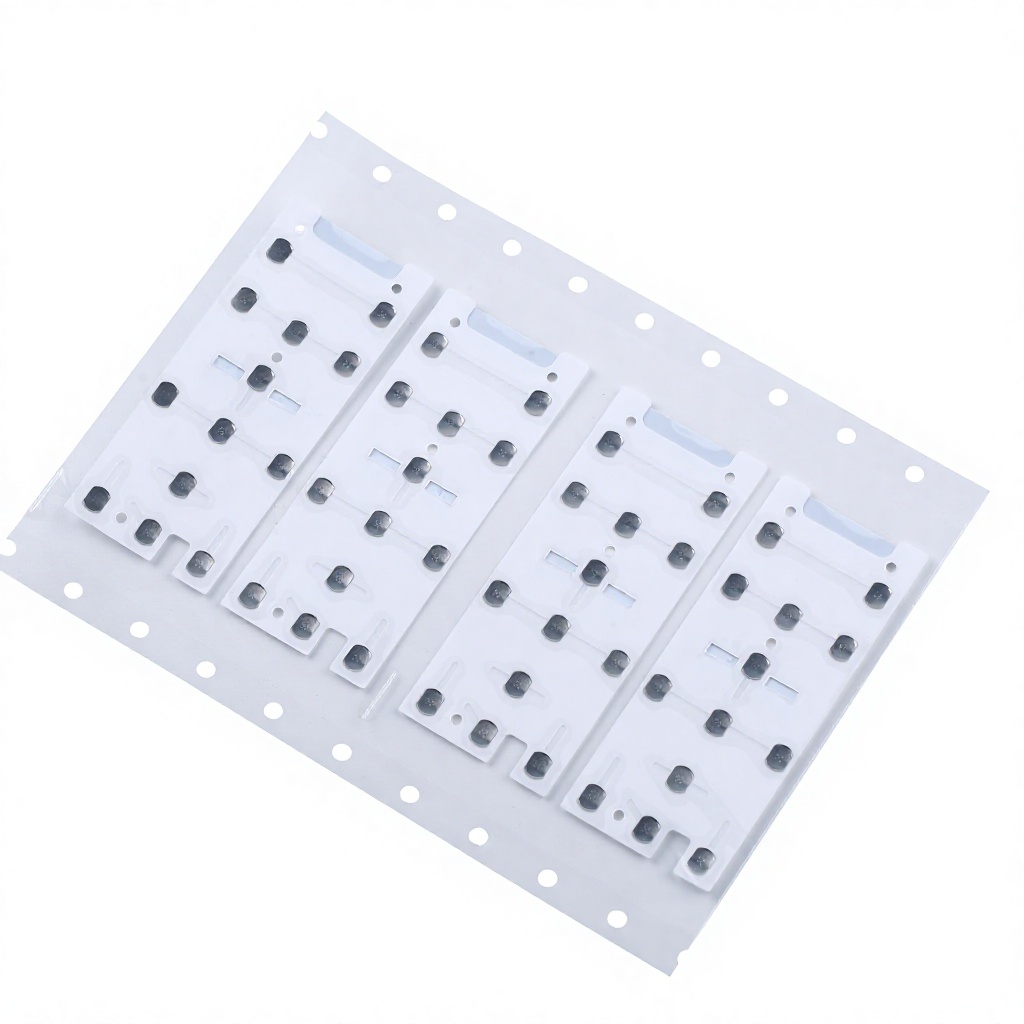
SUS301 Stainless Steel Metal Dome Array
- Dome AlloyJapanese SUS301 Hardened
- PlatingPure Nickel / Flash Gold
- Life Cycle> 1,000,000 Operations
- Carrier FilmAdhesive Mylar + Air Vents
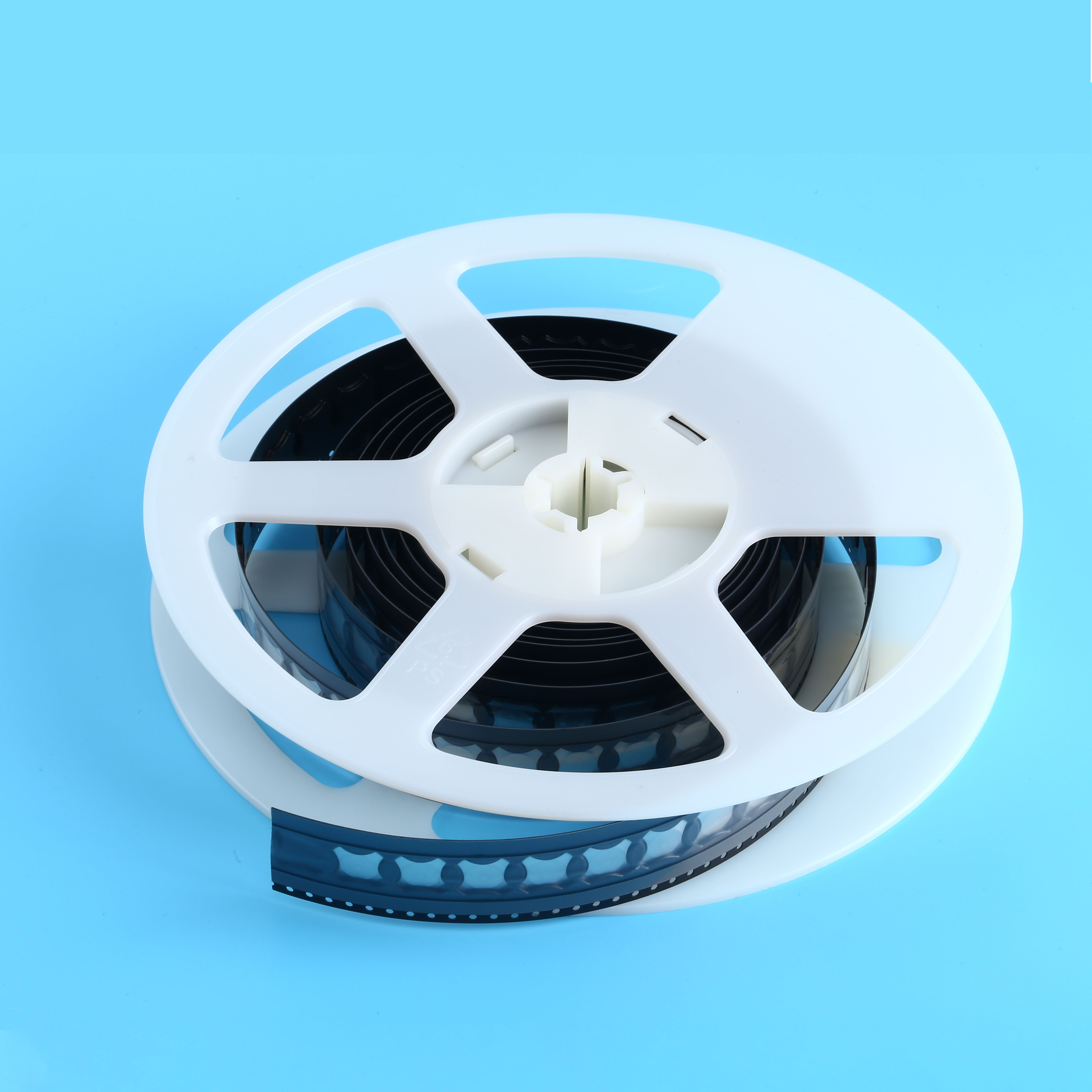
Cross 4-Legged Snap Dome Array in Tape Reel
- Footprint8.4mm / 10mm / 12mm Cross
- PackageSMD Tape & Reel Packaging
- Trip Force300g / 350g / 420g Options
- Contact Resistance< 0.1 Ohm (Au Plated)
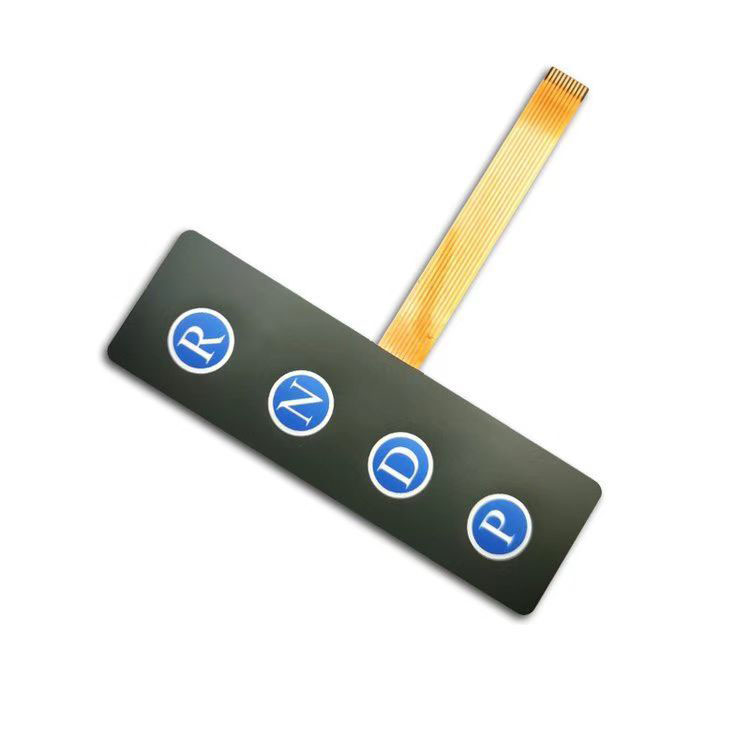
Embossed Backlit Controller Membrane Switch
- IlluminationSurface Mount SMT LED / LGF
- EmbossingRim / Pillow Tactile Keys
- Thermal Range-40°C to +85°C Operating
- UV ProtectionOutdoor Grade Autotype XE
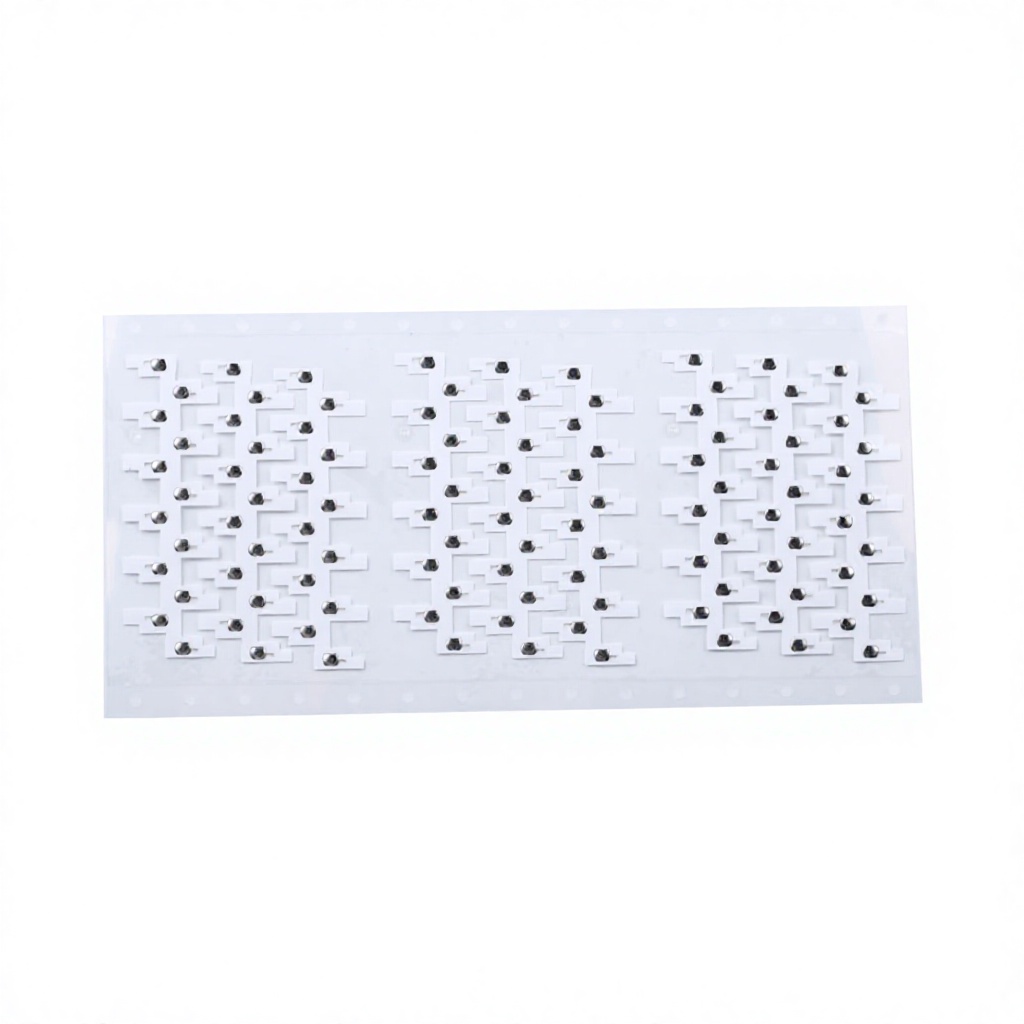
Precision Single-Layer Metal Dome Array Sheet
- Base FilmHigh-Tack Polyimide / PET
- Dome StylesRound / Triangle / 4-Leg
- ThicknessUltra-thin Profile (< 0.6mm)
- Adhesive Layer3M 467MP / 3M 200MP
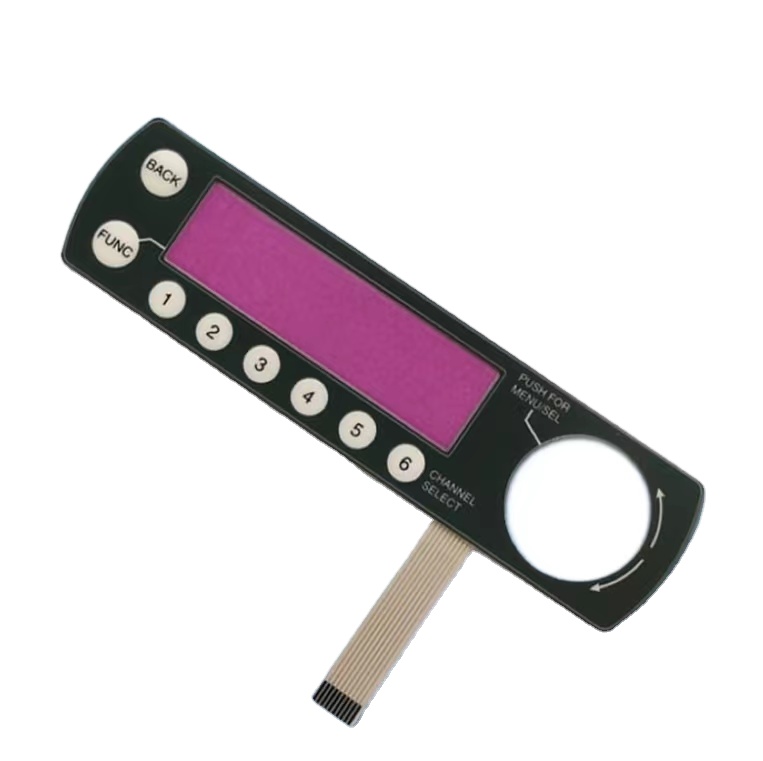
Ruggedized Instrument PET Membrane Keypad
- Chemical ResistDiesel, Alcohol, Salt Mist
- Display WindowTransparent / Tinted Filter
- Circuit TypeFlexible Polyimide / FPC
- ESD ShieldingPrinted Carbon / Solid Aluminum
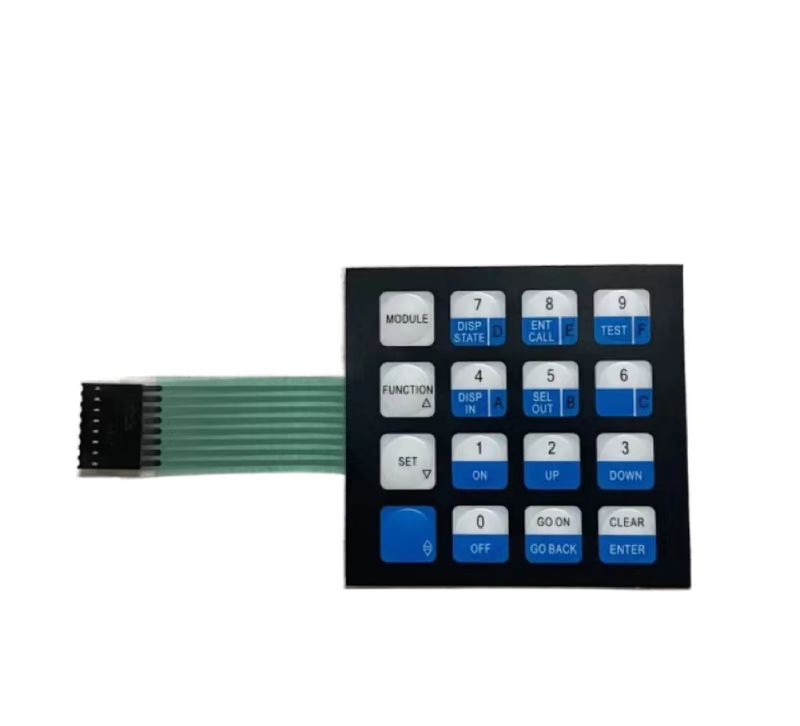
Tactile Matrix Membrane Keypad with FPC Tail
- Matrix Scheme4x4 / Custom Encoding
- Overlay PrintMulti-Pass Reverse Sub-surface
- Switch Rating30V DC / 100mA Max
- Insulation Res.> 100M Ohm @ 100V DC
Engineering Anatomy of Automotive Membrane Switches for Harsh Danish Operating Climates
In modern commercial vehicles, autonomous mobile equipment, and off-highway tractors deployed across Denmark and Northern Europe, human-machine interfaces (HMI) face mechanical, chemical, and atmospheric stress that standard consumer electronics cannot withstand. Dongguan Cevra Electronic Technology Co., Ltd. builds specialized automotive membrane switch assemblies engineered specifically to conquer freezing Scandinavian temperatures, marine coastal humidity, aggressive road de-icing salts, and heavy hydraulic washdowns.
A mission-critical automotive membrane panel is far more than an aesthetic printed graphic sticker; it is an integrated multi-layer electro-mechanical system. Cevra designs and manufactures every critical stratum under one roof in our 2,600-square-meter facility:
1. Sub-Surface Printed Graphic Overlay
Printed on the back of bi-axially oriented Autotype polyester (PET) or Lexan polycarbonate (PC). Sub-surface silkscreen printing ensures graphics, icons, and text are physically shielded from scratching, abrasive cleaning solvents, UV-A/UV-B solar degradation, and diesel spills.
2. EMI / RFI & ESD Shielding Layer
Crucial for electric drivetrains and CAN-bus telemetry circuits. We apply conductive silver grids, copper foil layers, or vapor-deposited aluminum shields terminated directly to ground pins, attenuating electrostatic discharges up to 15kV and blocking high-frequency inverter noise.
3. Tactile Feedback Matrix (SUS301 Domes)
Using custom Japanese SUS301 stainless-steel snap domes (trip forces calibrated from 280g to 500g). Domes provide a crisp, audible tactile snap designed for drivers wearing heavy work gloves in freezing Danish conditions, eliminating ambiguous or accidental actuations.
4. Circuit Substrate: Silver vs. Copper FPC
Printed conductive silver traces on heat-stabilized polyester film for cost-efficient matrix keypads, or rolled-annealed copper Flexible Printed Circuit (FPC) boards for high-density, surface-mount LEDs and micro-pitch ZIF connector tails that endure continuous vehicle chassis vibration.
5. Industrial Automotive Adhesives
Engineered lamination using genuine 3M 467MP, 3M 468MP, or 3M 300LSE high-surface-energy laminates. These modified acrylic adhesives prevent delamination, edge lifting, and liquid ingress when subjected to power washing or thermal cycling between -40°C and +105°C.
6. Hermetic Sealing & Gore-Tex Breathers
To prevent pneumatic "pillowing" during altitude shifts or rapid temperature drops, switch internal air channels are interconnected and vented through semi-permeable ePTFE membrane membranes that equalize pressure while stopping IP67 liquid penetration.
Odense’s High-Tech Industrial Hub: Mobile Robotics, AGVs, and Marine Electrification
Odense is globally renowned as the robotics and automated vehicle powerhouse of Europe. Home to the world-famous Odense Robotics cluster, Universal Robots, Mobile Industrial Robots (MiR), and hundreds of fast-growing logistics automation enterprises, the local engineering landscape in Syddanmark has specific demands for human-machine interface controls that standard off-the-shelf components fail to satisfy.
Autonomous Mobile Robots (AMRs), automated guided vehicles (AGVs), electric harbor tugs, and smart agricultural machines developed around Funen require tactile, fault-tolerant local control interfaces. When an autonomous forklift navigates a high-moisture cold storage warehouse in Odense Havn, or an autonomous agricultural robotic platform traverses wet, muddy fields near Kerteminde, touchscreen-only glass interfaces fail due to water droplets, mud splatter, or operators wearing thermal insulated gloves. A physical, tactile membrane switch assembly provides 100% reliable tactile confirmation, instant e-stop functionality, and zero phantom touches.
Tailored Localization Use Cases in Odense & Southern Denmark
- Autonomous Warehouse Transport (AMRs & AGVs): Auxiliary manual override panels, pendant teaching controllers, and localized status keypads featuring bi-color LED indicators, dead-man actuation profiles, and IP67 washdown resistance.
- Agricultural & Forestry Machinery: In-cab control consoles for specialized combines, sugar beet harvesters, and slurry spreaders. Graphic overlays engineered with chemical resistance against organic acids, urea fertilizers, and high UV radiation.
- Electric Vessel Auxiliary Controls (Odense Maritime Ecosystem): Hermetically sealed console panels for zero-emission tugboats, ferry gangway controllers, and container handling equipment exposed to corrosive salt spray in the Great Belt and Odense Fjord.
- Airport Ground Support Equipment (GSE) & Municipal EVs: Sealed auxiliary keypads for electric baggage tugs, snow plows, street sweepers, and waste management trucks with IP69K high-pressure steam cleaning endurance.
Engineering Decision Matrix: Automotive Membrane Switches vs. Alternative Technologies
Odense hardware engineers evaluating human-machine interfaces must weigh physical ergonomics, sealing integrity, electromagnetic tolerance, and BOM costs. The following empirical comparison highlights why sealed tactile membrane panels continue to lead in off-highway and autonomous automotive architectures:
| Engineering Parameters | Cevra Automotive Tactile Membrane | Capacitive PCAP Touchscreen Glass | Discrete Mechanical Rocker Switches |
|---|---|---|---|
| Gloved Operation (Nordic Winter) | Optimal (280-500g mechanical snap feedback) | Poor (requires special dielectric gloves, false trips) | Moderate (bulky, high spacing required) |
| Ingress Protection Rating | IP67 to IP69K continuous perimeter seal | IP65 front only (vulnerable optical bond edges) | IP65 difficult to maintain (moving shafts leak) |
| Shock & Vibration Endurance | MIL-STD-202G / ISO 16750 solid-state layers | Fragile glass substrate prone to cracking | Spring fatigue, contact bounce under vibration |
| Panel Profile / Z-Depth | < 1.5mm to 3.0mm ultra-slim envelope | 15mm - 35mm (display + controller + back-light) | 35mm - 55mm behind-panel depth required |
| EMI / RFI Susceptibility | Shielded (Integrated silver/aluminum ground plane) | High susceptibility to high-frequency motor inverter noise | Low, but exposed wiring harness induces noise |
| Chemical & Salt Mist Resistance | High (Autotype XE PET resistant to diesel/salts) | Moderate (optical coatings degraded by de-icers) | Poor (corrosion of internal copper leaf springs) |
| Tooling & Customization Cost | Low to Moderate (flexible laser & screen tooling) | Very High (custom glass moulds & firmware tuning) | High (injection moulds for each button cap) |
From CAD Drawings to Odense Delivery: Factory-Direct Quality Governance
Founded in March 2009 in Dongguan, China, Dongguan Cevra Electronic Technology Co., Ltd. has spent over 16 years perfecting membrane switch, metal dome array, and graphic overlay manufacturing. For OEM customers and tier-1 vehicle system suppliers in Odense, we provide verified end-to-end design-for-manufacturing (DFM), eliminating middlemen, broker markup, and quality disconnects.
Our facility has been verified onsite by SGS Group and operates under a certified ISO 9001:2015 Quality Management System. Every batch destined for export to Denmark undergoes stringent in-house environmental and mechanical laboratory testing:
Precision Laboratory Test Capabilities
Enterprise Trust & Reliability
Exporting to Denmark requires flawless documentation and adherence to European regulatory directives. Cevra supplies full material declarations, including:
- Full RoHS (2011/65/EU & 2015/863) compliance on all films, silver pastes, and adhesives.
- REACH (EC 1907/2006) SVHC certification ensuring non-toxic raw material inputs.
- ISO 9001 certified batch traceability with retained retention samples for 24 months.
- Alibaba.com Trade Assurance security for international financial transaction protection.
- Rapid DFM analysis delivered within 24 hours of receiving 2D CAD (DXF, DWG, PDF) or 3D files.
Frequently Asked Questions: Automotive Switch Procurement for Odense Engineers
Comprehensive answers addressing common questions from Danish hardware designers, purchasing officers, and system integrators sourcing from our factory:
How does Cevra handle prototypes vs. mass production orders for Odense startups and OEMs?
What graphic overlay material is recommended for Nordic outdoor automotive and marine applications?
How do you ensure zero moisture penetration and IP67/IP68 sealing on vehicle exterior panels?
Can backlighting be integrated into the membrane switch for night-time operation?
What are the logistics and transit times from your Dongguan facility to Odense, Denmark?
How do you shield switch panels from high EMI generated by electric vehicle traction motors?
Emerging Trends Shaping Automotive HMI in Northern Europe
As vehicle cockpits evolve toward software-defined architectures and zero-emission powertrains, the physical interface is undergoing a technological renaissance. Far from being replaced by giant touch displays, tactile membrane switches are evolving to complement screens in safety-critical roles:
In-Mold Electronics (IME) & Curved Geometries
Transitioning from 2D flat panels to 3D formed thermoformed surfaces where conductive silver circuits and LEDs are directly encapsulated into injection-molded automotive dash components, slashing weight by 70%.
Deadfront "Hidden-Until-Lit" Graphics
Using precision translucent ink filters that appear completely black or brushed titanium until an internal LED activates the icon, creating sleek, modern aesthetic dashboards for high-end robotic consoles and electric vehicles.
Capacitive-Tactile Hybrid Architectures
Combining the flat, easy-to-sanitize surface of a capacitive sensor with the reassuring physical snap of a metal dome, ensuring instant feedback without mechanical wear, ideal for biological cleanroom robots and mobile food delivery AGVs.
Collaborate with an Experienced Membrane Switch Engineering Partner
Whether you are designing a next-generation autonomous mobile robot in Odense, upgrading agricultural machinery consoles, or developing specialized maritime electric interfaces, Cevra’s engineering team is ready to analyze your drawings and supply rapid prototypes.