Automotive Membrane Switch Manufacturer & Factory for the Tartu Market

IATF-benchmarked, ISO 9001 precision human-machine interfaces engineered for sub-zero resilience, autonomous vehicle mobility, and harsh Baltic automotive operating environments.

Automotive & Industrial HMI Series

Featured Membrane Switch Solutions for Baltic OEMs

Explore proven tactile arrays, environmental overlays, capacitive sensor films, and sealed switch panels customized for electric powertrains, autonomous delivery units, and specialized vehicles.
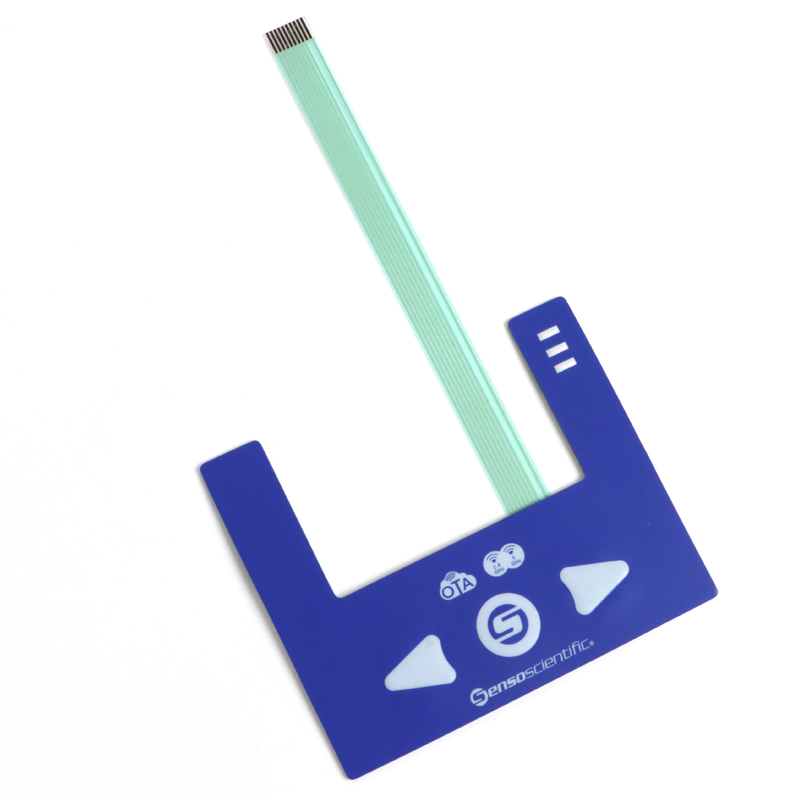
Manufacturer Custom Membrane Keypads Membrane Keyboard and Led Membrane Graphic Overlay

Custom LED Membrane Keypads & Overlays

Integrated multi-color SMD LEDs with selective key embossing for automotive secondary switch clusters, HVAC sub-controllers, and custom EV dashboard panels.

Technical Specifications
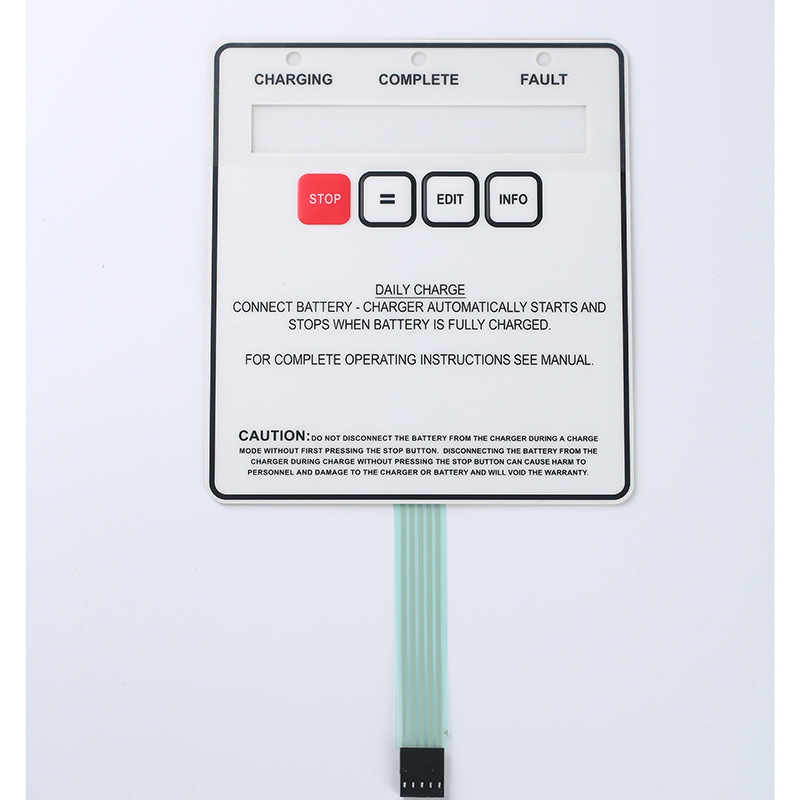
Waterproof and Dustproof Membrane Control Panel in Medical Equipment Medical Membrane Switch

IP67 Waterproof Sealed Control Panel

Engineered with perimeter gasket adhesives and hydrophobic breathing vents to resist high-pressure washdowns, salt spray, and de-icing road aerosols.

Technical Specifications
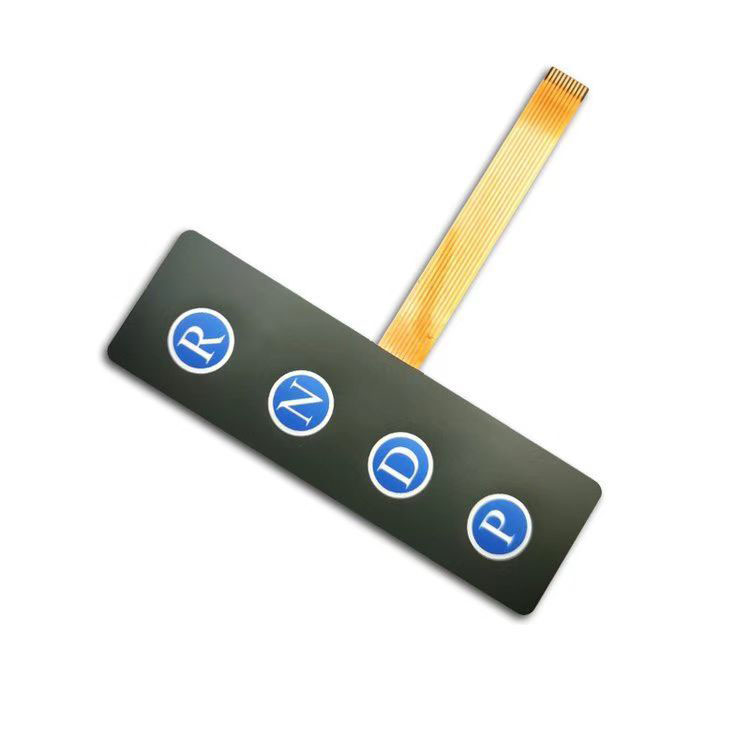
Embossing Diy Backlit 3 4 5 Button Touch Controller Membrane Switch Keypad Repair

Tactile Embossed 3-5 Key HMI Module

Rim-embossed tactile membrane switch featuring Light Guide Film (LGF) illumination for crisp tactile verification during nighttime or low-visibility operation.

Technical Specifications
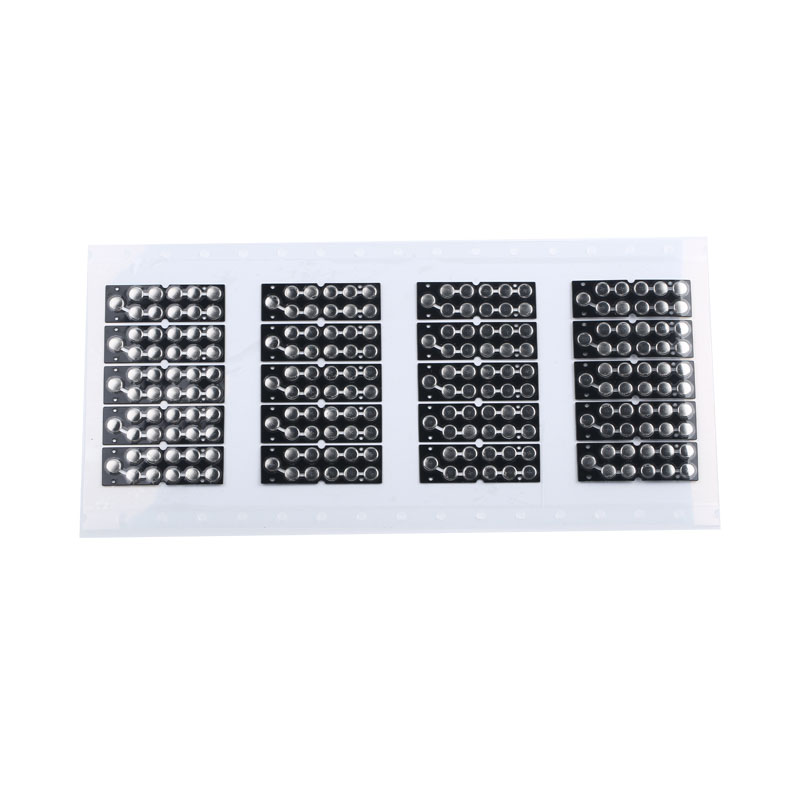
Free Sample Round Metal Dome Array Single Layer Transparent Pet With Adhesive for Television Remote Control

Single-Layer Round Dome Array Sheet

Pre-assembled transparent PET adhesive carrier films with high-reliability stainless steel snap domes for swift integration directly onto automotive PCBs.

Technical Specifications
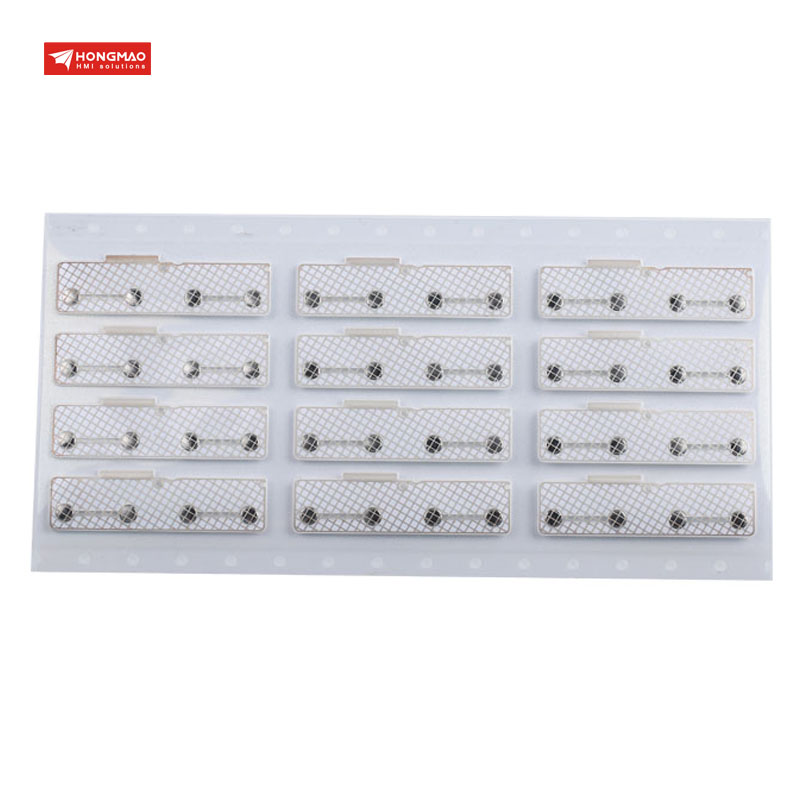
Double-sided SUS301 Stainless Steel Dome Array EMI Metal Dome Array

SUS301 Metal Dome Array with EMI Shield

Double-sided printed aluminum or copper shielding mesh protecting delicate automotive microcontrollers against radiated EMI/RFI noise and electrostatic discharge.

Technical Specifications
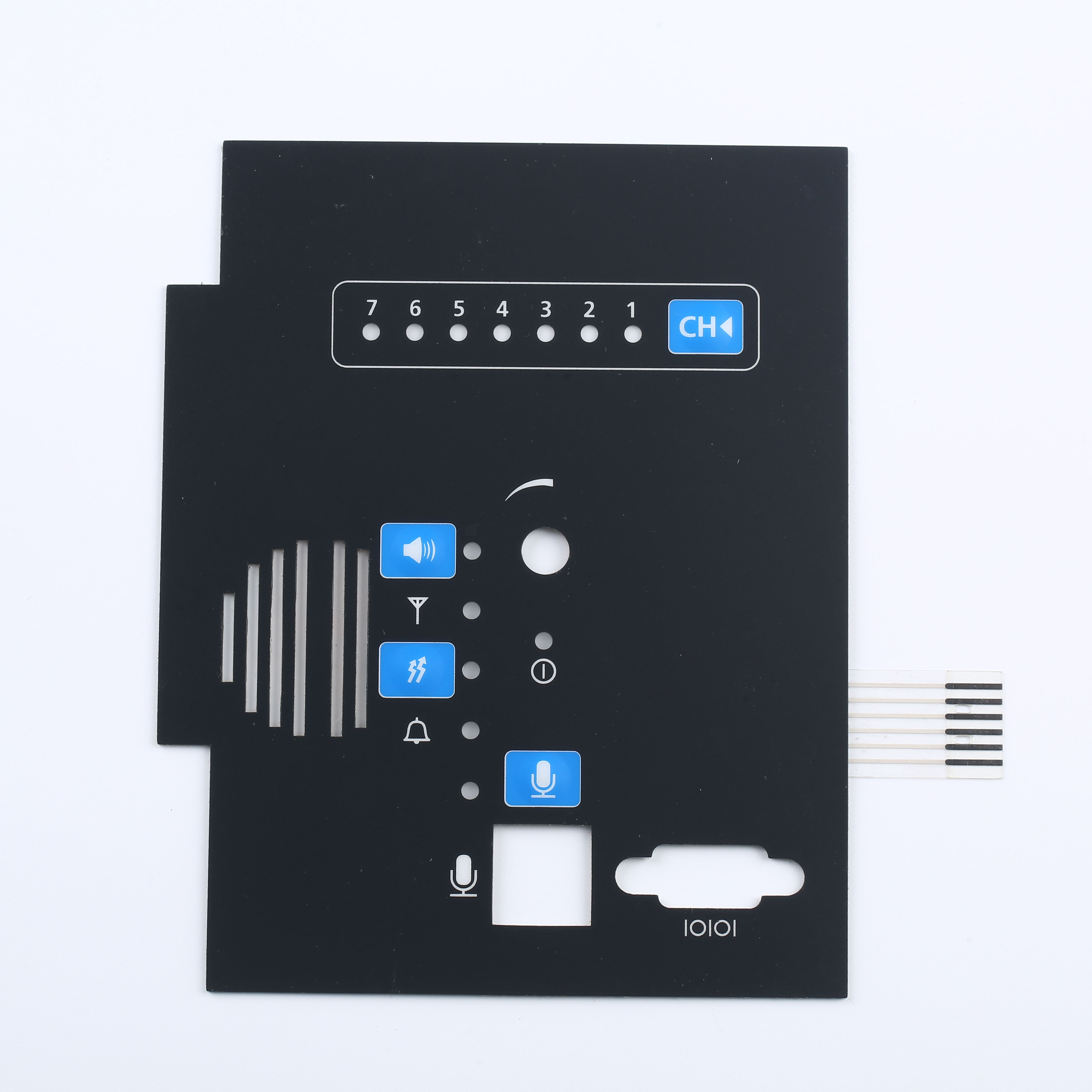
Polycarbonate Film Touch Switch Panel Screen Printing Process Electronic Product Instrument Display Membrane Switch

Polycarbonate Optical Instrument Panel

Sub-surface screen-printed scratch-resistant PC film featuring anti-glare display windows and anti-fog coatings for vehicle clusters and telematics screens.

Technical Specifications
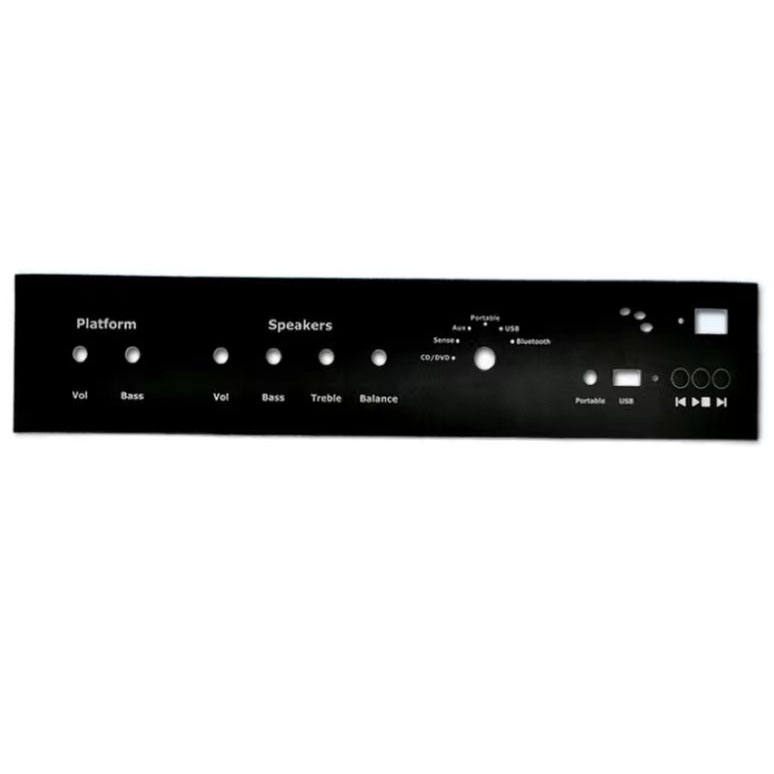
Intelligent Membrane Switch Panel, Washing Machine Touch Panel, Customized Membrane Switch

Capacitive Sensing Matrix Panel

Solid-state capacitive touch film sensors designed for seamless glass or polycarbonate bezels, delivering moisture immunity and gloved-hand actuation.

Technical Specifications
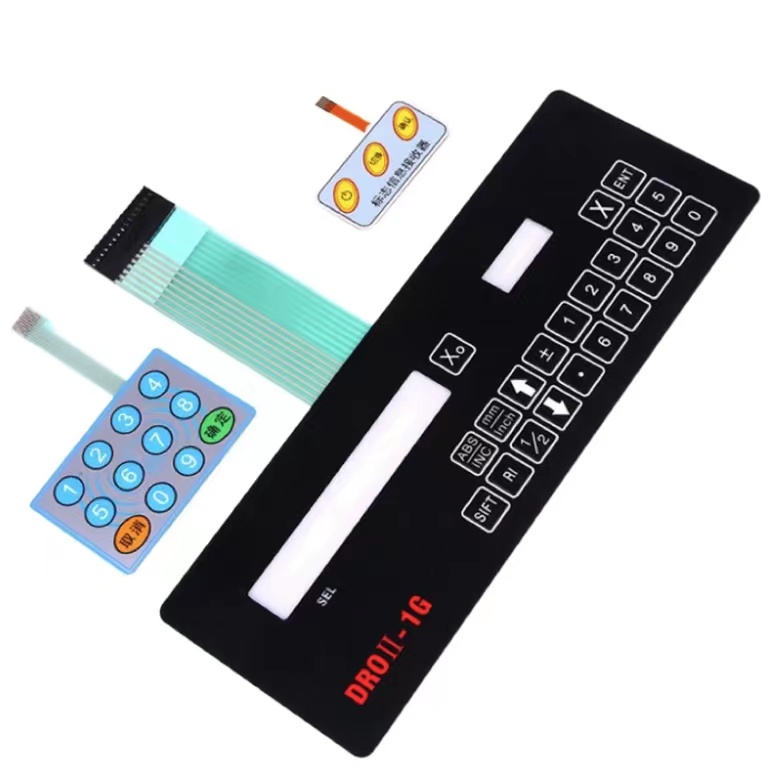
Factory Direct Graphic Overlay Custom Membrane Keyboard Switch Membrane Switch

Heavy-Duty Textured Graphic Overlays

Autotex textured polyester overlays combined with structural 3M 468MP high-tack acrylic adhesives for off-highway vehicles and forestry equipment in Tartu.

Technical Specifications
16+
Years In-House Manufacturing
2,600㎡
Cleanroom & Plant Capacity
>1M
Actuation Cycle Durability
-40°C ~ +85°C
Thermal Tolerance Envelope
Localized Engineering Insights

Navigating Tartu's Automotive & Autonomous Mobility Ecosystem

How targeted switch engineering solves the thermal, mechanical, and electro-optical hurdles faced by vehicle innovators in South Estonia.

The city of Tartu has emerged as Northern Europe's vibrant nucleus for autonomous driving systems, smart municipal mobility, and deep-tech robotics. Backed by academic research initiatives from the University of Tartu’s Institute of Computer Science and the Autonomous Driving Lab, regional hardware developers are actively pioneering level-4 delivery shuttles, unmanned defense platforms, teleoperated agricultural implements, and bespoke EV conversions. However, developing human-machine interfaces (HMIs) for vehicles operating in Tartu and the broader Baltic region poses acute environmental and operational challenges that generic commercial keypads cannot survive.
The Northern European climate subjects vehicle cockpits and external input panels to severe thermal cycling. Winters regularly register ambient temperatures dropping past -25°C to -30°C, causing conventional polycarbonate graphic overlays to embrittle and crack under mechanical actuation. Concurrently, rapid cabin heating introduces internal condensation, leading to dendritic silver growth (silver migration) across closely spaced circuit traces in poorly sealed membrane layers. Our manufacturing methodology addresses these failure modes at the molecular and structural levels. By employing biaxially oriented polyethylene terephthalate (PET) substrate films, specialized hydrophobic micro-porous venting membranes, and carbon-overprinted conductive silver circuit traces, we engineer automotive switches capable of maintaining dimensional stability and consistent tactile feedback from -40°C to +85°C.

Autonomous Shuttles & Last-Mile Delivery

External emergency stop pushbuttons, passenger access door keypads, and exterior-mounted touch interfaces built to withstand freezing rain, road grime, salt encrustation, and aggressive chemical car-wash chemicals.

Nordic Forestry & Heavy Agricultural Cabs

Tartu's surrounding timber and agricultural machinery OEMs demand ultra-durable control consoles. High-actuation force (350g to 500g) nickel-plated SUS301 metal domes ensure operators wearing heavy work gloves receive unmistakable tactile snap confirmation.

Electric Powertrain Telematics & BMS

Custom thin-profile membrane interfaces for auxiliary battery management units (BMS), high-voltage diagnostic panels, and in-cab charging station touchpads featuring EMI/RFI suppression foils complying with automotive electromagnetic compatibility directives.

Material Engineering

Automotive HMI Material Selection Matrix

Comparing substrate films, tactile dome chemistries, and sealing methodologies for extreme automotive duty cycles.

Engineering Parameter Biaxially Oriented PET (Recommended) Polycarbonate (PC) Standard Silicone Rubber Overlay Hybrid
Sub-Zero Embrittlement Point Below -40°C (Zero micro-cracking observed) -15°C to -20°C (Risk of flex fatigue failure) Below -50°C (High elastic retention)
Chemical Resistance (Fuel, Oils, De-icers) Superior resistance to diesel, brake fluids, glycols Moderate; prone to crazing when exposed to aromatics Excellent; requires PU topcoat for hydrocarbon exposure
Switch Actuation Life Cycle >5,000,000 actuations (Flat or embossed) Approx. 100,000 - 500,000 actuations >1,000,000 actuations (Molded elastomeric pill)
Circuit Conductor Media Polymer thick film silver + carbon overprint barrier Flexible Printed Circuit (Copper on Polyimide FPC) Conductive carbon pills or integrated FPC tails
Optical Display Window Clarity Selective gloss print over anti-glare base Water-clear (90%+ light transmission) Translucent or open window bezel framing
IP Ingress Protection Capability IP65 to IP67 with perimeter acrylic adhesive IP65 with closed-cell gasket spacers IP68 hermetic seal via wrap-around perimeter lip
Industry Trends

Key Technological Trends Driving Baltic HMI Procurement

How next-generation automotive architecture is transforming membrane switch specifications.

Dead-Front & Dynamic Backlighting

Modern cockpits in autonomous shuttles prioritize clean, uncluttered aesthetics. Dead-front printing leaves indicators invisible until illuminated by side-firing LEDs guided through ultra-thin Light Guide Films (LGF), eliminating driver distraction under pitch-black Nordic winter driving conditions.

Rigid-Flex FPC & CAN-Bus Readiness

Automotive systems are abandoning discrete point-to-point wiring harnesses. We laminate membrane keypad layers directly onto Flexible Printed Circuits (FPC) with surface-mount CAN transceivers, microcontrollers, and zero-insertion-force (ZIF) locking connectors to feed data directly into the vehicle's electronic control unit (ECU).

Enhanced EMI/RFI Attenuation Layers

High-voltage inverters in electric delivery vehicles and RF transmission modules from autonomous LIDAR/radar nodes generate severe electromagnetic interference. Integrating solid aluminum foil or selective grid-printed silver grounds prevents false switch triggering and fulfills CISPR 25 Class 3-5 automotive standards.

Manufacturing Integrity

Direct-from-Factory Excellence: Cevra's Engineering Footprint

Eliminating trading intermediaries: 100% in-house tooling, screen printing, punching, and automated assembly in Dongguan, China.

Verified Plant Infrastructure

Established in March 2009, Dongguan Cevra Electronic Technology Co., Ltd. spans a modern 2,600㎡ facility featuring positive-pressure cleanroom printing lines. Verified onsite by SGS Group, every order bypasses trading desks to interface directly with our seasoned tooling and mechanical CAD engineers.

  • ISO 9001:2015 Certified Quality System
  • Class 1,000 / 10,000 Dust-Free Workcells
  • 5-Year Verified Alibaba Gold Supplier (#5 in category)

Rigorous Environmental Testing Lab

We operate a fully equipped in-house testing laboratory to guarantee zero-defect automotive components prior to shipment to European forwarders. Each production run is validated against thermal shock, contact resistance drift, and adhesive sheer fatigue.

  • High/Low Temperature Test Cabinets (-50°C to +150°C)
  • Automated Metal Dome Force-Displacement Profilers
  • Adhesive Peel Tension & Holding Tack Testers
  • Electric Pencil Hardness Scratch Resistance Gauges

Precision Automated Production

Layer alignment tolerance is critical for waterproof sealing and consistent click ratio. We employ high-resolution optical CCD target drilling, automatic roll lamination, and computerized laser die-cutting systems.

  • CCD Camera-Guided Drilling (±0.05mm accuracy)
  • Fully Automatic Continuous Multi-Layer Laminators
  • Automatic Dome Array Pick-and-Place Stations
  • 100% In-Line Electrical Open/Short Circuit Check
Procurement & Engineering FAQ

Tartu Buyer's Technical & Logistics Inquiries

Detailed answers regarding cold-weather durability, prototyping cycles, compliance standards, and door-to-door delivery into Estonia.

How do Cevra membrane switches prevent silver migration under high Baltic humidity and condensation?
Silver migration happens when moisture penetrates unsealed layers and an electrical potential causes silver ions to form dendrites across adjacent circuit traces, creating short circuits. For Tartu and Baltic automotive applications, we mitigate this risk through a three-tier defense: First, we specify a minimum trace spacing and encapsulate all screen-printed silver ink traces with an impenetrable, vacuum-cured conductive carbon overprint barrier. Second, we integrate full perimeter sealing channels utilizing 3M 300LSE or 200MP series high-density acrylic adhesives. Third, we incorporate internal serpentine desiccant channels or breathable, hydrophobic ePTFE vent membranes that equalize barometric pressure during rapid temperature swings without admitting external liquid moisture.
Can our engineering team order prototype batches (10 to 50 pcs) for Tartu robotics and vehicle field trials?
Yes. While high-volume automotive production runs often require hard metal stamping dies, our NPI (New Product Introduction) engineering cell supports rapid prototyping starting from as few as 10 to 50 units. We utilize high-speed digital UV flatbed printing and precision CNC digital laser cutting machines to bypass costly hard tooling during the early proof-of-concept phase. This allows Tartu autonomous vehicle and mobility startups to test tactile feel, ergonomic key pitch, and connector pinouts in actual road conditions within 7 to 10 working days of design freeze.
Which overlay finish and embossing style is optimal for gloved-hand actuation in sub-zero machinery?
For vehicles operating in Nordic forestry, municipal maintenance, or agricultural environments where operators wear thick winter gloves, we strongly advocate an Autotex velvet or fine-textured polyester (PET) overlay paired with perimeter rim embossing or high-relief pillow embossing (0.4mm to 0.6mm height). Flat switches provide poor tactile perception through insulated gloves. Underneath the embossing, we fit 4-leg stainless steel snap domes (e.g., 10mm or 12mm diameter) calibrated to an actuation force of 350g to 450g. This delivers a pronounced tactile snap ratio (>45%) that reassures the driver of switch engagement even through heavy insulated gloves without diverting eyes from the road.
What are the shipping lead times and import procedures from your Dongguan factory to Tartu, Estonia?
Our international logistics desk routinely coordinates shipments to Tallinn Airport (TLL) and direct ground haulage to Tartu tech parks. For expedited prototype or trial runs, air express delivery (via DHL Express, FedEx Priority, or UPS) typically takes 4 to 6 business days from dispatch to customs clearance in Estonia. For scheduled commercial volumes, consolidated air freight delivers within 8 to 11 days. We provide comprehensive export documentation—including HS codes, Certificates of Origin, commercial invoices, and RoHS/REACH compliance declarations—ensuring seamless EU customs clearance without unexpected delays at the Estonian border.
Can you integrate surface-mount components (SMD LEDs, resistors, diodes) directly into the membrane switch?
Absolutely. We routinely populate surface-mount components including miniature 0603 and 0805 bi-color/tri-color LEDs, current-limiting resistors, ESD suppression diodes, and micro-sensors. On flexible polyester (PET) circuits, we bond these components using automotive-grade conductive structural epoxy reinforced with an elastomeric UV encapsulation dome to absorb mechanical bending stress and shock. For denser assemblies with complex bus controllers, we supply Flexible Printed Circuits (FPC with copper conductors) or rigid-flex PCB backplates where components are securely reflow-soldered to automotive IPC-A-610 standards.
How does Cevra support environmental and flammability regulations (RoHS, REACH, UL94)?
All raw materials sourced by Cevra—including polyester base films from MacDermid Autotype, conductive inks from Acheson, and adhesives from 3M—comply strictly with EU Directive 2011/65/EU (RoHS) and Regulation (EC) No 1907/2006 (REACH SVHC). Upon project kickoff, we supply third-party test reports (SGS/TUV). Furthermore, our selected polycarbonate and flame-retardant PET overlay substrates conform to UL94 VTM-2 or V-0 vertical burn requirements, which are mandatory for commercial and passenger vehicle cockpit fire safety compliance.
Accelerate Your Hardware Development

Collaborate Directly with Cevra’s HMI Design Engineers

Whether you are refining an autonomous rover prototype in Tartu, updating a specialized utility vehicle console, or configuring an EMI-shielded tactile dome array, our factory team offers rapid DFM reviews, stack-up optimization, and free sample prototyping support.