Featured Industrial HMI & Acrylic Switch Systems
Direct factory fabrication of high-durability PMMA capacitive overlays, stainless tactile domes, and heavy-duty interface assemblies tailored to strict engineering specs.
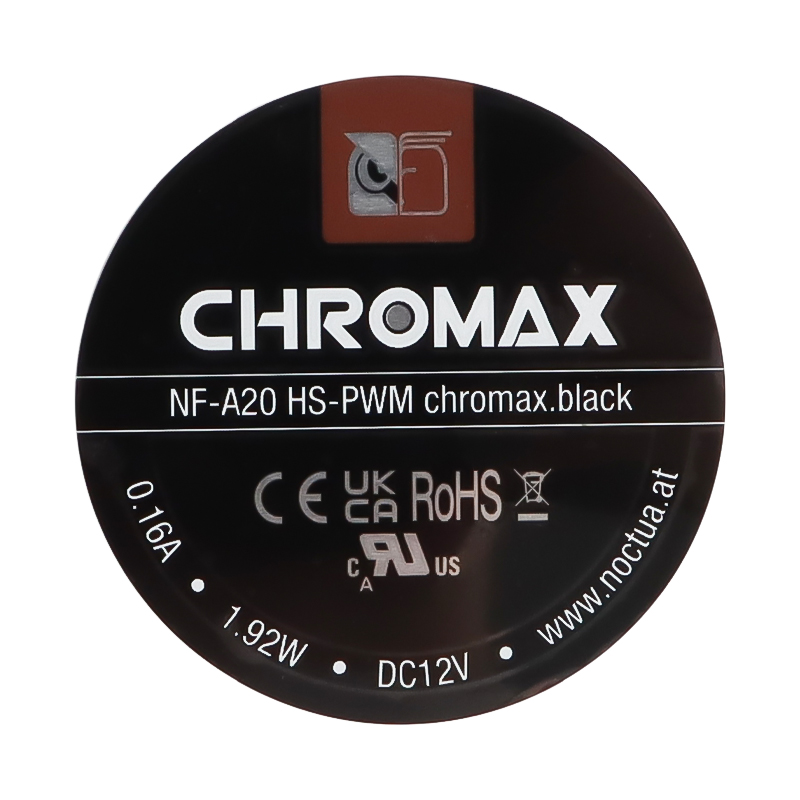
High Quality Customized Logo Stainless Steel Aluminum Metal Crafts Nameplate Round Number Model with Artistic Laser Engraving
Explore Specifications →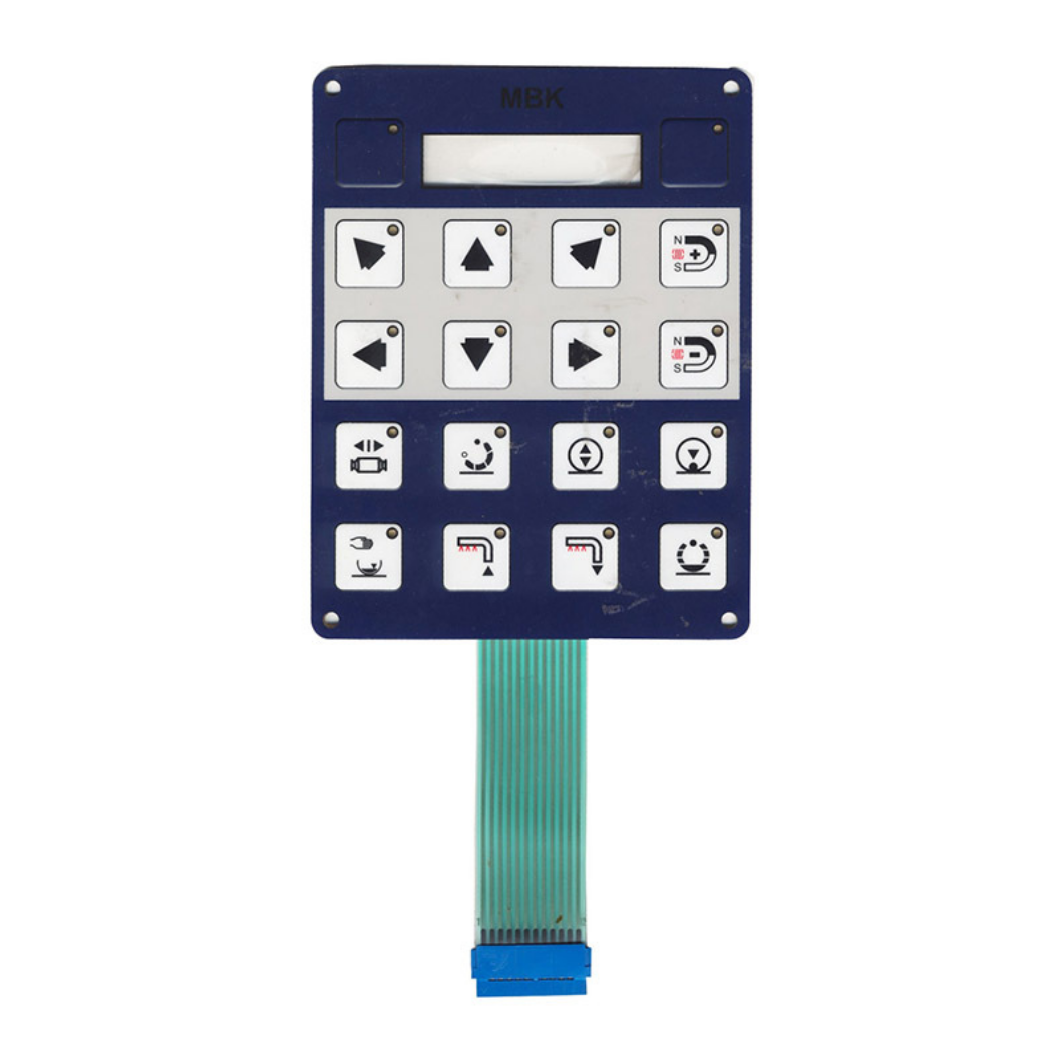
Price 1 Row 4 Key Custom Made One Button Quality Golden Supplier Keyboard Membrane Switch
Explore Specifications →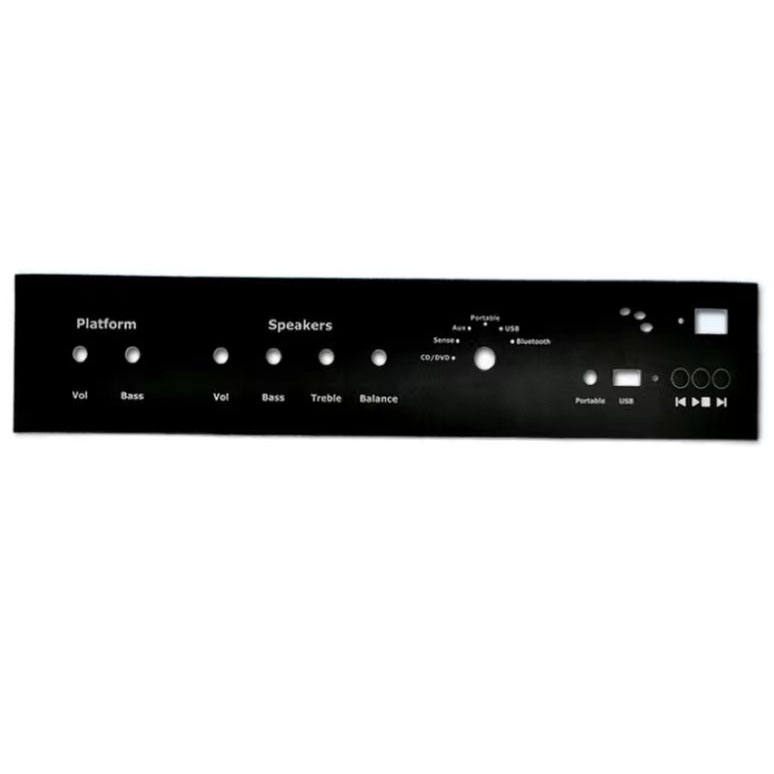
Intelligent Membrane Switch Panel, Washing Machine Touch Panel, Customized Membrane Switch
Explore Specifications →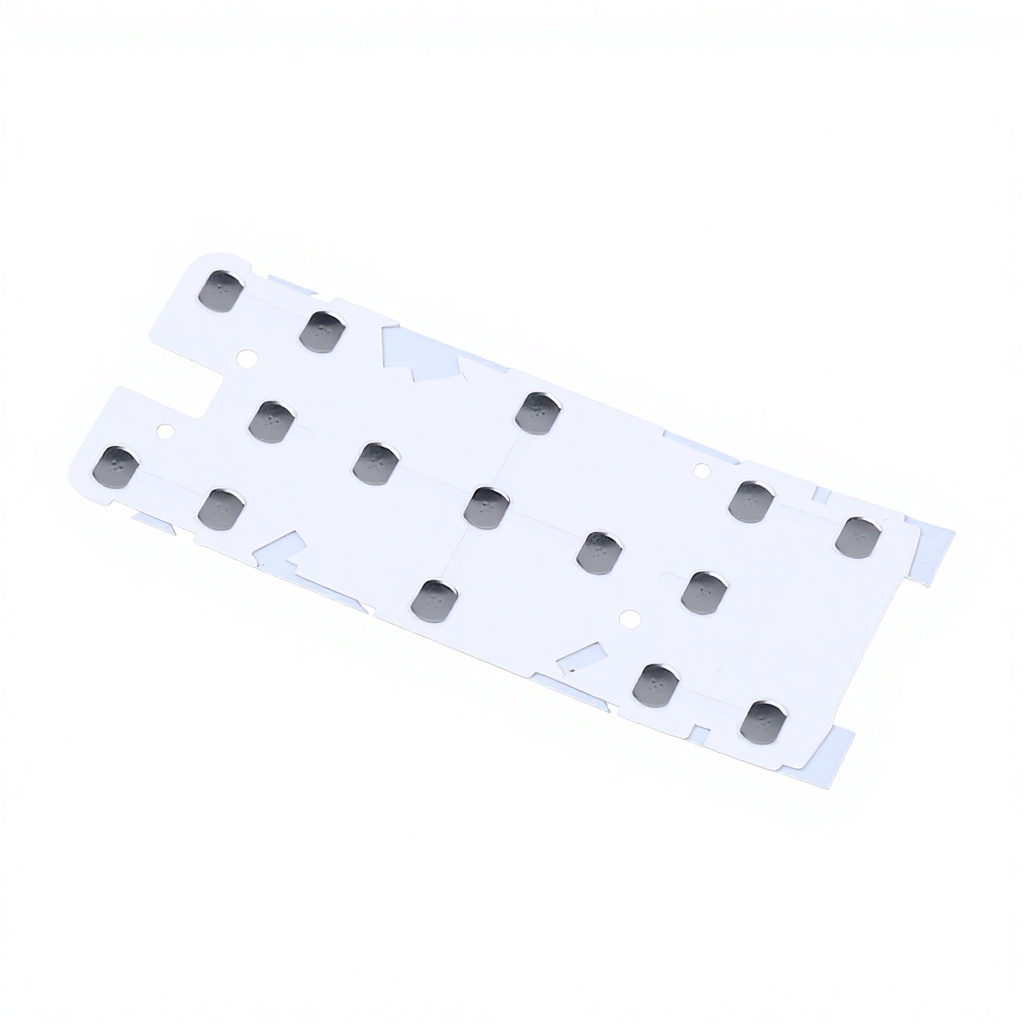
Customized White PET Waterproof Single Layer SUS301 Stainless Steel Dome Array Remote Control Metal Dome Array
Explore Specifications →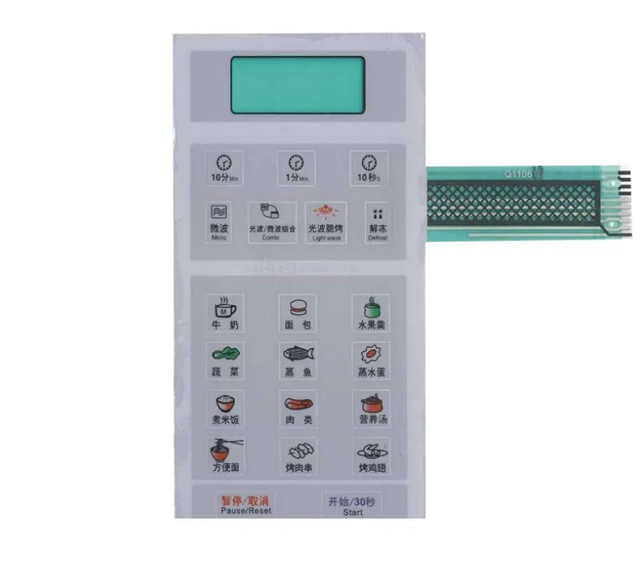
Factory Cheap Price Electronic Membrane Switch Membrane Switch Control Panel
Explore Specifications →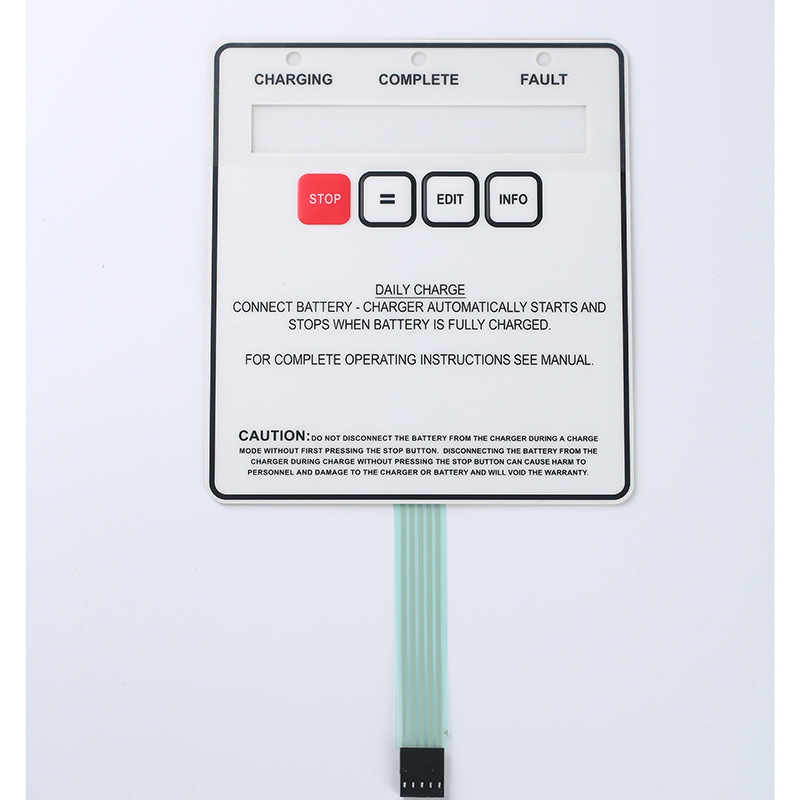
Waterproof and Dustproof Membrane Control Panel in Medical Equipment Medical Membrane Switch
Explore Specifications →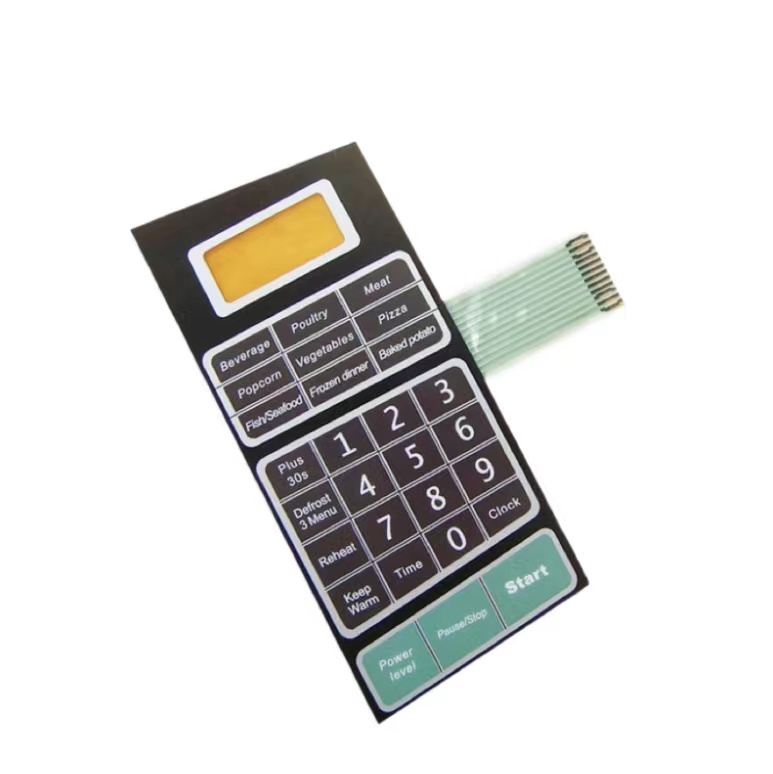
Low Moq Custom Membrane Switch Panel Keypad Control
Explore Specifications →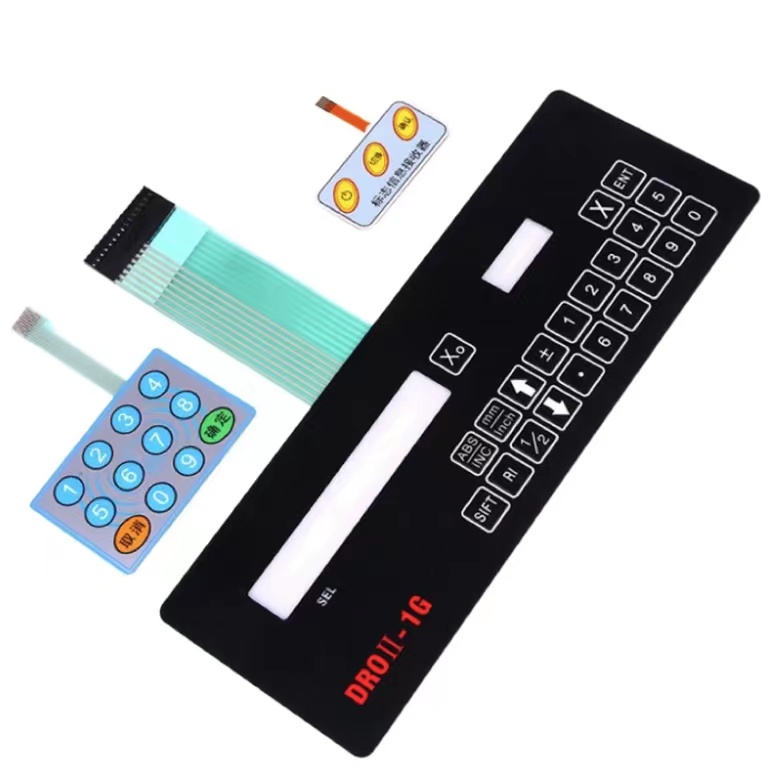
Factory Direct Graphic Overlay Custom Membrane Keyboard Switch Membrane Switch
Explore Specifications →PMMA Touch Surface Architecture: Material Sciences & Layer Integration
A comprehensive teardown of optical performance, dielectric constants, and thermal stability in capacitive switch engineering.
In human-machine interface (HMI) hardware, acrylic (polymethyl methacrylate, PMMA) touch switches occupy an elite tier bridging heavy industrial mechanical keyboards and sensitive consumer touchscreens. Acrylic panels feature high optical transmittance (>92%), chemical inertness, high dielectric strength, and structural rigidity. Designing capacitive touch switches that operate consistently in Calgary's volatile sub-arctic climate demands tight control over substrate physics, thermal dynamics, and circuit isolation.
Substrate Selection: Optical Grade PMMA vs. Polycarbonate
While polycarbonate (PC) is common for flexible graphic overlays, acrylic provides superior surface hardness (up to 4H to 6H with pencil hardness testing post-hardcoating), high UV radiation resistance without yellowing, and optical clarity. In capacitive touch designs, PMMA maintains a stable relative permittivity (εr ≈ 2.8 to 3.4 across a 1 kHz to 1 MHz range), minimizing sensor capacitance drift during ambient temperature shifts.
Thermal Dynamics: Mitigating Cold Brittleness & CTE Mismatches
Calgary’s continental climate subjects field hardware to temperature swings from -40°C in winter to +35°C in peak summer. The coefficient of thermal expansion (CTE) of PMMA (approx. 70 × 10−6 /K) differs from copper-clad FR4 backing or aluminum enclosures. Our engineering incorporates elastomeric structural acrylic adhesives (such as modified 3M 200MP and VHB series) to absorb shear stress without layer delamination or micro-fracturing along printed trace routes.
Dielectric Optimization for Capacitive Sensing Matrices
Capacitance changes occur when a finger introduces ground loading to the touch electrode pads. For thick PMMA plates (1.5mm to 5.0mm) used in rugged vandalism-proof housings, signal-to-noise ratios (SNR) drop. We solve this by screen-printing tuned conductive silver or ITO sensor patterns, matched with custom ground rings and driven-shield layer architectures that cancel out stray capacitive coupling from nearby metal enclosures.
In-House Precision Milling & Chamfering Processes
Laser cutting PMMA can produce micro-fissures from localized thermal stresses, reducing impact tolerance. Cevra deploys multi-axis CNC diamond end-milling for edge chamfering, display window step rebating, and blind mounting cavity preparation. This ensures stress-free interfaces that seal evenly against NEMA 4X / IP67 silicon compression gaskets.
Optical Bonding & Diffusion Integration
Preventing internal condensation and eliminating air gaps requires advanced liquid optically clear resin (LOCA) or optical clear adhesive (OCA) sheet bonding. Combined with thin-film light guides (LGF) or high-efficiency SMD LEDs, our acrylic switch systems provide uniform, glare-free key legends with zero haloing, visible under direct sunlight across open-pit and prairie terrain.
Rigorous Metrology, Load & Environmental Verification
Every assembly is verified using in-house environmental chambers, cycling from -50°C to +85°C, followed by dome trip force verification, peel shear tension tests, and automated CCD camera visual inspections. Traces run on flexible printed circuits (FPC) or stabilized PET conductive silver ink matrices to guarantee long-term connection integrity under vibration.
Interface Selection Matrix for Industrial Hardware
Review physical characteristics and environmental trade-offs between acrylic capacitive systems, mechanical switches, and flexible membrane overlays.
| Performance Vector | Acrylic Capacitive Switch (PMMA) | Standard PET Membrane Keypad | Vandal-Resistant Metal Push Buttons |
|---|---|---|---|
| Surface Sealing Rating | IP67 to IP69K (Hermetically solid front) | IP65 to IP67 (Edge gasket dependent) | IP65 to IP67 (Requires O-ring seals) |
| Operating Temperature | -40°C to +85°C (Tuned sensor array) | -20°C to +65°C (PET matrix limits) | -40°C to +85°C (Prone to ice-jamming) |
| Mechanical Lifespan | Solid-state (Zero moving parts, >10M touches) | 1,000,000 to 3,000,000 tactile snaps | 50,000 to 250,000 cycles |
| Chemical & Fuel Tolerance | Exceptional resistance to salts, oils & weak acids | High chemical flex resistance | Prone to salt pitting unless 316-grade |
| Illumination Options | Edge-lit, dead-front capacitive, custom RGB | Discrete SMD LEDs or Light Guide Film | Single ring or central dot LED |
Calgary Industrial Ecosystem & Sub-Zero Operating Scenarios
How high-performance acrylic touch assemblies support Alberta's energy, agricultural, and industrial tech sectors.
Energy Processing & Wellhead Automation
From the Bow River basin to remote gathering lines, oilfield telemetry requires intrinsically safe panels that withstand severe weather. Solid acrylic switches provide sealed, zero-sparking solid-state interfaces that prevent hydrocarbons and salt moisture from penetrating control enclosures.
Smart Agri-Tech & Prairie Field Equipment
Agricultural machinery manufacturers around Southern Alberta encounter extreme airborne dust, peat particulates, and thermal shocks during harvest. Seamless capacitive PMMA panels eliminate ingress seams, allowing regular high-pressure washdowns without moisture damage.
Mining Automation & Heavy Fleet Dispatch
In bulk resource transit, fleet management touch terminals require thick, scratch-resistant acrylic lenses (3mm to 4mm) that survive heavy vibrations and allow gloved hand inputs through tuned dielectric sensitivity settings.
Calgary & Western Canadian Market Trends
Calgary is rapidly transforming from a conventional resource hub into a center for industrial IoT, telemetry, and automated clean-tech systems. This technological shift is driving three clear interface procurement patterns:
- Glove-Compatible Touch Tuning: Field operators in -35°C conditions cannot remove heavy insulated work gloves. Modern PMMA switches require custom firmware and sensor layout calibration to register touch events reliably through thick dielectric barriers.
- Dead-Front Display Windows: Interface panels increasingly use opaque dead-front screen printing that reveals warning symbols and controls only when backlit, improving safety and clarity on night-shift industrial terminals.
- Rapid Prototyping to Low-Volume Scalability: Western Canadian engineering firms frequently require low-MOQ pre-production runs (10 to 100 units) to complete field testing before scaling up to annual production runs.
Calgary OEM & Industrial Buyer FAQ
Answers to critical questions on prototyping lead times, cold-weather testing, and direct factory procurement.
How do capacitive acrylic touch switches perform under Calgary's -40°C winter conditions?
Can acrylic capacitive switches register touches from operators wearing heavy work gloves?
What surface hardness can be achieved on PMMA to prevent scratching in abrasive field settings?
What design documentation is required to generate a manufacturing proof and quotation?
What are the typical prototyping lead times and MOQs for Western Canadian accounts?
Why Calgary Engineers Partner Directly with Cevra
Eliminate broker markups and communications lag by collaborating straight with our engineering and manufacturing floor.
Single-Facility Production Flow
Established in 2009 in Dongguan, our 2,600㎡ facility handles every phase under one roof: screen printing, multi-axis CNC profiling, laser cutting, CCD auto-alignment drilling, automatic layer lamination, and automated assembly lines.
Third-Party Audited Factory Rigor
We operate an ISO 9001 certified quality management system, backed by on-site factory verification audits from SGS Group. Comprehensive documentation, batch traceability, and full material certificates accompany every delivery.
Engineer-to-Engineer DFM Guidance
Speak directly with technical personnel, not sales agents. Our team conducts Design for Manufacturability (DFM) reviews within 24 hours, helping optimize dielectric stack-ups, lighting diffusers, and connector choices before cutting metal.
Accelerate Your Touch Panel Development for Calgary Hardware
Whether you are updating legacy membrane keyboards on heavy machinery or engineering a new capacitive interface for field telemetry, our design team is ready to review your mechanical files and build custom validation samples.