High-Reliability Membrane Switches & Stainless Dome Assemblies
Explore our core export-grade products manufactured to strict ISO 9001 standards with full CAD/DFM support, tailored for Adelaide OEMs and South Australian system integrators.
Engineering Acrylic (PMMA) Membrane Switches for Demanding Industrial Environments
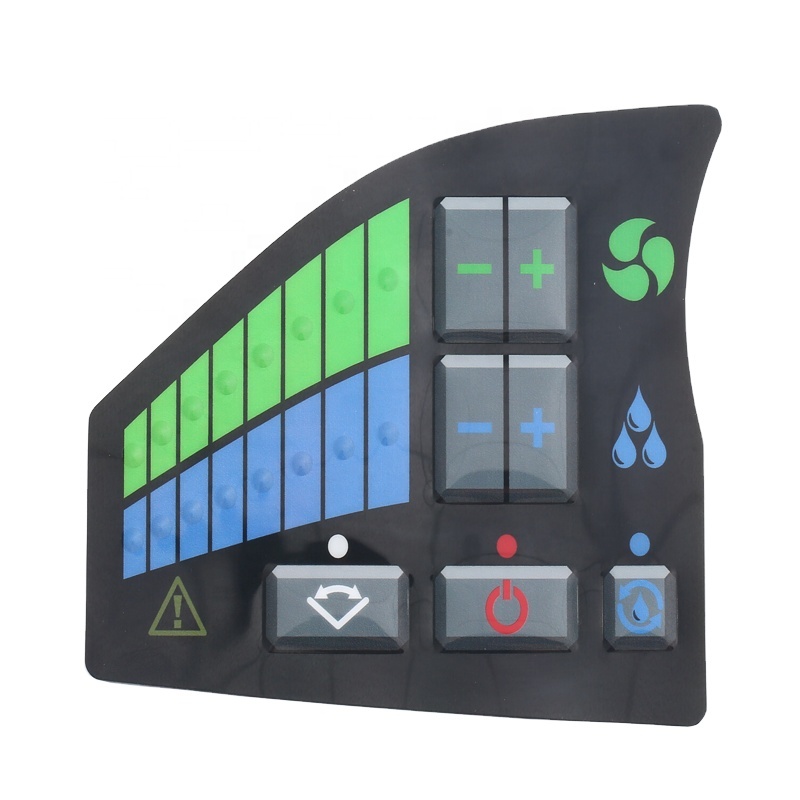
In modern industrial electronics, human-machine interface (HMI) modules are subjected to increasingly rigorous environmental, aesthetic, and mechanical demands. Original Equipment Manufacturers (OEMs), systems integrators, and electronic contract manufacturers across Adelaide and South Australia are consistently replacing conventional polyester (PET) and polycarbonate (PC) graphic layers with optical-grade polymethyl methacrylate (PMMA / Acrylic) membrane switch assemblies.
An acrylic membrane switch blends the rugged tactile reliability of multi-layer film electronics with the structural rigidity, superior optical clarity (92% visible light transmittance), and scratch resistance typically associated with high-end glass touchscreens. Cevra (Dongguan Cevra Electronic Technology Co., Ltd.) has engineered custom acrylic HMI solutions since 2009, offering Adelaide hardware engineers an uncompromised balance of physical durability, aesthetic gloss or anti-glare finishes, and precision sub-surface reverse screen printing.
Material Science: Acrylic (PMMA) vs Polycarbonate (PC) vs Polyester (PET)
Selecting the optimal front panel substrate is decisive for long-term field survivability. The following comparative matrix outlines mechanical, thermal, optical, and chemical performance metrics evaluated under standard ASTM laboratory procedures:
| Performance Metric | Cast/Extruded PMMA (Acrylic) | Polycarbonate (PC - Lexan) | Polyester (PET - Autotex/Melinex) |
|---|---|---|---|
| Optical Light Transmission | 92% - 93% (Crystal Clear) | 86% - 89% (Slight tint) | 85% - 88% (Hazy in thicker grades) |
| Surface Hardness (Pencil Test) | 3H to 5H (Uncoated), up to 7H Hardcoated | HB to 1H (Requires hardcoat to resist scratches) | 2H to 3H |
| UV Degradation & Sunlight Yellowing | Exceptional resistance (>10 years outdoor rating) | Moderate; prone to yellowing without UV stabilizer | High resistance with anti-UV surface formulations |
| Flexural Fatigue (Key Switch Embossing) | Rigid substrate; used with metal dome arrays/capacitive | Moderate flex life (approx. 100,000 cycles) | Industry benchmark (>5,000,000 tactile flex cycles) |
| Chemical & Cleaning Solvent Resistance | High against alcohols, sanitizers, and dilute acids | Sensitive to acetone, harsh solvents, and esters | Excellent against commercial industrial chemicals |
| Aesthetic Depth & Dead-Front Effects | Deep piano black, seamless display windows | Standard graphic panel appearance | Thin-film appearance; flexible membrane feel |
Multi-Layer Architecture of an Industrial Acrylic Membrane Switch
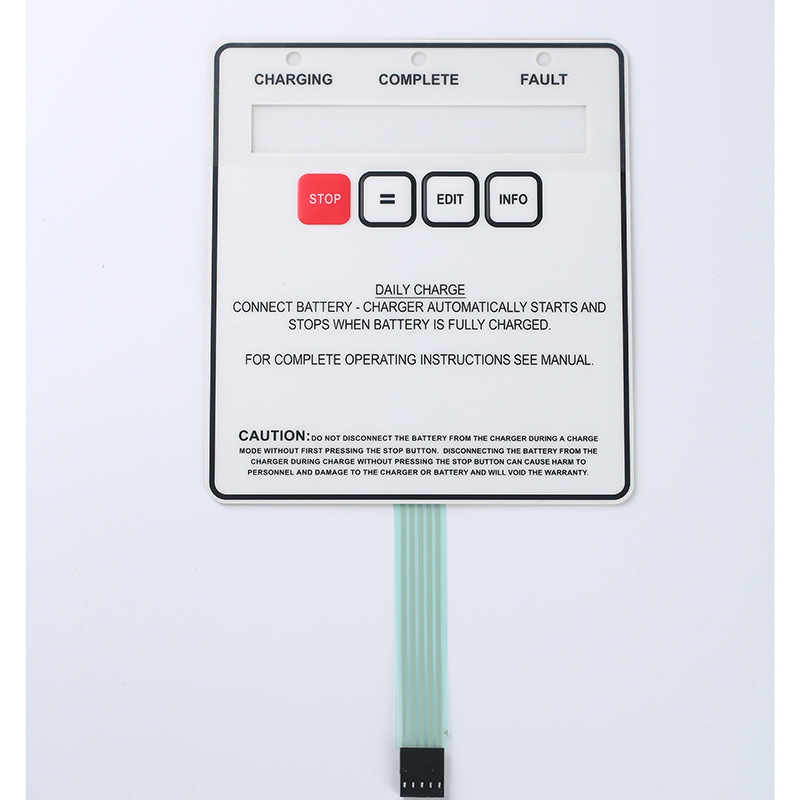
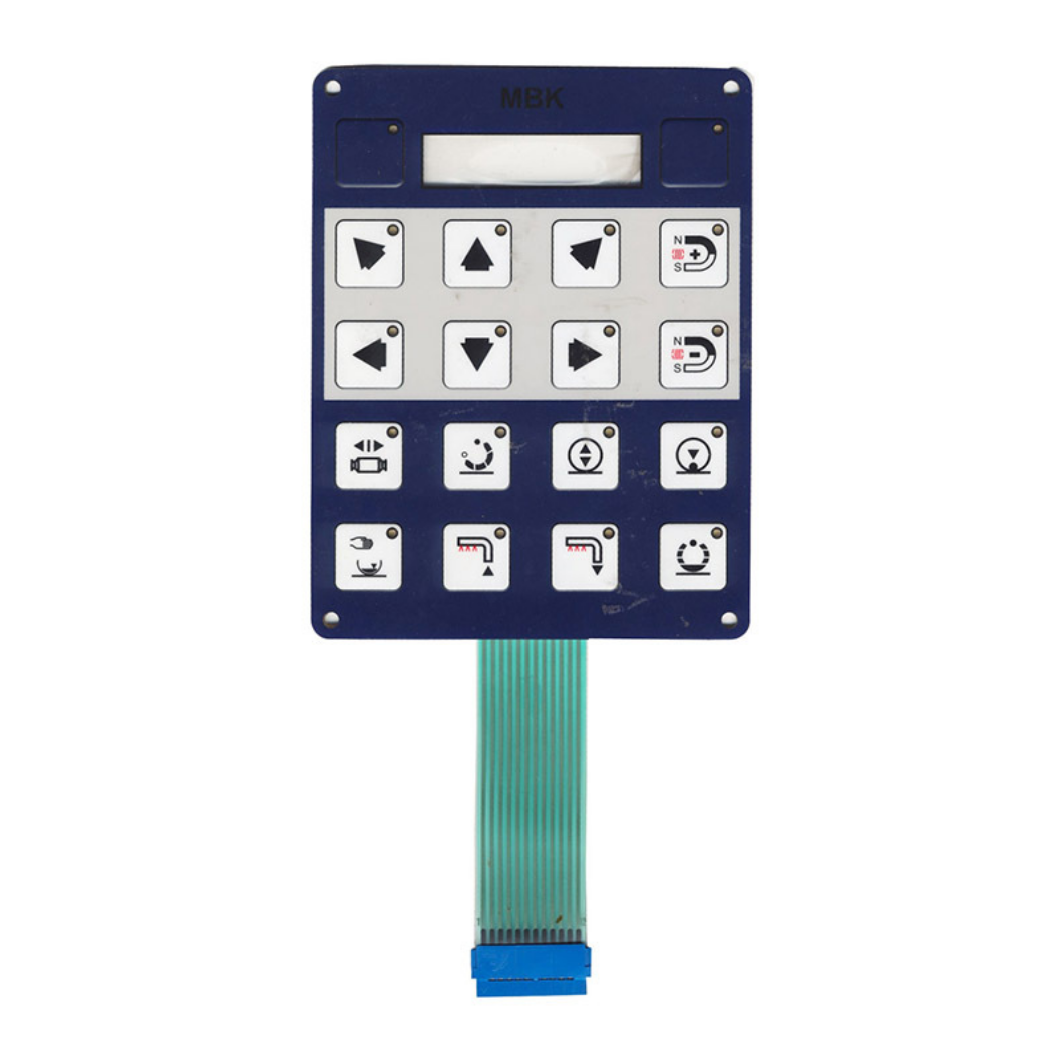
A high-performance acrylic membrane switch is not simply a decorative faceplate; it is an integrated electro-mechanical assembly configured across several micron-calibrated layers. Each layer is engineered to withstand moisture ingress, mechanical shear, and electromagnetic interference (EMI).
1. PMMA Rigid Overlay
0.8mm–3.0mm optical grade acrylic with sub-surface screen printing. Reverse printing preserves graphics permanently against friction, harsh sanitizers, and mineral abrasive dust.
2. Waterproof Adhesive Gaskets
Utilizing high-cohesion 3M 467MP / 468MP, 3M 300LSE for low surface energy plastics, or VHB closed-cell foam tapes ensuring IP65, IP67, or NEMA 4X hermetic perimeter seals.
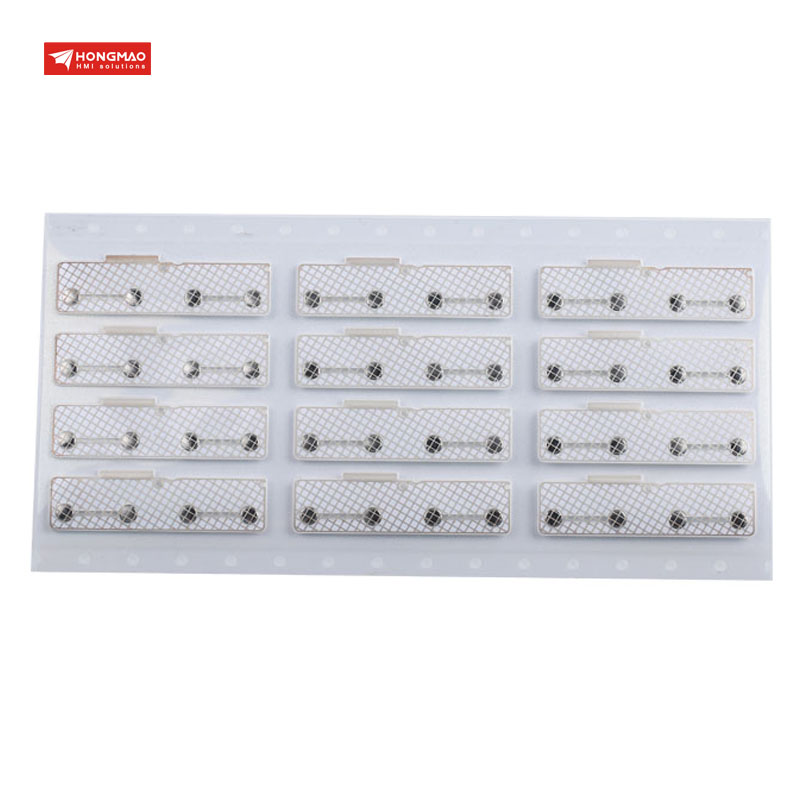
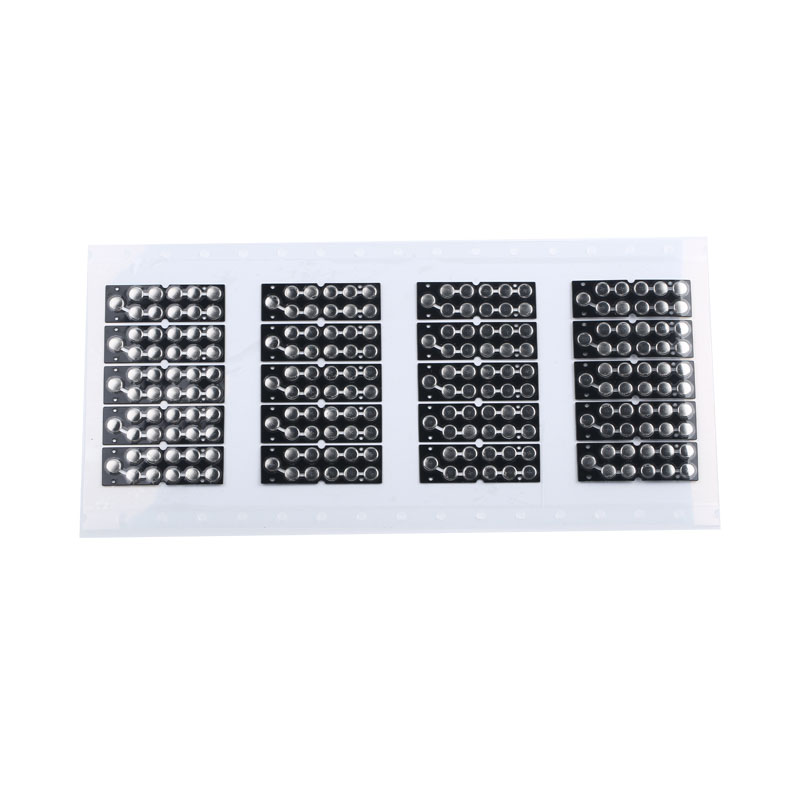
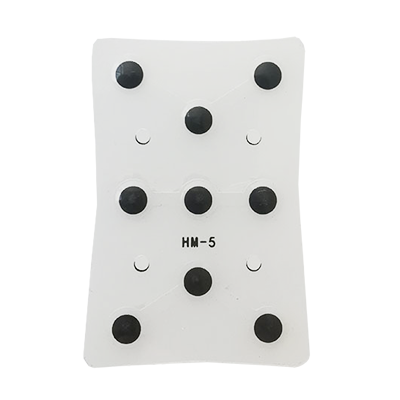
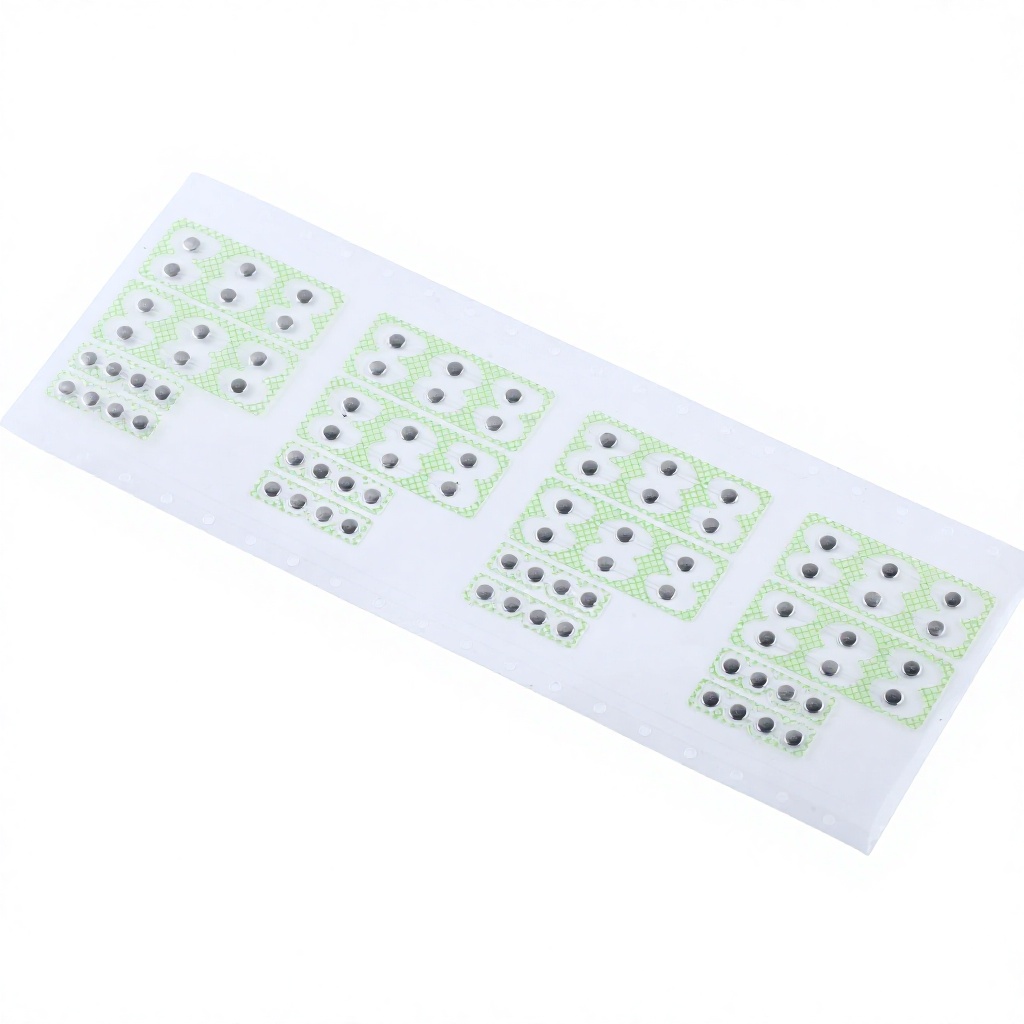
3. SUS301 Tactile Dome Array
Japanese SUS301 stainless steel domes (four-leg, round, or triangle) nickel or gold-plated for ultra-low contact resistance (<100 mΩ) and positive snap feedback over 1M clicks.
4. EMI / ESD Shielding Plane
Continuous printed conductive silver grid, solid copper mesh, or aluminum foil ground layers diverting electrostatic discharges up to 15kV away from sensitive host MCUs.
5. Conductive Circuit Layer
Screen-printed conductive silver ink on heat-stabilized DuPont Teijin PET film or micro-etched flexible printed circuits (FPC) with polyimide stiffeners and FCI/Nicomatic connectors.
6. Integrated Backlighting (LGF/LED)
Ultra-thin Light Guide Film (LGF) diffusing side-firing SMD LEDs evenly beneath key legends and status indicators with zero heat emission and minimal power consumption.
Localized Applications Across Adelaide & South Australian Industry Sectors
Adelaide has transformed into Australia's focal hub for high-technology defence engineering, space innovations, medical biomedical research, and advanced mineral processing. Cevra manufactures and exports custom acrylic membrane panels and metal dome arrays engineered specifically to satisfy South Australian operating parameters:
Osborne Naval & Aerospace HMIs
Adelaide's premier naval shipbuilding precinct at Osborne demands ruggedized, IP67 sealed, MIL-STD-compliant control consoles. Acrylic membrane switches withstand marine saline corrosion, oil mist, and severe mechanical vibration, providing night-vision goggle (NVG) compliant backlighting and EMI/RFI shielding.
Tonsley & BioMed City Diagnostics
From laboratory centrifuges to clinical monitoring terminals built in Adelaide BioMed City and the Tonsley Innovation District, our seamless acrylic panels provide wipe-clean surfaces resistant to hospital-grade disinfectants (isopropanol, sodium hypochlorite) without micro-porous bacterial traps.
Olympic Dam & Upper Spencer Gulf
Heavy mining machinery, copper smelters, and remote monitoring cabins across regional South Australia endure extreme temperatures (-10°C to +55°C) and pervasive abrasive silica dust. Acrylic interfaces eliminate mechanical button jamming while delivering positive tactile feedback through work gloves.
Barossa & McLaren Vale Automation
South Australia’s globally acclaimed wine bottling, fermentation, and irrigation automation facilities require washdown-safe, chemical-resistant operator panels. Our IP66/IP68 acrylic membrane switches repel grape must, caustic wash solutions, and high-pressure hot water jets.
Grid Battery & Solar Inverters
With South Australia leading global renewable energy transition, outdoor solar power conditioners and utility battery storage facilities require UV-stabilized, non-yellowing HMI panels that maintain legibility and touch responsiveness over decade-long lifespans under direct Australian sun.
Connected City Terminals
Adelaide municipal infrastructure, parking kiosks, and automated ticketing kiosks utilize our dead-front acrylic switches with integrated capacitive touch arrays, vandal-resistant front faces, and high-contrast LED backlighting for clear 24/7 visibility.
Adelaide HMI Procurement Trends & Sourcing Intelligence
In analyzing recent technical RFQs and procurement patterns from South Australian product development consultancies (located across Adelaide CBD, Wingfield, Edinburgh Parks, and Lonsdale), several clear technological shifts are reshaping HMI switch procurement:
Hybrid Tactile-Capacitive Panels
Engineers are combining high-gloss acrylic capacitive touch surfaces for routine navigation with dedicated tactile SUS301 snap domes for safety-critical functions (Emergency Stop, Reset, Confirm).
Dead-Front Vanishing Graphics
Adelaide industrial designers increasingly specify translucent black inks that remain completely opaque until illuminated by embedded LEDs, creating a minimalist, seamless black glass aesthetic.
Direct Cleanroom Turnkey Sourcing
To mitigate domestic component supply chain delays, Adelaide OEMs are skipping intermediate local brokerages, partnering directly with ISO 9001 certified manufacturers like Cevra in Dongguan for rapid prototyping and DFM feedback.
Why Adelaide OEMs Rely on Cevra Manufacturing
Founded in March 2009 in Dongguan, China—the epicenter of precision electronics fabrication—Dongguan Cevra Electronic Technology Co., Ltd. operates a dedicated 2,600m² manufacturing facility audited onsite by SGS Group. We bridge the gap between custom prototyping and high-volume export delivery.
ISO 9001:2015 System
Every lot undergoes stringent incoming raw material QA, in-process CCD visual checks, and 100% post-lamination electrical testing.
SGS Group Verified
Onsite factory verification confirmed by SGS Group, validating actual cleanroom facilities, machinery, staff count, and production capacity.
Fully In-House Process
Laser profiling, automated screen printing, CCD alignment punching, high-speed dome positioning, and automatic laminating all under one roof.
Fast Australia Freight
Direct air courier (DHL/FedEx/TNT) to Adelaide Airport (ADL) within 3-5 business days; sea shipping through Port Adelaide for container shipments.
Adelaide Procurement & Engineering FAQ
Common questions asked by Australian purchasing managers, design consultants, and electronic engineers when specifying acrylic membrane switches and metal dome arrays.
What CAD formats are required to begin tooling and prototyping?
We accept DXF, DWG, STEP, and IGES for mechanical dimensions, cutouts, and thickness specs, alongside vector Adobe Illustrator (AI), PDF, or CorelDraw files for graphic legends, Pantone PMS / RAL color matching, and dead-front window zones.
Can acrylic membrane switches achieve IP67 ratings for outdoor Adelaide use?
Yes. By pairing optical-grade PMMA panels with continuous closed-loop 3M 300LSE acrylic adhesives or die-cut silicone/poron gaskets, our assemblies form a hermetic moisture seal that prevents rain, washdown, and airborne dust ingress.
How do you prevent metal dome contact bounce and oxidation?
We source authentic SUS301 stainless steel domes with optional 24K gold or nickel electroplating. Domes are enclosed in individual sealed cavities to prevent airborne oxidation, ensuring contact bounce under 5ms and contact resistance below 100mΩ.
What are the standard Minimum Order Quantities (MOQ) and lead times?
For custom engineering prototypes, our MOQ starts as low as 10 to 50 pieces. Production tooling and first-article approval samples take 7–10 working days, with mass volume batch production completed in 12–18 business days.
Do your membrane switch assemblies comply with RoHS and REACH?
All materials—including acrylic substrates, conductive silver and carbon pastes, DuPont polyester films, adhesives, and plating chemistries—are fully compliant with EU RoHS 3 (Directive 2015/863) and REACH SVHC regulations, supported by full laboratory test reports.
How do you handle shipping, customs clearance, and Australian GST?
We supply DDP (Delivered Duty Paid), DAP, or standard FOB/CIF terms. Air shipments to Adelaide Airport clear Australian Border Force within 24–48 hours, packed with anti-static shielding and reinforced export crating to eliminate transit stress.