Standard & Custom HMI Architecture
Explore our core membrane switches, metal dome arrays, and graphic overlay assemblies ready for bespoke integration into Vanuatu's municipal, agricultural, and marine deployments.
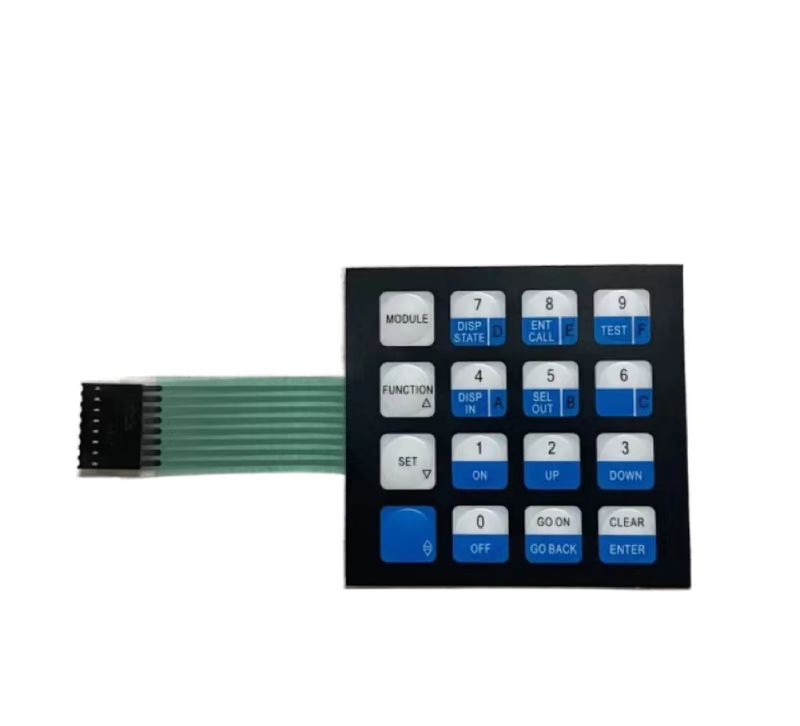
Custom Diy 4x4 Tactile Dome Flexible Membrane Switch Graphic Overlay Membrane Keypad
- 4x4 Matrix Layout with 16 Tactile Keys
- SUS301 High-Snap Click Feedback
- Moisture-Resistant PET Layering
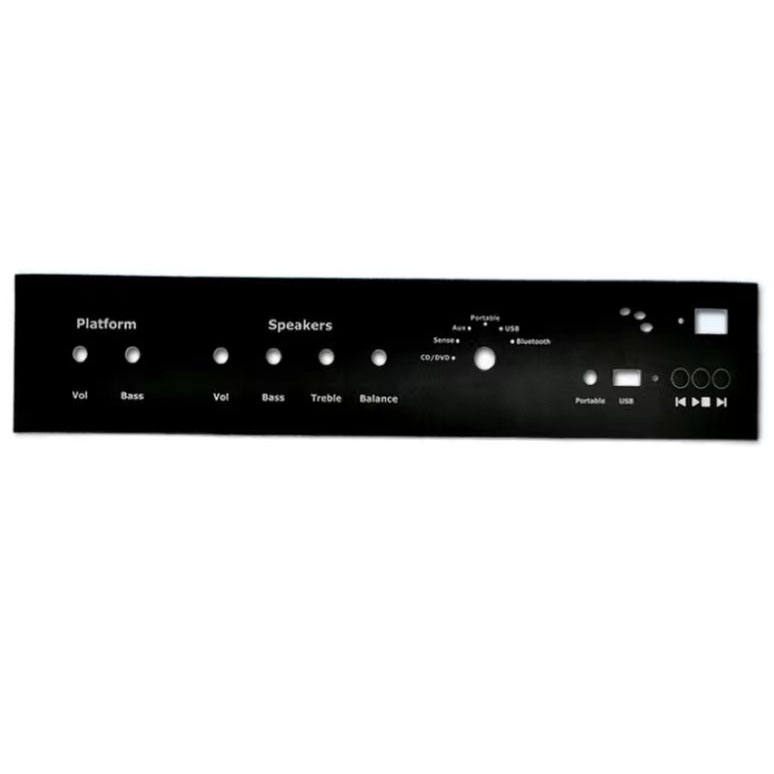
Intelligent Membrane Switch Panel, Washing Machine Touch Panel, Customized Membrane Switch
- IP67 Waterproof Hermetic Gasket Seal
- Detergent & Alkaline Chemical Barrier
- Smooth Capacitive or Tactile Overlay
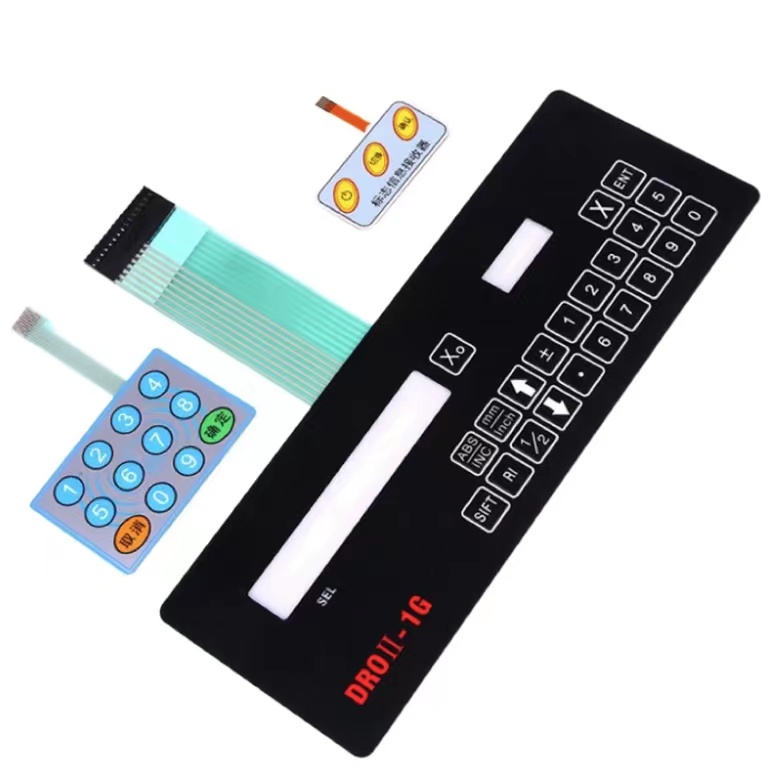
Factory Direct Graphic Overlay Custom Membrane Keyboard Switch Membrane Switch
- Precision Sub-Surface Multi-Color Silkscreen
- Textured Anti-Glare Architectural Surface
- 3M 467MP/468MP High-Bond Adhesive
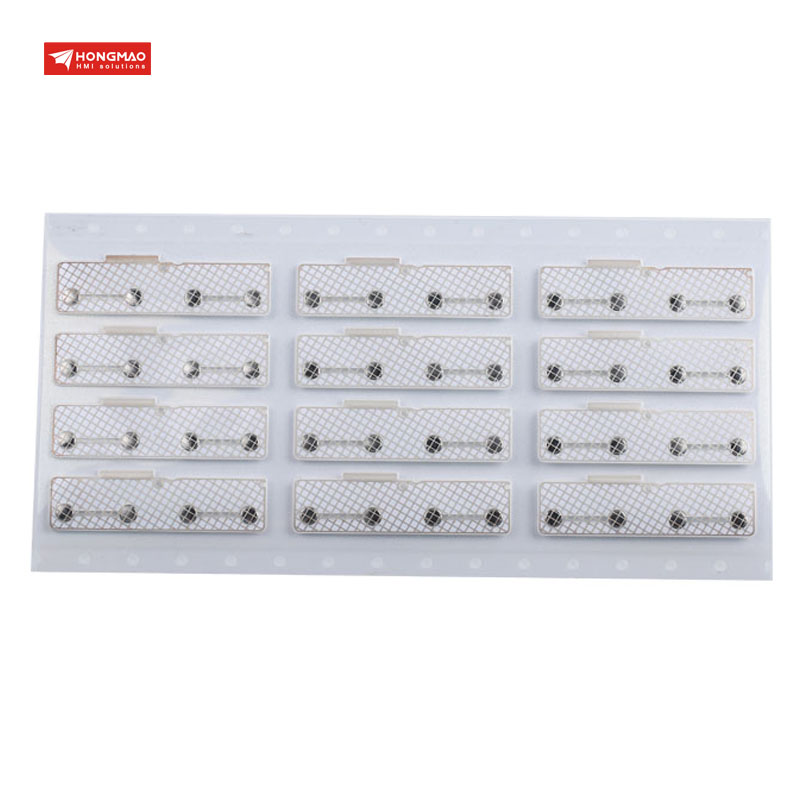
Double-sided SUS301 Stainless Steel Dome Array EMI Metal Dome Array
- Built-in EMI/RFI Shielding Layer
- Gold/Nickel Plated Stainless Steel Domes
- Rapid Assembly Carrier Tape Integration
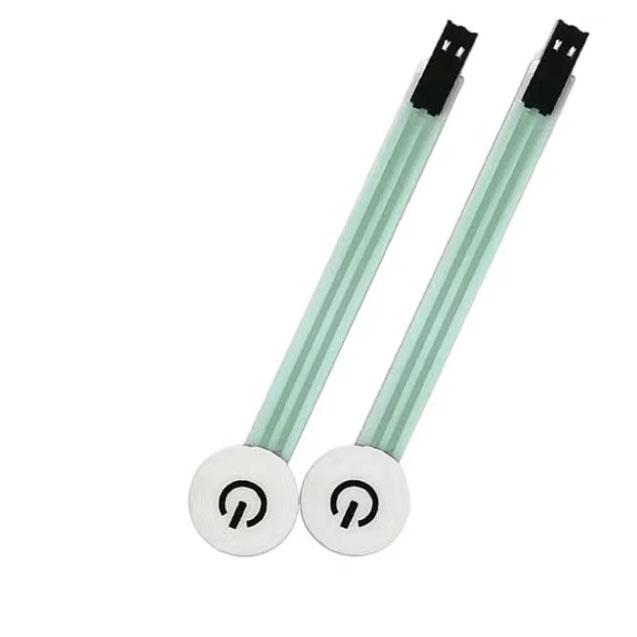
High Quality Single Button Small Membrane Switch
- Ultra-Compact Footprint for Small Devices
- 1,000,000+ Actuation Life Cycle
- Ideal for Industrial Reset & Ignition Triggers
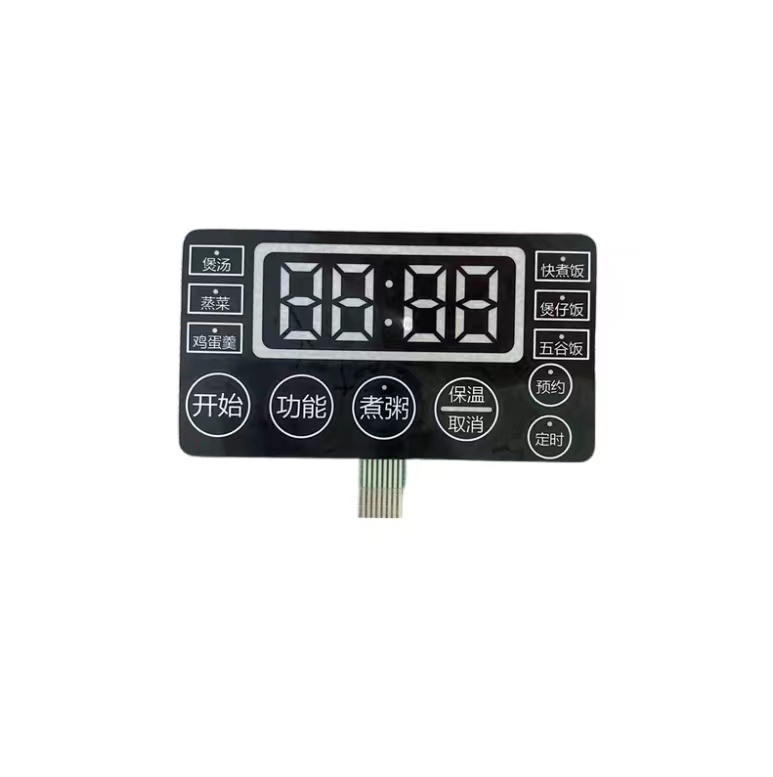
Hot Sale Factory Direct Membrane Switch Black Panel Control PC Membrane Switch Panel
- High-Contrast Matte Black Aesthetic
- Scratch-Resistant Hardcoated Front Film
- Integrated Transparent Display Windows
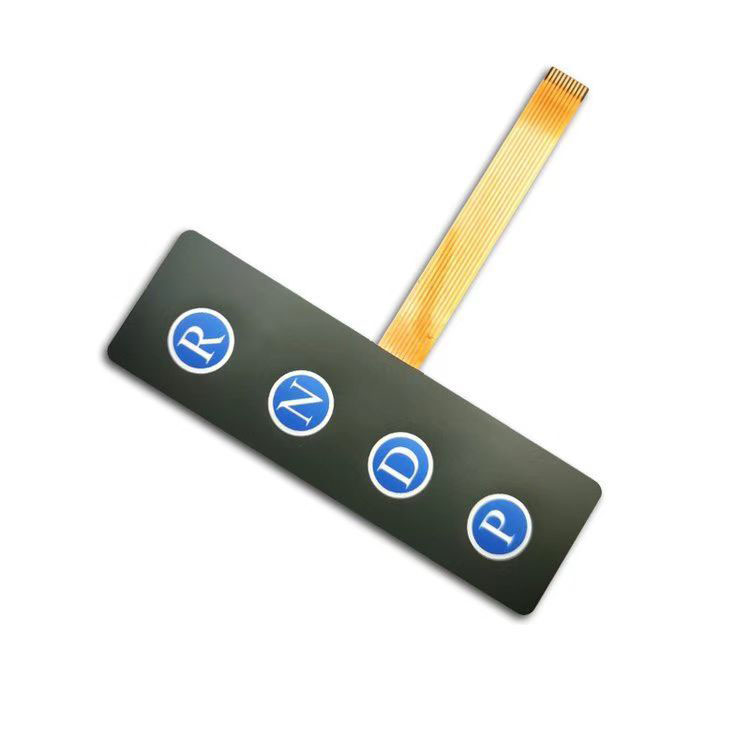
Embossing Diy Backlit 3 4 5 Button Touch Controller Membrane Switch Keypad Repair
- Integrated SMT LED Backlighting
- Perimeter/Pillow Embossed Tactile Rim
- Uniform Light Diffusion Technology
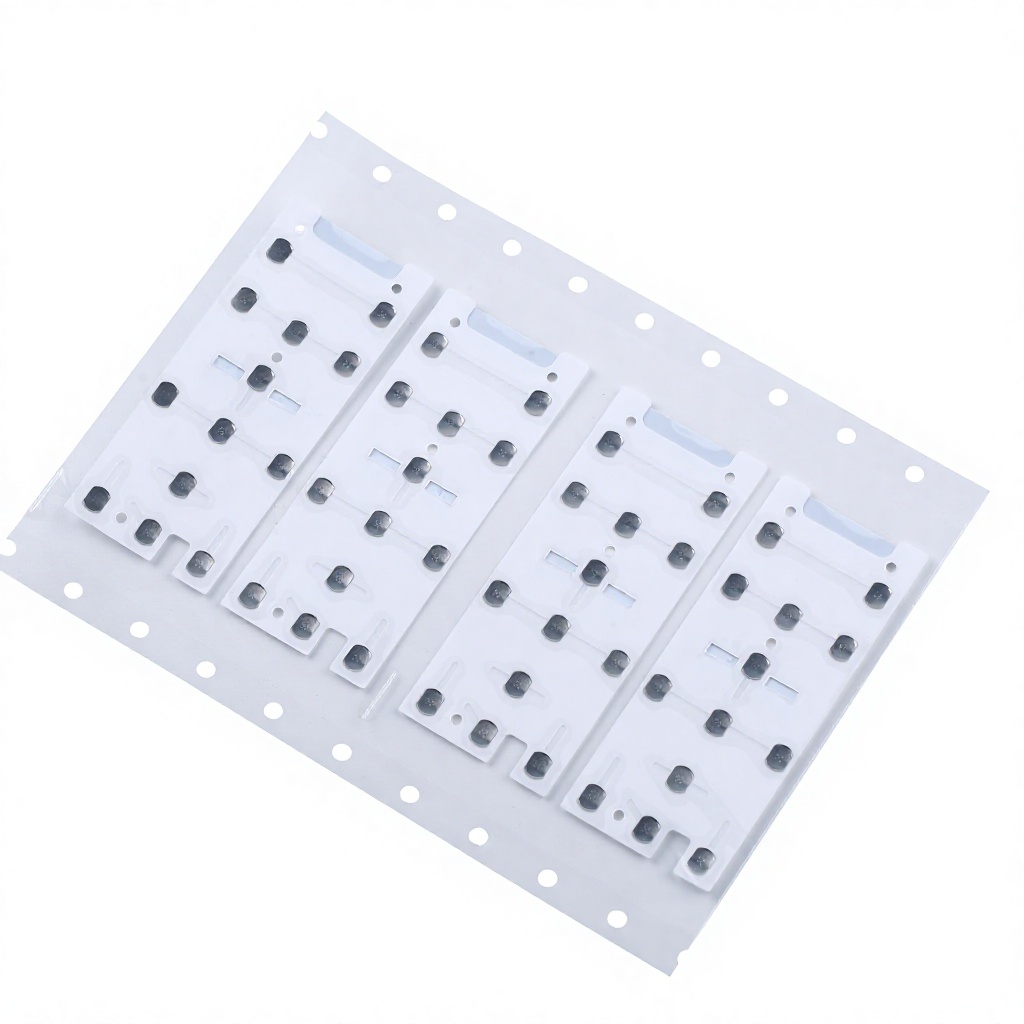
Double-sided Tape Single Layer SUS301 Stainless Steel Dome Array Remote Control Metal Dome Array
- Single-Layer Direct-to-PCB Adhesion
- Air Vent Channeling to Eliminate Float
- Custom Actuation Forces (180g - 450g)
Material Science: Why Polymethyl Methacrylate (PMMA) Leads Island Deployments
In equatorial maritime environments such as Vanuatu—stretching across the New Hebrides archipelago from Efate to Espiritu Santo—standard Human-Machine Interfaces (HMIs) face severe operational stress. The combination of intense ultraviolet (UV) index exposure (often reaching 11+ daily), relative humidity averaging between 75% and 92%, and omnipresent airborne sodium chloride creates rapid photo-oxidative degradation and electrolytic trace migration in standard polyester (PET) or unhardened polycarbonate (PC) keypads.
As premier acrylic membrane switch manufacturers, Dongguan Cevra Electronic Technology Co., Ltd. resolves these failure points by deploying structural PMMA (Acrylic) front overlay panels. Acrylic exhibits an optical transmission value of approximately 92%—superior to glass—while fundamentally eliminating the yellowing, hazing, and embrittlement that plague standard polymers under South Pacific tropical insolation.
By engineering acrylic sheets with thicknesses ranging from 0.8mm up to 3.0mm, Cevra crafts an exceptionally rigid, impact-resistant external barrier (rated up to IK08 mechanical impact). This barrier is combined with sub-surface secondary printing, isolating conductive silver inks and copper traces from ambient oceanic moisture and ambient sulfurous volcanic gases found on islands like Tanna and Ambrym.
Engineering Fact: Cevra's acrylic membrane switch architectures employ advanced Optical Clear Adhesives (OCA) and modified acrylic 3M 300LSE/468MP laminates. This guarantees a peel strength retention >18 N/25mm after 1,000 hours of continuous accelerated weathering tests (85°C at 85% RH), preventing the micro-delamination and internal moisture bubbling typically observed in Pacific tropical electronics.
Furthermore, acrylic membrane switches offer significant ergonomic and acoustic dampening benefits. When bonded over tactile SUS301 stainless steel domes or custom capacitive sensor films, the PMMA surface distributes actuation force smoothly across the switch cavity. This delivers a crisp tactile snap, clear audible confirmation, and zero mechanical sticking, even when operated by technicians wearing heavy agricultural or maritime protective gloves.
| Material Engineering Criterion | PMMA (Acrylic) Membrane Panels | Polycarbonate (PC) Overlays | Polyester (PET) Film Keypads |
|---|---|---|---|
| Optical Light Transmission | 92% – Crystal clear, optical clarity similar to glass | 86% - 89% – Slight internal light scattering | 82% - 88% – Translucent, hazy in thicker grades |
| UV Degradation & Sunlight Stability | Exceptional – Inherently UV stable; no yellowing >10 yrs | Poor to Moderate – Yellows rapidly without UV inhibitors | Moderate – High mechanical flex life, mild UV yellowing |
| Surface Hardness (Pencil Hardness) | 3H to 5H (Uncoated); up to 9H with ceramic hardcoat | 1B to 1H – Susceptible to micro-scratching | 2H to 3H – High tensile toughness, moderate scratch |
| Structural Rigidity / Self-Support | High (0.8mm - 3.0mm) – Eliminates need for sub-panels | Low to Medium – Requires rigid support chassis | Very Low (0.125mm - 0.25mm) – Fully flexible foil |
| Chemical & Salt Spray Resistance | Excellent resistance to saline fog, alcohol, detergents | Moderate; stress-cracks under aliphatic hydrocarbons | Exceptional chemical barrier against strong acids/fuels |
| Actuation Mechanical Modulus | Capacitive touch or rigid plunger over metal domes | Tactile embossed domes with high elasticity | Industry standard for high-cycle (>5M) flex keys |
Multi-Layer Micro-Engineering Stack-Up
A precision acrylic membrane switch manufactured by Cevra is not a monolithic plastic plate; it is a multi-tier micro-electronic assembly engineered to micrometer tolerances. The stack-up utilizes hermetic perimeter venting, internal pressure-equalization pathways, and chemically inert dielectric separators designed to prevent capillary water ingress:
1. Graphic & Display Layer: Optical-grade Cast or Extruded PMMA panel featuring reverse-side screen printing using UV-curable, non-conductive inks. Display windows are treated with anti-glare (AG) or anti-reflective (AR) surface finishes to ensure readability under the blazing daylight of Port Vila harbor.
2. Optically Clear Adhesive (OCA): Hydrophobic, high-shear acrylic adhesive layer bonding the rigid front fascia to underlying circuitry without refractive distortion or edge haze.
3. Circuit Spacer & Gasket: High-density polyester (PET) or polyimide die-cut spacer with precision channels that permit internal air movement between keys while completely sealing the switch cavity against external ocean spray (compliant with IP65, IP67, or IP68 standards).
4. Tactile Actuator Layer: Precision-formed four-leg, round, or triangular SUS301 stainless steel domes with nickel or gold plating. Each dome is calibrated for specific actuation forces (typically 280g to 350g) to prevent accidental actuation caused by heavy sea spray or vessel mechanical vibration.
5. Lower Circuit Substrate: High-conductive silver-printed PET traces or rolled annealed copper Flexible Printed Circuits (FPC) with carbon-overcoat protection to eliminate silver migration in warm, humid microclimates.
6. Structural Rear Adhesive: Industry-standard 3M VHB or 300LSE adhesive formulations specifically selected to form aggressive bonds with powder-coated aluminum, stainless steel, or molded ABS marine instrument enclosures.
Localized Deployment Environments Across Vanuatu
From maritime transport between Efate, Malekula, and Tanna to renewable micro-utilities and food processing, our acrylic membrane interfaces meet strict environmental and operational requirements.
Inter-Island Marine Navigation
Commercial ferries, fishing vessels, and patrol craft operating out of Luganville and Port Vila require helm panels that resist continuous salt-crust accumulation, diesel exhaust, and high-pressure hose-downs without circuit corrosion.
Off-Grid Solar & Microgrid Consoles
Decentralized photovoltaic battery energy storage systems (BESS) deployed across outer island communities utilize PMMA control interfaces that withstand extreme cabinet temperatures and UV bombardment with zero color degradation.
Resort Desalination & HVAC Plants
Luxury eco-resorts and municipal water providers utilize reverse osmosis (RO) plants and industrial chilling systems. Our hermetic IP68 membrane switches prevent moisture intrusion and resist chlorinated washdowns.
Agro-Industrial Food Processing
Processing facilities for premium Vanuatu exports—including noble kava extractors, copra drying kilns, organic beef packing lines, and vanilla curing monitoring stations—benefit from smooth, sanitizable, food-safe switch fascias.
Emerging Trends in South Pacific Electronic Hardware Infrastructure
Industrialization throughout the Melanesian Spearhead Group (MSG) region is experiencing a decisive shift toward hardened, climate-resilient field hardware. As international development partners and private infrastructure funds accelerate rural electrification, water security, and smart telecommunications across Vanuatu, electronic human-machine interfaces face rigorous structural demands:
1. Complete Elimination of Mechanical Through-Hole Pushbuttons: Traditional mechanical electromechanical switches with exposed internal springs and slide contacts fail rapidly along Vanuatu's coastlines due to internal salt-fog crystallization and galvanic corrosion. Industrial engineers are uniformly migrating toward sealed acrylic membrane switch panels, which eliminate physical gaps and offer seamless, impervious front boundaries.
2. Integration of Capacitive Sensing with Thick PMMA Fascias: Modern municipal and hospitality installations increasingly demand flush-surface capacitive touch interfaces. Cevra's custom sensor tuning algorithms allow touch actuation through solid acrylic overlays up to 3.0mm thick, ensuring smooth operation even when the switch surface is completely wet with salt water or tropical rainwater.
3. Advanced Light Guide Film (LGF) & Uniform Night Vision: Vessel navigation and remote microgrid stations require low-power, glare-free nocturnal visibility. By coupling edge-lit SMD LEDs with micro-etched Light Guide Films (LGF), Cevra delivers whisper-thin backlighting profiles (<1.2mm total stack-up) with uniform illumination across custom key legends, eliminating power-hungry incandescent indicators.
Why Engineers & Procurement Teams Choose Cevra
Dongguan Cevra Electronic Technology Co., Ltd. has specialized in high-reliability HMI components since 2009. We operate a complete in-house manufacturing infrastructure with zero trading-desk markups.
ISO 9001 & SGS Onsite Verified
Our 2,600㎡ Dongguan manufacturing plant is independently verified onsite by SGS Group. Every stage—from incoming raw resin inspection to final circuit continuity—adheres to strict, auditable quality management workflows.
End-to-End Cleanroom Tooling
We do not outsource critical production steps. Our facility features precision silkscreen printing lines, high-accuracy CCD optical drilling, laser cutting, automated layer laminating, and robotic metal dome placement machines.
Comprehensive Physical Testing
Our quality lab is equipped with computerized metal dome load testers, peel tension testers, adhesive tack testers, electric pencil hardness fixtures, and high/low temperature humidity cabinets (-40°C to +120°C).
Direct Technical Collaboration
Collaborate directly with our experienced HMI design engineers. We review your DXF, DWG, AI, or Gerber files, identify potential moisture traps or trace impedance issues, and suggest optimal layer stack-ups within 24 hours.
Low Prototyping MOQs to Mass Run
We support agile development cycles. Graphic overlays start from 10 pieces, custom membrane switches from 100 pieces, and metal dome components from 1,000 pieces, with full Trade Assurance security.
Air Freight to Port Vila (VLI)
Experienced with South Pacific customs documentation and express logistics. We provide moisture-barrier, anti-static export packaging with door-to-door air freight dispatch directly to Port Vila and Luganville.
Frequently Asked Questions for Vanuatu Engineering Teams
Detailed technical, logistical, and commercial answers for equipment manufacturers and project contractors procuring HMI switch assemblies.
How do acrylic membrane switches compare to standard PET keypads in Vanuatu's coastal climate?
Can you manufacture acrylic switches that meet IP67 or IP68 water immersion standards?
What engineering documentation and CAD file formats are required to begin custom fabrication?
How do you prevent silver migration in high-humidity tropical microclimates?
What are the typical lead times and shipping routes for shipments to Port Vila and Luganville?
What is your minimum order quantity (MOQ) for custom OEM projects?
- Custom Graphic Overlays & Acrylic Fascias: Starting from 10 pieces.
- Complete Custom Membrane Switches (Tactile/Capacitive): Starting from 100 pieces.
- Precision Metal Dome Arrays: Starting from 1,000 pieces.
Build Your Rugged Pacific HMI Interface
Consult directly with Cevra's senior design and manufacturing engineers. Receive full DFM feedback, complete physical material stack-up recommendations, and direct factory pricing within 24 hours.