Engineered Control Overlays & Metal Dome Assemblies
Custom-fabricated HMI substrates, sub-surface screen-printed polymers, and tactile assemblies engineered to withstand rigorous maritime, agricultural, and industrial automation environments.
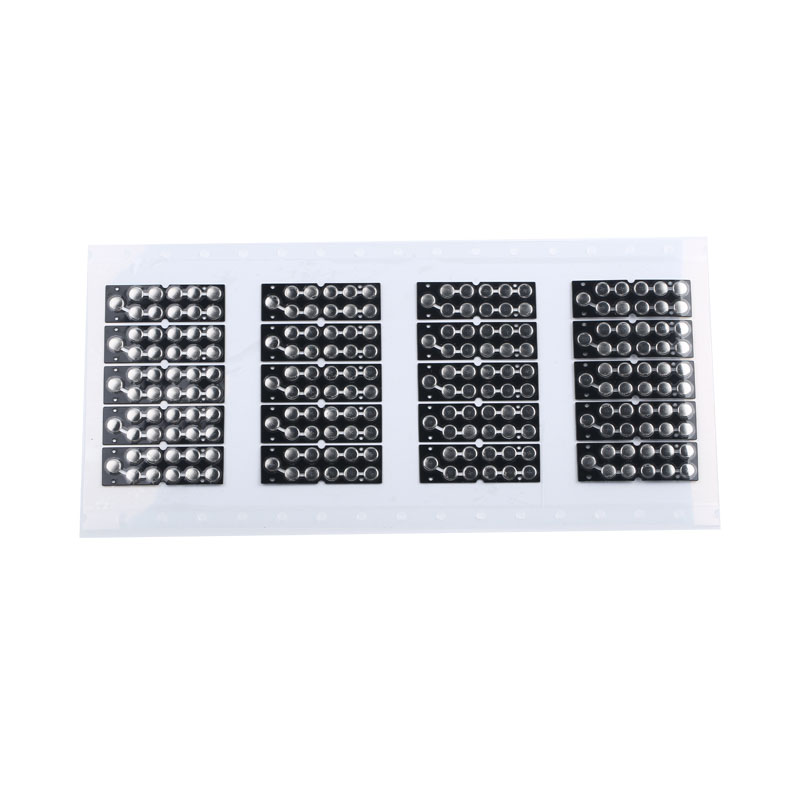
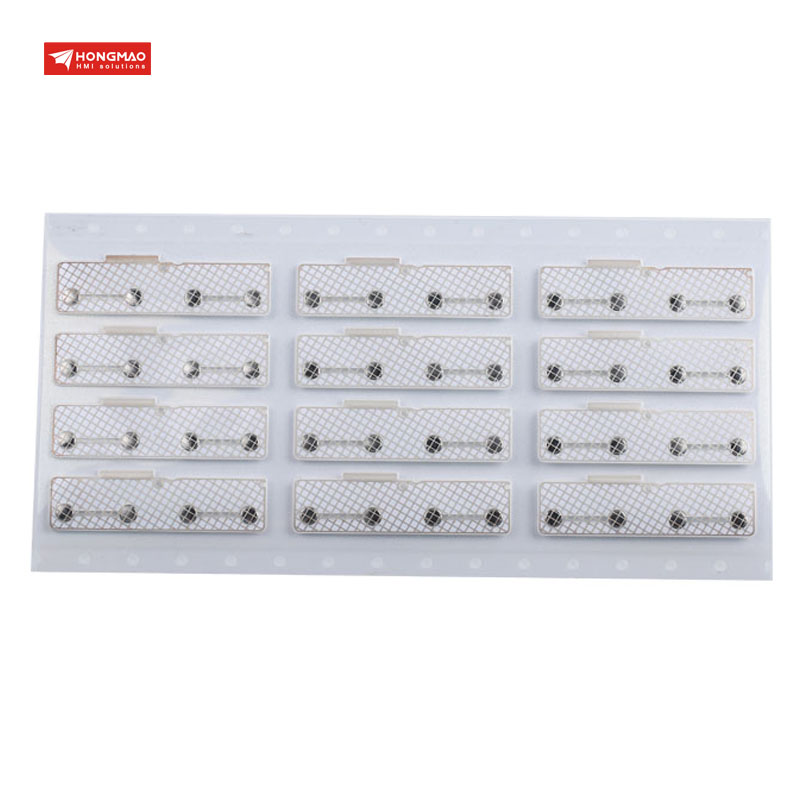
Free Sample Round Metal Dome Array Single Layer Transparent Pet With Adhesive for Television Remote Control
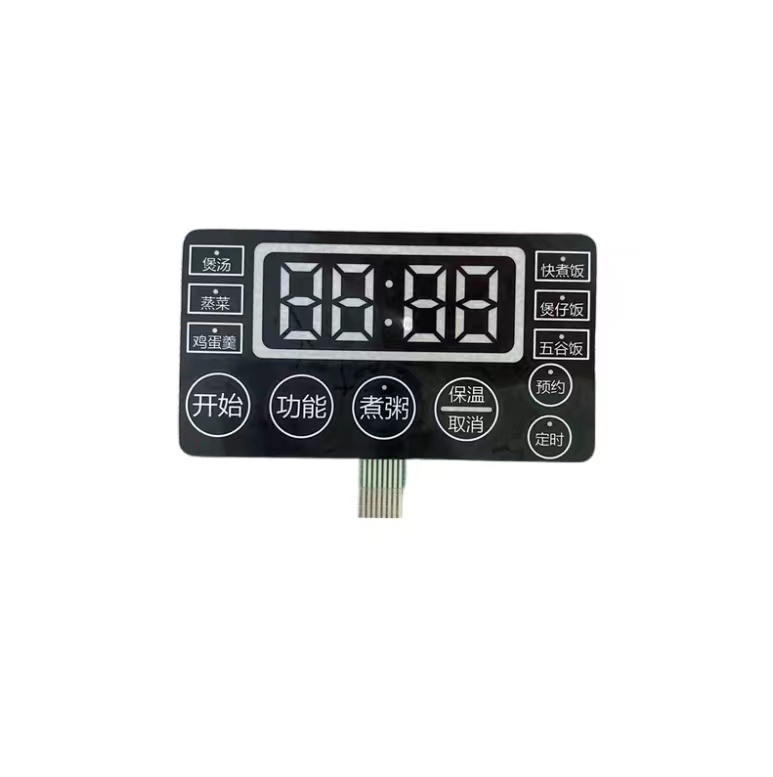
Hot Sale Factory Direct Membrane Switch Black Panel Control PC Membrane Switch Panel
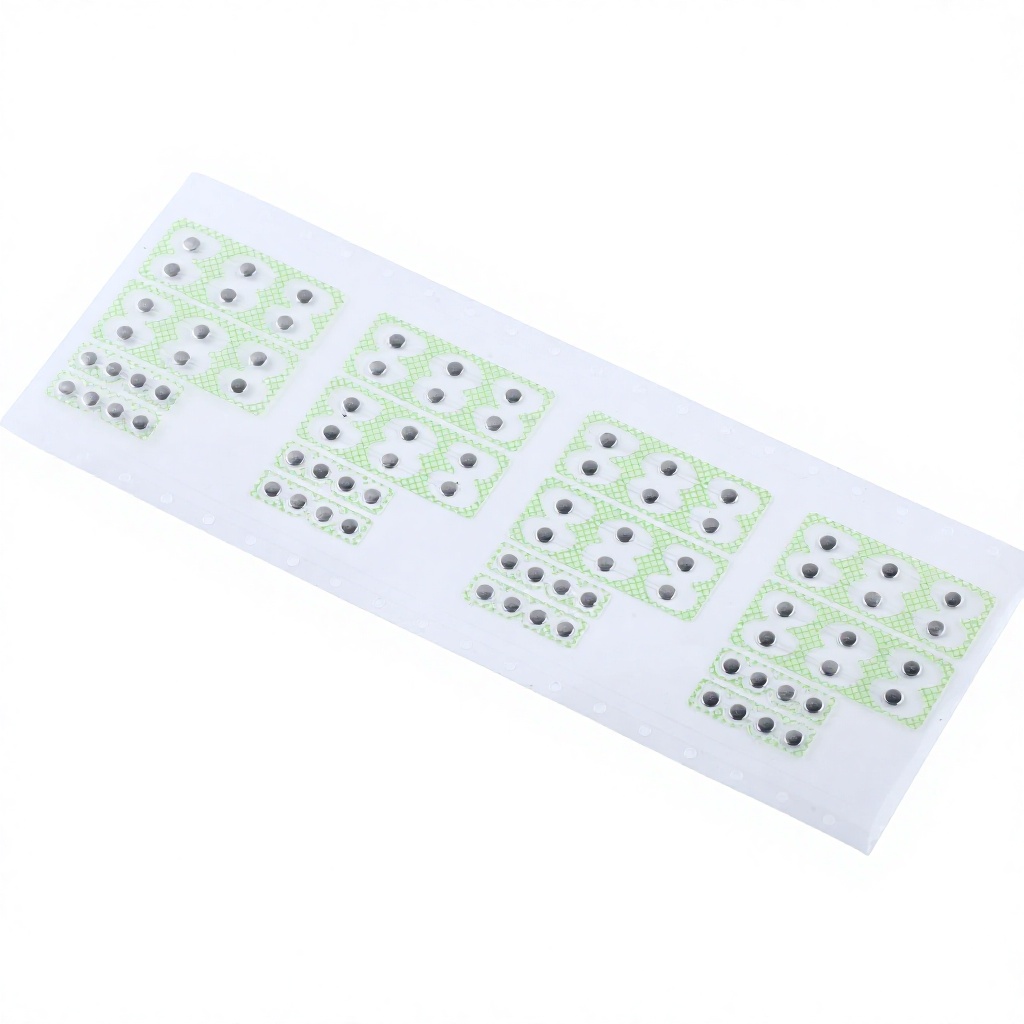
Waterproof Single Layer SUS301 Stainless Steel Dome Array Remote Control Metal Dome Array
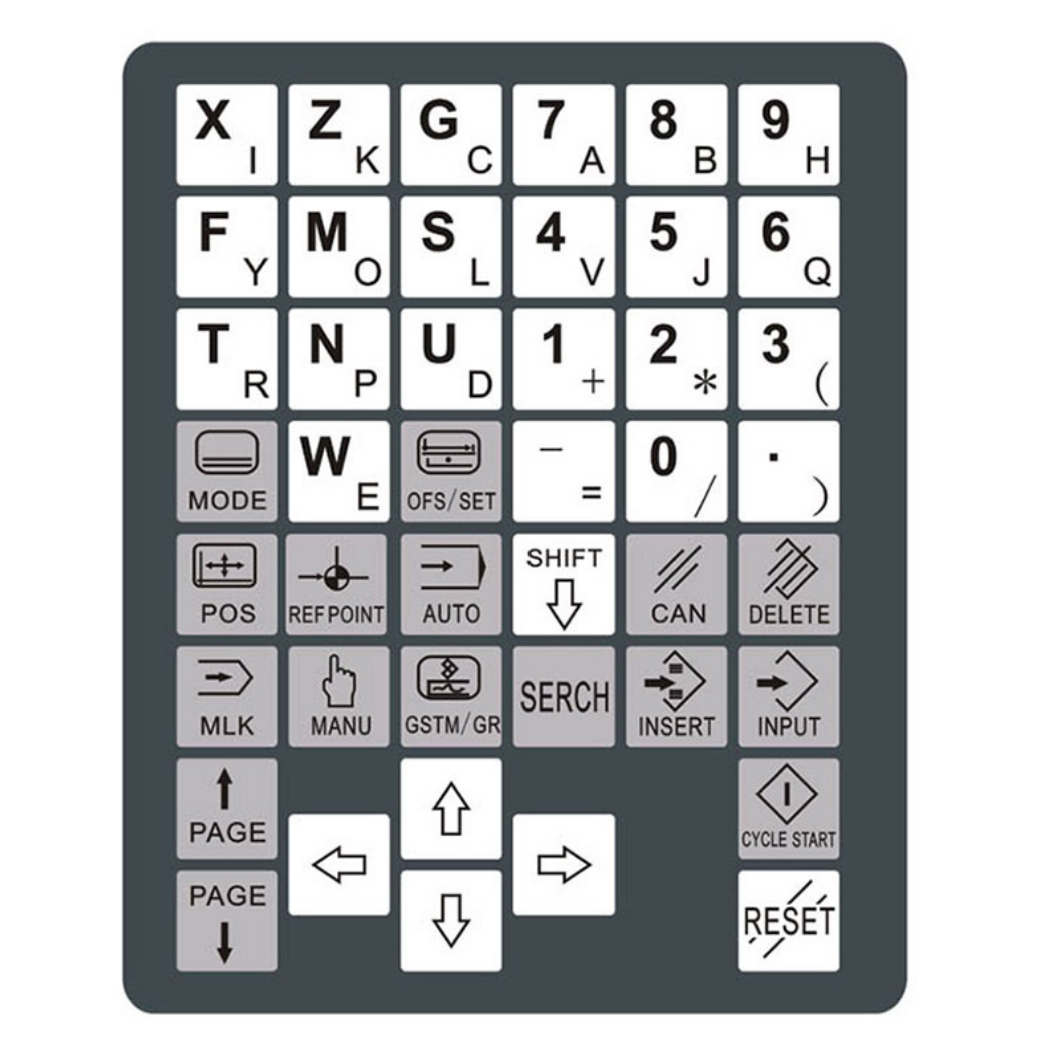
Custom Standard Good Price 3X3 4X5 Matrix Membrane Switch Keypad Keyboard Panel for Fuel Dispenser
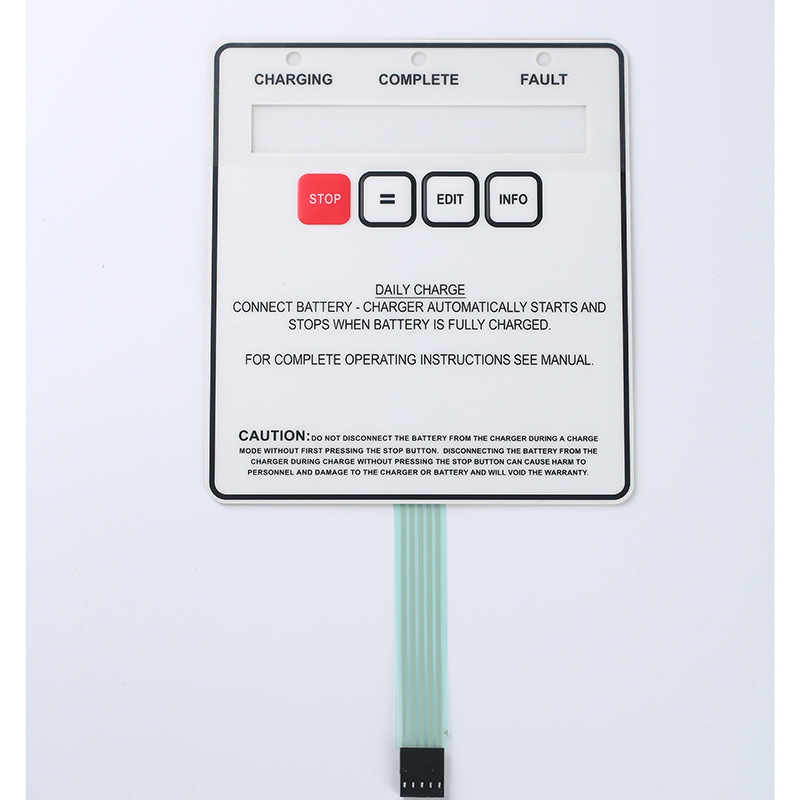
Waterproof and Dustproof Membrane Control Panel in Medical Equipment Medical Membrane Switch
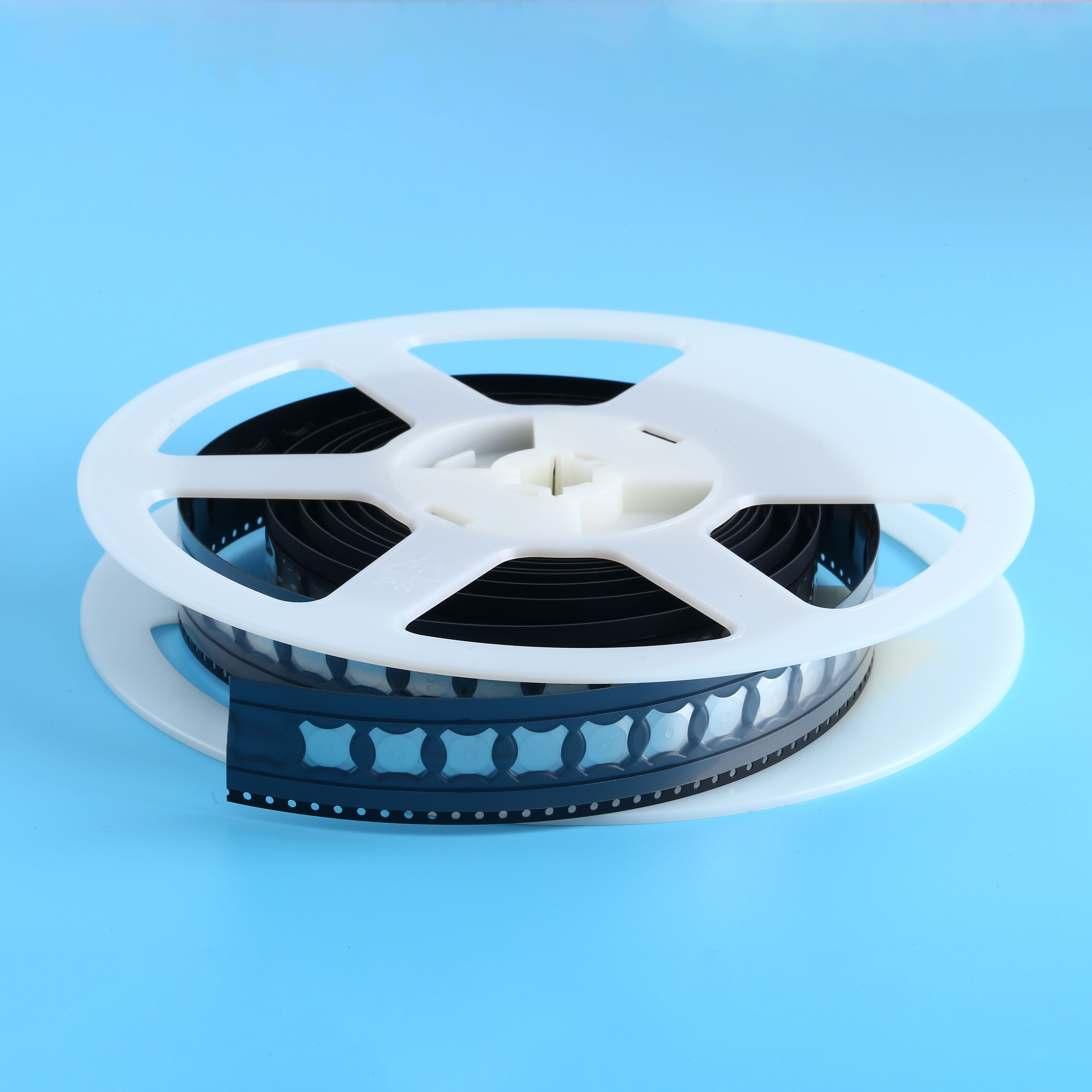
Free Sample Metal Dome Array Single Layer Transparent Pet With Adhesive for Television Remote Control
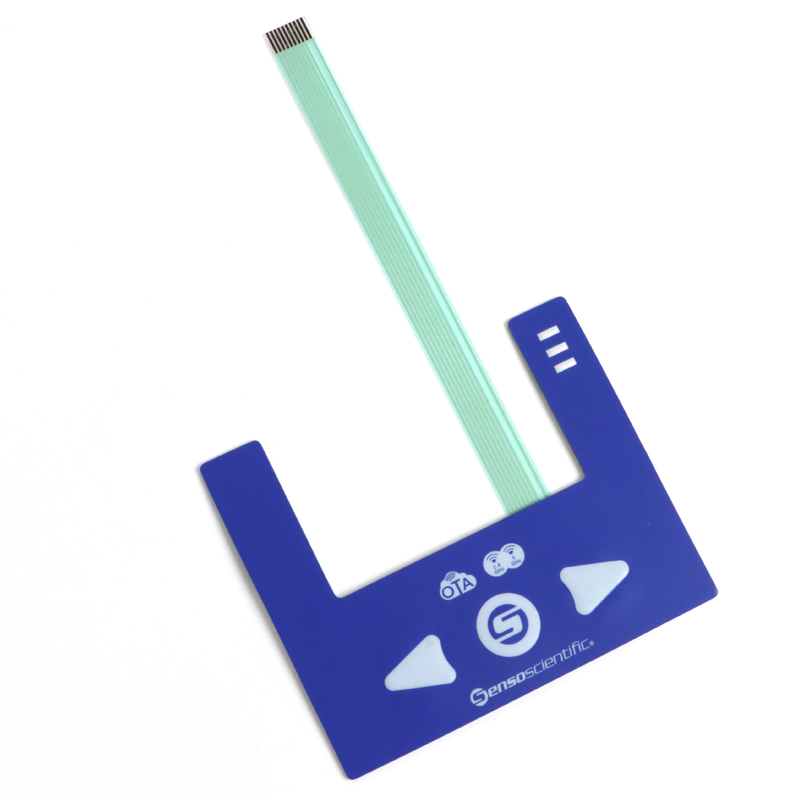
Manufacturer Custom Membrane Keypads Membrane Keyboard and Led Membrane Graphic Overlay
Technical Specification & Design Paradigms for Palermo's Industrial Ecosystem
Human-Machine Interfaces (HMI) deployed in the Mediterranean basin face an extraordinary confluence of environmental stress factors. As a direct-from-factory source serving original equipment manufacturers, automation fabricators, and maritime electronics developers in Palermo and the broader Sicilian territory, Dongguan Cevra Electronic Technology Co., Ltd. architects industrial acrylic and polycarbonate graphic overlays engineered for resilience. While acrylic (polymethyl methacrylate or PMMA) is universally renowned for its optical lucidity, structural rigidity, and exceptional resistance to UV photodegradation, selecting the correct substrate requires an in-depth understanding of layer stack-ups, surface texturing, optical bonding adhesives, and electrical actuation layers.
In high-exposure settings throughout western Sicily—ranging from coastal port handling apparatuses along the Tyrrhenian Sea to agricultural processing corridors in the Conca d'Oro—standard commercial labels rapidly fail. The mechanism of failure typically involves interfacial delamination driven by thermal expansion differentials, plasticizer migration, and prolonged exposure to high relative humidity carrying corrosive salinity. Cevra’s custom acrylic and rigid PET/PC overlay systems address these failure vectors directly. By incorporating sub-surface silk-screen printing backed by automotive-grade, high-tack acrylic adhesives (such as 3M 467MP, 3M 468MP, or modified acrylic foam transfer tapes for low-surface-energy substrates), the printed graphic remains hermetically sealed against physical abrasion, salt spray, cleaning solvents, and direct sunlight.
Moreover, modern industrial controls across Palermo are transitioning from purely passive visual indicator panels to highly integrated interactive systems. Cevra provides hybrid solutions bridging the tactile response of stainless-steel dome arrays with the aesthetic continuity of rigid acrylic fascias. Integrating tactile feedback beneath thick acrylic requires precision-machined actuators, selective underside routing, or flexible membrane under-layers that maintain tactile actuation force (ranging from 160g to 500g) while preventing mechanical fatigue over millions of cycles.
Specialized Application Scenarios Across the Metropolitan Area of Palermo
Maritime Navigation & Port Logistics
Deployed extensively across the Port of Palermo, shipboard control consoles, deck winches, and marina management kiosks require IP67-rated front-panel isolation. Cevra's acrylic graphic overlays feature cast UV-stabilized grades with hydrophobic and anti-reflective top coatings, resisting prolonged Mediterranean marine salt-fog and preventing solar embrittlement.
Agro-Industrial & Packaging Automation
Facilities handling citrus derivatives, olive oil bottling, and wine production across the Bagheria and Partinico manufacturing belts utilize automated washdown machinery. Our overlays provide resistance to aggressive sanitizing agents, fatty acids, and high-pressure water spray, preserving legibility and tactile tactile dome responsiveness without liquid egress.
Ticketing Terminals & Municipal Kiosks
Palermo's mass transit networks, parking systems, and historical heritage self-service kiosks operate in semi-outdoor conditions subject to severe mechanical impact and vandalism. By utilizing heavy-gauge acrylic (1.5mm to 3.0mm) with surface pencil hardness ratings up to 3H-4H, our panels withstand impact wear while maintaining high optical transmittance for integrated TFT/LCD displays.
Emerging HMI Hardware Trends in Southern Italy
The manufacturing landscape of Sicily is undergoing structural modernization under the Industry 4.0 framework. Across robotics clusters and automation startups in Palermo, engineers are departing from generic, off-the-shelf control boxes in favor of sleek, bespoke control surfaces that align with Italian industrial design excellence. This evolution has generated three distinct technological trajectories:
1. Dead-Front and Selective Backlighting Integration: Contemporary Italian machinery aesthetics demand minimalist dark fascias. Cevra employs high-precision screen printing of translucent inks combined with Light Guide Films (LGF) or SMD micro-LED arrays. Indicators and parameter keys remain visually hidden ("dead-front") until back-illuminated, preventing operator confusion in complex processing environments.
2. Capacitive Touch Interfacing over Physical Domes: While tactile snap domes remains indispensable for heavy-machinery settings where operators wear thick safety gloves, indoor laboratory, diagnostic, and commercial food panels are rapidly pivoting to capacitive sensing. Cevra fabricates thin-film capacitive sensor switches layered directly beneath thick acrylic fascia, permitting smooth, unibody, glass-like touch interfaces that eliminate crevices where bacterial contaminants can gather.
3. Anti-Glare Micro-Texturing for Mediterranean Sunlight: Direct, unfiltered solar radiation common to southern latitudes causes substantial specular reflection on gloss acrylic. Our advanced surface treatment line applies fine, medium, or velvet matte micro-textures directly to the surface or utilizes chemically etched anti-glare anti-reflective (AG/AR) layers to preserve contrast on graphical LCD windows even during peak daylight exposure.
Substrate Engineering Matrix: Acrylic vs. Polycarbonate vs. Polyester
Selecting the optimal substrate dictates the operational lifespan and unit cost efficiency of your front panel assembly.
| Performance Metric | Acrylic (PMMA) Fascia | Polycarbonate (PC) Overlay | Polyester (PET) Overlay |
|---|---|---|---|
| Optical Clarity / Transmission | Exceptional (>92%), Glass Substitute | High (88%-90%), Slight Haze | Good (85%-88%), Textured Often Required |
| UV & Weathering Resistance | Native High UV Stability (No Yellowing) | Moderate (Requires UV-Stabilized Resins) | Moderate to Good (Outdoor Grades Available) |
| Flexural Fatigue (Switch Cycling) | Rigid (Not Suitable for Direct Key Embossing) | Moderate (>100,000 actuations) | Superior (>5,000,000 continuous actuations) |
| Chemical / Solvent Resistance | Susceptible to Acetone / Esters; Resists Alkalis | Sensitive to Hydrocarbons and Solvents | Outstanding Resistance to Acids, Alcohols, Solvents |
| Typical Thickness Range | 0.8 mm – 5.0 mm (Machined / Routed) | 0.125 mm – 1.0 mm (Die-Cut / Formed) | 0.10 mm – 0.25 mm (Precision Die-Cut) |
Manufacturing Rigor: Why Engineering Teams Partner with Cevra
Eliminating intermediaries, Cevra combines fully vertical in-house production with international quality control protocols.
ISO 9001 & SGS Verification
Operating continuously since March 2009, our facility features comprehensive on-site factory verification conducted by SGS Group. Every stage—from raw resin inspection to batch dispatch—adheres strictly to structured ISO 9001 quality systems.
Integrated Cleanroom & CCD Alignment
Our 2,600㎡ facility houses automated screen-printing equipment, CCD vision-guided precision drilling systems, high-speed laser die-cutting, and dust-free lamination cleanrooms ensuring total absence of particulate inclusion in optical windows.
Comprehensive Laboratory Stress Testing
Our quality verification suite includes dome force-deflection load testing, environmental hot/cold thermal shock cycling (-40°C to +85°C), tack force peel meters, and pencil hardness testers ensuring mechanical integrity before export.
Frequently Asked Questions by European & Italian Buyers
Key technical, commercial, and logistics considerations for procurement managers sourcing custom graphic overlays from Cevra.