High-Performance Hardware
Engineered Graphic Overlays & Tactile Core Arrays
Seamlessly integrated front-panel interfaces and precision dome arrays designed to endure repetitive actuation and severe industrial environments across Detroit's automated plants.
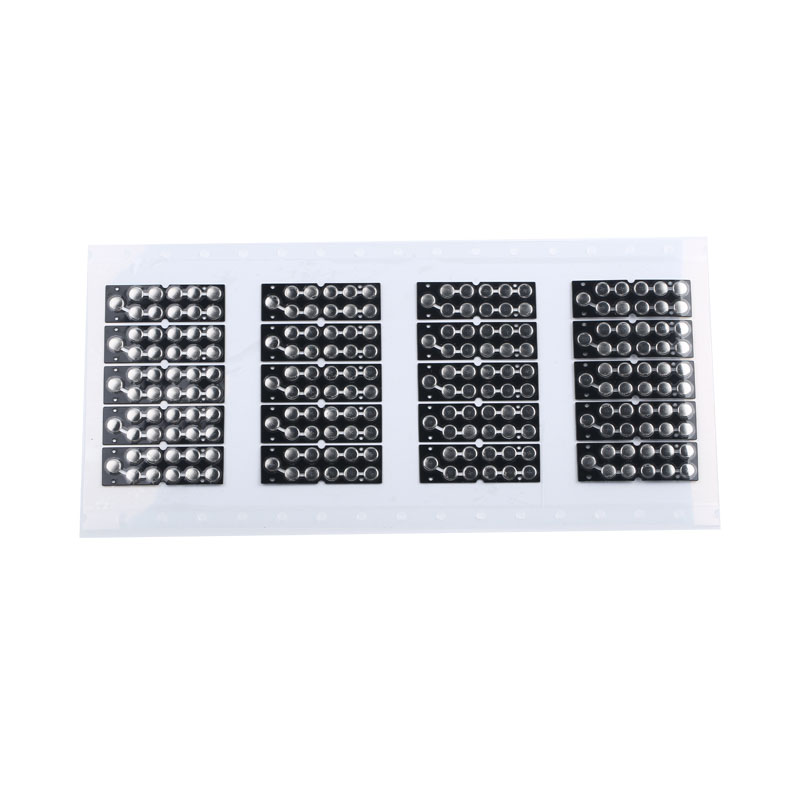
Customized White PET Waterproof Single Layer SUS301 Stainless Steel Dome Array Remote Control Metal Dome Array
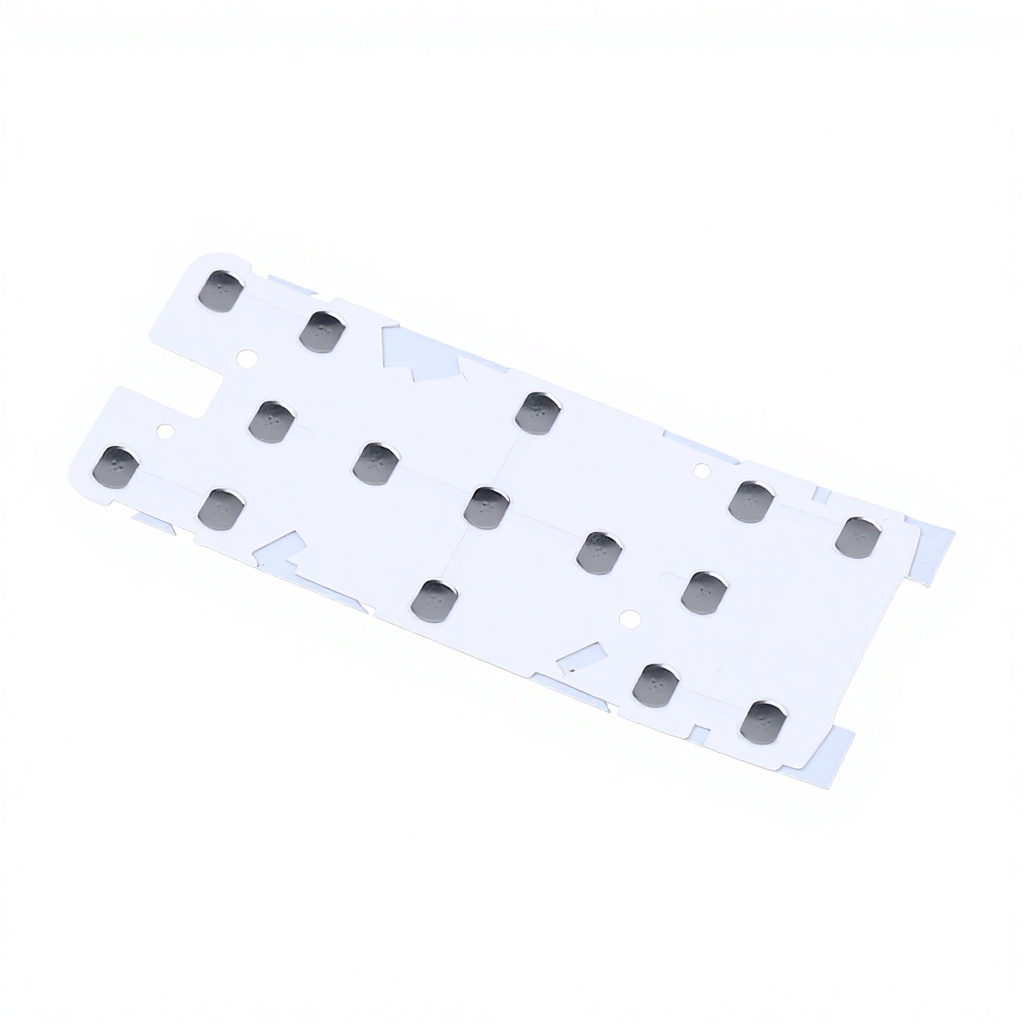
Waterproof Single Layer SUS301 Stainless Steel Dome Array Remote Control Metal Dome Array
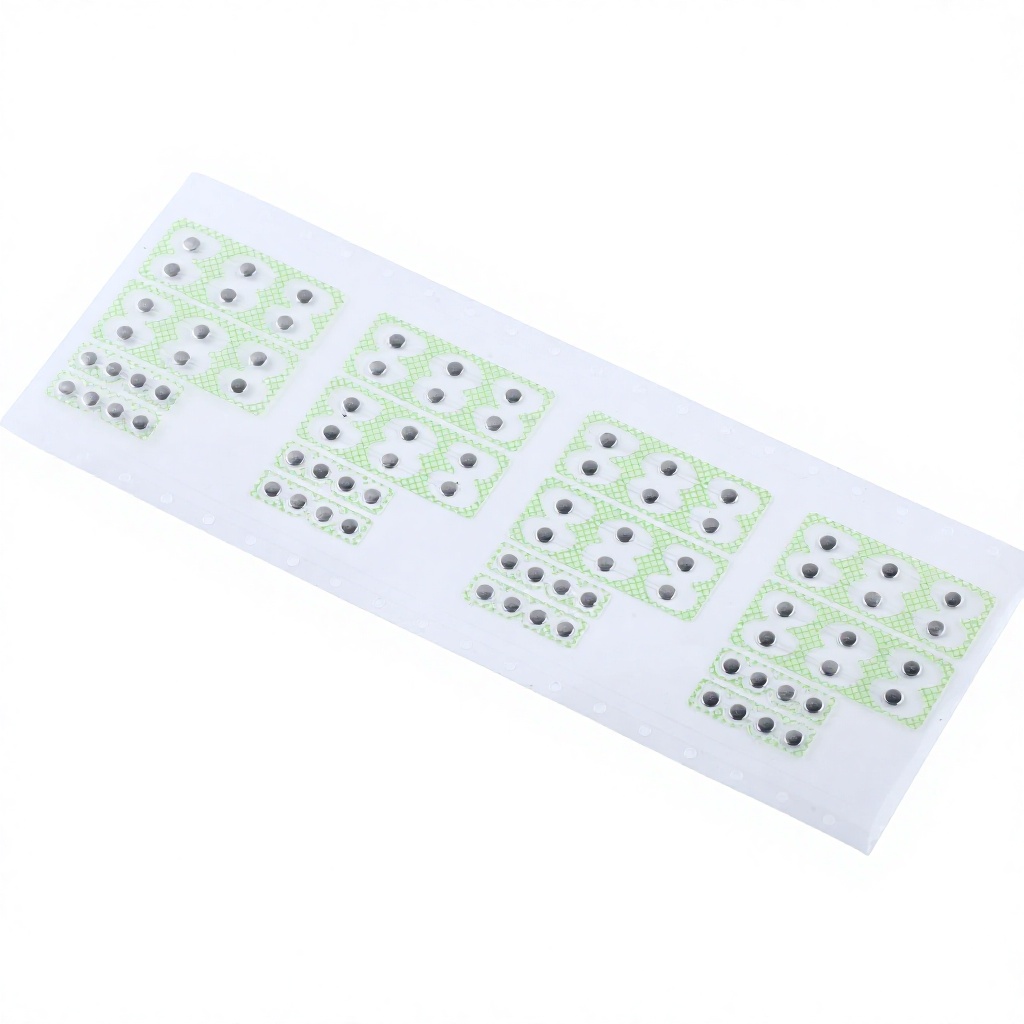
Embossing Diy Backlit 3 4 5 Button Touch Controller Membrane Switch Keypad Repair
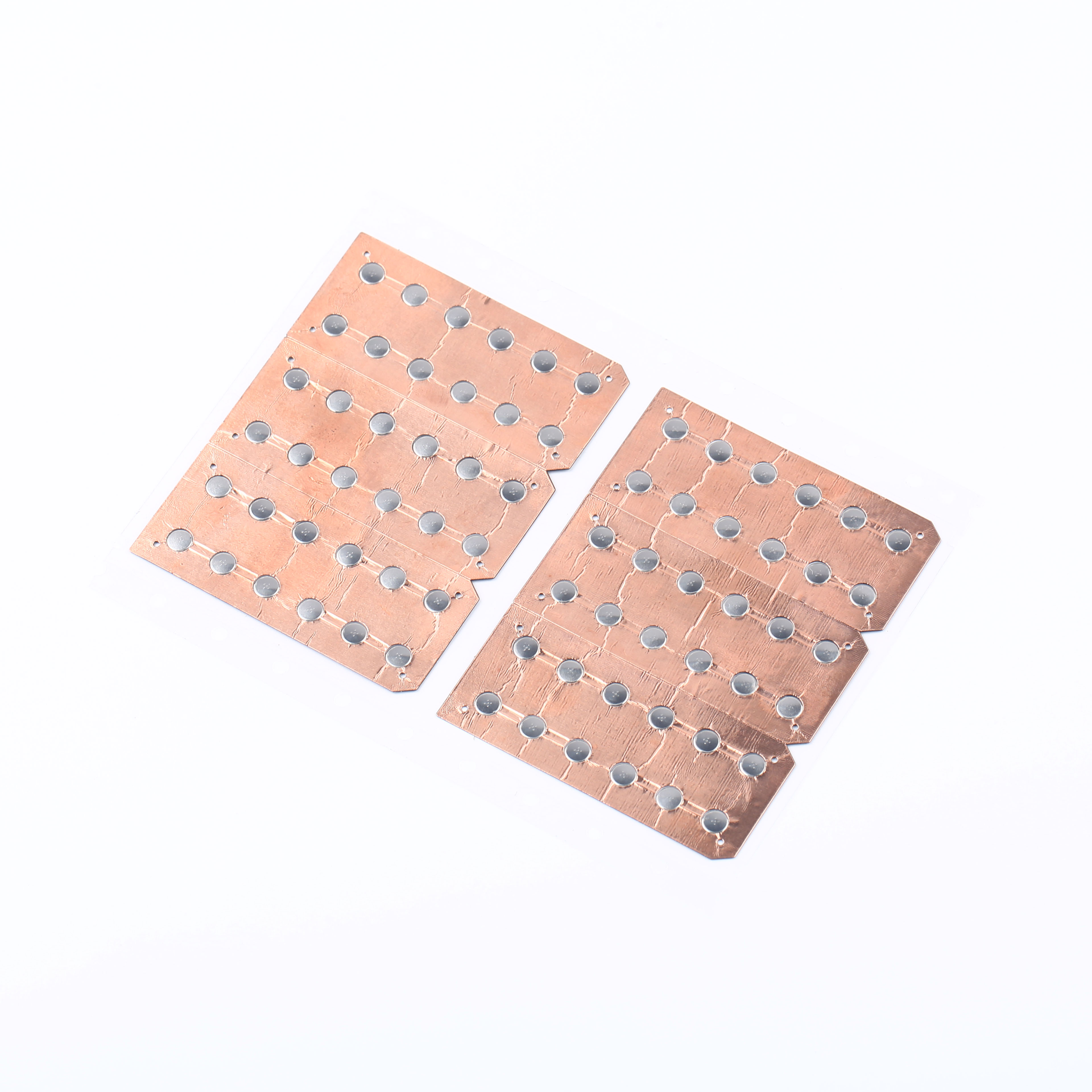
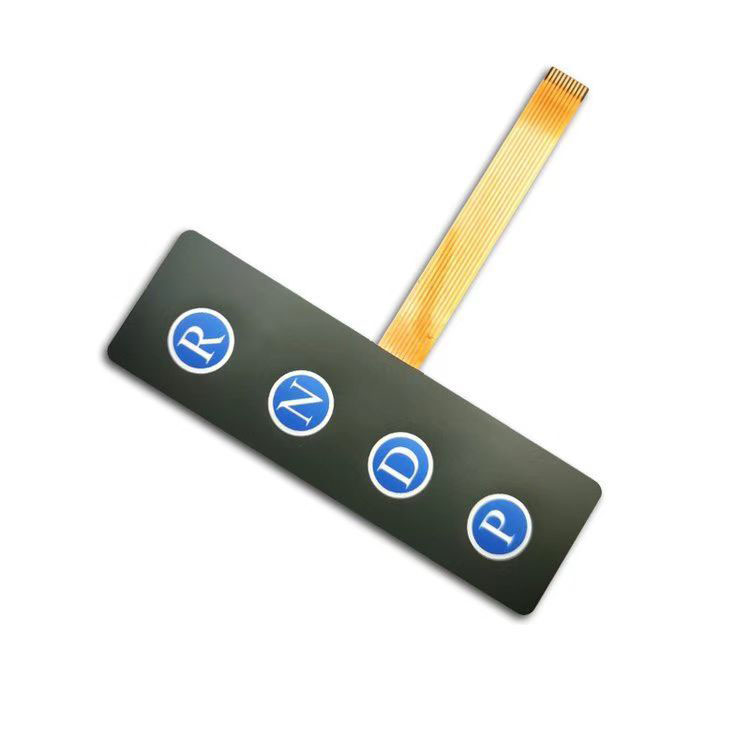
OEM/ODM Factory Direct Sales Round Metal Snap Dome Sheet with Adhesive Tape Copper Foil Metal Dome Array
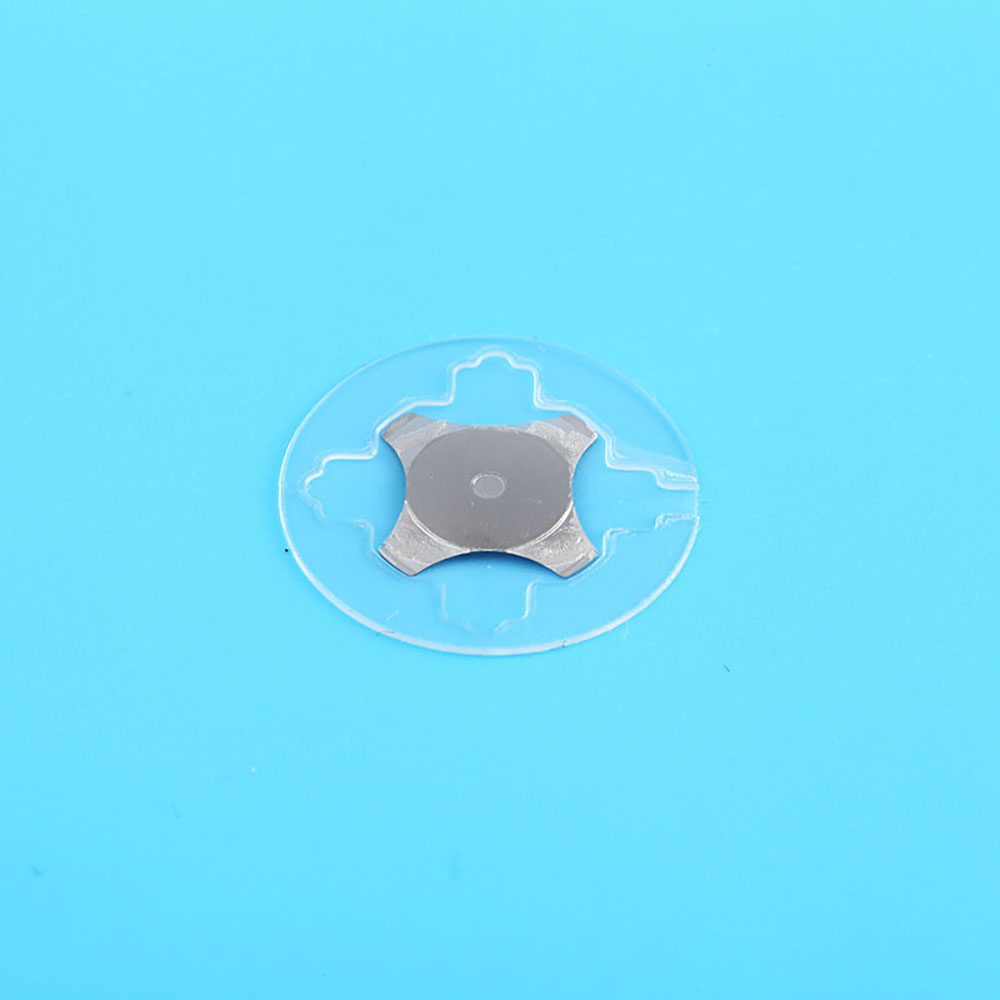
Free Sample Metal Dome Array Single Layer Pet With Adhesive
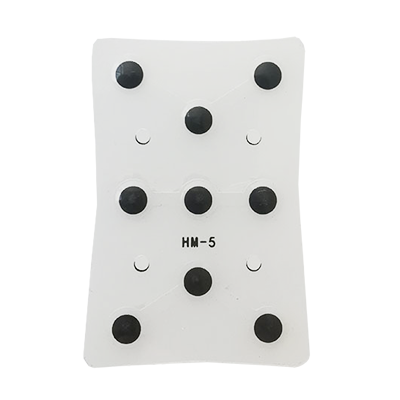
Membrane Keypad With Light Guide Film Metal Dome Array Sheet PCB Switch Button
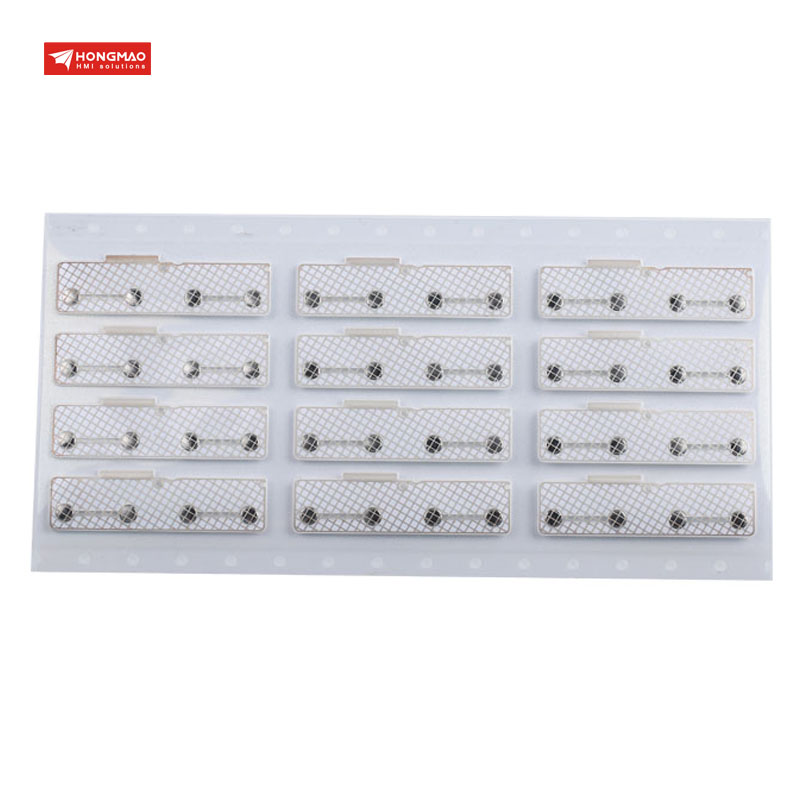
Double-sided SUS301 Stainless Steel Dome Array EMI Metal Dome Array
16+
Years OEM/ODM Mastery
2,600㎡
Class-1000 Cleanroom Plant
100%
Optical CCD Inspected
ISO 9001
SGS Onsite Verified
Material Science Deep-Dive: PMMA Acrylic vs. Polycarbonate & PET
For systems engineers across Greater Detroit, choosing between Poly(methyl methacrylate) (PMMA Acrylic), Polycarbonate (PC), and Polyester (PET) is a critical decision balancing optical clarity, mechanical impact resistance, and chemical survivability. While PC remains preferred for heavy industrial embossing and PET excels in ultra-high flex fatigue life, optical-grade acrylic graphic overlays provide unmatched UV stability, surface hardness (up to 4H-9H with hard-coatings), and exceptional visual depth for high-end digital control dashboards.
Our Dongguan cleanroom facility manufactures custom acrylic overlays utilizing selective sub-surface screen and digital printing. Printing on the second surface safeguards legends, graphics, and capacitive touch icons from harsh hydraulic oils, transmission fluids, and industrial washdown agents prevalent in Michigan's assembly plants.
Selective Hardcoating & Texturing
Anti-glare, anti-reflective, and scratch-resistant finishes tailored for high ambient-light factory floors.
Precision CNC & Laser Machining
Micro-tolerance profiling (±0.05mm) ensuring airtight bezel integration for NEMA 4X / IP67 enclosures.
Optically Clear Adhesives (OCA)
Bubble-free lamination with high-transmission 3M / Nitto adhesive transfer tapes engineered for automotive vibration.
Integrated Dead-Front Lighting
Hidden-until-lit indicator windows that blend seamlessly into dark automotive dash consoles until illuminated.
Regional Integration
Detroit & Midwest Industrial Applications
Engineered to meet the rigorous thermal cycling, EMI shielding, and durability benchmarks expected by Michigan's industrial and automotive procurement hubs.
Automotive & EV Subsystems
From Troy to Dearborn, EV battery assembly lines and test consoles require chemically resilient PMMA display overlays and EMI-shielded metal dome matrices for direct diagnostic terminal interaction.
Robotic HMI & CNC Teach Pendants
Heavy machinery control panels operating in Macomb and Oakland county fabrication facilities utilize our tactile SUS301 stainless steel dome overlays to confirm switch trip forces even when operated with heavy insulated work gloves.
Warehouse Logistics & Conveyors
Material-handling hubs along Detroit's I-94 corridor demand IP65-sealed, moisture-impermeable front panels capable of surviving continuous thermal swings between freezing winters and humid midwestern summers.
Technical Benchmarking
Interface Material Selection Reference
Evaluate mechanical and optical tradeoffs to select the optimal substrate for your control assembly.
| Performance Attribute | PMMA Acrylic (Cast/Extruded) | Autotype PET (Polyester) | Lexan Polycarbonate (PC) |
|---|---|---|---|
| Optical Clarity & Light Transmission | Superior (92% - 93% VLT) | Moderate to Good (86% - 89%) | High (88% - 90%) |
| Surface Hardness (Pencil Test) | Up to 4H - 9H (Hard-Coated) | 2H - 3H (Hard-Coated) | HB - 1H (Requires Hardcoat for 2H) |
| Switch Actuation / Flex Fatigue | Rigid (Panel Mount Only) | >5,000,000 Cycles (Ideal for Domes) | ~100,000 Cycles (Embossed Keys) |
| Chemical & Solvent Resistance | Excellent against weak acids & aliphatic oils | Exceptional against aggressive shop solvents | Moderate (Vulnerable to aromatic hydrocarbons) |
| UV Outdoor Weathering Performance | Exceptional (Zero yellowing over 10 yrs) | Requires UV-stabilized grades | Yellows without protective UV inhibitor |
| Typical HMI Integration | Display windows, bezels, capacitive overlays | Tactile dome arrays, flexible circuits | General membrane keypads, instrumentation |
Factory-Direct Advantage
Why Tier-1 Engineers Choose Cevra
Operating from our 2,600㎡ ISO 9001:2015 facility in Dongguan, we combine competitive manufacturing economics with advanced metrology and SGS-verified processes.
Rapid Prototyping to Mass Production
Direct CAD-to-laser processing allows turnaround of functional acrylic panels and dome samples in as few as 3 to 5 business days, expediting APQP and PPAP validation cycles for automotive vendors.
Rigorous Laboratory Validation
In-house testing suites feature precision dome load testers, tension peel meters, electric pencil hardness testers, and programmable -40°C to +120°C thermal cabinets ensuring total environmental readiness.
Reliable North American Logistics
Experienced exporting directly to Michigan warehouse and manufacturing hubs via expedited air freight (DTW) and consolidated ocean containers, complete with anti-static and shock-absorbent packaging.
Procurement Clarity
Frequently Asked Questions for Midwest Buyers
Clear answers to engineering, quality control, tooling, and supply chain queries commonly raised by Detroit sourcing managers.
Can acrylic overlays incorporate tactile metal switch buttons?
Because PMMA acrylic is a rigid thermoplastic, the tactile action itself is typically achieved by bonding an underlying PET circuit containing SUS301 stainless steel metal domes, or by pocket-milling the reverse side of the acrylic to accept a flexible membrane sub-assembly. Alternatively, capacitive touch sensing can be printed directly on the substrate.
How do you ensure tight color consistency across repeat batches?
We employ digital spectrophotometers to monitor Pantone, RAL, and custom OEM master color tolerances within Delta E < 1.0. All sub-surface screen printing ink formulations are logged and mixed under controlled cleanroom lighting to prevent lot-to-lot shifts during continuous production runs.
What adhesive backing options are best for cast aluminum bezels?
For rough or powder-coated cast aluminum housings common in automotive factory machinery, we recommend high-tack acrylic adhesives such as 3M 300LSE, 3M 467MP, or Nitto 5000NS. These specialized transfer tapes provide exceptional shear strength and bond reliably to low surface energy (LSE) substrates.
What is the typical tooling investment and lead time for samples?
Because we use CNC milling and precision laser cutting alongside digital silkscreening, initial prototype tooling charges are minimal. Prototyping lead times typically average 5 to 7 working days, followed by rapid 3-day express air freight delivery directly to Detroit Metropolitan Airport (DTW) and surrounding facilities.
Ready to Build Custom Human-Machine Interfaces?
Connect with our technical design team today. Submit your DXF, DWG, AI, or 3D STEP files for immediate DFM feedback, material recommendations, and a rapid quotation.
Inquire Now