Featured Interface Panels & Tactile Subsystems
Engineered to integrate seamlessly with acrylic faceplates, machined aluminum consoles, and PCB backing plates across heavy maritime, industrial control, and specialized diagnostic instruments.
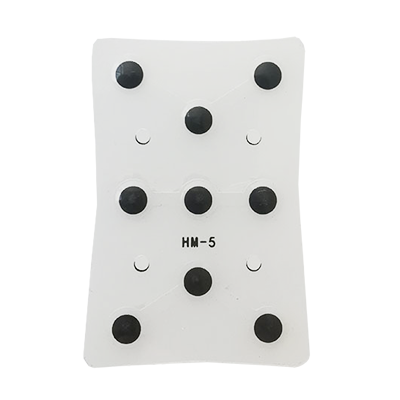
Membrane Keypad With Light Guide Film Metal Dome Array Sheet PCB Switch Button
Ultra-thin LGF backlighting with high uniform illumination, integrated over rigid PCB and tactile snap metal dome array.
Configure Spec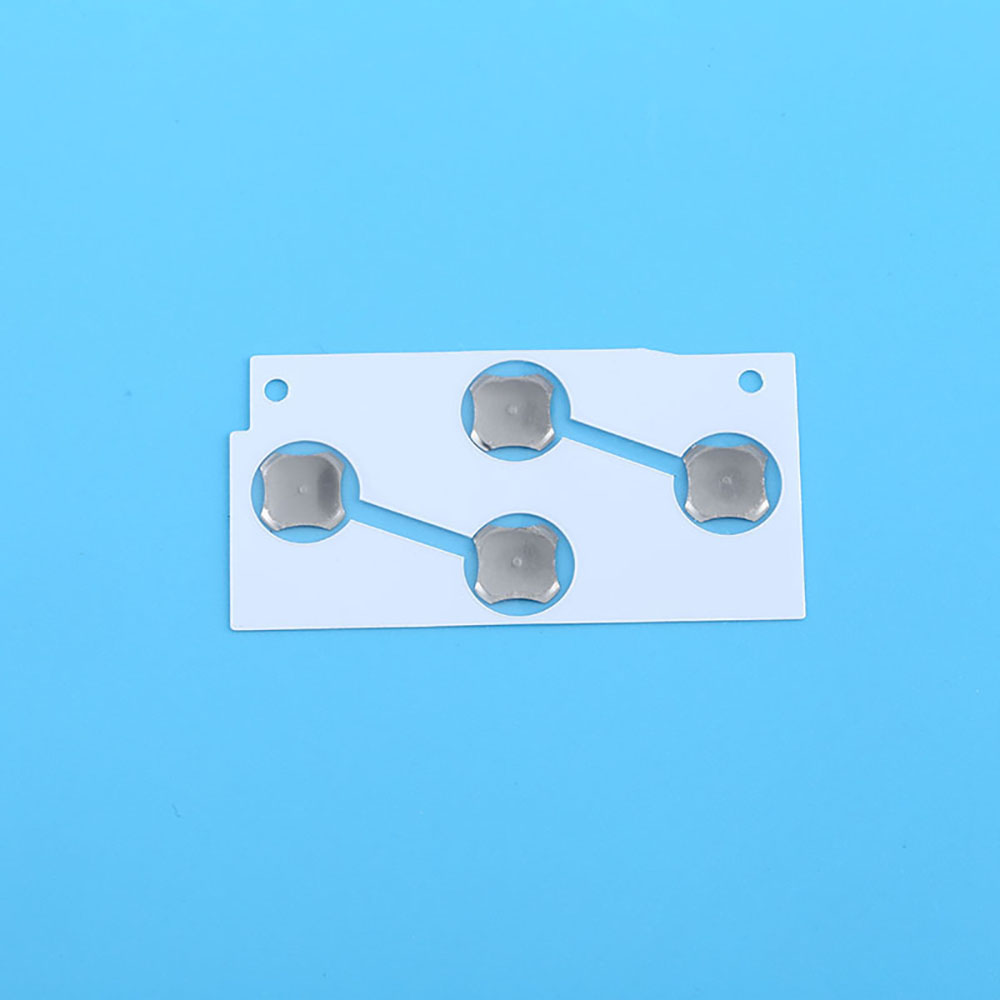
Customized Metal Dome Array
Peel-and-stick polyester carrier sheet positioning precision stainless steel domes with calibrated actuation forces for high click-ratios.
Configure Spec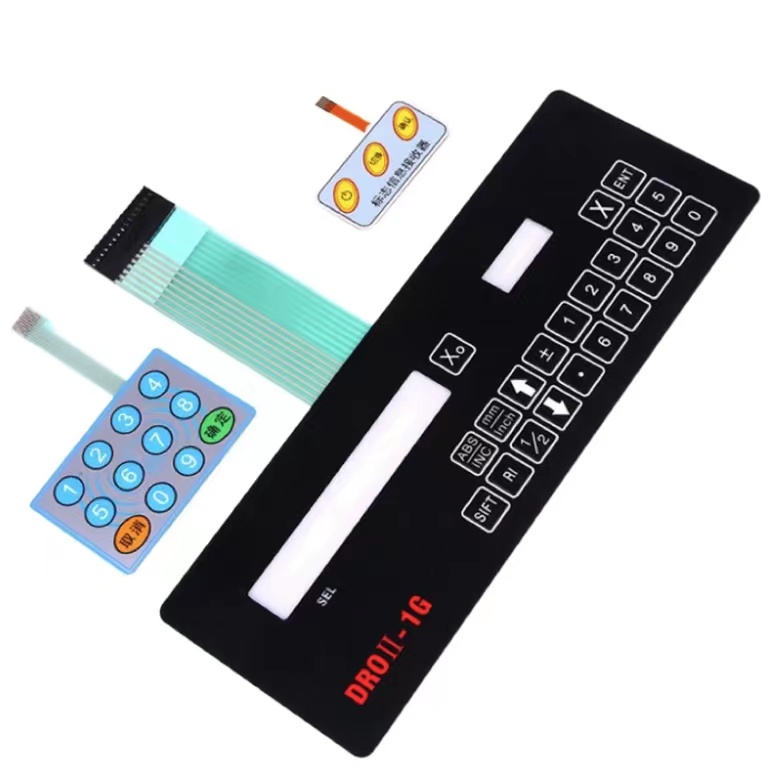
Factory Direct Graphic Overlay Custom Membrane Keyboard Switch Membrane Switch
Custom screen-printed graphic fascia combined with silver-conductive membrane switch layers and perimeter environmental seals.
Configure Spec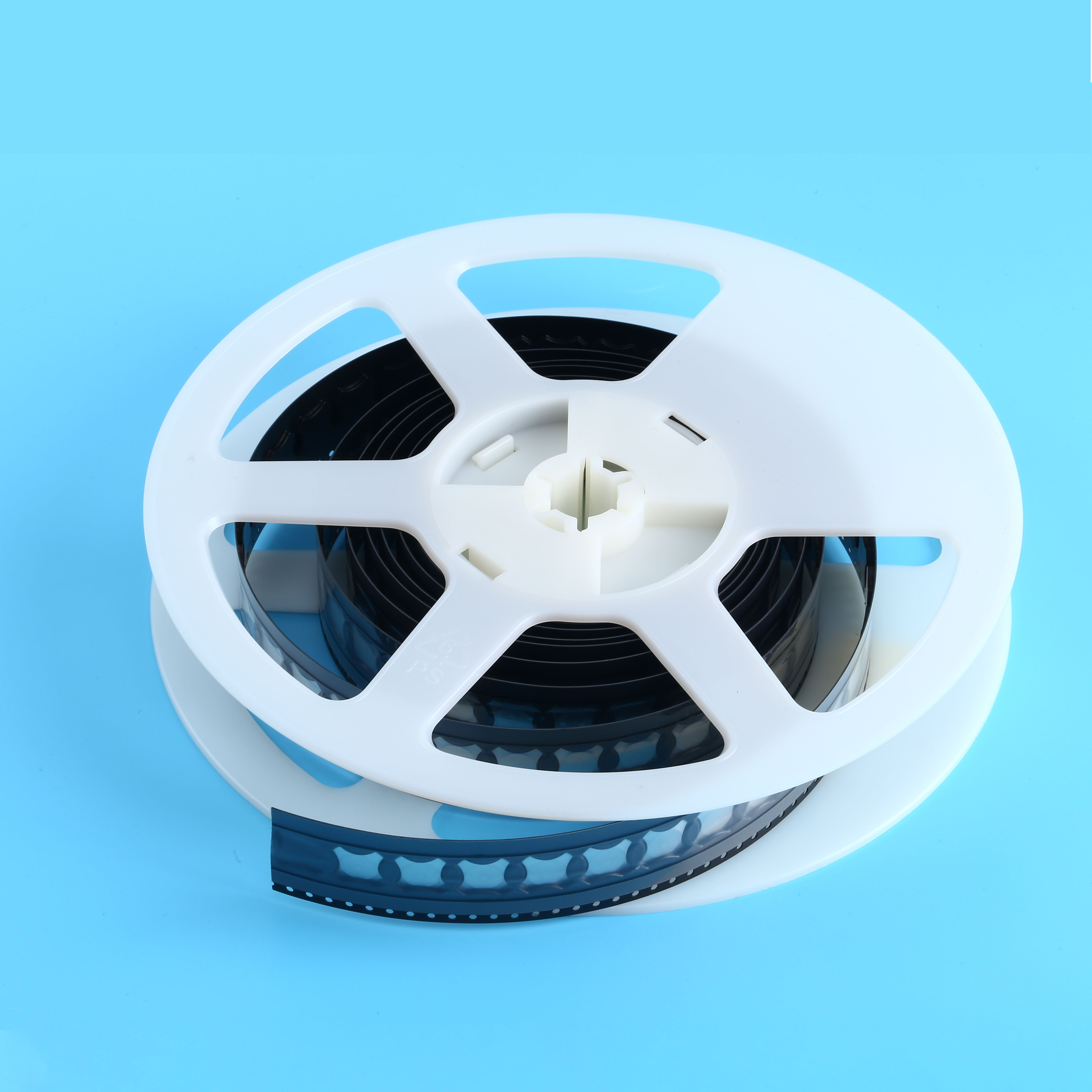
New Trend Factory Custom Cross 4-Legged Snap Dome Poly Metal Dome in Reel Packing Metal Dome Array
Cross-shaped 4-legged snap domes in automated reel tape packaging, engineered for high-speed SMT placement and long fatigue cycles.
Configure Spec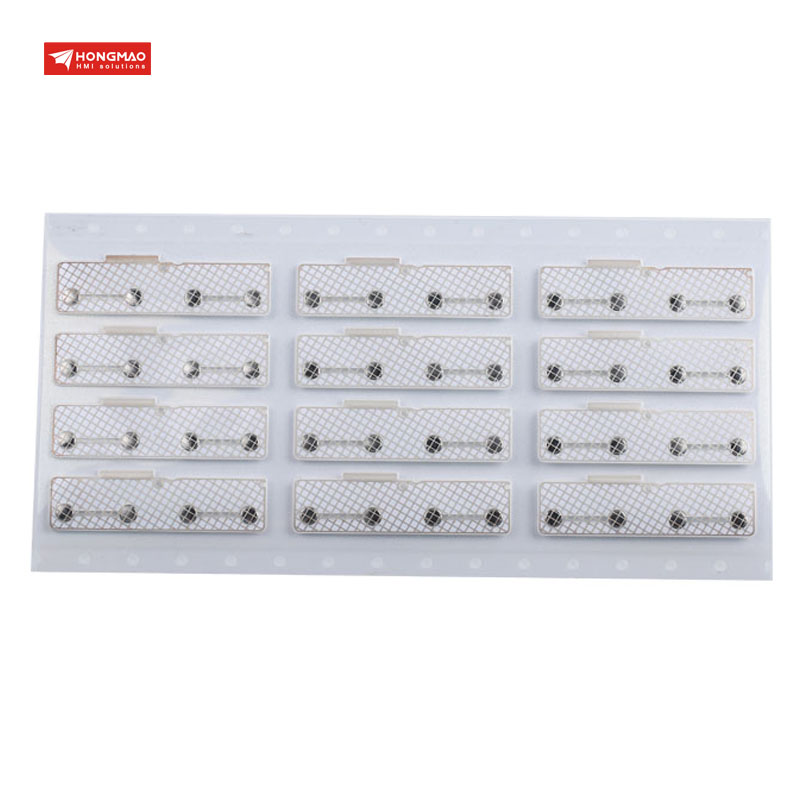
Double-sided SUS301 Stainless Steel Dome Array EMI Metal Dome Array
Double-sided SUS301 spring alloy dome array featuring integrated aluminum foil or copper grid for ruggedized EMI/RFI shielding.
Configure Spec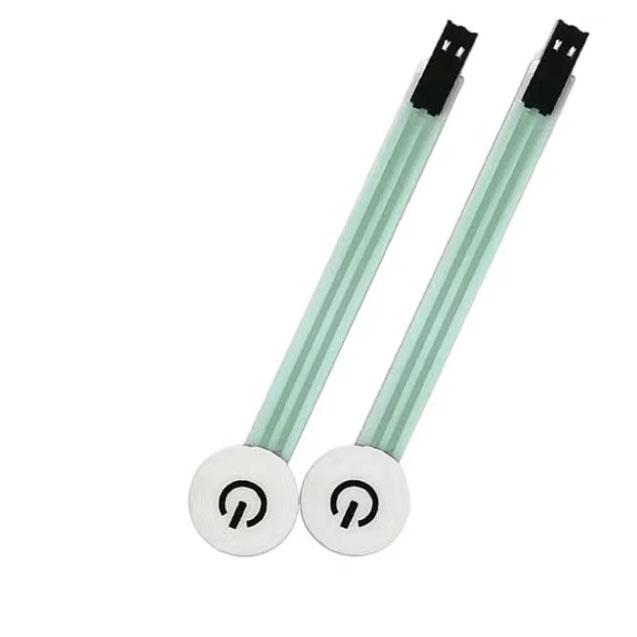
High Quality Single Button Small Membrane Switch
Miniaturized single-key tactile push button modules designed for discrete auxiliary resets, remote power switching, and compact sensors.
Configure Spec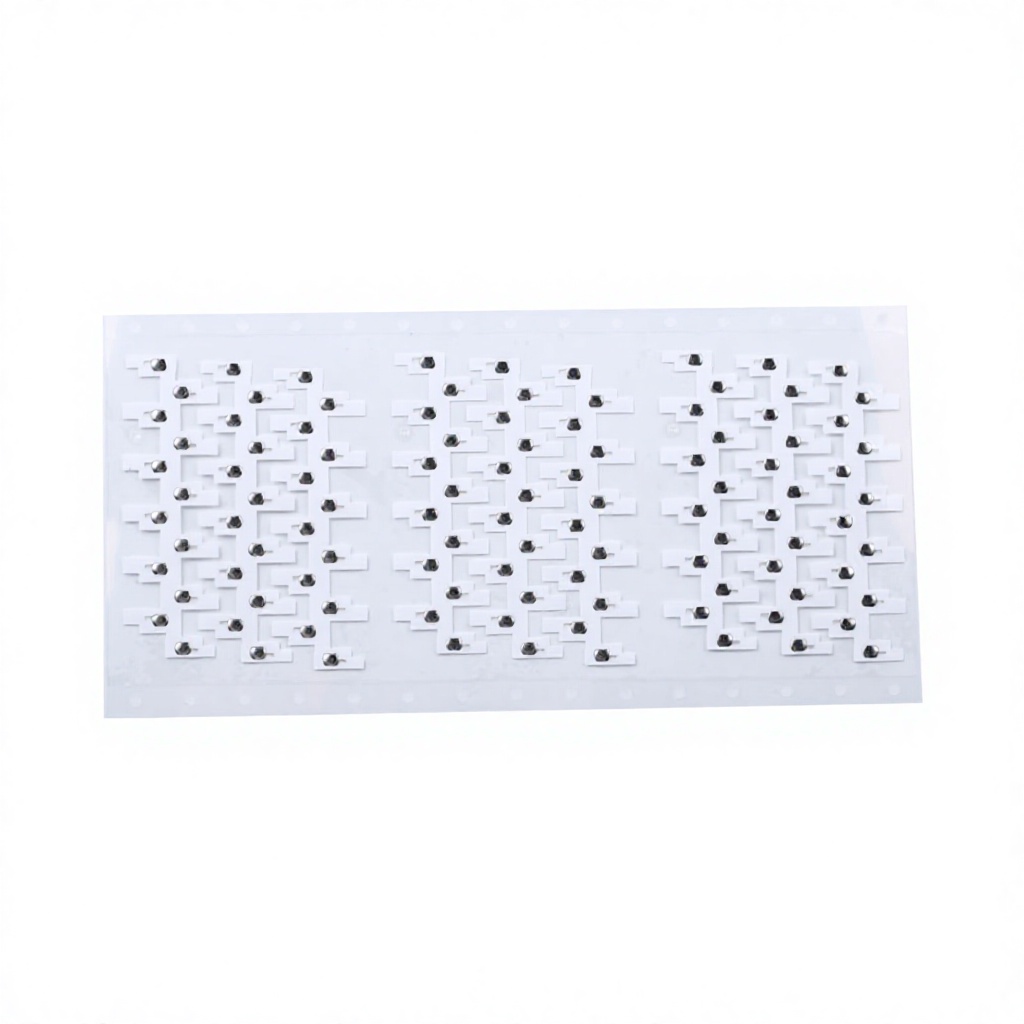
Single Layer SUS301 Stainless Steel Metal Dome Array for Earphone Mobile Phone Keypad Remote Control Switch
Precision-stamped round and oblong SUS301 contacts providing tactile crispness, stable contact resistance (<1Ω), and long mechanical life.
Configure Spec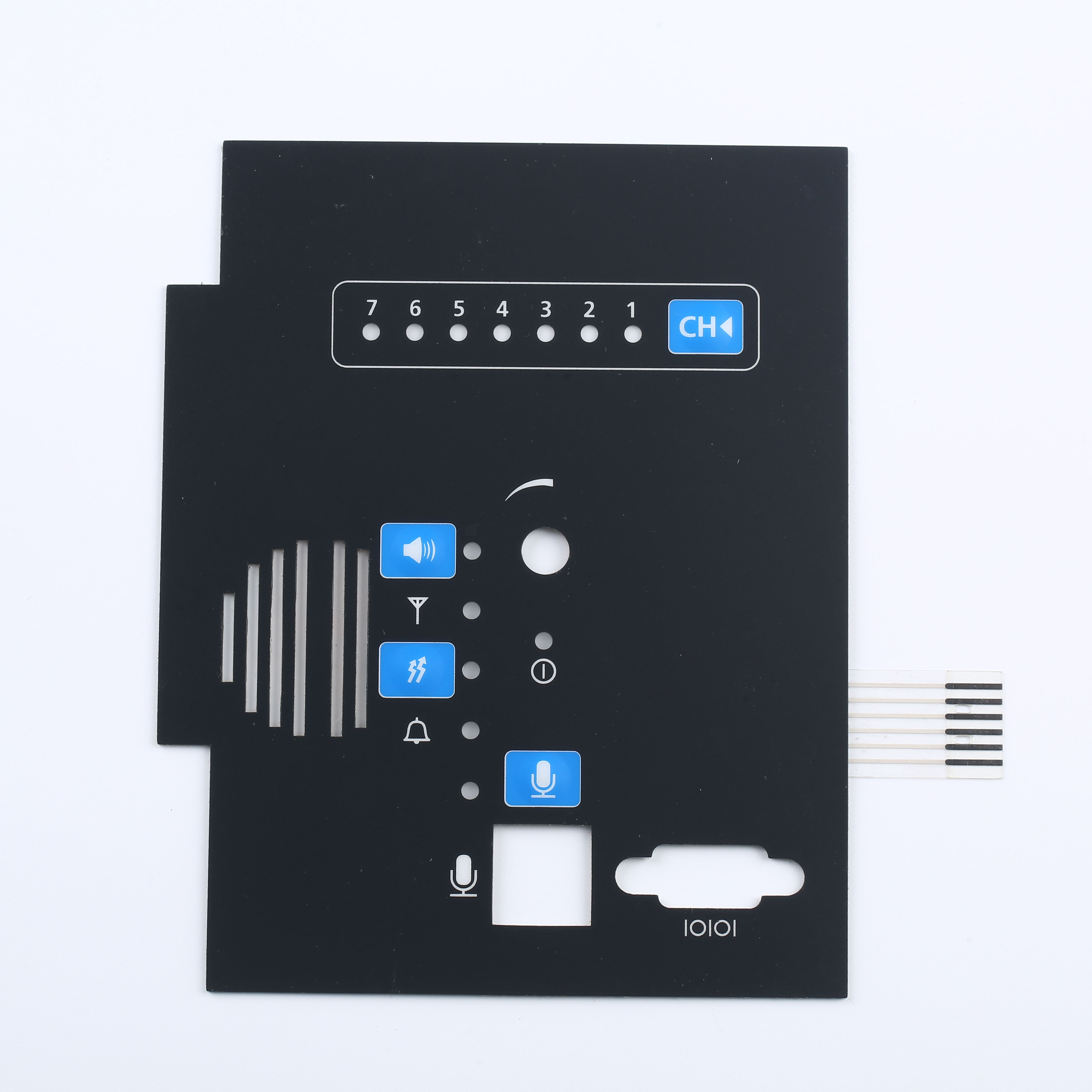
Polycarbonate Film Touch Switch Panel Screen Printing Process Electronic Product Instrument Display Membrane Switch
Optical-grade printed fascia featuring dead-front indicator graphics, anti-glare display windows, and textured selective surface coats.
Configure SpecAcrylic (PMMA) vs. Polycarbonate & PET in Harsh Environments
Selecting the correct optical substrate dictates long-term chemical resilience, UV resistance, and impact toughness. For maritime consoles and industrial machinery deployed across the Pomeranian Baltic coastline, understanding the precise thermodynamic and optical trade-offs is critical to preventing premature field degradation.
Cast & Extruded PMMA (Acrylic)
Polymethyl Methacrylate (PMMA) stands out with exceptional luminous transmittance (>92%), negligible chromatic aberration, and superior inherent resistance to UV radiation without requiring secondary stabilization coats. With typical surface hardness ranging from 2H to 4H (and reaching up to 6H with hard-coat lacquers), acrylic graphic overlays deliver unmatched scratch resistance in front-panel windows, display bezels, and thick structural interface plates (0.8mm to 5.0mm).
Polycarbonate (Lexan / Makrofol)
Polycarbonate offers virtually unbreakable impact strength (Izod notched impact >600 J/m) and UL94 V-0 flame ratings, making it a standard choice for heavy-duty industrial switchgear. However, untreated PC is inherently susceptible to scratch wear (pencil hardness B–HB) and yellowing under Baltic maritime solar UV exposure unless treated with specialized fluorocarbon or polysiloxane UV-blocking coatings.
Biaxially-Oriented PET (Autotex)
Polyethylene Terephthalate (PET) is the undisputed industry standard for tactile switch membranes requiring switch-actuation life exceeding 5,000,000 cycles. While unmatched in flex fatigue life and aggressive solvent resistance (alcohols, aliphatic hydrocarbons, and common marine cleaning detergents), PET is typically restricted to thinner caliper films (0.125mm to 0.25mm) and lacks the rigid structural load-bearing performance of thick PMMA panels.
| Critical Parameter | Optical PMMA (Acrylic) | Polycarbonate (PC) | Engineered PET Film |
|---|---|---|---|
| Luminous Transmittance | 92.5% – 93.0% (Clear Optical) | 88.0% – 90.0% | 87.0% – 89.0% |
| Inherent Pencil Hardness | 2H to 4H (Up to 6H Hard-coated) | 2B to HB (Prone to abrasion) | 3H (Surface treated coating) |
| UV Degradation Stability | Excellent (No Yellowing 10+ yrs) | Poor (Requires UV Inhibitor) | Moderate to Good (UV grades) |
| Tactile Actuation Cycling | Rigid Only (Not for Key Embossing) | >100,000 Flex Cycles | >5,000,000 Flex Cycles |
| Dielectric Breakdown Voltage | 20 kV/mm | 30 kV/mm | 18 kV/mm |
| Continuous Service Temp. | -40°C to +85°C | -40°C to +125°C | -40°C to +105°C |
| Chemical / Salinity Resistance | Stable against saltwater, weak acids | Attacked by aromatic solvents | Impervious to marine cleaning solvents |
Strategic Engineering Applications Across Gdańsk, Gdynia & Sopot
The Tricity (Trójmiasto) industrial basin represents one of Central Europe's most vital maritime, electronic manufacturing services (EMS), and high-technology manufacturing ecosystems. Our custom acrylic overlays, capacitive touch panels, and dome arrays are engineered precisely to meet the rigorous standards demanded by Northern Polish OEMs.
Baltic Naval & Commercial Marine Navigation Consoles
Naval electronics integrators located in the vicinity of the Port of Gdańsk and Gdynia shipyards require HMI fascia that withstand harsh salt-fog (ISO 9227/ASTM B117), broad temperature fluctuations, and relentless solar radiation. Sub-surface printed acrylic graphic overlays protect legends and high-contrast color calibration against abrasive sea spray and engine fumes. Dead-front LED annunciators and optical-grade display windows ensure high daytime contrast and NVG-compatible night illumination.
Baltic Offshore Wind Energy & Power Substation Switchgear
With Poland’s offshore wind acceleration across the Baltic continental shelf, transformer station monitoring gear and SCADA interfaces require IP67/IP68 ingress protection. Our acrylic front fascias, laminated with high-performance 3M 467MP/468MP acrylic adhesive transfer tapes and integrated with SUS301 metal dome arrays, deliver crisp physical actuation feedback even when operated by technicians wearing heavy insulated gloves.
In-Vitro Diagnostic (IVD) & Medical Devices
The Pomeranian Science and Technology Park (PPNT) and surrounding biotech corridors house cutting-edge laboratory automation manufacturers. Acrylic front panels offer completely flat, non-porous surfaces that withstand aggressive sanitation protocols using hospital-grade disinfectants like isopropyl alcohol (IPA), sodium hypochlorite, and quaternary ammonium compounds without cracking, clouding, or delamination.
Rolling Stock & Rail Transit Infrastructure HMIs
Supplying regional rail transportation control systems across Northern and Central Poland demands compliance with fire and smoke safety regulations (EN 45545-2). Our high-grade acrylic and polycarbonate composite overlays provide clear diagnostic window transparency, tailored EMI shielding meshes to counteract severe electromagnetic traction noise, and resilient capacitive or tactile tactile keys for engineer cabs and passenger infotainment.
Key Sourcing Trends Driving the Gdańsk & Pomeranian HMI Sector
As Polish electronics manufacturing elevates its competitive positioning across Europe, engineering procurement directors in Pomerania are transitioning toward consolidated supplier partnerships that balance high agility with certified quality verification.
The Transition from Mechanical Bezel to Sleek Glass-Like Acrylic
Product designers in Gdańsk’s high-tech corridors are moving away from traditional stamped metal bezels with mechanical toggle switches toward sleek, continuous flush-surface acrylic front panels. Thick PMMA panels (1.5mm–3.0mm) with precision-machined CNC step bevels and optically bonded display cutouts provide the aesthetic elegance of smartphone Gorilla Glass at significantly reduced tooling costs, lighter weight, and drastically shorter prototype turnarounds.
Demand for Sub-Assembly Integration (Turnkey HMI Units)
Local EMS providers no longer wish to manage separate supply chain tiers for screen printing, metal snap dome stamping, silicone elastomer pads, and adhesive gasket conversion. Sourcing agents prioritize direct-from-factory exporters capable of delivering fully tested turnkey sub-assemblies—incorporating FPC tails, soldered surface-mount LEDs, and verified electrical matrix resistance ready for rapid factory integration.
Strategic Multi-Modal Logistics Routing into Northern Poland
Sourcing from Southern China’s specialized Pearl River Delta electronic corridor into Gdańsk now utilizes diversified logistics vectors. While standard ocean container shipments arrive directly at the Deepwater Container Terminal (DCT) Gdańsk within 30 to 35 days, critical rapid prototype revisions and high-mix NPI (New Product Introduction) runs leverage direct air express cargo into Lech Wałęsa Airport (GDN) or trans-Eurasian rail freight arriving within 14–18 days.
Frequently Asked Engineering & Sourcing Questions
Key design guidelines, tolerances, and supply chain criteria frequently evaluated by electrical, mechanical, and procurement engineers in Poland.
What specific adhesive selection is recommended for acrylic overlays deployed in coastal or high-salinity Baltic settings?
Can optical windows on acrylic overlays achieve anti-glare and scratch resistance simultaneously?
What edge-finishing techniques are utilized to prevent micro-crazing in thick acrylic front panels?
What is the minimum order quantity (MOQ) and rapid-prototyping timeline for OEM clients in Poland?
How does Cevra ensure compliance with European environmental and flammability regulations?
Why European Engineers Rely on Cevra Electronic
Operating out of our 2,600㎡ ISO 9001 certified advanced manufacturing plant in Dongguan, China since 2009, Dongguan Cevra Electronic Technology Co., Ltd. serves as an accountable, single-source OEM/ODM partner for leading brands worldwide. Unlike trading intermediaries, we control every micron of layer stack-up in-house.
Certified ISO 9001:2015 & SGS Onsite Audited
Our quality management infrastructure is validated by global leader SGS Group. Every stage—from incoming raw material inspection (IQC) to in-process quality control (IPQC) and outgoing quality assurance (OQA)—follows strict documentation and traceability standards.
CCD Vision-Guided Printing & Laser Alignment
Equipped with state-of-the-art automatic screen printing lines, precision CCD-guided drilling machines, and laser profiling centers, we guarantee layer-to-layer overlay registration within ±0.05mm tolerances, eliminating visible window parallax.
In-House Mechanical & Environmental Test Lab
Our factory laboratory houses automated dome actuation load testers, electrical loop resistance meters, holding tack testers, peel tension dynamometers, pencil hardness gauges, and high/low temperature cyclic chambers (-50°C to +150°C) to validate parts before export.
Accelerate Your Industrial HMI Development Today
Request our comprehensive engineering design guide, material sample swatch kit, and custom overlay manufacturing catalog. Our engineering team provides complimentary Design for Manufacturability (DFM) reviews on your CAD and artwork files within 24 hours.
Get Catalog