Precision Tactile Switches & Integrated Control Interfaces
Explore our export-ready tactile domes, pre-positioned dome array sheets, and custom human-machine interface solutions designed for extreme operating tolerances.
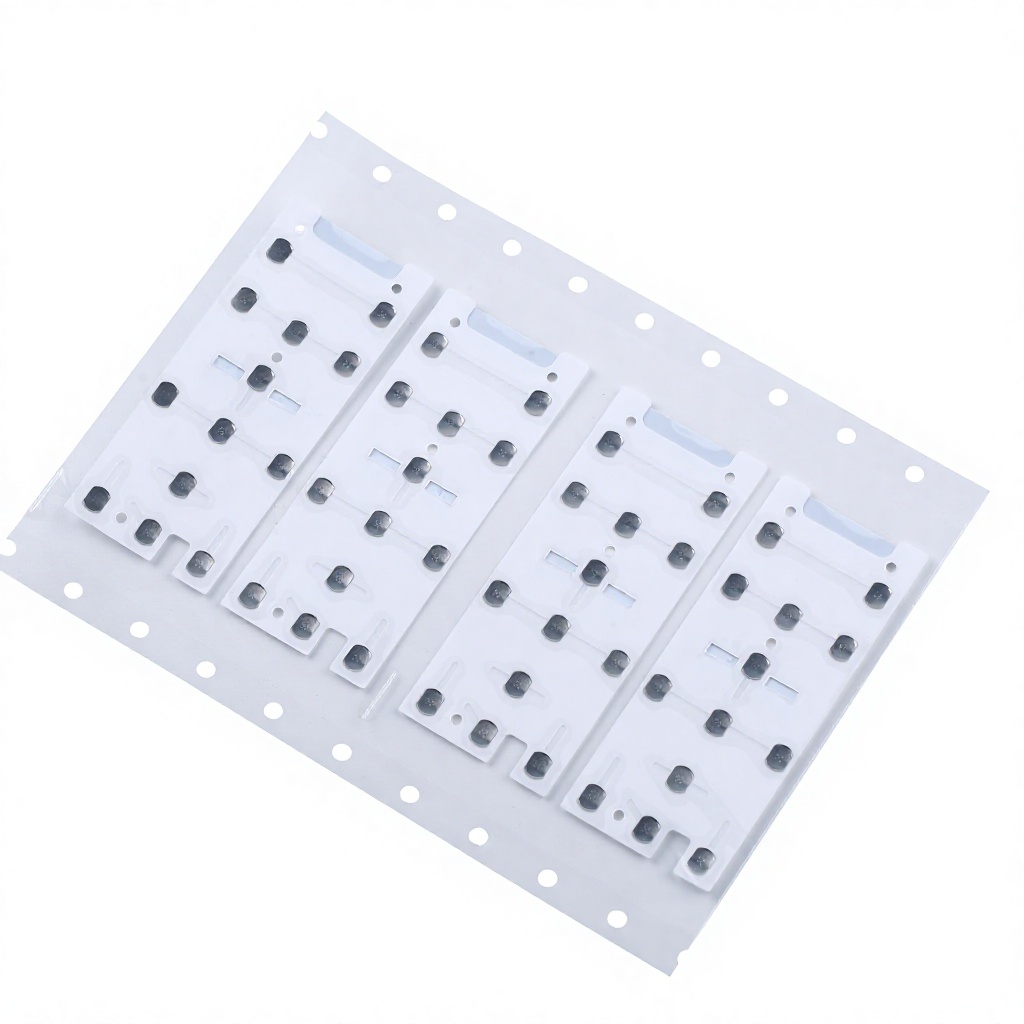
SUS301 Stainless Metal Dome Array
Single-layer PET carrier with precision double-sided adhesive tape. Built with aerospace-grade SUS301 stainless steel ensuring razor-sharp trip force feedback.
Explore Specifications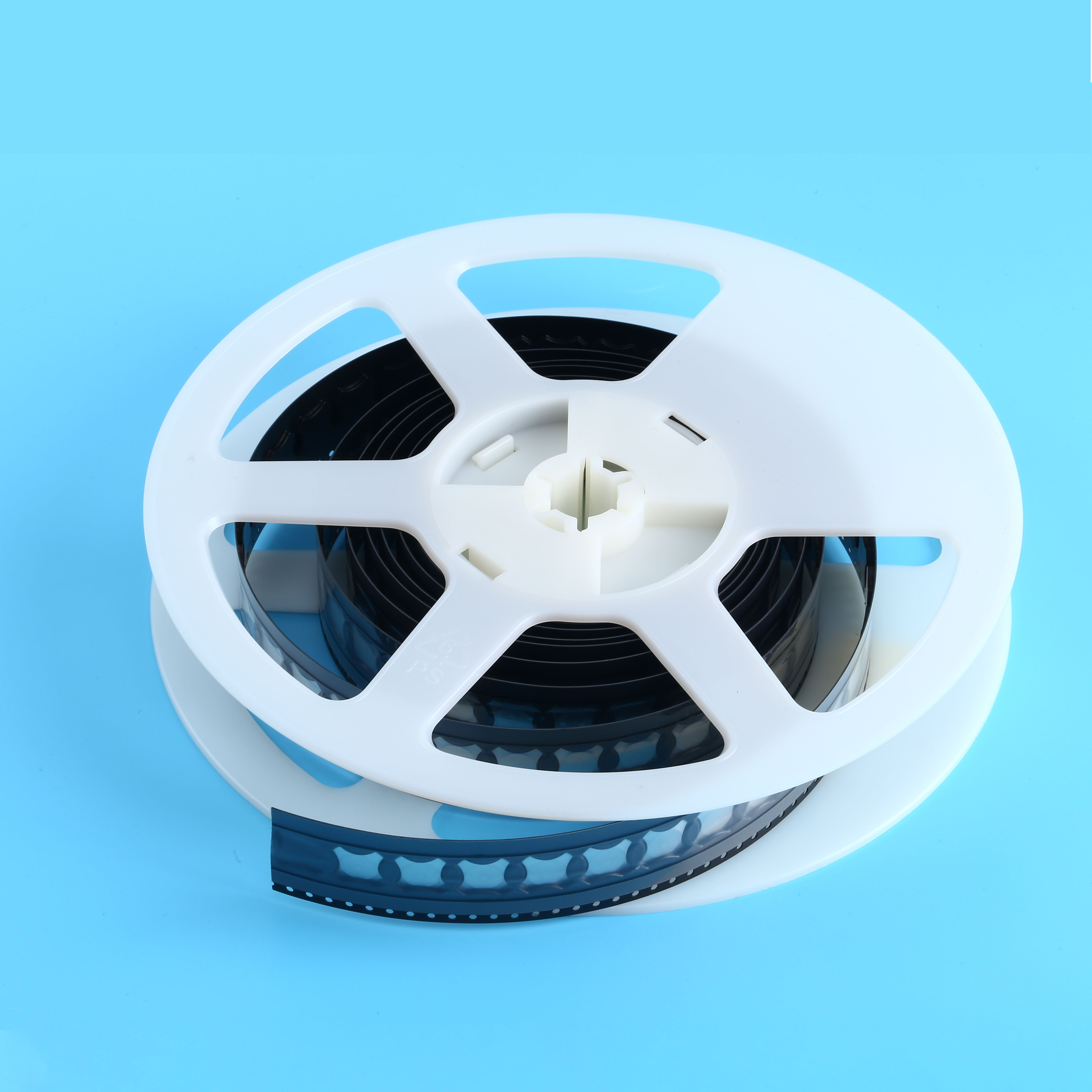
Cross 4-Legged Snap Dome in Reel
Tape and reel industrial packaging designed for high-speed SMT automated placement. Optimized leg profiles maximize rebound elasticity under thermal stress.
Explore Specifications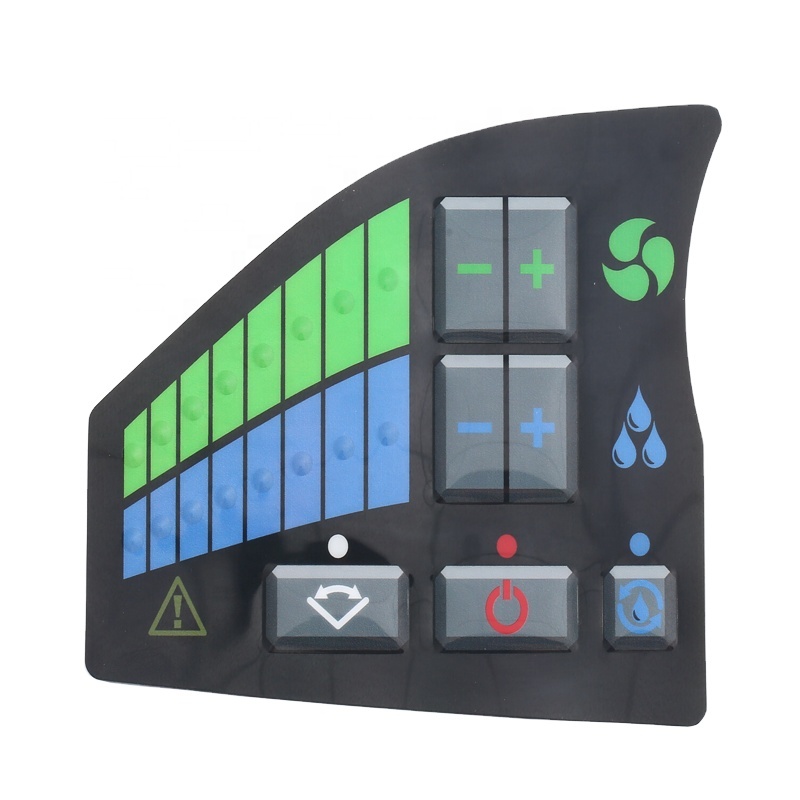
Embossed Graphic Overlay Keypads
Multi-layer screen-printed graphic overlays laminated with integrated 4-leg metal domes, featuring rim or pillow embossing for unambiguous tactile localization.
Explore Specifications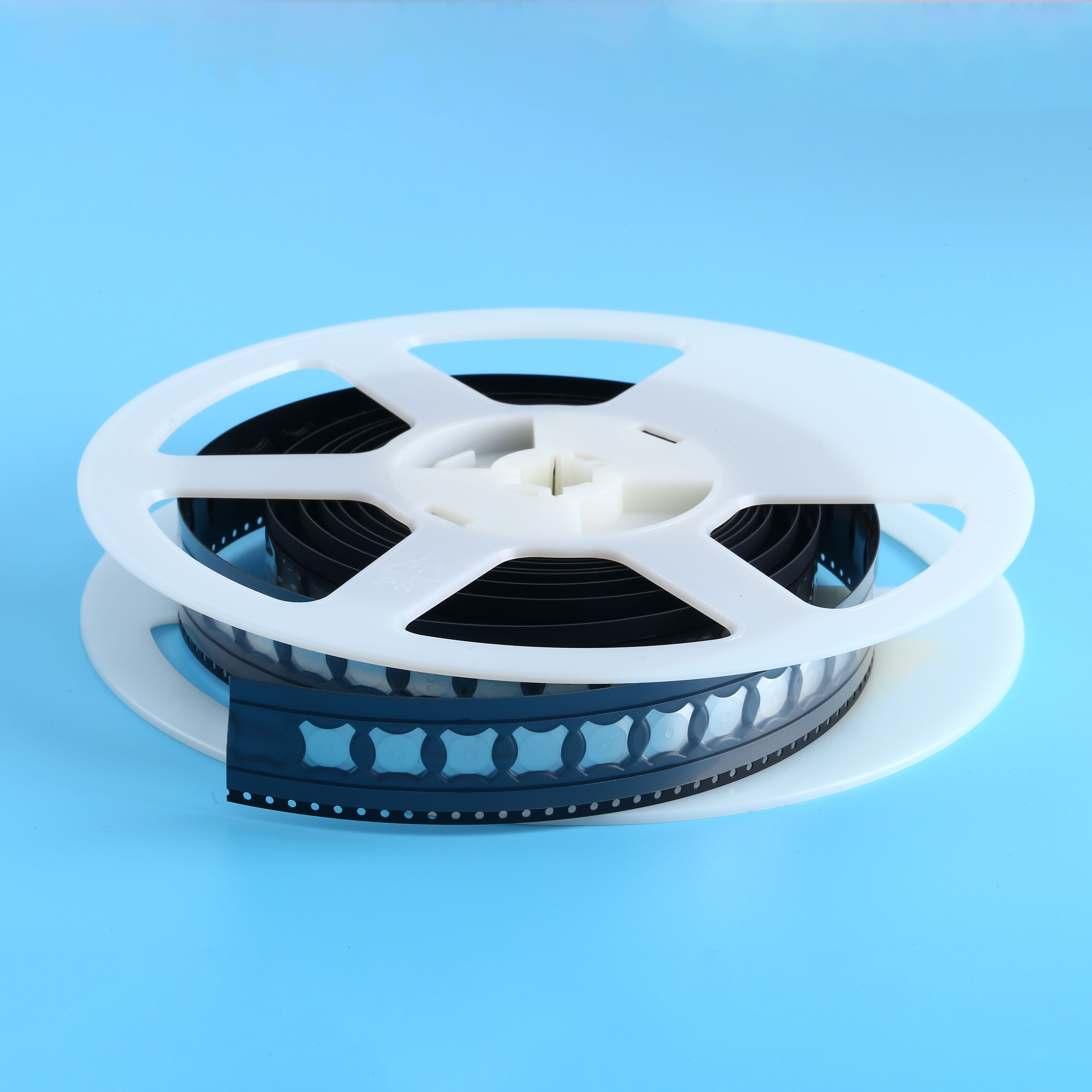
Single Layer Adhesive PET Array
Transparent PET base with built-in air vent pathways preventing pneumatic lock, ensuring continuous tactile consistency across rapid keystroke sequences.
Explore Specifications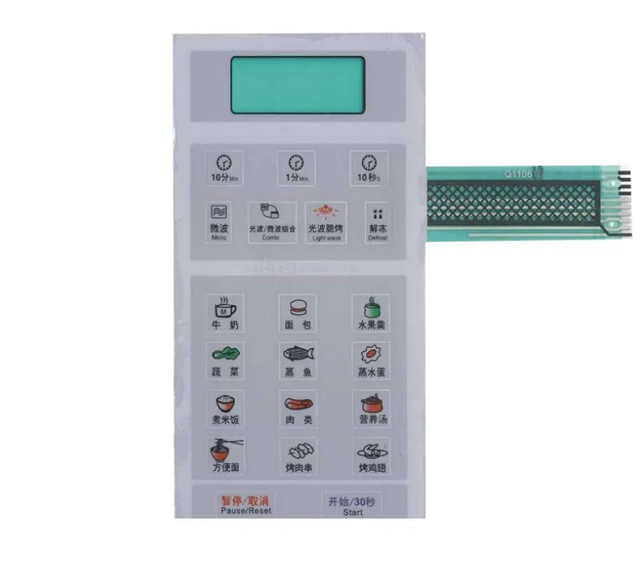
Electronic Membrane Control Panel
Sealed front-end HMI sub-assemblies configured with low-resistance conductive silver circuit traces and robust rear-adhesive seals suited for rugged hardware.
Explore Specifications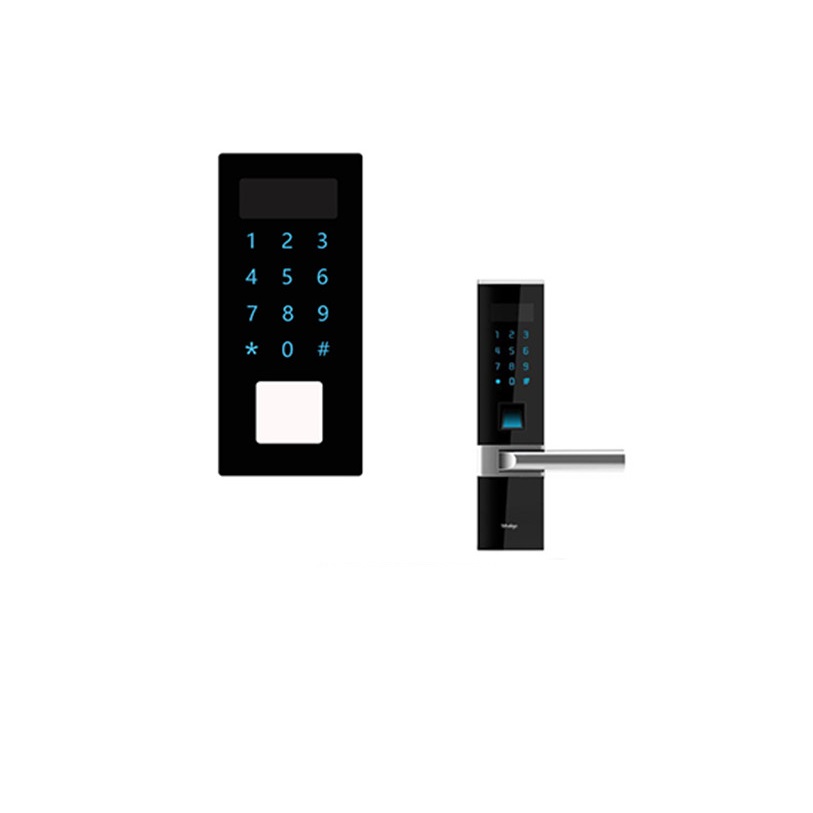
Waterproof Capacitive & Tactile Panel
PMMA/PC laminated control modules combining physical snap dome feedback with capacitive sensing boundaries, rated for IP65/IP67 ingress protection standards.
Explore Specifications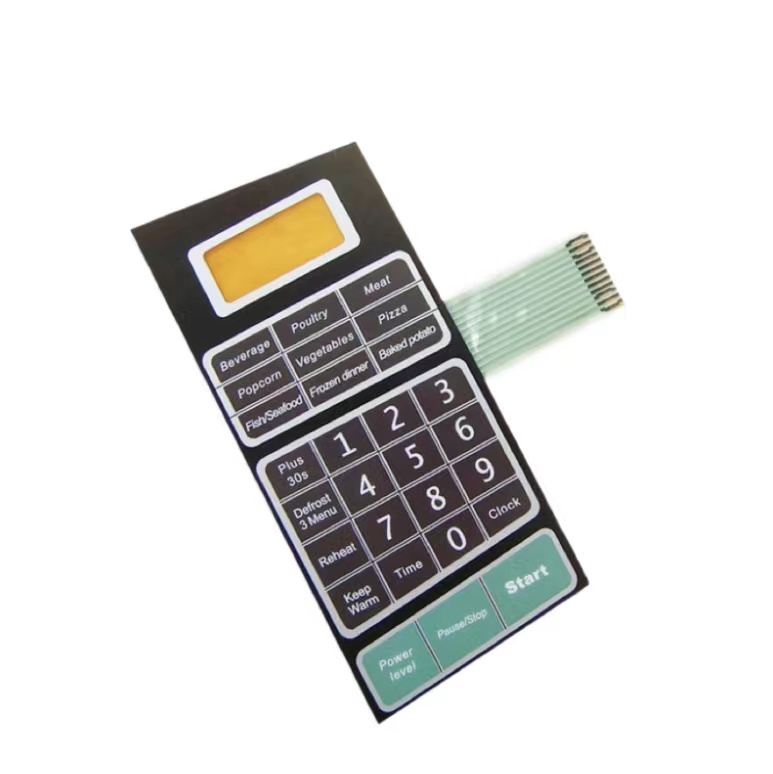
Custom Keypad Sub-Assembly
Engineered for high-mix low-volume industrial OEMs requiring dedicated mechanical alignments, selective surface textures, and rigidized backing plates.
Explore Specifications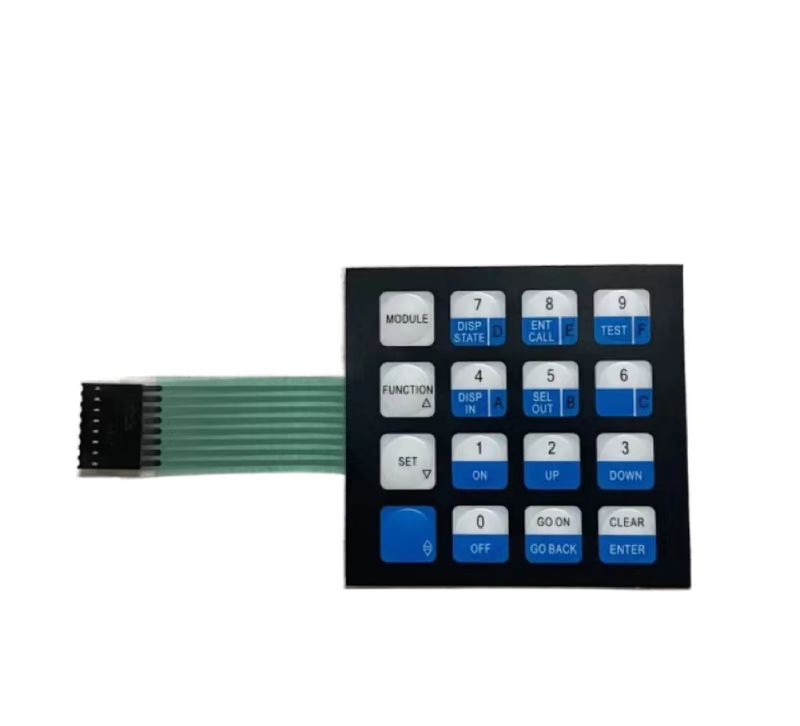
4x4 Matrix Tactile Dome Keypad
Matrix-encoded flex circuit with nickel or gold-plated cross metal domes, offering low contact bounce and reliable microamp circuit switching for industrial instrumentation.
Explore SpecificationsTechnical Specification & Mechanical Dynamics of the 4-Leg Cross Shaped Metal Dome
In electromechanical human-machine interface (HMI) engineering, the 4-leg cross-shaped metal dome (often referred to in component architecture as the four-legged snap dome or cross dome) represents the industry standard for combining high actuation force ratios with ultra-low profile footprints. Unlike circular or oblong tactile domes, the four-legged cross geometry permits four independent flexure cantilever points radiating from a central contact dimple. This distinct spatial geometry provides significant electrical and mechanical advantages for high-density printed circuit board (PCB) routing and flexible printed circuit (FPC) integrations.
Manufactured primarily from ultra-high-tensile SUS301 stainless steel (with select applications utilizing high-yield beryllium copper), each dome undergoes progressive precision stamping under tight die clearances. This process forms the spherical crown radius, trip-force ridge, and peripheral stabilizing feet. When downward force is applied to the central apex, the structural legs deflect until reaching their critical buckling point. At this instant, the dome rapidly snaps downward against the PCB contact pad, generating a definitive acoustic and tactile impulse while closing an open circuit loop. Cevra's in-house metal dome fabrication achieves click ratios exceeding 45% to 60%, delivering clear physical confirmation through gloved hands or in high-vibration operational environments.
| Parameter Attribute | Standard Industrial Spec | Cevra Precision Capability | Design Benefit for Systems Engineering |
|---|---|---|---|
| Available Diameters (Leg span) | 6.0mm, 8.4mm, 10.0mm, 12.0mm | Custom tooling from 4.0mm to 20.0mm | Scalable to tight micro-switch spacing or large operator pushbuttons |
| Actuation Trip Force (P1) | 180g – 400g (±50g) | 160g – 600g (Tight ±25g tolerance) | Prevents false actuation under severe mechanical vibration |
| Contact Resistance | < 5.0 Ω (standard silver trace) | < 0.1 Ω (Gold-plated), < 1.0 Ω (Nickel) | Maintains ultra-clean logic inputs for low-voltage microcontrollers |
| Switch Actuation Life | 500,000 actuations | 1,000,000 to 5,000,000 cycles | Ensures field survival across decades of daily industrial duty |
| Operating Thermal Range | -20°C to +70°C | -45°C to +105°C continuous | Reliable across Oklahoma field freezes and high-heat summer operations |
The Mechanical Anatomy of Air Venting and Pneumatic Relief
A critical engineering failure mode in field-deployed dome arrays is pneumatic dampening. When an operator depresses a dome sealed under an airtight overlay without proper venting, the air trapped inside the dome cavity compresses, significantly dampening the tactile click sensation and causing switch rebound sluggishness. Over repeated thermal swings, unvented cavities can generate partial vacuums or positive pressures that delaminate adhesive carrier tapes.
To eliminate this failure mechanism, Cevra integrates precision laser-cut and die-punched lateral air channels across both our single-layer and double-layer PET carrier films. Our vent channel network routes air away from the active switch well toward non-functional perimeter escape zones or connected adjacent cavities. This maintains equilibrium between the internal switch void and ambient air pressure, ensuring the tactile signature remains crisp, audible, and uniform throughout the system's operational lifespan.
Serving the Oklahoma City Industrial & Energy Ecosystem
From central Oklahoma energy fields to aerospace manufacturing hubs around Tinker Air Force Base, precision-engineered metal domes provide durable switching performance.
Oilfield & Extraction SCADA Units
Oil & gas extraction systems operating throughout the Anadarko Basin and Oklahoma City periphery require non-sparking, environmentally sealed Human-Machine Interfaces. Our 4-leg cross metal domes with gold plating maintain low contact resistance in the presence of corrosive hydrogen sulfide (H2S), enabling secure pump-off controller and field telemetry programming.
Aerospace & Defense Ground Support
Oklahoma City is home to Tinker Air Force Base and a dense network of avionics maintenance, repair, and overhaul (MRO) contractors. Ground diagnostic equipment, flight calibration terminals, and mission-critical handheld test fixtures depend on our MIL-STD-compliant tactile arrays to ensure actuation clarity during maintenance sequences.
Agricultural & Weather Monitoring Stations
Central Oklahoma's severe weather conditions—spanning torrential storms, tornadic atmospheric pressure shifts, and extreme temperature ranges—demand robust field hardware. Our 4-leg domes sealed within UV-resistant Autotype PET graphic overlays withstand high solar irradiance, heavy dust exposure, and freeze-thaw cycles without tactile loss.
Emerging HMI Engineering Trends in the Oklahoma Market
Strategic modernization across Oklahoma's manufacturing landscape is driving a shift toward smarter, more durable interface architectures.
Hybrid Tactile + Capacitive Sensing
Oklahoma equipment OEMs are increasingly adopting hybrid interfaces: combining non-wearing capacitive sliders with 4-leg cross metal dome arrays for safety-critical inputs like Emergency Stop and Motor Ignition, avoiding reliance on software-only touch confirmation.
High Environmental Ingress (IP67/NEMA 4X)
Field hardware in the Southern Plains faces red clay dust, windblown grit, and heavy precipitation. Demand has shifted decisively toward fully sealed membrane assemblies where the dome matrix is hermetically isolated using acrylic adhesives like 3M 467MP/468MP.
Automated SMT Reel Conversion
To reduce domestic manual assembly overhead in Oklahoma facilities, contract manufacturers are shifting from hand-placing individual snap domes to using 4-legged cross domes packed in 16mm/24mm carrier tape-and-reel for pick-and-place automation.
LGF Integrated Backlighting
Traditional edge LEDs often result in hot spots. Oilfield nocturnal operations and aviation flight line diagnostics require consistent, glare-free legends, driving widespread adoption of ultra-thin Light Guide Film (LGF) layers integrated above the metal dome array.
Dongguan Cevra Technology: End-to-End In-House Factory
Operating since 2009 in Dongguan, China, Cevra provides turnkey manufacturing for membrane switches, metal domes, and precision HMI sub-assemblies under unified quality control.
ISO 9001 & SGS Onsite Audited
Our 2,600㎡ facility is audited onsite by SGS Group. Production complies with ISO 9001 quality management protocols, covering raw material verification, batch lot tracking, and serialized delivery inspection records for international compliance.
Fully Integrated In-House Production
Every step is managed internally: silkscreen graphic printing, cleanroom automated lamination, CCD optical drilling, laser cutting, automated dome array placement, and post-assembly electrical test routines. This unified approach prevents subcontractor delays and maintains process control.
Advanced Quality Assurance Lab
Our quality verification laboratory operates metal dome load testers (quantifying P1 trip force and return elasticity), high/low temperature cycling chambers (-50°C to +150°C), tension peel analyzers, and 2D visual coordinate measuring machines before shipment release.
Oklahoma City Buyer & Engineer FAQ
Technical and logistical answers for sourcing custom tactile metal domes and integrated membrane assemblies.
Why select a 4-leg cross shape over triangular or round snap domes?
The 4-leg cross design delivers an optimal balance of actuation force, tactile travel depth, and low clearance. Its extended legs allow center-to-center trace routing directly between dome feet on single-layer PCBs, eliminating vias and reducing overall board fabrication costs. Cross domes also seat more securely on circuit surfaces when subjected to off-center finger actuation.
When should we specify gold plating instead of nickel plating?
Nickel plating is suitable for standard consumer and commercial electronics. For industrial devices deployed in outdoor Oklahoma environments—such as oilfield telemetry units, chemical processing monitors, and aviation ground gear—gold plating provides critical oxidation resistance, stable contact resistance (<0.1Ω), and dependable low-voltage logic switching over years of use.
What formats do you supply for domestic PCB assembly lines in OKC?
We supply 4-legged metal domes in three standard formats: (1) Pre-assembled custom Peel-and-Place Dome Arrays on adhesive PET carriers for rapid manual installation; (2) Standard EIA-481 Tape & Reel packaging for high-speed automated SMT assembly; and (3) Bulk clean-pack quantities for automated bowl feeders and specialized mounting systems.
How do you manage international logistics to Oklahoma City (OKC)?
We ship expedited air cargo via FedEx, DHL, and UPS directly to Will Rogers World Airport (OKC) hubs, with door-to-door transit times typically running 3 to 5 business days for prototypes and medium production runs. For large scheduled blanket orders, we coordinate standard ocean and rail freight clearing customs at major entry ports.
What are the minimum order quantities (MOQ) for prototypes vs. production?
We support prototype development with MOQs starting at 10 to 50 pieces for fully integrated custom membrane switch assemblies, and pilot lots of 1,000 pieces for loose or tape-and-reel metal domes. Mass-production pricing scales efficiently for volume orders up to millions of units, managed under structured Blanket Purchase Orders.
What technical design files are required to generate an engineering quote?
To produce an engineering feasibility review and quotation within 24 hours, our engineering team requires: (1) 2D mechanical outlines (CAD DXF, DWG, or PDF) detailing key layout, dome spacing, and air vent paths; (2) Artwork files (Adobe Illustrator vector format) identifying Pantone codes; and (3) Target actuation force specs (e.g., 280g, 350g, 420g) along with expected environmental ratings.
Ready to Engineer Your Custom Metal Dome or Switch Assembly?
Consult directly with our experienced HMI engineering team. We provide rapid DFM reviews, prototype turnarounds, and volume supply solutions for the Oklahoma City market and across North America.
Get a Quote