Featured Tactile Metal Domes & Membrane Switches
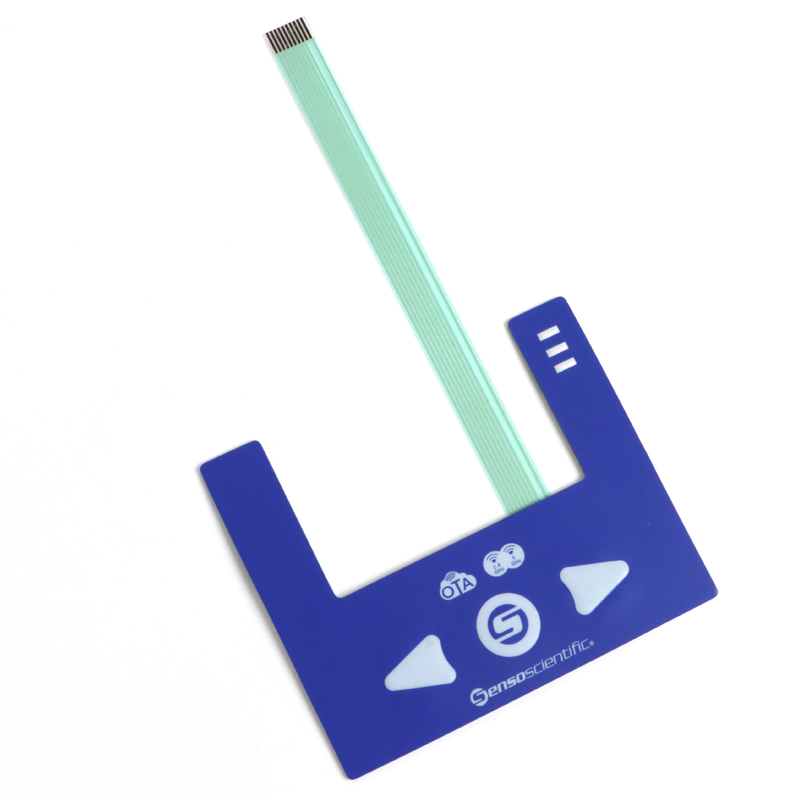
High-reliability tactile switches and customized membrane panel assemblies engineered for harsh tropical, marine, and commercial operating environments.

Engineering Whitepaper: 4-Leg Cross Shaped Metal Domes for High-Demand Operating Environments
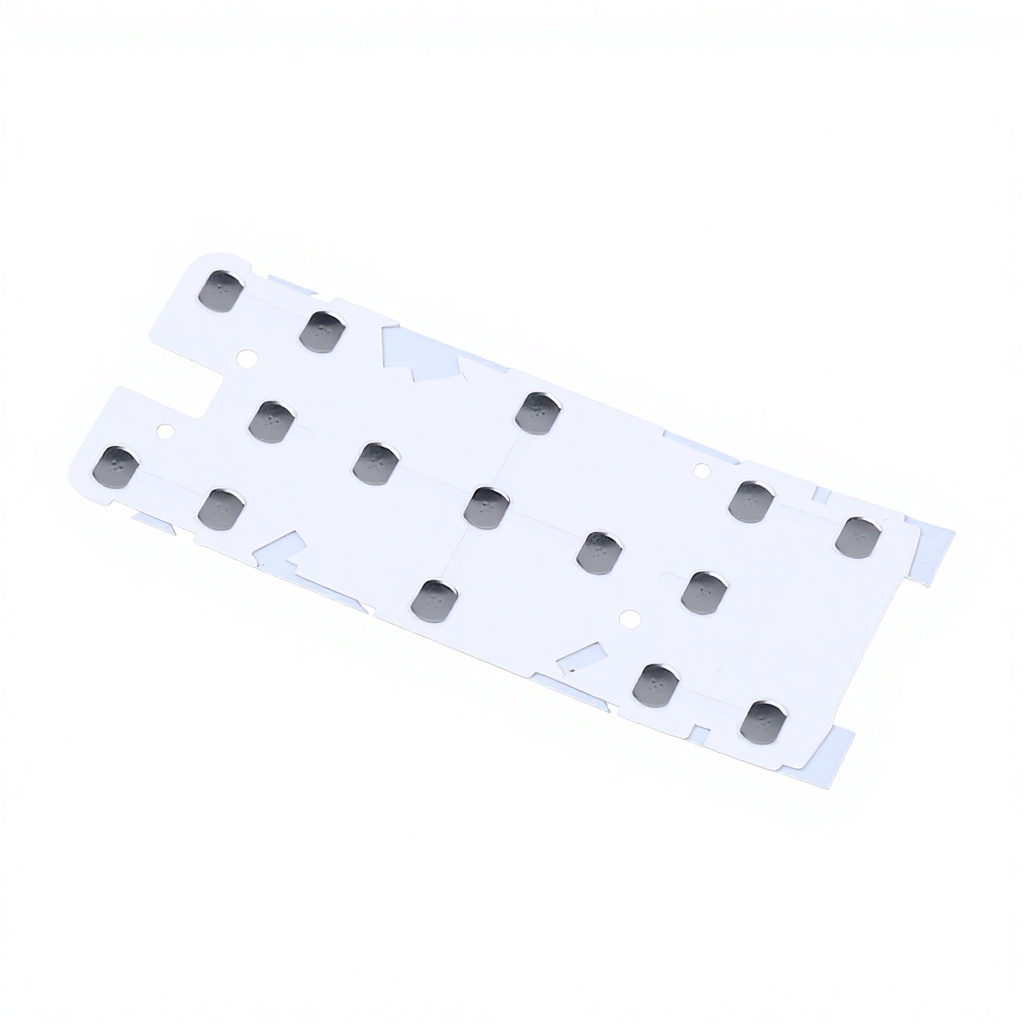
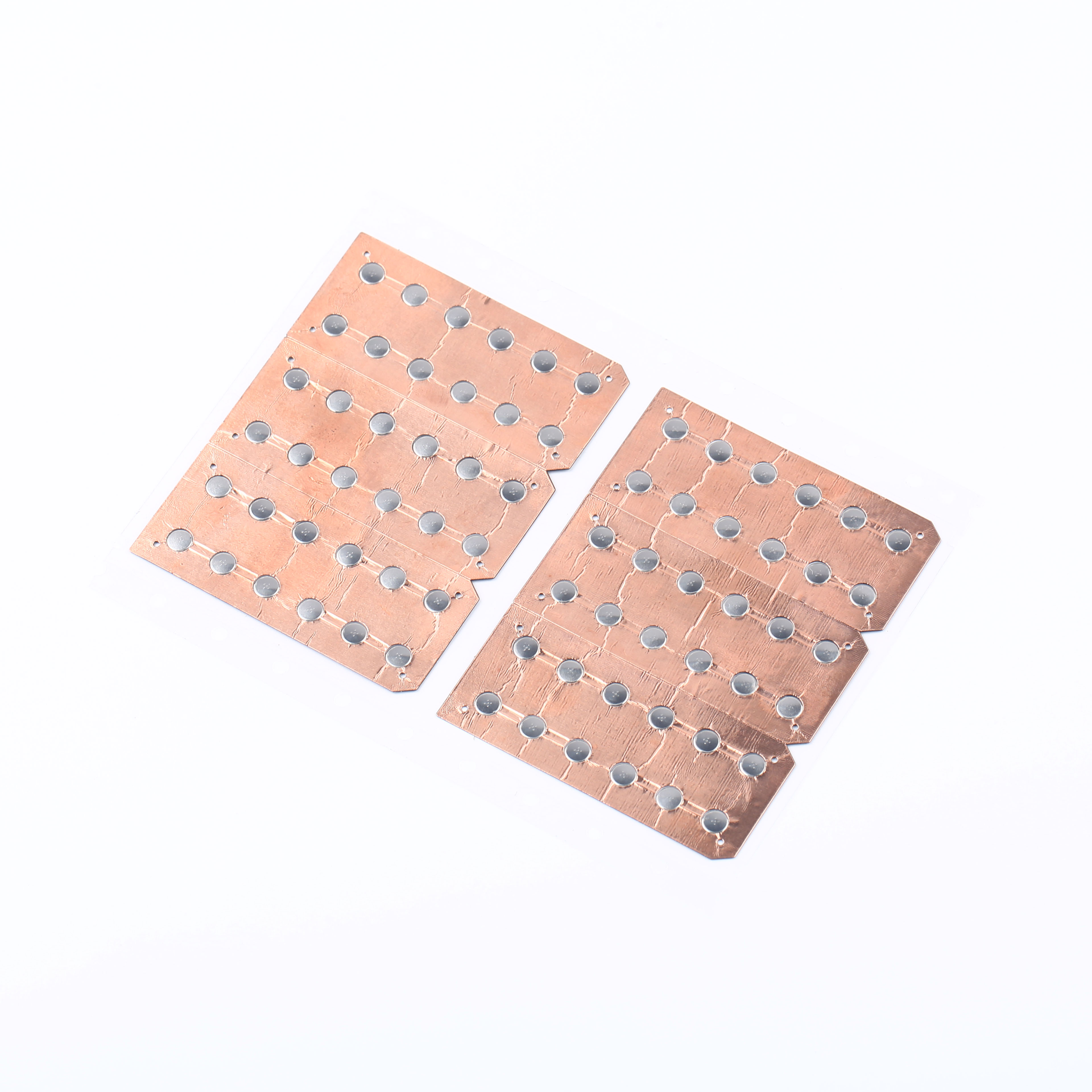
The 4-leg cross-shaped metal dome (often classified as a four-legged tactile tactile snap dome) serves as the industry gold standard for momentary tactile contact switches within printed circuit board (PCB) layouts and flexible printed circuits (FPC). Unlike spherical round or triangular domes, the four-legged architecture accommodates wider trace cut-outs, lower required clearance heights, and optimal actuation ergonomics. Stamped almost exclusively from high-grade SUS301 stainless steel (optionally plated in chemical nickel or selective gold), cross-shaped domes exhibit distinct mechanical deflection curves. This non-linear force-deflection dynamic provides the end user with clean, acoustic-mechanical feedback that eliminates keying ambiguities in mission-critical equipment.
For international buyers and system integrators sourcing components serving Bolans, Antigua and Barbuda, environmental endurance remains a fundamental design concern. Island and coastal applications face unrelenting atmospheric challenges: continuous airborne saline vapor, relative humidity frequently exceeding 80%, severe ultraviolet (UV) solar index levels, and high diurnal thermal flux. Deploying off-the-shelf, non-sealed momentary switches within such microclimates inevitably precipitates premature contact oxidation, pitting, silver electromigration, or moisture-induced capacitive phantom triggering. Our factory addresses these critical pain points through precision-engineered dome arrays featuring integrated micro-venting channels, selective hydrophobic barrier membranes, and high-cohesion acrylic adhesives (such as 3M 467MP/468MP or equivalent waterproof laminates) that isolate the snap contact cavity from aggressive external ambient pollutants.
| Technical Specification | 4-Leg Cross Dome Standard | Marine/Tropical Grade (SUS301 Nickel/Gold Plated) |
|---|---|---|
| Available Diameters / Footprints | 6.0 mm, 8.4 mm, 10.0 mm, 12.0 mm, 14.0 mm, 20.0 mm | 8.4 mm, 10.0 mm, 12.0 mm (Optimized travel) |
| Actuation Force Rating (Trip Force) | 160g – 400g (±30g tolerance) | 220g – 350g (Enhanced tactile discrimination) |
| Contact Plating Metallization | Bare Stainless Steel / Standard Nickel | Flash Gold (0.03-0.05µm) over Hard Nickel Substrate |
| Contact Resistance | < 1.0 Ω (standard PCB footprint) | < 100 mΩ (ultra-stable over 1M actuations) |
| Environmental Ingress Integration | IP40 – IP54 typical | IP65 – IP67 with perimeter gas-tight seal layer |
| Operating Temperature Envelope | -20°C to +70°C | -40°C to +85°C continuous thermal cycling |
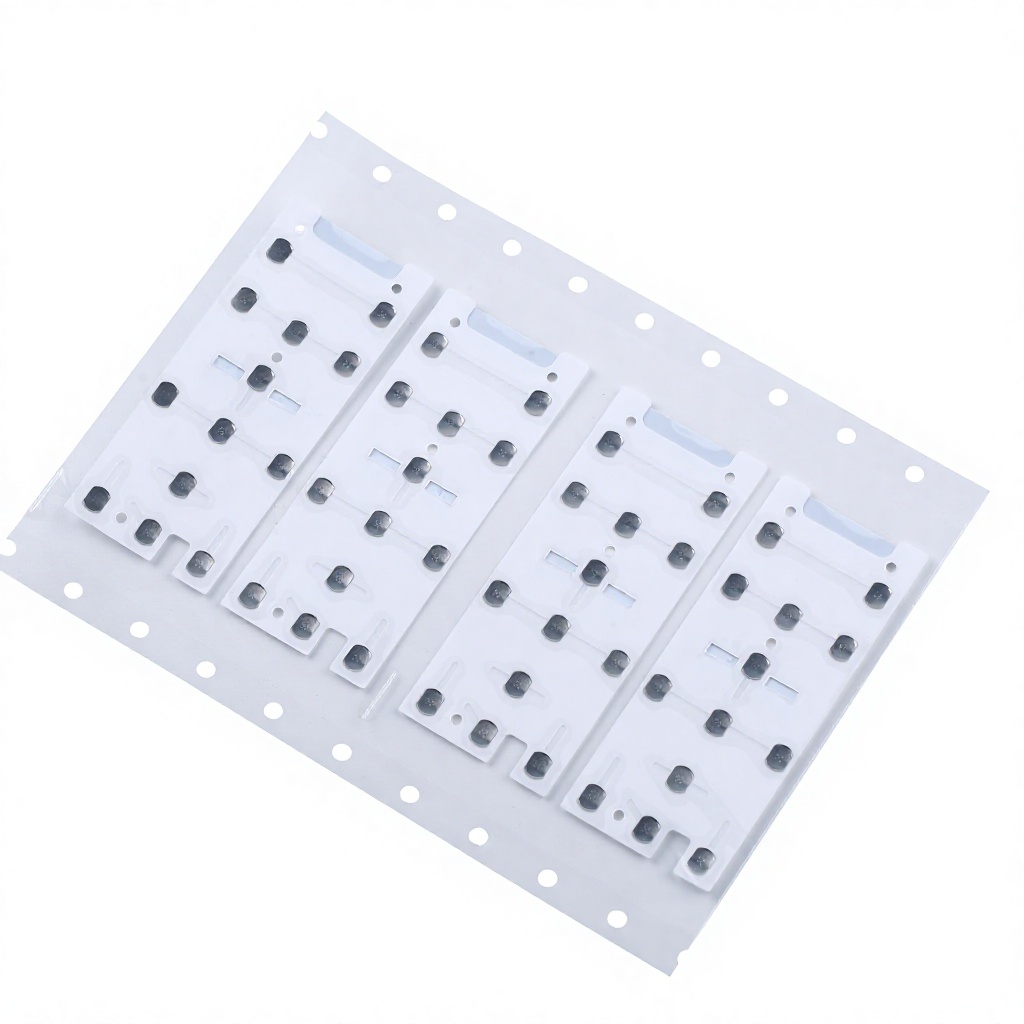
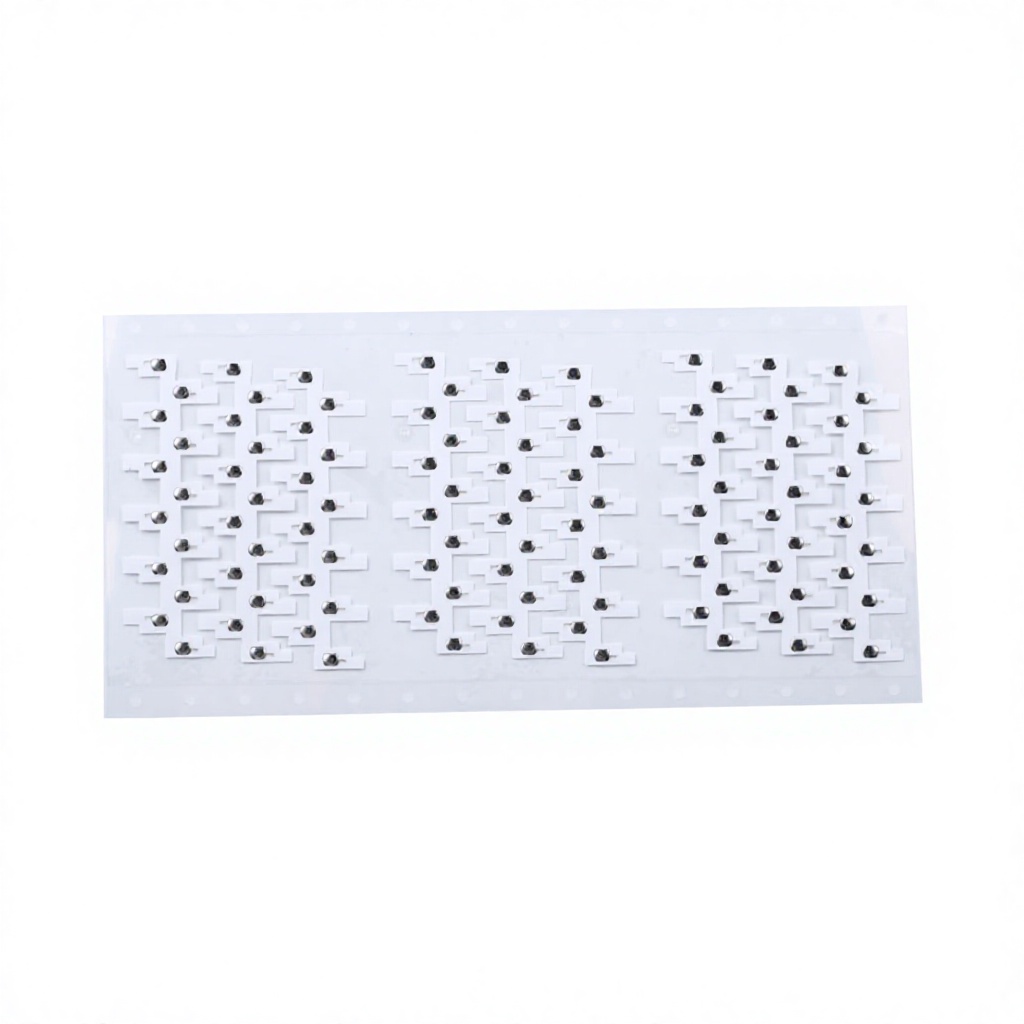
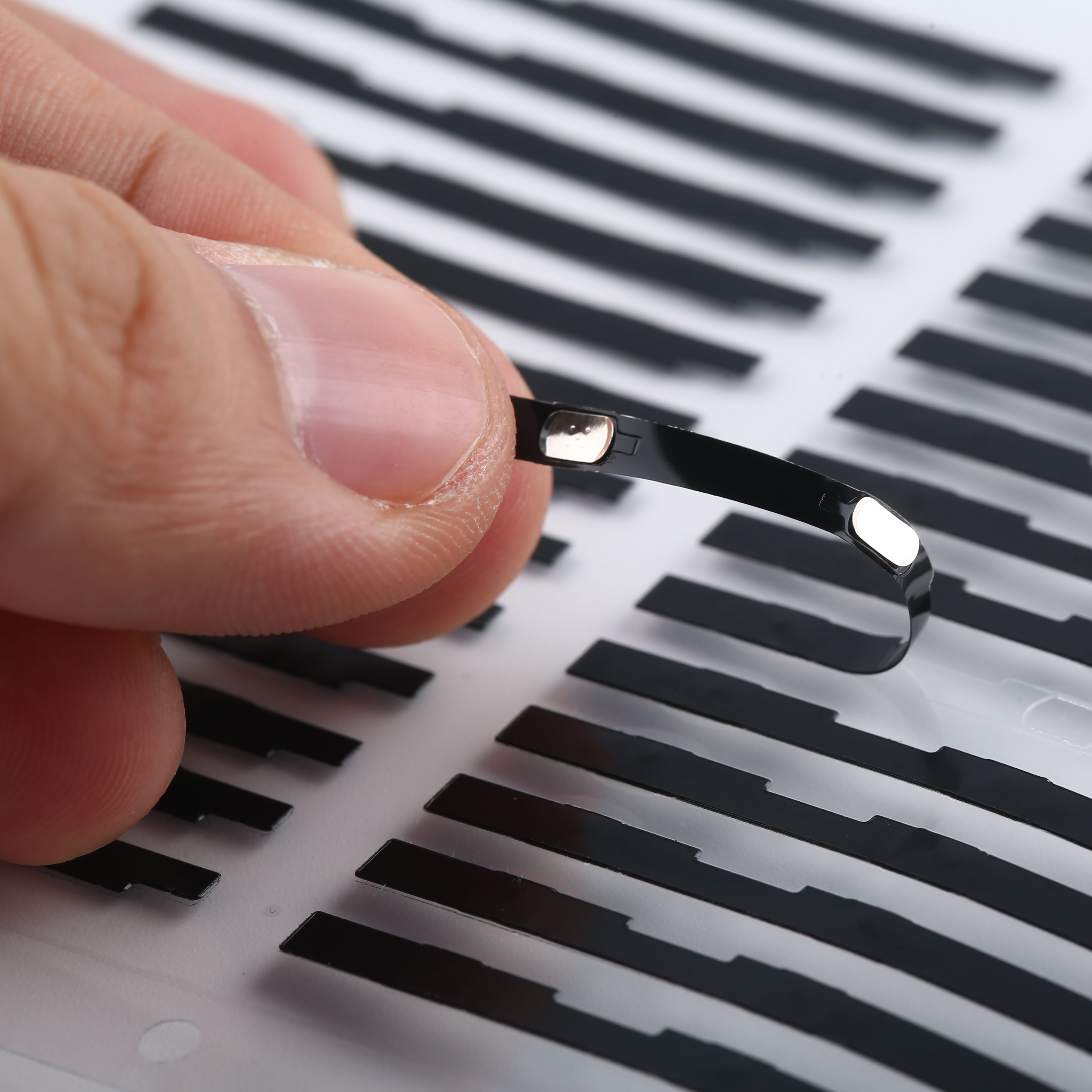
The operational geometry of a four-legged cross dome permits greater travel depth than equivalent diameter round discs, yielding tactile snap ratios routinely between 40% and 60%. This substantial tactile sensation confirms switch activation even when operated by technicians wearing heavy gloves or working in noisy ambient settings. Furthermore, by configuring domes within tape-and-reel packaging (poly metal domes) or custom die-cut array sheets, high-speed automated Surface Mount Technology (SMT) pick-and-place lines can drop domes onto boards with zero risk of static cling, mechanical inversion, or contact zone contamination.
Localized Application Scenarios in Bolans & Surrounding Maritime Corridors
While Bolans in Saint Mary Parish is celebrated internationally for luxury leisure, eco-tourism, and coastal developments along the western shores of Antigua (including Jolly Harbour and surrounding marinas), modern industrial, municipal, and commercial infrastructures underpin this thriving ecosystem. Equipment deployed in these facilities requires electrical subcomponents designed to withstand heavy marine air and relentless duty cycles:
Marine & Yacht Navigational Controls
Yachts, charter catamarans, and dockside management facilities operating around the local marina corridors rely on waterproof HMI keypads for radar plotters, VHF radios, anchor winches, and bilge bilge telemetry systems. Our gold-plated 4-leg domes avoid salt fog corrosion and galvanic oxidation, guaranteeing uninterrupted conductivity during critical coastal passages.
Luxury Hospitality & Smart Building Panels
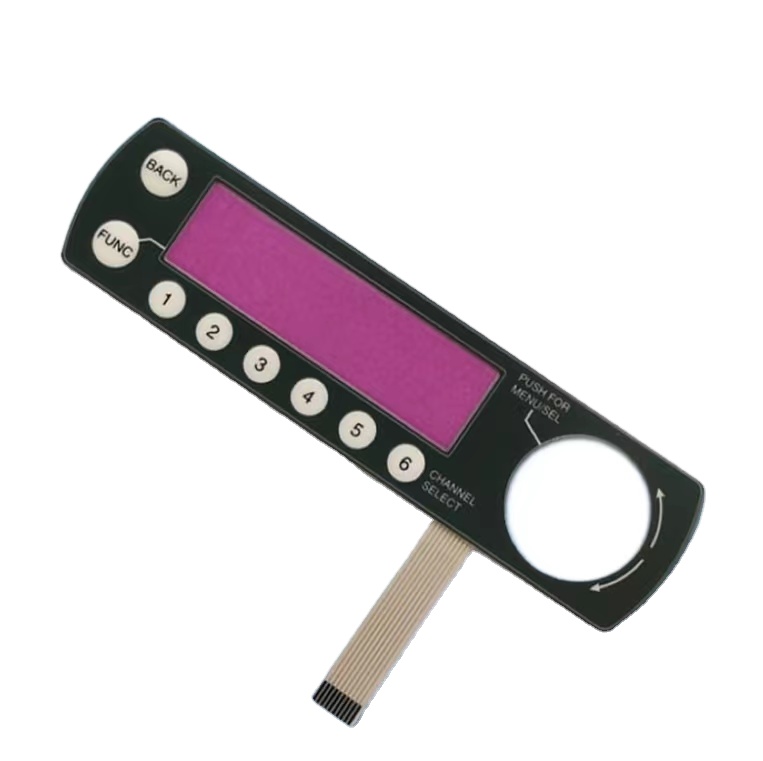
Boutique resorts, private villas, and eco-lodges situated along the coast require robust, aesthetically refined interfaces for centralized HVAC controllers, automated lighting grids, intelligent access locks, and guest services. Custom embossed membrane panels backed by SUS301 cross domes combine ergonomic luxury with deep moisture-barrier protection.
Solar Power Inverters & Utility Monitoring
Antigua's sustained transition toward renewable energy has driven local solar PV installations and coastal microgrid storage systems. Inverter diagnostics panels and outdoor monitoring stations endure extreme solar radiation and ambient heating. Our high-temperature PET carrier dome arrays preserve stable trip-force metrics up to 85°C without dome flattening.
Regional Technology Trends: Microclimates Driving HMI Evolution
Procurement criteria for electronic interfaces across the Caribbean are undergoing rapid technological shifts. Historically, engineers relied on standard mechanical pushbuttons or basic elastomeric silicone keypads. However, rapid field failures caused by salt vapor condensation, UV degradation of silicone jackets, and internal insect penetration have forced system builders to adopt fully sealed monolithic planar architectures.
Key evolutionary drivers observed in current regional procurement include:
- Migration Toward Ingress-Protected Dome Arrays: Single-layer and double-layer adhesive arrays featuring laser-etched breathable air-ventilation conduits allow air displacement during key depression without opening the switch contact area to atmospheric moisture. This prevents hydraulic resistance while maintaining an IP67 rating against driving tropical rainfall.
- Capacitive and Tactile Hybrid Architectures: Designers serving hospitality and maritime sectors frequently blend flat capacitive touch surfaces (for rapid cleaning and smooth appearance) with dedicated physical 4-leg metal dome switches for critical emergency stops, anchor controls, or master power switches where positive tactile feedback is vital for life-safety operations.
- UV-Stabilized and Chemically Resilient Materials: Traditional polycarbonate overlays tend to yellow and embrittle under intense Caribbean solar radiation. The industry standard has shifted decisively toward sub-surface printed, textured, UV-stabilized hard-coated biaxially oriented PET (Polyester) films and treated PMMA panels, backed with cross-linked acrylic adhesive bonds capable of resisting high saline humidity.
Why Partner With Dongguan Cevra: Verified Manufacturing Capabilities
Dongguan Cevra Electronic Technology Co., Ltd. (established in March 2009) is an ISO 9001:2015 certified manufacturer specializing in precision tactile switches, metal dome arrays, membrane keypads, and graphic overlays. Rather than functioning as an intermediary brokerage or trading company, we design, tool, punch, assemble, and inspect every layer directly within our 2,600-square-meter facility in Dongguan, China—the central industrial manufacturing core of global electronics.
SGS Onsite Factory Audited
Our manufacturing floor, quality assurance laboratories, skilled production staff, and business integrity have undergone rigorous onsite inspection and physical verification by the SGS Group, confirming genuine tier-one manufacturing capability.
End-to-End Vertical Integration
From precision high-speed precision punching, silk-screen graphic printing, and laser profiling to automatic high-precision laminating and CCD alignment drilling, our internal operations maintain strict quality control while eliminating subcontracting markups.
Comprehensive Laboratory Validation
Every production batch undergoes strict quality gates: load-stroke tactile curve mapping, high/low thermal shock cycling (-40°C to +85°C), 180° peel adhesion tension verification, tack tenacity metrics, and automated CCD optical inspection for zero-defect exports.
Procurement FAQ: 4-Leg Cross Domes & Export Services to Bolans
How do cross-shaped 4-leg metal domes compare with round or triangular domes for PCB designs?
What surface plating is recommended for electronics operating in coastal or marine environments?
Can you supply metal domes pre-assembled on adhesive carriers, or only as loose components?
What engineering documentation is required to generate a manufacturing quote and stack-up proof?
What are the typical lead times and logistics arrangements for shipments to Antigua and Barbuda?
Ready to Build Custom Tactile Switches for Your Next Generation Device?
Connect with our technical engineering desk for detailed layer stack-up guidance, complimentary DFM manufacturability reviews, and direct competitive export pricing.
Inquire Now