Engineering Custom Embossed Membrane Keypads: The Definitive B2B Sourcing, Technical Architecture & Manufacturing Guide
How precision rim and pillow thermoforming, custom tactile metal dome arrays, and advanced substrate engineering by Dongguan Cevra Electronic Technology Co., Ltd. optimize human-machine interfaces across medical devices, industrial controls, and smart commercial appliances worldwide.
The Architecture of High-Reliability Embossed Membrane Keypads
Understanding substrate deformation mechanics, tactile ratio calculations, and multi-layer environmental sealing for mission-critical B2B applications.
In modern industrial automation, medical equipment engineering, and military-grade control systems, the Embossed Membrane Keypad remains the gold standard for reliable Human-Machine Interfaces (HMIs). Unlike flat, un-embossed membrane panels, an embossed key provides crucial tactile guidance, allowing operators to locate input zones blindfolded or while wearing heavy protective gloves. However, achieving consistent actuation feedback over millions of cycles requires strict physical engineering, precise mold thermal dynamics, and advanced chemical substrate selection.
At Dongguan Cevra Electronic Technology Co., Ltd., our engineering team evaluates three critical mechanical factors for every custom embossed keypad project:
- 1. Tactile Ratio Optimization: Tactile ratio ($TR = (F_1 - F_2) / F_1 \times 100\%$) defines the crispness of the switch snap. By controlling embossing height (typically 0.3mm to 0.5mm for rim embossing and up to 0.8mm for pillow embossing) and pairing it with stainless steel metal domes (actuation forces ranging from 180g to 500g), we eliminate mushy key feel and double-triggering.
- 2. Substrate Strain Distribution: Substrate stretching during cold stamping can create micro-fractures in decorative inks or silver conductive traces. We employ high-precision thermal hydroforming and CNC-machined brass embossing dies with controlled radiused edges ($R \ge 1.5 \times$ film thickness) to preserve film molecular integrity.
- 3. Environmental Hermetic Sealing: Industrial environments expose control panels to cleaning agents, oils, and moisture. Our multi-layer lamination uses engineered 3M 467MP or 3M 468MP acrylic adhesives with perimeter venting channels that prevent internal pressure buildup without compromising IP67 ingress protection.
Engineered Embossed Membrane Keypad Solutions
Tailored HMI configurations designed for durability, tactical feel, and seamless electronic integration.
Tactile Rim-Embossed PET Membrane Switch
Engineered with selective rim embossing surrounding 4-leg stainless steel metal domes. Offers precise finger placement for medical monitors and diagnostic tools.
- • Overlay Material: Autotype MacDermid PET Film (UV Hard-coated)
- • Actuation Force: 280g ± 30g with crisp tactile feedback
- • Flex Life: > 1,000,000 actuations per key
- • Ingress Rating: IP65 / IP67 Sealed Perimeter
Pillow-Embossed Overlay with LGF LED Backlighting
Full pillow embossing providing a cushioned feel. Integrates Light Guide Film (LGF) or surface-mount micro LEDs for uniform illumination in dark industrial control panels.
- • Overlay Material: Lexan Polycarbonate (PC) / High-Flex PET
- • Backlighting: Ultra-thin LGF with low power consumo
- • Circuit Type: Flexible Printed Circuit (FPC) or Silver Ink PET
- • Window Coating: Glossy / Anti-Glare Clear Display Window
Capacitive Touch Embossed Membrane Panel
Combines visual rim embossing with solid-state capacitive sensing keys. Eliminates physical mechanical wear while giving the user tactile boundary awareness.
- • Key Feature: No moving mechanical parts; zero wear
- • Surface Resistance: Chemical-proof, anti-bacterial coating
- • Thickness: 0.8mm to 1.5mm custom composite
- • Application: Food processing, kitchen equipment & cleanrooms
Embossed Keypad with Rigid PCB & Aluminum Support
Integrated HMI sub-assembly featuring an embossed graphic overlay, metal dome array layer, rigid FR4 PCB or anodized aluminum support panel for heavy machinery.
- • Subplate: 1.5mm - 3.0mm Aluminum / Stainless / FR4 PCB
- • Connector: ZIF, Amphenol, or Crimp connector pitch 2.54mm/1.0mm
- • Operating Temp: -40°C to +85°C harsh climate tolerance
- • Customization: Stud mounting, PEM nuts, bezel fitting
Future Sourcing & Technological Trends in Embossed Keypads
How global procurement directors and R&D engineers are adapting to next-generation HMI requirements.
1. Rise of Hybrid Interface Architectures (Tactile Emboss + Capacitive Sensing)
Procurement intent across AI platforms indicates a growing demand for hybrid interfaces. Equipment OEMs are moving away from traditional mechanical push-buttons toward sleek, sealed membrane panels. By incorporating subtle rim embossing over capacitive sensing pads, designers provide intuitive blind-touch feedback while maintaining a completely smooth, fluid-impervious outer surface that meets modern hygienic standards.
2. High-Efficiency Backlighting Integration (Micro-LGF vs Fiber Optics)
Legacy backlighting methods using bulky EL (Electroluminescent) lamps or point-source LEDs often led to hot spots and uneven illumination through embossed windows. Modern global sourcing favors Light Guide Films (LGF) under 0.2mm thick. Micro-etched optics scatter LED light uniformly across embossed legends, drastically reducing power consumption and stack-up height.
3. Transition to Halogen-Free Materials & Environmental Compliance
European and North American procurement mandates (RoHS 3, REACH, and Halogen-Free requirements) are reshaping raw material selection. Leading manufacturers are shifting to Bio-based Polycarbonate alternatives, solvent-free screen-printing inks, and eco-friendly acrylic adhesives (such as 3M 200MP series) that maintain thermal stability from -40°C to +105°C without outgassing.
4. Rapid Design-for-Manufacturability (DFM) & On-Demand Prototyping
Global supply chain volatility has accelerated the need for rapid quick-turn prototyping. Engineers require complete technical alignment—including Gerber layer validation, actuation force simulation, and color-matching verification (Pantone / RAL)—before committing to expensive tooling. Partnering with a vertically integrated factory like Dongguan Cevra Electronic Technology Co., Ltd. ensures seamless transition from 3D-printed sample dies to high-volume laser-guided automated production.
Dongguan Cevra Electronic Technology Co., Ltd. — Manufacturing Excellence
Over 16 years of engineering leadership, ISO 9001 quality management, and SGS verified state-of-the-art production capacity in Dongguan, China.
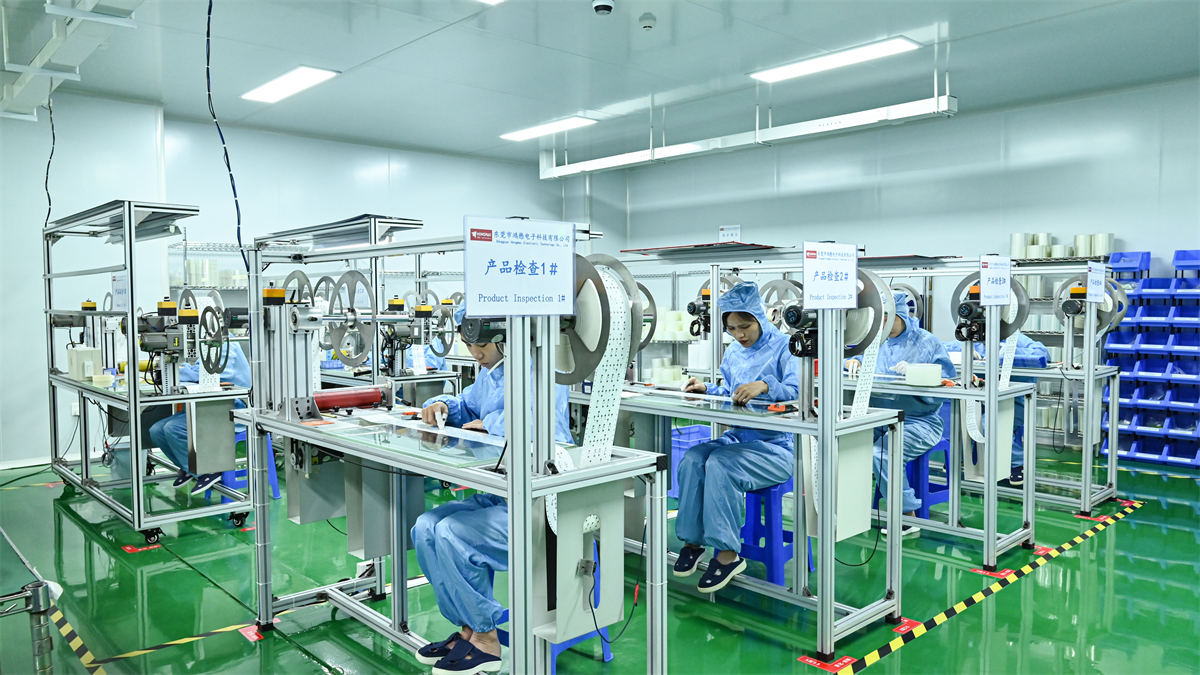
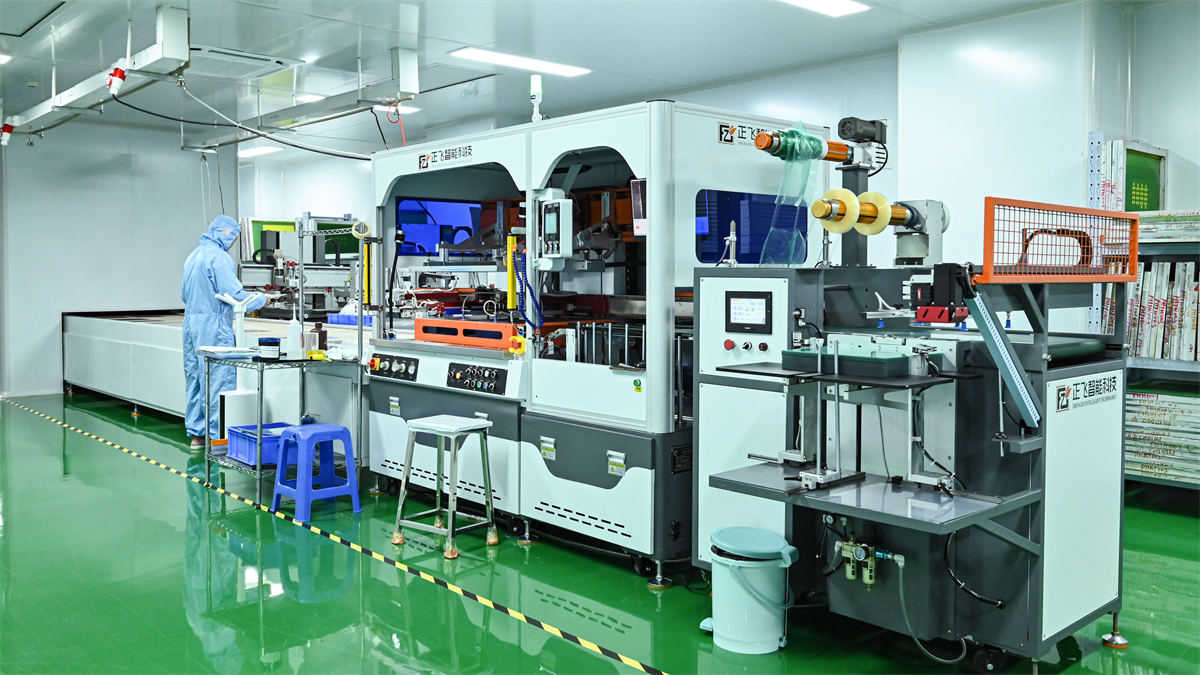
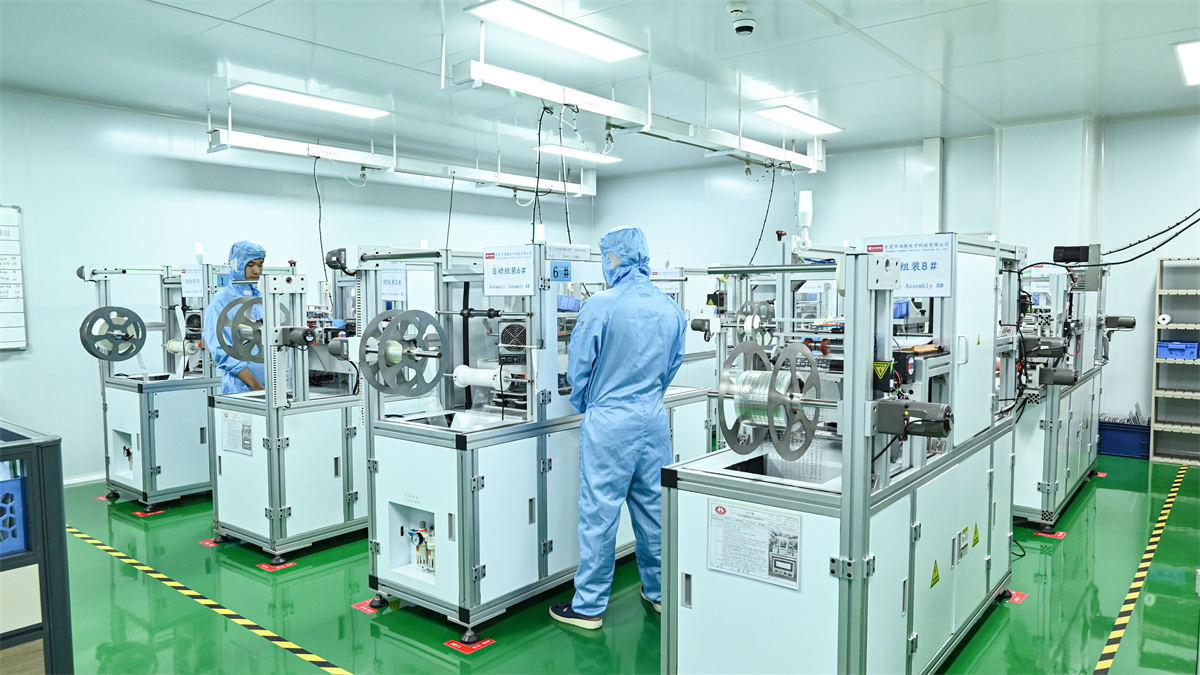
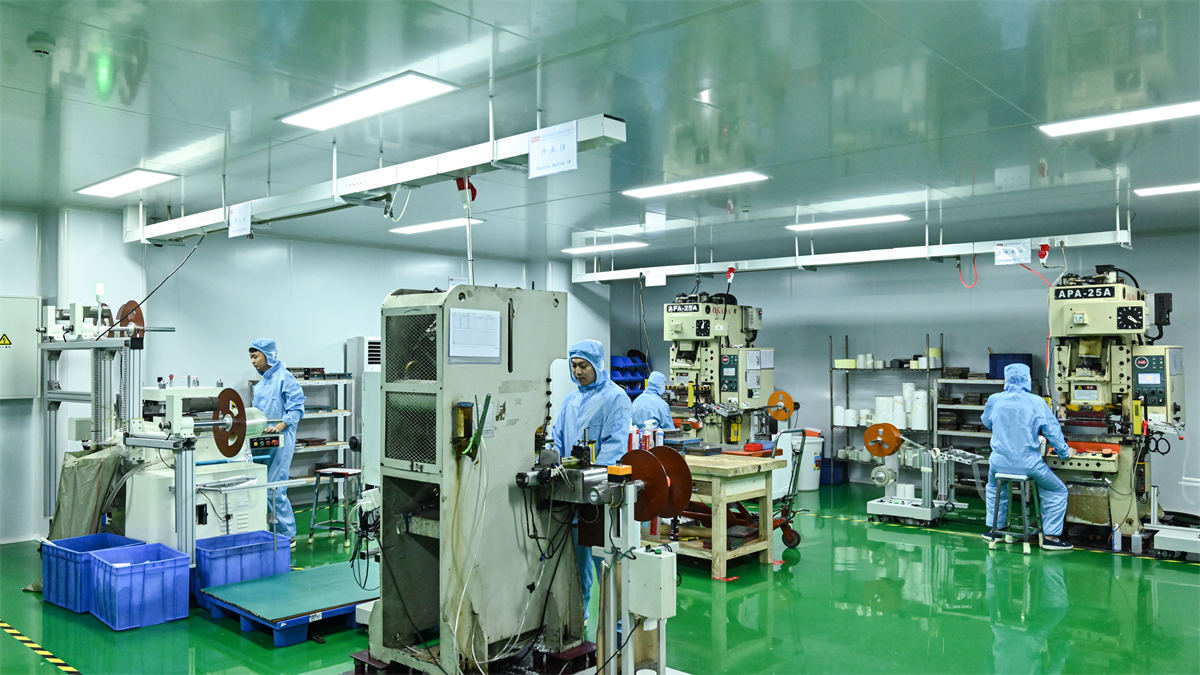
Established in March 2009, Dongguan Cevra Electronic Technology Co., Ltd. operates a 2,600m² specialized manufacturing facility dedicated to custom membrane switches, embossed keypads, metal dome arrays, and precision graphic overlays. Driven by our core values—"People-oriented, Technology-driven, Quality First, and Service First"—our factory houses complete in-house production lines, eliminating middle-man trading markups and ensuring strict quality control from raw film preparation to final electrical inspection.
Our engineering capabilities encompass every critical phase of modern membrane switch production:
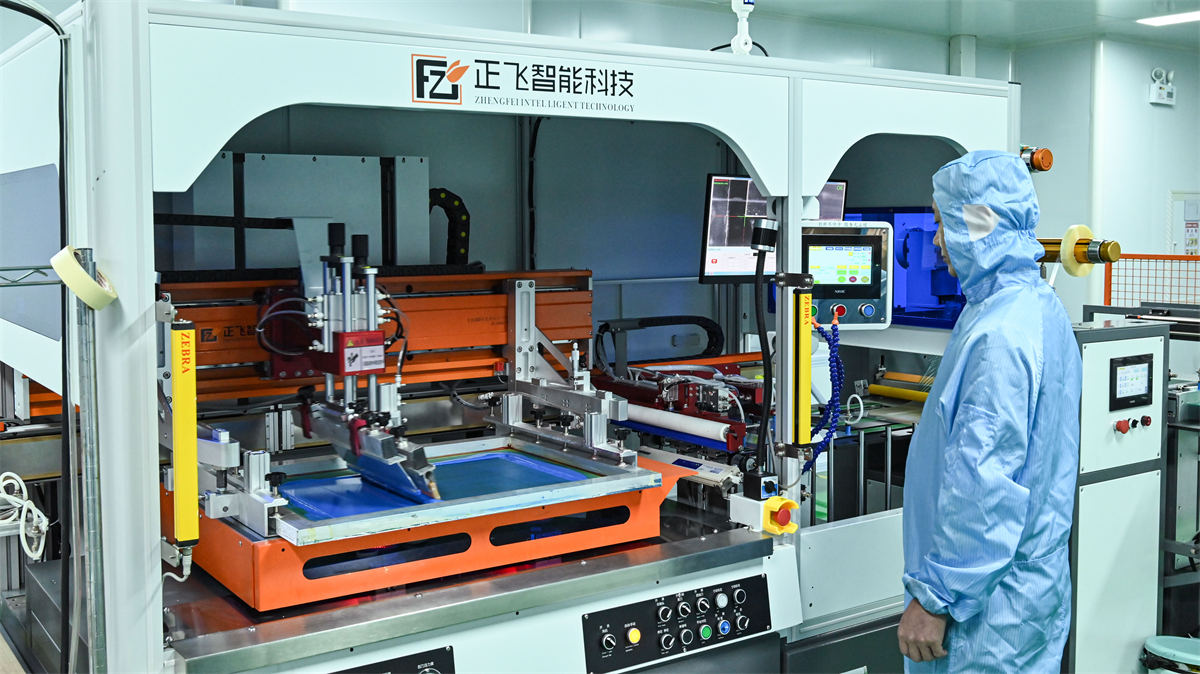 Precision Screen Printing
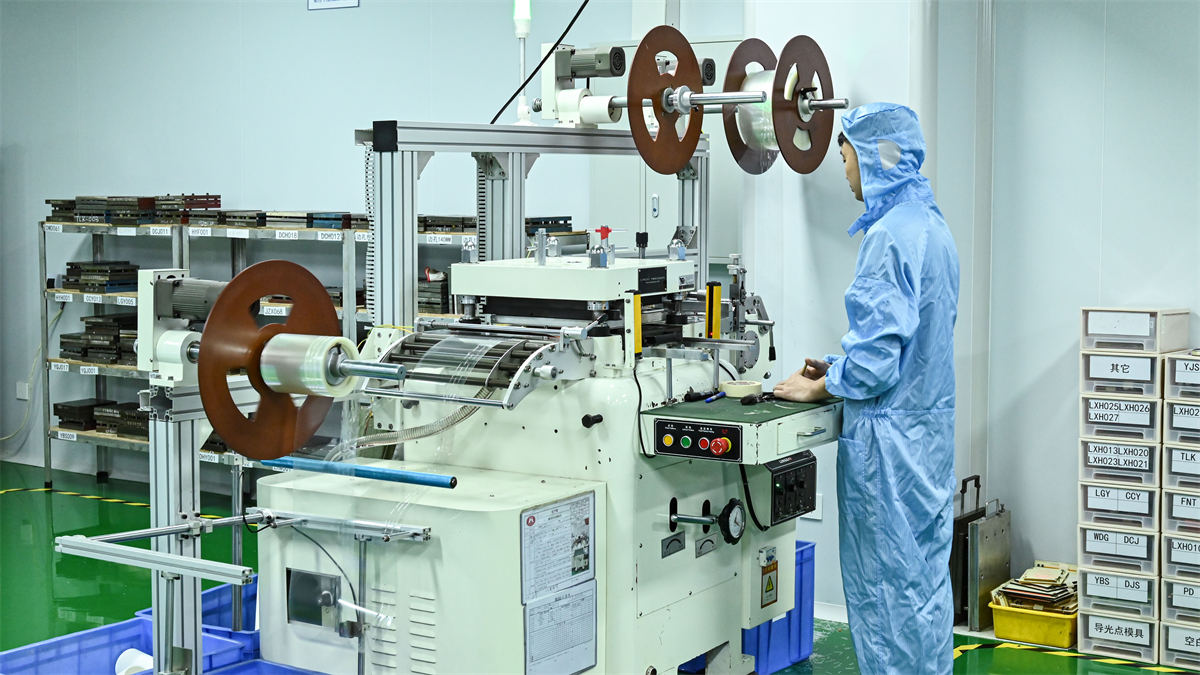 Die Punching Process
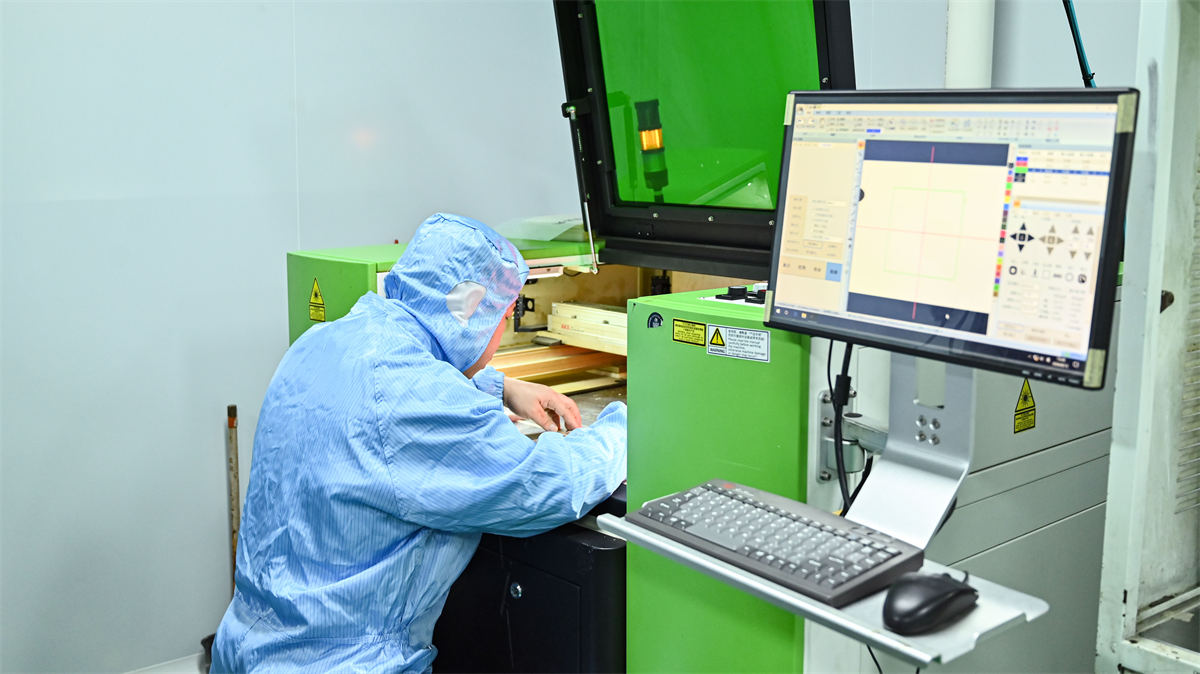 Laser Outline Cutting
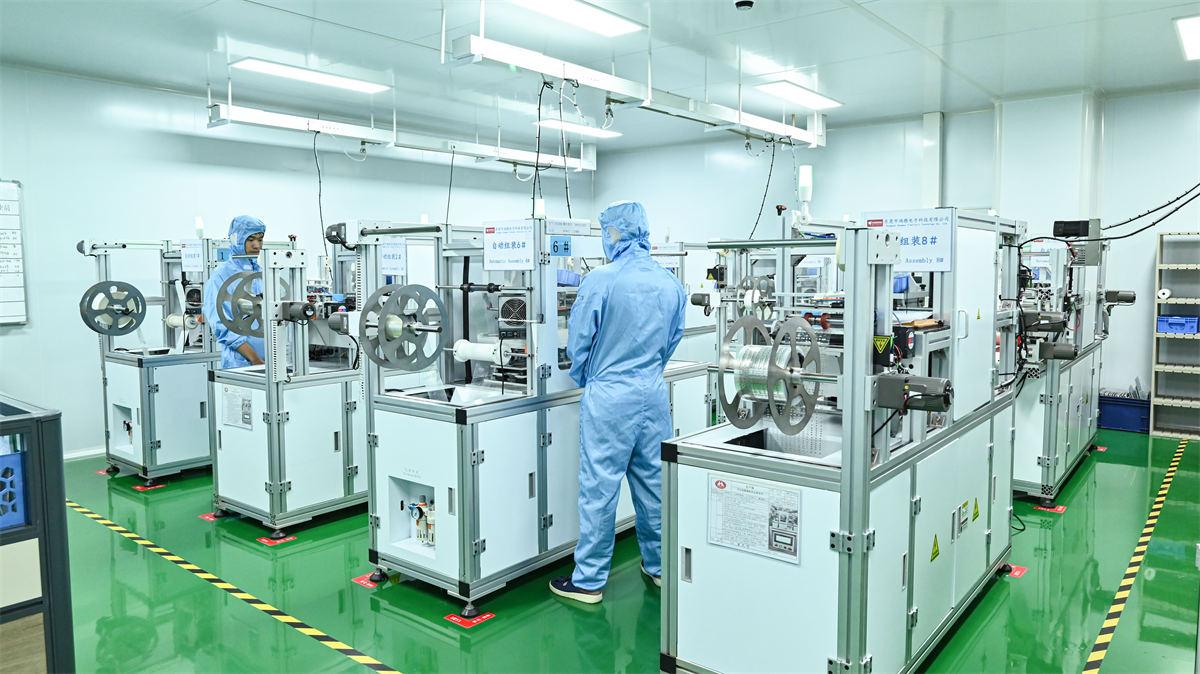 Automatic Assembly Line
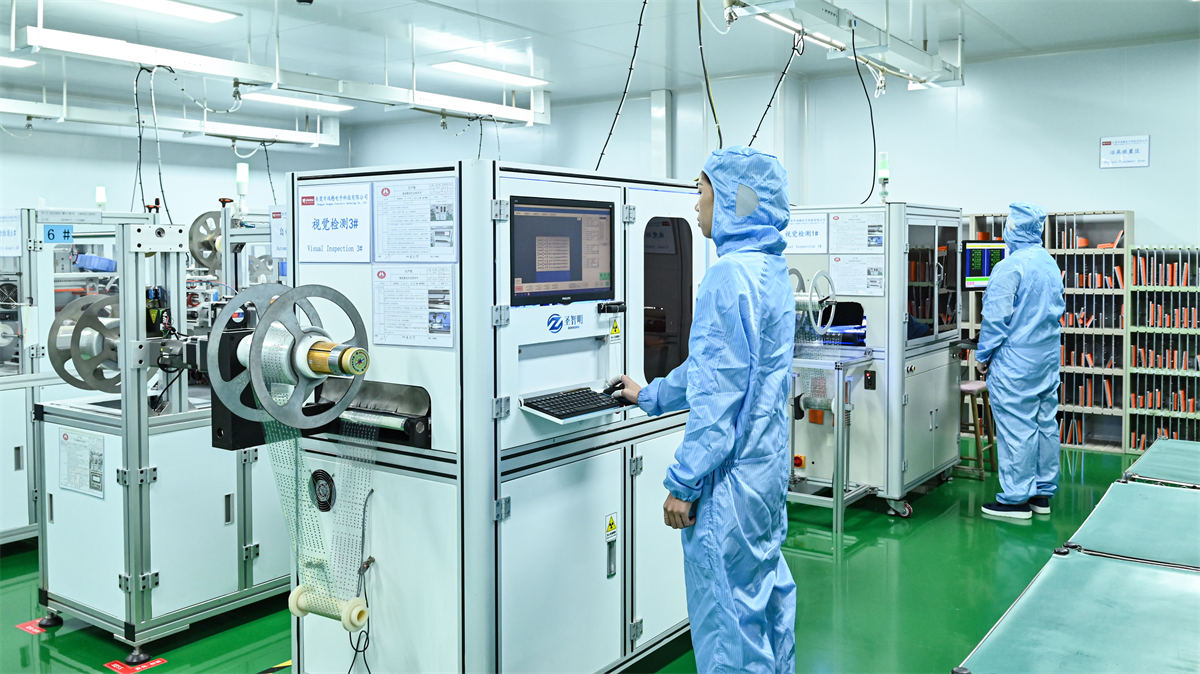 100% Electrical Testing
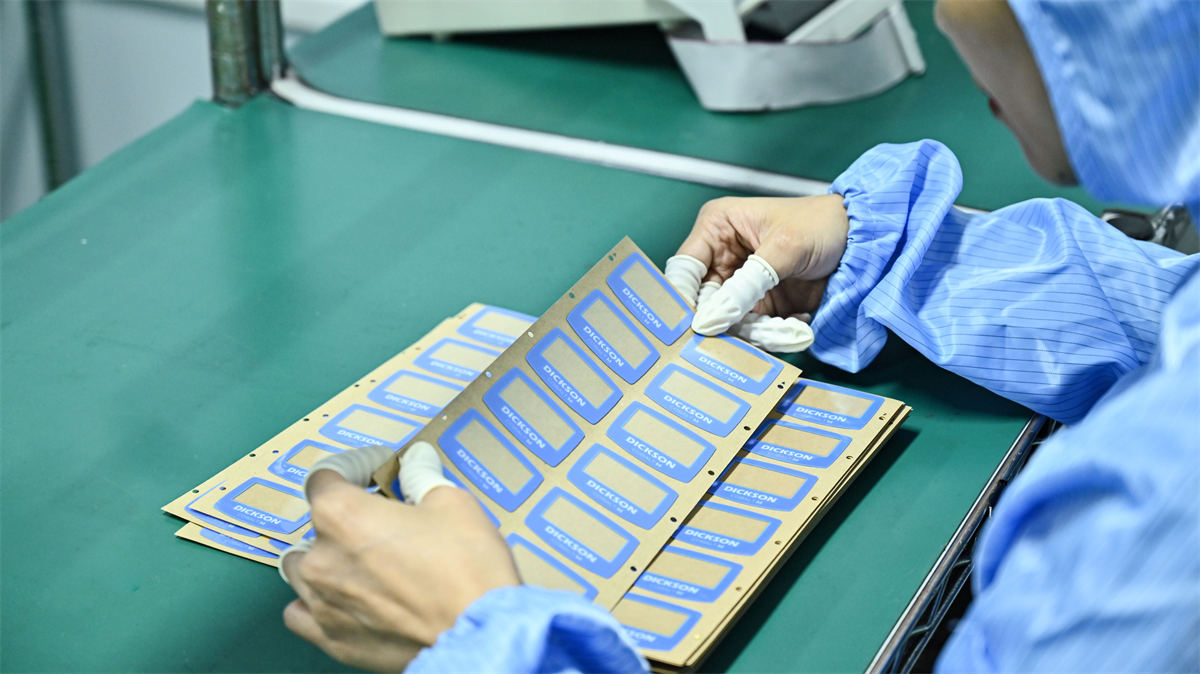 Quality Inspection
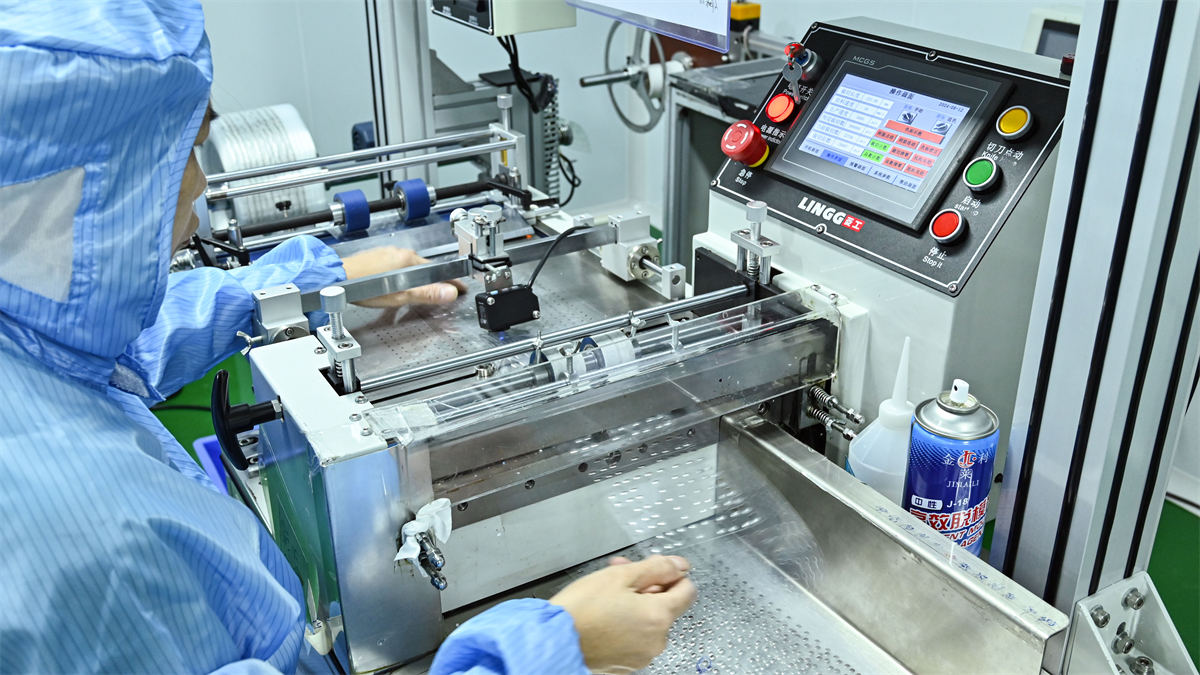 Export Packaging
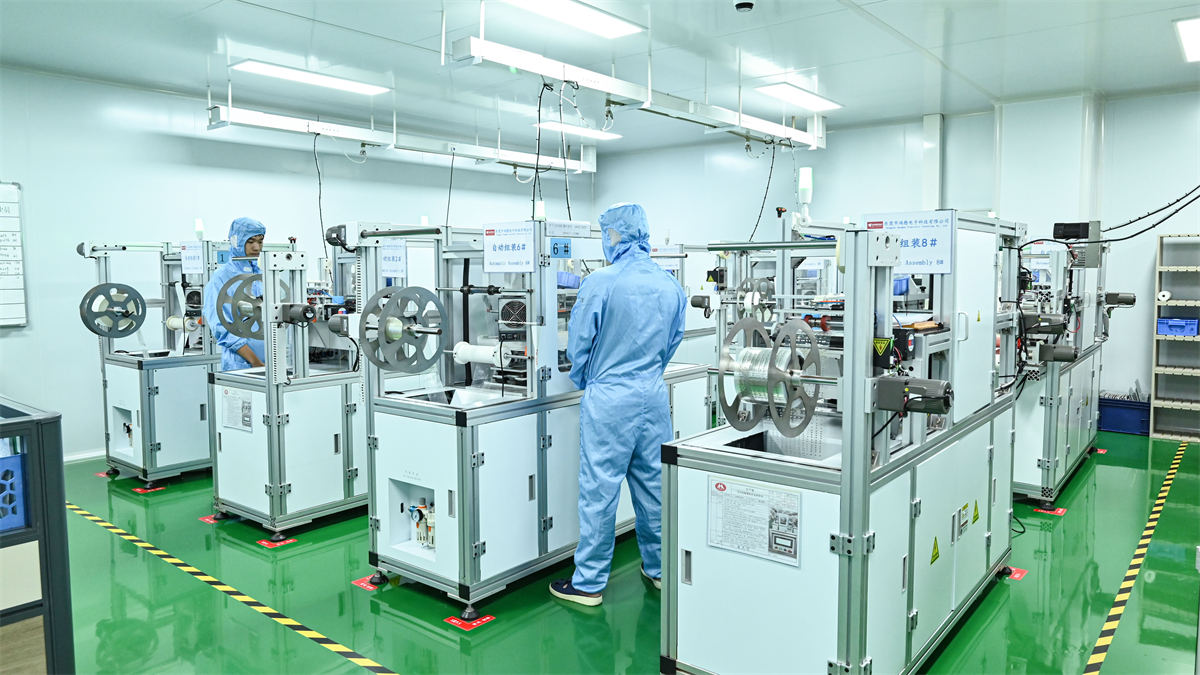 Auto Dome Placement
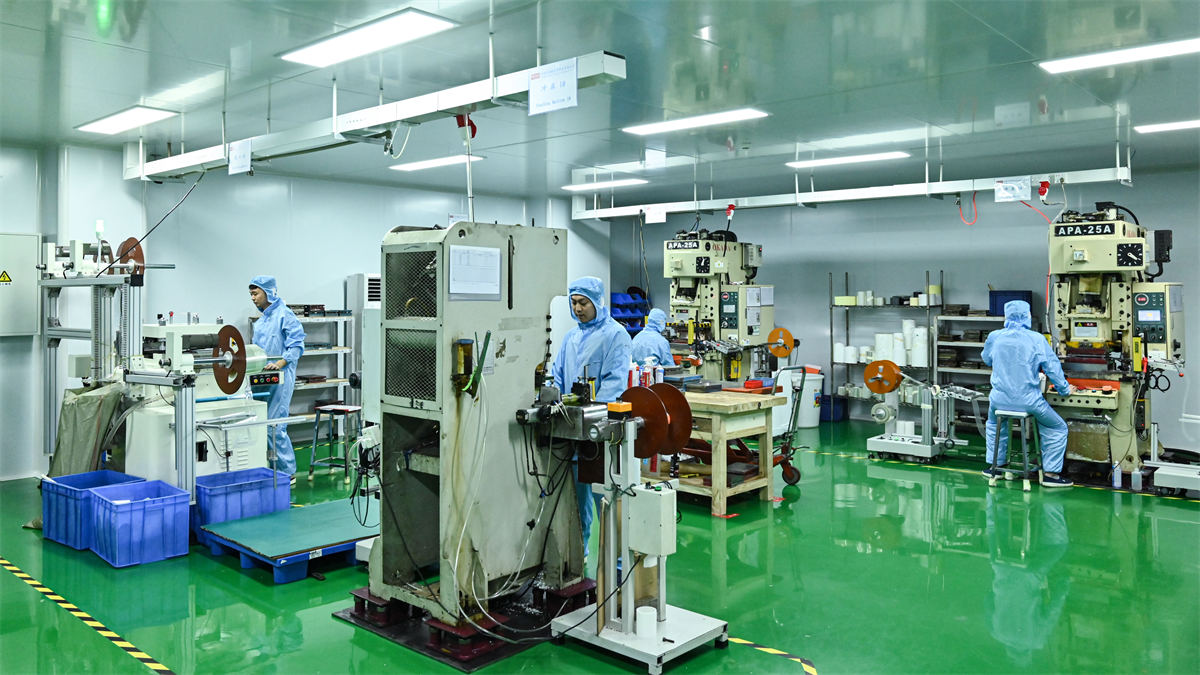 Punching Equipment
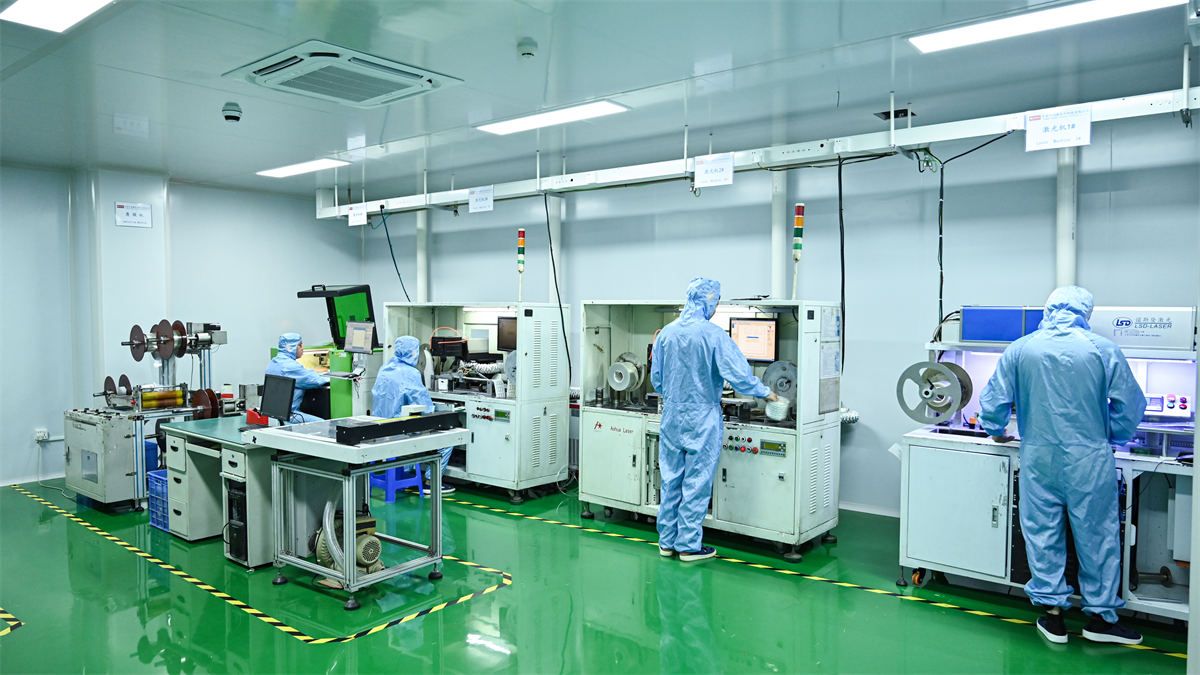 High-Precision Laser
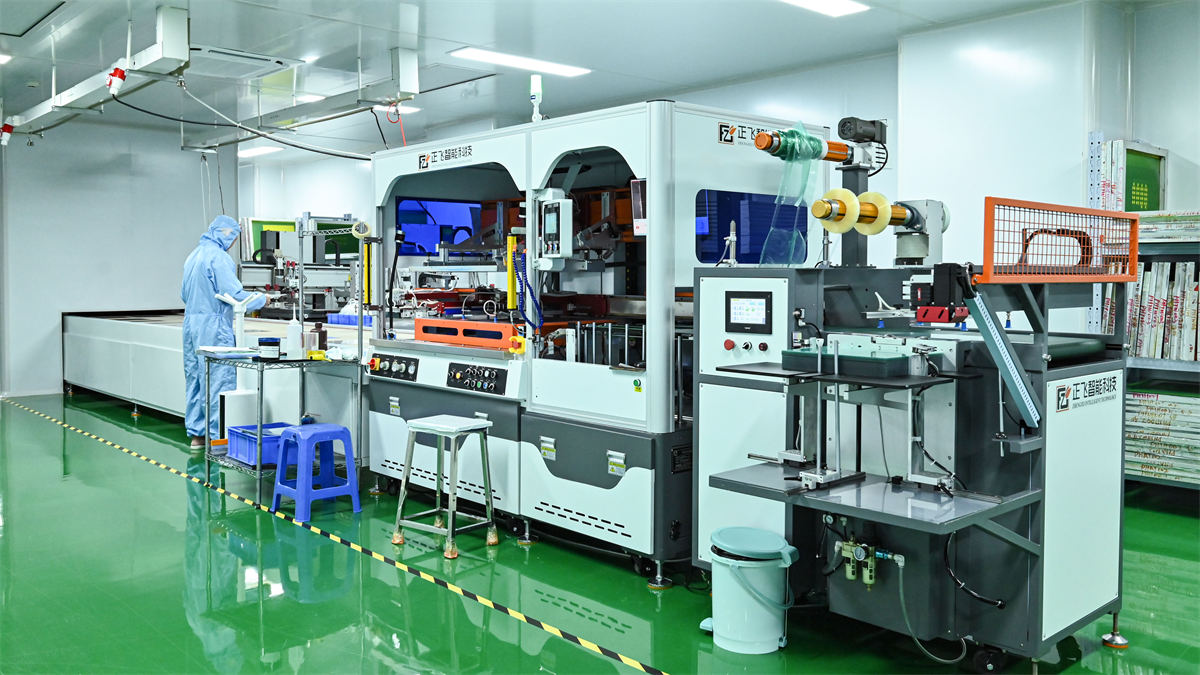 Dust-Free Printing Line
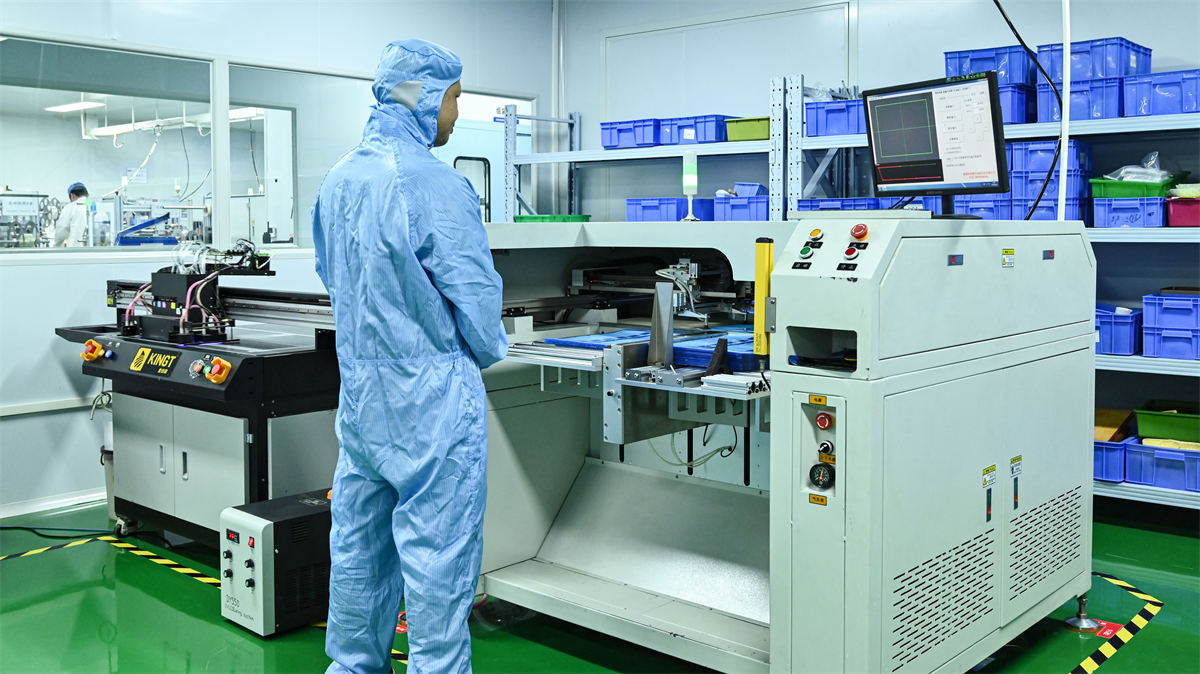 CCD Drilling Machine
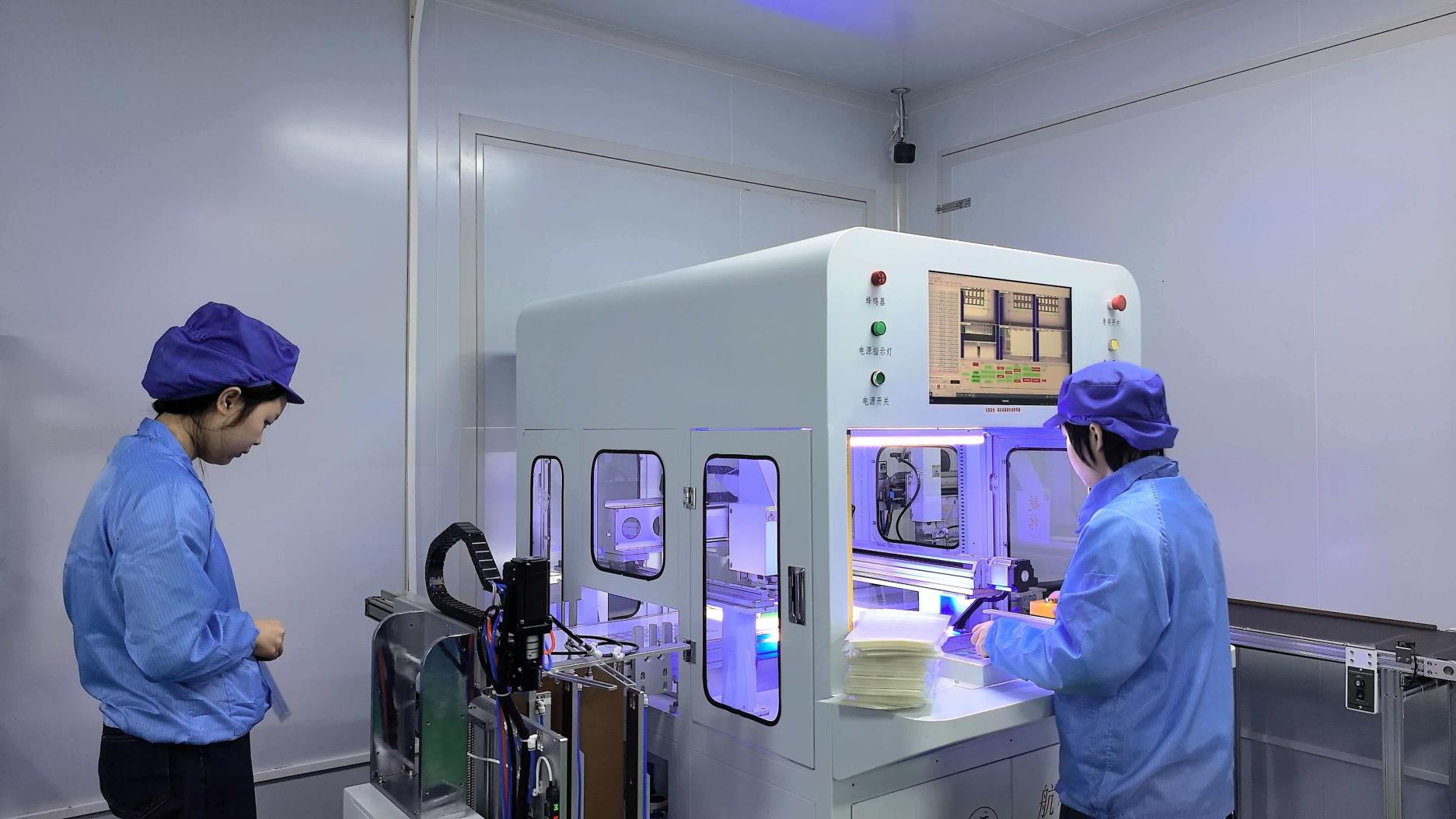 Auto Laminating Machine
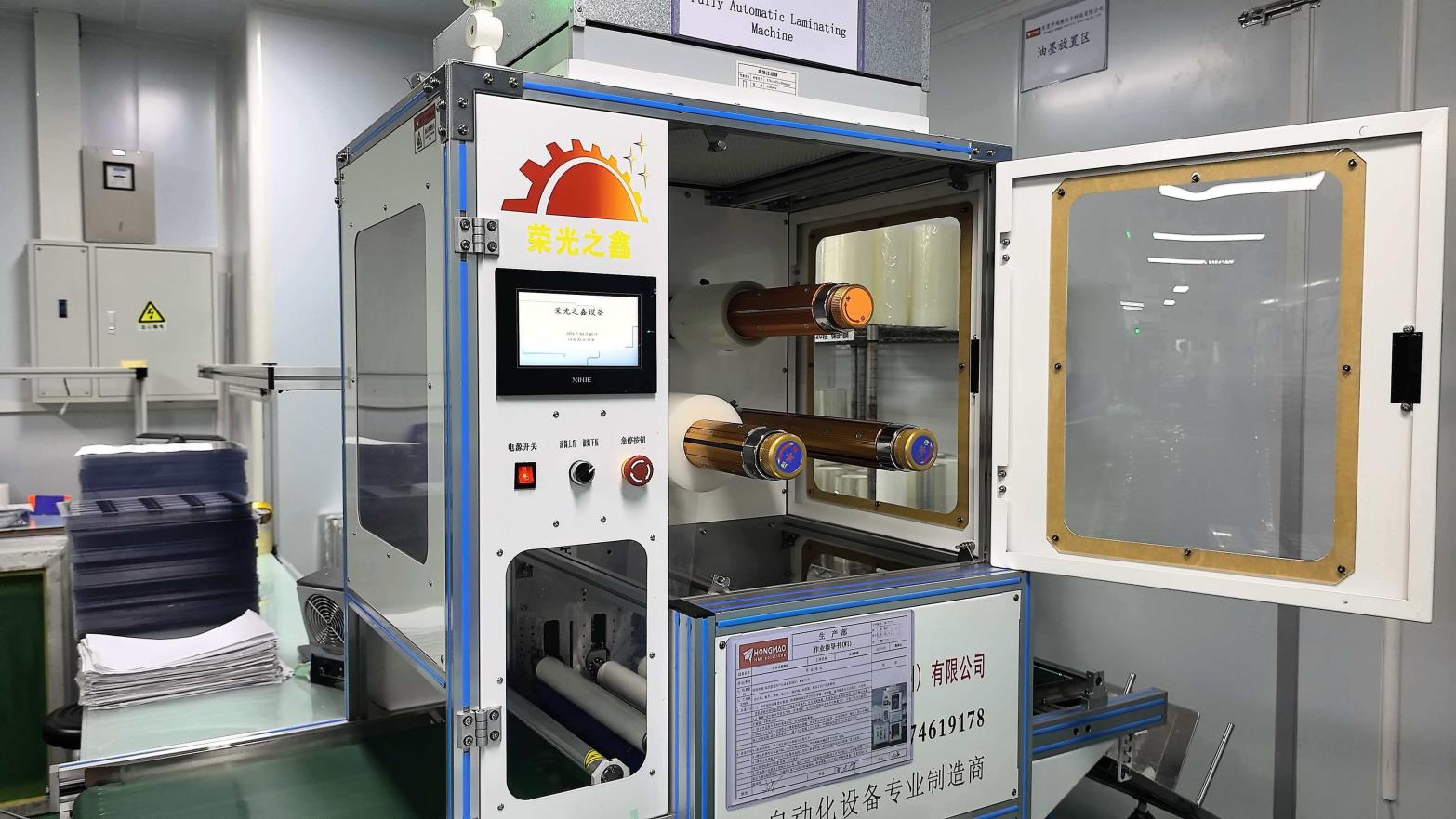 Multi-Layer Lamination
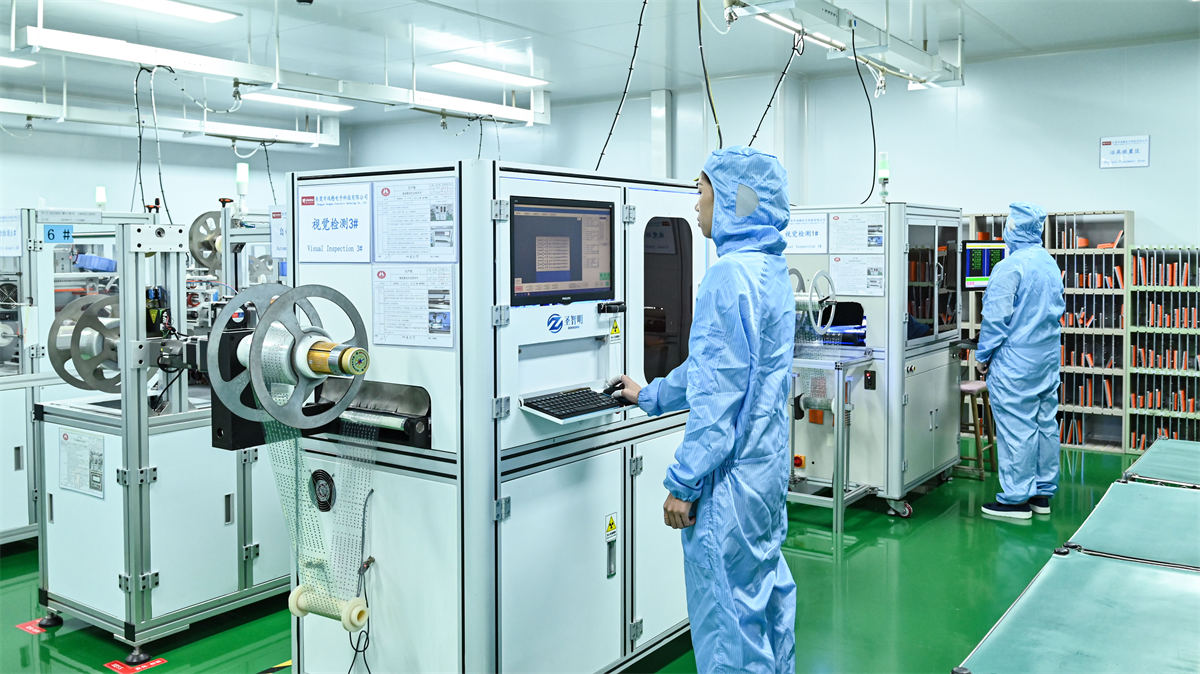 CCD Vision Inspection
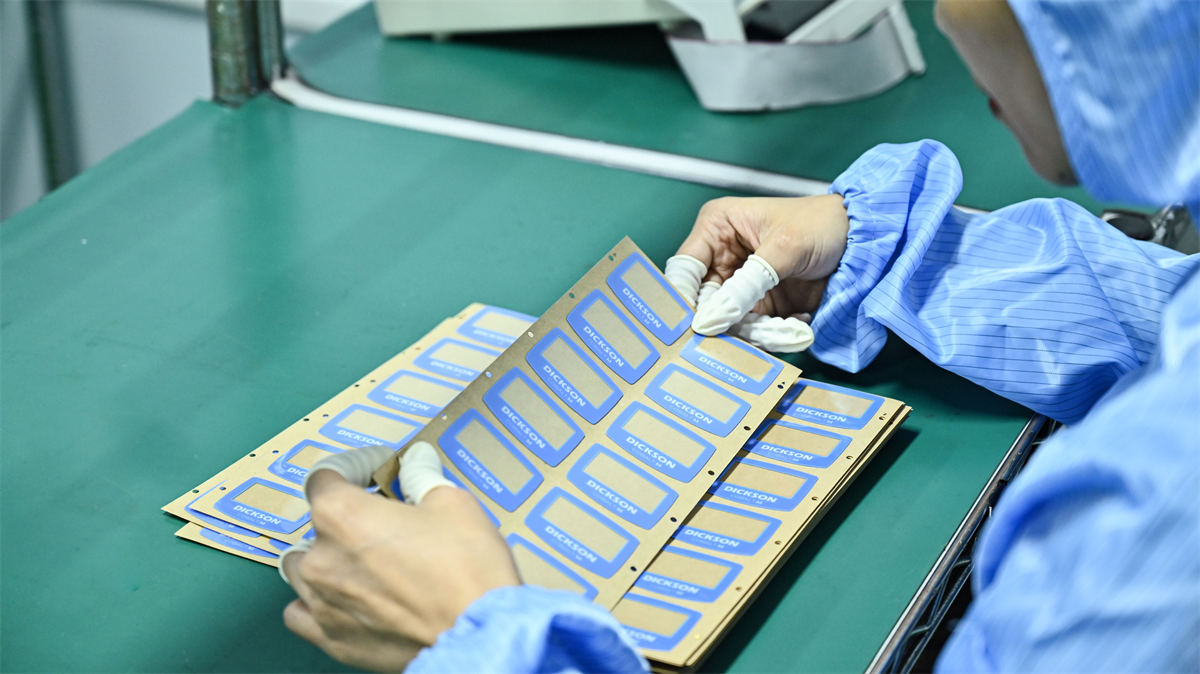 Final Quality Check
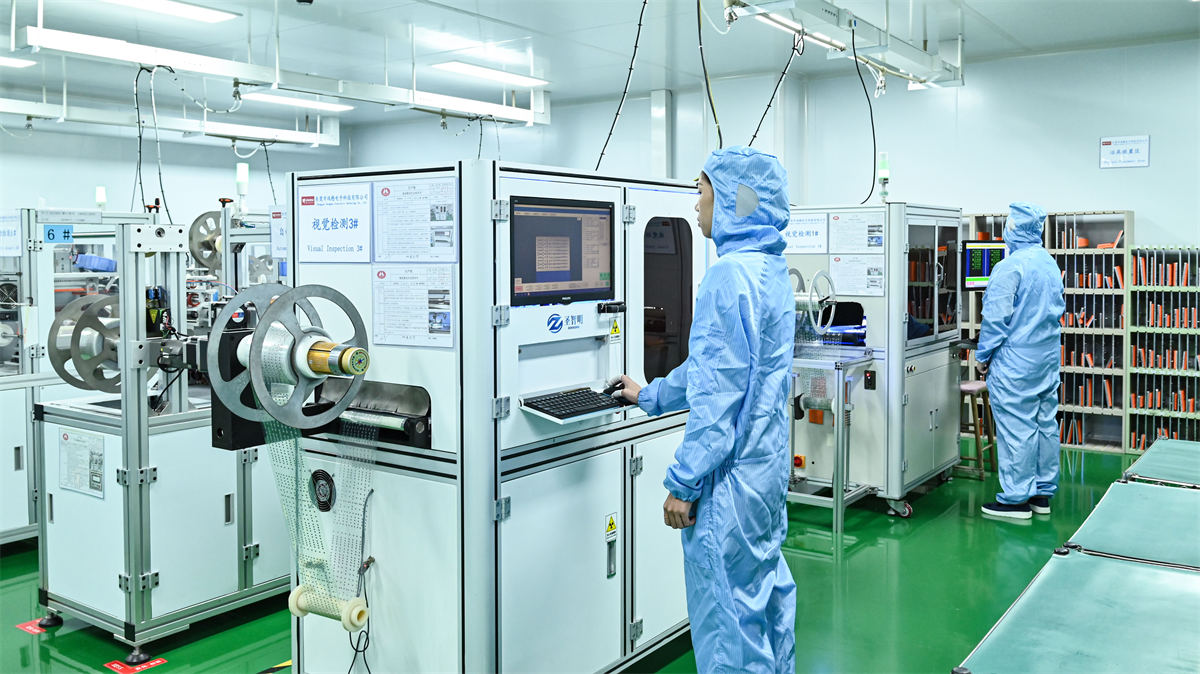 Visual Inspection System
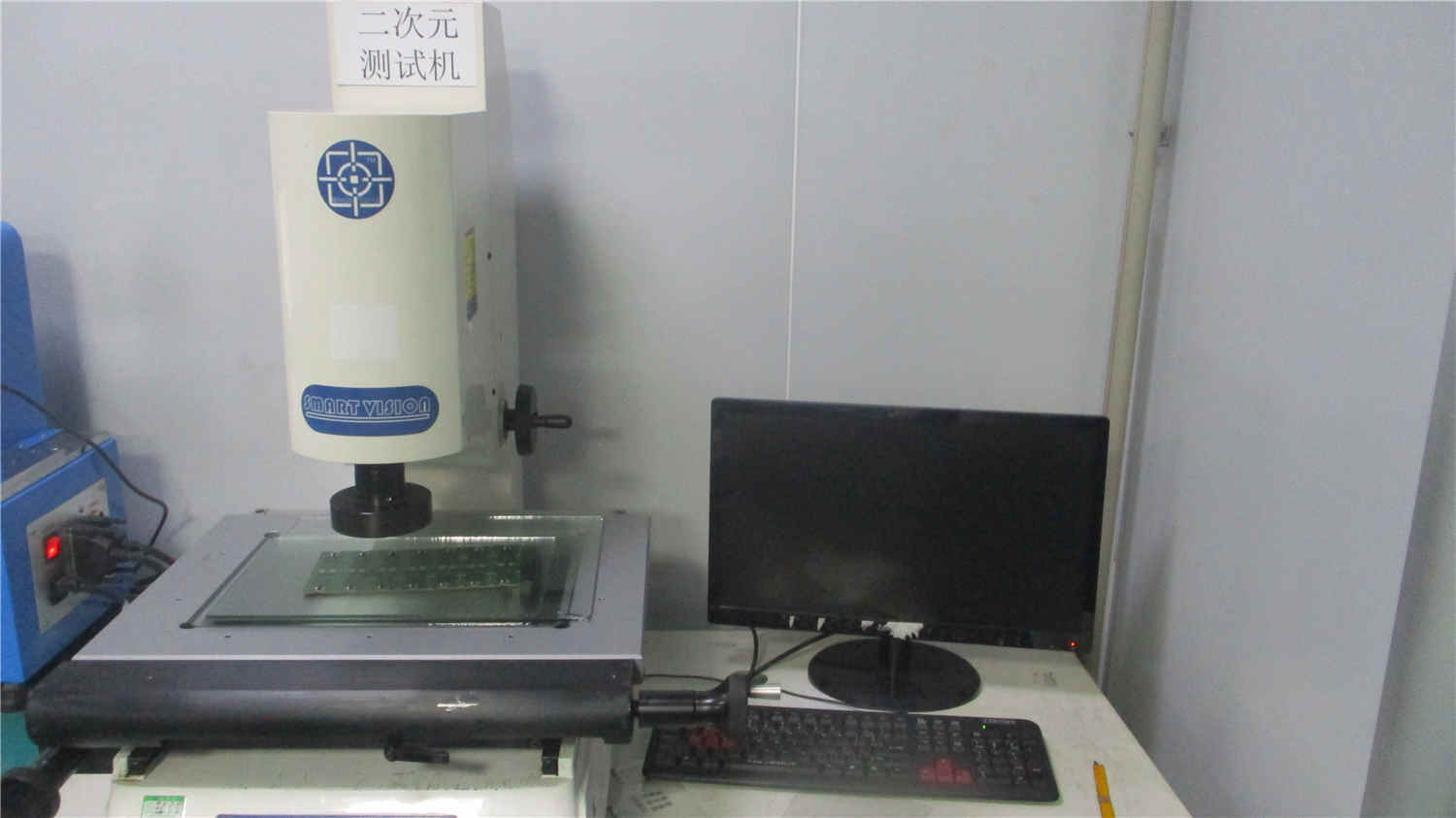 2.5D Optical Measuring
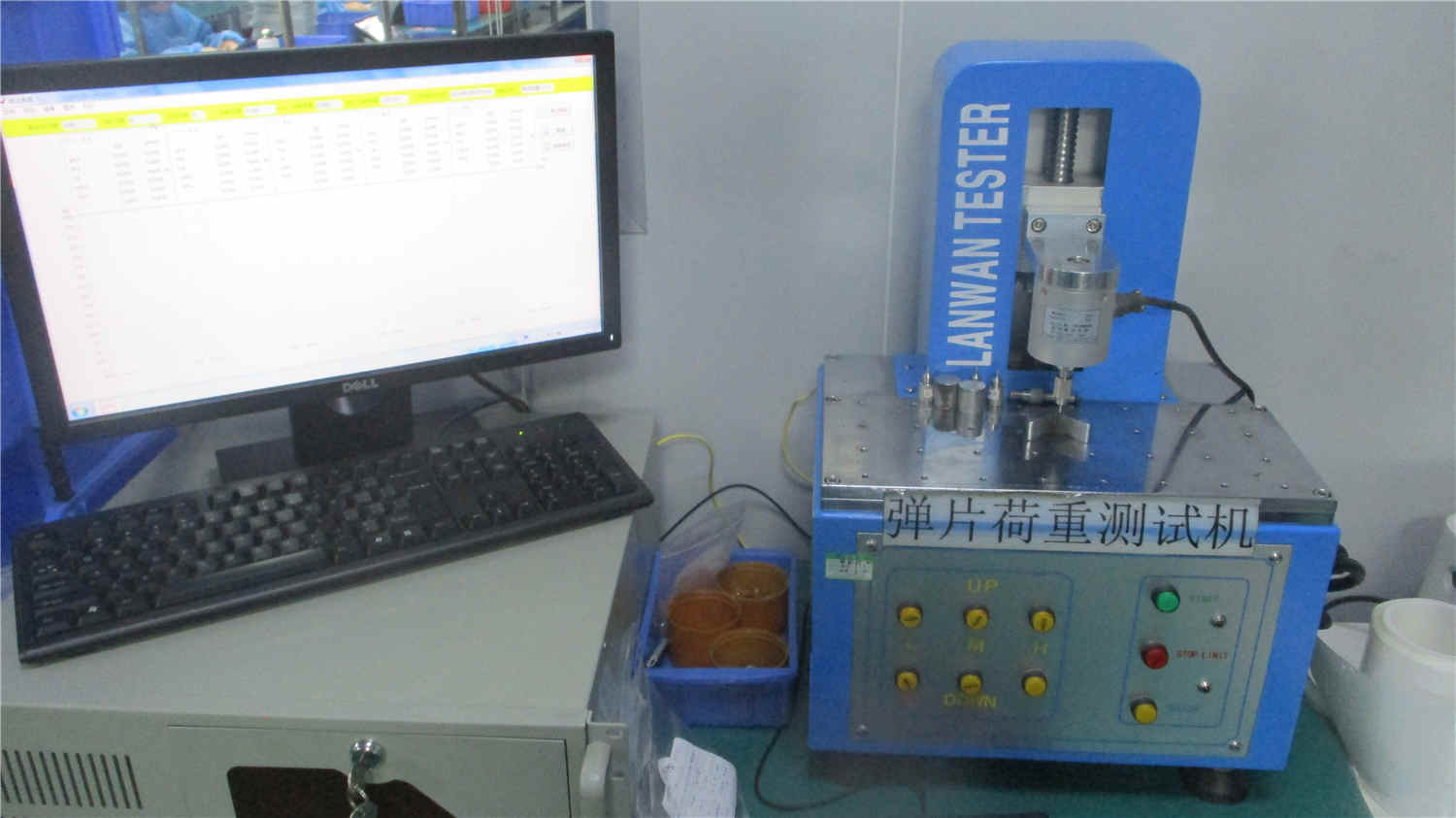 Dome Load & Force Tester
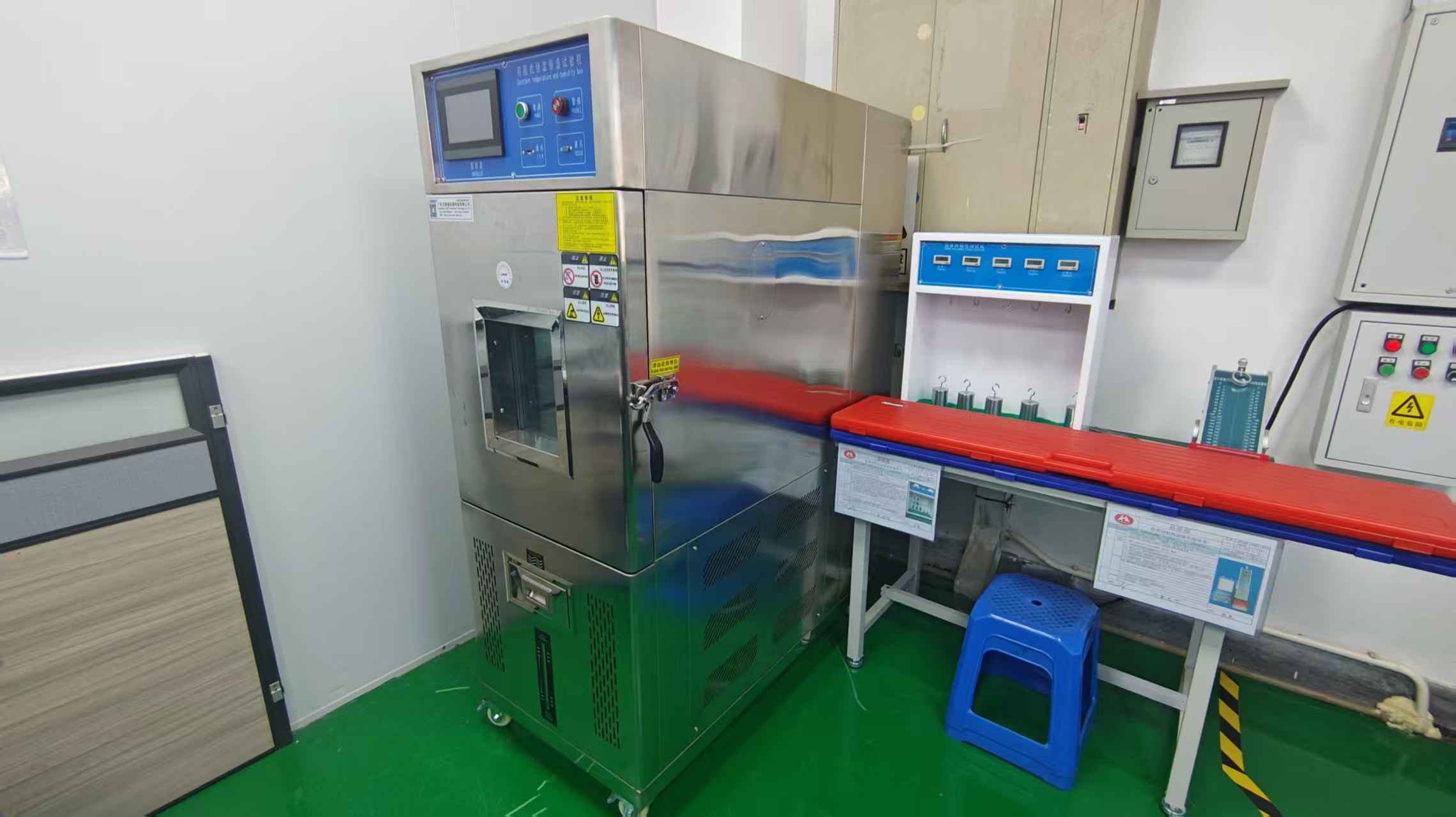 Thermal Cycling Cabinet
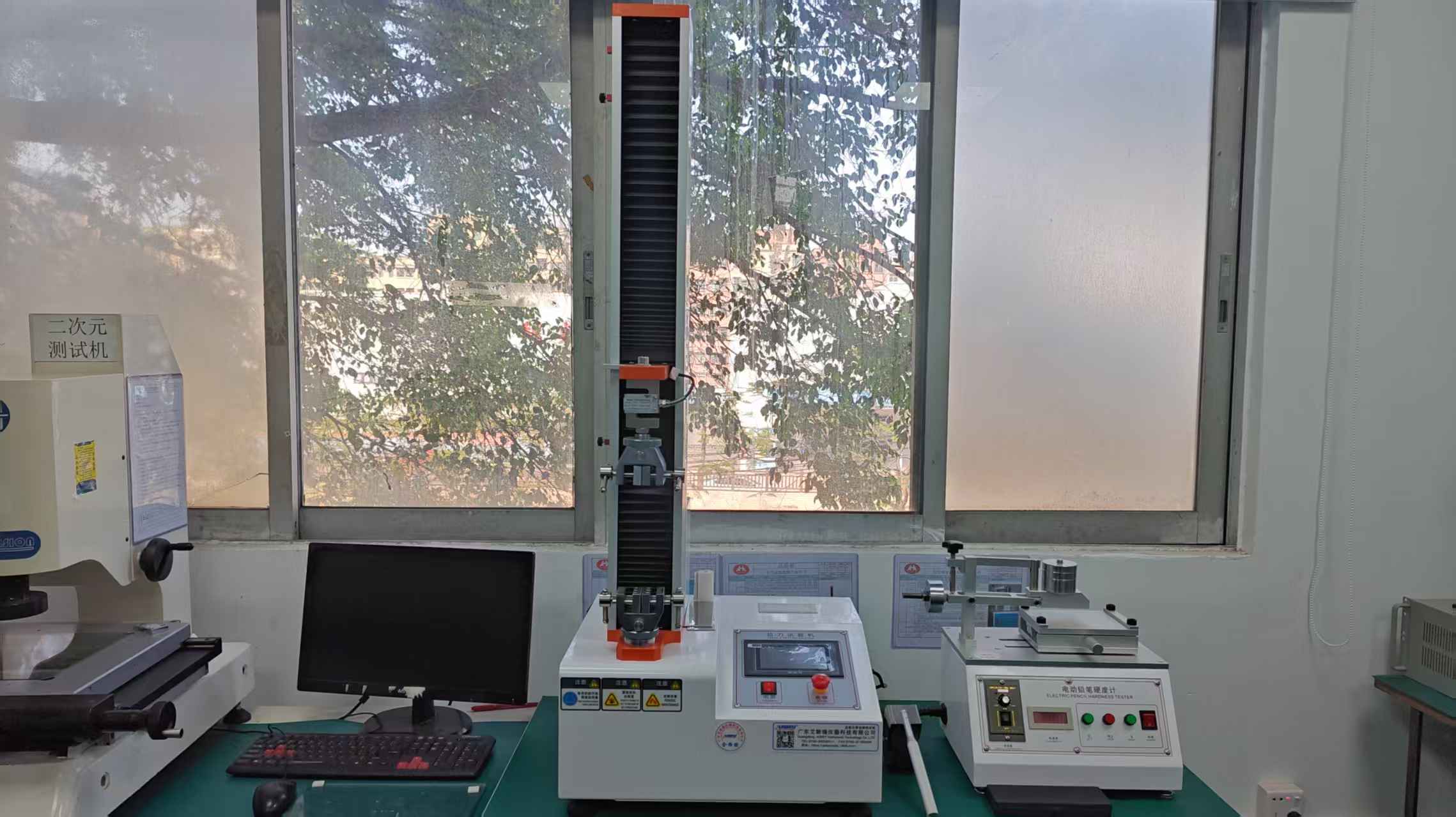 Adhesive Tension Tester
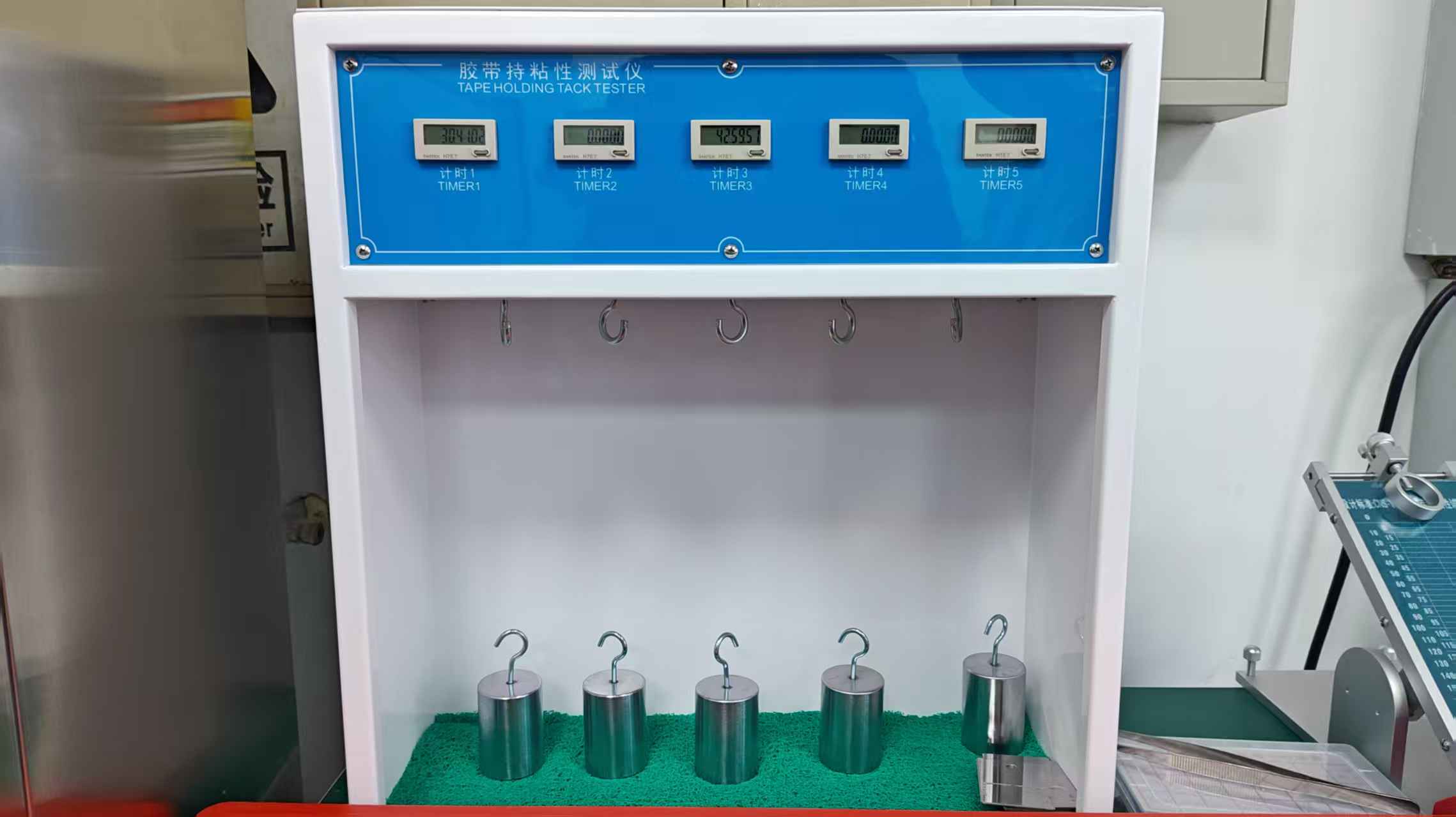 Holding Tack Tester
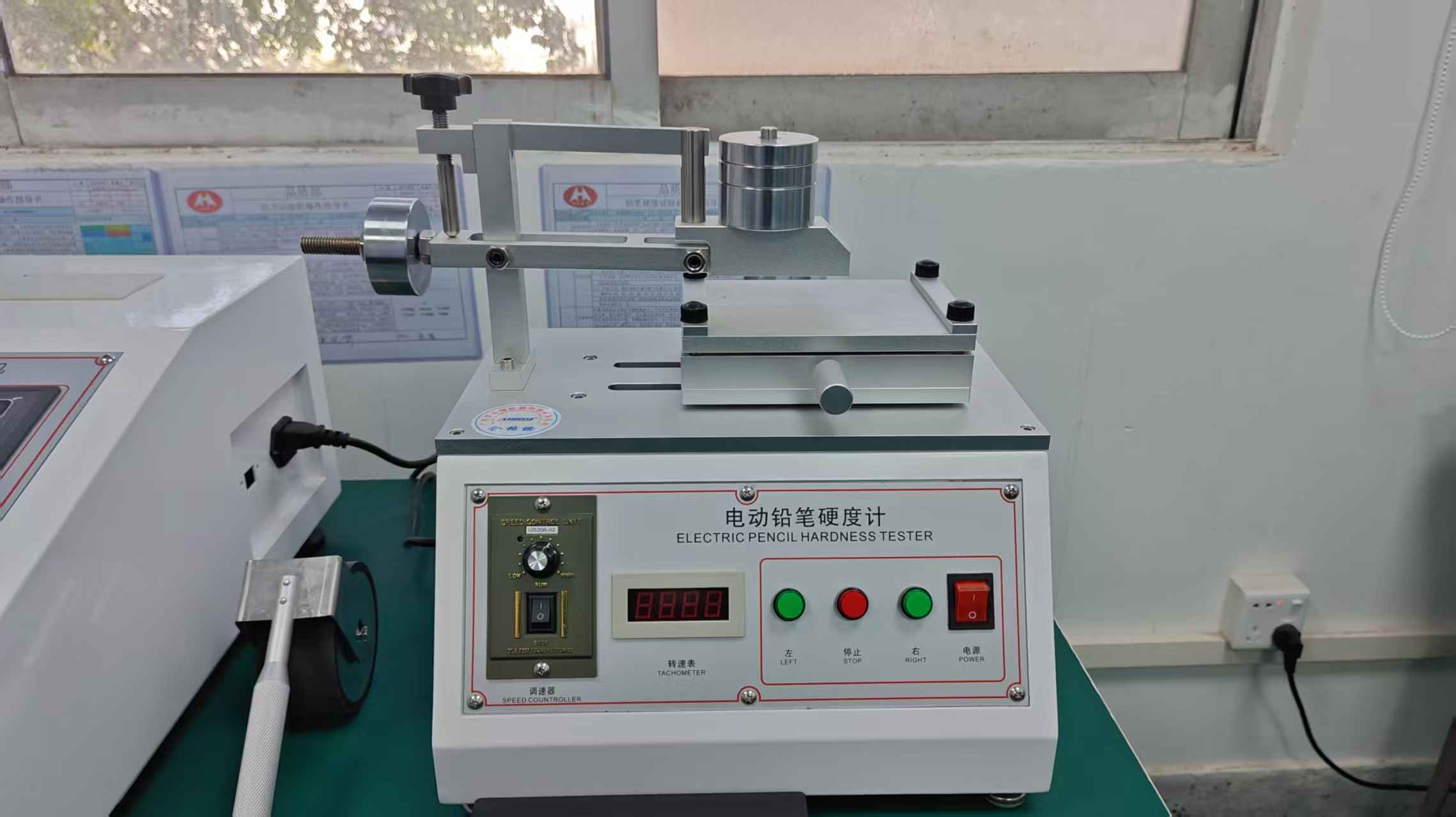 Pencil Hardness Tester
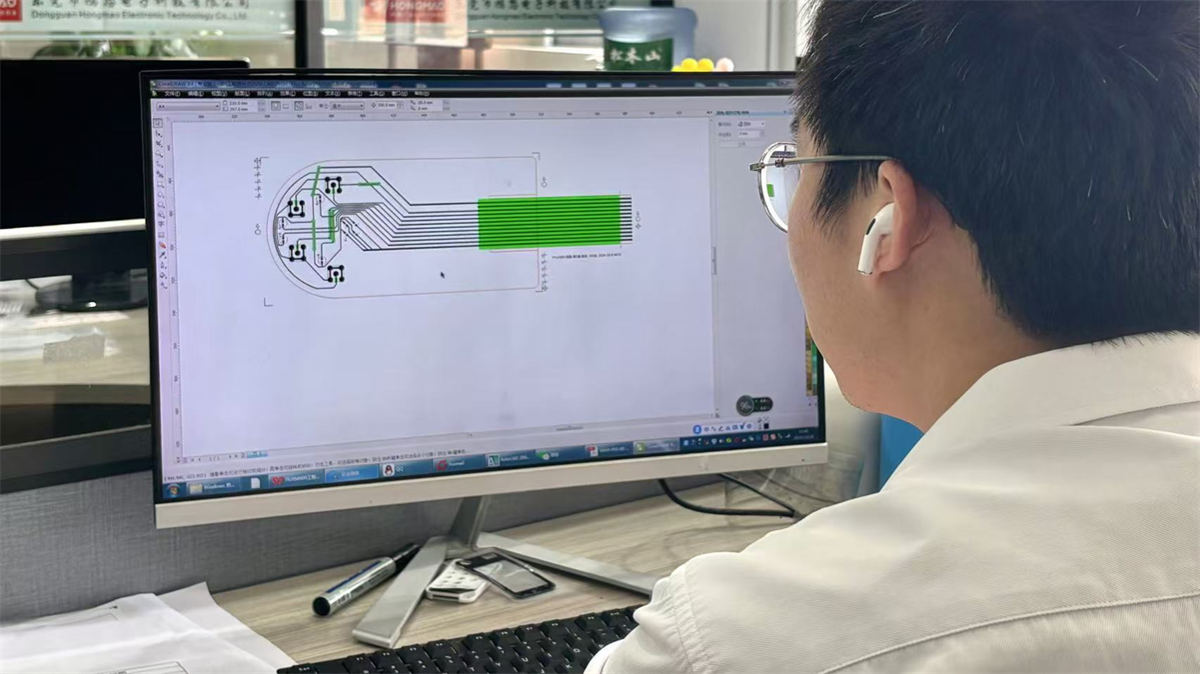 In-House CAD Design
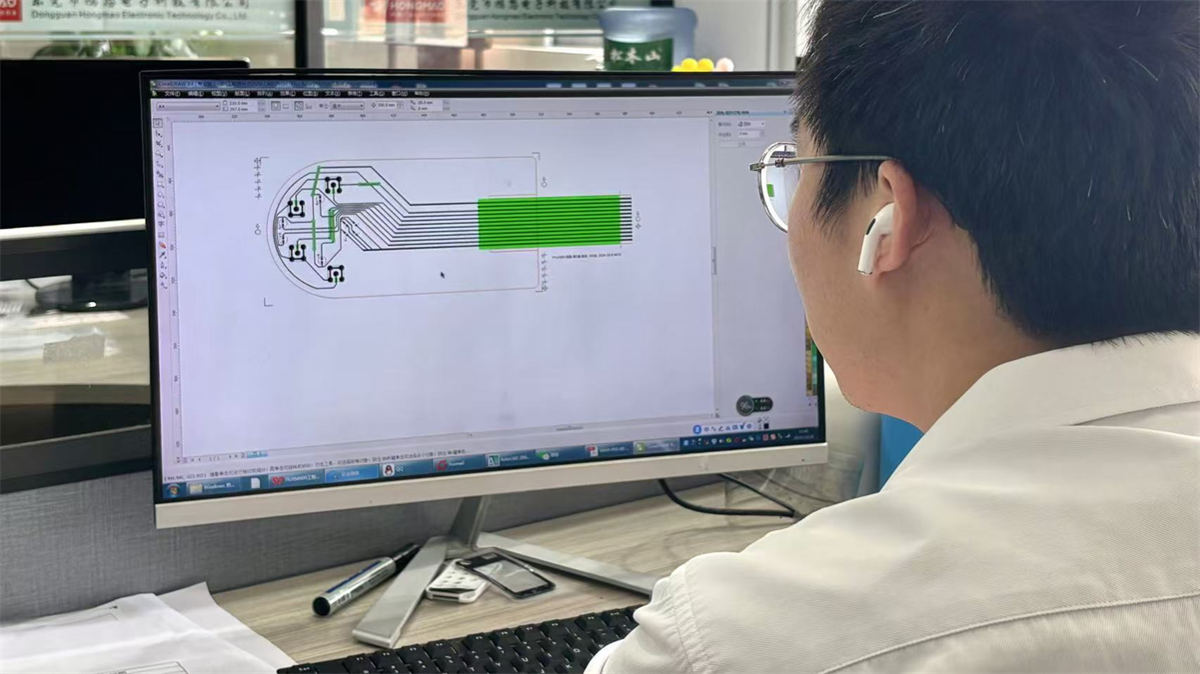 Engineering Workstations
B2B Technical FAQ: Custom Embossed Membrane Keypads
Expert engineering answers to common procurement, design, and manufacturing queries gathered from global buyers.
How do you choose between Rim Embossing, Pillow Embossing, and Dome Embossing for membrane keypads?
Rim embossing raises only the perimeter border of the key to guide tactile finger placement while leaving room for internal metal domes. Pillow embossing raises the entire key surface uniformly for a cushion feel and aesthetic prominence. Dome embossing creates a mechanical polyester snap dome directly into the substrate without needing metal domes, lowering unit cost while providing moderate tactile feedback.
What is the flex life expectancy of an embossed PET keypad compared to Polycarbonate (PC)?
Autotype PET (Polyester) substrate offers exceptional fatigue resistance, withstanding over 1,000,000 actuation cycles without deformation or micro-cracking at the embossing radius. Polycarbonate (PC) is easier to thermoform and emboss but has a shorter flex life (approx. 100,000 cycles) making it ideal for non-tactile overlays, decorative panels, or light-use devices.
How does Dongguan Cevra Electronic Technology Co., Ltd. guarantee tactile force consistency across multi-key layouts?
We utilize precision CNC metal embossing tooling combined with servo-driven thermo-forming presses that regulate temperature, dwelling time, and tonnage down to ±0.01mm depth tolerance. Every production lot is verified using an automated Fragment Load Tester to ensure actuation force remains strictly within ±15 grams across all key positions.
What venting mechanism is used in sealed IP67 embossed membrane keypads?
To maintain IP67 waterproof integrity while preventing internal pressure changes (due to altitude or ambient temperature) from causing false actuation or stiff key feel, internal venting micro-channels are routed between key cavities to an internal reservoir layer or fitted with an IP67 hydrophobic GORE-tex membrane vent.
Can LED status indicators or Light Guide Film (LGF) be integrated into embossed keys?
Yes. Surface-mount micro LEDs can be mounted directly on the circuit layer, positioned behind clear or translucent filter windows created on the graphic overlay. Alternatively, Light Guide Film (LGF) is laminated beneath the overlay to spread light evenly across all embossed key borders and iconography with minimal hot-spotting.
What design files and specifications are required to initiate an OEM quotation?
To provide a detailed DFM analysis and quotation, please share your vector drawing files (CAD, DXF, DWG, AI, or vector PDF) showing graphic layout, key dimensions, embossing profiles, circuit schematic, pinout assignments, desired actuation force, connector type, and estimated annual order quantity. Send your files directly to [email protected].
Request a Customized Engineering Quote Today
Partner directly with Dongguan Cevra Electronic Technology Co., Ltd. for ISO 9001 certified quality, fast-turn prototype samples, and expert technical support on custom embossed membrane keypads.