ISO 9001:2015 & SGS Onsite Verified Factory

Top Trusted Front Panel Overlay Manufacturer & Supplier

High-precision Human-Machine Interface (HMI) engineering: custom membrane switches, graphic overlays, tactile dome arrays, and ruggedized industrial control panels manufactured since 2009.

16+
Years In-House Manufacturing
2,600㎡
Cleanroom & Production Floor
<50μm
CCD Vision Alignment Precision
100%
Electrical & Dome Load Tested
1,000,000+
Tactile Actuation Life Cycles
Engineered Product Portfolio

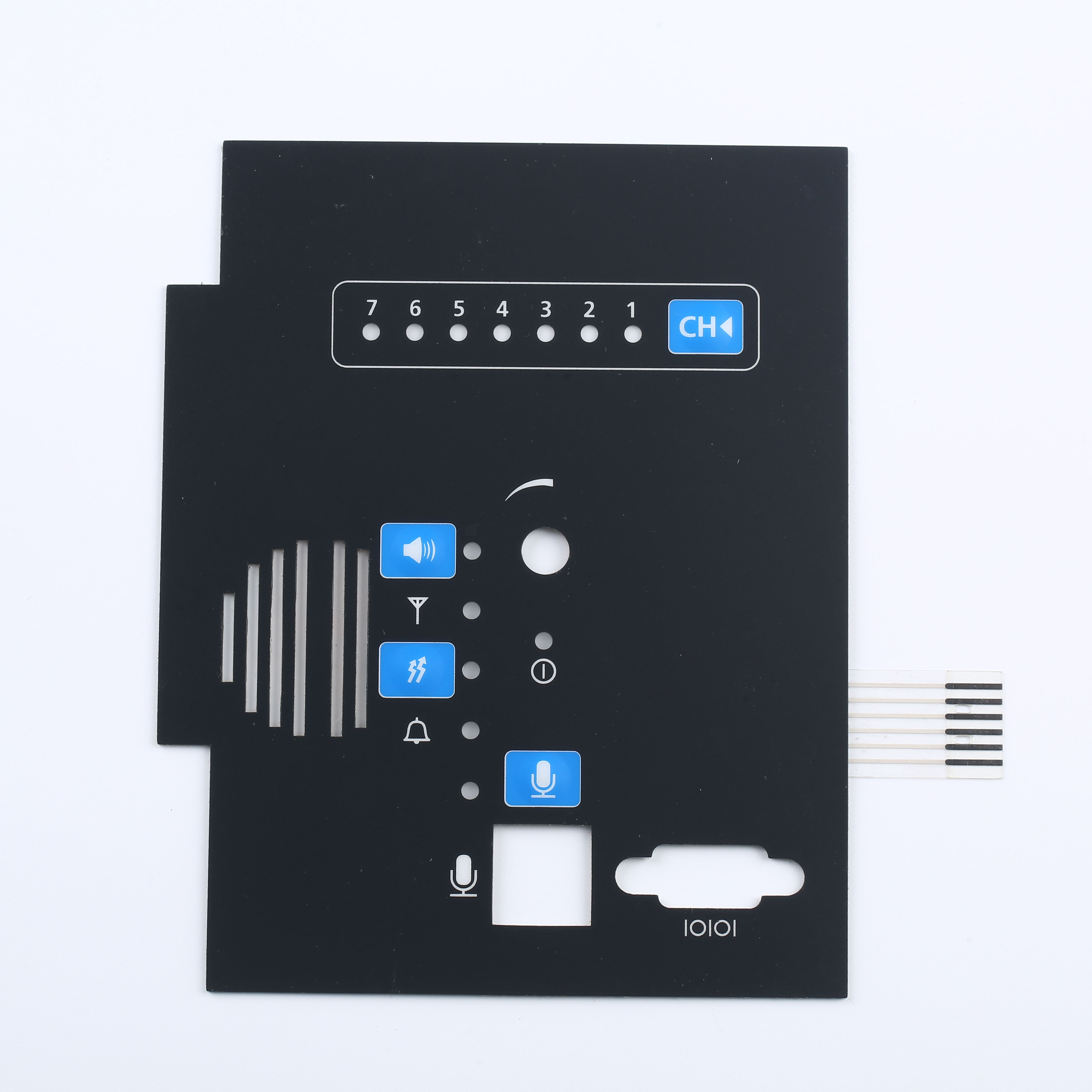
Precision Front Panel Overlays & Tactile Switch Assemblies

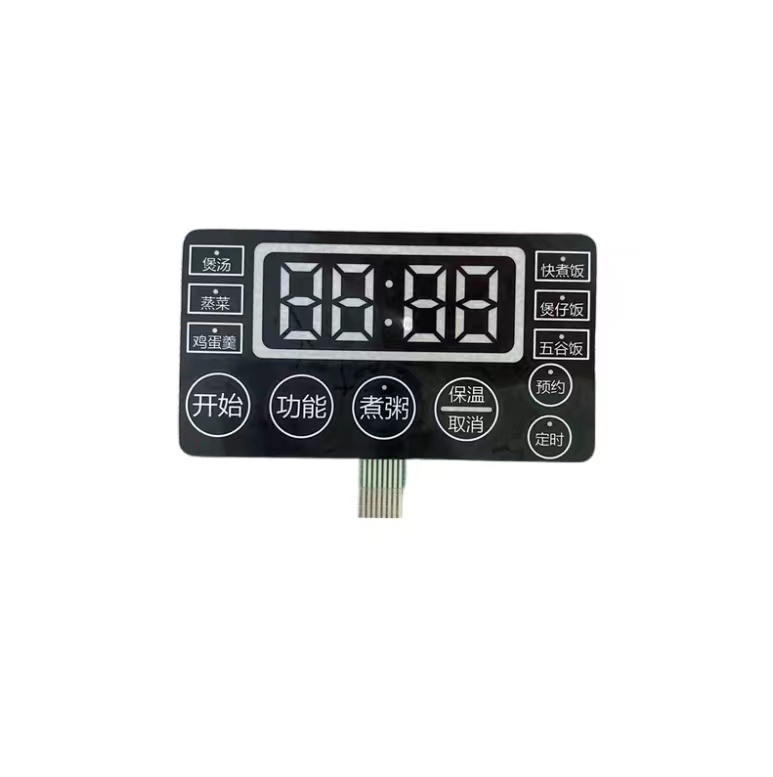
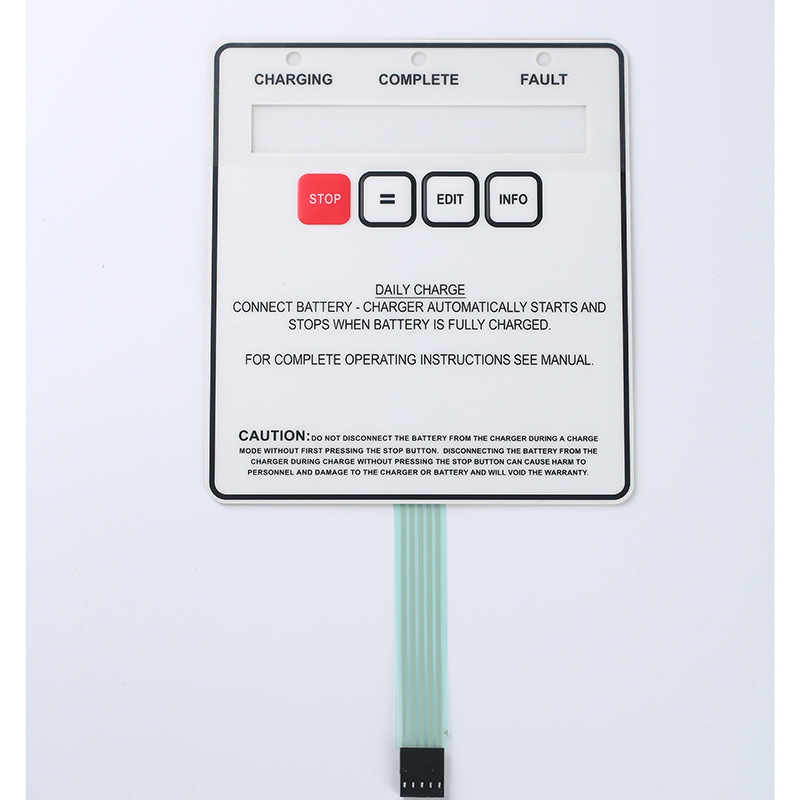
Configured to rigorous military, medical, and industrial standards. Our custom sub-surface printed graphic overlays, tactile snap dome arrays, and environmental seals deliver unwavering precision across mission-critical human-machine interfaces.

Technical Whitepaper · Material Science & DFM

Engineering Architectural Foundations of Heavy-Duty Front Panel Overlays

In modern industrial equipment, medical diagnostic devices, military telemetry, and commercial appliances, the front panel overlay is far more than a decorative skin. It serves as the primary physical barrier and functional touchpoint between human operators and complex embedded electronics. As an experienced front panel overlay manufacturer and tier-1 supplier, Dongguan Cevra Electronic Technology Co., Ltd. builds multi-layer membrane interfaces engineered to survive harsh chemical washdowns, mechanical impact, electrostatic discharge (ESD), and continuous operational cycling.

Selecting the proper polymeric film constitutes the primary engineering decision in any overlay development program. The two foundational workhorse materials used across the industry are Biaxially Oriented Polyethylene Terephthalate (PET) and Optical Grade Polycarbonate (PC). Understanding their structural differences is critical to mitigating field failures such as environmental stress cracking, key fatigue embrittlement, and optical haze:

Parametric Attribute Biaxially Oriented PET (e.g., Autotex®) Polycarbonate (e.g., Lexan™ 8010) Engineering Recommendation
Flexural Fatigue Life >5,000,000 cycles without micro-fissuring ~100,000 cycles before fatigue failure Specify PET for high-frequency tactile dome keys.
Chemical & Solvent Resistance Impervious to alcohols, IPA, dilute acids, MEK Susceptible to aromatic hydrocarbons, ketones PET is mandatory for medical sanitization and agrotech.
Thermal Stability (Tg) Continuous service up to 120°C Continuous service up to 105°C PET maintains dimensional stability during heat curing.
Deep Draw Thermoforming Moderate; requires precise matched-die tooling Outstanding; easily thermoformed and hydroformed PC is superior for complex 3D contours and deep domes.
Optical Clarity & Transparency Translucent base; clear window requires clearing coat Water-white optical clarity up to 92% light trans. PC provides crisper window displays without tinting.

Sub-Surface Screen Printing: Indestructible Graphic Longevity

At Cevra, 100% of our front panel overlay legends, Pantone-matched coloration, and dead-front indicators are applied to the second surface (the underside) of the transparent film. This technical construction guarantees that harsh surface friction, abrasive hand cleaners, UV light, and isopropyl alcohol rubdowns never make physical contact with the cured pigment systems. The overlay film itself acts as an impervious armor shield over the graphics.

Precision Structural Layer Stack-Up Engineering

A high-reliability graphic overlay switch assembly comprises five to seven micro-engineered functional layers laminated together using precision structural adhesives. Each layer is engineered with specific mechanical shear tolerances, dielectric breakdown thresholds, and degassing channels:

1. Hard-Coated Graphic Substrate (0.125mm – 0.25mm): Textured polyester or UV-stabilized polycarbonate offering 2H to 3H pencil hardness scratch resistance.
2. Overlay Adhesive Layer (0.05mm – 0.125mm): Pure acrylic adhesives such as 3M 467MP or 3M 468MP (featuring 200MP high-performance adhesive technology) engineered for high shear strength and resistance to edge lifting.
3. Retainer / Top Spacer Layer: Laser-cut or die-punched polyester containing ventilation capillaries that equalize internal pneumatic air pressure when tactile keys are depressed, preventing premature switch rebound or "pillowing."
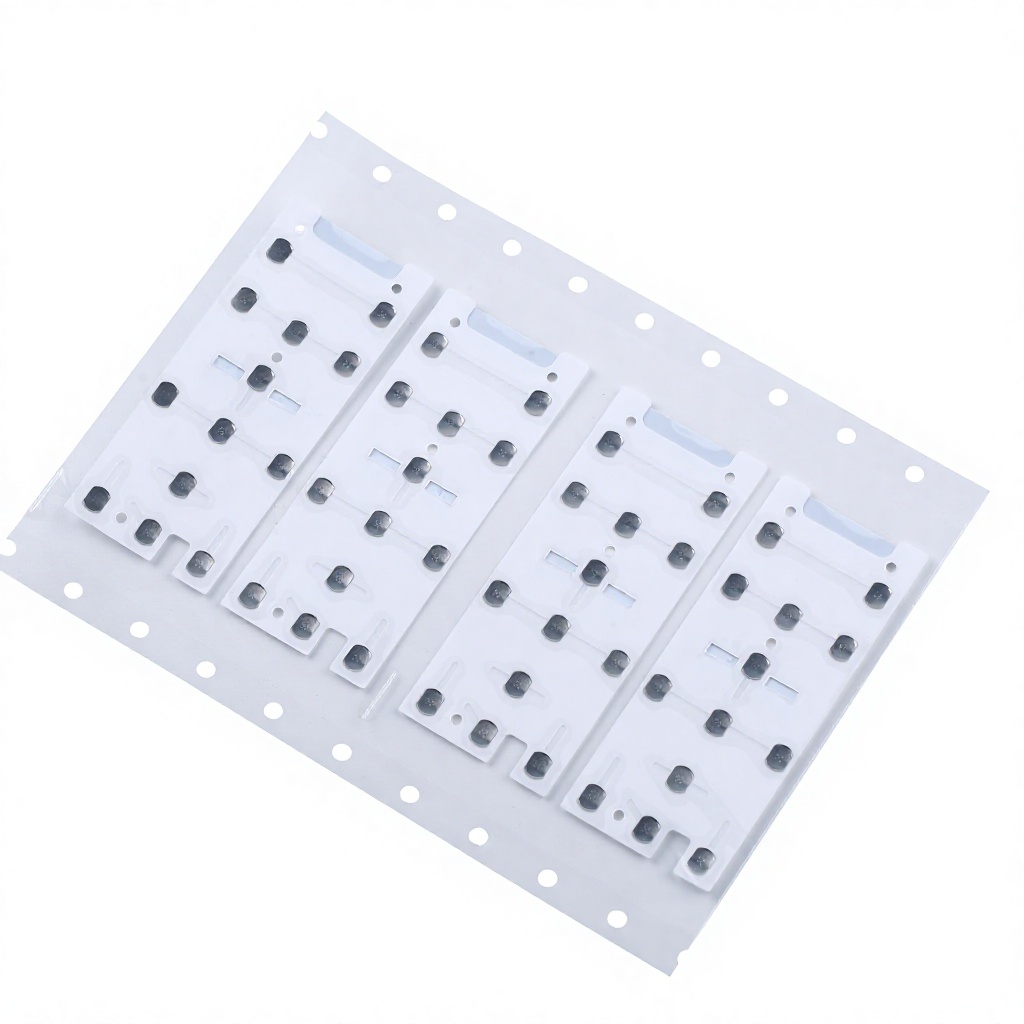
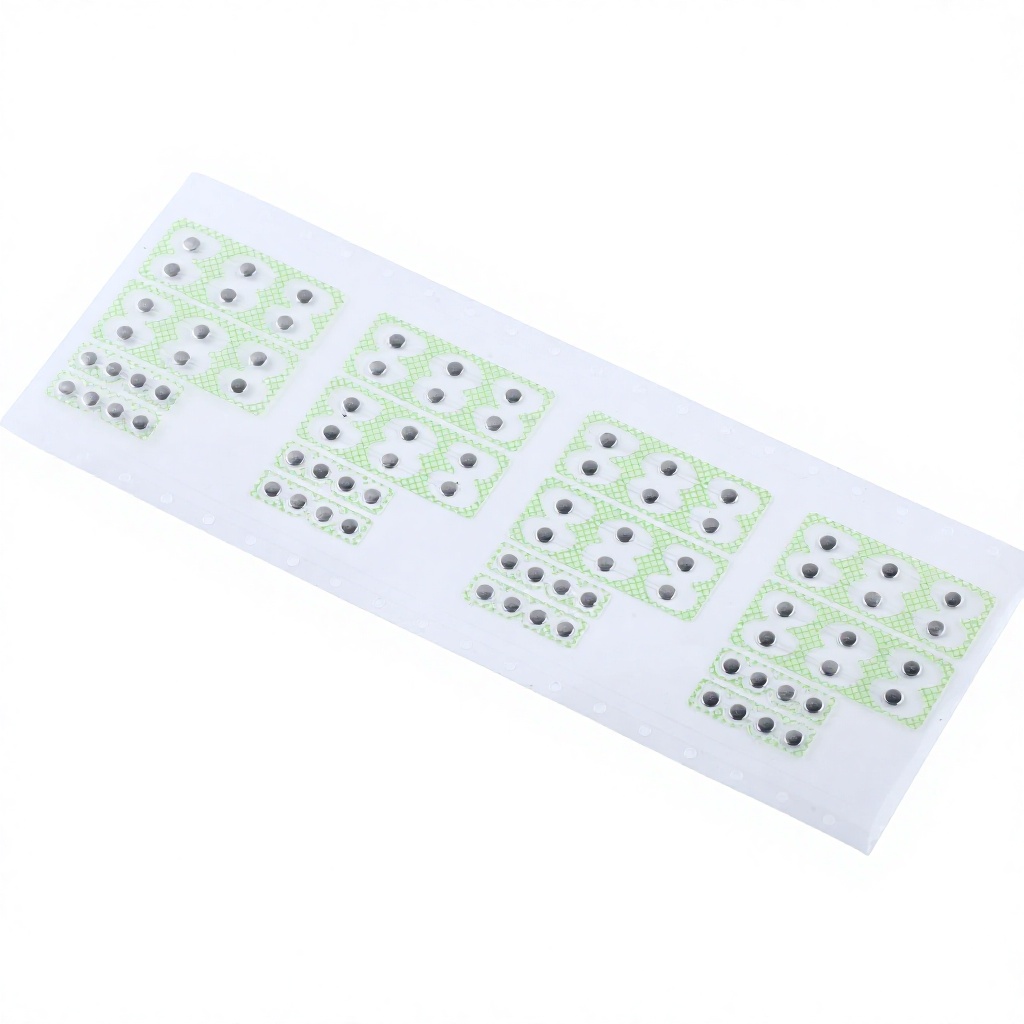
4. Tactile Dome Matrix (SUS301 Stainless Steel): Precision stamped 4-legged cross domes or round snap domes plated with nickel or flash gold. These deliver an unmistakable sensory click with contact resistance below 100 milliohms.
5. Circuitry Carrier (PET or Copper Flex FPC): Screen-printed with low-resistance polymer thick film (PTF) conductive silver paste, shielded by a printed carbon overcoat to prevent conductive dendrite growth (silver migration under DC bias and humidity).
6. Rear Mounting Adhesive (3M VHB or 3M 300LSE): Engineered specifically for low surface energy (LSE) powder-coated metal chassis, cast aluminum housings, or injection-molded polypropylene enclosures.

Enterprise Infrastructure

Why Tier-1 OEM Brands Rely on Cevra Manufacturing

Headquartered in Dongguan, China—the world's most concentrated precision electronics corridor—Dongguan Cevra Electronic Technology Co., Ltd. operates an integrated 2,600㎡ modern manufacturing campus verified onsite by SGS Group.

ISO 9001 & SGS Audited

Certified quality management framework with complete material traceability from raw chemical resins and stainless steel coils to finished packed assemblies. Verified onsite by SGS Group.

Full In-House Tooling Chain

Complete vertical integration: high-precision screen printing presses, CNC plotting, CCD optical drilling, laser cutting, automatic rotary die punchers, and automated laminating lines under one roof.

Dedicated DFM Engineering

Our senior application engineers conduct comprehensive Design for Manufacturability (DFM) reviews on CAD, DXF, and AI files, optimizing key spacing, tail bending radii, and tactile trip force prior to tooling cut.

Comprehensive QA Lab Verification

Every production batch undergoes destructive and non-destructive testing: dome actuation force-deflection curve analysis, high/low thermal shock cycling, holding tack tests, and pencil scratch hardness validation.

Agile Prototype to Mass Production

From low-MOQ engineering validation builds (from 10 to 100 units) to multi-million reel-packed automated dome shipments, our manufacturing footprint adapts dynamically to your delivery schedules.

Industry Foresight · 2025–2030 Trends

The Technological Evolution of Front Panel Overlays and Procurement Dynamics

The human-machine interface landscape is undergoing rapid transformation driven by IIoT (Industrial Internet of Things), computerized medical workstations, and high-frequency tactile automation. Procurement managers and design engineers must navigate structural industry shifts to maintain supply chain resilience and technical competitiveness.

1. Convergence of Capacitive Touch and Tactile Hybrid Architectures

While sleek glass touchscreens dominate consumer smartphones, industrial field equipment demands positive tactile confirmation that operators can activate while wearing heavy leather or nitrile work gloves. The prevailing industry trend is the adoption of hybrid HMI front panels. These combine an impervious, sealed front panel overlay with flush capacitive sensor regions for slider/scroll inputs and physical SUS301 metal domes positioned over primary safety critical functions (e.g., Emergency Stop, Motor Engage, System Reset). This configuration eliminates false actuations while providing seamless, flat-panel cleanability.

2. Uniform LED Backlighting via Micro-Engineered Light Guide Films (LGF)

Legacy membrane panels relied on bulky, uneven discrete surface-mount LEDs that produced prominent localized hot spots and increased overall panel thickness by up to 2.0mm. The state-of-the-art trend uses ultra-thin (0.125mm – 0.25mm) optical Light Guide Films (LGF). By precision micro-molding or laser-dotting refractive prisms onto an optical-grade polycarbonate film, light from side-firing edge LEDs is evenly distributed across large key legends, graphic borders, and logo accents. This achieves uniform surface luminance while maintaining a razor-thin stack-up under 0.8mm total thickness.

3. Antimicrobial and Chemically Resistant Hardcoats for Healthcare Sanitation

The post-pandemic clinical environment has institutionalized aggressive cleaning protocols. Hospital-grade front panel overlays are subjected multiple times daily to quaternary ammonium compounds, bleach (sodium hypochlorite), hydrogen peroxide vapor, and 70% isopropyl alcohol. Standard untreated films degrade, fog, or experience micro-cracking within months. Leading medical device procurement now mandates advanced textured polyesters with incorporated silver-ion (Ag+) inorganic antimicrobial agents (such as Autotex® AM), which actively inhibit microbial colonisation while maintaining resistance to chemical embrittlement.

4. Transition to Sustainable Polymeric Substrates and Low-VOC Inks

Global regulatory mandates including EU RoHS 3, REACH SVHC, and corporate ESG procurement scorecards are driving manufacturers away from halogenated flame retardants and solvent-heavy inks. Modern overlay manufacturing is migrating toward 100% solid UV-curable dielectric and graphic inks, eliminating volatile organic compound (VOC) emissions during curing. Furthermore, bio-based and PCR (post-consumer recycled) optical polyester films are currently undergoing qualification for non-critical secondary overlays.

Procurement Trend Insight: Nearshoring vs. Direct China Precision Tier-1 Sourcing

While some Western OEMs evaluate local domestic die-cutting shops, the high capital tooling expenditure of precision automated silk-screen printing, class 10,000 cleanroom laminating, and dedicated stamping dies frequently makes local small-scale manufacturing cost-prohibitive. Global engineering leaders maintain hybrid sourcing: executing initial rapid mechanical concepting locally, while partnering with verified high-volume ISO 9001 Chinese manufacturers like Cevra for dedicated steel-die stamping, PCB dome arrays, and cost-efficient mass manufacturing.
Zero-Defect Quality Control

Stringent In-House Laboratory Reliability Protocols

We leave nothing to chance. Every production lot of graphic overlays and metal dome assemblies undergoes rigorous testing against international ASTM, DIN, and ISO standards inside our Dongguan quality testing laboratory.

Dynamic Force-Displacement Profiling

Utilizing computer-controlled load cell testers, our QC team records actuation force (Fa), return force (Fr), stroke travel (mm), and mathematically calculates the exact click ratio [Click Ratio % = (Fa - Fr) / Fa × 100%].

Thermal Shock & Aging Chambers

Panels undergo accelerated environmental stress testing from -40°C to +85°C across 95% relative humidity for 240+ continuous hours to verify that adhesives remain bubble-free and conductive ink resistance stays stable.

Adhesion Tack & 180° Peel Strength

Calibrated electronic tensile testing rigs evaluate pressure-sensitive adhesive bonding to stainless steel, aluminum, and low surface energy polymers, guaranteeing zero delamination under mechanical shear.

Optical Spectrophotometry & Haze

Precision transmission densitometers and spectrophotometers measure color consistency under CIE D65 illumination (Delta E < 0.8) and ensure LCD display windows maintain flawless clarity and zero distortion.

Electric Pencil Hardness Tester

Automated Wolf-Wilburn pencil scratch testing rigs evaluate the surface hardcoat of our polycarbonate and polyester overlays up to 3H to confirm abrasion immunity from keys, fingernails, and tools.

Procurement Knowledge Base

Frequently Asked Questions by Industrial Sourcing Engineers

Critical engineering, tooling, lead-time, and customization answers to accelerate your front panel project from concept to volume delivery.

What engineering documentation is required to initiate a custom front panel overlay quotation?
To provide an accurate engineering quote within 24 hours, our team requires: (1) Vector artwork in Adobe Illustrator (.AI), CorelDraw (.CDR), or vector PDF format with layers separated for graphics and cutting dies; (2) Mechanical dimensional drawings in DXF, DWG, or STEP format detailing outer dimensions, window openings, embossing profiles, and tail egress; (3) Specified color callouts using the Pantone Matching System (PMS) or RAL palettes; (4) Desired substrate specification (e.g., Autotex PET vs. Lexan PC) and thickness; (5) Adhesive backing selection (e.g., 3M 467MP, 468MP, or 300LSE); and (6) Estimated annual quantity (EAU) and prototype batch requirements.
What is the definitive engineering difference between Polycarbonate (PC) and Polyester (PET)?
The fundamental difference lies in flexural molecular resilience and chemical inertness. Polyester (PET) exhibits exceptional flexural fatigue endurance, making it capable of surviving well over 5,000,000 switch actuations without micro-cracking, while also resisting aggressive cleaning solvents, industrial alcohols, and fuels. Polycarbonate (PC) is optically clearer, easier and less costly to hydroform or deep-emboss, and provides an economical solution for static instrument faceplates, decorative nameplates, or non-flexing display panels, but it will fatigue if subjected to continuous key flexing.
How do you achieve reliable IP65, IP66, or IP67 environmental waterproof sealing?
Hermetic ingress protection is achieved through a multi-faceted sealing architecture: (1) Applying a continuous, unbroken closed-loop perimeter gasket of high-tack acrylic adhesive (such as 3M 200MP series or 3M VHB) that isolates internal electronics from dust and high-pressure water jets; (2) Designing internal breathing ventilation channels that vent air pressure into the host enclosure rather than externally to the atmosphere; and (3) Utilizing seamless top-surface continuous overlay films that contain zero through-hole key cutouts, preventing liquid capillary penetration.
What metal dome configurations and actuation trip forces are available?
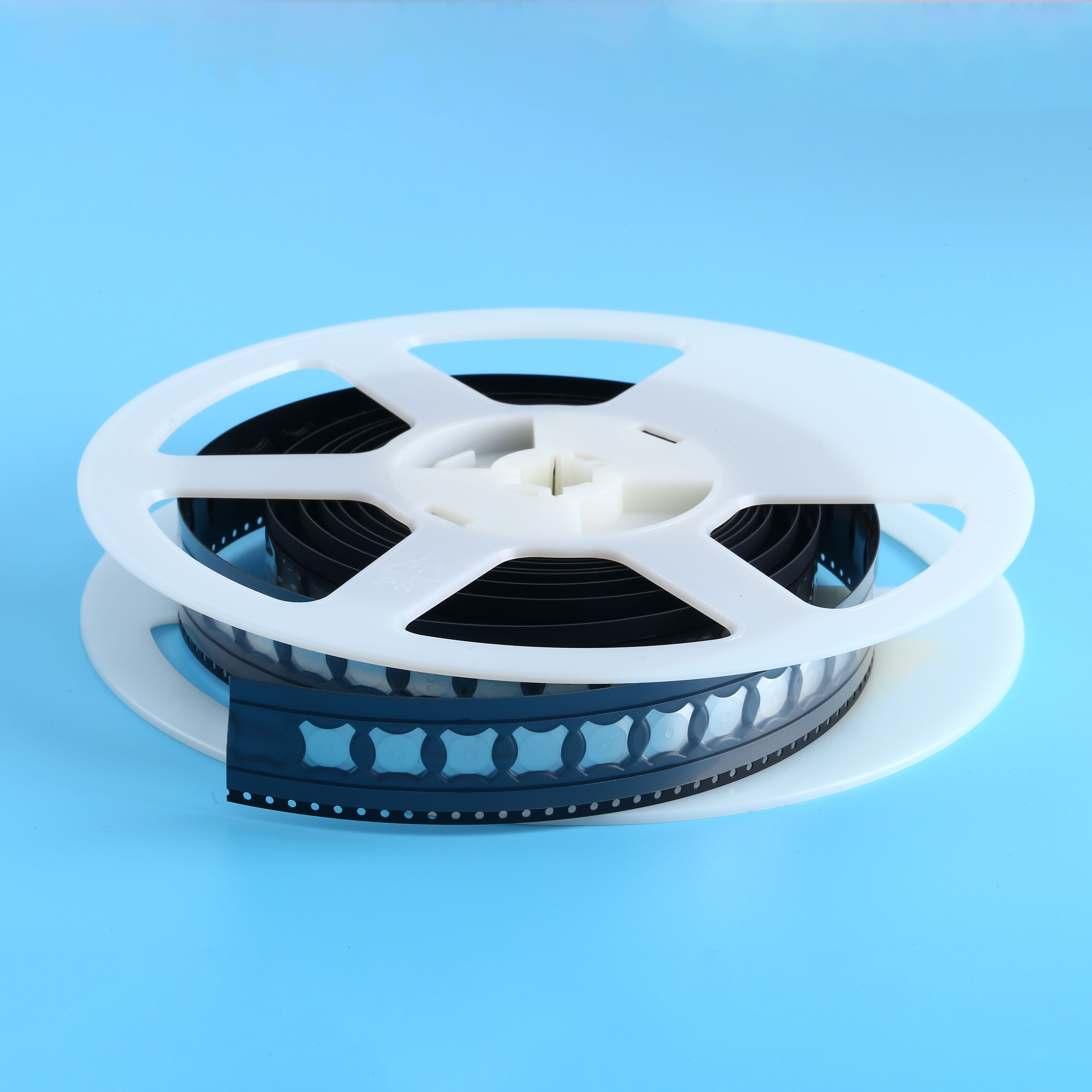
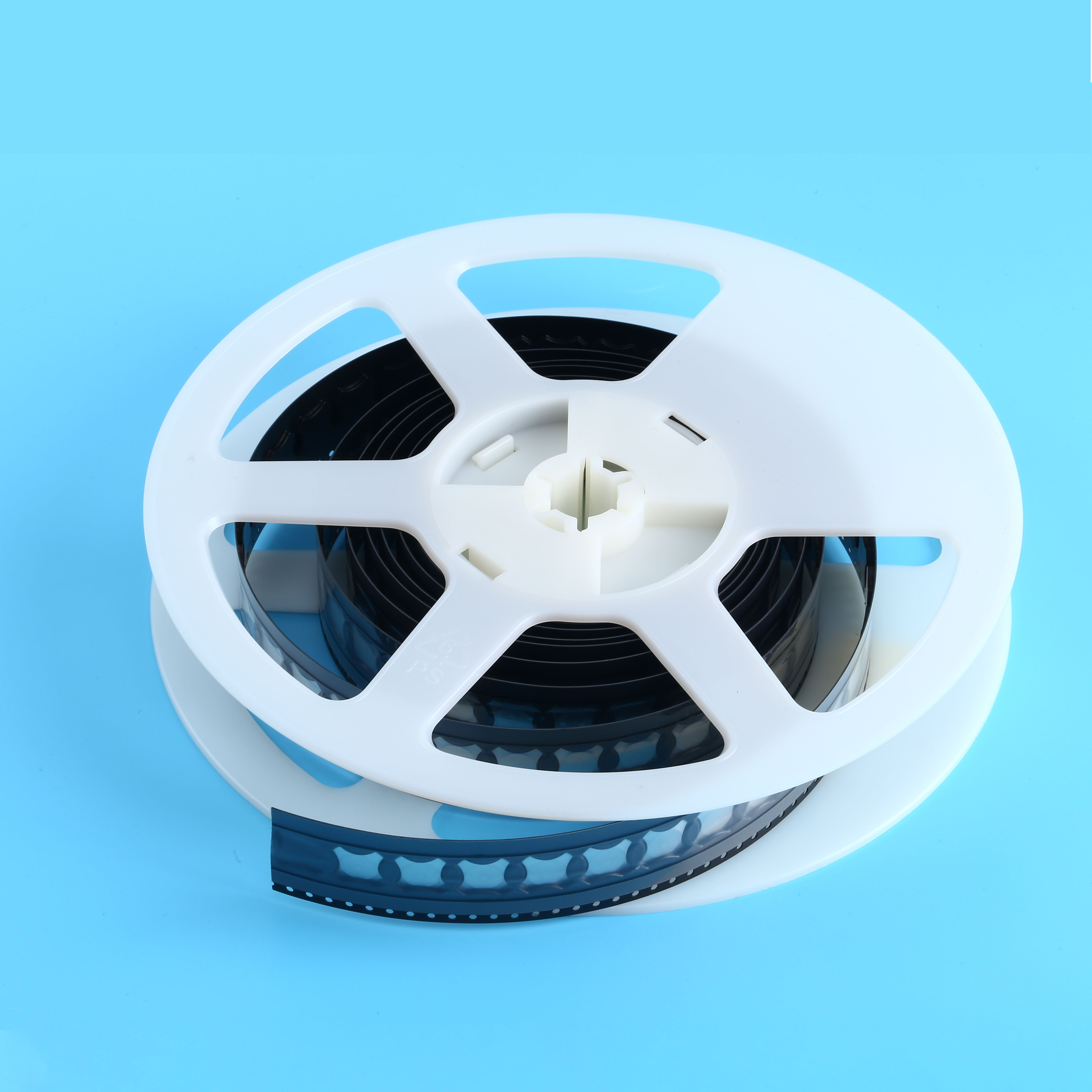
We manufacture a broad range of tactile stainless steel snap domes in SUS301 grade with nickel, gold, or silver plating. Geometries include 4-legged cross domes (standard sizes: 8.4mm, 10mm, 12mm, 14mm, 16mm, and 20mm), round/circular domes, and triangular snap domes. Trip forces can be customized precisely between 160g and 500g (±30g tolerance). For applications requiring automated high-speed surface mounting (SMT), our domes can be supplied packaged in Tape & Reel format or pre-indexed on custom-spaced adhesive dome arrays.
How do you prevent silver migration and electrical shorting in humid environments?
Silver migration occurs when conductive silver traces are subjected to continuous DC voltage bias and moisture, causing dendritic metal filament growth across circuit gaps. Cevra mitigates this risk through three robust engineering practices: (1) Complete encapsulation of all screen-printed silver circuitry traces with a 100% continuous carbon conductor overcoat; (2) Printing a multi-pass UV dielectric insulating lacquer over all traces with strict pinhole-free curing; and (3) Offering Flexible Printed Circuit (FPC) copper-polyimide alternatives for extreme ultra-high humidity or life-critical military and aerospace applications.
What embossing styles can be applied to key areas and display windows?
We offer three primary mechanical embossing styles executed via matched male/female CNC engraved magnesium or copper tooling: (1) Rim / Perimeter Embossing: A raised ridge borders the perimeter of the key, guiding the operator's finger into the center; (2) Pillow / Surface Embossing: The entire key area is elevated evenly as a raised plateau; and (3) Dome / Spherical Embossing: A convex spherical bubble designed to comfortably nest over physical metal snap domes or rubber keypads. Key embossing heights typically range from 0.3mm to 0.6mm depending on base film thickness.
What are your standard prototype tooling costs and production lead times?
Because we engineer our punching, silk-screening, and CCD drilling dies in-house, Cevra offers exceptionally rapid turnaround times. Rapid engineering prototypes cut via precision digital flatbed cutters and laser cutting are typically dispatched within 5 to 7 working days. Hard-tooled mass production batches requiring custom matched-die steel tooling are completed within 12 to 15 working days following signed drawing and artwork approval.
What are your Minimum Order Quantity (MOQ) policies for custom builds?
We support agile hardware development. For initial pilot runs, engineering validation tests (EVT), and design verification tests (DVT), we offer flexible low MOQs starting from 10 to 50 units on graphic overlays and 100 units on complete membrane switch assemblies. For high-volume mass production, our facilities handle recurring monthly releases exceeding 100,000 units.

Ready to Build Your Custom Front Panel Overlay?

Collaborate directly with Cevra's senior human-machine interface engineers. Send your CAD drawings, graphic artwork, or product concept for an immediate DFM manufacturability evaluation and competitive factory-direct quote.