Precision FPC Keyboards & Tactile Membrane Assemblies
Explore our primary selection of industrial, medical-grade, and consumer tactile interface solutions. Fully customized according to your mechanical drawings, tactile feel constraints, and operating environments.
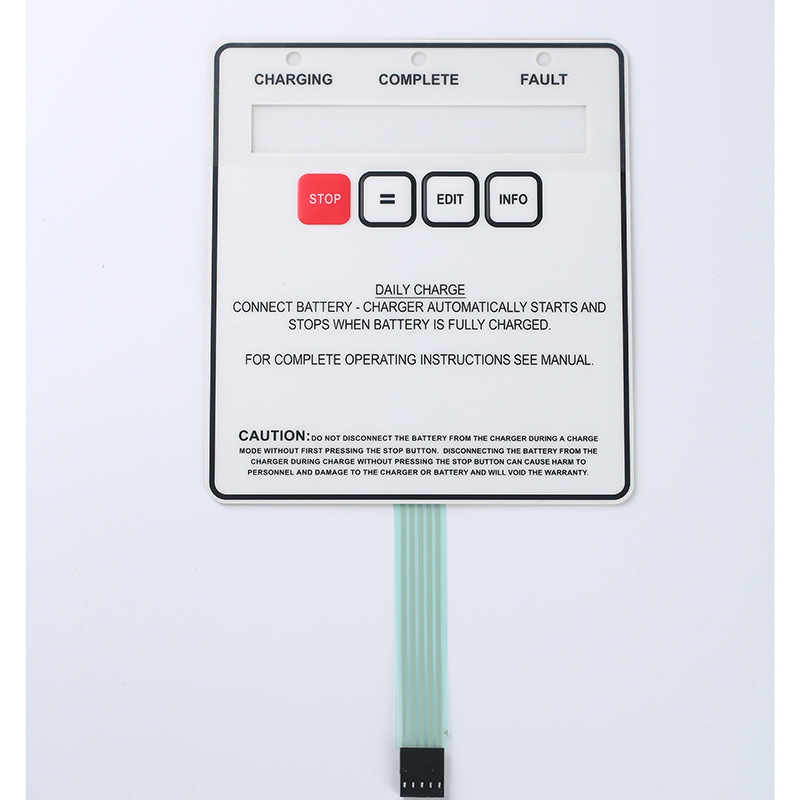
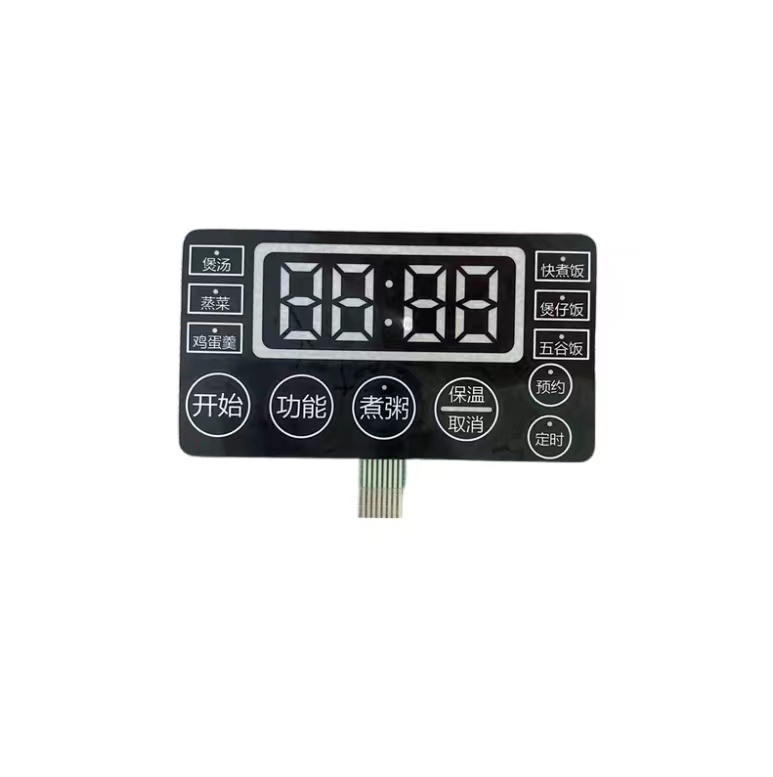
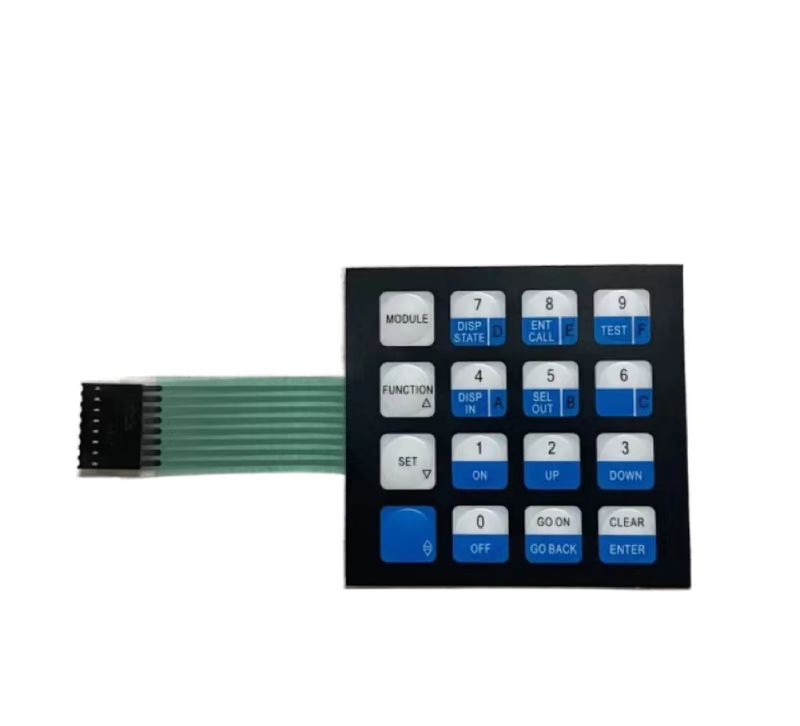
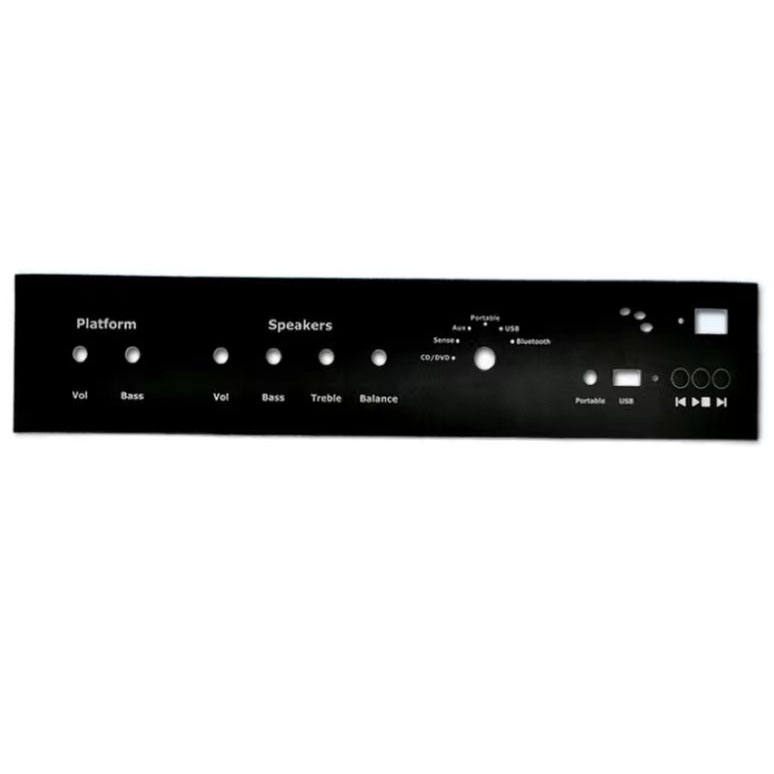
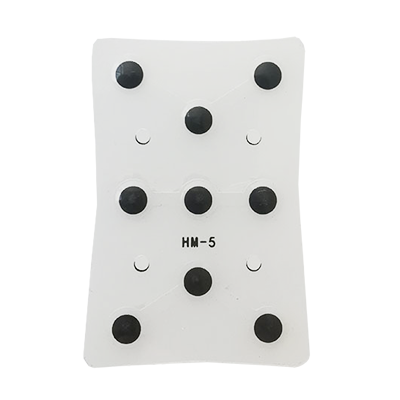
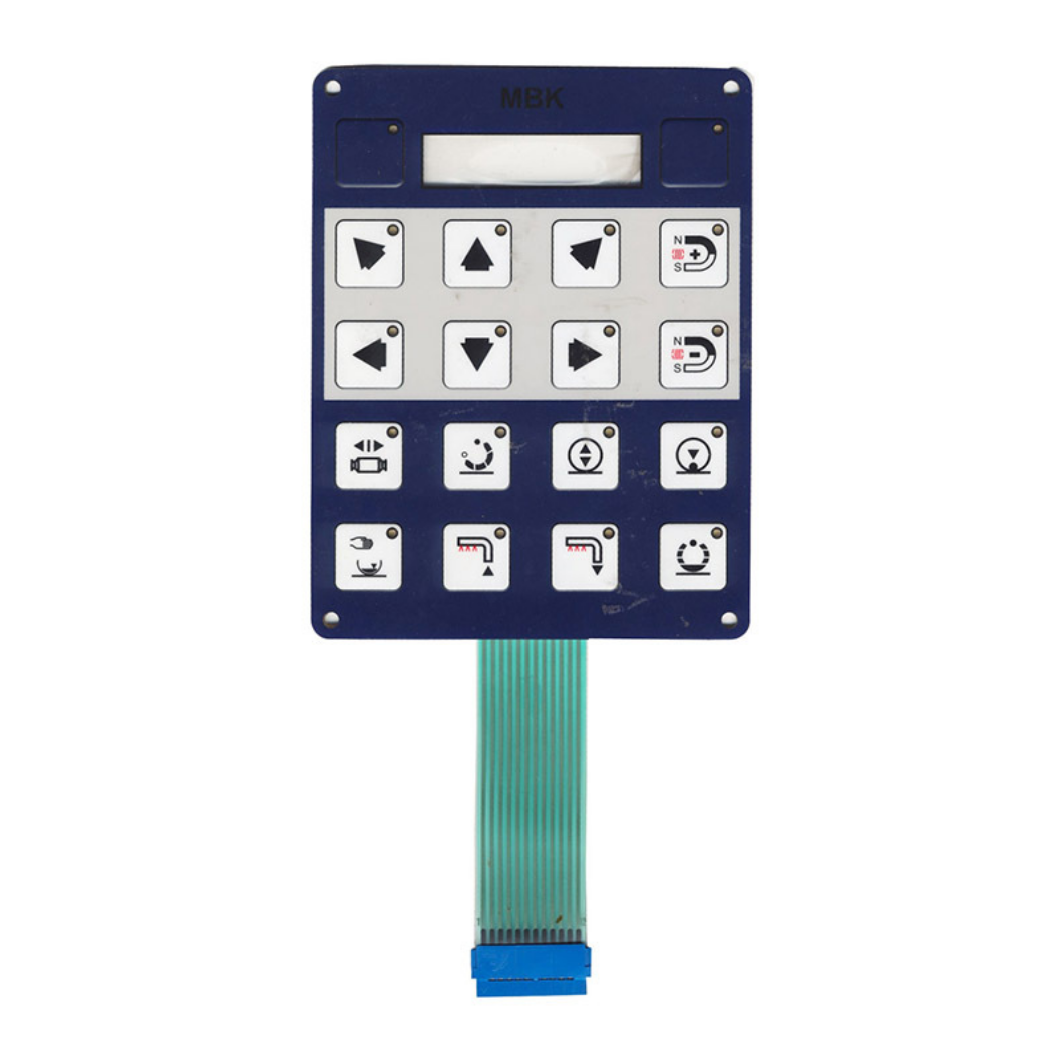
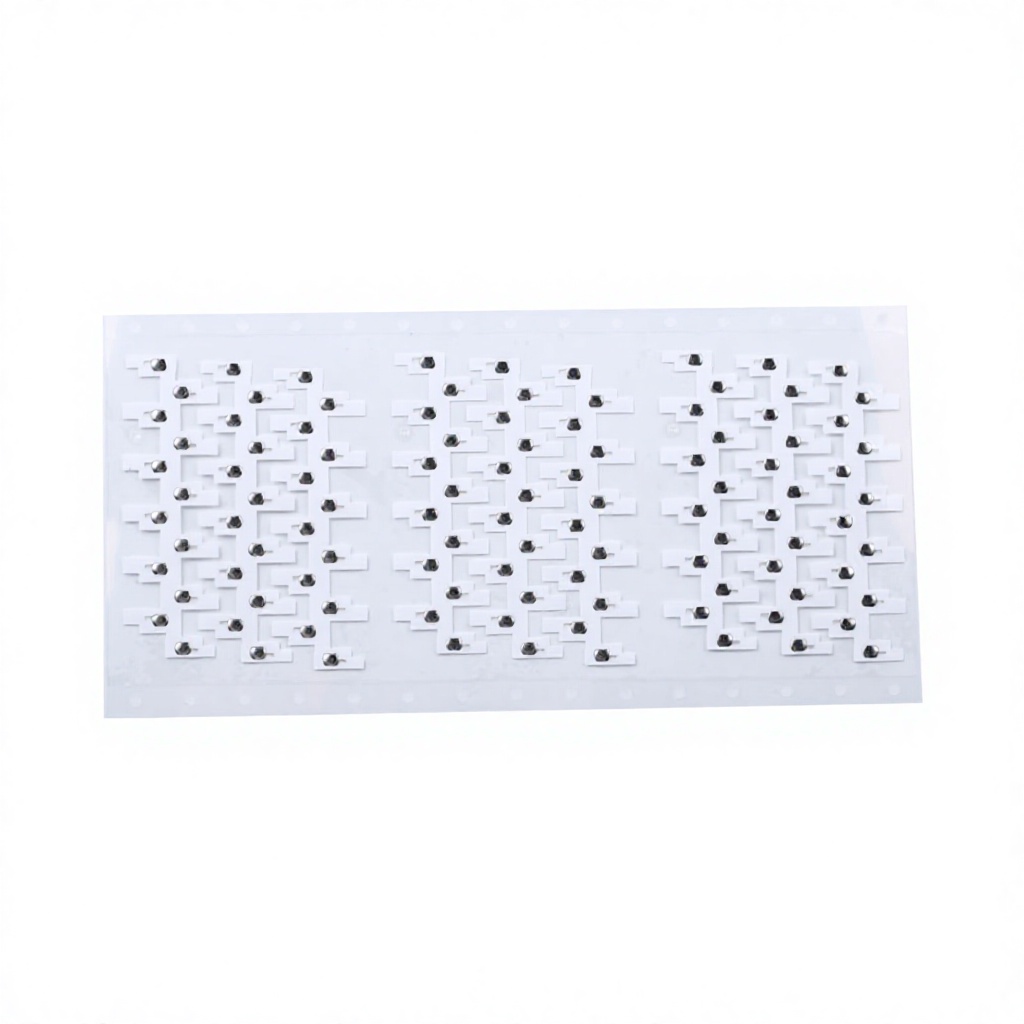
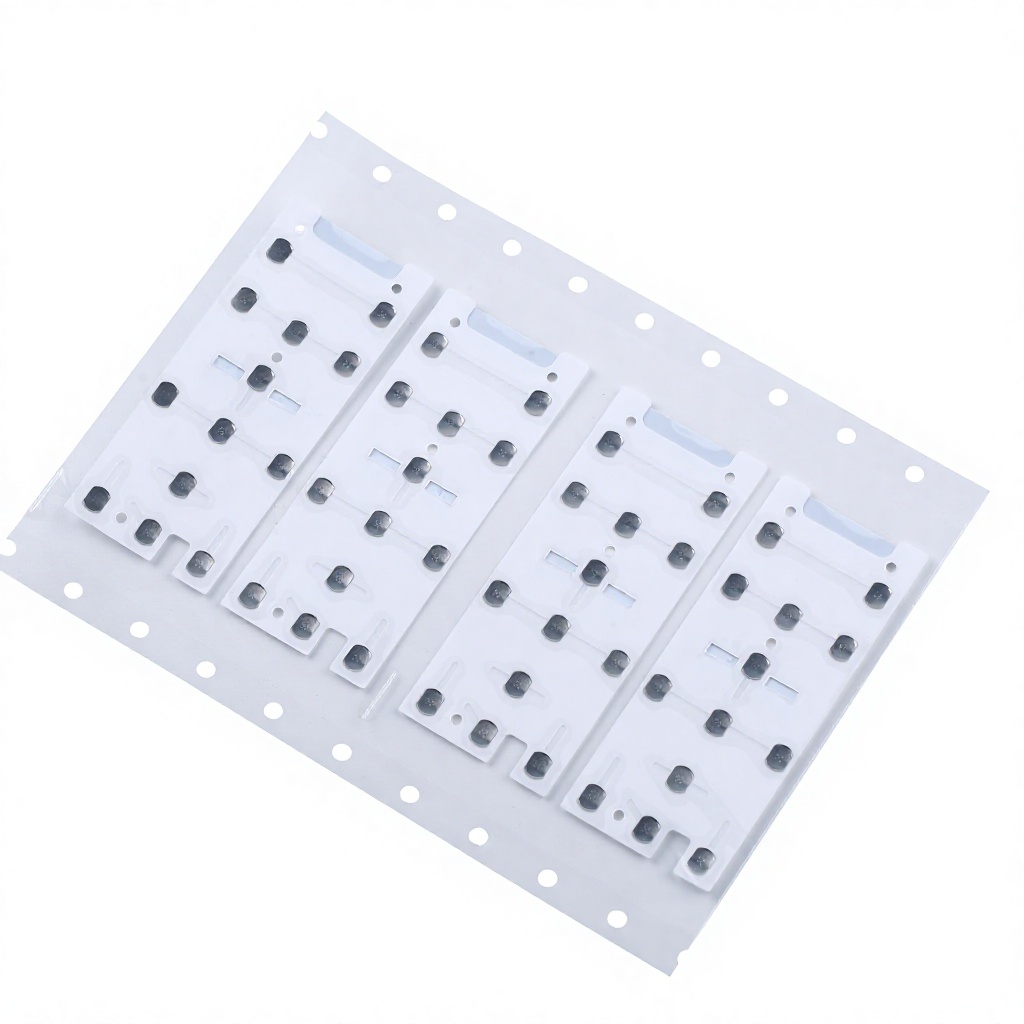
Architectural Anatomy: FPC vs. Screen-Printed Silver Keyboards
A deep mechanical and electrical breakdown of Flexible Printed Circuitry (FPC) within high-reliability human-machine interfaces.
| Performance Vector | Flexible Printed Circuit (FPC) Copper Foil | Screen-Printed Silver Polymer Thick Film (PTF) | Engineering Impact on OEM Products |
|---|---|---|---|
| Trace Resistance & Conductivity | < 0.05 Ω/sq (Pure Rolled Annealed Copper) | 10 to 50 Ω/sq (Conductive Silver Paste) | FPC minimizes voltage drops across dense traces, enabling longer tails and complex signal multiplexing. |
| Pitch & Trace Density | High Density: Down to 0.5mm / 0.3mm ZIF Pitch | Standard Density: Minimum 1.0mm to 2.54mm Pitch | FPC accommodates micro-pitch board-to-board connectors and miniature controller packaging. |
| Silver Migration Immunity | Immune (Polyimide Encapsulation + Cu) | Susceptible under high moisture & DC bias | FPC completely eliminates short circuits caused by electro-chemical ionic silver tree growth in humid conditions. |
| Dynamic Flex Fatigue Life | > 5,000,000 bending cycles (R > 2mm) | < 100,000 bending cycles before cracking | Critical for moving hinges, wearable diagnostics, and foldable or handheld industrial equipment. |
| Component SMT Capability | Supports Reflow Solder (LEDs, Resistors, ICs) | Requires Conductive Epoxy Bonding | FPC provides robust shear strength for surface-mount LEDs, photo-sensors, and capacitive touch driver chips. |
Navigating Next-Generation HMI Purchasing Dynamics
Procurement engineers face stringent demands for reduced enclosure profiles, aggressive environmental resistance, and integrated active illumination. Here is what leading hardware teams prioritize.
TCO Optimization via Hybrid Stack-ups
Hardware teams increasingly specify hybrid configurations—marrying an FPC tail with an SUS301 metal dome array and a sub-surface printed polyester graphic skin. This achieves automotive-level reliability without the premium overhead of rigid-flex FR4 multi-layer boards.
Sterilization & Fluid Resistance Mandates
Medical and clinical deployments require continuous resistance to isopropyl alcohol, bleach, and quaternary ammonium cleaners. Sourcing managers are deprecating front-bezel mechanical switches in favor of IP68-rated continuous FPC panels with zero ingress seams.
Ultra-Thin Light Guide Film (LGF) Backlighting
Traditional bulk LEDs create uneven hot-spots and increase keypad thickness. Modern procurement contracts now explicitly require micro-etched Light Guide Films (0.125mm thickness) driven by side-firing edge LEDs to achieve edge-to-edge chromatic uniformity.
The Evolution of Flexible Input Peripherals
How Dongguan Cevra Electronic Technology Co., Ltd. is engineering ahead of industry disruptions.
Capacitive & Tactile Convergence
The line between rigid capacitive glass touchscreens and mechanical keyboards is dissolving. We manufacture hybrid interfaces that pair solid-state capacitive sliders with localized tactile metal snap-domes for critical emergency override functions.
EMI/RFI Metallized Shielding Grids
With higher radio frequency density in IoT and clinical environments, our FPC keyboard architectures integrate vapor-deposited aluminum shields and printed carbon conductive ground grids to eliminate radiated electromagnetic interference and electrostatic discharge (ESD).
Precision Snap Actuation Engineering
Tactile feedback cannot wander across production lots. Utilizing automated dome placement machinery and digital force displacement analyzers, our factories maintain actuation curves between 250g to 450g within a strict ±20g tolerance margin.
Dongguan Cevra: Verified In-House Manufacturing Excellence
Operating since March 2009, Dongguan Cevra Electronic Technology Co., Ltd. combines full vertical integration—from CAD drawing review to precision die-cutting, screen printing, automated lamination, and multi-point automated inspection.
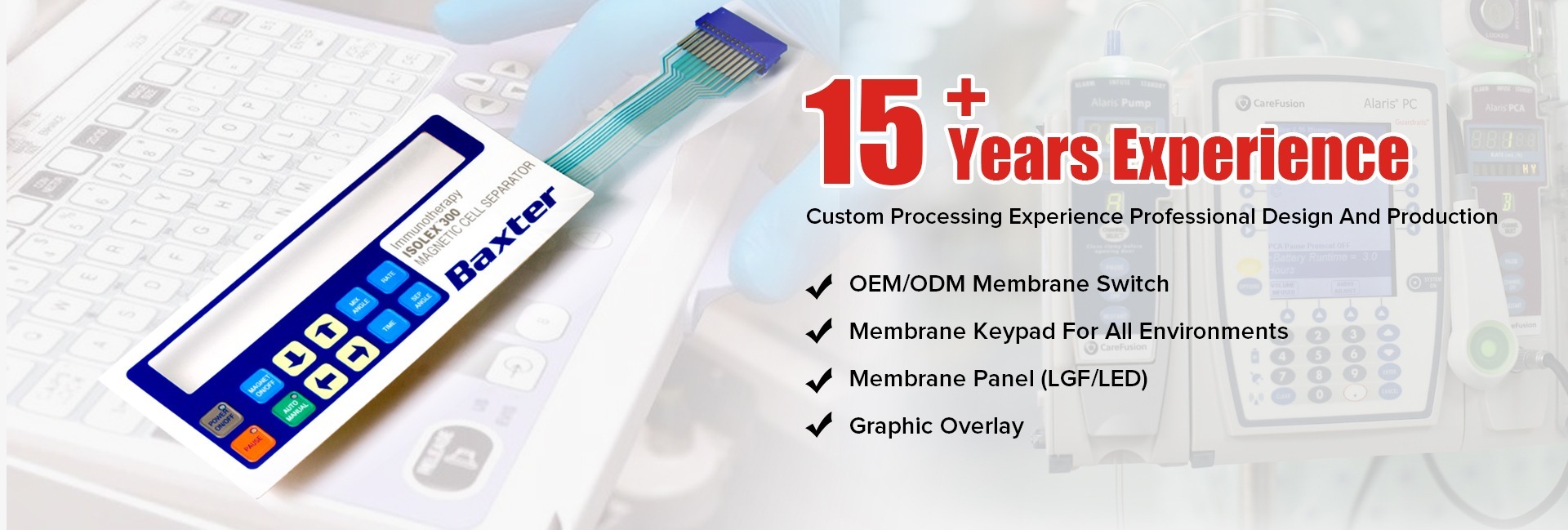
2,600㎡ Dedicated Production Facility
SGS verified onsite facility in Dongguan, Guangdong, featuring class 10,000 dust-free cleanrooms, automated laser die cutters, and high-speed multi-color screen printing lines.
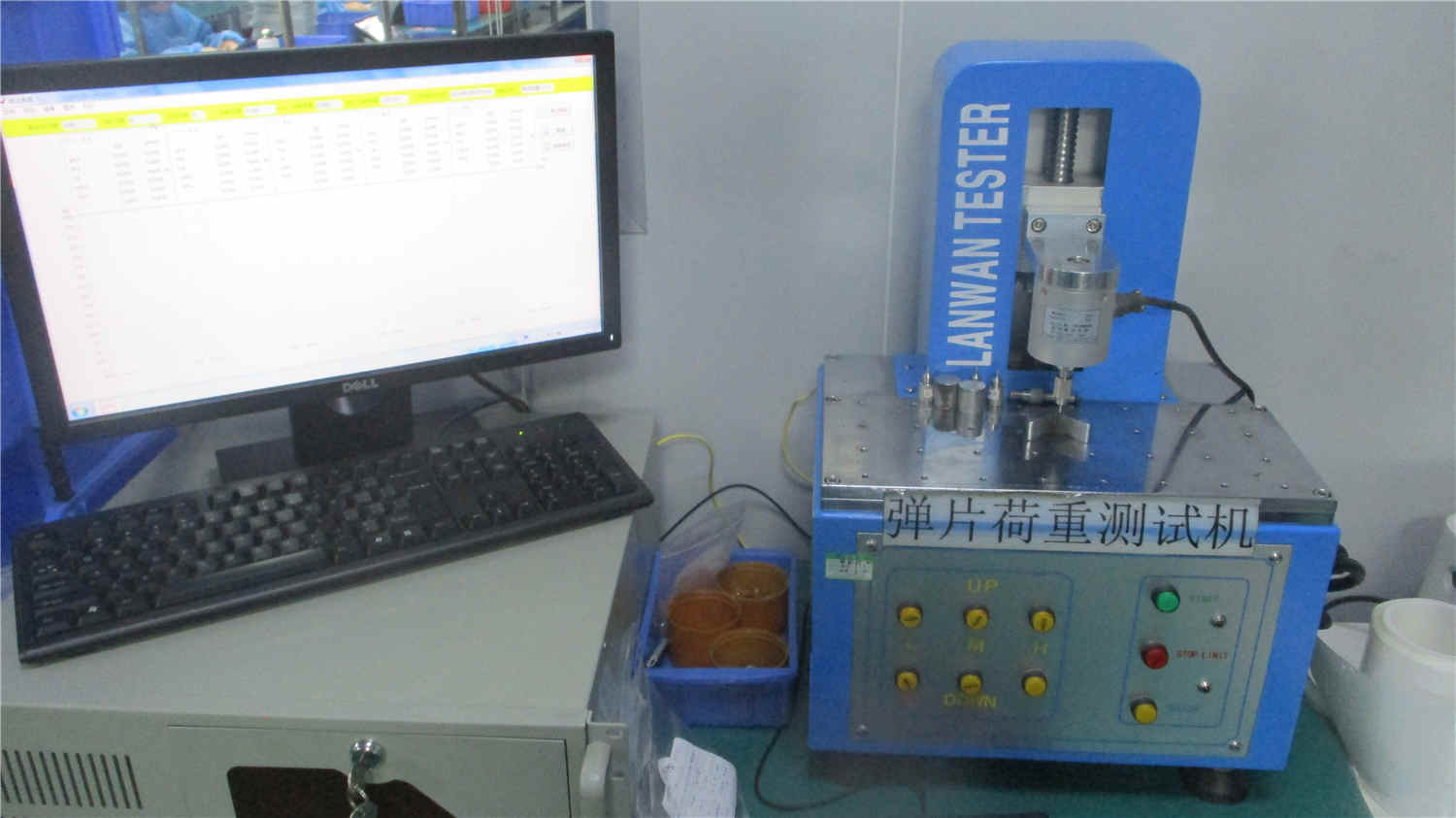
Comprehensive Mechanical Testing Lab
In-house physical lab equipped with automated metal dome load-displacement testers, holding tack fixtures, tension peel meters, and electric pencil hardness testers.
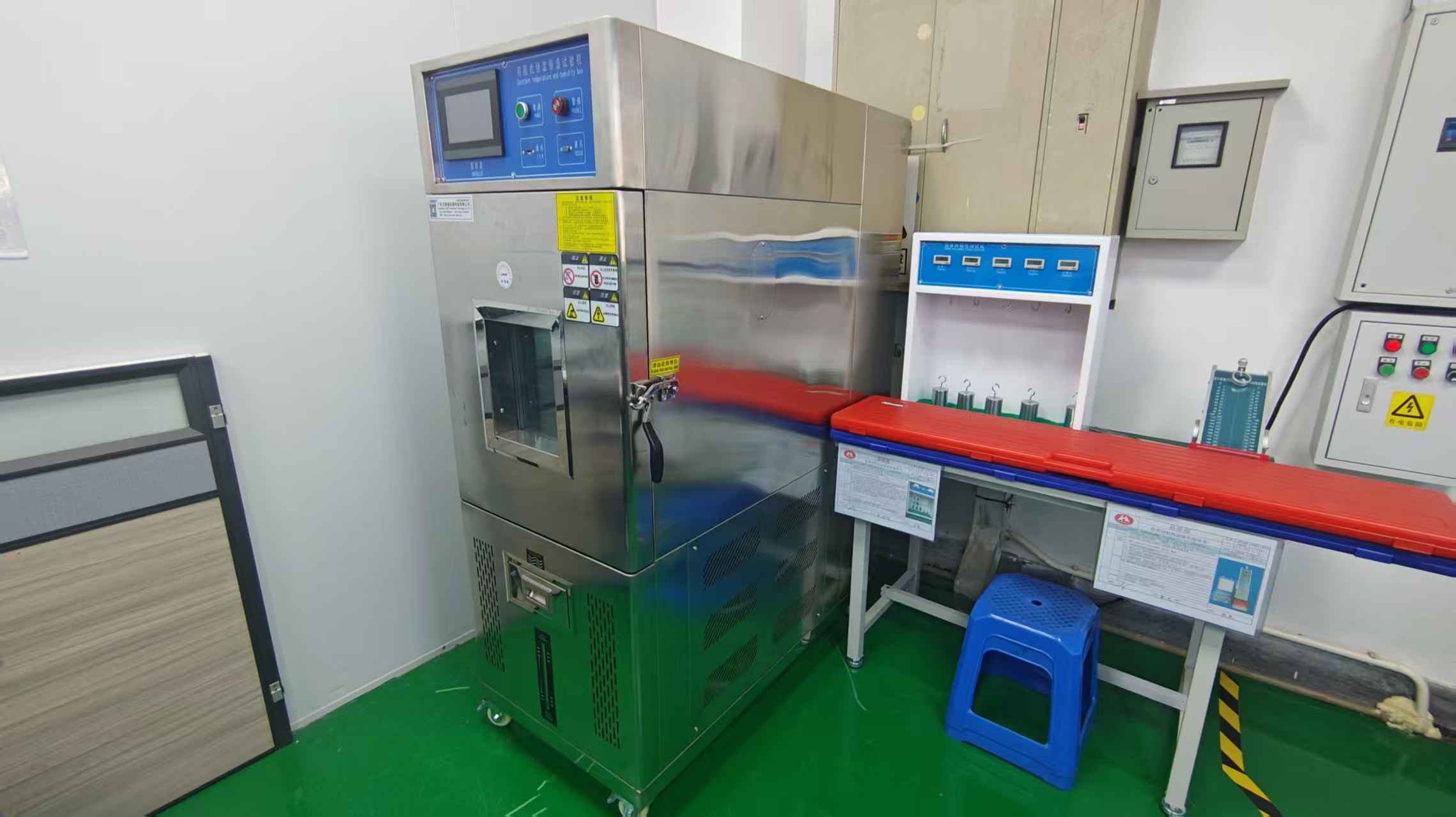
Climatic Stress & Environmental Verification
Thermal cycling cabinets stress-test keyboards from -40°C to +85°C at 95% relative humidity to certify long-term adhesive stability and circuit integrity before shipping.
Frequently Asked Questions for FPC Keyboards & Membrane Switches
Direct answers from our senior application engineers on technical feasibility, lead times, materials, and international shipping protocols.
Why should I specify an FPC copper circuit over a traditional printed silver circuit for my keyboard?
Flexible Printed Circuits (FPC) utilize rolled annealed or electro-deposited copper traces laminated to polyimide film. This gives them far superior electrical conductivity (trace resistance under 0.05 Ω/sq), eliminating voltage loss across longer cable runs. Crucially, copper FPC circuits completely eliminate the risk of silver electromigration, which commonly causes short-circuit failures in humid environments with sustained DC voltage. Furthermore, FPCs enable high-density micro-connectors (down to 0.5mm ZIF pitch) and allow standard SMT soldering for micro-LEDs and chips.
What design files and specifications are required to receive an engineering DFM and quotation?
To initiate an engineering review and get an accurate quote within 24 hours, provide: (1) Vector artwork in Adobe Illustrator (.AI), CorelDraw (.CDR), or Vector PDF format showing graphic legends, Pantone or RAL color codes, and display windows; (2) 2D mechanical drawings in .DWG or .DXF defining outer cutouts, embossing profiles, metal dome positions, and tail length; (3) Schematic or pinout wiring diagram indicating matrix rows/columns or common bus paths; (4) Desired tactile actuation force (e.g., 280g, 350g, 420g) and connector type.
How does Dongguan Cevra control tactile actuation force consistency across large volume runs?
We stamp our snap domes in-house using premium SUS301 stainless steel with precise grain orientation, ensuring elastic fatigue resistance up to 1,000,000 presses. During production, every batch undergoes automated computer-controlled force-displacement testing to record the trip force (F1), peak force, tactile ratio, and return force (F2). Samples are indexed against our strict ±20g acceptance band. Domes are subsequently placed via automated robotic dome array lines to eliminate human placement misalignment and ghost actuation.
Which graphic overlay material should we choose: Polycarbonate (PC) or Polyester (PET)?
Choose Polyester (Autotype/Autoflex PET) if your device requires high key actuation fatigue (> 1,000,000 cycles) or will encounter chemical wiping, fuels, alcohol, and aggressive industrial cleaners. PET resists flexural cracking significantly better than PC. Choose Polycarbonate (Lexan PC) when your interface requires deep thermoformed 3D embossing, high impact resistance, optical clarity windows for displays, or UL94 V-0 flame-retardant certifications at a slightly more economical cost.
What are the standard Minimum Order Quantities (MOQ) and production turnaround cycles?
We maintain flexible procurement scales tailored for hardware startups and Tier-1 enterprises alike: rapid prototype runs start as low as 10 to 50 pieces, while standard custom production batches are typically 100 to 500 units minimum. Metal dome arrays can be supplied starting at 1,000 pieces. Rapid DFM and soft tooling samples are delivered in 5 to 7 business days, while standard mass production is dispatched within 12 to 18 business days with worldwide door-to-door express courier logistics.
How do you assure optical uniformity when integrating LED or Light Guide Film (LGF) backlighting?
For true edge-to-edge illumination without hot spots, we utilize an ultra-thin (0.125mm–0.25mm) micro-prismatic Light Guide Film (LGF). The LGF features laser-etched light extraction dots precisely mapped via optical ray-tracing software. Side-firing ultra-compact SMD LEDs shoot light into the edge of the LGF, and the micro-dots disperse the photons upward through the key graphics with uniform lumen output, consuming 70% less power than standard backlighting arrays while maintaining a thin overall keypad thickness.