16+
Years Engineering Expertise
2,600㎡
ISO 9001 Production Base
100%
SGS Factory Verified
1,000,000+
Tactile Actuation Lifespan
Featured OEM Portfolio
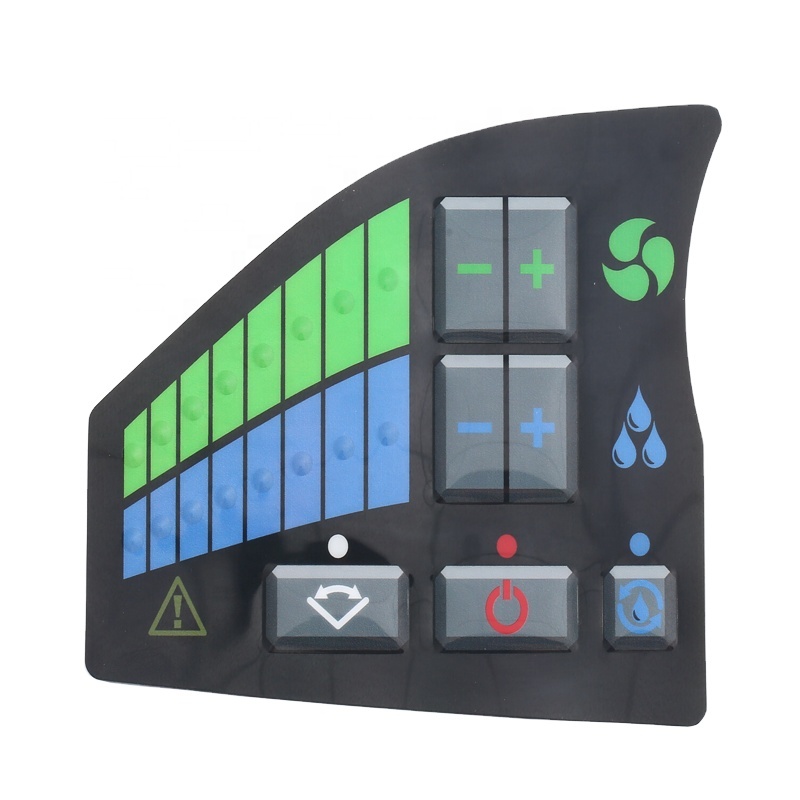
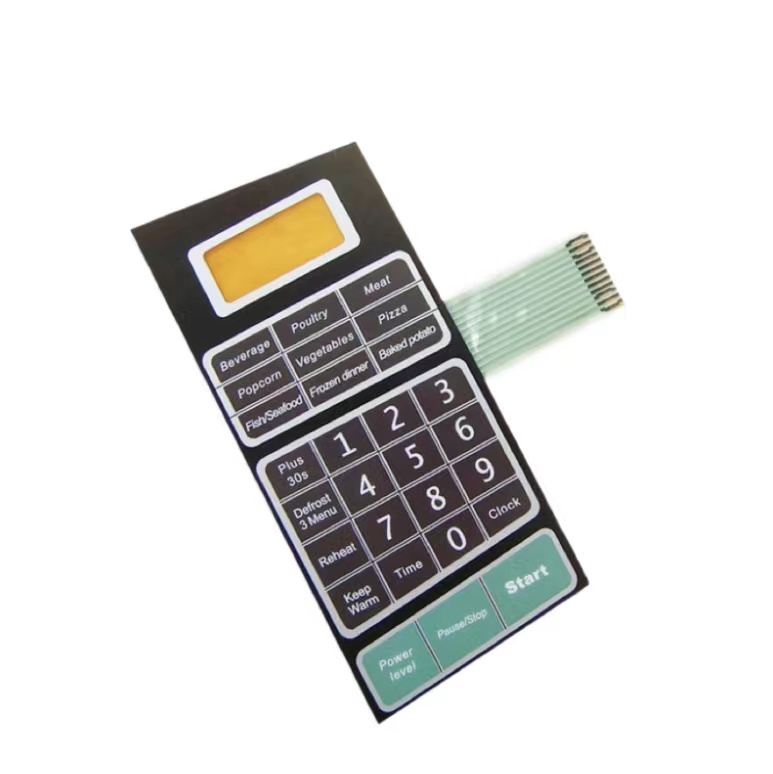
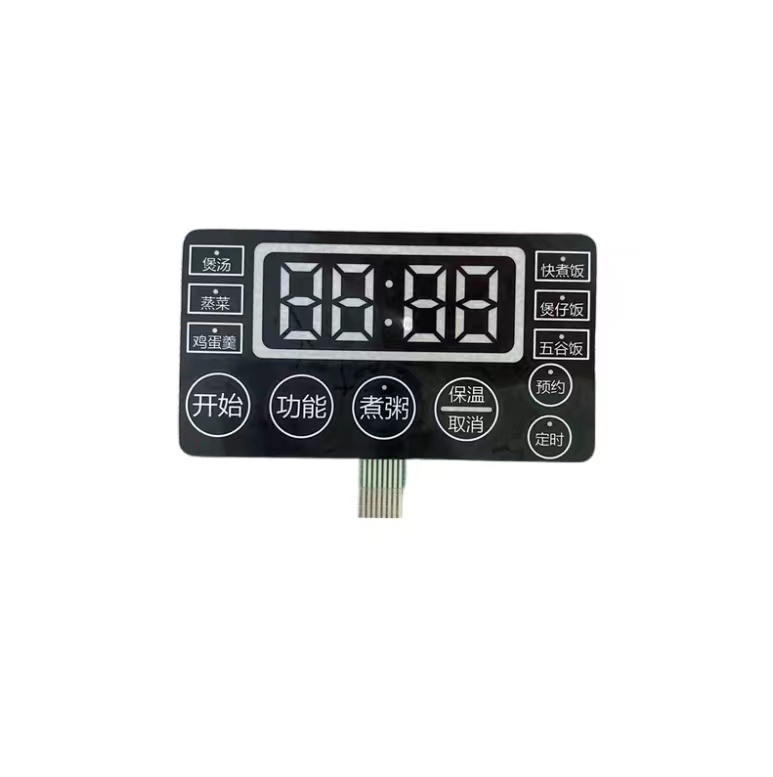
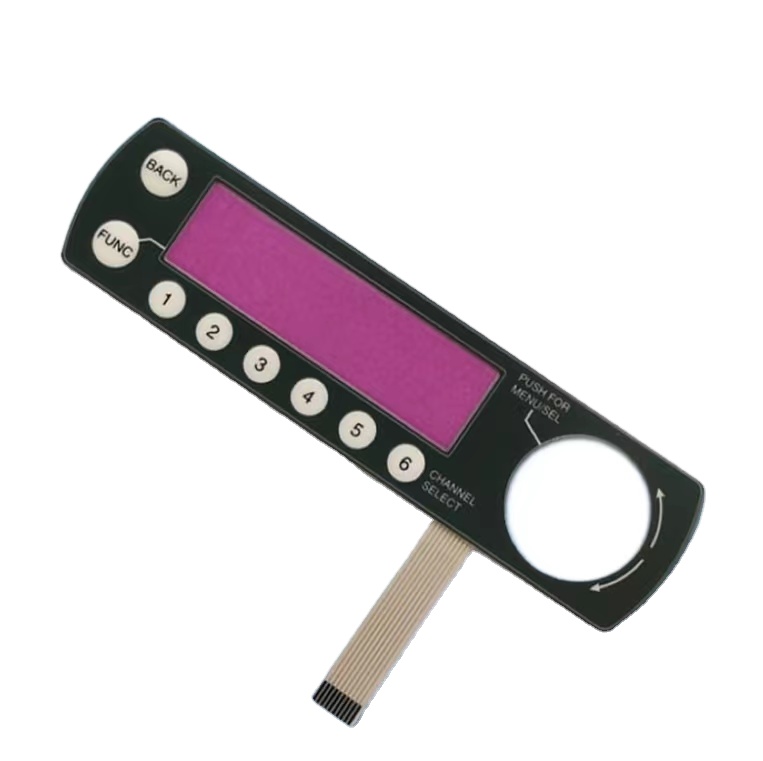
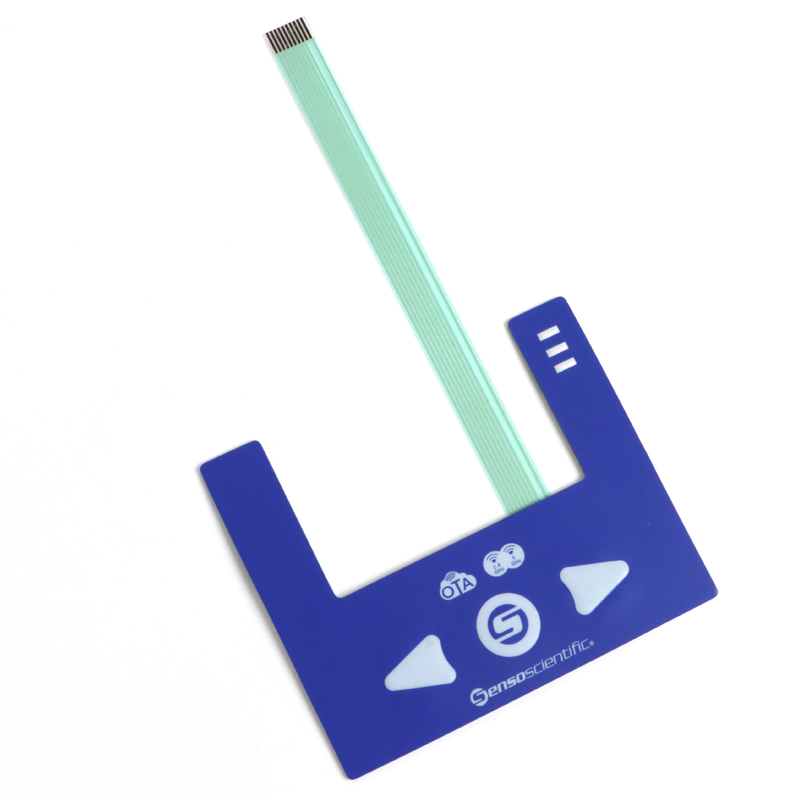
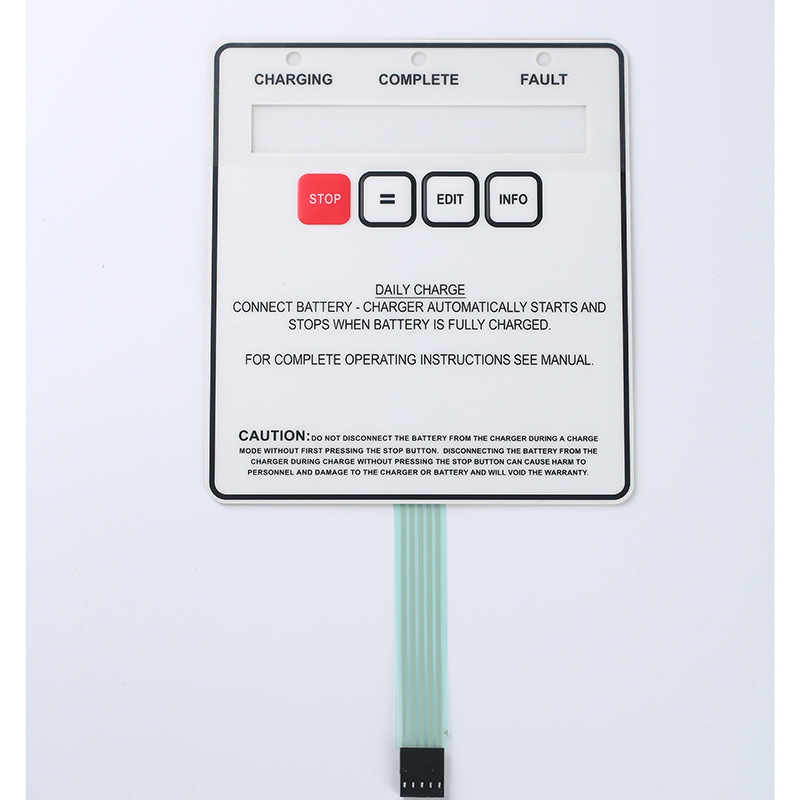
Featured Industrial & Medical Membrane Keyboards
Standard, embossed, tactile metal-dome, and high-performance capacitive interface panels engineered for OEM/ODM integration.
Strategic Evaluation: Selecting the Best China Membrane Switch Manufacturer
In modern electronic equipment manufacturing, the Human-Machine Interface (HMI) serves as the critical touchpoint between hardware systems and end users. Membrane keyboards and control panels remain the interface of choice across medical diagnostics, heavy industrial machinery, defense electronics, automotive dashboards, and household consumer appliances. When sourcing from China's concentrated industrial clusters—primarily located in Dongguan, Shenzhen, and the wider Pearl River Delta—procurement engineers and supply chain directors must evaluate manufacturers beyond surface-level unit costs. True total cost of ownership (TCO) is driven by material pedigree, precision multi-layer stack lamination, tactile actuation tolerance, environmental hermetic sealing, and traceable quality verification.
1. Anatomical Layer Stack-Up Engineering
A premium-grade membrane keyboard panel is not simply a printed graphic; it is a sophisticated multi-strata composite engineered to withstand harsh operating environments without delamination, silver migration, or tactile fatigue. Understanding the fundamental stack-up determines the operational integrity of the system:
| Layer Sequence | Material Composition | Functional Role | Critical Quality Factor |
|---|---|---|---|
| 1. Graphic Overlay | Autotex/Autoflex PET or Lexan Polycarbonate (0.125mm – 0.25mm) | User facing, reverse screen-printed graphic legend, visual aesthetics, window clarity | UV resistance, chemical reagent tolerance (isopropyl alcohol, bleach), flexure life |
| 2. Overlay Adhesive | 3M 467MP / 3M 468MP High-Performance Acrylic | Bonds graphic overlay to underlying circuit spacer without air entrapment | Die-cut registration accuracy, bubble-free lamination, shear strength |
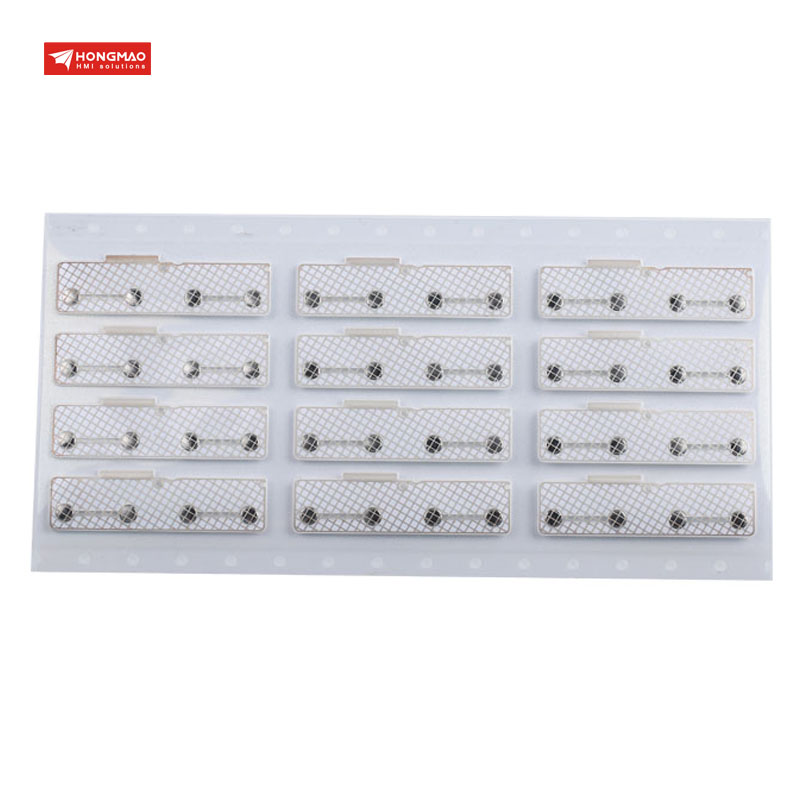
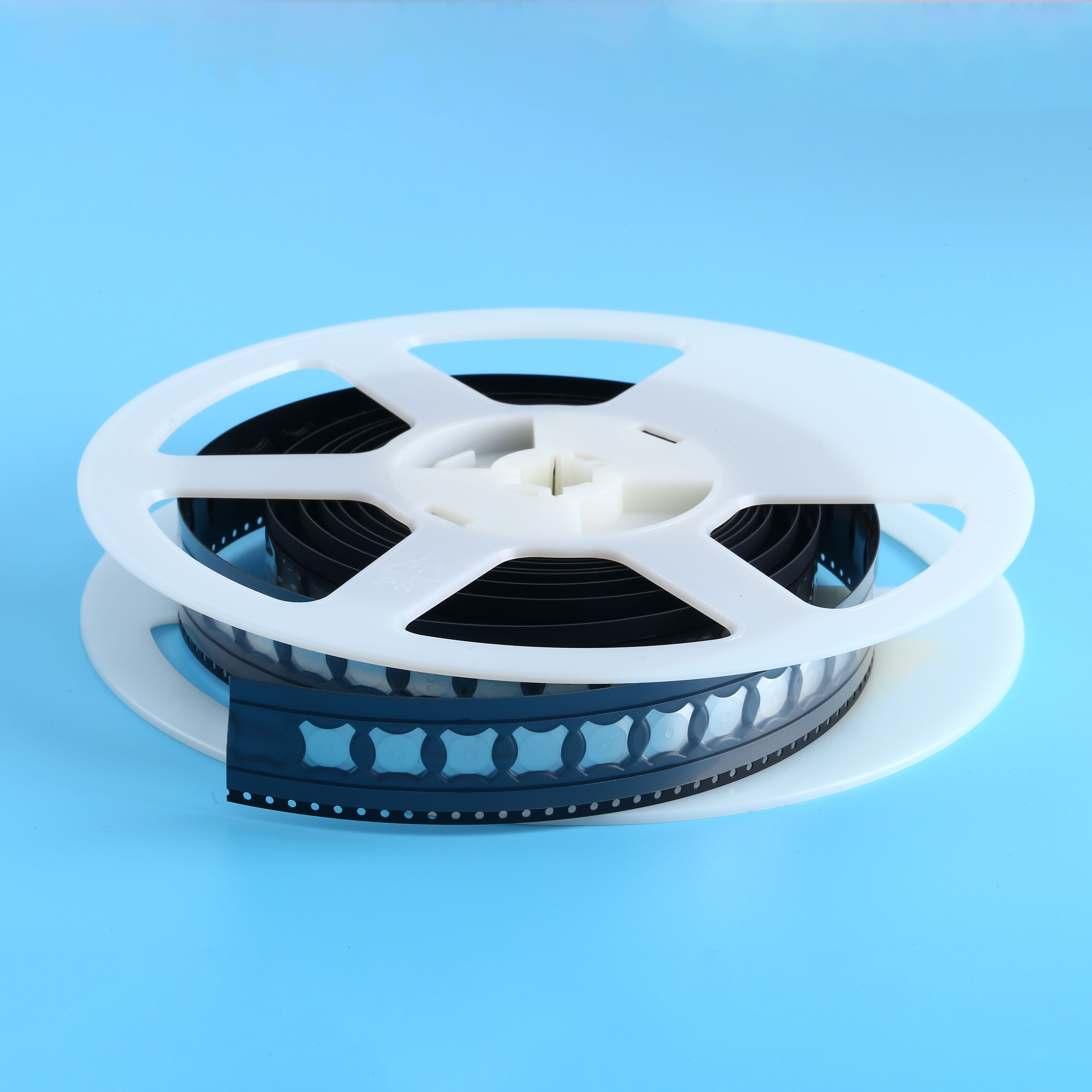
| 3. Dome Retainer / Array | Polyester film carrier with embedded SUS301 stainless steel domes | Fixes metal snap domes in exact coordinates with vented breathing channels | Dome trip-force consistency (180g to 450g), anti-rebound venting architecture |
| 4. Spacer Layer | Pre-punched PET with double-coated adhesive (0.10mm – 0.25mm) | Creates the physical actuation gap and houses the snap dome stroke movement | Thickness tolerance, adhesive bonding strength to eliminate ingress |
| 5. Conductive Circuit | Heat-stabilized PET printed with conductive silver and carbon inks (or FPC) | Electrical schematic matrix, connector tail exit, and component landing pads | Trace resistance (<100Ω), silver flake density, dielectric insulation breakdown >500V |
| 6. Rear Mounting Adhesive | 3M 200MP, 300LSE (for low surface energy plastics) or VHB foam tape | Secures the final membrane assembly onto metal chassis or plastic enclosures | Peel strength, thermal shear resistance (-40°C to +85°C), surface energy wetting |
2. Material Selection Paradigm: Polycarbonate (PC) vs. Biaxially Oriented Polyester (PET)
The debate between Polycarbonate (PC) and Polyester (PET) graphic overlays is one of the most pivotal technical decisions during the Design for Manufacturability (DFM) phase. Polycarbonate is an economical, optically pristine thermoplastic that thermoforms and die-embosses with razor-sharp definition. However, its polymer backbone suffers from chemical sensitivity; exposure to industrial aromatic hydrocarbons, cleaning alcohols, or repeated harsh sanitizers will induce micro-crazing and brittleness over time. PC switch keys generally offer a mechanical flex-life of approximately 100,000 cycles.
Conversely, biaxially oriented polyethylene terephthalate (PET), such as MacDermid Enthone's Autotex series, offers phenomenal tensile flexibility, resisting fatigue up to 5,000,000 actuations without cracking. It resists aggressive chemical wipe-downs, making it the mandatory standard for medical equipment, surgical consoles, and oily CNC shop-floor controllers. While PET requires specialized textured inks and higher stamping force during embossing, its long-term lifecycle reliability vastly outweighs the initial raw material delta.
3. Tactile Dynamics: Metal Snap Domes vs. Polydomes
Tactile feedback is essential in preventing operator input errors in fast-paced clinical or industrial operations. Chinese manufacturers deploy two distinct methodologies:
SUS301 Metal Snap Domes
Fabricated from ultra-pure Japanese stainless steel (SUS301). Available in 4-leg cross, circular, or triangular geometries (sizes 6mm to 20mm). Actuation force from 180g to 500g. Delivers an audible, crisp click with stable contact resistance and contact bounce under 5ms.
Polydomes (Thermoformed PET)
Formed directly into the polyester layer using heated precision dies. Eliminates mechanical dome insertion, reducing assembly overhead for ultra-thin consumer interfaces. Actuation ranges from 500k to 1M presses, offering a quieter tactile feedback.
EMI / ESD Shielding Inlays
Incorporating grid-printed carbon ink or full aluminum/copper foil laminations grounded through the connector tail. Shields internal logic electronics from 15kV electrostatic air discharges and prevents radiated RF interference in medical telemetry devices.
Need Comprehensive Engineering Schematics & Material Data?
Download our complete manufacturing design rules, dome force charts, and layer compatibility tables.
Future Procurement & Technology Trends (2025–2030)
The interface manufacturing sector is evolving rapidly. Buyers seeking resilient supply chains are aligning with Chinese factories adopting automated optical inspection (AOI), hybrid surface-mount device (SMD) integration, and green sustainable polymer chemistry.
Capacitive Touch Fusion
The market is seeing high adoption of capacitive touch membrane keyboards that blend sleek, completely flat glass-like aesthetics with flexible printed electronics. Featuring zero mechanical stroke, these surfaces achieve true IP69K washdown compliance, making them indispensable for surgical rooms and aseptic food packaging.
Ultra-Thin LGF Backlighting
Replacing traditional bulky arrays of individual LEDs, Light Guide Film (LGF) technology utilizes side-firing microscopic surface-mount diodes channeled through micro-etched 0.125mm optical sheets. This achieves ultra-uniform backlighting across graphic legends with a thickness profile under 0.8mm.
Rigid Backer Integration
Global OEMs are consolidating bill-of-materials by demanding fully integrated plug-and-play assemblies. Top Chinese exporters now deliver membrane keypads factory-laminated directly onto CNC-machined anodized aluminum plates, stainless steel chassis, or injection-molded ABS/PC bezels with pre-installed PEM studs.
Procurement Risk Mitigation in Direct-from-Factory Sourcing
When procuring custom electro-mechanical sub-assemblies across continents, the risk vector shifts from raw manufacturing unit price to precision execution and qualification auditing. International purchasers must inspect supplier factory capabilities on four essential pillars:
- Climate-Controlled Cleanrooms: Circuit printing and optical laminations must take place in Class 10,000 (ISO Class 7) or Class 1,000 cleanroom environments. Airborne particulates larger than 5 microns can pierce screen-printed dielectric crossovers, creating latent intermittent short-circuits.
- Automated Vision-Guided Registration: Multi-layer graphical and conductive stack-ups require registration tolerances within ±0.05mm. Factories using manual eye-registration routinely suffer from key actuation misalignment, uneven illumination windows, and premature seal failure.
- Conductive Silver Flake Curing Controls: Thermal cure profiles in tunnel ovens dictate electrical trace conductivity and brittleness. Insufficiently cured silver tracks oxidize swiftly, resulting in sudden resistance spikes when connector tails undergo tight bending during device installation.
- Full Environmental Stress Screening (ESS): Insist on seeing third-party SGS onsite verification records, tensile peel testers (ASTM D903), dome travel load analyzers, and cyclic humidity chambers demonstrating -40°C to +85°C stability.
Why Partner with Cevra: Precision Dongguan Manufacturing Authority
Founded in March 2009 in Dongguan, Guangdong—the epicentre of global hardware engineering—Dongguan Cevra Electronic Technology Co., Ltd. operates a vertically integrated 2,600㎡ manufacturing facility. As an audited direct custom manufacturer certified under the ISO 9001 Quality Management System, Cevra delivers institutional reliability without trading desk markups.
ISO 9001 & SGS Onsite Verified
Our workshop premises, QA/QC testing equipment, cleanroom protocols, and full production pipeline are authenticated by world-leading inspection authority SGS Group.
Complete In-House Manufacturing
Screen printing, CCD optical target drilling, hydraulic punching, high-speed laser cutting, automated dome placement, and multi-layer lamination run entirely under one roof.
Laboratory Verification Rigor
Every shipment is audited with metal dome load force testers, electric pencil scratch hardness testers, tack peel meters, and thermal high/low temperature cabinets.
Agile Prototyping & Flexible MOQs
Support for custom prototype builds from as low as 10 pieces for graphic overlays and 100 pieces for complete membrane switches, bridging the gap from R&D to mass production.
Material Traceability & Standards
100% genuine 3M adhesives (467MP, 468MP, 300LSE), premium Autotex PET, Lexan PC, and pure SUS301 stainless steel components comply with RoHS, REACH, and UL94 flammability ratings.
Global OEM Engineering Assistance
Direct communication with bilingual electro-mechanical engineers. Free DFM analysis, pinout routing optimization, tactile feedback tuning, and complete layer stack schematics.
Procurement & Engineering FAQ
Critical technical questions answered to streamline the Request for Quotation (RFQ) and initial engineering design cycles.
What exact engineering files and specifications are needed to receive a rapid DFM and quote?
To provide an accurate technical quote and design-for-manufacturability feedback, our engineering team requires:
1. Vector graphics artwork files (Adobe Illustrator .AI, .PDF, or CorelDraw) with Pantone (PMS) or RAL color callouts.
2. 1:1 scale mechanical dimension drawings (.DXF, .DWG, or .STEP) indicating overall dimensions, embossing profiles, cutout windows, and connector tail egress location.
3. Electrical schematic or pin-out truth table specifying switch matrix logic, common bus lines, and connector tail pitch (1.0mm, 1.27mm, or 2.54mm standard).
4. Environmental parameters: operating temperature ranges, indoor/outdoor UV exposure, chemical washdown criteria, and IP seal rating targets.
How do you prevent silver migration and catastrophic short circuits in humid environments?
Silver migration occurs when silver ions migrate across adjacent conductive traces under direct current (DC) voltage biases and elevated relative humidity. Cevra mitigates this risk by maintaining strict trace spacing design rules (>0.75mm pitch wherever feasible), printing high-density conductive carbon overcoats that encapsulate the silver circuit, applying high-dielectric UV-cured solder masks, and incorporating perimeter moisture-barrier gasket adhesives (such as 3M 467MP/468MP) to maintain a hermetically sealed environment.
When should an engineering team upgrade from standard silver flex circuit to a Flexible Printed Circuit (FPC) or PCB backer?
Screen-printed silver-flex circuits are the most cost-effective solution for standard matrix keypads with trace counts under 30. However, an upgrade to copper-clad polyimide FPC or rigid FR4 PCB is necessary when:
1. Ultra-dense component integration is needed (miniature 0402/0603 SMD LEDs, driver ICs, resistors, or capacitive sensor microcontrollers).
2. Extremely low loop resistance is required for battery-powered or ultra-sensitive microcontroller ADCs (<5Ω compared to 50Ω–150Ω on silver circuits).
3. The connector tail must navigate tight dynamic bending radiuses where repetitive mechanical flexure could fracture screen-printed silver inks.
How are tactile travel forces specified and measured across production batches?
Tactile response is calibrated using specialized computer-controlled load force analyzers. The force-displacement curve measures the actuation force (peak trip point F1), the snap release force (bottoming point F2), and the return force. We specify tactile click ratios typically between 40% and 65% based on metal dome selection (ranging from 8.4mm to 12mm diameter and forces from 220g to 420g). Batch-level statistical process controls (SPC) ensure every operator button delivers an identical physical response.
What testing methodologies are used to certify IP65, IP67, and chemical resistance ratings?
Waterproof and dustproof performance is validated using custom test fixtures pressurized under water to detect micro-air leaks across perimeter adhesive boundaries (qualifying IP65 water spray or IP67 temporary submersion). Chemical resistance is verified via continuous wipe and soak tests using medical disinfectants (Cidex, Cavicide, isopropyl alcohol) and industrial cutting oils, in accordance with ASTM F1598 and ASTM D1308 standards.
What are your standard turnaround times for rapid prototypes versus full production batches?
Following customer sign-off on the engineering stack-up and color proof:
- Rapid laser-cut prototypes: 5 to 7 working days.
- Hard tooling fabrication (steel rule dies, embossing plates): 7 to 10 days.
- Mass production batches (1,000 to 50,000 units): 2 to 3 weeks.
Expedited turnaround is available for urgent design iterations, supported by air-freight logistics directly from Shenzhen/Hong Kong international hubs.
Connect with Cevra's Engineering Department Today
Upload your design files, request physical material sample kits, or initiate a DFM stack-up review with our technical team.