Precision Keypad Switch & Metal Dome Assemblies
Engineered for high-durability HMIs across medical instrumentation, petroleum retail, ruggedized industrial terminals, and consumer electronics.

Emerging Trends in Keypad Switch Engineering & Human-Machine Interfaces
From static printed graphics to multi-layered, active tactile feedback and hermetically sealed sub-assemblies, modern membrane switch design has evolved into a high-density mechatronics discipline.
Light Guide Film (LGF) Uniform Illumination
Traditional discrete surface-mount LEDs often create localized bright spots and hot zones beneath thin overlays. Modern industrial designs incorporate micro-etched optical Light Guide Films (LGF). By side-coupling ultra-thin 0402 or 0603 SMD LEDs into specialized polycarbonate optical layers, light is dispersed across keys with a luminance uniformity deviation of less than 12%, while reducing overall power consumption by up to 60% compared to legacy electroluminescent (EL) lamps.
Hermetic Environmental Sealing (IP67 / IP68)
Harsh operating conditions in fuel dispensing, chemical processing, and outdoor charging piles demand complete isolation from ambient contaminants. Leading Chinese exporters utilize continuous periphery perimeter gaskets bonded with 3M 200MP / 300LSE modified acrylic adhesives and hydrophobic gas-permeable micro-vents. These membranes equalize internal atmospheric pressure differentials during thermal shock cycling (-40°C to +85°C) without compromising IP67 ingress protection against moisture and airborne particulates.
Hybrid Capacitive & Tactile Integration
Equipment buyers no longer view capacitive sensing and tactile mechanical feedback as mutually exclusive. State-of-the-art architectures overlay transparent ITO / PEDOT conductive tracks atop mechanical SUS301 snap dome matrices. This enables dual-state validation: proximity sensing wake-up or capacitive slider control, paired with a positive metal dome snap actuation for safety-critical execution commands, eliminating false triggers in high-vibration environments.
Future Sourcing Strategies for Global OEM Purchasing Managers
Key risk factors, total cost of ownership (TCO) variables, and quality verification methodologies governing international keypad switch exports.
Direct SMT Tape-and-Reel Packaging
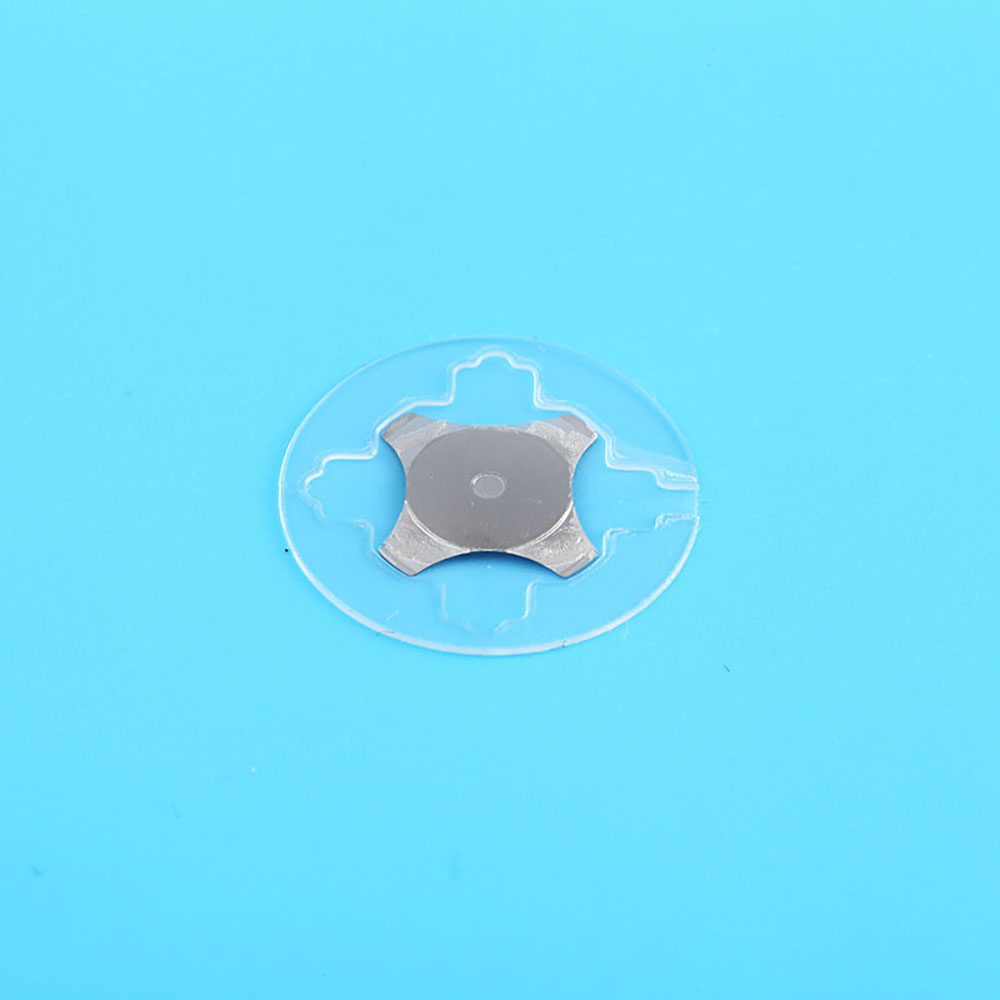
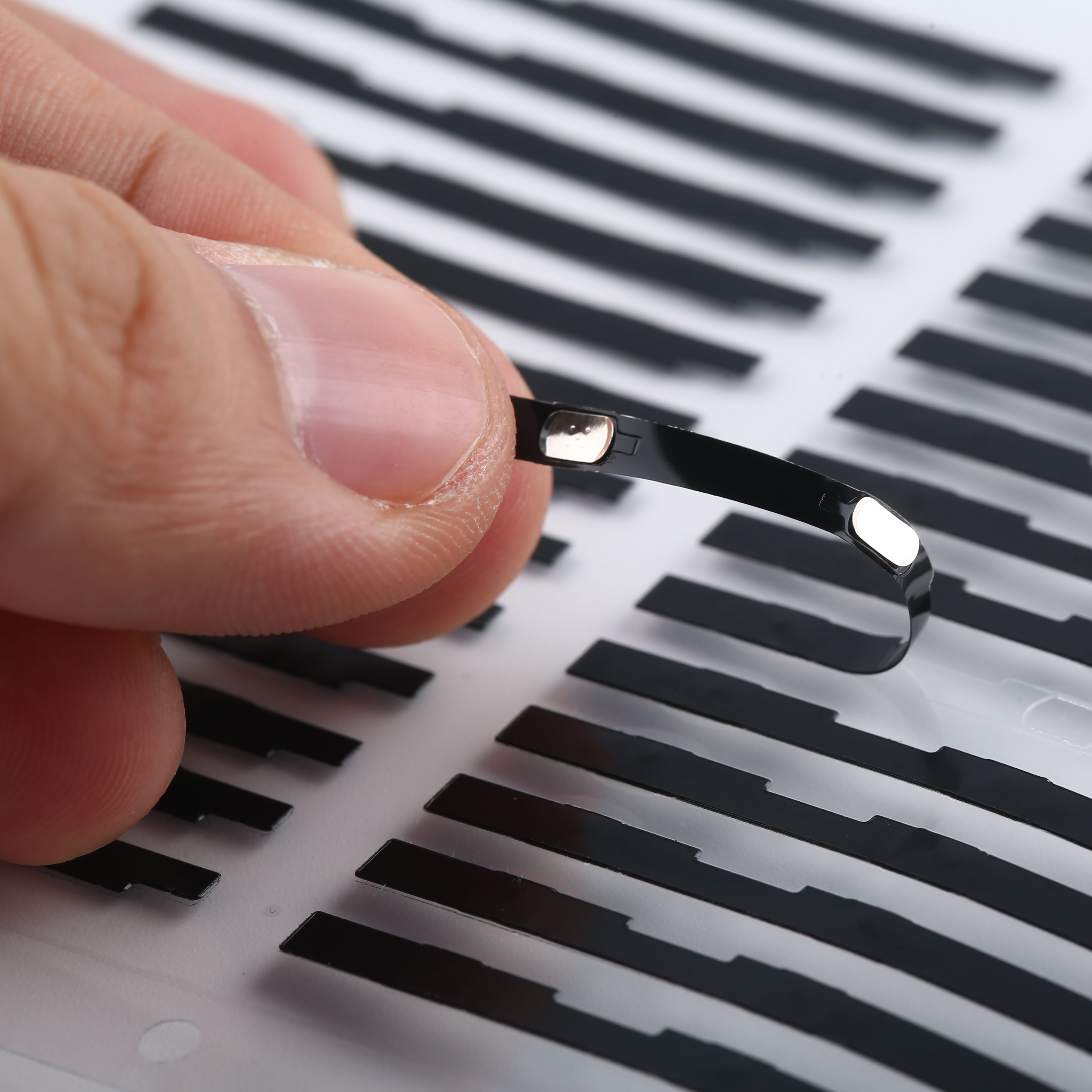
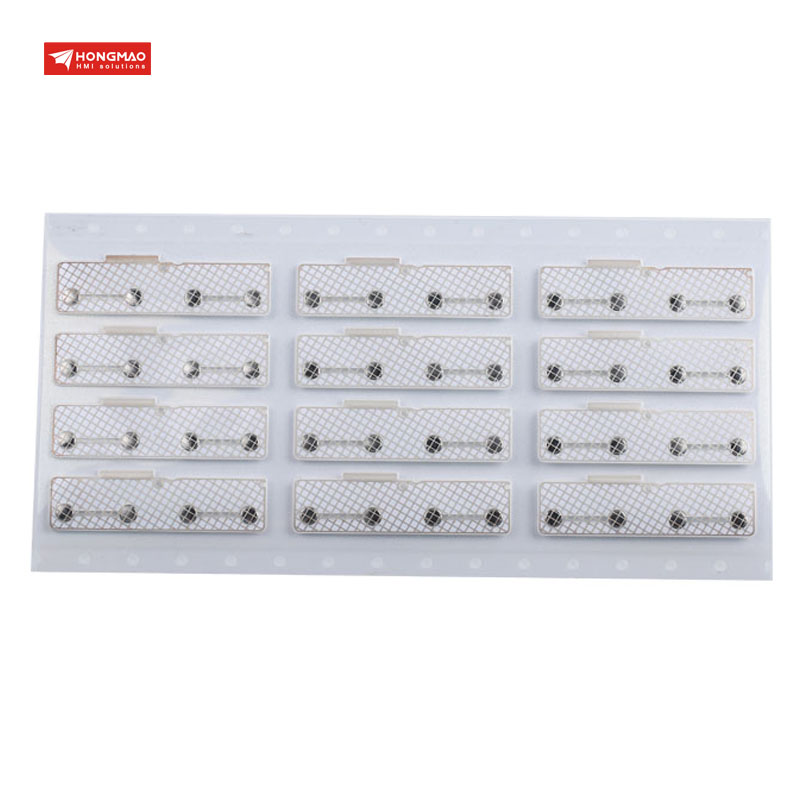
Manual dome placement during secondary enclosure assembly introduces human error and misalignment risks. Global buyers are increasingly standardizing on 4-legged cross domes pre-packaged in SMT carrier tape-and-reel formats. Automated pick-and-place lines can position tactile snap domes onto flexible FPC or rigid FR4 circuit boards at rates exceeding 8,000 components per hour, significantly reducing labor assembly costs and dome inversion errors.
Design-for-Manufacturability (DFM) Frontloading
Procuring custom human-machine interfaces without early DFM analysis frequently results in tail trace cracking, excessive contact bounce, and actuation fatigue. World-class Chinese factories now enforce comprehensive engineering pre-screenings: verifying conductor bend radii, tail trace spacing (>0.5mm silver pitch), spacer vent airflow routing, and adhesive relief channels before committing to hard punching dies or precision silk screens.
Comprehensive ESG & Raw Material Traceability
International environmental directives (EU RoHS 3, REACH SVHC, WEEE) necessitate granular material auditing across all laminate tiers. Leading manufacturers provide batch-specific declarations verifying that PET carrier films, conductive silver pastes, UV dielectric masks, and electroplated nickel/gold layers are free from banned plasticizers, halogenated compounds, and conflict minerals, backed by verifiable third-party lab tests.
Engineering Trade-Offs: Graphic Overlay Substrates & Actuation Tech
Select the optimal substrate and switch geometry based on operational cycle counts, chemical exposures, and tactile feedback criteria.
| Evaluation Parameter | Autotype / PET (Polyester) | Lexan / PC (Polycarbonate) | Tough Coat PMMA (Acrylic) | Silicone Rubber Membrane |
|---|---|---|---|---|
| Flexural Fatigue Life | >5,000,000 actuations | ~100,000 actuations | Rigid (Non-actuating overlay) | >1,000,000 actuations |
| Chemical / Solvent Resistance | Outstanding (Alcohols, fuels, acids) | Moderate (Vulnerable to solvents) | High chemical resistance | High (Hydrocarbon swelling) |
| Embossability & Tactile Feel | Crisp rim/pillow embossing | Exceptional heat forming | Machined / Flat lens only | Integrated silicone spring legs |
| Optical Window Clarity | Clear with selective texturing | High transparency (>90%) | Crystal optical (>92%) | Translucent / Light pipes |
| Surface Hardness (Pencil) | 2H to 3H (Hardcoated) | HB to 1H (Scratch susceptible) | Up to 4H to 6H | Elastic Shore A 40 - 70 |
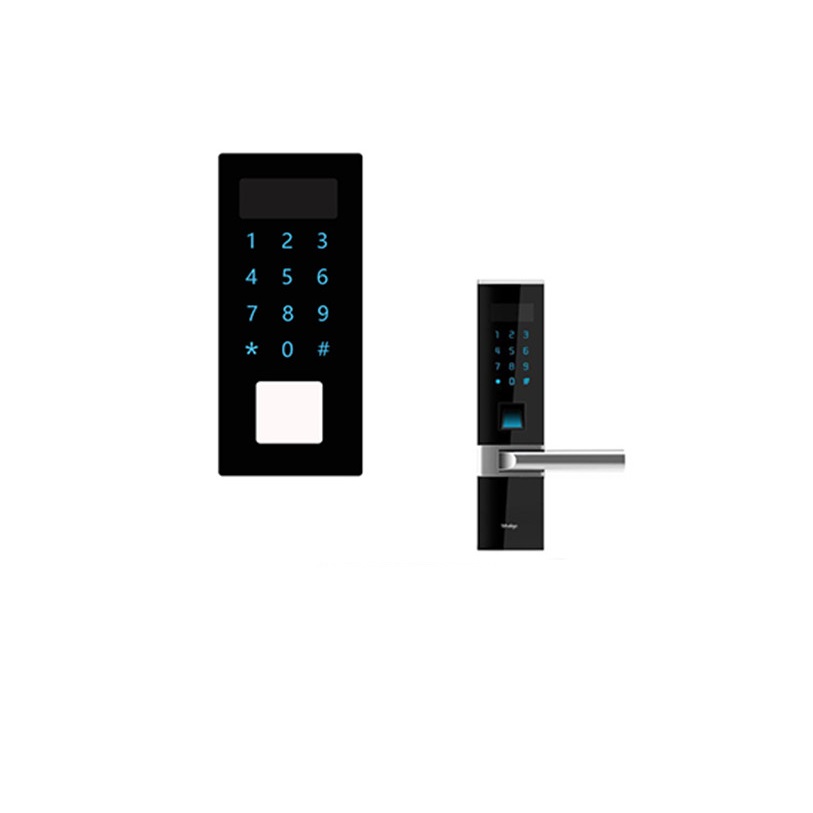
| Primary Application Segments | Industrial, medical, fuel pumps | Consumer devices, dashboards | Smart door locks, display panels | Heavy outdoor rugged systems |
Dongguan Cevra Electronic Technology Co., Ltd.
Established in March 2009 in Dongguan, Guangdong—the epicentre of global hardware innovation—Cevra has spent over 16 years operating strictly under ISO 9001 certified quality management protocols. Our dedicated 2,600㎡ manufacturing facility integrates end-to-end prototyping, tooling fabrication, precision screen printing, laser die cutting, cleanroom automated lamination, and 100% automated electrical testing under one roof.
Independently verified onsite by the SGS Group, Cevra functions as an authentic original equipment and design manufacturer (OEM/ODM). We remove trading desk markups and communication delays, delivering direct engineering support, bespoke layer stack-up guidance, and rapid turnarounds from initial CAD proofs to volume rollouts.
- SGS Group Factory Audit Verified
- Class 10,000 Dust-Free Assembly Lines
- Automated CCD Micro-Alignment Drilling
- Alibaba #5 Ranked Keypad Exporter
Frequently Asked Questions on Keypad Sourcing & Engineering
Direct answers from our senior human-machine interface application engineers regarding technical tolerances, tooling, and lead times.
To provide an itemized engineering quote and DFM stack-up drawing, please provide vector mechanical artwork in DXF, DWG, PDF, or STEP formats showing outer boundaries, cutouts, and key centers. Graphic artwork should be in Adobe Illustrator (.AI) or vector PDF with specified Pantone or RAL color codes. State your required switch electrical parameters, tactile actuation forces (e.g., 280g, 350g, 420g), tail pin pitch (1.0mm, 2.54mm), connector style (ZIF, female housing, Berg), and ambient operating parameters.
Silver migration occurs when moisture combines with a DC potential gradient across adjacent conductive tracks. We eliminate this failure mode by applying a high-solids dielectric overcoat encapsulating all printed silver traces, maintaining conductor line spaces above 0.5mm, or incorporating a carbon paste over-print layer. For extreme operating environments, we engineer circuits using flexible copper-clad polyimide (FPC) with gold/nickel immersion plating, completely preventing electrochemical dendritic growth.
Four-legged cross domes offer greater stability against off-center actuations, lower profile travel heights, and superior venting pathways for internal air displacement compared to circular snap domes. They are ideal for high-density keypad layouts where circuit routing lines must pass directly between dome contact legs on single-sided substrates, eliminating the need for complex multi-layer conductive crossovers.
Tooling costs typically cover silk screening frames, laser cutting programs, embossing dies, and steel rule punch dies. Rapid turnaround prototypes are produced using digital printing and laser routing within 5 to 7 working days, avoiding hard tooling fees during initial R&D phases. Hard production tooling for high-volume manufacturing is usually amortized or refunded once agreed annual volume milestones are satisfied.
Every incoming master coil of SUS301 stainless steel undergoes strict tensile, grain structure, and thickness tolerance audits. Formed metal snap domes are batch-tested on automated Dome Load Testers to measure peak force (F1) and contact force (F2). This verifies that the click ratio—calculated as (F1 - F2) / F1—remains within a tight ±10% tolerance band, guaranteeing a crisp, uniform tactile response across every key on the panel.
Yes. Utilizing automated surface-mount pick-and-place lines coupled with isotropic conductive epoxies (ICA) or anisotropic conductive films (ACF), we mount ultra-thin 0603 and 0805 surface-mount LEDs, miniature thermistors, photo sensors, and passive resistor networks directly onto flexible PET or FPC substrates. Component attachment points are reinforced with UV-curing potting encapsulation to withstand shock, vibration, and panel flexure.
Collaborate with Cevra's Engineering Team
Accelerate your product launch with verified ISO 9001:2015 manufacturing direct from Dongguan. Upload your engineering CAD files or discuss your custom membrane switch specifications with an application specialist.