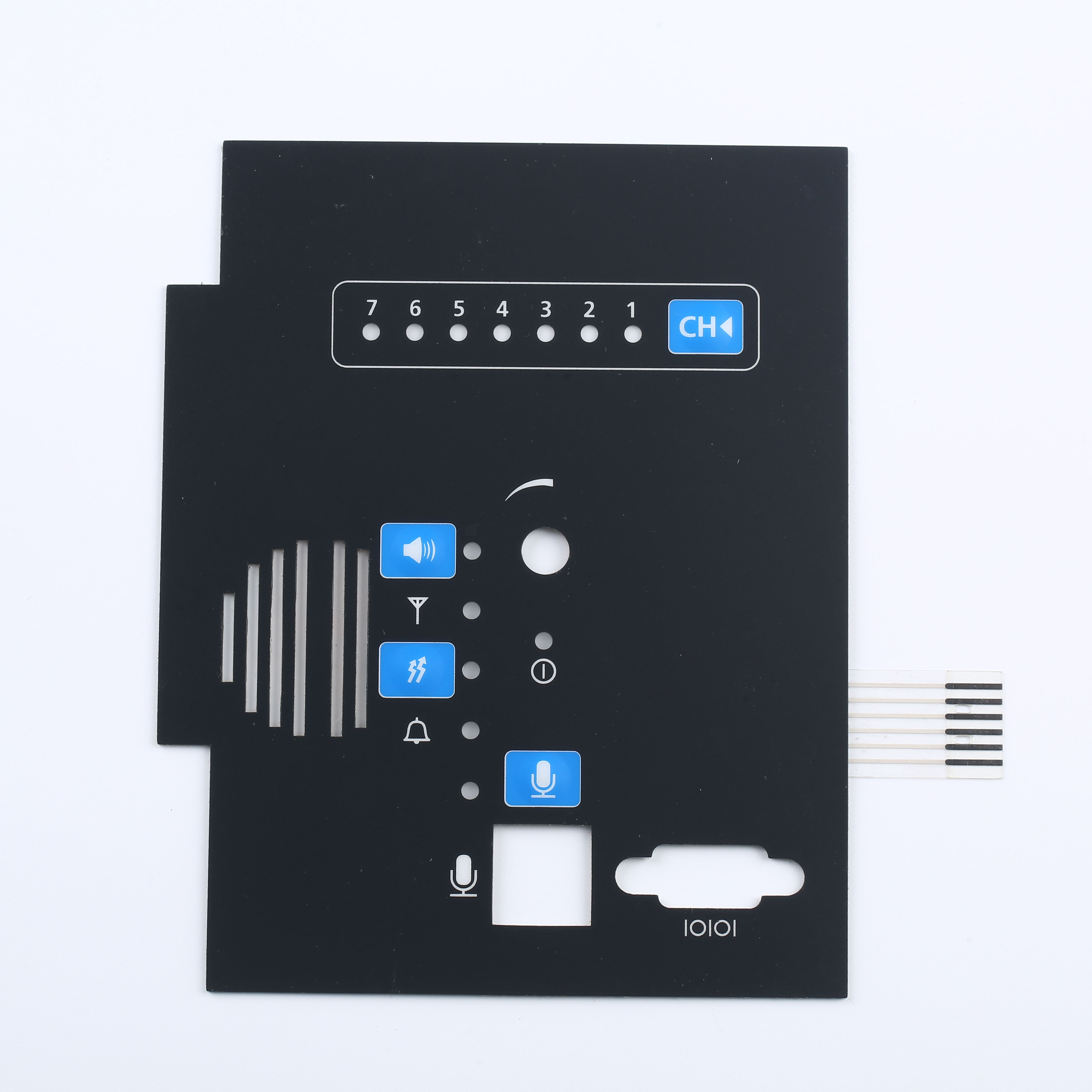
Polycarbonate Film Touch Switch Panel Screen Printing Process Electronic Product Instrument Display Membrane Switch
- Substrate: Optical Grade PC
- Printing: Sub-Surface Multi-Color
- Application: Precision Instruments
Manufactured under cleanroom-standard environments using premium Autotex PET, Lexan Polycarbonate, and aerospace-grade SUS301 stainless steel contact domes.
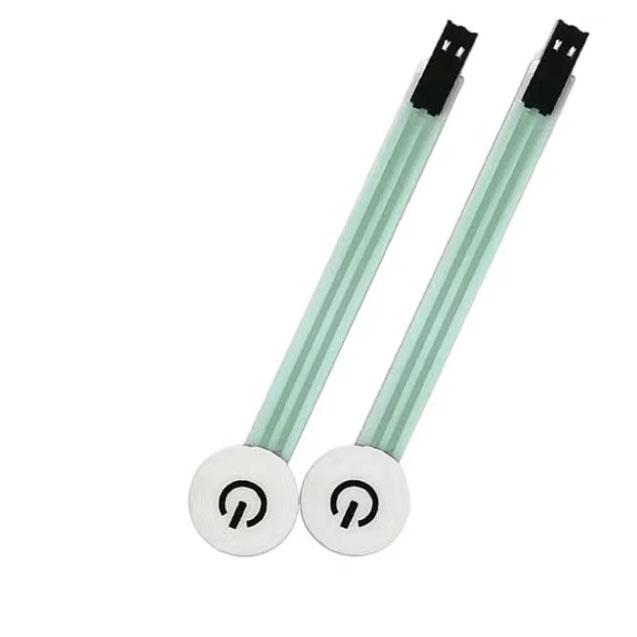
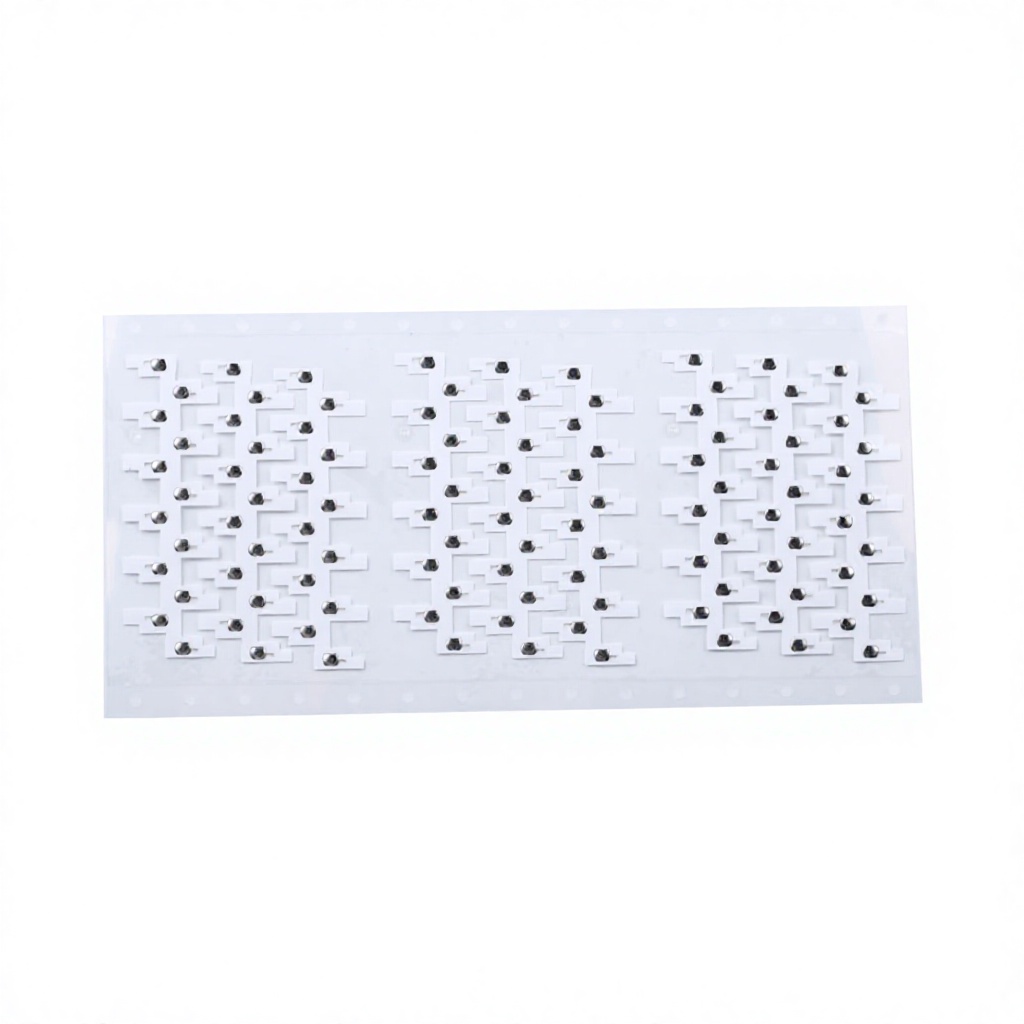
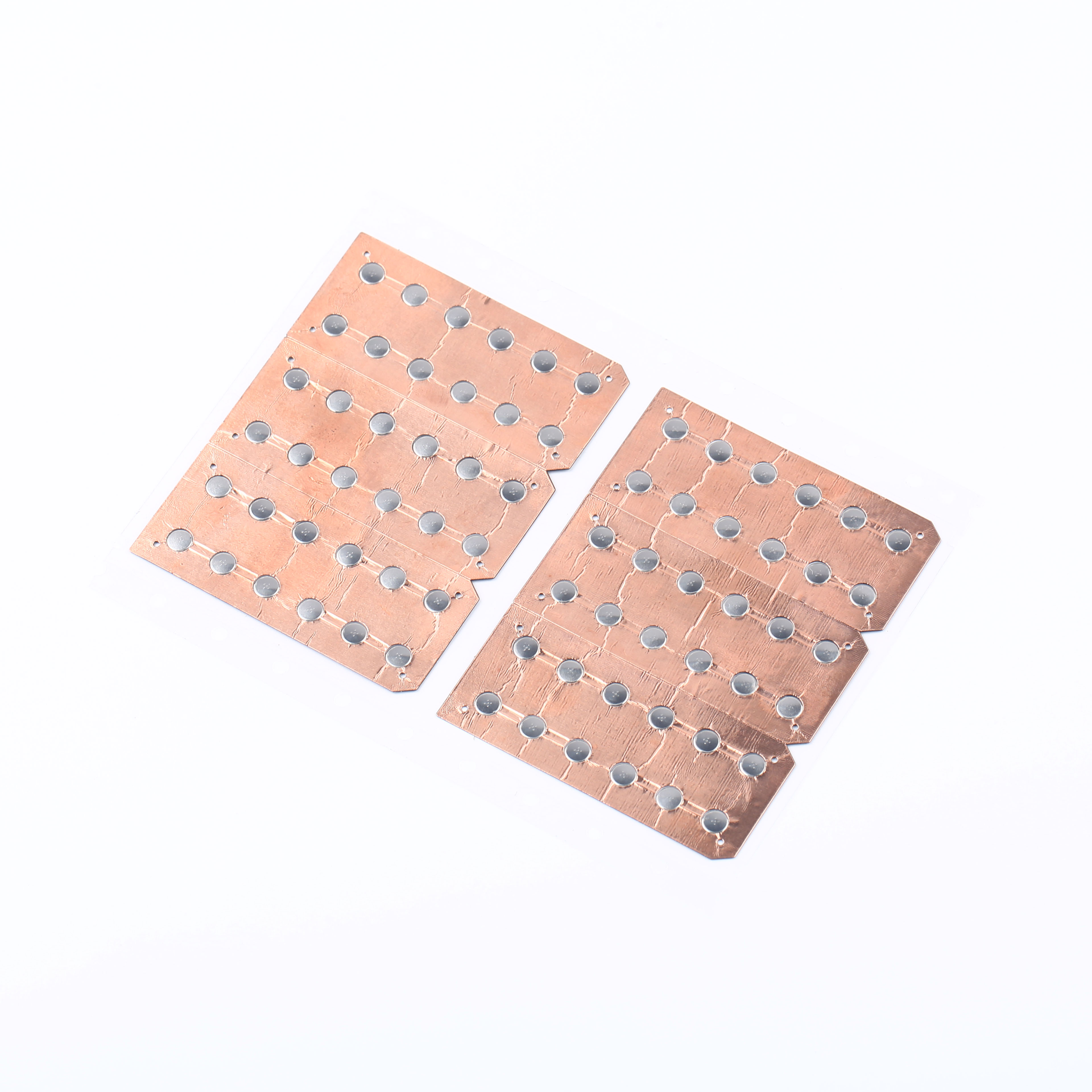
Choosing the right membrane graphic overlay substrate directly determines cycle lifetime, optical clarity, chemical stability, and environmental resistance under harsh operating conditions.
| Performance Metrics | Polyester (PET / Autotex) | Polycarbonate (PC / Lexan) | Polymethyl Methacrylate (PMMA) |
|---|---|---|---|
| Mechanical Flex Life | > 5,000,000 Actuations Exceptionally high fatigue resistance; perfect for rim or pillow embossing. | < 100,000 Actuations Subject to micro-cracking when embossed under repeated high-load actuation. | Rigid Only Zero actuation capability. Used solely for rigid dead-front display lenses. |
| Chemical & Solvent Resistance | Resistant to alcohols, aromatic hydrocarbons, aggressive cleaning agents, and industrial degreasers. | Sensitive to repeated hydrocarbon exposure, ammoniated solvents, and ester solvents. | Exceptional resistance to household chemicals; can be surface hard-coated (up to 4H-6H). |
| Dimensional Stability & Thermal Limit | Continuous usage: -40°C to +120°C. Virtually zero shrinkage across automated thermal printing cycles. | Continuous usage: -30°C to +105°C. High heat deflection temperature; stable under thermal drawing. | Continuous usage: -20°C to +80°C. Thermal expansion requires accurate mechanical bezel compensation. |
| Optical Clarity & Window Texturing | Natural haze in base film requires gloss selectively printed via transparent UV-curable varnishes. | Water-clear substrate (92% transmission). Superb clarity for LCD, OLED, and LED segment windows. | Optically pure acrylic with pristine optical properties, zero birefringence, and anti-glare finishes. |
| Primary Target Application | Medical diagnosis systems, military field computers, industrial automation HMIs, heavy machinery. | Consumer electronic appliances, fitness equipment, automotive dash trim, commercial vending. | Smart home luxury controls, capacitive touch panels, high-end instrument front panels. |
How international OEMs, automotive tier-suppliers, and medical device innovators are re-engineering membrane keypad overlays and human-machine interface assemblies.
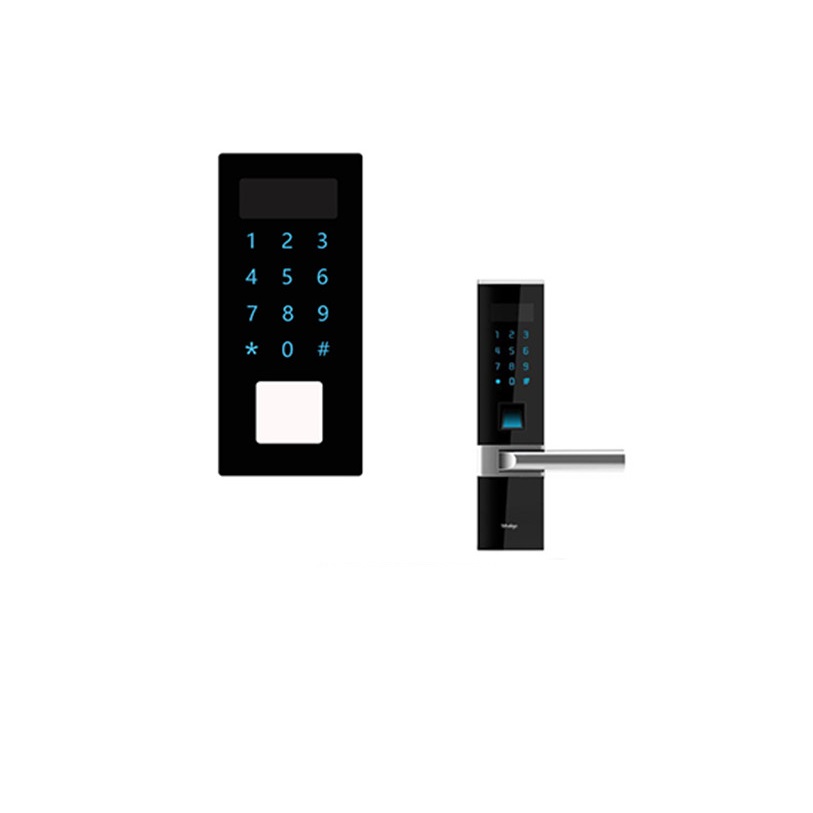
Traditional electromechanical dome contacts are converging with solid-state capacitive sensing arrays. Global procurement leads are sourcing hybrid panels where a single screen-printed sub-surface layer supports both capacitive gesture sliders and tactile high-assurance click zones for critical commands.
Bulk LED assemblies that generate hot spots are rapidly being replaced by micro-etched Light Guide Films (LGF). With an overall stack-up profile under 0.8mm, side-firing SMD LEDs distribute balanced, uniform backlighting beneath individual graphic keys and dead-front display symbols without light bleeding.
Post-pandemic healthcare standards and harsh outdoor installations require next-generation textured coatings. Advanced polyester films now feature silver-ion antimicrobial matrix agents and UV inhibitors that prevent yellowing, delamination, and microbial colonization under constant bleach disinfection.
As electronic instrumentation operates at increasingly dense signal bands, graphic overlays incorporate printed conductive grid layers or selectively die-cut copper foil backings. Grounded perimeter tracks shield sensitive processing units from electrostatic discharges up to 15kV.
For applications subjected to aggressive environmental cycling and vibration, buyers are transitioning from standard screen-printed silver paste traces to micro-etched polyimide Flexible Printed Circuits (FPC), preventing trace silver migration and ensuring stable contact impedance.
Global supply chain directors require quick-turn iteration before commitment to hard tooling. Through digital laser die-cutting and high-definition flatbed UV printing, prototypes with bespoke actuation profiles can be verified in low volumes (as few as 10 pieces) within 5 to 7 business days.
Headquartered in Dongguan, China, Dongguan Cevra Electronic Technology Co., Ltd. operates a vertically integrated 2,600㎡ manufacturing hub with complete in-house control from concept artwork to final tested membrane modules.
Operating since March 2009, our team eliminates intermediary costs. Every layer—graphic overlay printing, precision laser cutting, CNC spacer punching, automated dome placement, and circuit testing—is executed internally by skilled technicians.
Our facility holds full ISO 9001 Quality Management System accreditation and has undergone strict onsite factory audit verification by SGS Group. Production records, calibration logs, and material certificates (RoHS & REACH) remain 100% traceable.
We deploy high-precision inspection hardware: CCD automated optical alignment instruments, specialized snap-dome load/deflection test benches, high-low temperature shock chambers (-40°C to +150°C), tension peel meters, and pencil surface hardness testers.
Key design specifications, production lead times, and engineering parameters addressed by our technical team.
To perform an accurate Design for Manufacturability (DFM) review and price quotation, please supply vector artwork in Adobe Illustrator (.AI), CorelDraw (.CDR), or Vector .PDF for graphics, along with mechanical dimensions in AutoCAD (.DWG or .DXF). Be sure to define key travel preferences, actuation forces (grams), LED window tinting (transparent or smoked), cutouts, and connector tail specifications.
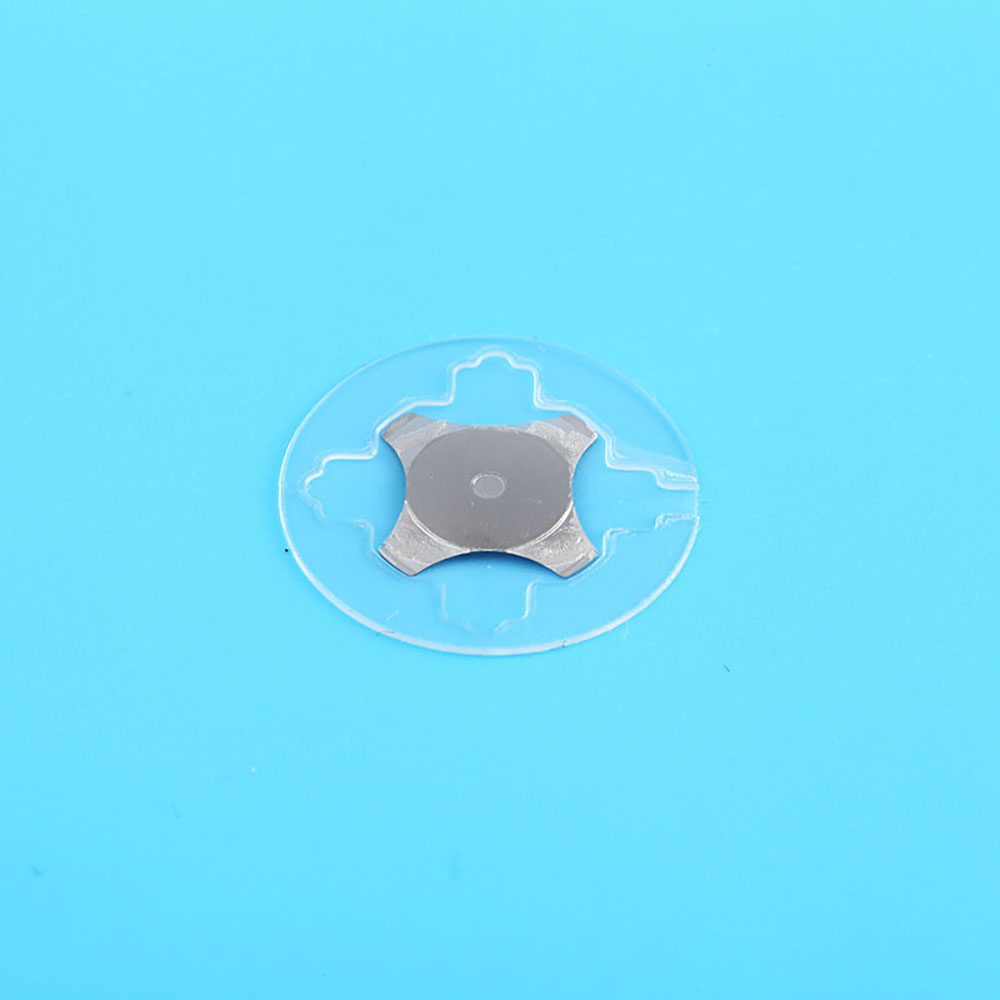
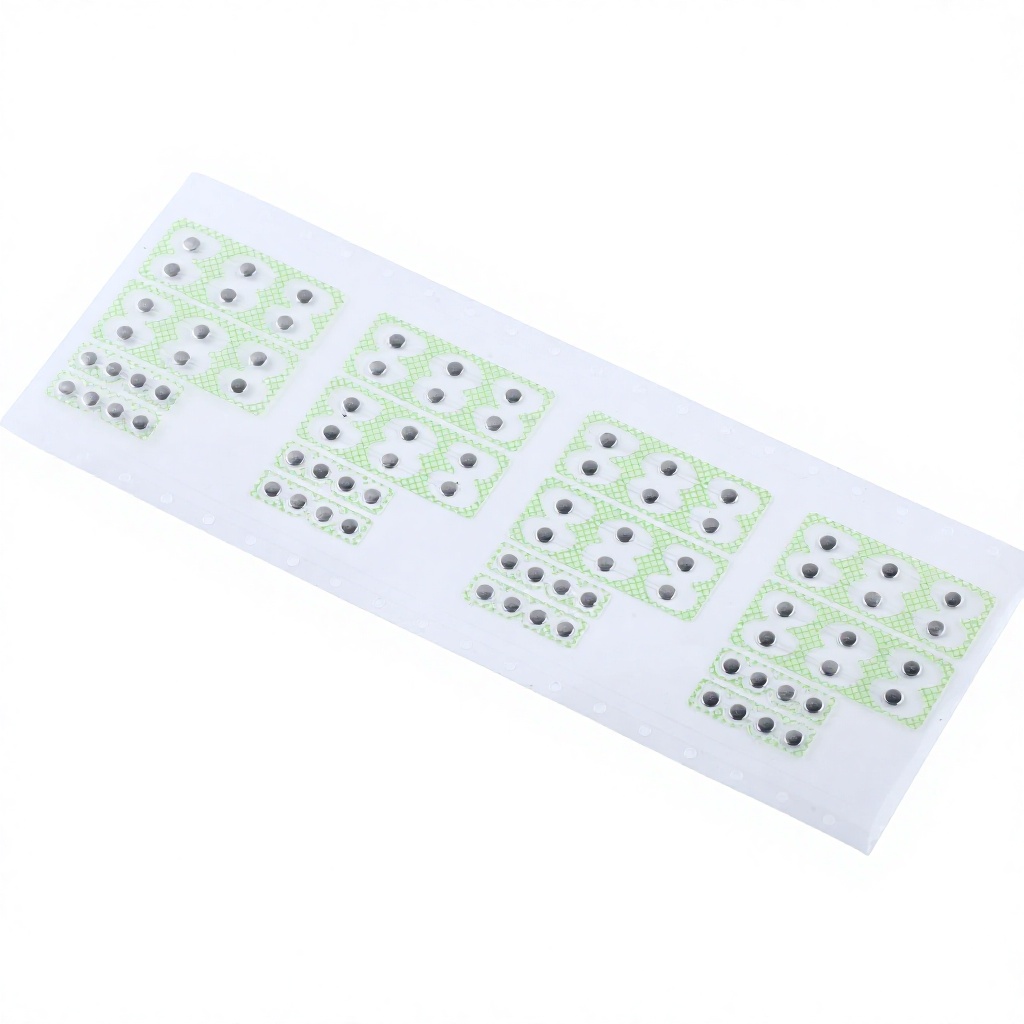
Standard 4-leg cross metal snap domes are stocked in diameters from 6mm to 14mm, with actuation force selections ranging between 160g, 220g, 280g, 350g, and 450g. When integrated over clean circuit contact pads, our Japanese SUS301 stainless steel domes routinely exceed 1,000,000 to 3,000,000 switching operations with minimal contact chatter.
We standardize on genuine 3M acrylic adhesive transfer tapes. For smooth sheet metal and flat high-energy plastics (ABS, Polycarbonate), 3M 467MP (0.05mm) is recommended. For rough, powder-coated, cast aluminum, or textured plastics, 3M 468MP (0.13mm) or high-tack modified acrylics such as 3M 300LSE / 3M 9472LE provide superior resistance to shear force, oil mist, and peel fatigue.
To achieve IP65 or IP67 ratings, we fabricate continuous perimeter seal rings using high-cohesion closed-cell acrylic bonding layers that isolate internal switch cavities from external air and moisture. Internal venting is routed along internal layer channels down into the trace tail connector rather than venting to the outer edge of the panel.
For custom graphic overlays and membrane switch prototypes, our initial evaluation MOQ begins at just 10 pieces. Standard engineering samples are fabricated, inspected, and shipped within 5 to 7 business days following artwork sign-off. High-volume mass production runs generally complete within 12 to 15 business days.
We integrate a continuous printed carbon or silver conductive ground shield, or laminate an ultra-thin perforated copper foil layer directly beneath the graphic overlay. This perimeter grid ties directly to enclosure ground, absorbing static strikes up to 15kV without allowing current arcs to compromise onboard IC chips.
Consult directly with our application engineers in Dongguan. We provide comprehensive DFM analysis, layer stack-up guidance, and rapid prototyping quotes within 24 hours.
Get a Quote