Featured Interface Assemblies & Tactical Overlays
Precision-engineered graphic panels, stainless dome arrays, and matrix assemblies manufactured for mission-critical industrial, medical, and control electronics.
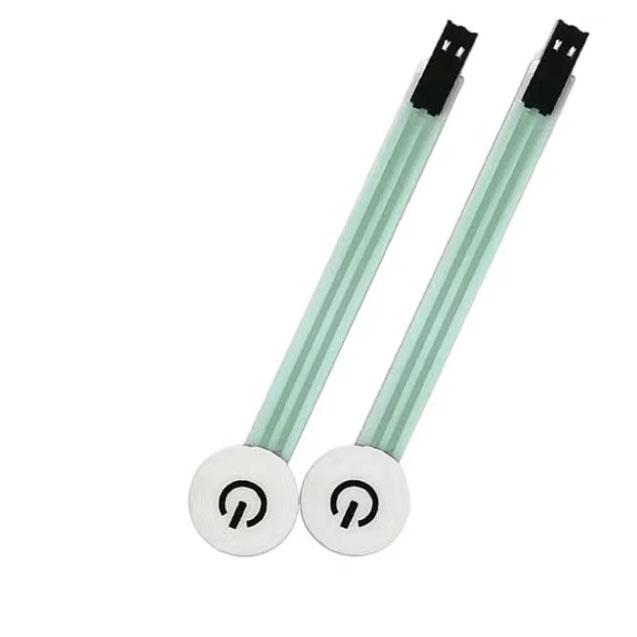
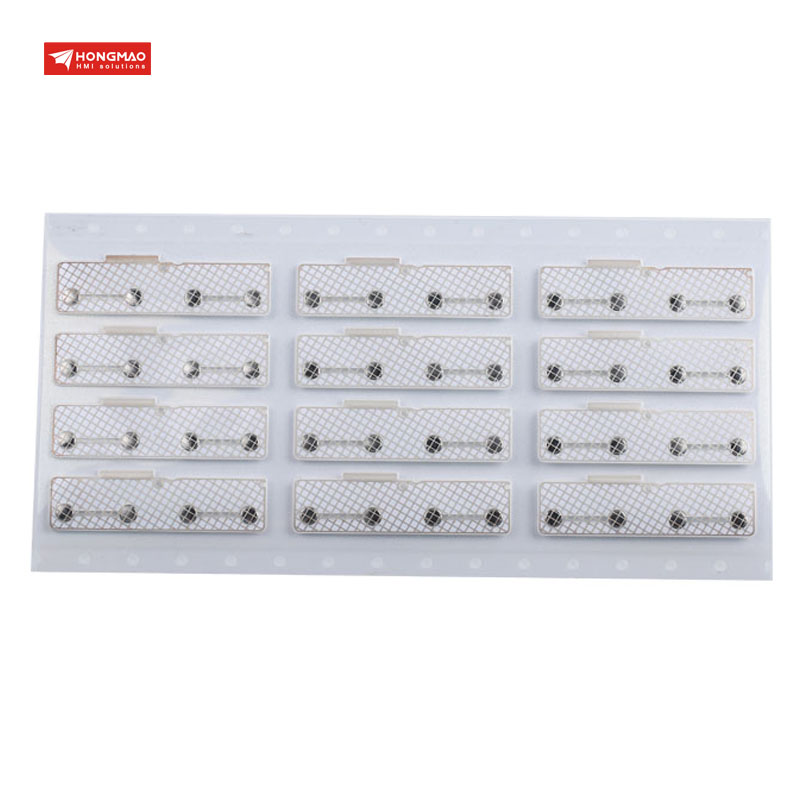
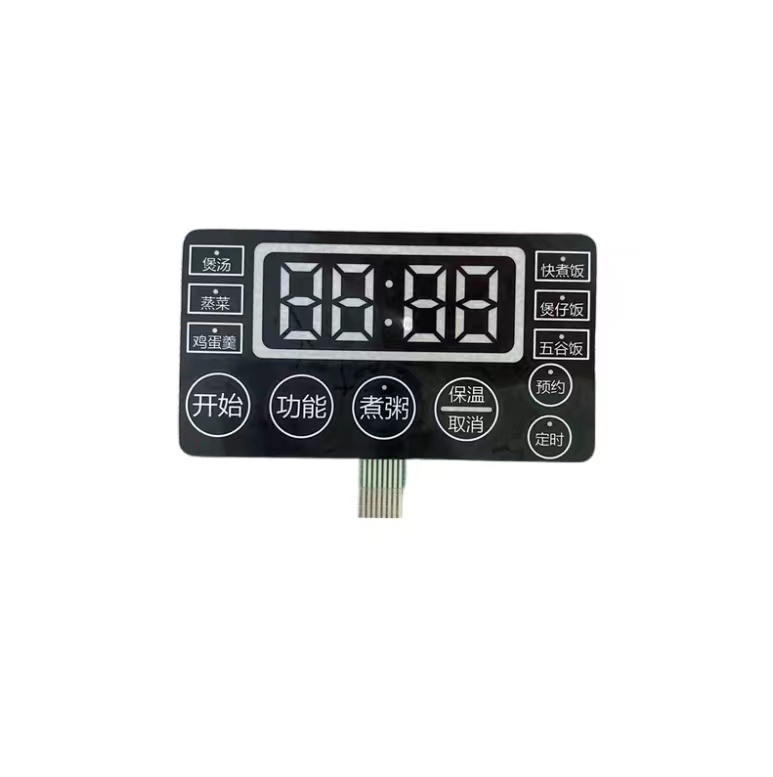
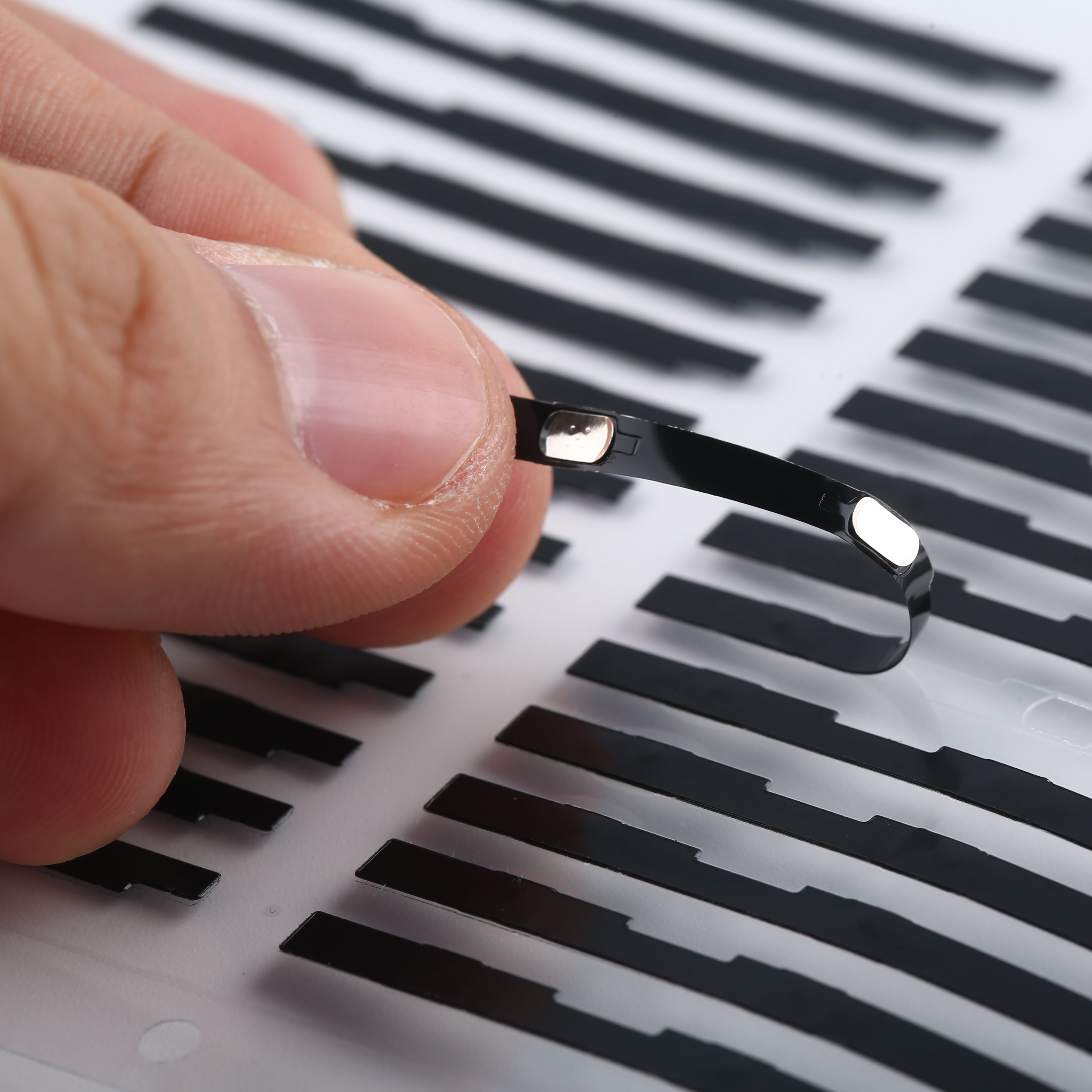
How to Vet the Top 10 Printed Graphic Overlay Suppliers
Evaluating human-machine interface fabricators beyond cosmetic surface printing to ensure long-term durability in field environments.
In modern electronic hardware architecture, the printed graphic overlay is no longer merely a cosmetic nameplate. It functions as the frontline defense mechanism for sub-surface circuit matrices, capacitive touch sensors, and tactile tactile switch domes. Procuring from an unverified tier often results in catastrophic field failures: premature plasticization migration, delamination under chemical sanitizers, dead switch actuation, and substandard optical transmissivity over LED display cavities.
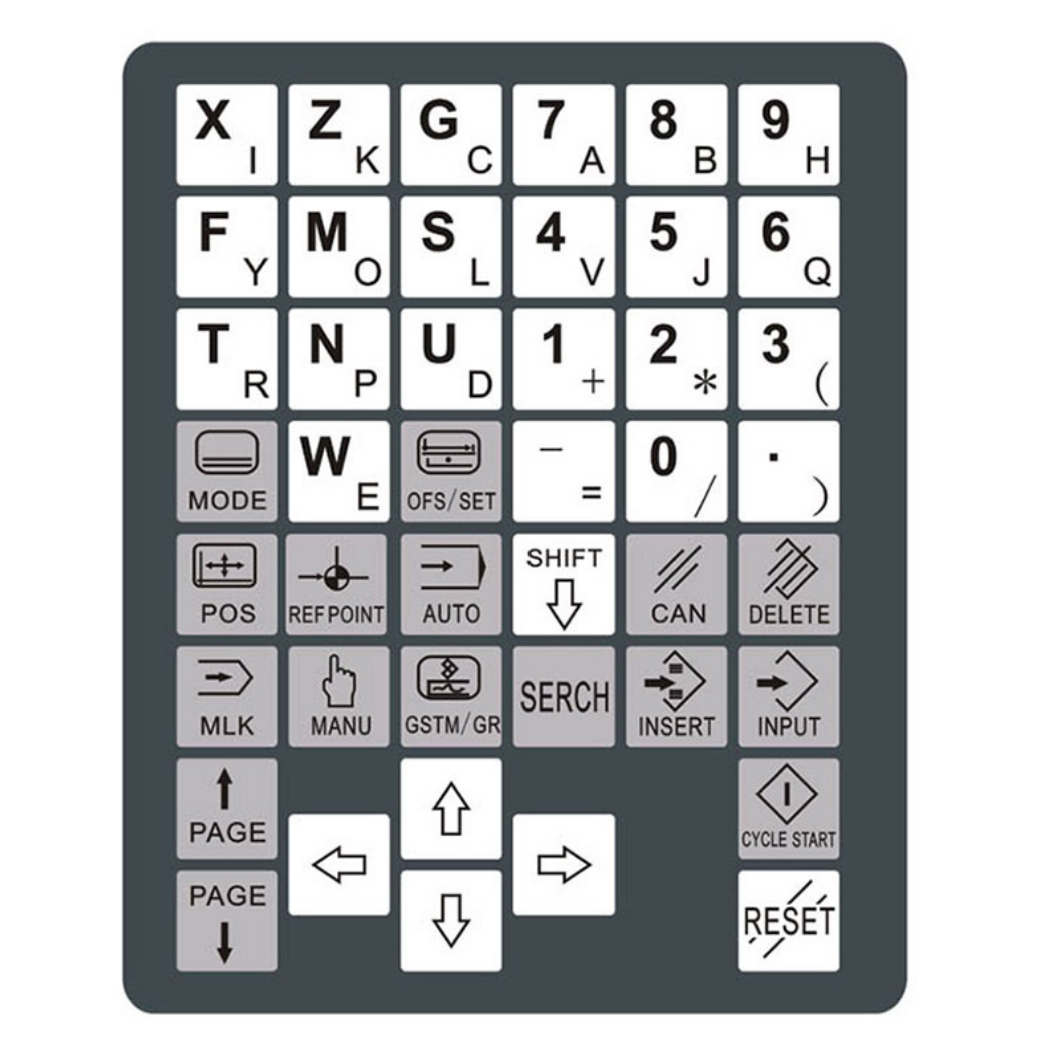
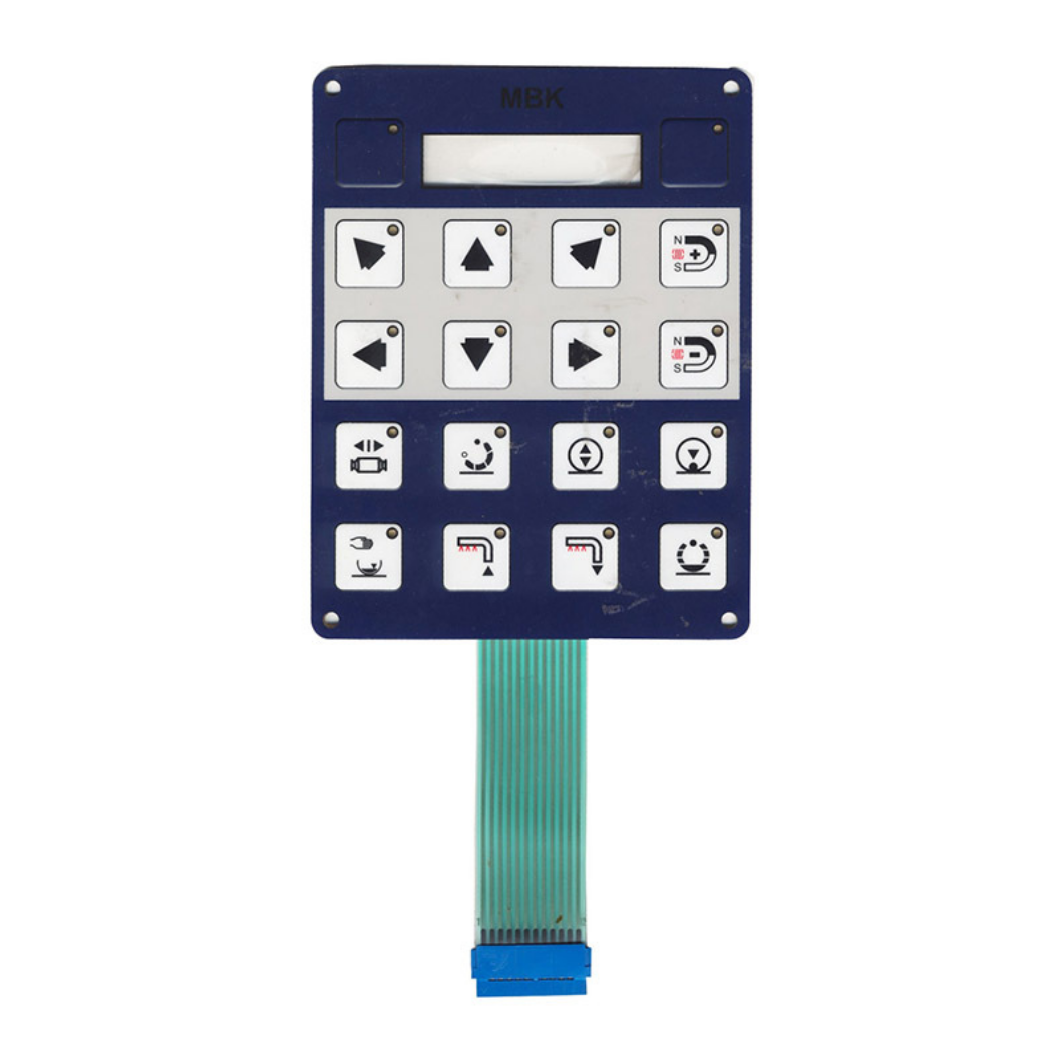
When shortlisting the Top 10 Printed Graphic Overlay Supplier & Suppliers, professional engineering procurement teams examine multi-layer integration capabilities. The market is divided between commercial print shops operating outsourced lamination and vertically integrated cleanroom manufacturers like Dongguan Cevra Electronic Technology Co., Ltd., where graphic sub-surface printing, CCD optical alignment, precision die-cutting, and metal dome integration are performed under a consolidated ISO 9001 facility.
1. Substrate Integrity & Hardcoating
Top-tier suppliers utilize high-grade oriented Polyester (Autotype PET) or optical Polycarbonate (Lexan PC) featuring UV-cured textures to resist harsh solvent cleaning and withstand millions of actuations without crazing.
2. In-House Cleanroom & CCD Tolerances
Optical clarity across display windows requires class 1,000 to 10,000 clean environments. Automatic CCD registration ensures print-to-cut tolerances remain tighter than ±0.05 mm, preventing visual parallax.
3. Complete Sub-System Assembly
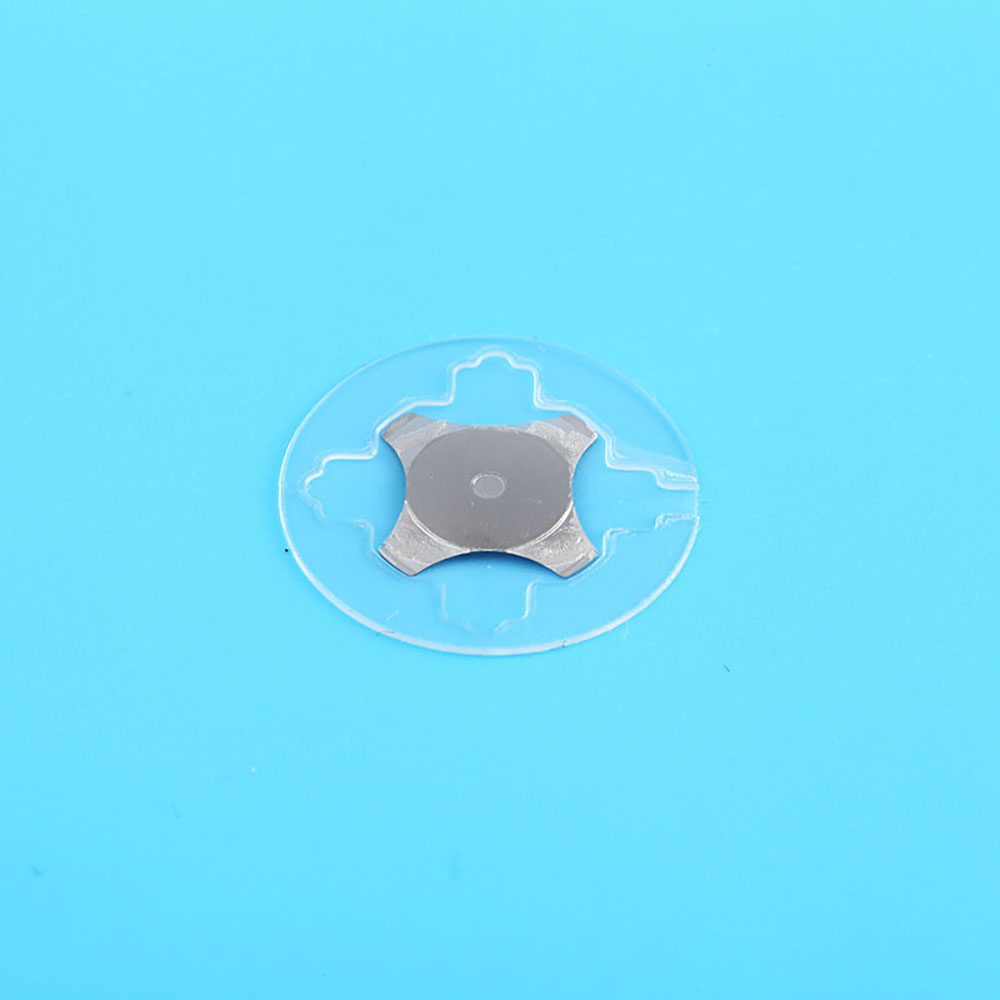
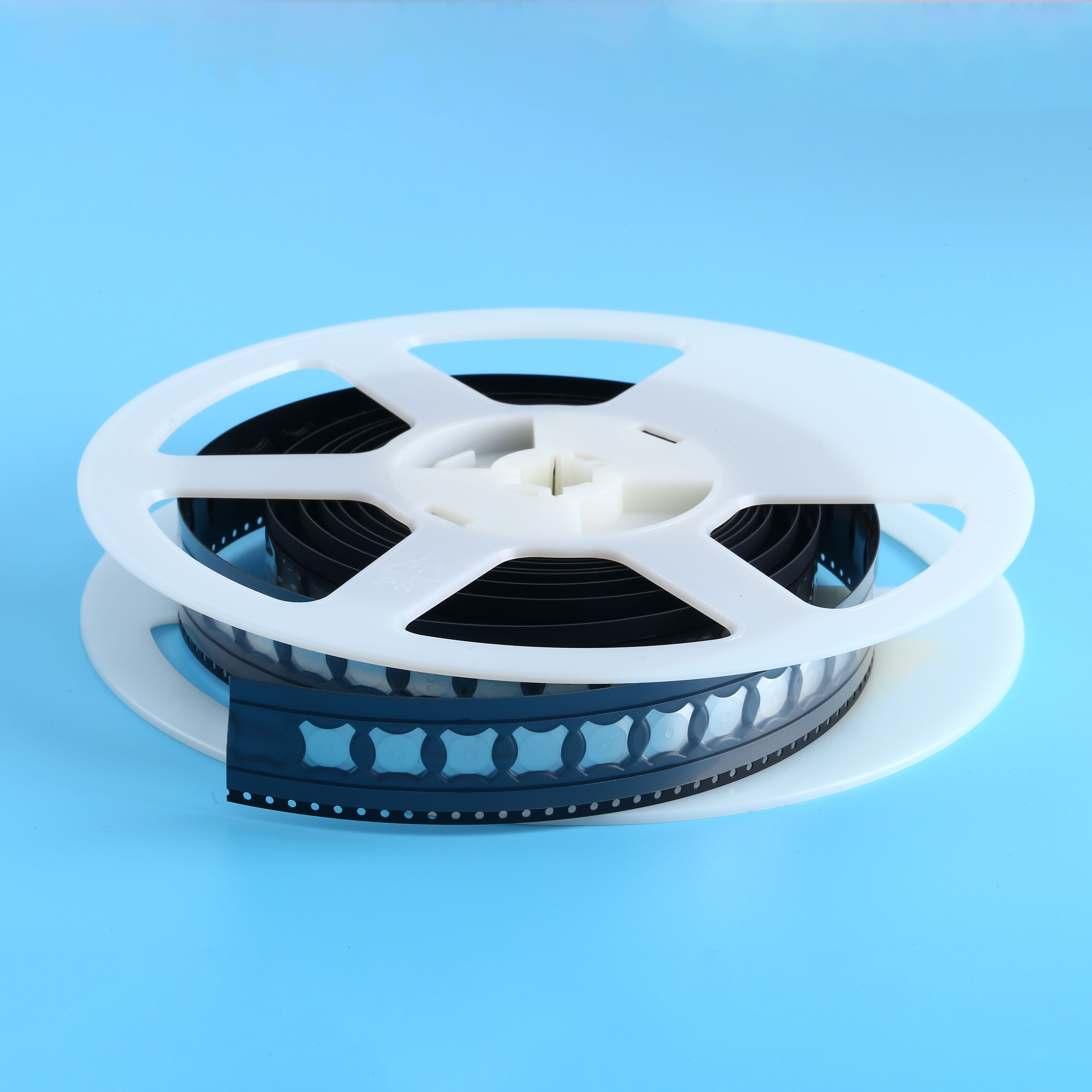
Rather than providing standalone plastic sheets, authoritative suppliers integrate pre-tested SUS301 stainless steel dome arrays, silicone rubber actuators, backplate metal studs, and printed circuit layers in a single pass.
Comparative Specification: PET vs. Polycarbonate vs. Acrylic
A rigorous engineering benchmark for selecting front fascia substrates across extreme industrial use cases.
Design engineers must match thermal coefficients, flex fatigue lifecycles, and chemical resistance thresholds to the target operational environment. Sub-surface silk-screened printing locks ink matrices behind the clear substrate, rendering text and legends completely impervious to mechanical abrasion.
| Evaluation Parameter | Polyester (PET / Autotype) | Polycarbonate (Lexan PC) | Cast Acrylic (PMMA) |
|---|---|---|---|
| Mechanical Flex Fatigue | Exceeds 5,000,000 actuations | 100,000 to 200,000 actuations | Rigid (Not suitable for tactile embossing) |
| Chemical / Solvent Resistance | Superior (Hydrocarbons, MEK, alcohols) | Moderate (Susceptible to aromatic solvents) | High resistance to atmospheric weathering |
| Embossing Profile Retention | Excellent memory (Rim & Pillow) | Good, but subject to thermal fatigue | None (Rigid thermoforming only) |
| Optical Window Clarity | High clarity (Gloss or selective textures) | Exceptional optical transmission | Near-glass clarity (92% transmission) |
| Outdoor UV Degradation | UV-stabilized variants prevent yellowing | Requires specialized UV inhibitor coating | Naturally inherently UV stable |
Emerging Technology Trends & Next-Gen Procurement Dynamics
How the evolution of human-machine interfaces is reshaping sourcing criteria through 2026 and beyond.
Capacitive Touch Fusion
Traditional mechanical clickers are merging with seamless capacitive sensor films, enabling smooth glass-like hygiene while retaining tactile embossed guidance zones.
LGF Backlighting Thinning
Light Guide Film (LGF) eliminates bulky diffusers. Micro-etched dots channel illumination from edge-mounted side LEDs with uniform lux across sub-0.8mm stack-ups.
Antibacterial Nano-Coatings
Healthcare and sterile food machinery require antimicrobial surfaces. Nano-silver coatings integrated into the PET film kill 99.9% of pathogen colonies on contact.
Direct FPC/PCB Bonding
Moving away from legacy silver-paste printed circuits toward ultra-fine copper Flexible Printed Circuits (FPC) to eliminate silver migration in high-humidity climates.
Why Partner with Dongguan Cevra Electronic Technology Co., Ltd.
A proven ISO 9001 and SGS-audited facility engineered for low-latency OEM/ODM precision manufacturing.
Established in March 2009 in Dongguan, China—the epicenter of precision electronics supply chains—Dongguan Cevra Electronic Technology Co., Ltd. operates over 2,600 square meters of specialized production and cleanroom workshop space. With 16+ years of technical dedication, our corporate ethos centers on "people-oriented, technology-driven, quality first, and service first."
Complete In-House Tooling & Cutting
Equipped with state-of-the-art precision punching machinery, laser cutting units, fully automatic laminating machines, and CCD drilling equipment to ensure tight mechanical dimensional tolerance.
Laboratory Reliability Verification
Every production batch undergoes dome load testing, holding tack testing, tension peel testing, electric pencil hardness analysis, and thermal stress tests in our high/low temperature chambers.
Verified Direct Factory Pricing
Ranked #5 in Keypads & Keyboards on global supply platforms, Cevra eliminates intermediaries. We support low-volume NPI prototypes through to millions of serialized mass-production units.
Frequently Asked Questions on Graphic Overlay & Switch Procurement
Direct technical answers from our senior HMI engineering team.
What vector design files and engineering data are needed to quote custom graphic overlays?
To provide an accurate Design For Manufacturability (DFM) review and quotation, provide an Adobe Illustrator (.AI), vector .PDF, or CAD file (.DXF / .DWG). Specify key outline layers, Pantone Matching System (PMS) color codes, embossing zones (pillow, rim, or dome profile), window tint transmissivity requirements, adhesive backing selections (e.g., 3M 467MP for smooth surfaces or 3M 468MP for textured enclosures), and operating temperature parameters.
How do you prevent silver migration and oxidation in harsh membrane switch assemblies?
Silver migration typically occurs under electrical potential in the presence of moisture. We counter this by applying a 100% dielectric UV insulating overcoat over printed silver traces. For high-humidity or safety-critical applications, Cevra recommends migrating to polyimide Flexible Printed Circuits (FPC) with copper etched traces and immersion gold/nickel plating to permanently eliminate silver dendrite bridging.
What are the primary differences between rim embossing, pillow embossing, and hydroforming?
Rim embossing accents only the perimeter of the key button, allowing the user's fingertip to seat comfortably into the dome center. Pillow embossing raises the entire button area flat across the key. Hydroforming or precision thermal die embossing uses heated matched metal tooling to stretch polyester evenly, maintaining uniform wall thickness and extending actuation flex endurance past five million cycles.
Can transparent display windows be textured while keeping optical readouts crystal clear?
Yes. We utilize selective UV texture-printing techniques. The base polyester substrate starts as optically clear. We screen-print a selective textured or matte lacquer over the entire surface while leaving the LCD or LED window areas unobstructed. Additionally, anti-glare, smoked dead-front, or colored filter coatings can be printed directly across display viewing windows.
What testing protocols verify overlay adhesive strength and tactile snap performance?
Quality checks follow ISO 9001 certified protocols: dome actuation forces are verified via computer-controlled load-displacement testers to guarantee snap ratios between 40% and 60%. Adhesive bond shear strength is verified using ASTM 180° peel tension testers, and surface scratch resistance is benchmarked via automated electric pencil hardness equipment up to 3H levels.
Kickstart Your Custom HMI Design Review
Consult directly with Dongguan Cevra's application engineers for rapid prototyping, stack-up optimization, DFM analysis, and volume quotations.