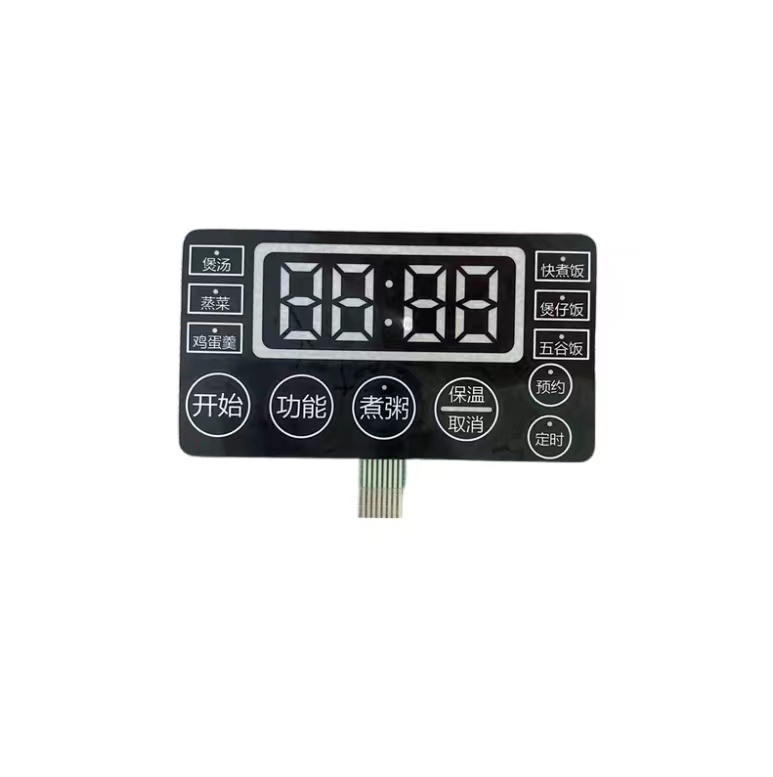
Direct From Factory Floor
Engineered Polycarbonate Overlays & Membrane Switch Units
Explore our high-performance Human-Machine Interface (HMI) products engineered for medical instrumentation, harsh industrial controls, appliance interfaces, and secure fuel terminals.
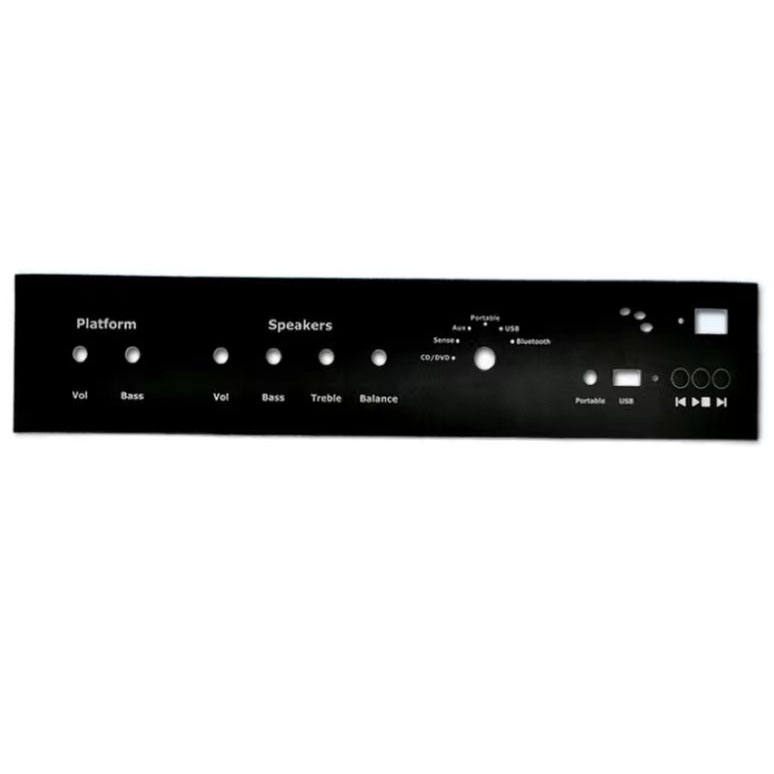
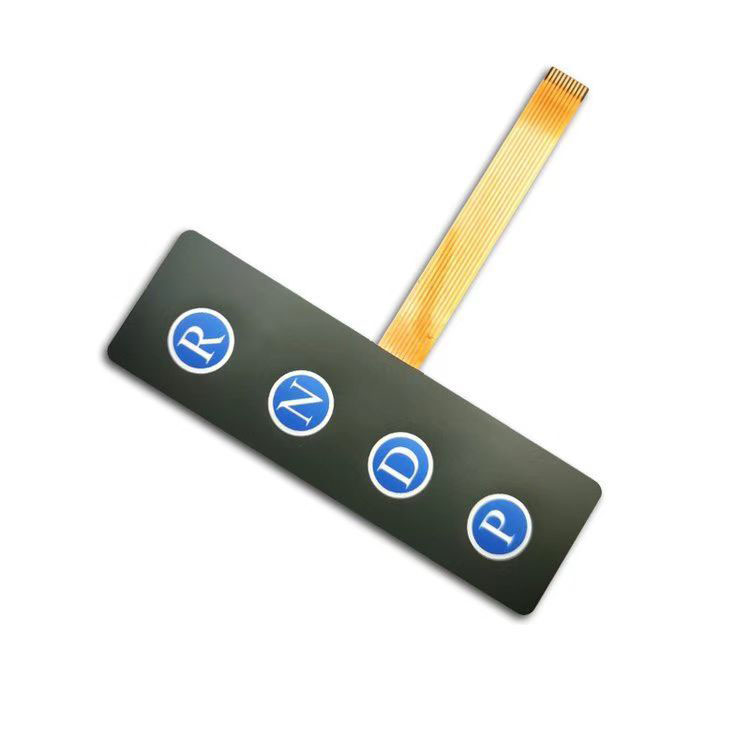
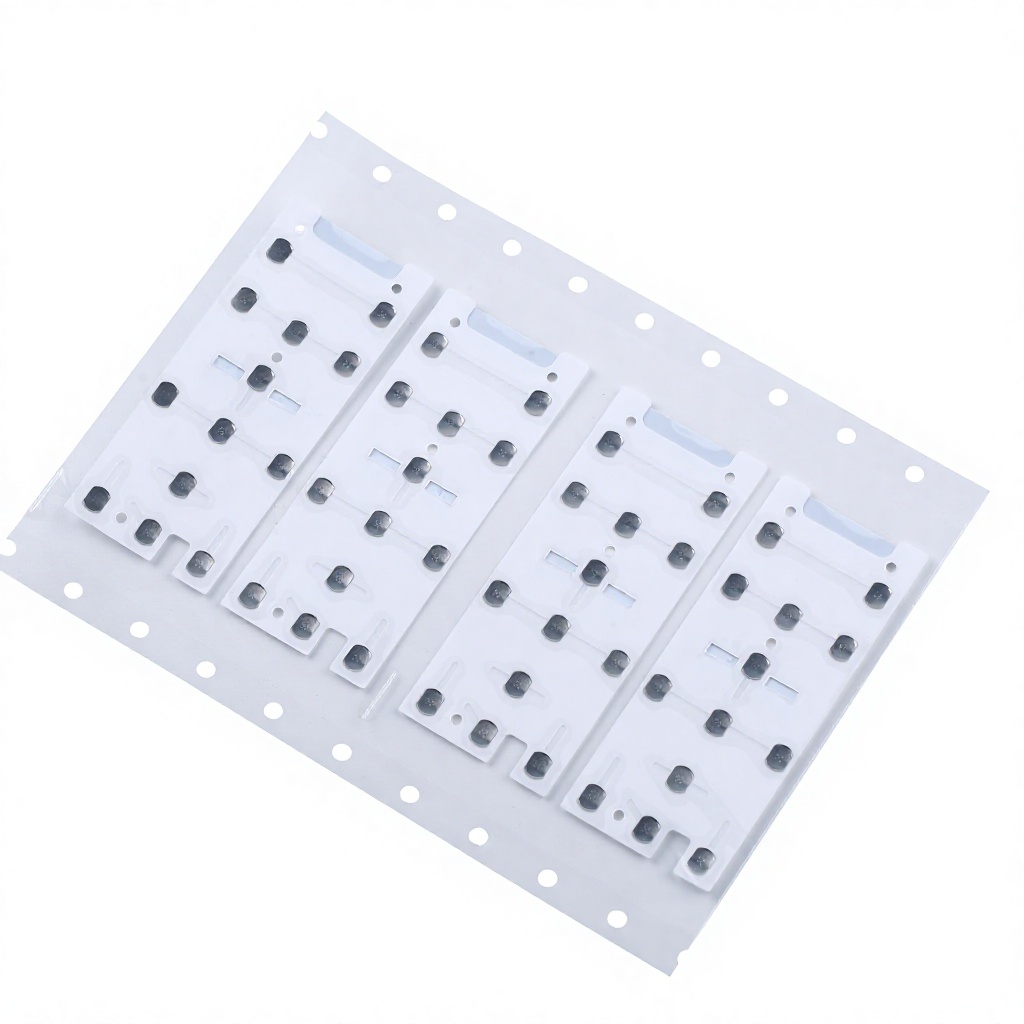
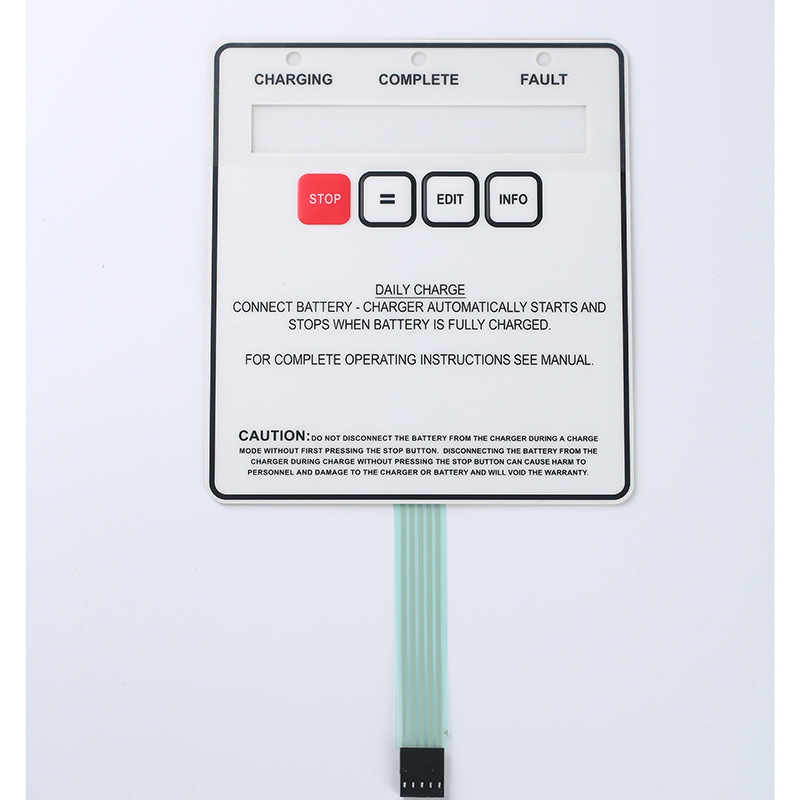
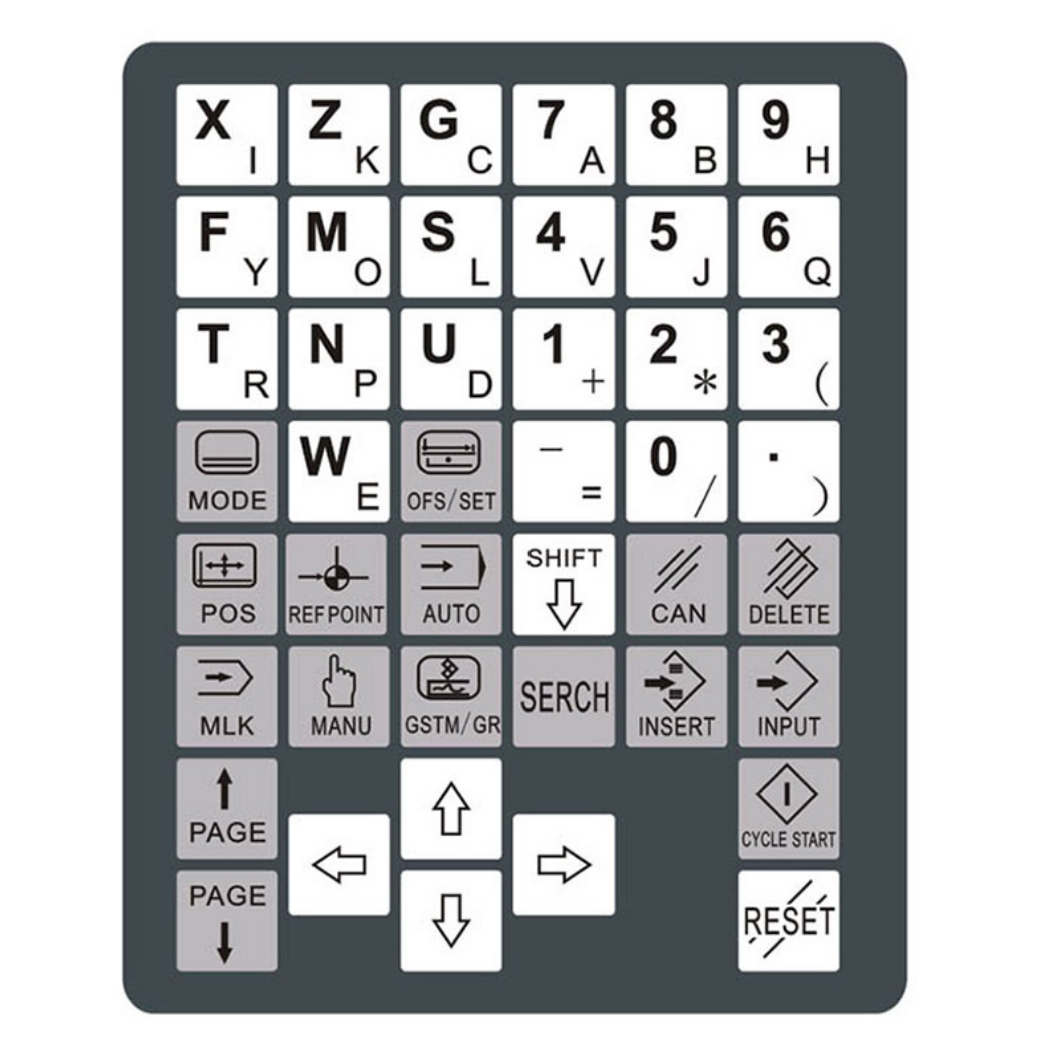
The Polycarbonate Overlay Manufacturing Ecosystem: Material Science & Sourcing Criteria
In modern industrial design, graphic overlays serve a critical dual role: they define the brand aesthetics while functioning as the primary physical barrier protecting delicate tactile electronics from moisture, abrasive dust, industrial chemicals, and aggressive ultraviolet radiation. Selecting a manufacturer from the global pool of polycarbonate overlay suppliers requires looking beyond simple piece-part pricing to evaluate precise substrate tolerances, screen-printing capabilities in cleanroom environments, adhesive thermodynamics, and comprehensive quality assurance protocols.
Polycarbonate (PC) is historically favored across industrial instrumentation for its superior optical clarity, exceptional dimensional stability, high heat deflection thresholds (typically up to 135°C), and remarkable ease of deep thermoforming and selective embossing. Unlike unoriented polyester, PC delivers unparalleled aesthetic depth, allowing high-transparency viewing windows for liquid crystal displays (LCDs) or organic light-emitting diode (OLED) modules without annoying chromatic distortions.
| Evaluation Parameter | Polycarbonate (Lexan™ / Makrofol®) | Polyester (Autotype / Melinex®) | Hybrid Multi-Layer Stack-Up |
|---|---|---|---|
| Mechanical Flexural Life | Moderate (~100,000 actuations) | Ultra-High (>5,000,000 actuations) | High (PC fascia bonded to PET switch layer) |
| Optical Window Clarity | Exceptional (High VLT, Low Haze) | Good (requires selective gloss clear clearing) | Crystal-clear PC viewing aperture |
| Embossing Formability | Superior (Plateau, Rim, Dome) | Requires Hydroforming / Heat setting | Deep-relief tactile embossing capability |
| Chemical / Solvent Barrier | Moderate (Sensitive to esters & ketones) | Superior (Impervious to harsh solvents) | Top-side UV hard-coat barrier applied |
| UL Flammability Rating | UL94 V-0 or V-2 options readily available | UL94 VTM-2 standard | Engineered to meet specific transport specs |
Top-tier suppliers mitigate the intrinsic chemical and scratch vulnerabilities of standard polycarbonate by applying proprietary ultraviolet-cured (UV) hard-coats. These coatings elevate the surface pencil hardness from a standard 1B/HB up to 3H, preventing optical micro-scratches caused by particulate wipe-down routines in harsh diagnostic environments.
Future Procurement Trends in Polycarbonate Fascias & HMI Solutions
Procurement directors and systems engineers are navigating a major evolution in how Human-Machine Interfaces are specified and ordered. Over the next decade, supply chain resilience, integration complexity, and material compliance will reshape the industry:
Consolidated Sub-Assembly Sourcing
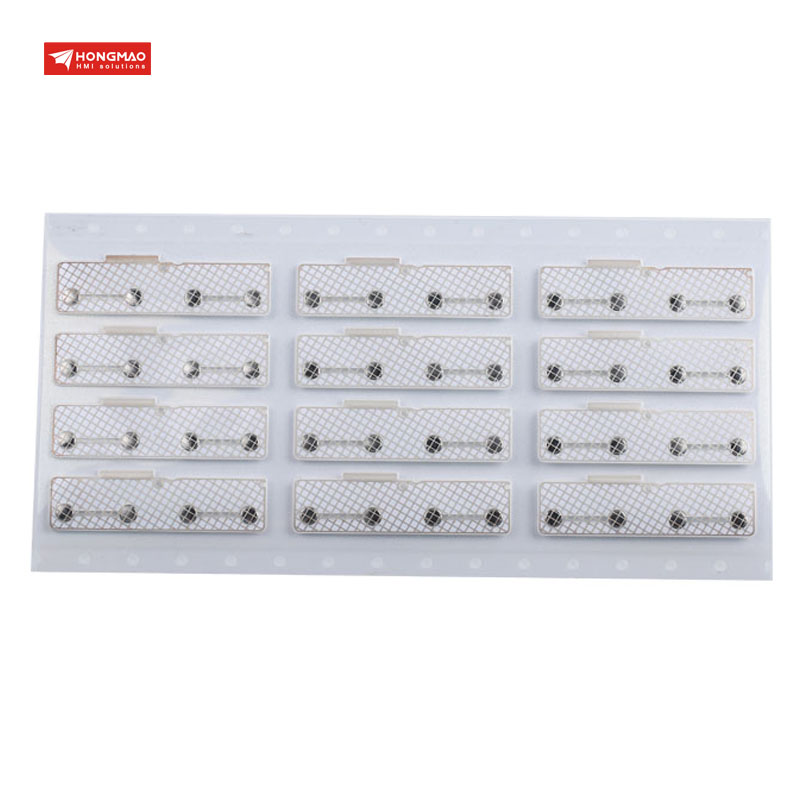
Global OEMs are moving away from buying loose graphic overlays and distinct dome switches from disparate sources. Procurement contracts are shifting toward fully validated assemblies that integrate the printed PC overlay, SUS301 metal dome array, light-guide films, and Flexible Printed Circuit (FPC) tails into a single plug-and-play SKU.
Rapid Digital Hybrid Prototyping
Traditional screen printing tooling can introduce multi-week lead times. Progressive manufacturers now use hybrid workflows: ultra-high-definition digital flatbed inkjet printing for quick-turn validation prototypes, shifting seamlessly to automated screen-printing jigs once production reaches high volume.
Antimicrobial & Bio-Compatible Barriers
Medical equipment manufacturers require front fascias that resist biocidal wash-downs without cloudy discoloration or delamination. Integrating ionic silver antimicrobial treatments directly into the hard-coat matrices ensures life-long defense against nosocomial pathogens.
Polycarbonate Overlay Technology & Manufacturing Advances
The manufacturing technology behind industrial PC panels has advanced far beyond simple subsurface screen printing. Below are key engineering benchmarks deployed at modern facilities like Dongguan Cevra Electronic Technology Co., Ltd.:
CCD Vision-Guided Alignment
Automated optical registration systems correct for microscopic web-stretch and skew before die-punching or laser-profiling. This guarantees alignment between embossed keys, transparent display windows, and internal capacitive sensors to within ±0.05 mm.
Micro-Patterned Light Guide Films (LGF)
Instead of placing bulky, high-draw discrete LEDs directly behind every button, modern overlays use ultra-thin side-lit polycarbonate light guide films. Precision-etched dot matrices diffuse uniform, glare-free illumination across complex legends while reducing BOM component counts.
Subsurface Conductive Shielding
As industrial automation environments experience higher electromagnetic interference (EMI/RFI), overlay architectures integrate selective vacuum-metallized layers, conductive silver grids, or coated ITO foils to shield backend logic boards from airborne static discharge.
Why OEM Brands Partner with Dongguan Cevra Electronic Technology Co., Ltd.
Operating from the global epicenter of precision electronics manufacturing in Dongguan, Guangdong, China, Dongguan Cevra Electronic Technology Co., Ltd. has manufactured custom membrane switches, metal snap domes, dome arrays, graphic overlays, and capacitive touch sensors since March 2009.
Dedicated Custom Manufacturer
We are a dedicated factory—not a trading broker. Our 2,600㎡ facility houses automated screen printing, die-cutting, laser cutting, CCD drilling, and cleanroom assembly under an independently audited ISO 9001 quality management framework.
SGS Group Onsite Verified
Our operational capabilities, employee structure, test facilities, and export trade compliance have been audited and verified on site by SGS Group, providing international buyers with dependable manufacturing accountability.
Full In-House Testing Laboratory
Every production batch undergoes strict quality gates: dome load testers ensure consistent click-ratio forces, temperature cycle chambers test from -40°C to +85°C, and dedicated peel-adhesion and electric pencil hardness testers verify bond integrity.
Frequently Asked Questions: Sourcing Custom Polycarbonate Overlays
What technical design files are required to generate an engineering quotation?
To provide a precise DFM analysis and quotation, we request vector files for graphic layouts (Vector PDF, Adobe Illustrator .AI, or CorelDraw) with Pantone (PMS) or RAL color specifications. For mechanical outlines, hole locations, embossing depths, and circuit tail geometry, please provide CAD data (.DXF, .DWG, or .STP). If you need help with the layer stack-up, our engineering team will suggest optimized materials based on your operating environment.
How do I choose between Polycarbonate (PC) and Polyester (PET) for my overlay?
Choose Polycarbonate (PC) if your assembly requires deep-relief key embossing, crystal-clear display windows, higher heat deflection resistance (up to 135°C), or UL94 flammability ratings. Choose Polyester (PET) if the application demands millions of mechanical actuations or operates in environments with aggressive chemical washes (like acetone, MEK, or industrial degreasers). We also offer hybrid assemblies that combine the strengths of both substrates.
Which industrial adhesives are used to prevent edge-lifting and delamination?
We partner with 3M™ to provide genuine pressure-sensitive transfer tapes tailored to your enclosure substrate. For smooth metal or polycarbonate enclosures, 3M 467MP is the industry standard. For textured, powder-coated, or low-surface-energy (LSE) plastics such as polypropylene or ABS, we specify 3M 468MP, 3M 300LSE, or 3M VHB foam tapes to ensure IP65/IP67 rated waterproof seals.
What tactile dome options are available for membrane switches?
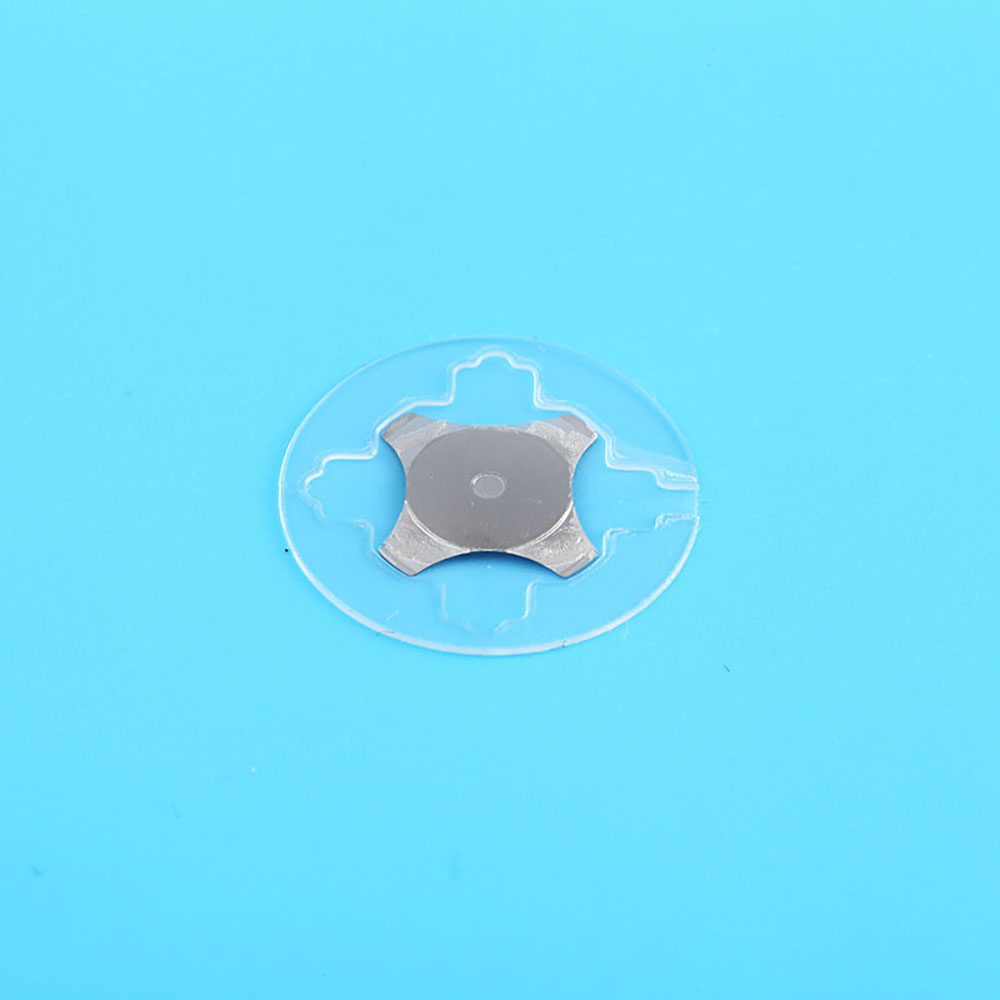
We manufacture four-leg cross domes, circular domes, and triangular snap domes using premium SUS301 stainless steel. Sizes range from 6 mm to 20 mm, with actuation forces from 160g to over 500g. Domes can be plated in nickel or gold for low contact resistance and supplied loose or as pre-spaced, drop-in peel-and-stick dome arrays.
What are the Minimum Order Quantities (MOQ) and production lead times?
For prototype runs and engineering pilots, our MOQ starts as low as 10 to 50 pieces. Standard production batch runs start at 100 units for custom membrane switch panels and 1,000 units for discrete metal snap domes. Prototyping lead times typically range from 5 to 8 working days following engineering artwork approval, with scalable mass production shipping within 2 to 3 weeks.
Ready to Build Your Custom HMI Interface?
Connect directly with our application engineers in Dongguan. We provide complimentary DFM reviews, custom material stack-up recommendations, and factory-direct pricing within 24 hours.
Get a Quote