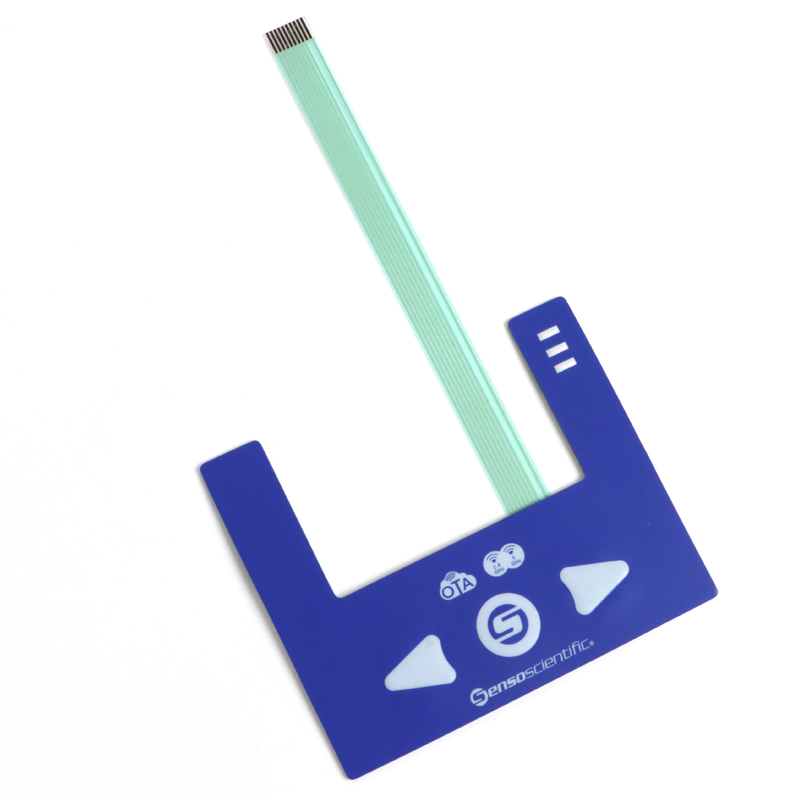
Engineered Product Catalog
Precision Non-Tactile & Hybrid Keypad Assemblies
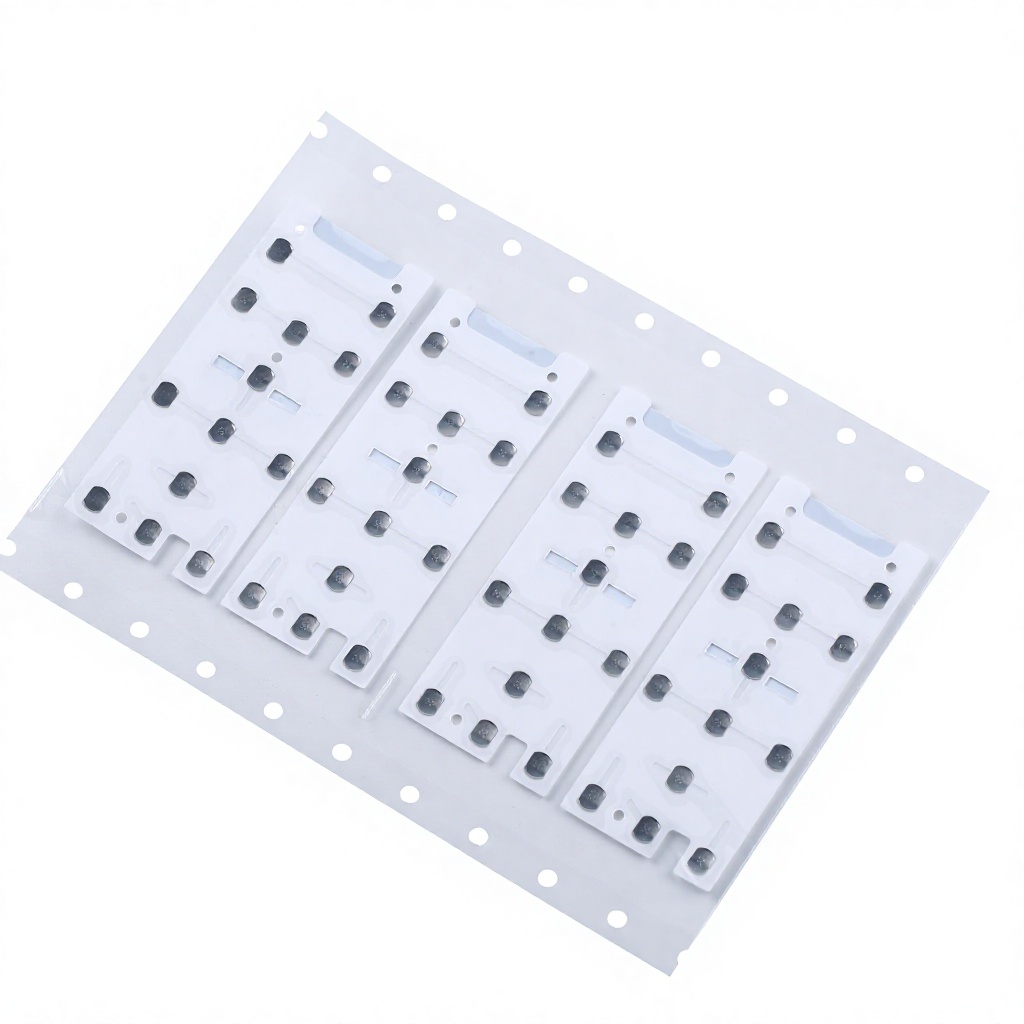
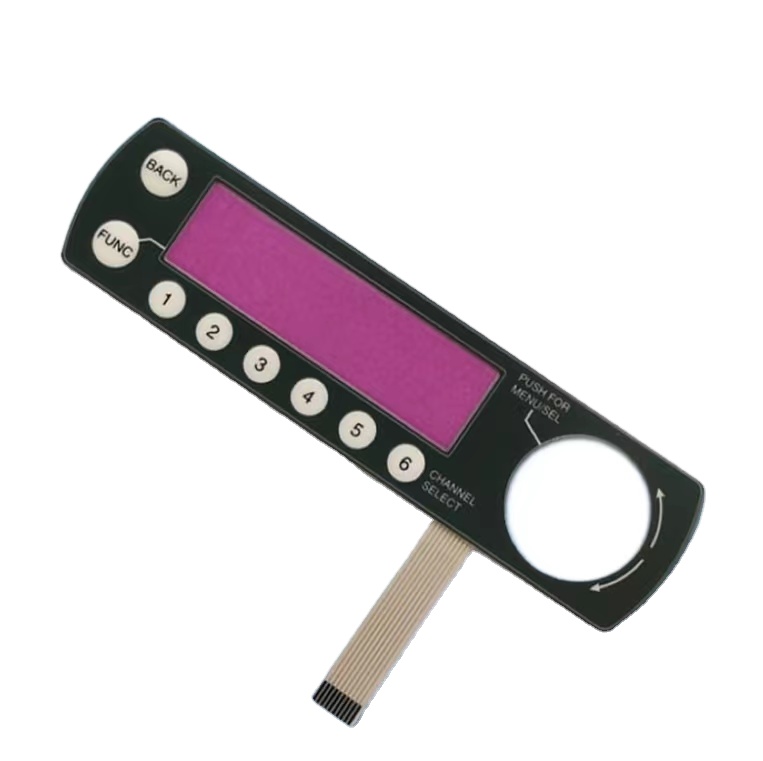
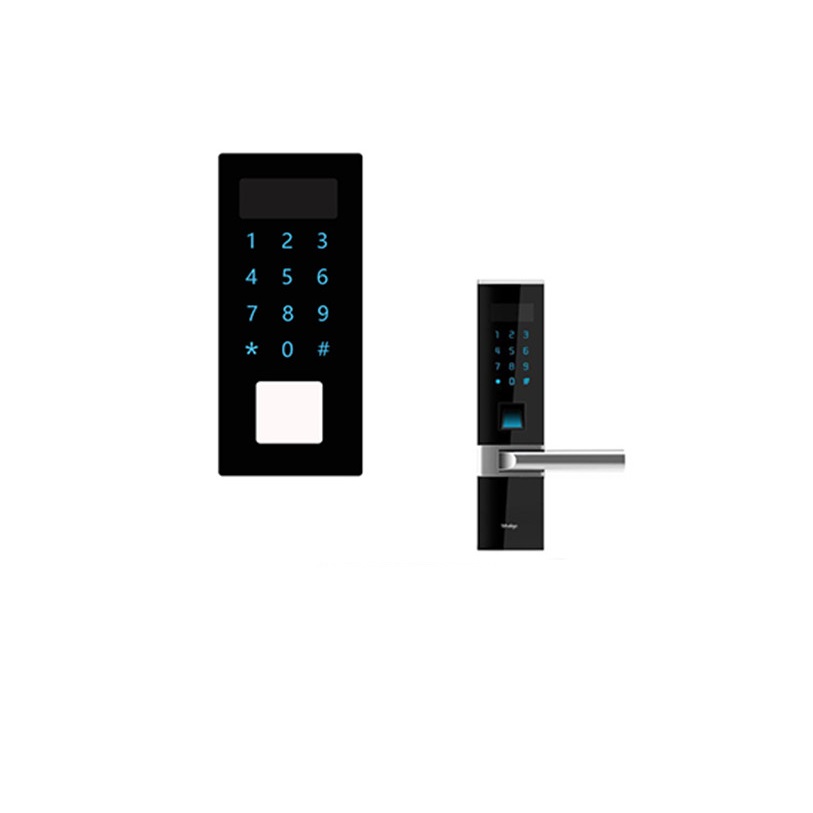
Explore custom flat membrane switch panels, durable stainless steel dome matrices, and hermetically sealed capacitive interface components manufactured under ISO 9001 quality compliance.
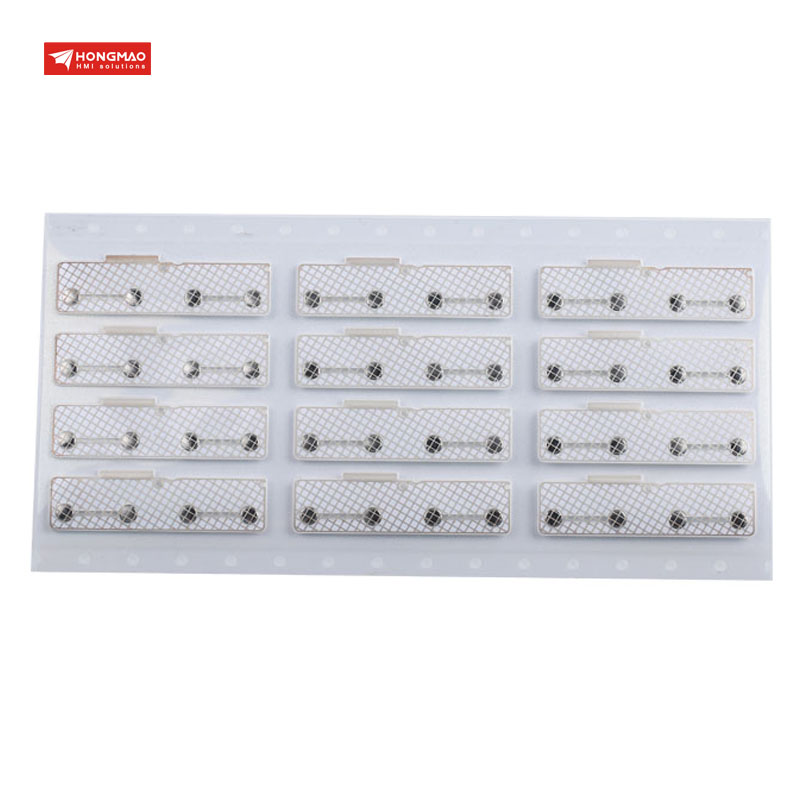
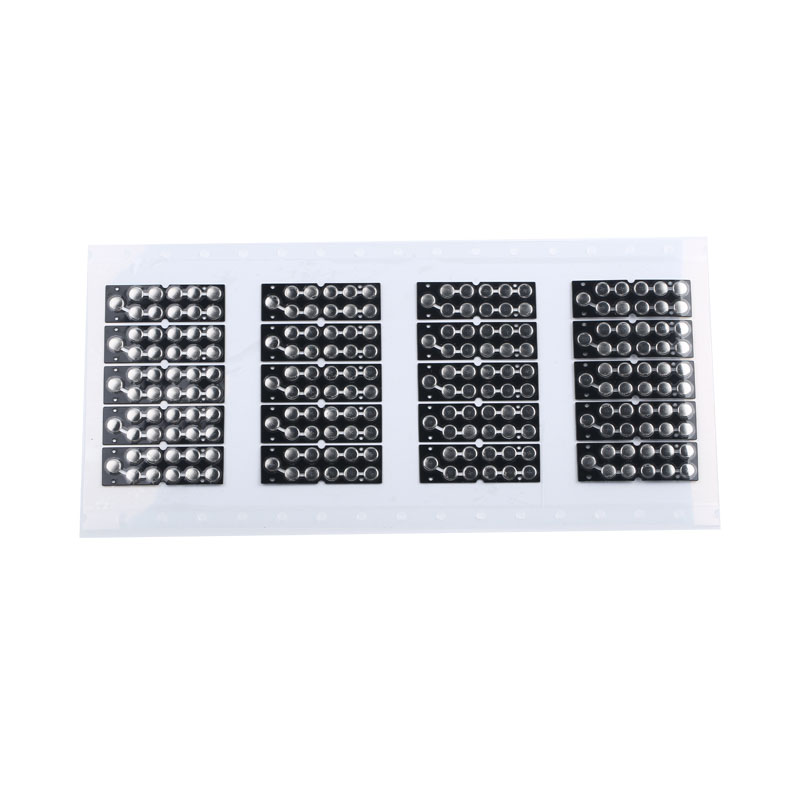
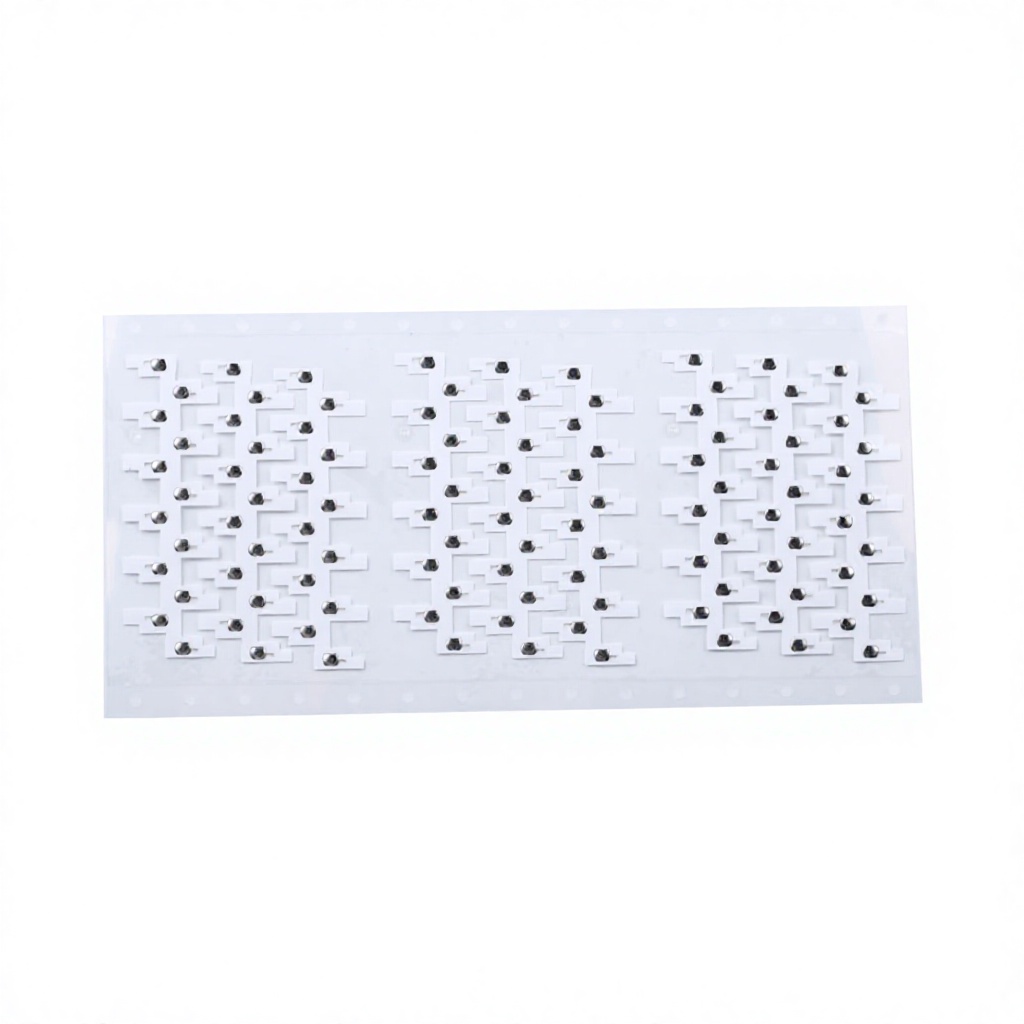
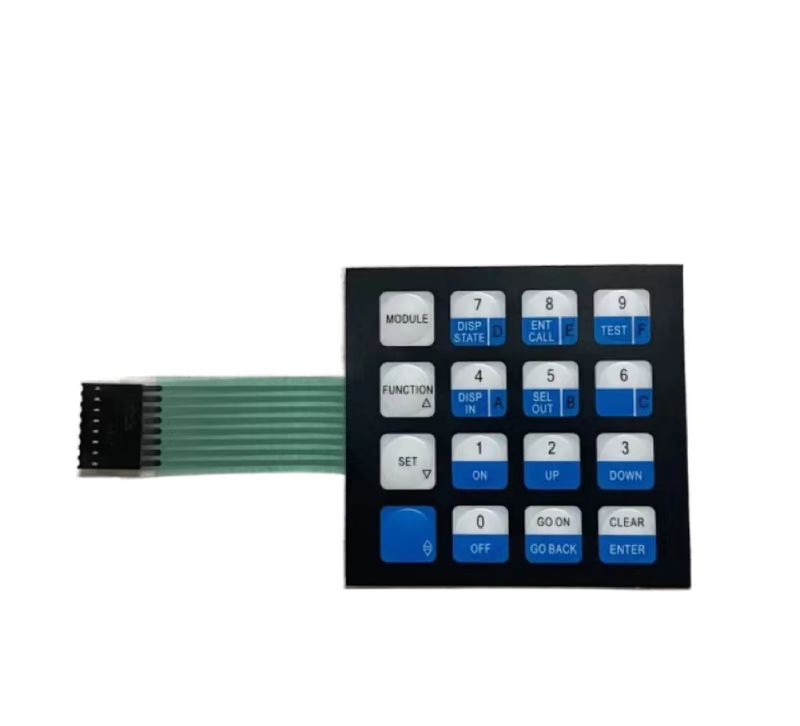
16+
Years Industry Experience
2,600㎡
Direct Factory Floor Space
5,000,000+
Actuations Switch Lifespan
100%
CCD & Electrical Inspection
Top 5
Alibaba HMI Switch Supplier
Industry Whitepaper
Evaluating the Top 10 Non-Tactile Keypad Manufacturers & Factories
A technical evaluation framework analyzing tier-1 contract manufacturers, thin-film electronic architectures, and high-reliability human-machine interface (HMI) integration.
In modern industrial electronics, medical instrumentation, military apparatus, and cleanroom interfaces, the demand for non-tactile keypads (also known as flat membrane switches) has surged. Unlike tactile membrane keypads that rely on metal snap domes or polyester dome forming to produce a physical snap sensation, a non-tactile switch relies on direct conductive layer contact under low operational travel (typically 0.1 mm to 0.5 mm). This flat geometry creates an ultra-smooth, perfectly continuous surface that eliminates cavities, cracks, and physical fatigue zones.
When engineering procurement teams evaluate the Top 10 Non-Tactile Keypad Manufacturers and Factories globally, the decision criteria extend far beyond simple pricing. Sourcing managers and Chief Technology Officers require manufacturing partners capable of micro-tolerance silk-screen layer deposition, rigorous adhesive shear stability testing under variable thermal cycling, and advanced electrostatic discharge (ESD/EMI) shielding. The leading global producers—concentrated primarily within specialized manufacturing hubs like Dongguan, China, alongside specialized high-mix facilities in North America and Western Europe—distinguish themselves through vertically integrated production lines, in-house climatic reliability laboratories, and certified Clean Workshop lamination capabilities.
"The absence of moving mechanical parts in non-tactile interfaces translates directly to extraordinary operational lifecycles—often surpassing 5 to 10 million cycles without contact degradation—provided the environmental seal and silver trace migration barriers are immaculately engineered."
| Evaluation Parameter | Tier-1 Factory Standards (e.g., Cevra Panel) | Tactile Membrane Alternative | Standard Commercial Grade |
|---|---|---|---|
| Actuation Lifespan | > 5,000,000 to 10,000,000 Cycles | 1,000,000 to 3,000,000 Cycles | < 500,000 Cycles |
| Switch Travel Distance | 0.10 mm – 0.35 mm (Zero-Fatigue Plane) | 0.40 mm – 0.80 mm (Physical Deflection) | 0.20 mm – 0.60 mm (Variable) |
| Ingress Protection (IP) | IP65, IP67, up to IP68 Submersion Rated | Typically IP65 (Air Vents Required) | IP54 Moisture Resistant |
| User Feedback Loop | Audible Buzzer / LED Backlight Matrix | Mechanical Snap (Tactile Sensation) | None / External Indicator |
| Chemical Washdown Tolerance | Autoclave, Bleach, IPA, MEK Resistive PET | Vented Overlays Limit Bleach Resistance | Polycarbonate (Prone to Crazing) |
Factory Capabilities
Dongguan Cevra Electronic Technology Co., Ltd.
Delivering high-precision membrane switch engineering, cleanroom lamination, and verified industrial manufacturing since 2009.
ISO 9001 & SGS Verified
Our 2,600㎡ modern production facility is fully audited onsite by SGS Group. Certified adherence to ISO 9001 quality management standards guarantees raw material traceability and documented batch control.
Full In-House Automation
Equipped with CCD automated alignment punch presses, high-precision screen printers, automated laminating systems, and laser cutting tables to ensure dimensional accuracy within ±0.05 mm.
Integrated Stress Lab
Every lot undergoes stringent mechanical dome load testing, peel tension verification, environmental high/low temperature soaking (-40°C to +85°C), and pencil hardness resistance testing.
Medical & Marine Sealing
Specialized perimeter sealing configurations, potting techniques, and 3M 300LSE/467MP adhesive pairings achieve complete imperviousness to aggressive washdown chemicals and moisture ingress.
Custom Tail & Shielding
Custom FPC tails or flexible silver/carbon screen traces with standard pitch (0.5 mm, 1.0 mm, 2.54 mm) integrated with carbon overprinting, selective UV dielectric layers, and aluminum/copper foils for EMI shielding.
Rapid OEM/ODM Prototyping
Direct DFM feedback from senior structural engineers within 24 hours. Flexible pilot batch support starting at 10 to 100 units prior to high-volume multi-cavity tooling releases.
Procurement Insights
Future Procurement & Technology Trends in Non-Tactile Switches
How the evolution toward cleanroom interfaces, capacitive hybrid circuits, and sustainable polymers is transforming global HMI sourcing specifications.
Capacitive & Non-Tactile Convergence
Procurement teams are shifting toward hybrid panels combining flat graphic PET overlays with projected capacitive (PCAP) sensing matrices. By eliminating both mechanical movement and air pockets, equipment manufacturers achieve seamless IP69K sealing while retaining the intuitive layout of traditional keypads.
Ultra-Thin Light Guide Films (LGF)
Traditional non-tactile switches suffered from bulky, uneven backlighting. Next-generation procurement specs require edge-lit Light Guide Films (0.125 mm to 0.25 mm) coupled with micro-etched diffusion patterns, generating uniform graphic illumination while maintaining an overall keypad profile under 1.0 mm.
Antimicrobial & Chemically Inert PET
Driven by strict post-pandemic hospital protocols and food processing standards, raw material specifications now prioritize hard-coated biaxially oriented PET (Autotex/Autoflex) enriched with silver-ion antimicrobial agents to resist aggressive chlorine washdowns without yellowing.
The Shift Toward Total Cost of Ownership (TCO) in Contract Manufacturing
Leading enterprise buyers are moving away from purely piece-part price negotiations. In high-reliability sectors such as medical ventilators, avionics control consoles, and oilfield telemetry, the failure of a $3 membrane keypad can cause tens of thousands of dollars in system downtime or critical liability claims. Consequently, the Top 10 Non-Tactile Keypad Factories are selected based on their failure mode and effects analysis (FMEA) capabilities, silver flake migration suppression techniques, and environmental lifecycle guarantees.
Furthermore, digital transformation across the procurement supply chain has mandated full traceability. Modern buyers require suppliers who provide 100% automated optical inspection (AOI) data, automated insulation resistance test logs (exceeding 100MΩ at 100V DC), and full documentation of environmental compliance under RoHS 3 and REACH regulations.
Procurement & Engineering FAQ
Frequently Asked Questions on Non-Tactile Keypad Sourcing
In-depth technical answers addressing stack-up design, environmental longevity, and factory audits.
What is the structural difference between a tactile and a non-tactile membrane keypad?
A tactile membrane keypad incorporates formed polyester domes or stainless steel snap domes (e.g., SUS301) situated within a spacer layer beneath the graphic overlay. When pressed, the dome collapses to bridge the circuit, providing a distinct mechanical "snap" feel. In contrast, a non-tactile keypad features completely flat conductive poles separated by a thin dielectric spacer void without any mechanical dome. When pressed, the upper conductive trace directly contacts the lower trace with minimal travel (0.1 mm to 0.3 mm). Non-tactile designs deliver significantly longer mechanical life (up to 10M actuations) and permit completely flat, easy-to-sterilize surfaces.
How do operators perceive key actuation if there is no tactile feedback?
Because non-tactile switches do not generate a mechanical snap sensation, human-machine interface designers integrate secondary feedback mechanisms into the host device. The most common feedback systems include:
- Audible Feedback: An internal piezo buzzer or sound alert triggered upon circuit contact closure.
- Visual Confirmation: Surface-mount LEDs (SMD LEDs) embedded directly inside the membrane switch spacer layer that illuminate upon activation.
- Haptic Actuation: Host-level eccentric rotating mass (ERM) or linear resonant actuators (LRA) vibrating the panel chassis.
Why is PET (Polyester) preferred over PC (Polycarbonate) for non-tactile switches?
While Polycarbonate (PC) is economical, optically clear, and easy to print, it suffers from poor flexural fatigue resistance—often micro-cracking after 50,000 to 100,000 actuations. Polyester (PET) features exceptional tensile elasticity, chemical resistance to alcohols, solvents, and household detergents, and a flexural fatigue lifecycle exceeding 5,000,000 cycles. For non-tactile keypads where continuous direct pressure occurs over the exact same contact area, PET is mandatory for high-reliability applications.
What steps prevent silver migration in humid or high-voltage operating conditions?
Silver migration occurs when moisture and direct current (DC) electrical potential cause silver ions to migrate across dielectric gaps, resulting in dendrite shorts. Tier-1 manufacturers like Cevra prevent this by:
- Overprinting silver circuit contacts with continuous, high-density conductive carbon ink layers.
- Applying UV-cured dielectric insulation masks over all traces, leaving only active contact pads exposed.
- Utilizing micro-vent channel architectures that route exhaust air back into a sealed dry cavity rather than pulling in humid ambient air.
- Utilizing moisture-impervious acrylic transfer tapes such as 3M 200MP or 300LSE.
What design files and technical criteria are needed to request an accurate quotation?
To receive a formal engineering review and DFM stack-up proposal, please provide:
- Vector graphic files (Adobe Illustrator .AI, PDF, or CorelDraw) with specified Pantone (PMS) or RAL color codes.
- Mechanical CAD files (DXF, DWG, or STEP) depicting exterior dimensions, display cutouts, tail location, and bend radius.
- Electrical schematic indicating matrix pinouts, common bus circuits, LED polarity, and connector type (e.g., FCI Clincher, Nicomatic, or bare ZIF tail).
- Operating environment profile (temperature limits, UV exposure, IP rating requirements, and chemical contact risks).
- Estimated Annual Usage (EAU) and initial prototype pilot batch volume requirements.