16+
Years Manufacturing (Since 2009)
2,600㎡
In-House Production Footprint
1,000,000+
Actuation Life Cycles
ISO 9001
SGS Onsite Verified Facility
Executive Sourcing Summary
The Global Architecture of Membrane Switch & HMI Panel Sourcing
Human-Machine Interfaces (HMIs) represent the critical functional threshold between complex industrial systems and human operators. As embedded processing power, Internet of Things (IoT) edge connectivity, and severe-duty electronic enclosures advance, membrane switches and user interface panels continue to serve as the benchmark solution across industrial automation, medical diagnostics, fuel delivery terminals, aerospace avionics, and high-reliability commercial appliances.
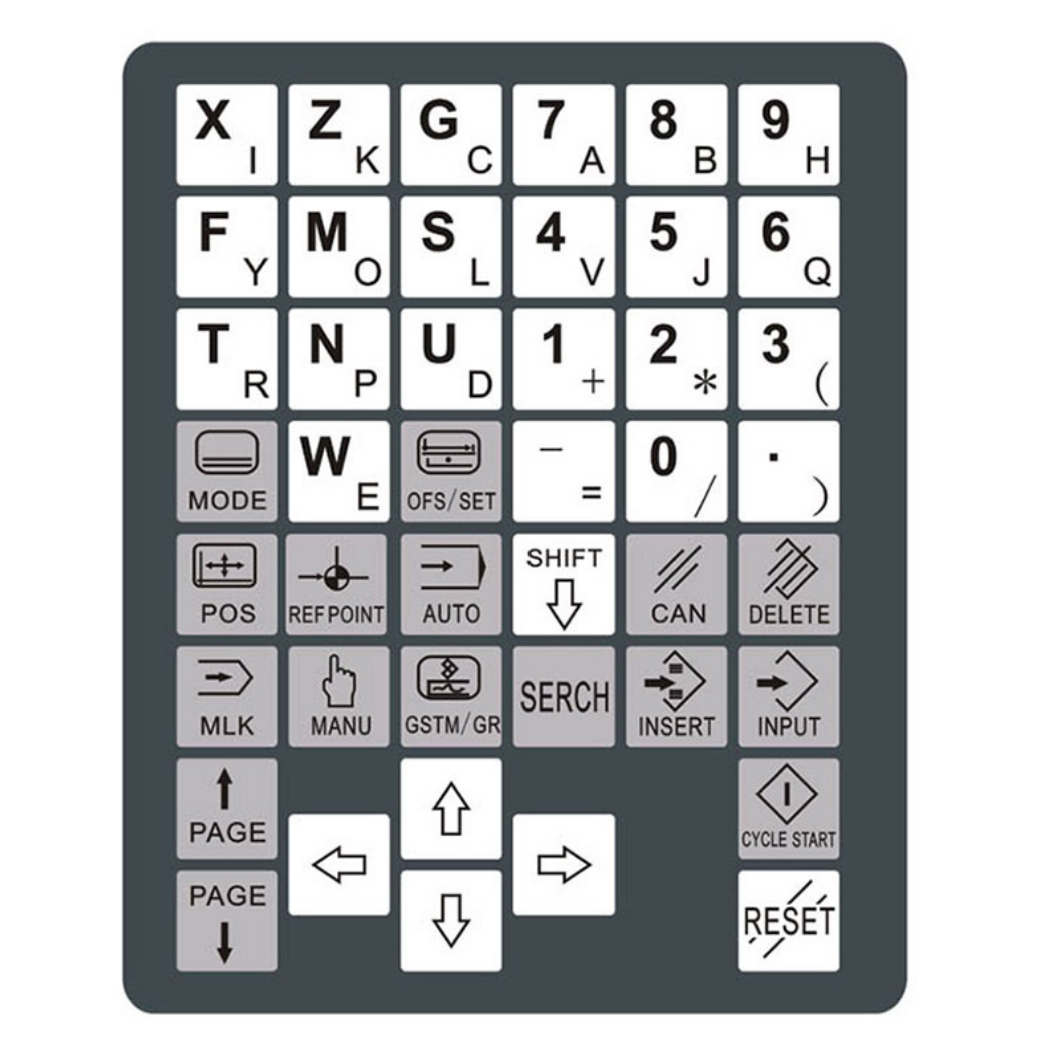
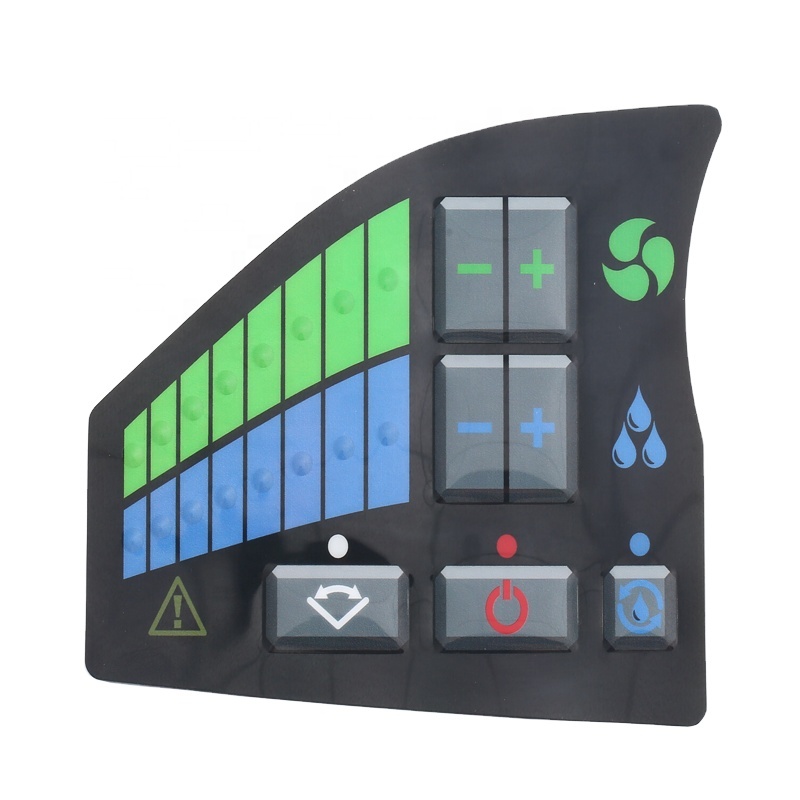
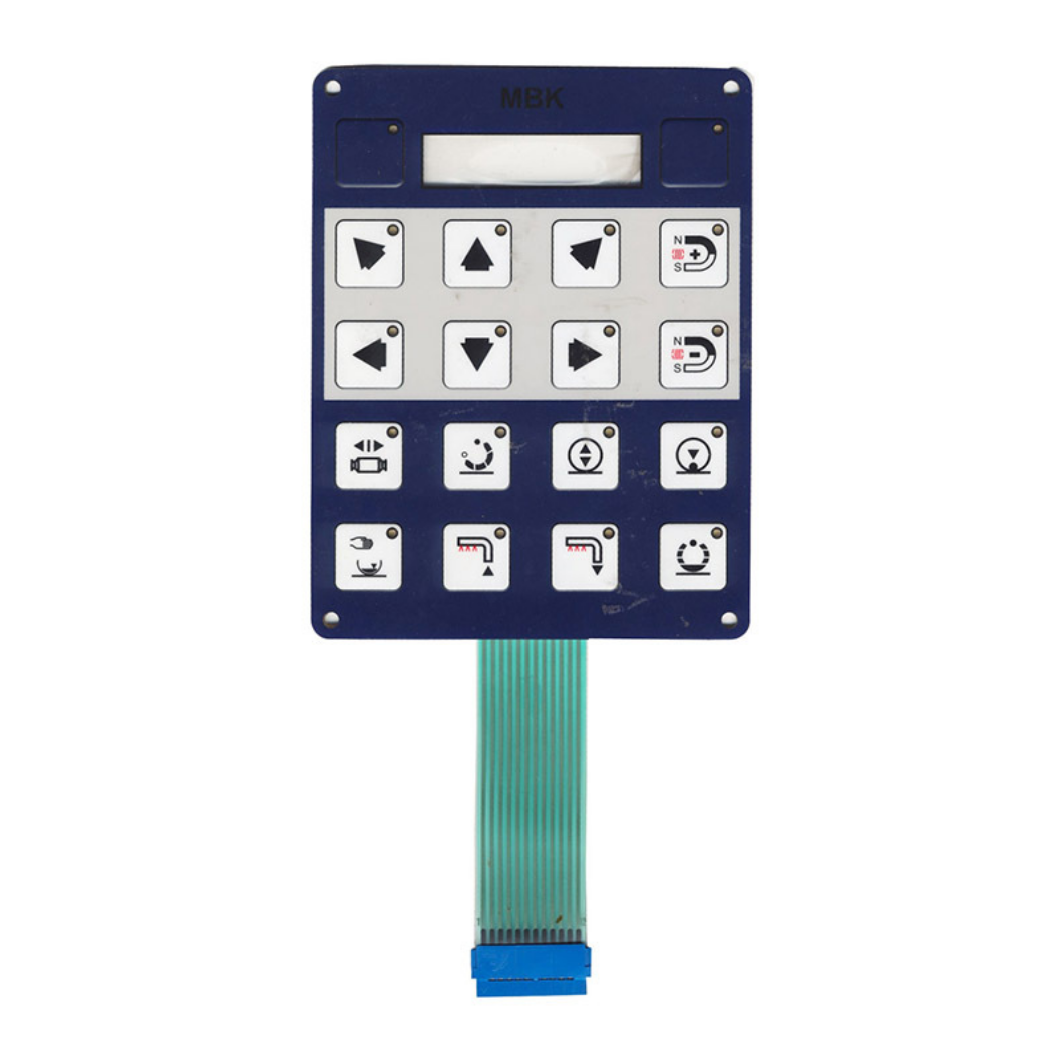
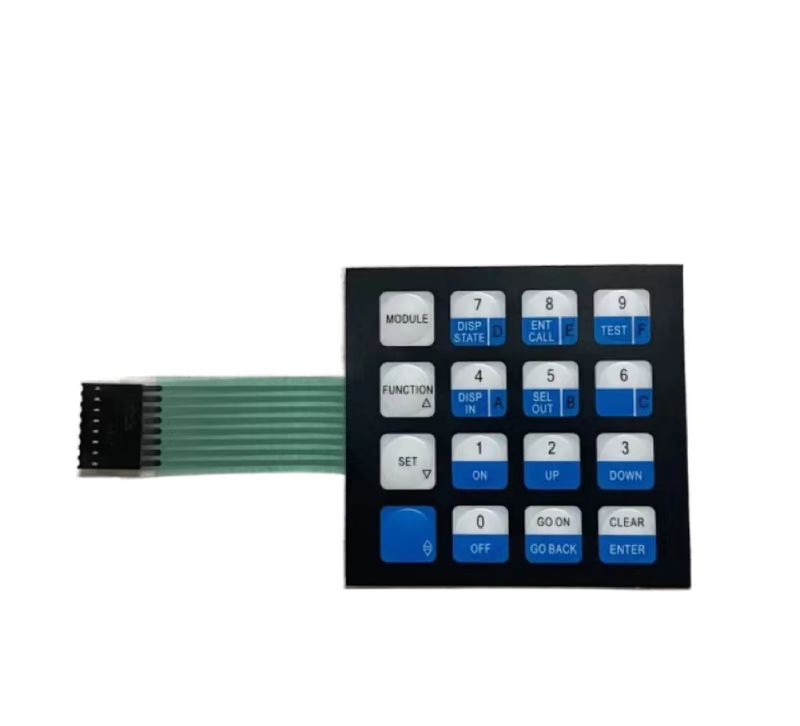
Unlike standard off-the-shelf capacitive screens or mechanical push-buttons, an industrial membrane panel switch is an intricately laminated electro-mechanical assembly. It integrates multiple specialized polymeric substrates, precision screen-printed conductive paths (conductive silver and carbon inks), elastomeric or stainless-steel tactile elements (metal domes), optical backlighting guide layers, and high-shear pressure-sensitive structural adhesives (such as 3M 467MP/468MP). Sourcing engineers and original equipment manufacturers (OEMs) must navigate a complicated landscape of global exporters to secure partners capable of delivering microscopic layer registration, guaranteed actuation force consistency, hermetic ingress protection against fluids, and complete EMI/ESD electrostatic shielding.
"Information Gain Sourcing Rule: Achieving an optimal HMI switch architecture requires moving past superficial unit cost. Total Cost of Ownership (TCO) is dictated by tactile curve retention over 10^6 actuations, adhesion integrity across thermal extremes (-40°C to +85°C), and verified layer stack-up isolation."
Comparative Supplier Intelligence
Top 10 Membrane Panel Suppliers & Exporters Worldwide
An objective benchmark assessing manufacturing footprint, design-for-manufacturability (DFM) capabilities, testing protocols, and international supply chain agility.
01
Dongguan Cevra Electronic Technology Co., Ltd.
Recognized as a premier direct-manufacturing exporter specializing in custom membrane switches, tactile metal dome arrays, capacitive touch interfaces, and precision graphic overlays. cevrapanel.com operates a 2,600㎡ integrated production facility equipped with high-precision CCD vision punching, automated lamination lines, and laser die-cutting machinery. Cevra stands out for offering full in-house vertical integration, rapid DFM engineering review, low tooling turnaround times, and verified 100% electrical and dome force curve testing.
02
Molex LLC (Koch Industries)
A powerhouse in electronic components and interconnect solutions, Molex delivers complex user interface assemblies, optical bonding, and capacitive touch systems for high-tier medical and automotive OEMs. Excels in massive-volume contract manufacturing, though typically associated with higher non-recurring engineering (NRE) fees and longer development lead times.
03
Nelson-Miller Inc.
Formed through the merger of Miller Dial and Nelson Nameplate, Nelson-Miller provides advanced user control assemblies, tactile membrane switches, silicone rubber keypads, and in-mold labeling. Strong presence in North American defense and clinical medical sectors with AS9100 aerospace accreditations.
04
GGI Solutions
Specializing in value-added human-machine interfaces, printed electronics, and sensor technologies. GGI Solutions is renowned for harsh-environment sealing, backlighting through Light Guide Film (LGF), and embedded active components targeting avionics and rail transit systems.
05
Douglas Corporation
Known for aesthetic exterior badging, graphic overlays, and high-impact membrane switch panels. Douglas provides specialized surface texturing, selective clear display windows with anti-glare coatings, and rugged polycarbonate keypads for agricultural and construction vehicle consoles.
06
Lustre-Cal Corporation
A precision converter and membrane panel supplier with over five decades in conductive printing, anodized aluminum back plates, and ITAR-registered production. Renowned for industrial label overlays subjected to corrosive chemicals and extreme solar radiation exposure.
07
Dyna-Graphics Corporation
Specializes in tactile rubber keypads, PCB-backed membrane switches, and touch screen assemblies. Dyna-Graphics manufactures custom sensor arrays and cleanroom-assembled HMIs with rigorous ingress testing matching NEMA 4 and NEMA 4X criteria.
08
Xymox Technologies Inc.
A technology-driven innovator in conductive screen printing, projected capacitive sensors (PCAP), and thin-film membrane interfaces. Xymox is well regarded for their transparent conductive lines and roll-to-roll high-speed processing capabilities.
09
Syrma SGS Technology Ltd.
One of South Asia's prominent electronics design and manufacturing service providers, offering membrane switch sub-assemblies alongside complete box-build PCB manufacturing. Well-suited for European and Asian buyers looking for diversified regional production footprints.
10
Epec Engineered Technologies
Epec specializes in high-reliability engineered electronics, integrating rigid-flex printed circuits (FPC), cable harnesses, and sealed membrane panels for marine, heavy industrial, and diagnostic medical equipment lines.
Benchmarking Analysis
Comparative Engineering Matrix: Top HMI Suppliers
Evaluating crucial procurement metrics including substrate fabrication, sealing ratings, and average custom tooling cycles.
| Manufacturer / Supplier | Core Circuit Capabilities | Ingress Sealing | Backlighting Integration | Prototype Lead Time | Typical MOQ Flexibility |
|---|---|---|---|---|---|
| Dongguan Cevra Technology | Silver Printed PET, FPC, PCB Backer | IP65 / IP67 Hermetic Gasket | Embedded LEDs, Fiber, LGF | 3 - 7 Business Days | Low to High (10 to 1,000,000+) |
| Molex LLC | Silver PET, Copper FPC, PCAP | IP66 / IP68 Custom Molded | Light Guide Film, Smart Backlighting | 3 - 6 Weeks | High Volume / Tier-1 Only |
| Nelson-Miller Inc. | Flexible Copper, Screened Silver | NEMA 4X / IP65 Sealing | Electroluminescent, Side-fired LED | 2 - 4 Weeks | Moderate to High Volume |
| GGI Solutions | Printed Electronics, Molecular Inks | IP67 Severe Environment | Light Guide Optics, Micro-LED | 3 - 5 Weeks | Moderate Volume (Medical/Aero) |
| Dyna-Graphics Corp. | FR4 Rigid PCB, Silver Circuitry | NEMA 4X Ingress Rated | Point Source LED Windows | 2 - 3 Weeks | Moderate Volume |
Market Trends & Next-Gen Tech
Future Sourcing & Procurement Trends (2025–2030)
How technological disruption, environmental standards, and smarter user ergonomics are transforming the membrane switch specification landscape.
Capacitive Touch & Membrane Hybrids
Traditional tactile snap dome keypads are merging with capacitive sensor tracks. This hybrid setup combines non-moving, smooth-surface touch controls (for slider and wheel functions) with distinct tactile feedback buttons for mission-critical actions like Emergency Stops or Power Activations.
Shift to Copper Flex (FPC) Circuits
While screen-printed silver ink on biaxially-oriented PET remains cost-effective for standard matrix switches, high-density interconnection designs increasingly demand polyimide Flexible Printed Circuits (FPC). FPCs eliminate silver migration risks in hot, humid environments and permit surface-mount soldering of micro-controllers.
Ultra-Thin Light Guide Film (LGF) Optics
Bulkier discrete surface LEDs are making way for ultra-thin (0.125mm to 0.25mm) Light Guide Films (LGF). Micro-etched light refraction dots channel light from miniature edge-mounted side-fire LEDs, generating smooth, uniform backlighting across key legends and icons with minimal battery drain.
IP67/IP69K Hermetic Sealing Demands
Hospital sterilization regimes and outdoor pressure-washing protocols require advanced perimeter sealing adhesives. Modern designs use continuous perimeter gasket seals with micro-porous PTFE hydrophobic breathing vents to equalize atmospheric pressure without letting moisture or caustic cleaning solvents seep in.
Eco-Friendly Materials & Halogen-Free Inks
International environmental mandates like RoHS 3, REACH, and WEEE directives are compelling suppliers to drop solvent-heavy printing inks. Tier-1 exporters are standardizing on UV-curable, halogen-free conductive silver/carbon formulations and recyclable bio-based PET face sheets.
Direct Sourcing from Integrated OEM Hubs
Procurement teams are cutting down multi-tiered supply chains. Instead of sourcing through domestic trading brokers who add markups and lengthen feedback loops, OEMs contract directly with verified Chinese manufacturing hubs like Dongguan Cevra for rapid engineering cycles and complete build traceability.
Stack-Up Engineering
Anatomy of a High-Reliability Membrane Panel
Understanding layer interaction: how proper mechanical and electrical integration ensures long-term operational durability.
A dependable industrial membrane switch is not simply a decorative decal stuck over contacts. It is an optimized composite assembly comprising up to seven distinct functional layers, each engineered to perform under specific thermal, mechanical, and electrical stresses:
| Layer Level | Functional Component | Standard Material Substrate | Engineering Function & Failure Modes Prevented |
|---|---|---|---|
| Layer 1 | Graphic Overlay | Autotype Autoflex PET / Lexan 8010 PC | Printed on the sub-surface to shield ink from abrasion, ultraviolet degradation, and chemical cleaning. Provides key legends and visual brand identity. |
| Layer 2 | Overlay Adhesive | 3M 467MP / 3M 200MP PSA | Bonds the front graphic film directly to the underlying circuit spacer. Must resist shear and thermal creep between -40°C and +85°C. |
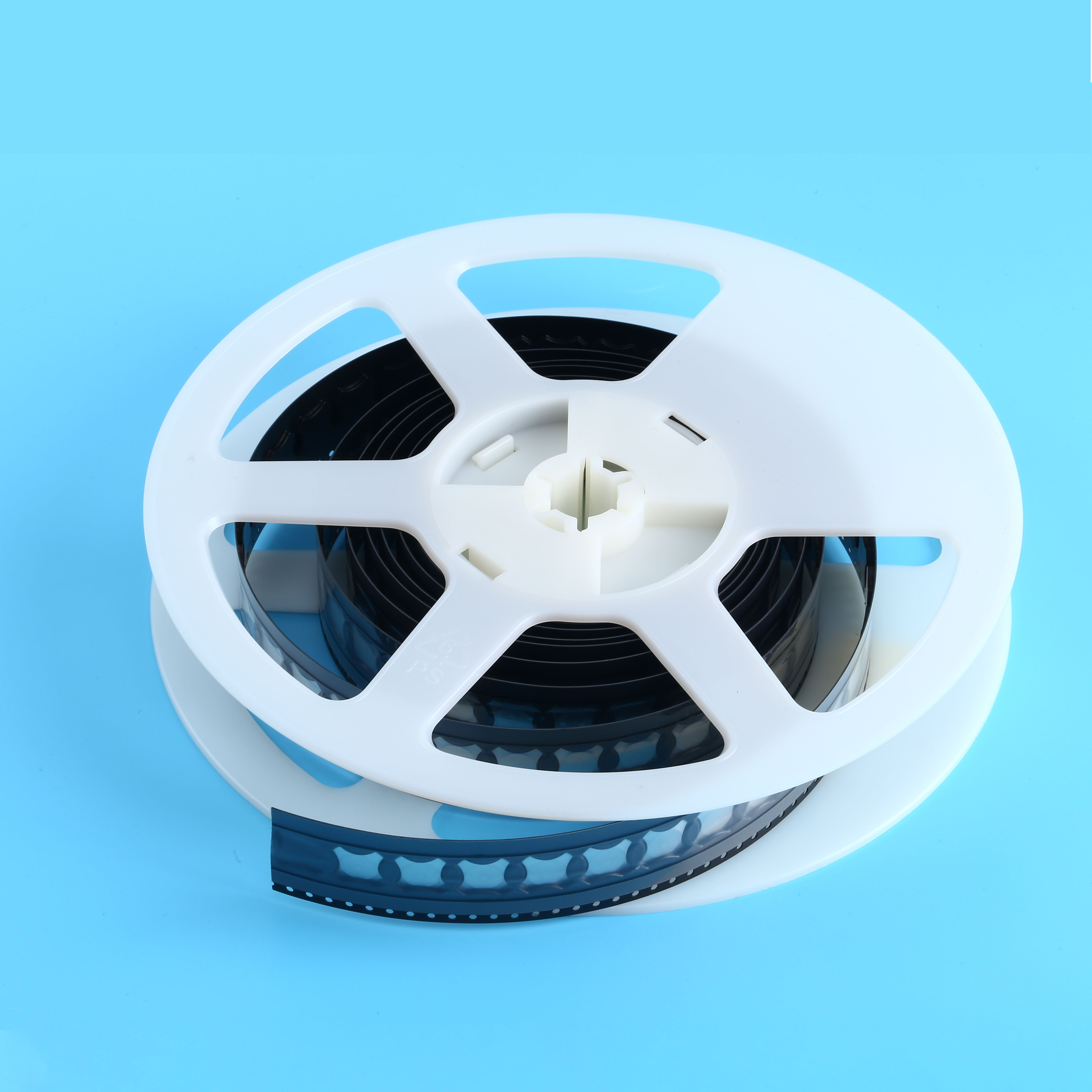
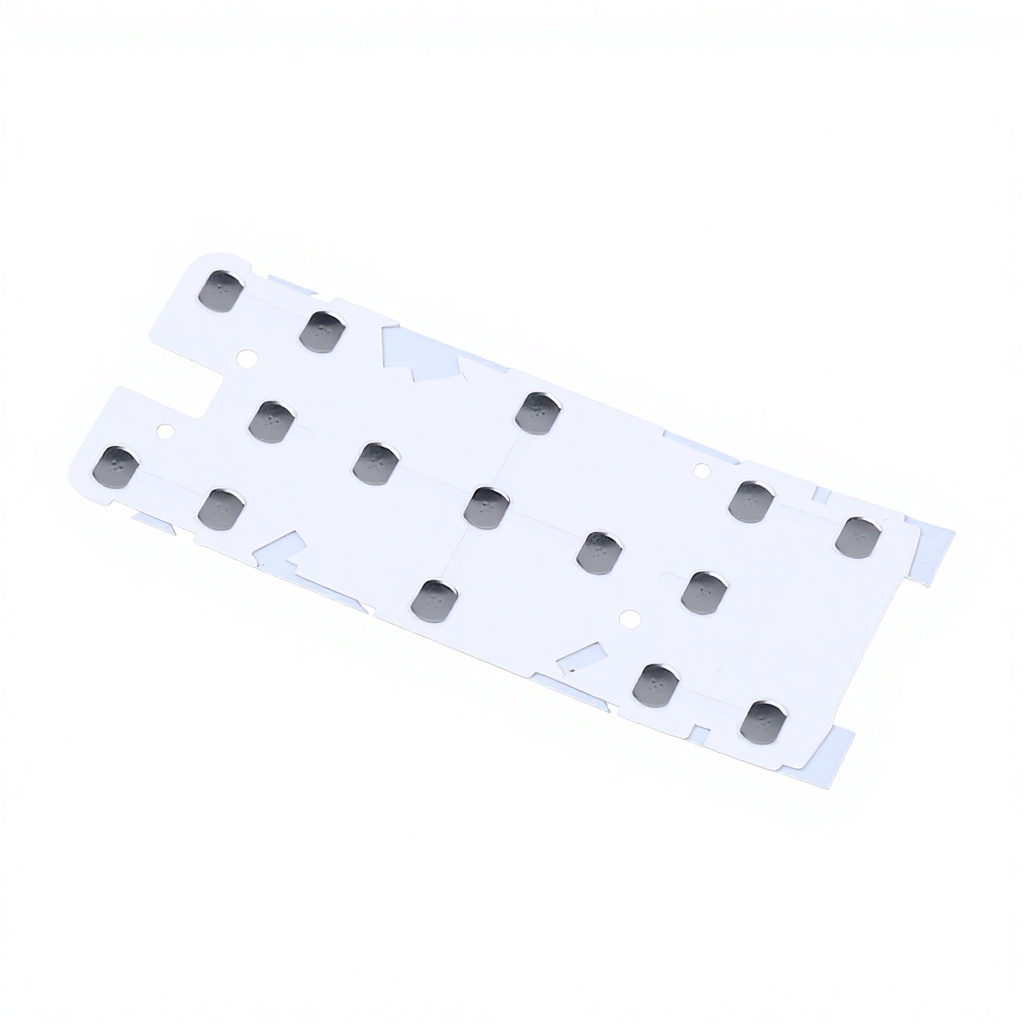
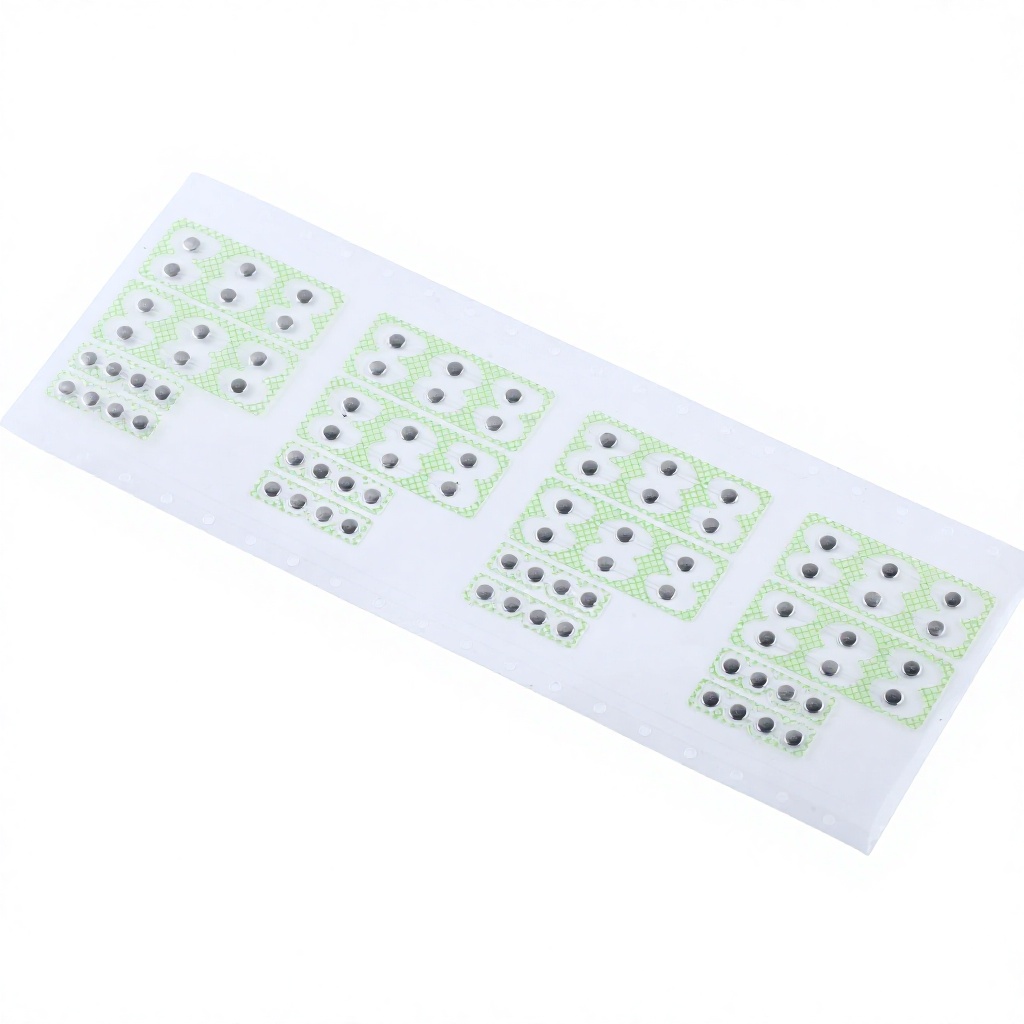
| Layer 3 | Dome Retainer & Venting Layer | Biaxially Oriented PET with Laser Cut Vents | Holds stainless-steel metal snap domes securely over contact pads. Features etched micro-venting channels that balance air displacement during fast actuation. |
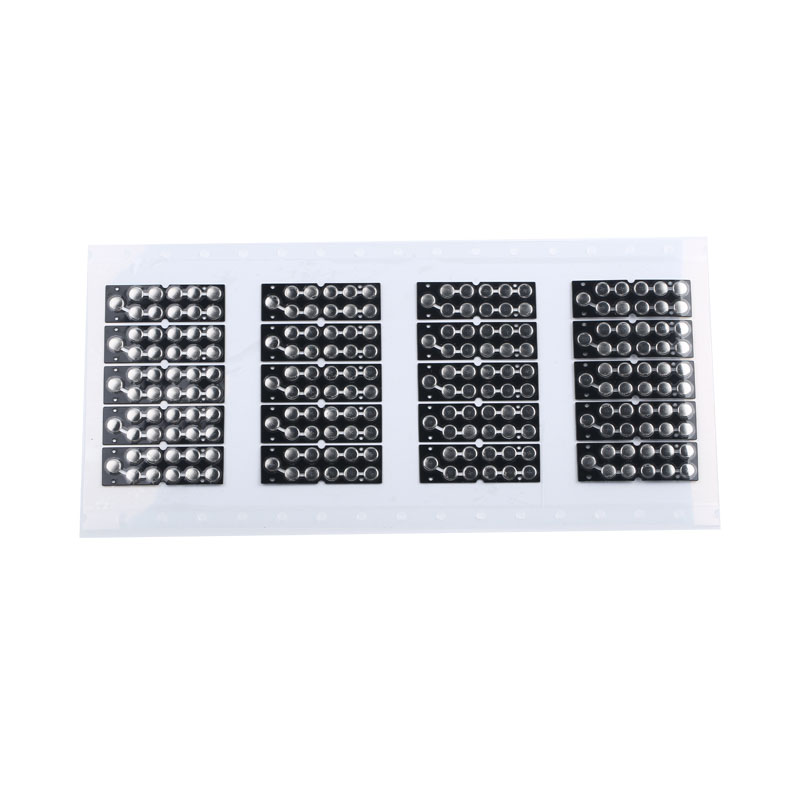
| Layer 4 | Tactile Elements | SUS301 Stainless Steel Domes (Nickel/Gold Plated) | Delivers crisp, positive tactile feedback (actuation force 220g - 450g) and short-circuits the trace contacts to register the keystroke. |
| Layer 5 | Circuit Spacer | DuPont Mylar PET (0.075mm - 0.188mm) | Establishes the precise mechanical switch air gap between resting dome legs and bottom printed contact surfaces, preventing accidental electrical shorts. |
| Layer 6 | Lower Circuit Trace | Conductive Silver + Carbon Ink on PET / FPC | Routing matrix paths that deliver electrical signals to the connector tail. Carbon overprinting acts as a barrier against silver migration and oxidation. |
| Layer 7 | Rear Mounting Adhesive | 3M 468MP / 3M 300LSE / Acrylic Foam | Anchors the complete switch assembly to the product housing (sheet metal, ABS injection molding, or cast aluminum enclosures). |
The Factory Advantage
Why Sourcing Directors Choose Dongguan Cevra
Established in March 2009, Dongguan Cevra Electronic Technology Co., Ltd. has developed into a dedicated leader in human-machine interface fabrication.
Complete In-House Manufacturing
Every process step—from silk-screen printing, precision CCD drilling, automatic layer lamination, laser die-cutting, through to metal dome array positioning—happens within Cevra’s 2,600㎡ facility, eliminating third-party subcontracting delays.
ISO 9001 & SGS Onsite Verified
The manufacturing premises, technical personnel, and quality systems undergo regular on-site verification audits by the SGS Group. Production complies with ISO 9001:2015 frameworks to guarantee traceable lot tracking from raw sheet to packaged units.
In-House Reliability Testing Lab
Cevra operates dedicated laboratory testing instruments, including dome actuation force-displacement curve testers, electrical insulation and loop resistance meters, thermal cycling test chambers, peel adhesion load testers, and pencil surface hardness testing stations.
Dongguan Location Advantage: Based in the Jinhe Community, Zhangmutou Town, Dongguan, Cevra is positioned directly within South China's global hardware heartland. This grants immediate, same-day access to tier-1 petrochemical films, specialty die-cutting adhesives, connector components, and direct international container ports in Shenzhen and Hong Kong.
Procurement Protocol
The Engineering RFQ Checklist for Membrane Keypads
Essential design specifications you need to prepare to ensure an accurate quote and avoid costly prototyping delays.
| Engineering Parameter | Recommended Specification Standard | Why It Matters for Production Yield |
|---|---|---|
| Vector Art & Mechanical Prints | Vector CAD (.DXF, .DWG, .STEP) & Artwork (.AI, .PDF) | Defines exact boundary cuts, display cutout positions, punch tolerances (±0.05mm), and pin-1 orientation for trace outputs. |
| Color Standards | Pantone Matching System (PMS) / RAL Codes | Guarantees exact color matching on translucent windows, opaque dead-fronts, and multi-color logo graphics across diverse print runs. |
| Tactile Actuation Force | Trip force target: 250g, 350g, or 450g (±30g) | Dictates metal snap dome sizing (8.4mm, 10mm, 12mm) and leg layout to match operator ergonomics (such as gloved vs. bare hand use). |
| Electrical Connection Pitch | 1.0mm, 1.27mm, 2.54mm ZIF / Female Crimp Housing | Ensures clean mating with motherboards or industrial terminal connectors while preventing trace pin cross-talk and resistance losses. |
| Operating Environmental Limits | Temperature range: -30°C to +75°C; 95% RH humidity | Determines whether base silver circuits require complete carbon encapsulation, UV dielectric insulation, or a polyimide FPC upgrade. |
Engineering Inquiries
Frequently Asked Questions in Membrane Panel Sourcing
Direct answers from Cevra’s technical team addressing key engineering trade-offs, tooling lifespans, and design parameters.
What is the fundamental difference between PET and Polycarbonate (PC) graphic overlays?
PET (Polyester, e.g., Autotype Autoflex): Offers unmatched mechanical flex life (well over 5 million switch actuation flexes without embrittlement) and superior resistance against harsh industrial solvents, isopropyl alcohol, fuels, and household chemicals. It is the default choice for raised tactile button embossing.
PC (Polycarbonate, e.g., SABIC Lexan): Provides optical clarity, higher dimensional rigidity, and is simple to deep-draw emboss or thermoform. However, PC exhibits lower resistance against aggressive chemicals and can develop stress micro-cracks under repeated button flexing. It is best suited for flat, non-tactile diagnostic panels or display window covers.
PC (Polycarbonate, e.g., SABIC Lexan): Provides optical clarity, higher dimensional rigidity, and is simple to deep-draw emboss or thermoform. However, PC exhibits lower resistance against aggressive chemicals and can develop stress micro-cracks under repeated button flexing. It is best suited for flat, non-tactile diagnostic panels or display window covers.
How can engineers prevent silver migration failure in humid environments?
Silver migration occurs when moisture and direct current (DC) electrical potential cause silver ions to travel across closely spaced circuit traces, triggering dendritic short circuits. To eliminate this issue, Cevra employs three proven safeguards:
- Carbon Overprint: Printing a conductive carbon barrier layer directly over all exposed silver conductor tracks.
- Dielectric Isolation: Applying double-pass cross-linking UV dielectric ink over the circuit runs.
- Copper FPC Transition: Recommending flexible etched polyimide circuits for extreme condensation applications.
What causes tactile bounce and how can actuation characteristics be optimized?
Switch bounce is the brief mechanical vibration (typically 1 to 5 milliseconds) when a metal snap dome contacts the trace pads. Circuit designers should incorporate a simple software RC debounce filter (10ms to 20ms delay) in their MCU firmware. Mechanically, choosing four-legged cross domes with a center dimple provides stable multi-point contact and ensures crisp switch snap-back.
What are the typical tooling costs and lead times for custom prototypes?
Because Cevra operates in-house laser cutting and digital film imaging systems, rapid prototyping tooling is streamlined. Functional prototype samples are typically delivered within 3 to 7 working days following mechanical artwork sign-off. High-volume hard steel die-cutting tooling for mass production runs typically requires 10 to 14 days to fabricate and validate.
Can membrane switches incorporate surface-mount LEDs and active optical displays?
Yes. Miniature surface-mount device (SMD) LEDs (in packages like 0603, 0805, or 1206) can be bonded into the circuit layer using conductive silver epoxy paste and secured with UV encapsulant resin. For uniform illumination across larger switch graphic fields or complex warning legends, ultra-thin Light Guide Film (LGF) layers are integrated into the stack-up to eliminate bright hot-spots.
How is hermetic ingress protection (IP65 / IP67) validated on finished panels?
Hermetic sealing relies on a continuous outer perimeter ring of high-cohesion acrylic adhesive (such as 3M 467MP or 468MP) positioned outside the trace vent holes. Finished switches undergo differential air-pressure decay decay testing and submersion spray tests to verify water and particulate resistance according to IEC 60529 standards.