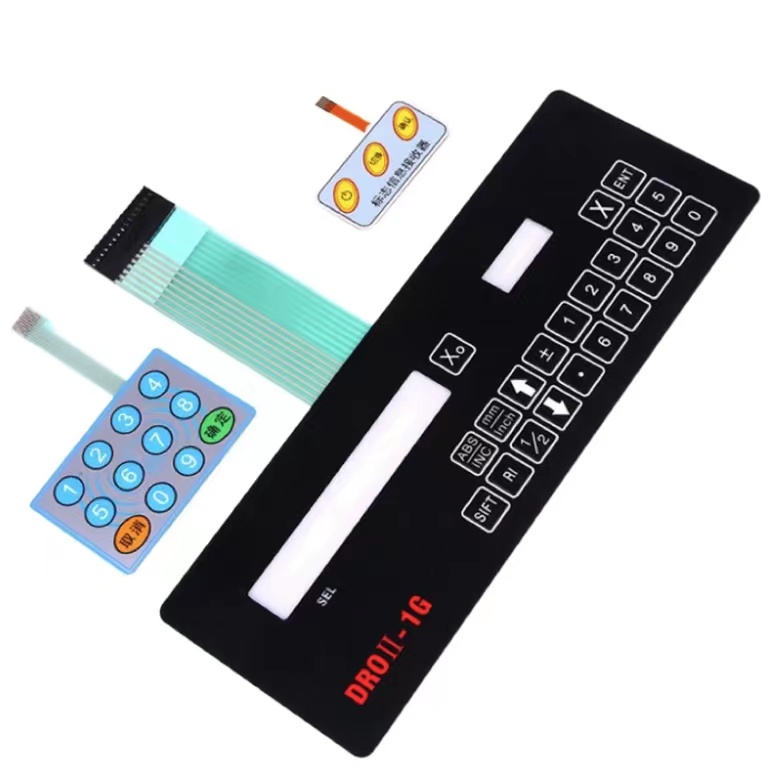
16+
Years Precision HMI Experience (Est. 2009)
2,600㎡
Class-100,000 Dust-Free Production Facility
1,000,000+
Actuation Cycle Reliability Guarantee
100%
Automated CCD & Electrical Inspection
Factory-Direct Catalog
Engineered Metal Dome & Membrane Switch Portfolio
Configured for industrial instrumentation, medical electronics, high-reliability automotive controllers, and waterproof smart appliances.
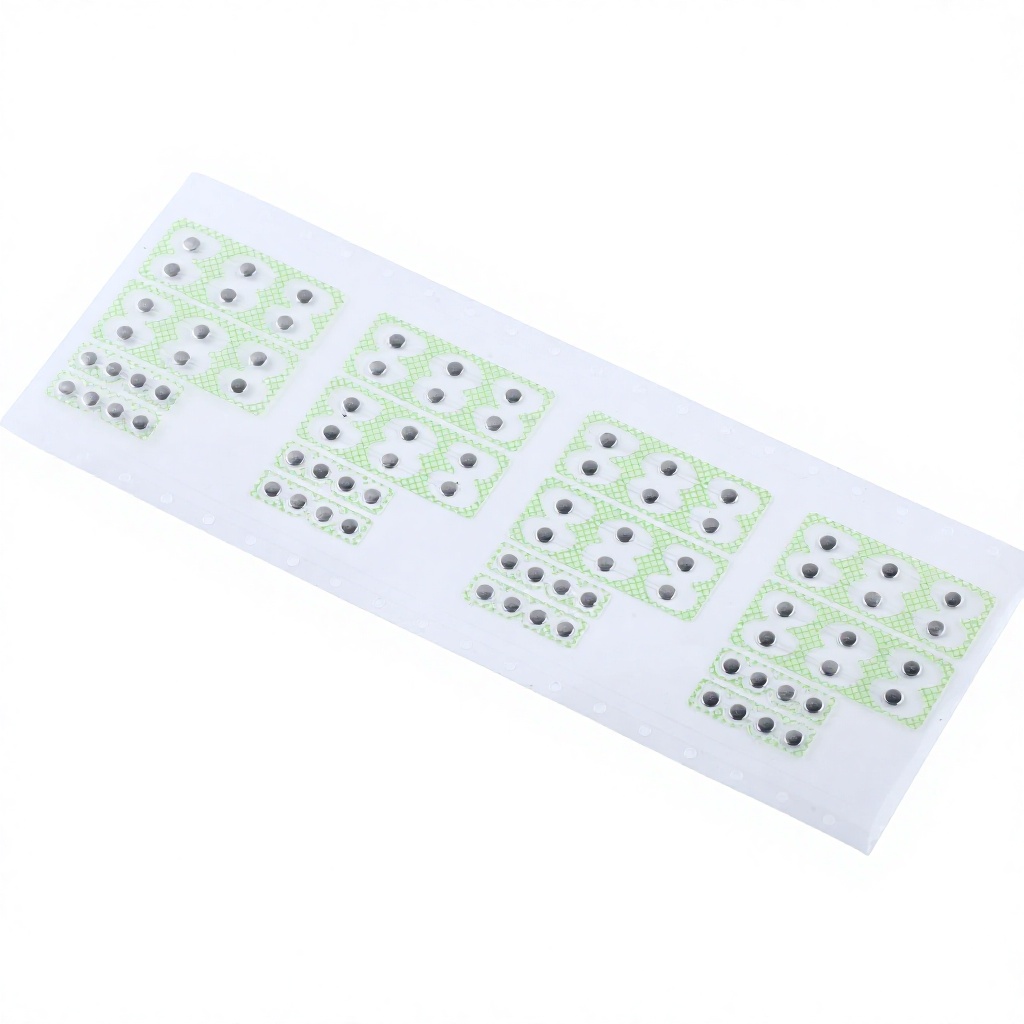
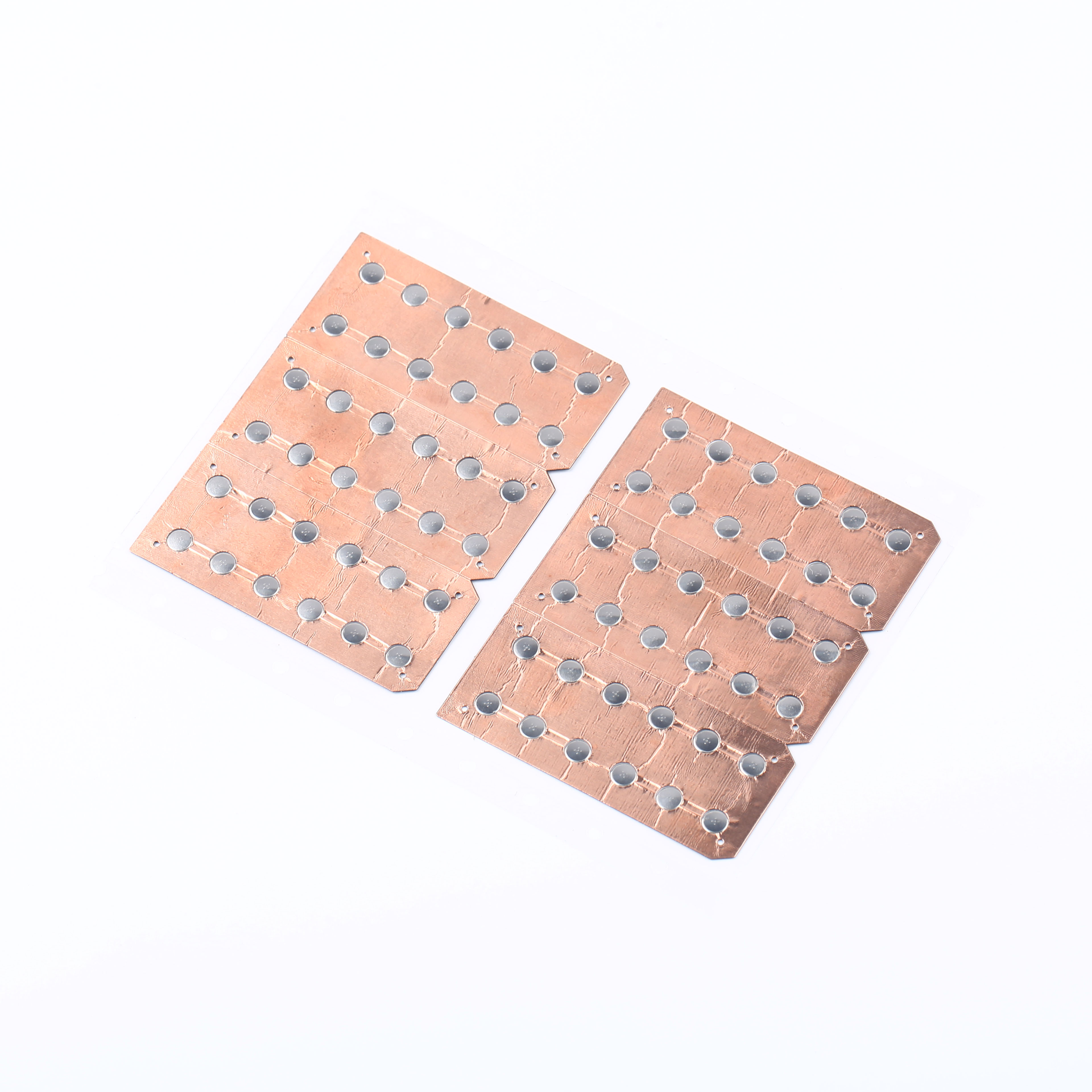
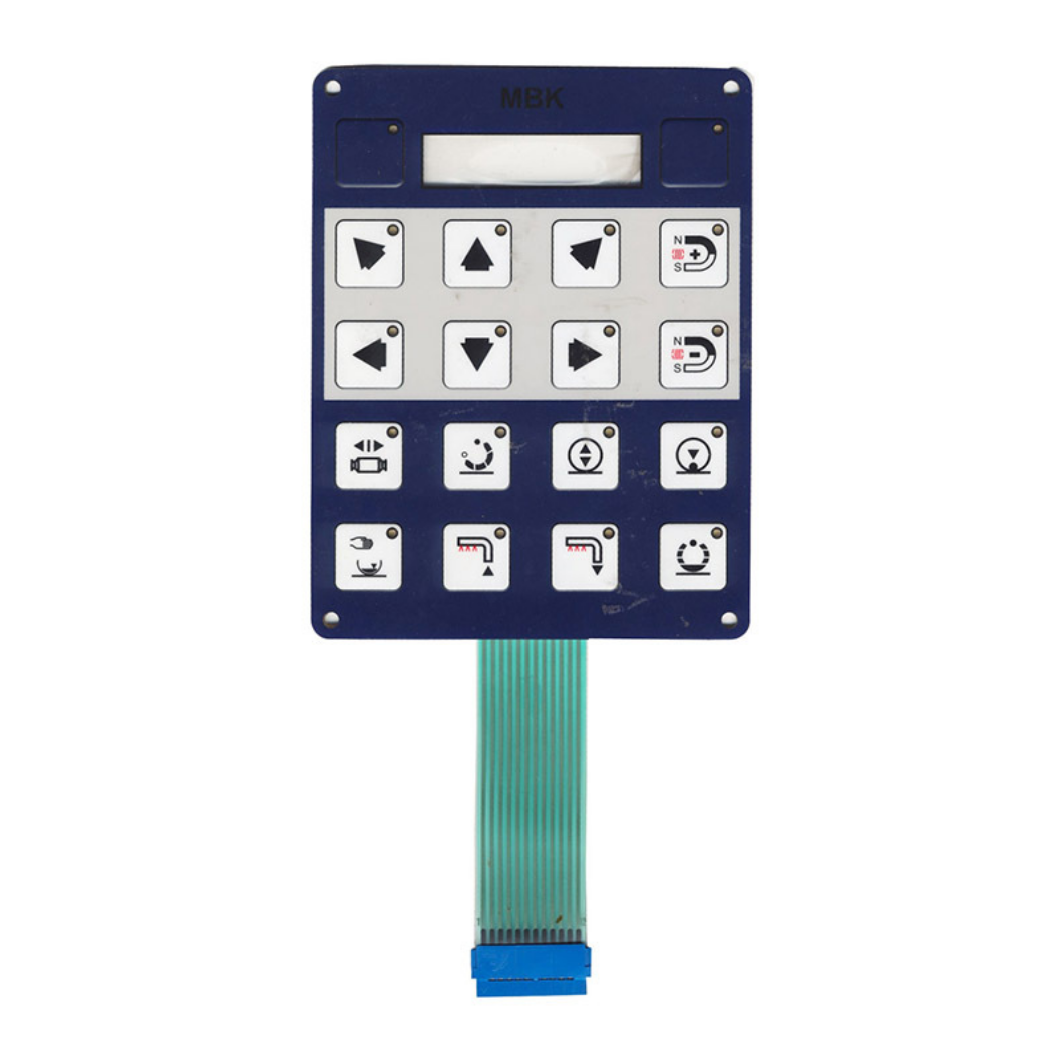
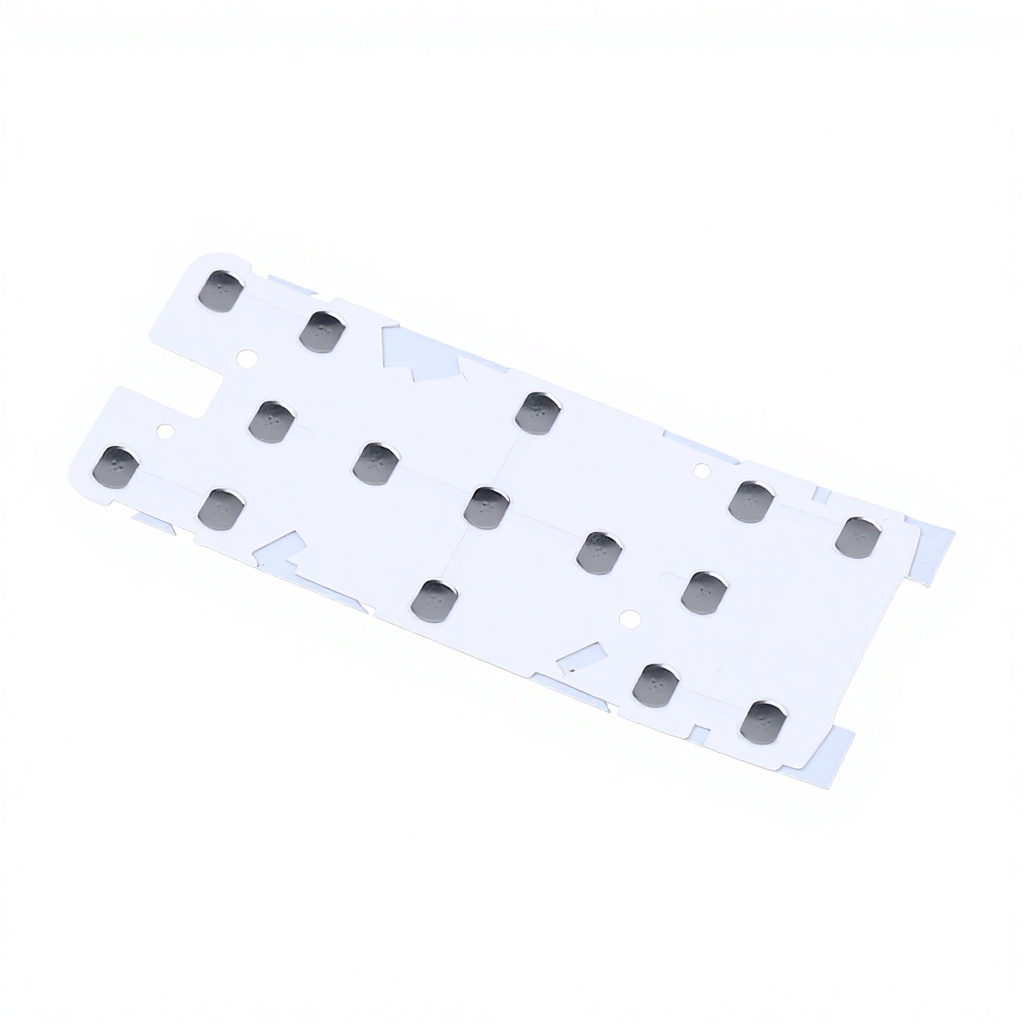
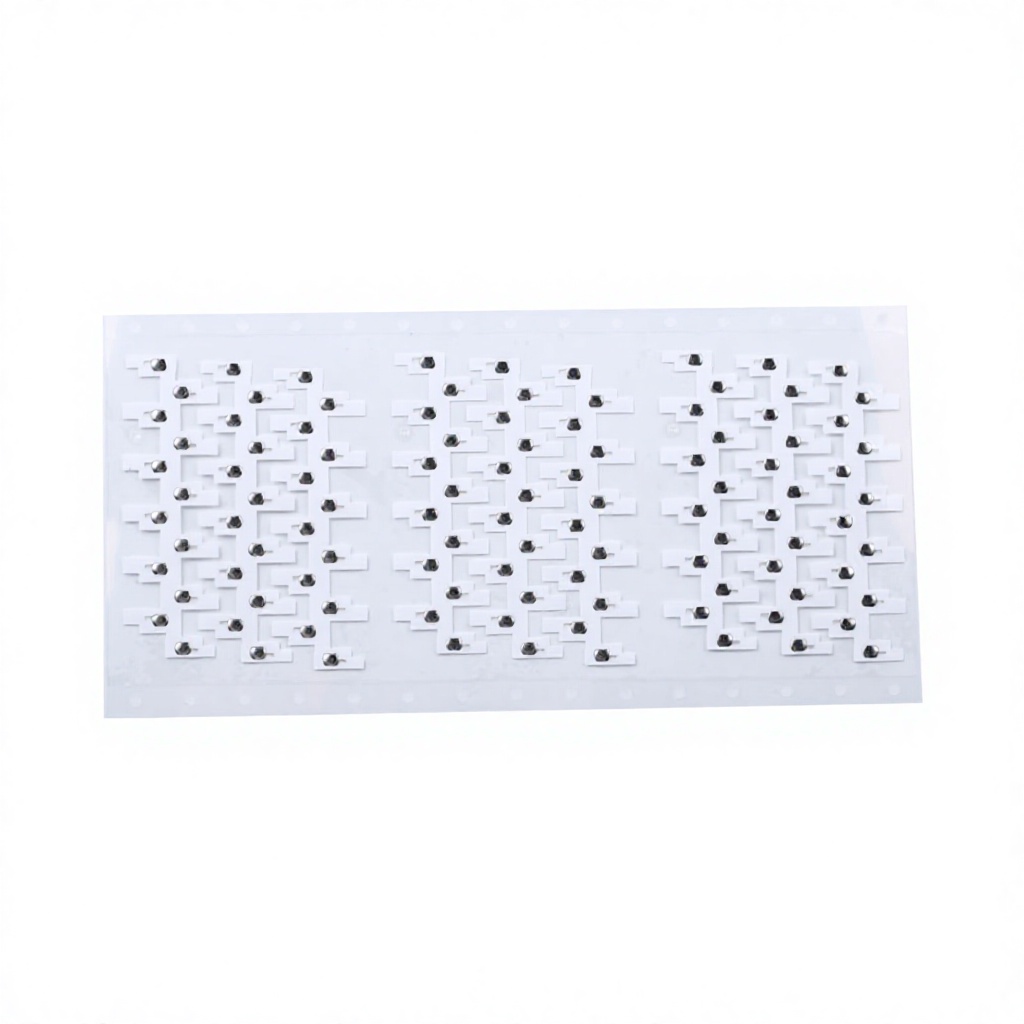
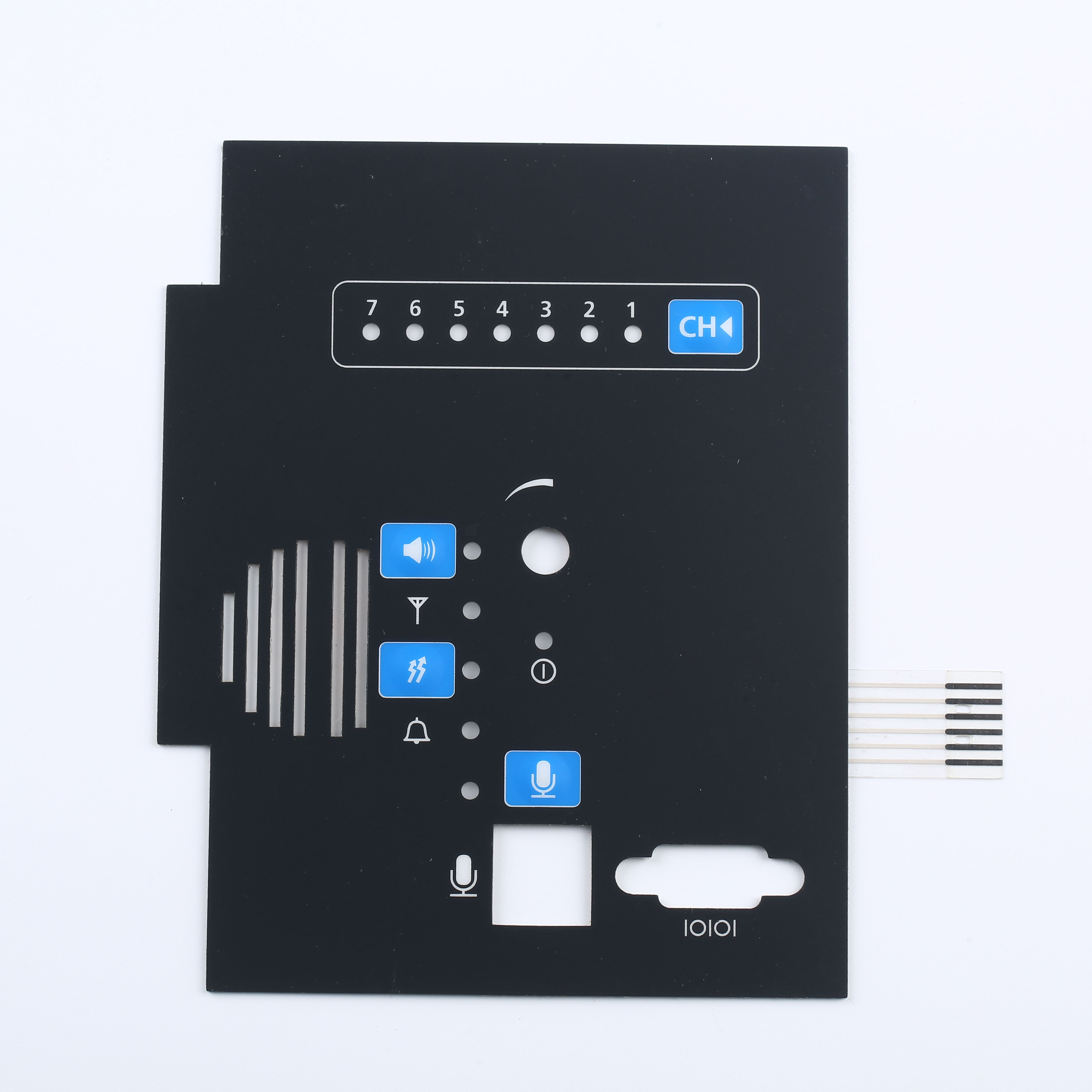
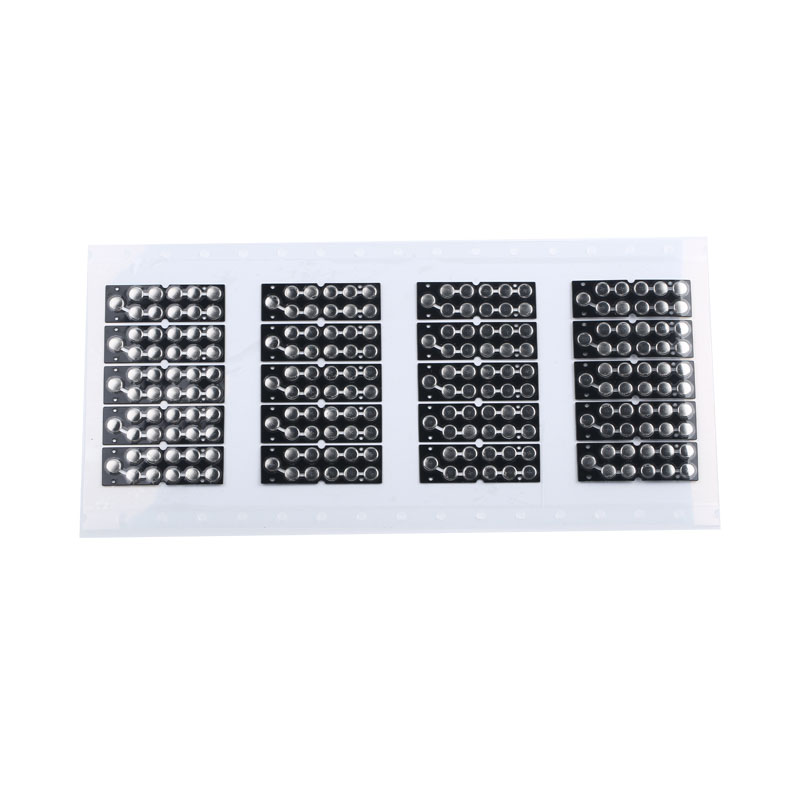
Comprehensive Engineering Architecture of Metal Dome Membrane Switches
A metal dome membrane switch is a multilayered Human-Machine Interface (HMI) designed to deliver mechanical tactile feedback, electrical signal switching, and environmental protection within an ultra-thin footprint (typically 0.8mm to 1.5mm). Unlike non-tactile polydome switches, metal dome configurations integrate stamped SUS301 stainless steel snap domes between the graphic overlay and printed conductive circuitry. Upon mechanical actuation, the metal dome collapses downward to bridge printed trace loops on flexible conductive layers—such as screen-printed silver ink on polyester (PET) or photo-etched copper on polyimide (FPC)—instantly closing the circuit while communicating clear tactile sensation to the end operator.
In demanding original equipment manufacturing (OEM) and custom original design manufacturing (ODM) environments, the switch must maintain electrical integrity under intense vibration, moisture intrusion, ESD transients, and broad temperature cycling (-40°C to +85°C). The fundamental structural stack comprises seven dedicated engineering strata:
1. Graphic Overlay & Surface Shield
Manufactured from premium Autotex PET or Lexan Polycarbonate (0.125mm to 0.25mm), subsurface screen-printed to resist solvents, UV fading, abrasion, and repeated sterilization.
2. Dome Retainer & Spacer Layer
Die-cut optical PET backed with structural acrylic adhesives (such as 3M 467MP or 3M 468MP), featuring micro air-vent channels that prevent internal pneumatic vacuum lock.
3. SUS301 Snap Dome Array
Precision-hardened stainless steel domes (nickel-plated or gold-plated options; 4-leg cross, circular, or triangular), calibrated with trip actuation forces from 160g to 450g.
4. Circuit Layer (Silver or FPC)
Conductive trace pathways printed via high-density conductive silver flake emulsion or etched copper polyimide, finished with carbon ink overcoating for anti-migration protection.
5. Rear Barrier Adhesive Layer
Engineered pressure-sensitive adhesive selected specifically for mounting substrate surface energies (such as powder-coated metals, aluminum chassis, ABS, or molded polypropylene).
6. ESD & EMI Protective Matrix
Integrated full-coverage aluminum foil or printed grid conductive shielding layers directly grounded to eliminate catastrophic electrostatic discharge up to 15kV.
Design-for-Manufacturability (DFM) Core Rule
Tactile domes require proportional venting to guarantee optimal life cycles. When an operator presses a sealed dome, trapped air volume must escape through engineered internal vent channels connecting neighboring chambers. Without micro-vent channels, air compression increases actuation force variability, causes false triggering, and dramatically accelerates dome rim metal fatigue.
Tactile Metal Dome vs. Polydome vs. Capacitive Touch Keypads
Selecting the optimal control interface architecture requires an analytical balance of operating environment, ergonomic requirement, ingress protection, and budget tolerances. Review the comparison matrix below:
| Engineering Attribute | SUS301 Metal Dome Switch | Polyester Polydome Switch | Capacitive Touch Membrane |
|---|---|---|---|
| Tactile Feedback | Crisp, unmistakable mechanical snap | Soft, rubbery tactile response | Zero physical click; requires buzzer/LED |
| Operating Life Expectancy | 1,000,000 to 5,000,000 actuations | 100,000 to 500,000 actuations | Virtually infinite (solid-state) |
| Operating Temperature Range | -40°C to +85°C (Stable trip force) | -20°C to +55°C (Plastic memory degrades) | -40°C to +85°C (Controller dependent) |
| Contact Resistance | < 1.0 Ω (Nickel/Gold options < 100mΩ) | 10 Ω to 100 Ω (Carbon printed contacts) | N/A (Sensing circuit controller logic) |
| Glove / Wet Usability | Excellent; uninhibited by thick gloves | Good; relies on direct pressure | Requires advanced algorithm tuning |
| Ingress Protection Capability | Up to IP67 with perimeter gasket seals | Up to IP65 | Up to IP68 hermetically solid seal |
Emerging Procurement & Technology Trends in Membrane Interfaces
The global human-machine interface sector is witnessing a paradigm shift. Procurement directors and hardware design authorities are no longer sourcing disconnected pushbuttons; the demand has transitioned towards integrated, intelligent, and thin front-panel subassemblies. Leading OEMs and B2B buyers must evaluate four major industry developments when structuring long-term sourcing strategies:
1. Unified Backlighting: LGF & Side-Emitting LEDs
Traditional discrete LEDs create unsightly hot-spots on graphic overlays. Emerging designs leverage ultra-thin Light Guide Film (LGF, 0.125mm) paired with side-firing SMD LEDs to deliver uniform, diffused icon illumination while decreasing overall keypad thickness and power consumption.
2. Hybrid Membrane-to-FPC Transitions
While screen-printed silver tracks on PET remain cost-effective for standard matrix switches, high-density circuits, fine-pitch ZIF terminations (down to 0.5mm), and direct surface-mount (SMT) microcontrollers necessitate copper polyimide (FPC) backings to prevent silver migration under high-humidity environments.
3. Complete Turnkey "Box-Build" Modules
Procurement teams are reducing supply chain complexity by contracting single-source suppliers capable of bonding membrane switches directly to machined aluminum faceplates, injection-molded ABS/PC bezels, and back-mounted display lenses with optically clear adhesives (OCA).
Why Partner with Cevra: Integrated In-House Production & Quality Rigor
Operating out of Dongguan, China—the epicenter of precision electronics manufacturing—Dongguan Cevra Electronic Technology Co., Ltd. (founded in March 2009) bridges the gap between rapid prototyping and volume production. We do not act as a trading intermediary; every processing phase is executed within our 2,600㎡ dust-free workshop under an ISO 9001 certified Quality Management System and validated via independent onsite audits by SGS Group.
SGS & ISO 9001 Verified Facility
Our operational management, traceability workflows, and fabrication standards undergo periodic onsite audits by SGS Group, assuring reliable adherence to international OEM criteria.
Automated Precision Infrastructure
From high-speed automated screen printing lines and CCD optical drilling machines to precision laser cutters and automated laminators, human handling error is engineered out.
Exhaustive Reliability Metrology
Every batch is qualified via in-house instrumentation: metal dome load-displacement testers, high/low thermal shock chambers, tension peel testers, holding tack fixtures, and pencil hardness gauges.
Procurement Knowledge Base
Frequently Asked Questions by OEM/ODM Hardware Buyers
Technical guidance to accelerate your request-for-quotation (RFQ) cycle and mitigate production risks.
What specific technical files are required to initiate an accurate RFQ and DFM review?
To provide a precise quotation and manufacturability assessment, please supply:
(1) Graphic artwork in vector format (.AI, .CorelDRAW, or vector .PDF) specifying Pantone (PMS) or RAL color codes;
(2) Mechanical dimensional drawings (.DWG or .DXF) detailing external outlines, key embossing geometry, cutout windows, and tail routing;
(3) Electrical schematic or circuit routing netlist detailing connector pinouts, tail pitch (e.g., 1.0mm, 2.54mm), LED positions/polarities;
(4) Desired tactile actuation force (e.g., 280g) and target operating environment conditions.
When should our engineering team specify Autotex PET over Polycarbonate (PC) for the graphic overlay?
Polycarbonate (PC) offers superior optical clarity for display windows, high heat resistance, and ease of deep thermoforming embossing. However, PC is prone to micro-cracking and chemical degradation when exposed to harsh industrial solvents, alcohol wipe downs, or prolonged cyclic flexure. Polyester (PET, such as MacDermid Autotex) exhibits exceptional cyclic switch flexural fatigue resistance (surpassing 5 million cycles), outstanding tensile memory, and superior chemical immunity, making it the mandatory standard for medical equipment, laboratory devices, and heavy industrial panels.
How do you prevent silver migration and oxidation in humid operating environments?
Silver migration occurs when moisture and direct current (DC) voltage potential cause silver ions to migrate across adjacent trace gaps, forming dendritic dendrites that induce electrical short circuits. Cevra mitigates this risk by: (1) Applying continuous screen-printed conductive carbon or dielectric graphite overcoats atop all silver pathways; (2) Maintaining minimum spacing rules of ≥0.5mm between opposing voltage conductors; (3) Utilizing hermetic perimeter adhesive gasket barriers (e.g., 3M 200MP series); or (4) Transitioning high-density circuits to copper-clad flexible polyimide (FPC) circuits where environmental moisture ingress is high.
What are the electrical and mechanical tolerances for custom metal dome switch assemblies?
Standard tolerances achieved across our Dongguan production lines include: Outer perimeter die-cutting: ±0.15mm; Graphic overlay print registration: ±0.10mm; Key embossing height: ±0.15mm; Switch contact bounce: <5ms; Closed circuit contact resistance: <1.0Ω for silver traces (<100mΩ for copper FPC); Dome trip actuation force tolerance: ±20g to ±30g depending on dome diameter; Standard insulation resistance: >100MΩ at 100V DC.
What Minimum Order Quantities (MOQ) and prototype lead times does Cevra support?
To support NPI (New Product Introduction) cycles, we accommodate prototype runs starting as low as 10 to 50 pieces for custom graphic overlays and 100 pieces for full membrane switch assemblies. Precision steel-die mass production starts at 500 to 1,000 units. Prototyping turns generally take 5 to 8 working days following engineering artwork approval, while volume production runs typically ship within 12 to 18 working days.
Accelerate Your Interface Engineering with Cevra
Connect directly with our senior HMI application engineers in Dongguan for design-for-manufacturability reviews, stack-up optimization, and factory-direct project quotes.
Inquire Now