Featured OEM/ODM Metal Dome Arrays & Tactile Membrane Assemblies
Explore our primary manufacturing line of precision-stamped stainless steel tactile domes, flexible circuit arrays, and graphic overlay control interfaces built to exact dimensional and force tolerances.
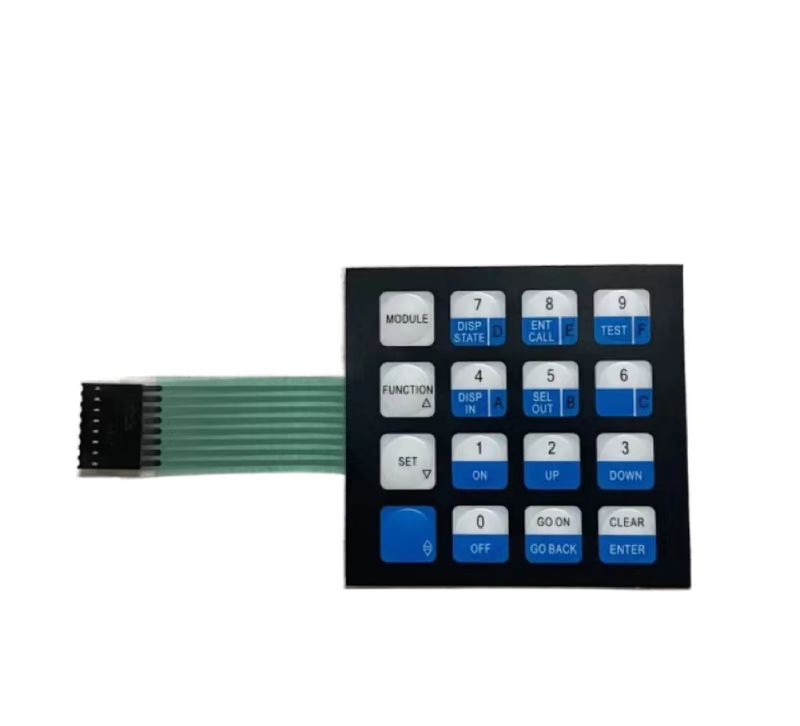
Custom Diy 4x4 Tactile Dome Flexible Membrane Switch
- Configuration: 4x4 Matrix Keypad
- Feedback: Crisp Metal Snap Dome
- Base Circuit: Flexible Polyester (PET)
- Actuation Life: > 1,000,000 Cycles
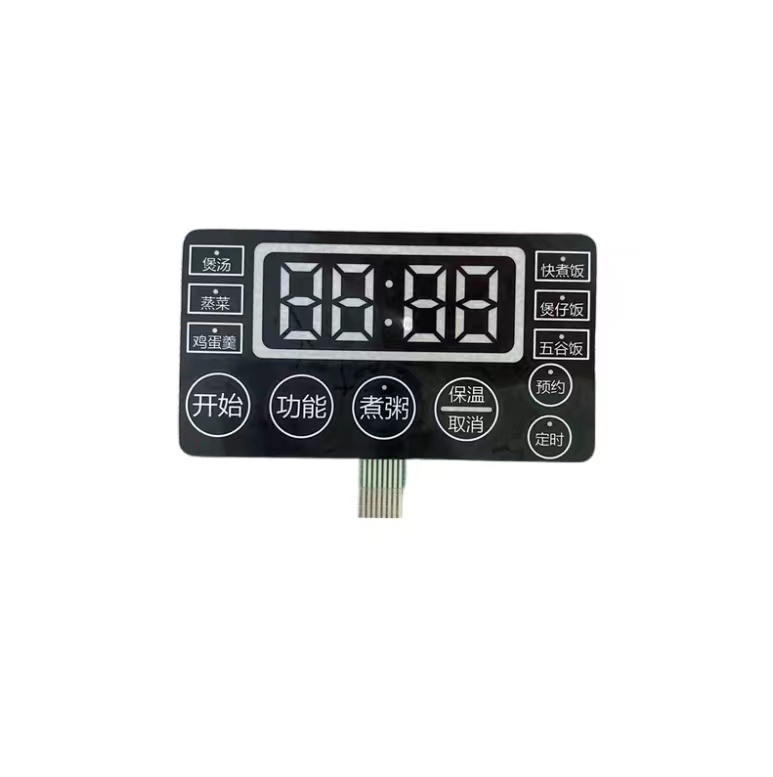
Factory Direct Membrane Switch Black Panel Control
- Overlay Material: Polycarbonate (PC)
- Surface Finish: Matte Non-Glare Velvet
- Adhesive Layer: High-Tack 3M Pressure-Sensitive
- Application: Industrial Instrumentation
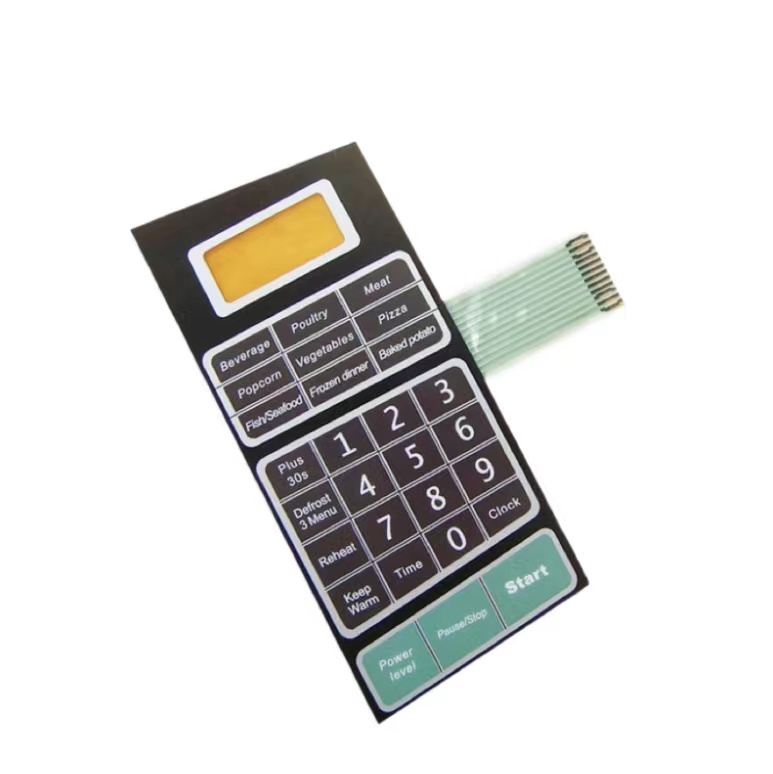
Low MOQ Custom Membrane Switch Panel Keypad
- Rapid Prototyping: Fast 5-7 Day Turnaround
- Sealing Standard: IP65 Moisture Barrier
- Tail Pitch: 1.0mm / 2.54mm Standard
- MOQ Flexibility: Starting from 100 pcs
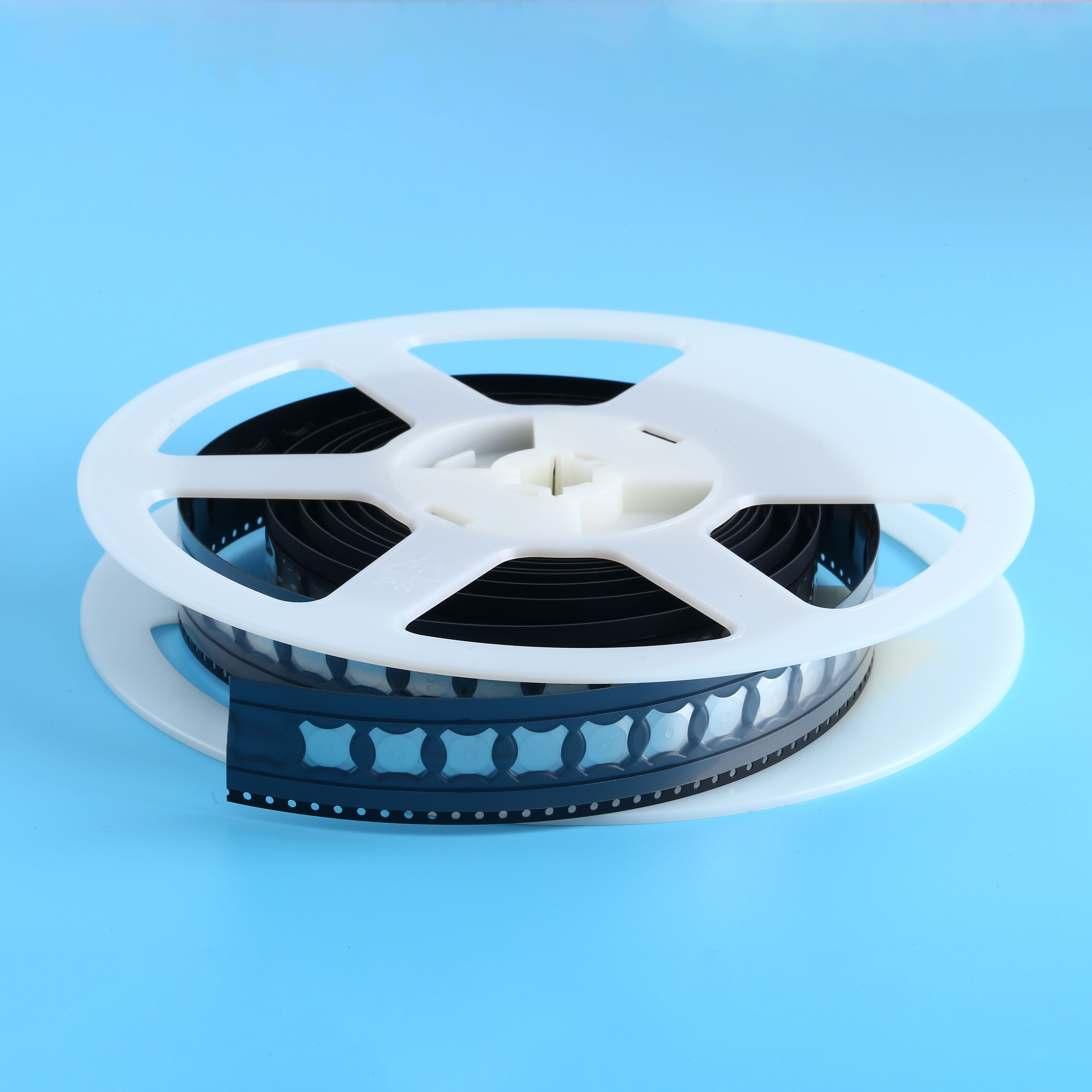
Single Layer Transparent PET Metal Dome Array
- Carrier Film: Optically Clear PET
- Dome Style: SUS301 Nickel Plated
- Venting: Micro-Channel Air Channels
- Target Unit: Remote Controls & Consumer
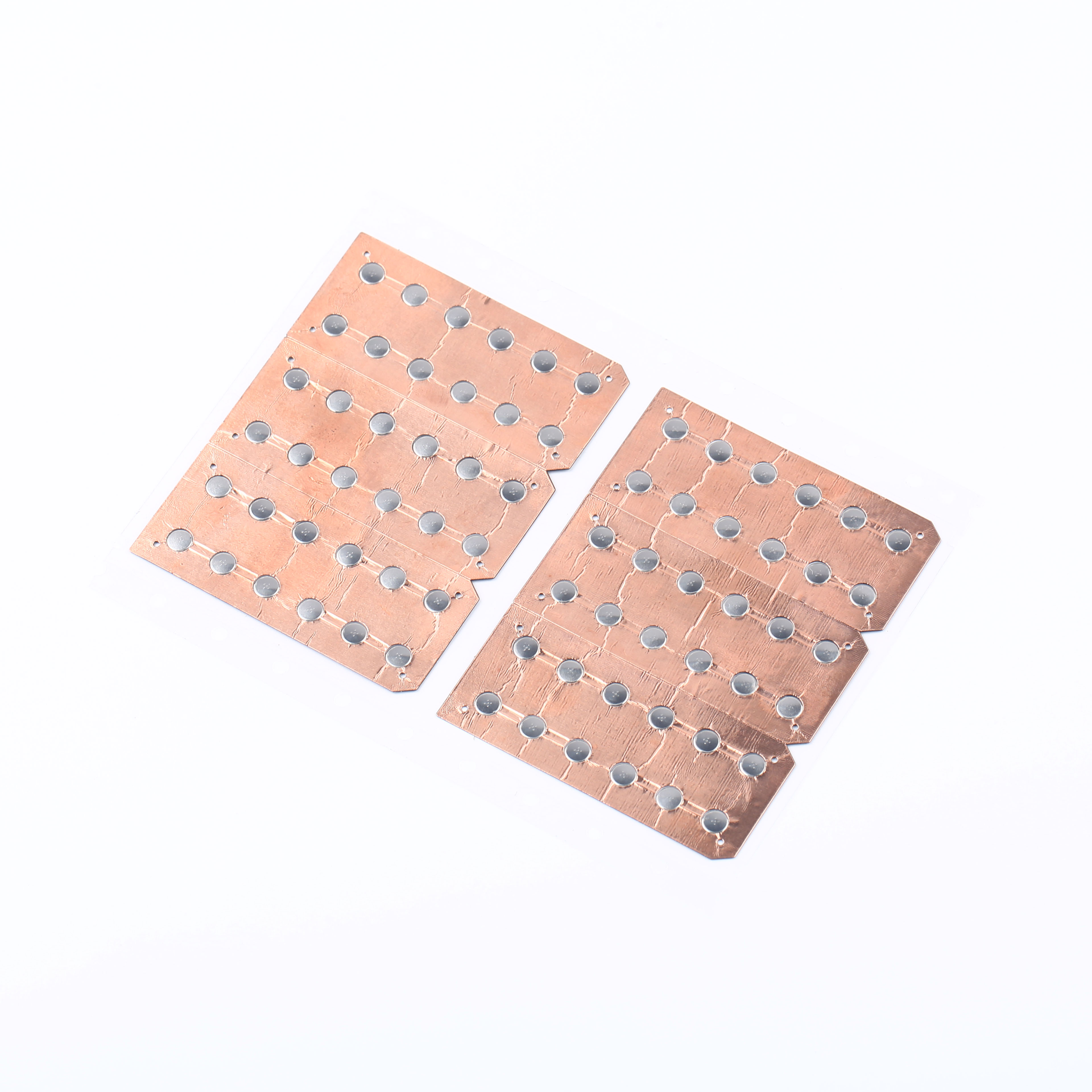
Round Metal Snap Dome Sheet with Copper Foil Array
- Shielding: Integrated Copper Foil Layer
- Dome Profile: Round Tactile Snap Dome
- EMI Attenuation: High RFI/ESD Protection
- Attachment: Self-Adhesive Pressure Tape
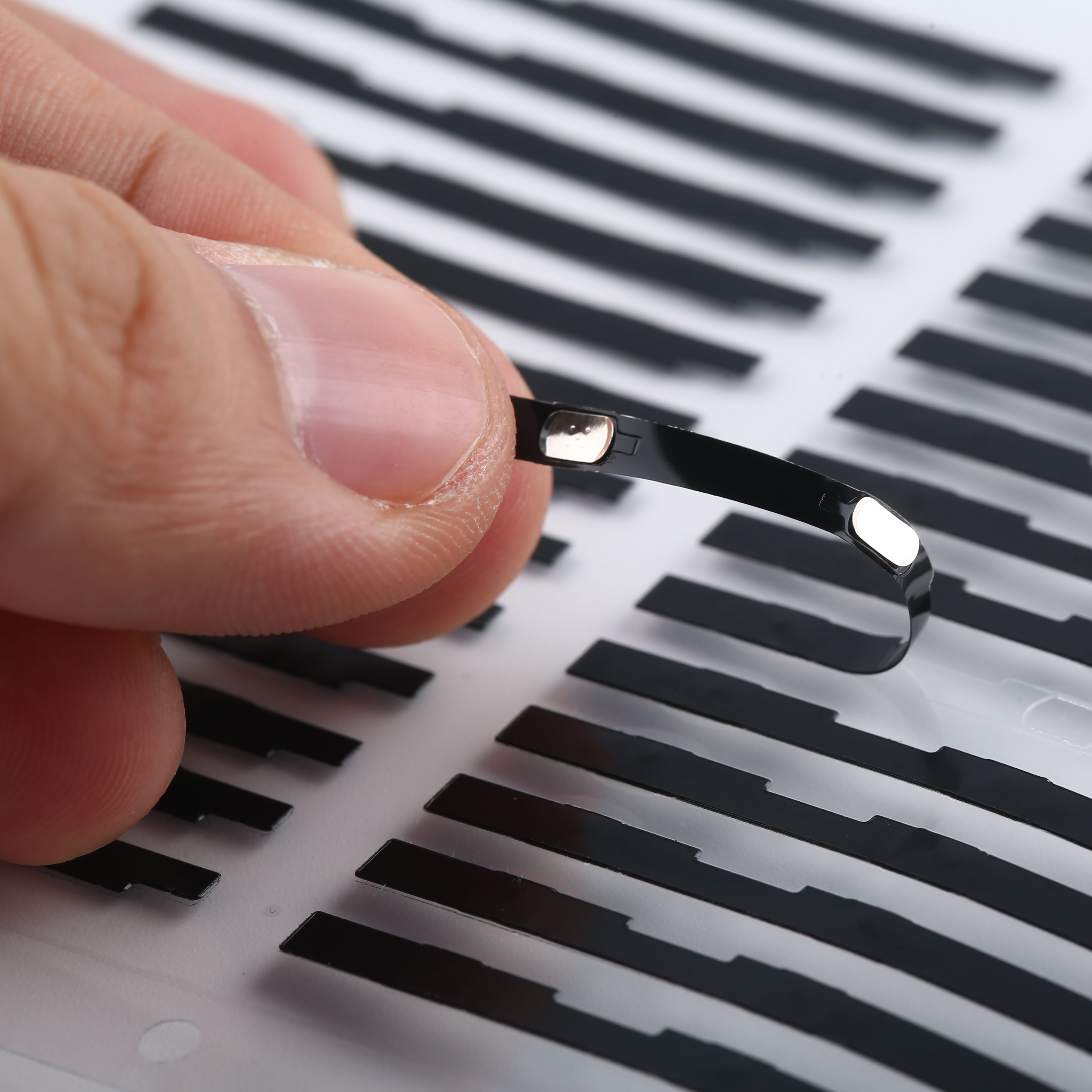
Oval Metal Dome Array for Headphone Controls
- Dome Geometry: Compact Oval / Oblong
- Travel Distance: 0.20mm - 0.35mm Crisp Trip
- Form Factor: Ultra-Narrow Profile
- Ideal For: Audio Devices & Wearables
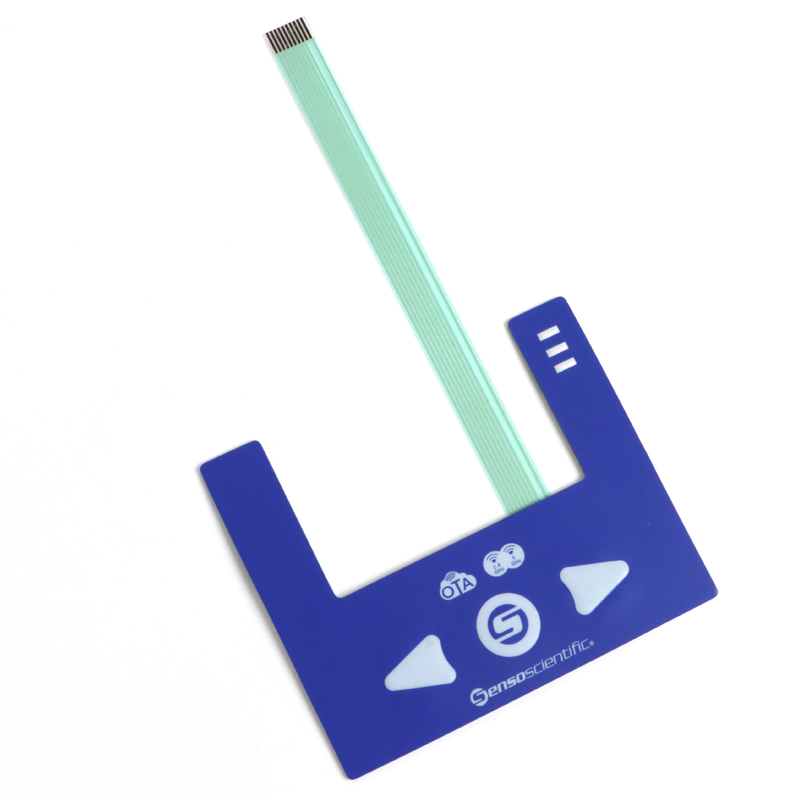
Custom Membrane Keypad with Integrated LEDs
- Illumination: SMD LEDs Embedded
- Embossing: Rim / Pillow Key Tactile Zones
- Overlay: Autotex Hardcoated Textured PET
- Connector: Female Locking Amphenol / FCI
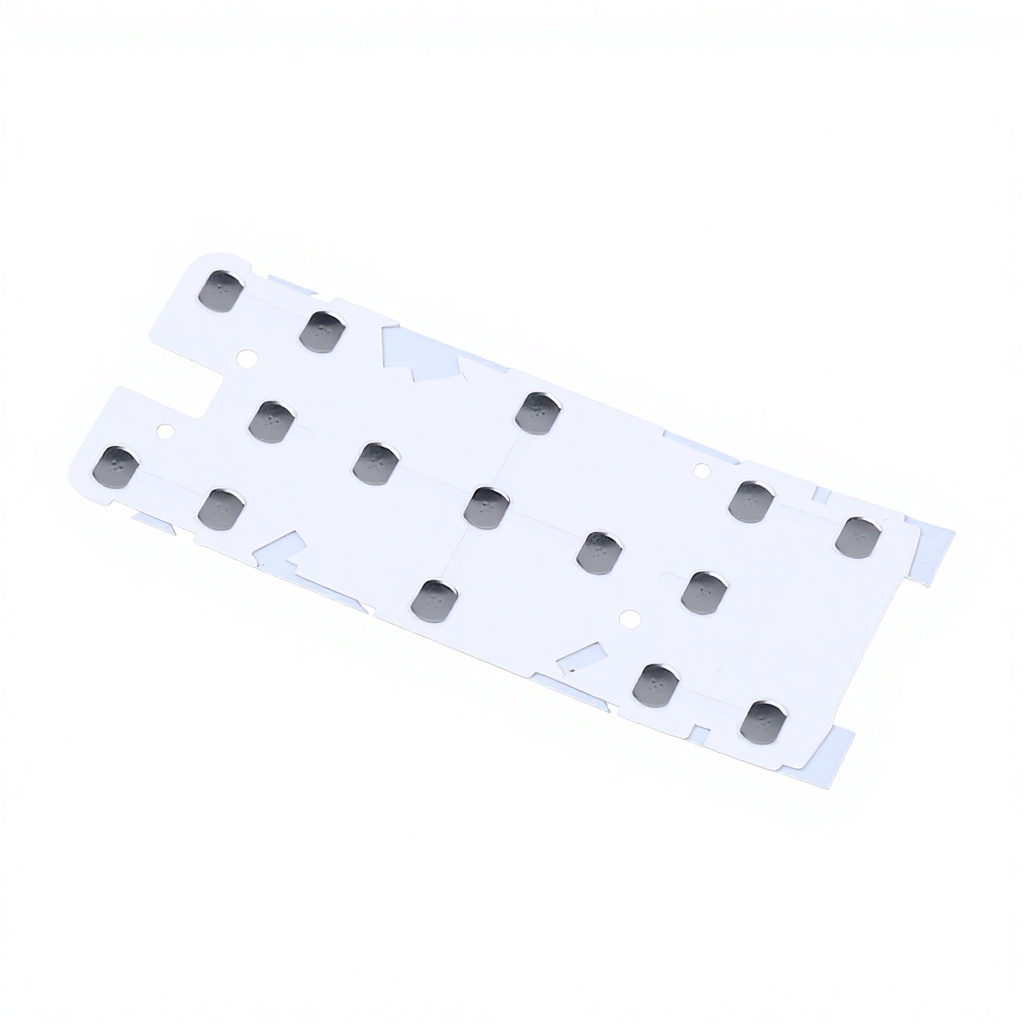
White PET Waterproof SUS301 Stainless Dome Array
- Raw Metal: SUS301-CSP High Fatigue Grade
- Base Color: Reflective White High-Bond PET
- Waterproof Seal: IP67 Perimeter Ring Barrier
- Actuation Force: 160g / 220g / 280g Customizable
The Anatomy of Precision Metal Dome Arrays: Mechanics, Metallurgy, and Stack-Up Chemistry
Metal dome arrays (also termed snap dome sheets or tactile dome carriers) serve as the core tactile engine in contemporary Human-Machine Interfaces (HMIs). By pre-positioning stamped stainless steel snap domes on pressure-sensitive adhesive carrier films, engineers eliminate manual discrete dome placement, optimize PCB assembly throughput, and deliver predictable acoustic and haptic user feedback.
C_R = ((F_t - F_r) / F_t) * 100, where F_t represents trip (actuation) force and F_r represents return (release) force. A tactile snap ratio between 45% and 65% yields the optimal human tactile perception across medical diagnostic instruments, aerospace control grips, and mission-critical industrial handhelds, preventing operator input fatigue and double-trigger errors.
Substrate Metallurgy: SUS301-CSP
We source ultra-pure SUS301-CSP 3/4H and full-hard stainless strip steel from verified Japanese and global mills. This metallurgical baseline ensures exceptional yield strength, resisting microscopic elastic degradation, plastic deformation, and contact bounce even after exceeding 1,000,000 continuous switch cycles under harsh temperature swings.
Venting Channels & Damping Prevention
Rapid tactile dome depression compresses enclosed air underneath the arch. Without engineered laser-drilled or micro-slit venting channels in the spacer and carrier layers, air damping creates internal backpressure. Our CAD-modeled arrays integrate interconnecting vent paths to guarantee instantaneous return response without mechanical lag.
Adhesive Chemistry & Peel Integrity
Carrier sheets deploy high-temperature, pure acrylic adhesive formulations such as genuine 3M 467MP, 3M 468MP, or optical-grade modified polyacrylics. These materials provide outstanding shear strength, chemical solvent resistance, and zero plasticizer bleed-out when exposed to automotive environmental testing chambers.
Technical Geometry Matrix: Selecting the Right Snap Dome Architecture
| Dome Profile | Common Diameters (mm) | Actuation Force Range (g) | Travel Height (mm) | Contact Reliability | Primary Industrial Use Case |
|---|---|---|---|---|---|
| 4-Leg Cross Domes | 6.0, 8.4, 10.0, 12.0, 14.0 | 160g – 500g (±20g) | 0.25 – 0.65 | Superior (Bridge across circuit lines) | Single/double-sided PCBs, membrane switches, heavy machinery |
| Round / Circle Domes | 3.0, 4.0, 5.0, 6.0, 8.0 | 100g – 300g (±15g) | 0.12 – 0.30 | High (Requires concentric contact pad) | High-density compact keyboards, remotes, optical medical interfaces |
| Triangular Snap Domes | 5.0, 6.0, 7.0, 8.0, 10.0, 12.0 | 180g – 450g (±25g) | 0.20 – 0.45 | High (3-point stable seating) | Ultra-tight space constraints where legs cannot interfere with vias |
| Oblong / Oval Domes | 3.0 x 4.0, 4.0 x 7.0, 5.0 x 8.0 | 150g – 320g (±20g) | 0.15 – 0.35 | Moderate to High | TWS earbuds, rocker switches, handheld audio, narrow bezels |
Future Procurement Trends: How Strategic Buyers Are Navigating Tactile HMI Sourcing
Procurement managers and supply chain directors in Tier-1 automotive, medical, and electronic equipment verticals are moving beyond transactional pricing. High-precision tactile array procurement has transitioned into risk-mitigation engineering, automated SMT compatibility, and supply chain transparency.
1. Transition to Pre-Packaged Custom Arrays Over Loose Domes
Loose metal domes placed via manual pick-and-place or bowl-fed placement heads introduce electrostatic misalignment, adhesive contamination, and excessive SMT downtime. Global procurement teams increasingly specify pre-assembled, 100% position-verified dome array sheets. A single peel-and-stick array placement applies dozens of switches simultaneously, drastically reducing factory line operator costs.
2. Stringent Quality Auditing & Provenance Transparency
Supply disruptions have pushed procurement leaders to eliminate brokers and unverified trading houses. Engineering buyers require full factory transparency: direct access to ISO 9001:2015 registries, onsite third-party audits by SGS or TÜV, documented incoming inspection protocols for raw SUS301 coil lots, and lot-traceable statistical dome load-displacement curve charts.
3. Hybrid Tactile Interfaces with Integrated Backlighting
The convergence of modern sleek touch aesthetics with physical tactile security has spawned hybrid assemblies. Sourcing departments seek suppliers capable of co-laminating ultra-thin Light Guide Films (LGF) or embedding chip LEDs directly beneath or beside the snap domes, achieving brilliant, uniform key legends without compromising tactile travel or actuation force integrity.
Technological Innovations in Tactile Dome Array Manufacturing
As consumer, aerospace, and medical devices become thinner, lighter, and subjected to more demanding operating environments, dome array manufacturing technology is undergoing significant material and process transformations.
Advanced Selective Surface Metallization
While standard stainless steel provides adequate resistance in baseline environments, harsh operating conditions demand selective electroplating. Nickel plating (1.0μm - 3.0μm) is standard for wiping contacts, whereas selective hard-gold flash plating (0.05μm - 0.2μm over nickel barrier) is vital for ultra-low voltage medical signals, micro-current digital IC logic, and corrosive salt-fog aerospace atmospheres.
IP67/IP68 Hermetic Sealing Architecture
Water, cleaning detergents, and isopropyl alcohol sterilization can degrade conventional open arrays. Next-generation metal dome sheets employ perimeter silicone/acrylic barrier gaskets and individual dome chamber isolation. This prevents liquid capillary ingress and moisture condensation between the dome arch and the underlying PCB gold pads.
Integrated Conductive Copper & EMI Shielding
With RF communications present in almost every modern device (Bluetooth, Wi-Fi 6, 5G, RFID), dome arrays are now engineered as active shielding components. Incorporating laminated copper foil or printed carbon/silver grid layers directly over the array attenuates electrostatic discharge (ESD > 15kV) and prevents stray electromagnetic interference (EMI).
In-House Manufacturing Excellence: Dongguan Cevra Electronic Technology Co., Ltd.
Established in March 2009 in Dongguan, Guangdong, China, Dongguan Cevra Electronic Technology Co., Ltd. is a dedicated, vertically integrated manufacturer of custom membrane switches, metal domes, dome arrays, graphic overlays, and capacitive touch interfaces. We are not a trading intermediary. Our operations are governed by an audited ISO 9001:2015 quality management system, with comprehensive onsite physical facility verification by SGS Group.
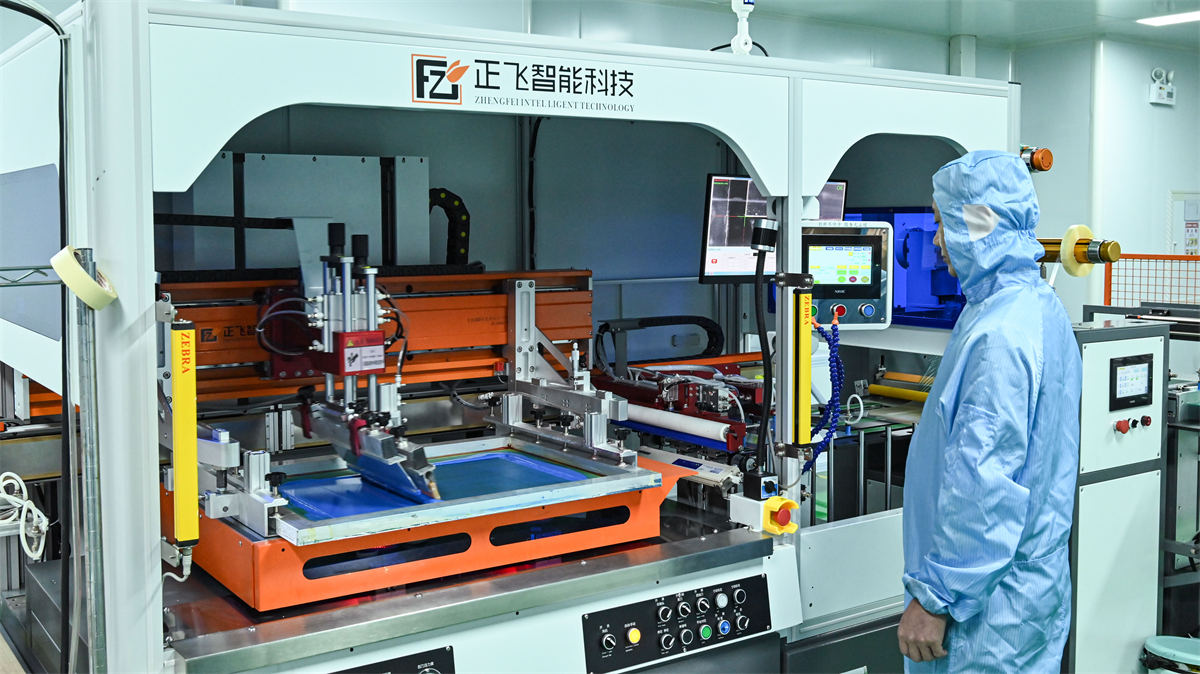
Precision Screen Printing
Semi-automatic cleanroom printing for conductive silver and carbon ink paths.
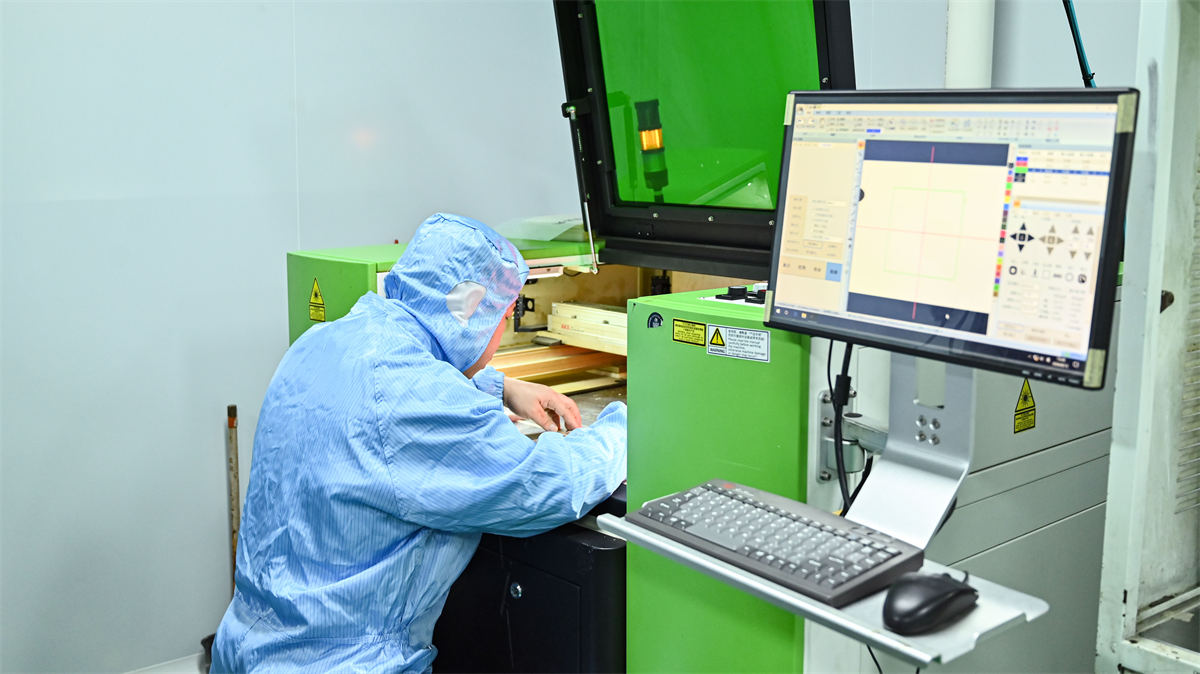
High-Speed Laser Profiling
Tool-less prototyping and intricate contour profiling of carrier and spacer films.
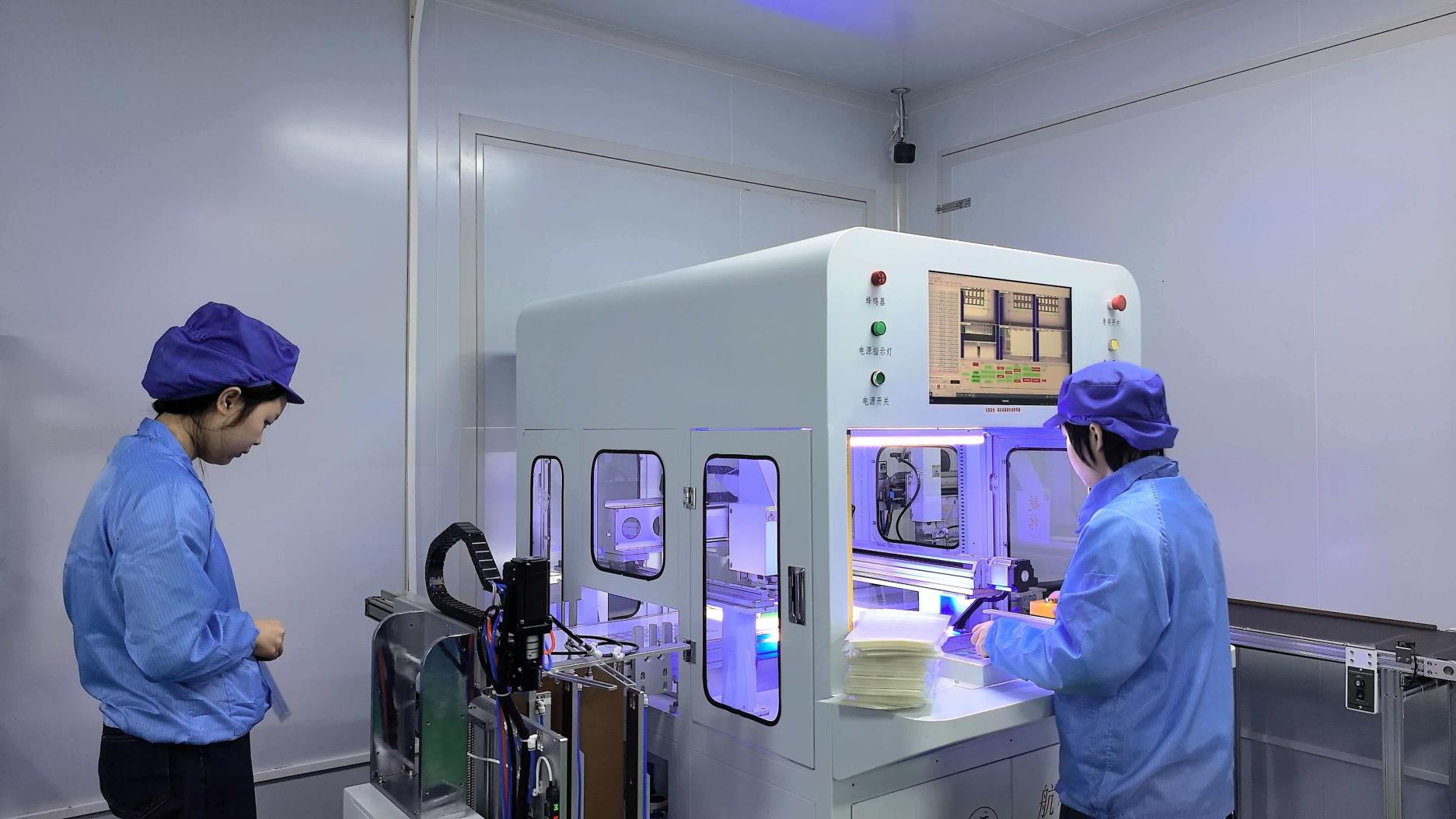
Automatic Layer Lamination
Bubble-free, tension-controlled multi-layer adhesive and carrier film lamination.
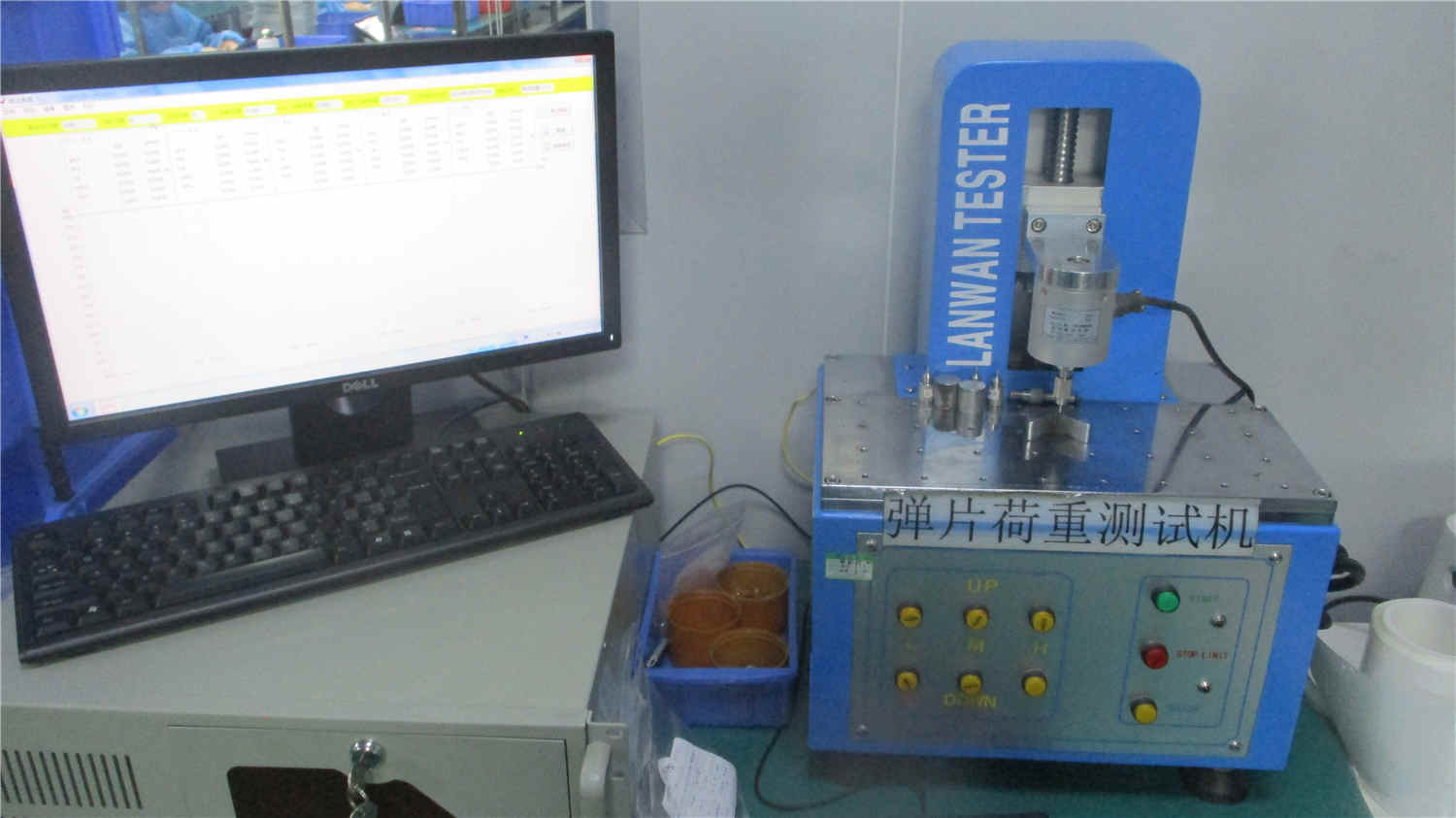
Dome Force-Travel Lab
Micro-computerized load-displacement testing verifying snap curves and click ratios.
Rigorous QA Testing Apparatus
Our in-house quality control laboratory operates automated CCD visual alignment checkers, electrical circuit continuity analyzers, tension peel testers, holding tack fixtures, pencil surface hardness testers, and programmable high/low temperature environmental chambers (-40°C to +105°C).
Complete DFM Engineering Support
Our senior mechanical and materials engineers evaluate your CAD files, overlay artwork, and PCB trace designs to prevent circuit crossover impedance, switch contact bounce, and dead-space air trapping before steel stamping tooling is committed.
Flexible MOQ & Global Export Delivery
Whether you require pilot validation runs of 100 units for clinical trial equipment or recurring shipments of 500,000 array sheets for consumer electronics, we accommodate scalable manufacturing with standardized anti-static export vacuum packaging.
Frequently Asked Engineering & Sourcing Questions
Clear, expert-reviewed answers addressing the real-world manufacturing, metallurgical, and design trade-offs encountered by hardware designers and sourcing professionals.
Standard industrial actuation force tolerance across our precision-stamped metal domes is typically ±20 grams for small domes (under 8.4mm) and ±30 grams for larger cross domes (10mm to 14mm). Upon request, through precision-controlled progressive stamping dies and tight raw material coil thickness sorting, we can achieve ultra-tight tolerances of ±15 grams for critical surgical or aerospace input devices.
Unplated stainless steel (SUS301) inherently possesses a microscopically thin passivated chromium oxide layer, which generally provides contact resistance between 1.0 Ω and 5.0 Ω. Electroplating with Nickel reduces contact resistance to <1.0 Ω while improving wear resistance against repeated mechanical wipe. For high-frequency signals, low-voltage microcontroller logic (e.g., 3.3V or lower), or humid operating environments, Gold plating is recommended, dropping contact resistance to <100 mΩ and eliminating oxidative degradation.
A single-layer metal dome array consists of domes held directly against an adhesive carrier film (usually clear PET or white reflective PET) with perimeter adhesive. It is economical, thinner, and perfectly suited for flat PCB substrates. A double-layer array incorporates an additional upper spacer layer and sealing film, which encapsulates each dome within its own independent air pocket. Double-layer construction provides superior dust/liquid ingress protection (IP67), prevents adhesive migration into the contact zone, and enables customized internal venting.
When a user depresses a metal dome, the internal volume beneath the arch rapidly decreases. If this air has no escape path, it becomes compressed, dampening the tactile click, increasing the required activation force, and slowing the mechanical return time (giving a "mushy" feel). Furthermore, trapped air subjected to heat expansion can cause the carrier film to delaminate from the PCB. Our engineers design micro-vent channels across the adhesive layer to route air between adjacent keys or out through non-critical perimeter vents.
Under recommended warehouse conditions (temperature 20°C ± 5°C, relative humidity 40% to 60%, sealed original anti-static moisture-barrier packaging), our custom metal dome arrays have a guaranteed shelf life of 12 months. Prolonged exposure to temperatures exceeding 35°C or high humidity prior to application can cause adhesive degradation or liner transfer issues.
To quote a custom OEM/ODM metal dome array or integrated membrane switch, please provide: 1) CAD mechanical vector files in DXF, DWG, STEP, or 1:1 scale vector PDF format illustrating outer profile, dome positions, venting channels, and alignment holes; 2) Target dome specifications (shape, diameter, actuation force, plating); 3) Carrier adhesive type (e.g., 3M 467MP); and 4) Estimated prototype and annual production quantities.
Accelerate Your HMI Development with Cevra Engineering
Connect directly with our technical team in Dongguan. Receive comprehensive Design-for-Manufacturability (DFM) feedback, material stack-up recommendations, rapid prototype estimates, and complete physical product catalogs within 24 hours.