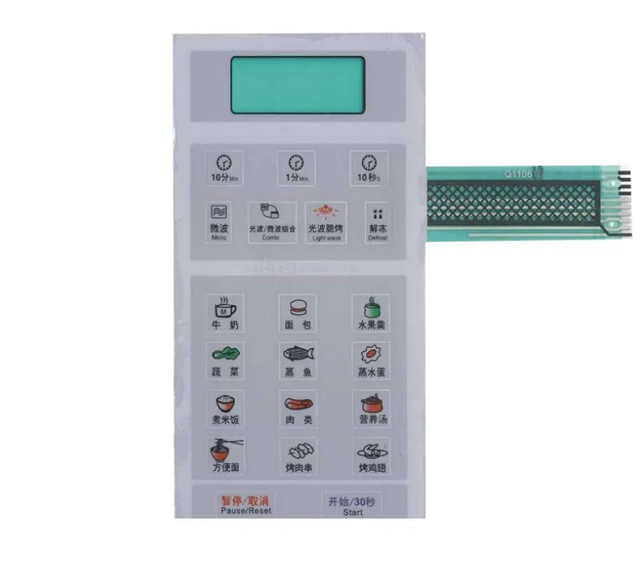
Factory Cheap Price Electronic Membrane Switch Control Panel
Explore customized membrane keypads, graphic overlays, and contact dome arrays optimized for industrial reliability.
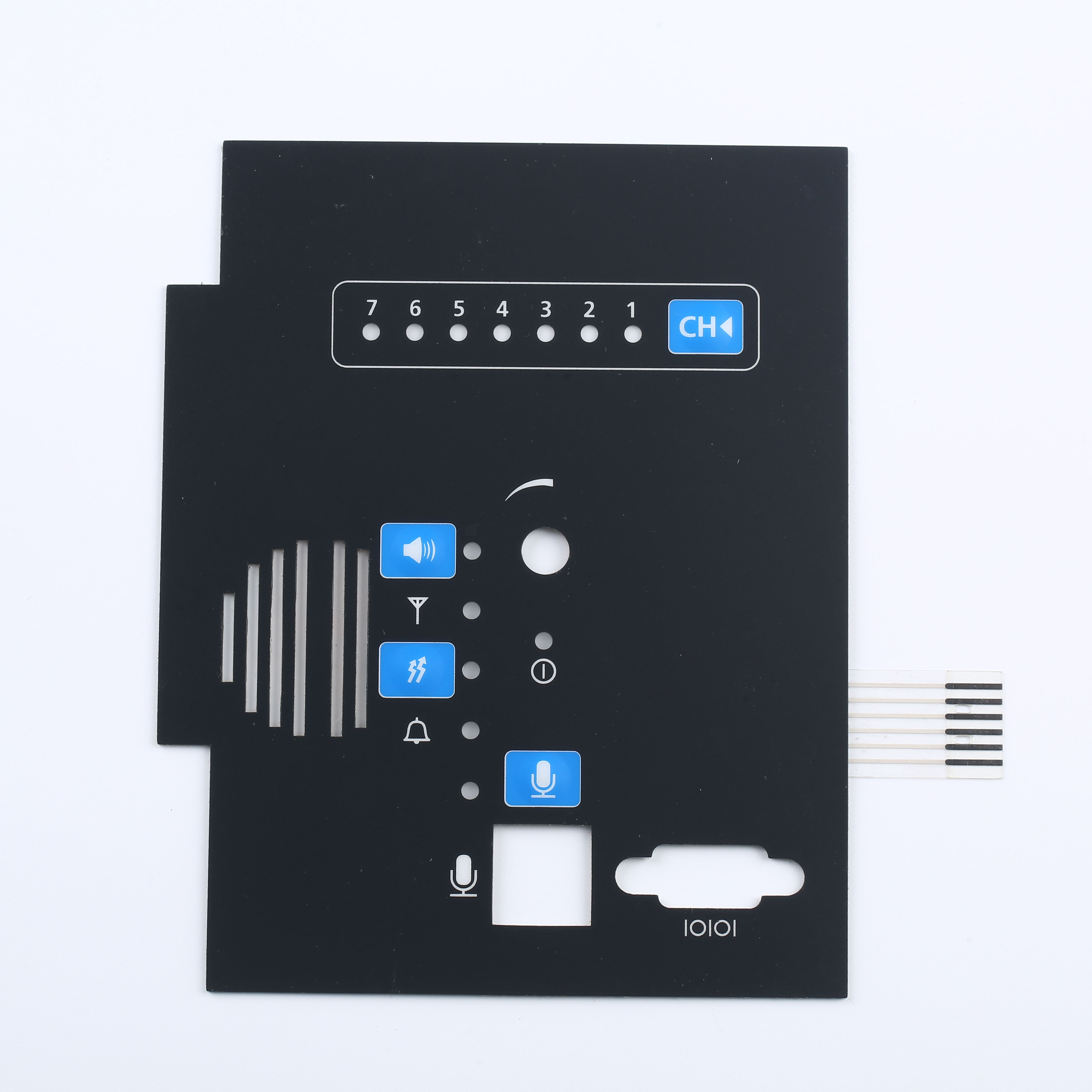
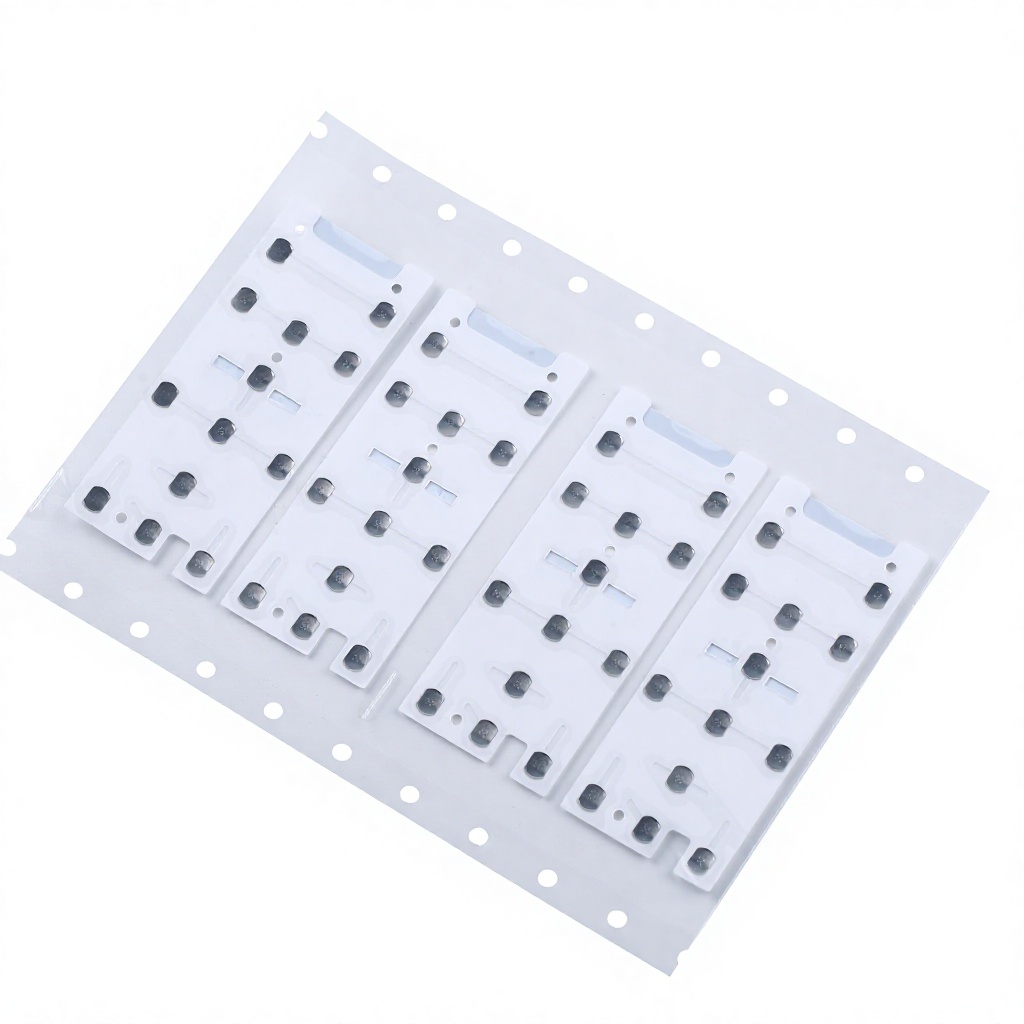
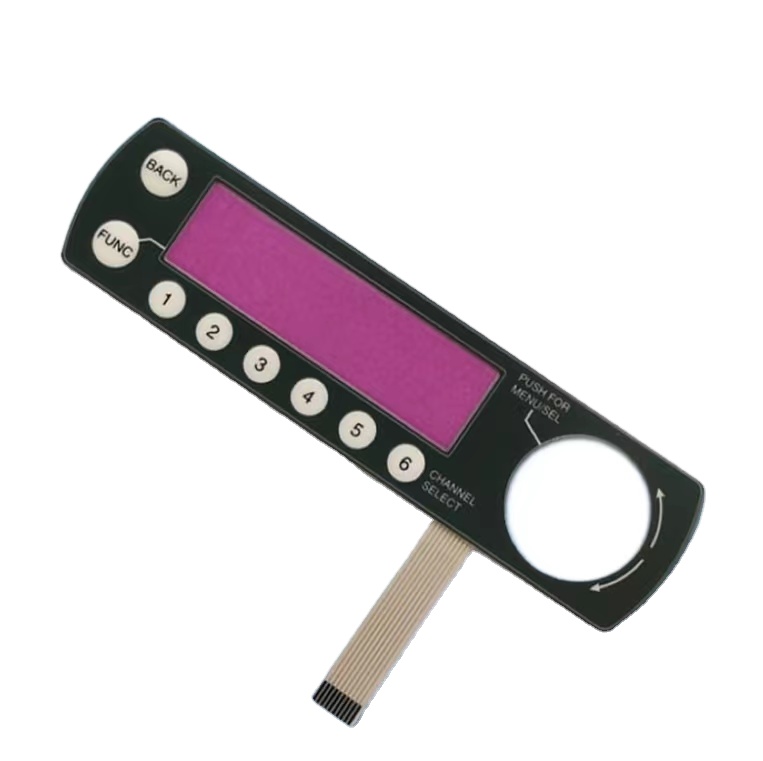
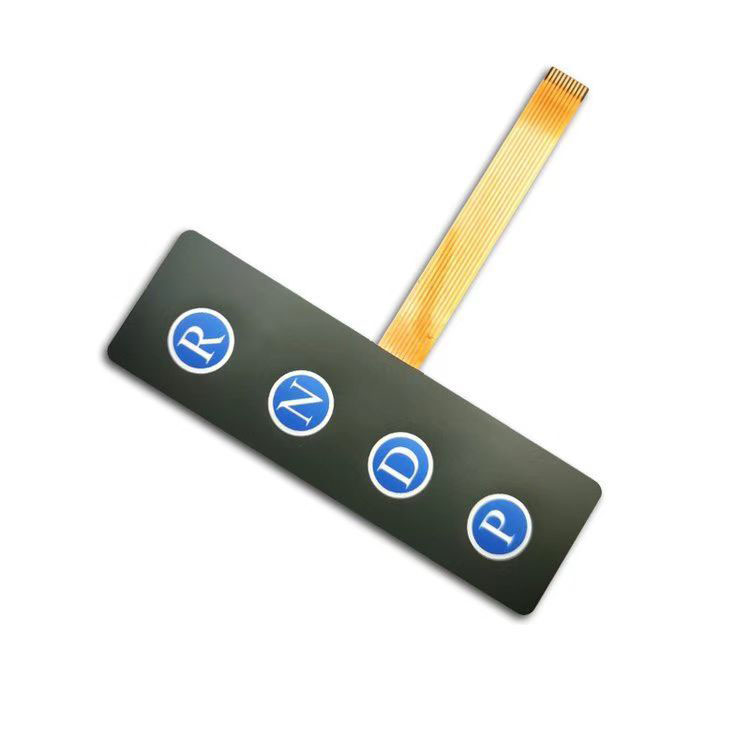
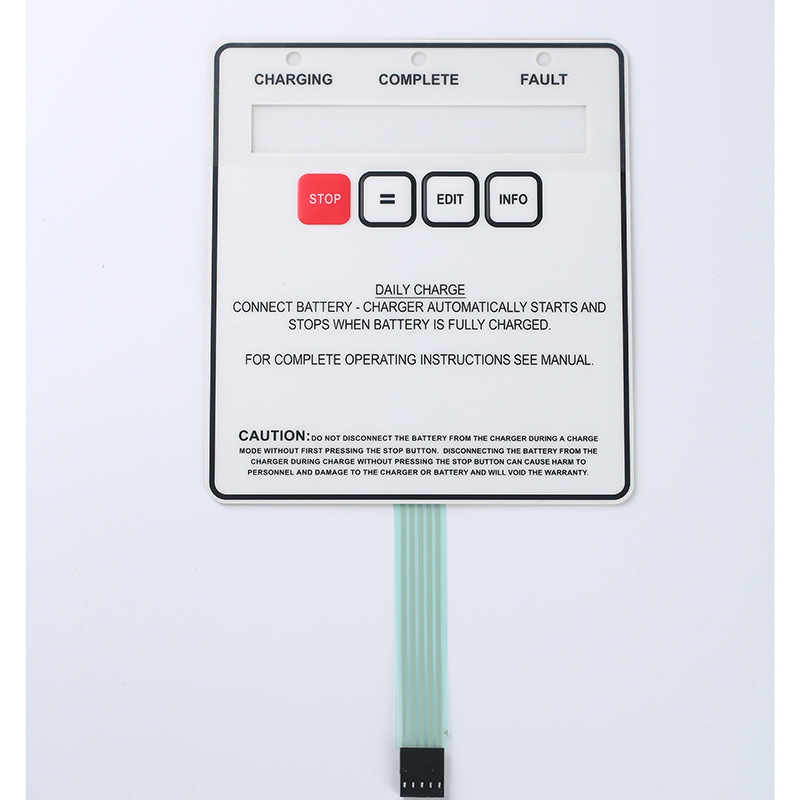
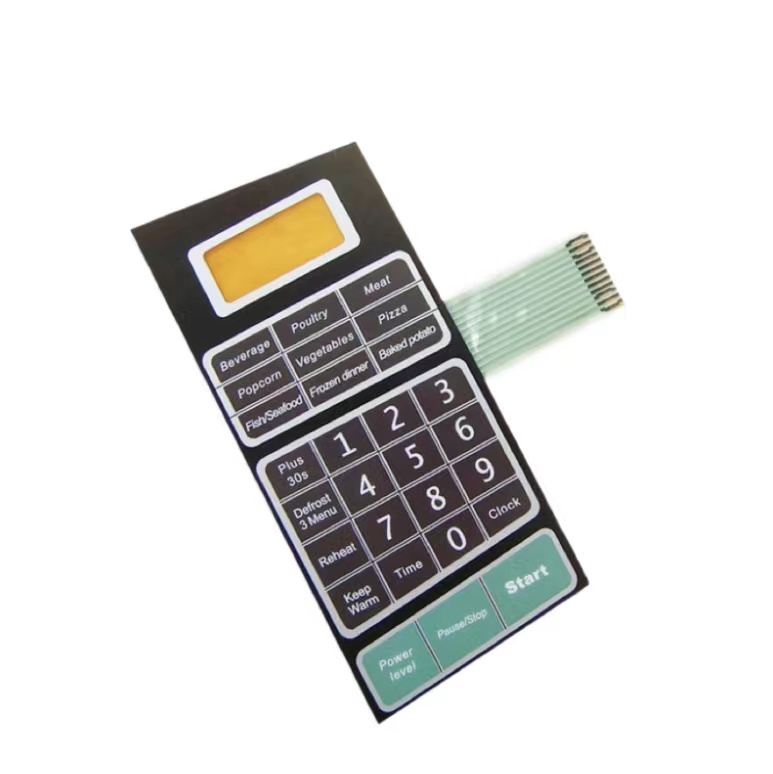
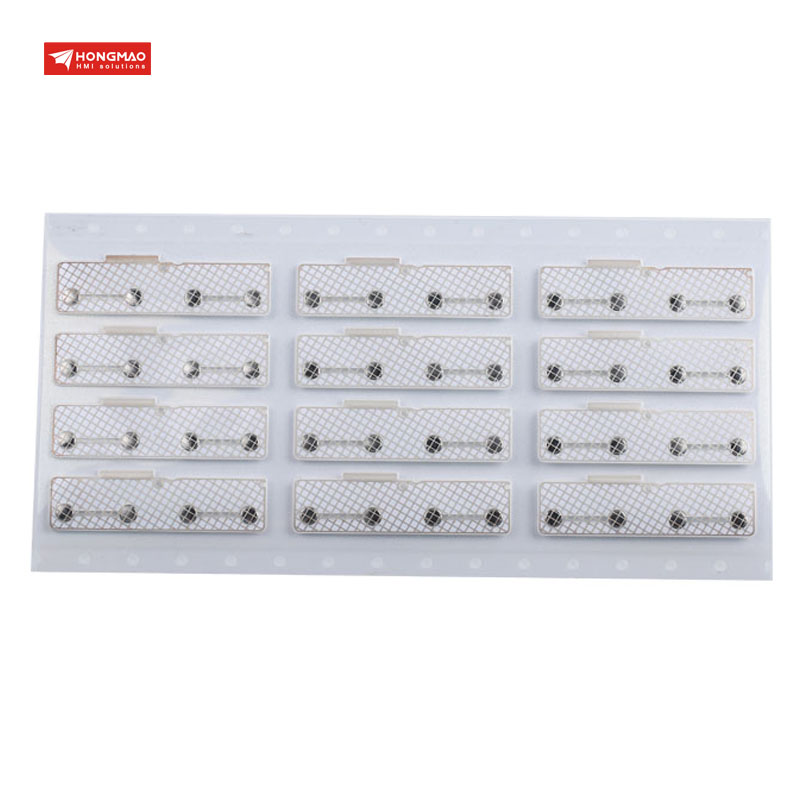
Deciphering multi-layer human-machine interfaces from functional printing down to mechanical deflection.
Modern industrial equipment, precision medical instrumentation, and consumer appliances rely heavily on customized membrane switch panels for operational safety and ergonomic control. An industrial membrane keypad is not simply an aesthetic exterior sticker; it is an intricately bonded, multi-layer electromechanical assembly engineered to endure millions of actuations, harsh chemical cleanings, high dielectric stress, and ingress challenges.
The standard architecture of an OEM membrane switch incorporates an exterior Graphic Overlay, a sub-surface acrylic adhesive layer, an upper circuit trace or tactile snap layer (such as single-layer SUS301 stainless steel domes), a precision die-cut spacer with venting paths, and a printed lower silver or carbon conductor grid bonded to flexible polyester (PET) or polyimide (PI) Flexible Printed Circuits (FPC). Deciding whether to utilize screen-printed conductive inks on PET versus etched copper circuits on flexible polyimide directly dictates loop resistance, component density, and dynamic flex endurance.
Polycarbonate (PC) demonstrates superior optical transparency and forms easily for deep draw embossing, but polyester (PET) delivers unmatched flex life (>5 million flexes) and extreme resistance to harsh chemicals, making PET the benchmark for medical diagnostic instruments and industrial field controllers.
Actuation feel is calibrated using precision-formed SUS301 stainless steel tactile domes (4-leg cross, oblong, or round snap domes) available with nickel or gold plating. Trip force ratings (typically 200g to 450g) prevent accidental presses while providing definitive physical switch closure confirmation to the user.
By pairing precision die-cut 3M acrylic adhesive transfer films (such as 3M 467MP, 468MP, or VHB) with contiguous perimeter gaskets, membrane switches can effortlessly meet IP65, IP67, or NEMA 4X certifications, protecting underlying electronic motherboards from liquids, steam, dust, and corrosive vapors.
| Technical Characteristic | Screen-Printed Silver on PET | Copper Etched Polyimide (FPC) | Capacitive Touch Film Panel |
|---|---|---|---|
| Trace Resistance | Low to Moderate (< 100 Ω typical) | Ultra-Low (< 1 Ω), ideal for fine pitch | High Sensitivity Matrix / Non-galvanic |
| SMD Component Soldering | Conductive Epoxy Bonding (LEDs/Resistors) | Standard Reflow Soldering Compatible | Direct Driver IC Integration / Tail mount |
| Tactile Sensation | Metal Dome or Embossed Polydome | Metal Dome / Integrated Snap Springs | Non-tactile (Acoustic / Haptic feedback) |
| Tooling & Prototyping Cost | Economical, Rapid Screen Adjustments | Moderate (Photolithography Masking) | Moderate to Advanced Sensor Routing |
| Operating Temperature | -20°C to +65°C | -40°C to +85°C (Extended Environmental) | -30°C to +70°C |
How technical specifications, vendor selection criteria, and global manufacturing models are evolving.
Procurement directors and system architects are experiencing a paradigm shift when sourcing human-machine interface sub-assemblies. The historical model of sourcing unpopulated graphic overlays and assembling discrete PCBs in-house is rapidly being abandoned in favor of vertically integrated, turn-key module sourcing. Modern purchasing guidelines focus heavily on several emerging procurement vectors:
1. Backlighting Integration & Light Guide Films (LGF): Traditional discrete point-source LEDs frequently cause hot-spotting and glare. High-tier industrial purchasers now actively demand thin LGF micro-structure layers that scatter side-firing SMD LEDs uniformly across functional keys and iconography with thickness footprints under 0.8mm.
2. Direct Rigid-Backer Integration: Rather than buying membrane switches, aluminum sub-plates, and threaded studs as discrete SKUs, procurement teams increasingly demand factory-laminated assemblies mounted to CNC-machined acrylic, FR4, or anodized aluminum support plates, complete with pressed clinching standoffs.
3. Antibacterial & Harsh Environment Overlays: Triggered by increased medical contamination controls, the procurement of chemically textured, antimicrobial treated PET films (such as Autotex AM or hardcoated polyester) with high resistance to harsh sanitizers, IPA, and bleach has risen steeply across hospital and lab instrument tenders.
Anticipating the technological convergence of printed electronics, capacitive sensing, and sustainable design.
Combining the sleek, wipe-clean profile of capacitive touch glass/films with mechanical metal domes for emergency stop or power keys, achieving aesthetic elegance without compromising blind-touch safety.
Fusing functional thermoforming with conductive inks allows direct 3D injection molding of structural plastic housings containing pre-printed functional circuitry and capacitive sensors, completely eliminating flat-layer spacer restrictions.
With increasing electrical noise from industrial drives and RF communication modules, incorporating continuous printed silver carbon or selective aluminum foil ground planes protects internal circuitry against spurious capacitive tripping and electromagnetic interference.
Dongguan Cevra Electronic Technology Co., Ltd.: Established in 2009 with fully integrated in-house capabilities.
Located in the heart of Dongguan's advanced electronics hub, Cevra maintains a complete end-to-end manufacturing footprint across a 2,600㎡ modernized facility. Unlike trading brokers or assembly intermediaries, every crucial phase of membrane switch assembly—from CAD DFM verification, screen stencil preparation, precision silk-screen printing, and laser profiling, to automated lamination, CCD target punching, and high-speed metal dome pick-and-place—is executed internally under our certified ISO 9001 quality management architecture.
Our analytical and environmental reliability laboratory ensures that manufactured panels satisfy demanding lifecycle thresholds before volume shipping. Our in-house equipment roster includes:
High-precision automated screen printing lines coupled with CCD vision inspection systems maintain precise visual alignment tolerances (±0.05mm) across multi-color graphic overlays, translucent display windows, and dense silver conductive grids.
Equipped with specialized dome load curve testers to document actuation force, tactile ratio (click feel percentage), and rebound profiles, validating stainless steel dome arrays for beyond 1,000,000 to 5,000,000 cycles without snap degradation.
In-house thermal shock, high/low temperature humidity chambers, adhesive peel tension instruments, holding tack fixtures, and pencil hardness surface abrasion testers substantiate long-term durability in field conditions.
Clarifications on design tolerances, lead times, materials, and volume custom manufacturing.
Submit your CAD drawing, artwork, or technical requirements for immediate DFM feedback and competitive factory-direct pricing from our senior engineering team.
Get Catalog