Verified HMI Solutions
Precision Tactile & Capacitive Interface Portfolio
Engineered for high duty-cycle performance, extreme dielectric isolation, and seamless industrial integration. Explore standard reference platforms or build custom OEM/ODM solutions.
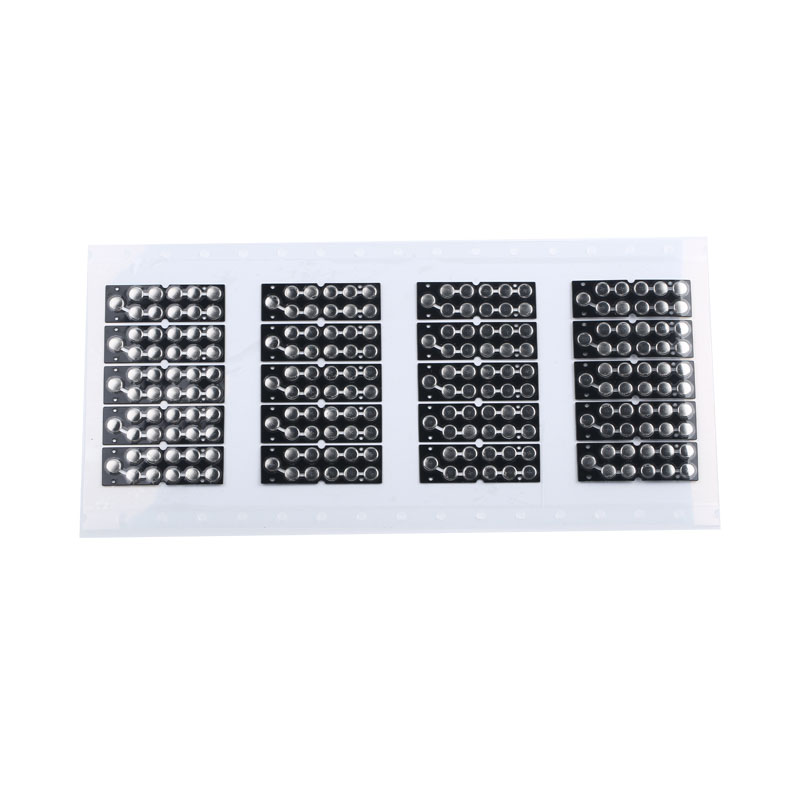
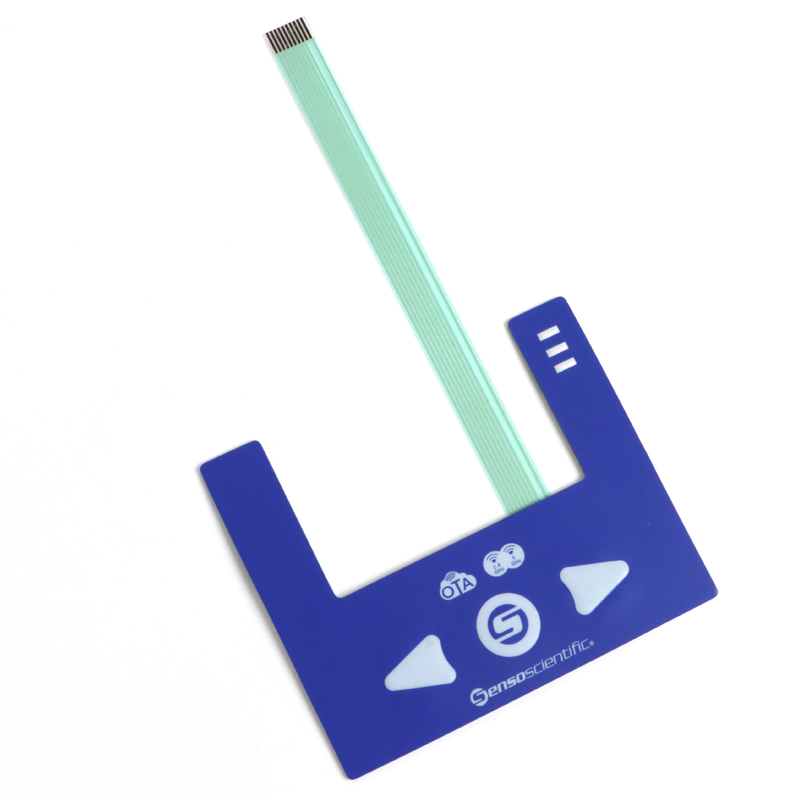
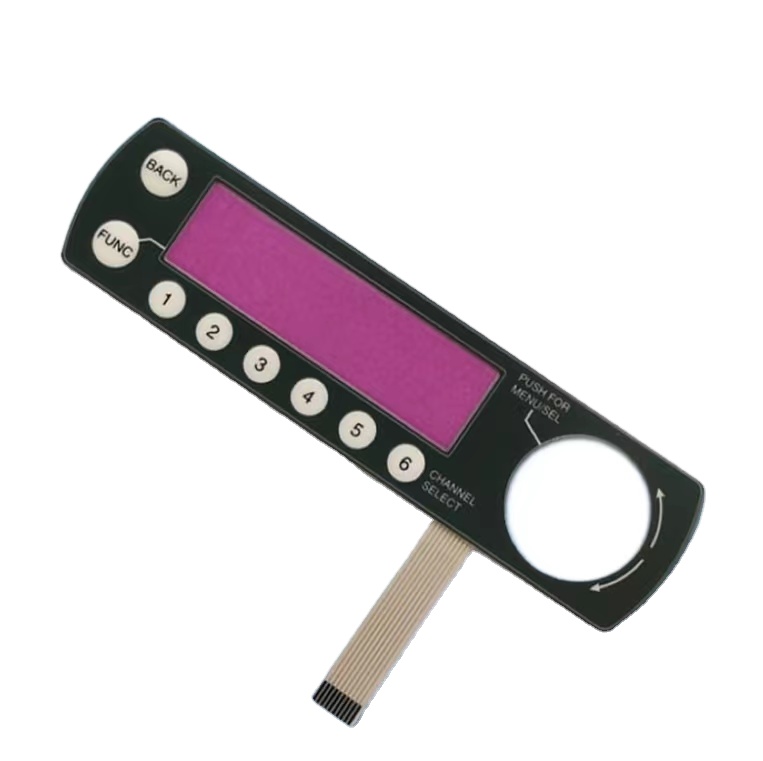
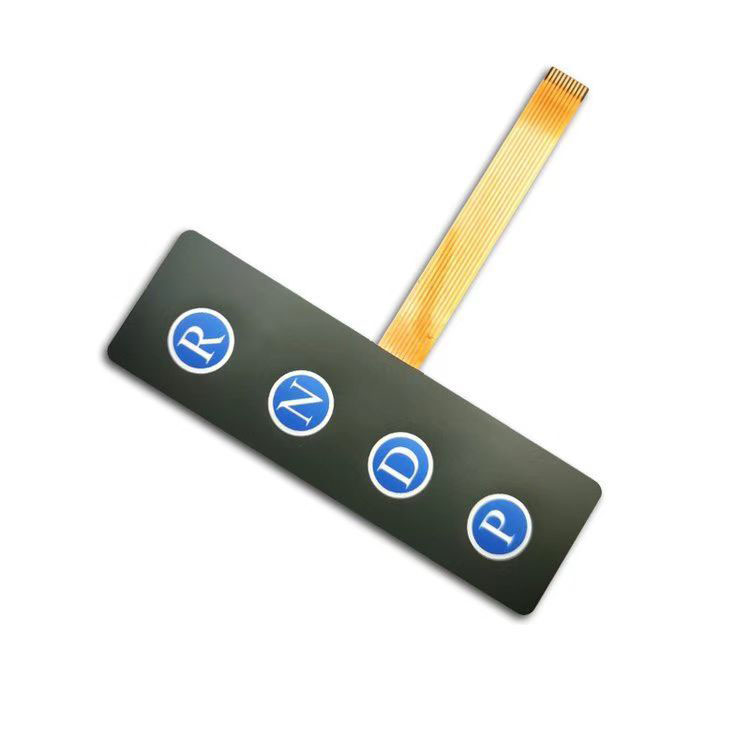
16+
Years OEM/ODM Expertise
2,600㎡
Class 10k Cleanroom Facility
100%
CCD & Automated Testing
>5M
Actuation Cycles Rated
Industry Intelligence
Emerging Procurement Trends in Capacitive Membrane HMI (2025–2030)
Global procurement teams and systems engineers are moving away from purely mechanical touch panels toward integrated, resilient solid-state capacitive membrane architectures.
Hermetic Ingress Protection
Modern capacitive membrane switches provide unbroken front surfaces reaching IP67 and IP69K ratings. Unlike mechanical pushbuttons that suffer from particulate intrusion and liquid ingress, continuous planar films withstand aggressive washdown procedures, sterilizing chemicals, and petrochemical splatters.
EMI/RFI Shielding & ESD Defense
With smart devices operating in electrically noisy environments, integrated aluminum foil or conductive grid printing provides up to 80 dB attenuation against electromagnetic interference and stops electrostatic discharge (up to 15kV) from damaging sensitive microcontrollers on the host PCB.
Hybrid Tactile & Capacitive Fusion
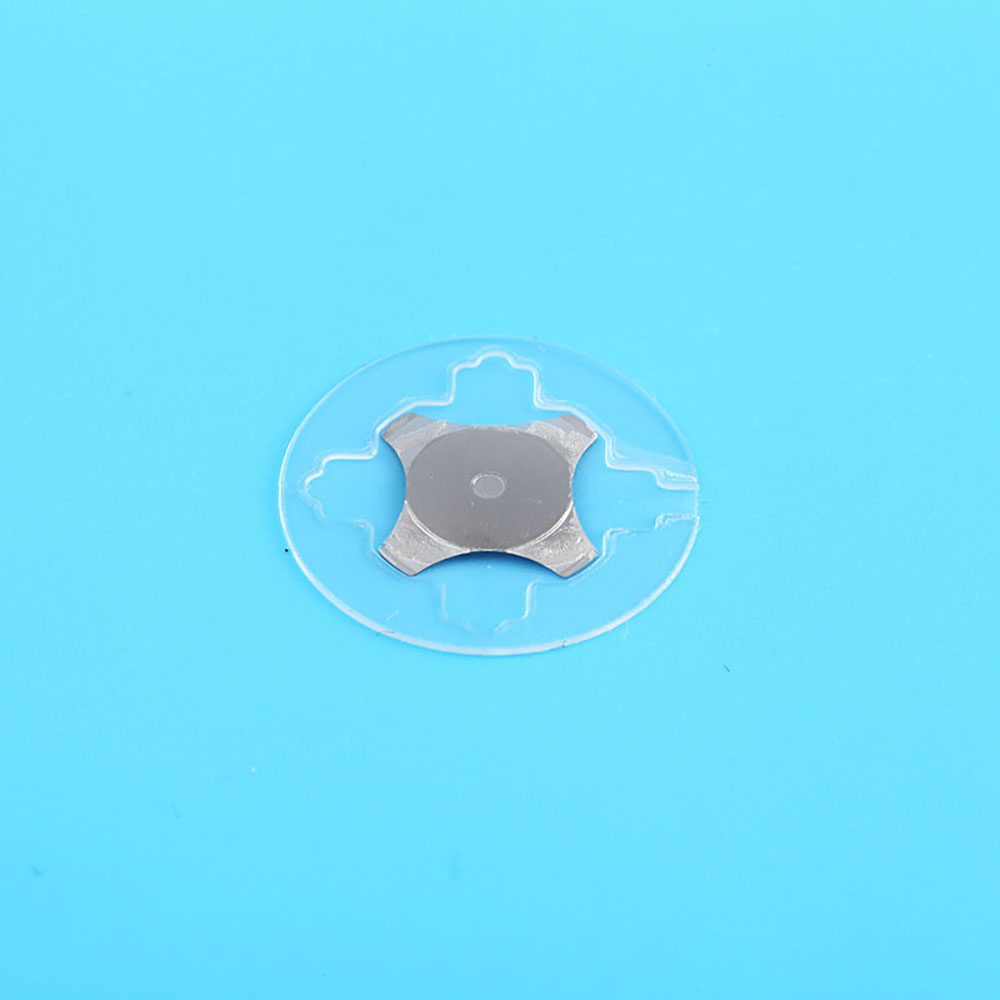
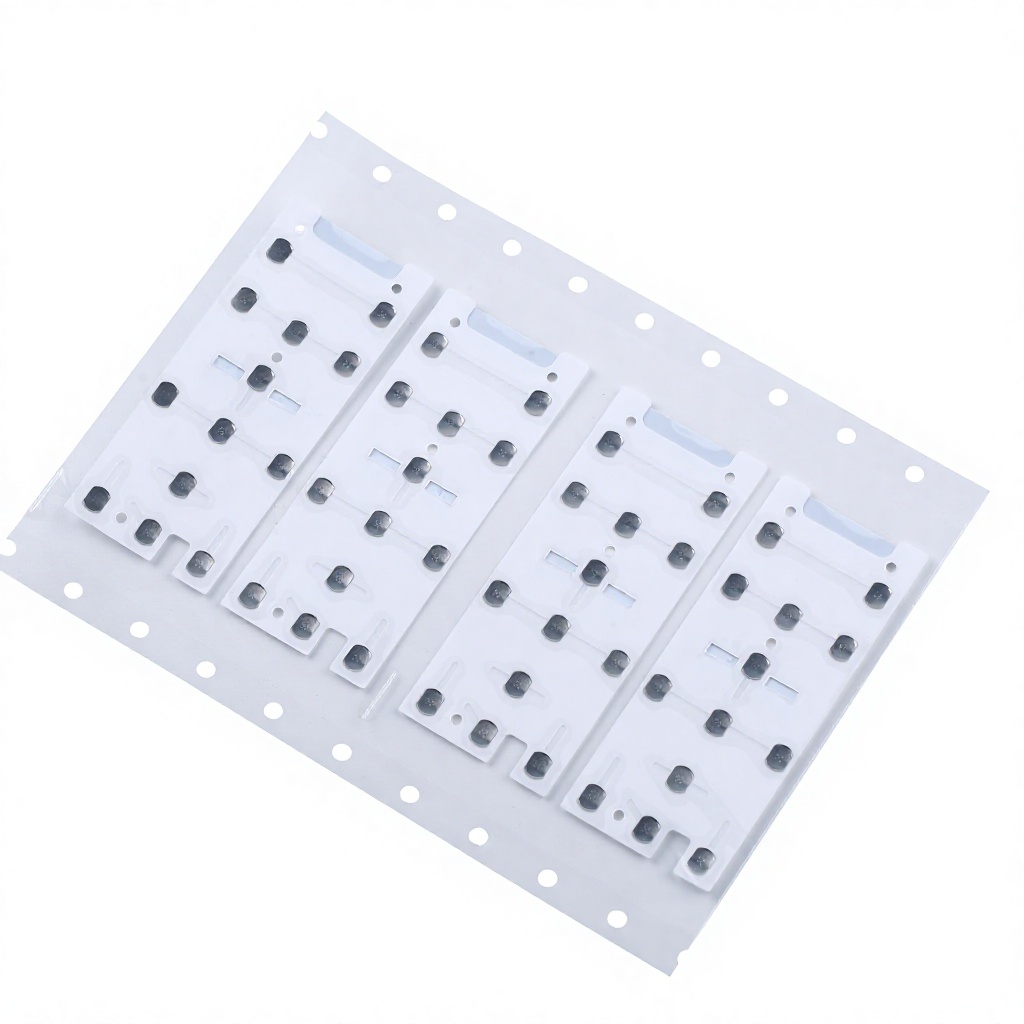
Procurement specifications increasingly mandate combining non-moving capacitive touch zones for scrolling and threshold adjustments with metal dome tactile switches for mission-critical activation or emergency kill-switches, creating fail-safe operator security.
Technology Roadmap
Evolutionary Frontiers: The Next Generation of Membrane Switches
A technical assessment of material science breakthroughs transforming thin-film human-machine communication.
In-Mold Structural Electronics (IMSE)
The convergence of 3D decorative thermoforming with printed silver circuitry. By integrating conductive tracks and surface-mount LEDs directly inside injection-molded resins, thickness drops by 70%, eliminating the mechanical carrier entirely while creating structural touch surfaces.
Optical Waveguide Backlighting (LGF)
Moving away from bulky, power-hungry individual LED backlights. Modern sub-assemblies leverage micro-etched Light Guide Films (LGF) driven by side-firing surface-mount diodes, producing ultra-uniform chromatic luminance across graphic panels with a profile under 0.25mm.
Flexible Copper Circuitry (FPC) Transition
While screen-printed conductive silver flakes remain economical for basic layouts, high-reliability applications are rapidly adopting rolled-annealed polyimide flexible circuits (FPC). FPC supports pitch densities down to 0.5mm, eliminating silver-migration shorts under sustained high-humidity operations.
| Performance Characteristic | Standard Silver-Printed Membrane | Capacitive Solid-State Sensor | Copper-Etched Flex (FPC) Hybrid |
|---|---|---|---|
| Expected Operational Life | 1,000,000 to 3,000,000 cycles | >10,000,000 cycles (No mechanical wear) | >5,000,000 cycles (Tactile metal dome) |
| Surface Cleanability & Ingress | IP65 (Gasketed borders) | IP68 / IP69K (Hermetic single plane) | IP67 (Submersible seals) |
| Contact Trace Resistance | <100 Ω (Length-dependent) | Virtual (Capacitive field monitoring) | <1 Ω (Minimal parasitic drop) |
| Connector Tail Pitch Support | 1.00mm / 2.54mm pitch standard | 0.5mm to 1.0mm ZIF configuration | Down to 0.3mm ultra-dense pitch |
| Typical Industrial Target | Fuel dispensers, vending, consumer tools | Medical scrub panels, cooktops, sterile labs | Aerospace, rugged avionics, defense gear |
Why Cevra Electronics
End-to-End Vertical Integration in Dongguan, China
Operating since 2009 under ISO 9001 certified manufacturing protocols. Verified on-site by SGS Group to deliver transparent, engineering-backed supply assurance.
Certified Class 10,000 Cleanrooms
Eliminate microscopic pinholes and visual defects. All precision screen-printing, layer alignment, and optical window laminations take place inside temperature- and humidity-controlled positive pressure environments.
In-House Tooling & Laser Die-Cutting
Equipped with high-precision CNC punch tooling, CCD registration hole drills, and automated laser cutters. We transition prototypes to mass-production line setup within 5 to 7 working days with zero tolerance drift.
Rigorous Lab-Grade Quality Control
Every production batch undergoes comprehensive mechanical and electrical qualification: Dome Snap Ratio load testing, adhesive peel strength testing, thermal shock (-40°C to +85°C), and 100% pin-to-pin open/short testing.
Direct Raw Material Supply Partnerships
We source authentic Autotype PET, 3M 200MP/300LSE adhesive series, SABIC Lexan Polycarbonate, and stainless steel SUS301 domes directly, ensuring full RoHS, REACH, and UL compliance tracking per lot.
Bilingual Engineering Consultation (DFM)
Our senior mechanical and electronic engineers review your DXF, AI, or Gerber files before production, proposing routing optimizations, ESD shielding gaps, and layer stack-ups to minimize manufacturing yield loss.
Global Export & Trade Assurance Safety
Exporting across North America, Europe, and the Asia-Pacific region. Our 5-star Alibaba verified manufacturing profile gives procurement leaders risk-free terms through payment escrow and verified delivery SLAs.
Technical FAQ
Frequently Asked Engineering & Procurement Questions
Clear, direct answers regarding layer stack-ups, design rules, lead times, and manufacturing feasibility.
What engineering documentation is required to initiate a custom quotation and DFM analysis?
To provide an accurate quote and initial Design for Manufacturability (DFM) evaluation, our engineering desk requires:
1) Vector graphic artwork (Adobe Illustrator .AI, .EPS, or vector .PDF) specifying key legends, PMS/Pantone or RAL color codes, and visual window transparencies.
2) Mechanical CAD drawings (.DXF, .DWG, or .STEP) showing outer profile dimensions, cutout tolerances, key emboss profiles, and tail egress dimensions.
3) Circuit pinout schematic including connector pitch, tail pin designations, LED drop voltages, and required tactile actuation force (e.g., 280g, 350g, 420g).
When should an engineer specify Autotype PET over Polycarbonate (PC) for graphic overlays?
Polyethylene Terephthalate (PET, such as MacDermid Autotype) is recommended for keypads with high actuation cycles (>1,000,000 keypresses), deep tactile embossing, and harsh operating conditions. PET displays superior flex fatigue resistance and protects against chemical attack from industrial degreasers, sanitizers, and fuels. Polycarbonate (PC) is suitable for flat non-tactile panels, dead-front aesthetic backlighting, and interior appliances where cost efficiency, thermal heat deflection, and high-clarity optical display windows are the primary focus.
How does Cevra prevent silver-migration shorts in humid operating environments?
Silver migration occurs when silver metal dissolves into ions under an electrical potential in high relative humidity, causing dendrite shorts across switch traces. Cevra mitigates this through three distinct technical protections: 1) Over-printing the entire silver conductive path with a continuous dielectric carbon-doped protective ink buffer; 2) Designing trace layout spacing according to strict IPC standards (>0.5mm track-to-track pitch whenever feasible); and 3) For extreme mission-critical conditions, recommending an upgrade from screen-printed silver to a polyimide-copper flexible printed circuit (FPC), which is physically immune to electrochemical migration.
What adhesive systems are deployed to bond the membrane assembly to cast metal or textured plastics?
Substrate surface energy dictates adhesive performance. For smooth, high surface energy (HSE) plastics such as clean metal or ABS, we utilize the 3M 467MP adhesive transfer tape series (200MP acrylic). For powder-coated metals, polypropylene, polyethylene, and low surface energy (LSE) molded housings with slight surface texture, we specify high-bond systems such as 3M 300LSE (e.g., 3M 9471LE or 9472LE). These adhesive platforms resist chemical outgassing, high shear loads, and thermal expansion delamination from -40°C up to +150°C.
What is the typical turnaround schedule for prototypes compared to mass production volumes?
Rapid prototyping with precision laser-cut tooling generally delivers functional, tested engineering samples within 5 to 8 working days following final DFM stack-up and artwork approval. Full-scale production lots—involving hardened steel stamping tooling, multi-up silk-screen printing frames, and automatic assembly jigging—typically require 14 to 20 working days depending on quantity, component integration (embedded SMT LEDs, resistors), and custom connector terminations.
Ready to Engineer Your Custom Membrane Interface?
Directly access our engineering department for comprehensive DFM reviews, layer stack-up optimization, and factory-direct volume pricing.