Precision Product Portfolio for OEM/ODM Automotive Applications
Explore field-proven membrane interfaces, tactile snap dome sheets, and sealed graphic overlays engineered to meet automotive vibration, thermal cycling, and ingress protection specifications.
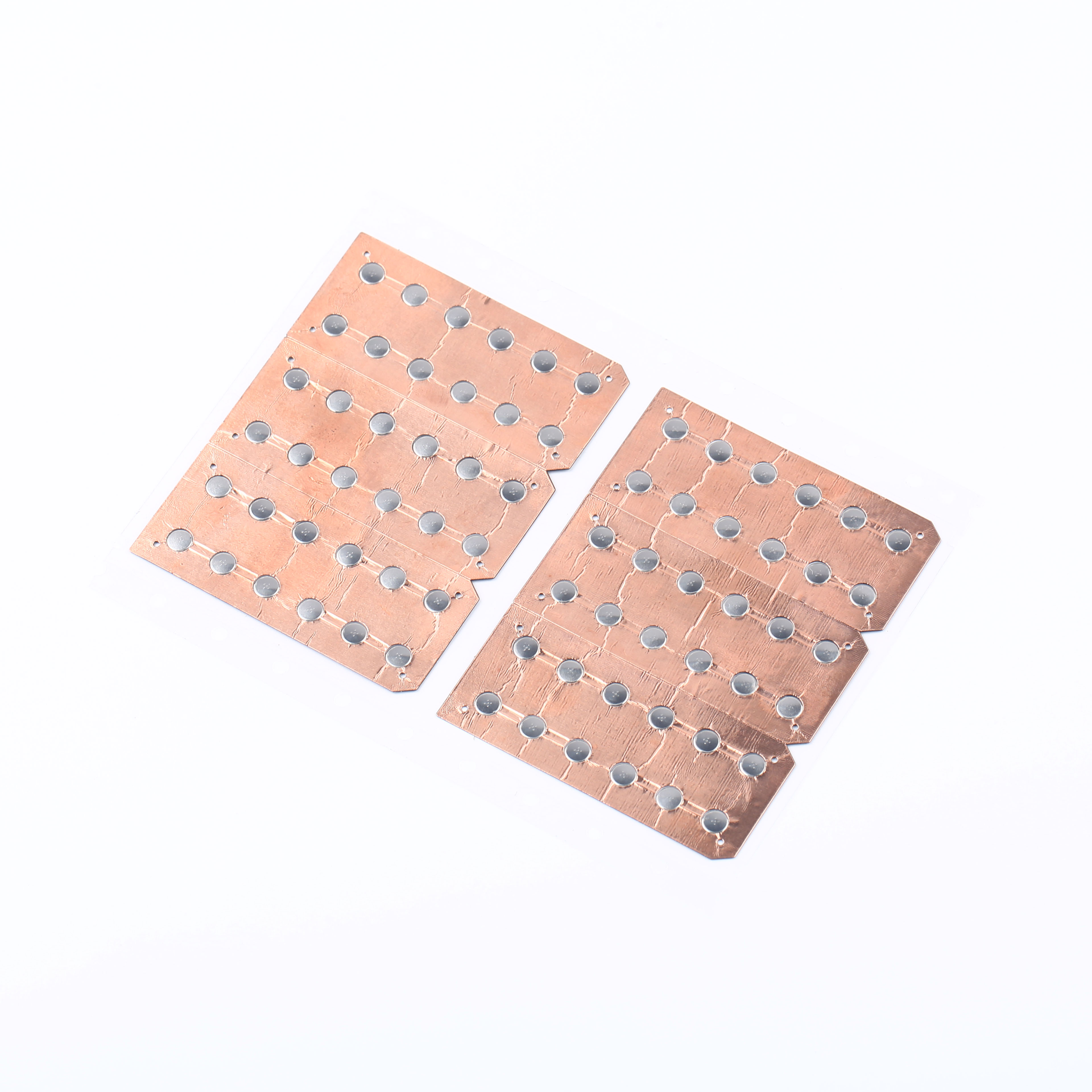
OEM/ODM Factory Direct Sales Round Metal Snap Dome Sheet with Adhesive Tape Copper Foil Metal Dome Array
- Substrate: Conductive Copper Foil
- Dome Geometry: Round Snap Domes
- Actuation Force: 160g – 350g ±30g
- Shielding: Integrated EMI Isolation
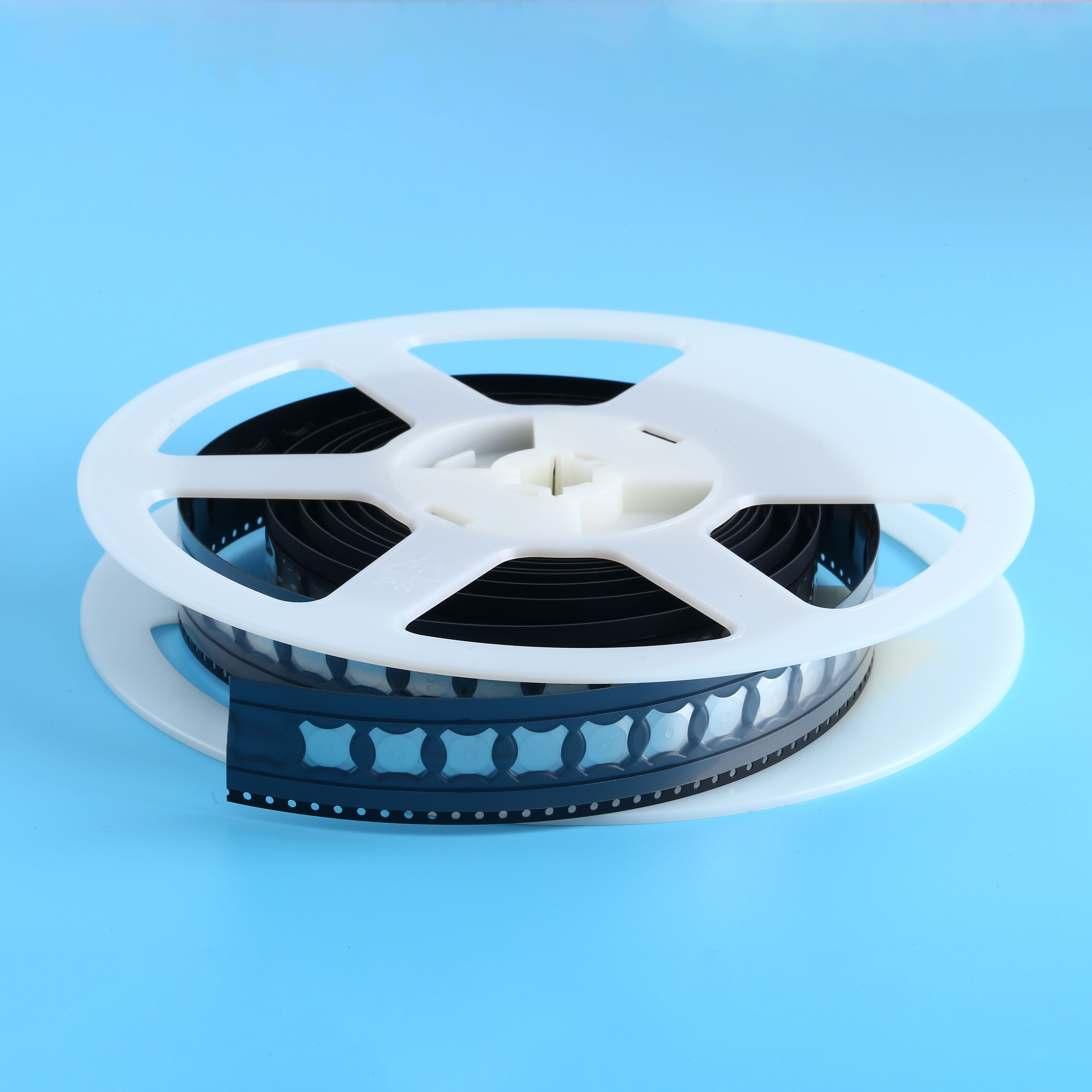
Free Sample Metal Dome Array Single Layer Transparent Pet With Adhesive for Television Remote Control
- Carrier: Optical Clear PET Film
- Adhesive System: High-Tack Crown/3M
- Placement Accuracy: ±0.05mm CCD Guide
- Life Expectancy: > 1,000,000 Cycles
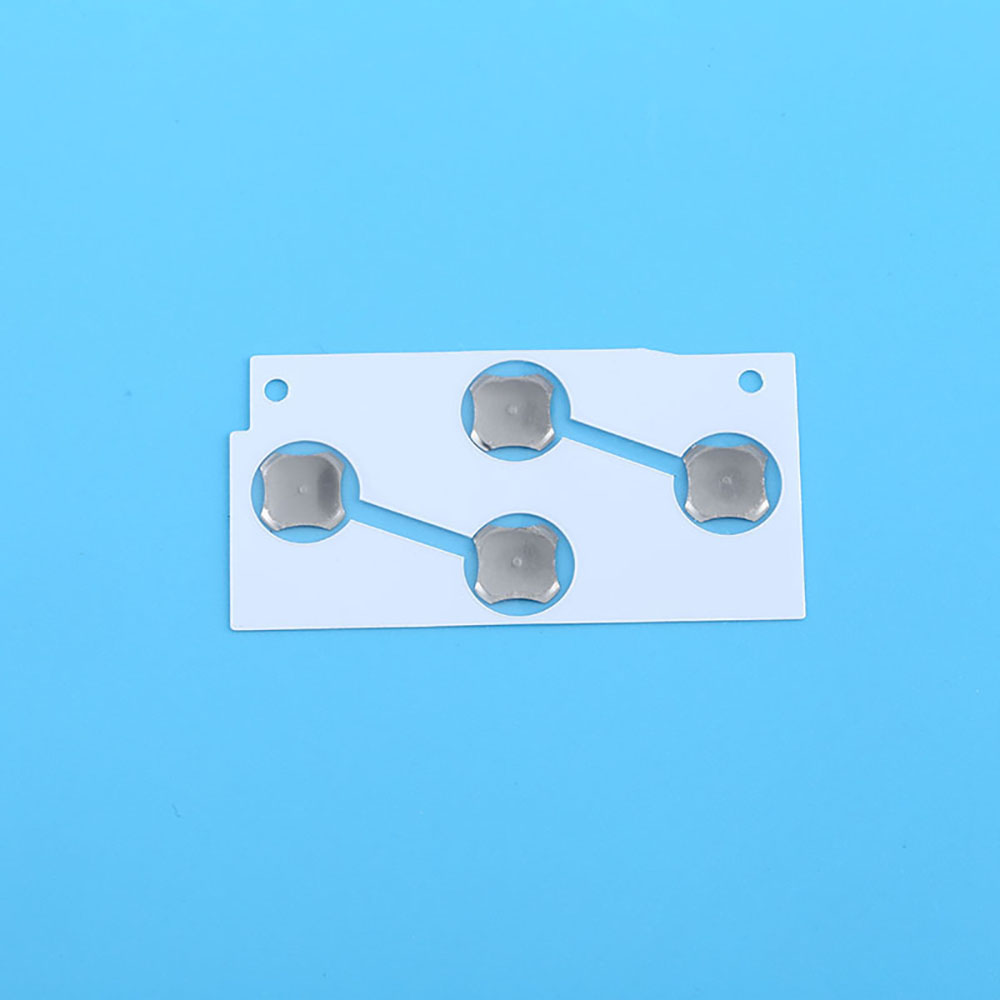
Customized Metal Dome Array
- Custom Configuration: 4-Leg / Triangle / Oblong
- Ventilation Design: Integrated Air Channels
- Plating Options: Nickel / Gold-Plated SUS
- Operating Temp: -40°C to +85°C
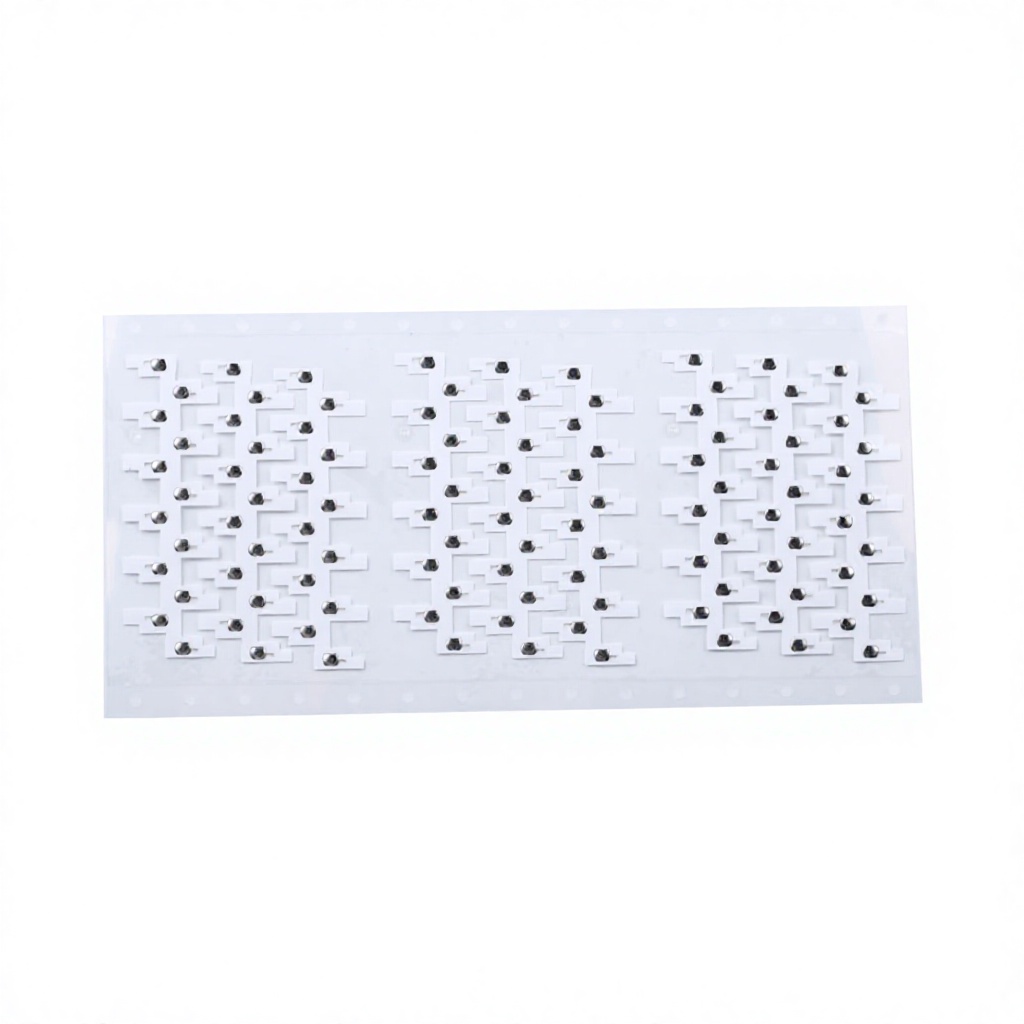
Single Layer SUS301 Stainless Steel Metal Dome Array for Earphone Mobile Phone Keypad Remote Control Switch
- Material Grade: SUS301 3/4H Stainless
- Tactile Feedback: Sharp Snap Ratio (>50%)
- Trip Force: 200g – 400g Custom
- RoHS / REACH: Full Compliance
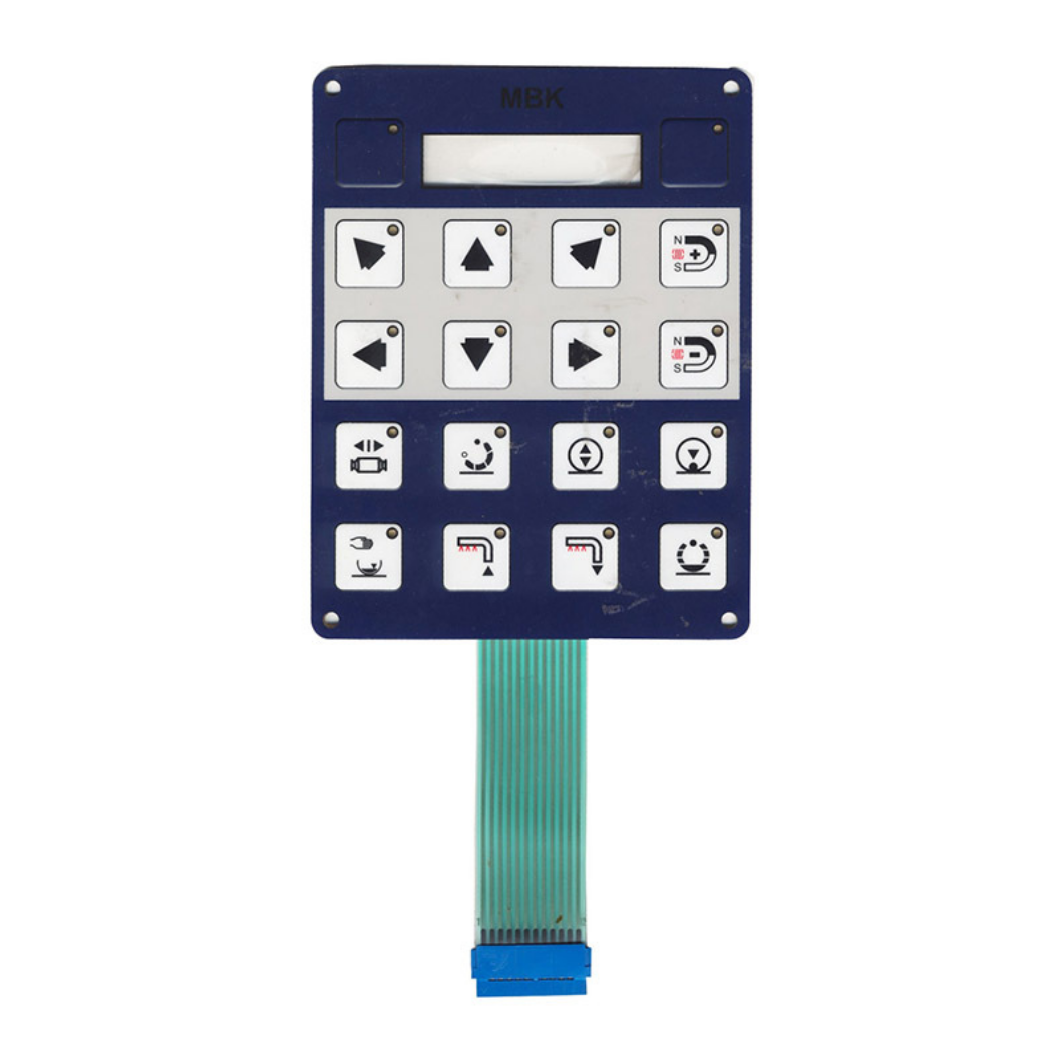
Price 1 Row 4 Key Custom Made One Button Quality Golden Supplier Keyboard Membrane Switch
- Layout: Linear 1x4 Compact Profile
- Conductive Trace: Silver Paste Printed PET
- Connector: 2.54mm / 1.0mm Pitch FFC
- Ingress Level: IP65 Dust & Splash Seal
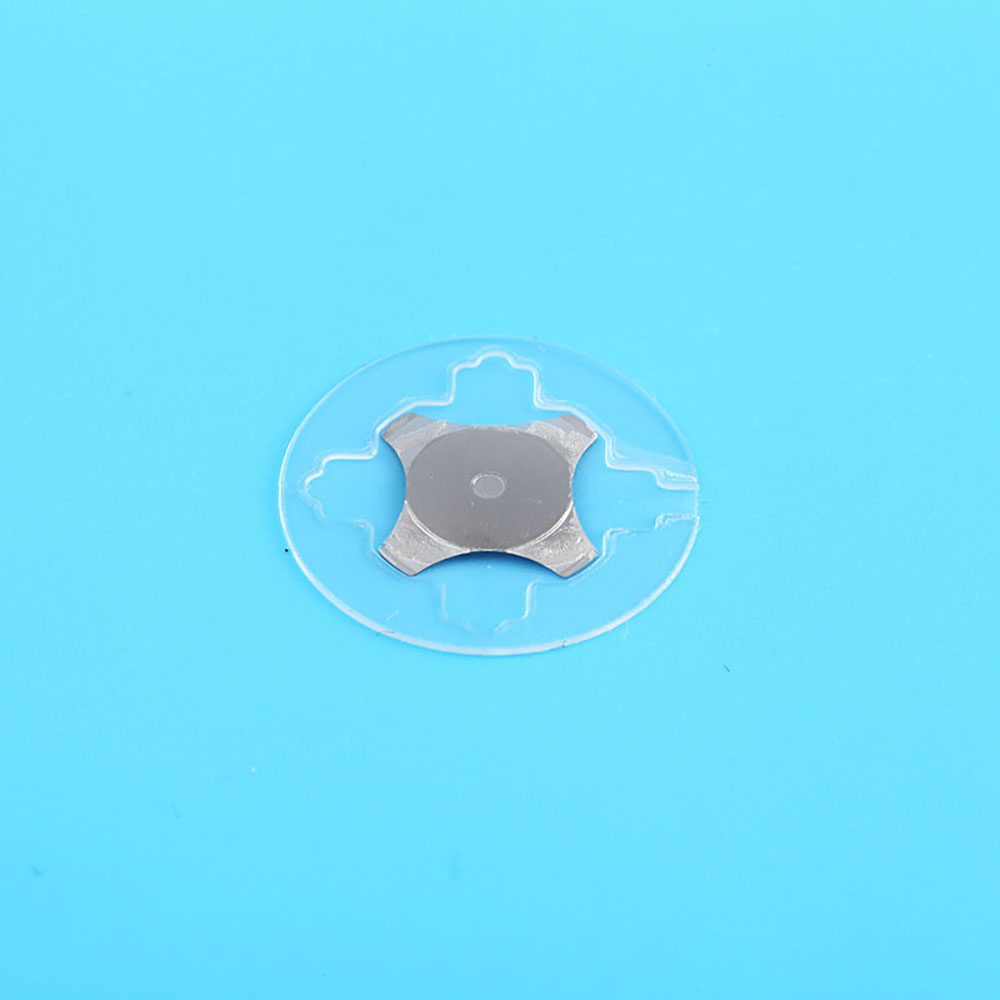
Free Sample Metal Dome Array Single Layer Pet With Adhesive
- Carrier Thickness: 0.05mm / 0.075mm PET
- Tactile Domes: 4-Leg Cross / Dimple Base
- Mounting: Peel-and-Stick Automated
- Sample Dispatch: Within 24–48 Hours
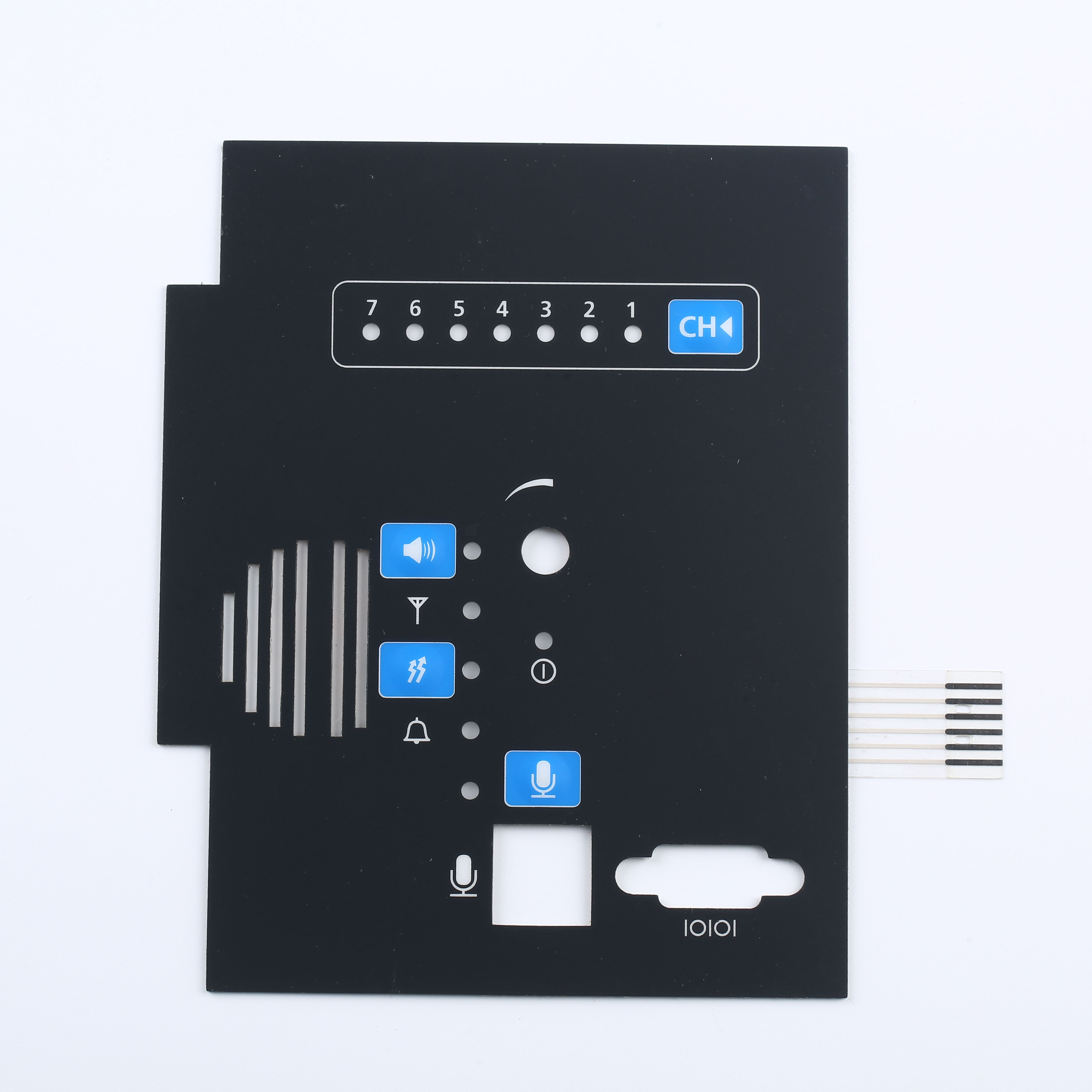
Polycarbonate Film Touch Switch Panel Screen Printing Process Electronic Product Instrument Display Membrane Switch
- Fascia Film: Lexan™ Polycarbonate (PC)
- Surface Finish: Velvet / Fine Matte Anti-Glare
- Display Windows: Water-Clear Transparent Lens
- Printing: Sub-Surface Multi-Color Silk
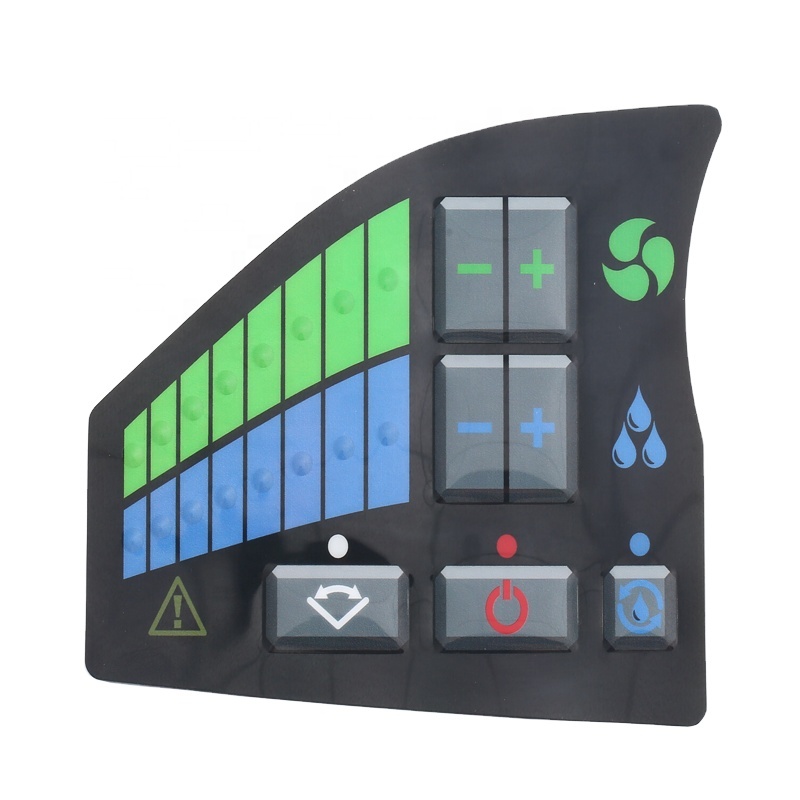
Custom Silk Printing Embossed Metal Dome Tactile Buttons Membrane Switch Control Graphics Overlay
- Button Relief: Pillow / Rim Embossed Graphic
- Switch Contact: Tactile Metal Snap Domes
- Adhesive System: 3M 467MP / 3M 468MP High-Temp
- Protection Rating: Chemical, Oil & UV Resilient
The Architecture of Modern Automotive Membrane Switch Assemblies
In modern automotive cockpits and commercial vehicle interfaces, human-machine interface (HMI) controls require an uncompromising convergence of ergonomics, mechanical endurance, and high-voltage isolation. Unlike general consumer electronics keypads, an automotive-grade membrane switch functions within severe micro-climates characterized by rapid temperature swings (-40°C to +105°C), solar UV radiation, sustained engine vibrations, and aggressive cleaning chemicals.
As an established OEM/ODM custom manufacturer, Dongguan Cevra Electronic Technology Co., Ltd. architects multi-layer composite structures built around precision-formulated technical polymers, laser-cut adhesives, and automated tactile dome placements. Each layer is engineered with specific coefficient of thermal expansion (CTE) matching to completely inhibit micro-delamination and catastrophic circuit fracture across vehicular lifecycles.
Automotive HMI Stack-Up Architectural Matrix
Below is the standard cross-sectional layer stack-up deployed in our Dongguan cleanroom production lines for automotive center console, steering wheel auxiliary controls, and door module switch panels:
| Layer Hierarchy | Engineering Material | Standard Caliper | Functional Contribution to Automotive Spec | Verification Protocol |
|---|---|---|---|---|
| 1. Graphic Overlay | Autotype MacDermid PET / Sabic Lexan PC | 0.125mm – 0.25mm | Dead-front optical aesthetics, anti-glare finish, scratch & chemical resistance | Pencil Hardness (>3H), MEK Rub Resistance |
| 2. Sub-Surface Graphic Inks | High-Temp Polymer Inks / Optical Block-Out | 10μm – 25μm | Sub-surface printed legends impervious to mechanical wear; zero light bleed | Color Delta E < 0.5, Spectrophotometer |
| 3. Overlay Adhesive | 3M 200MP (467MP/468MP) or 300LSE | 0.05mm – 0.13mm | Bonds overlay directly to spacer layer; withstands high plasticizer migration | 180° Peel Adhesion Test (ASTM D3330) |
| 4. Circuit Spacer | Biaxially Oriented PET (BOPET) Core | 0.125mm – 0.35mm | Precise cavity depth governing dome actuation stroke and preventing pre-travel | Optical Gauge Depth Micrometry |
| 5. Tactile Actuator Layer | SUS301 Stainless Steel Snap Domes (Gold/Nickel) | 4.0mm – 12.0mm Ø | Defines crisp haptic snap ratio (>45%); maintains contact low resistance (<100mΩ) | Force-Deflection Curve Testing |
| 6. Trace / Circuit Layer | Conductive Silver + Carbon Overcoat on PET / Polyimide FPC | 0.075mm – 0.125mm | Transmits micro-current signals to vehicle LIN/CAN controller bus | Loop Resistance & Insulation Breakdown Test |
| 7. Rear Mount Adhesive | 3M 9472LE / 468MP Acrylic Adhesive | 0.08mm – 0.15mm | Hermetic seal against housing substrate (ABS, PC, Aluminum cast) preventing moisture ingress | Water Submersion IP67 / Holding Tack Test |
Emerging Procurement Trends in Automotive Membrane Interfaces
Global Tier-1 automotive procurement officers and product managers are adjusting sourcing priorities toward resilience, sustainable materials, and smart surface integration.
Total Cost of Ownership (TCO) vs Piece Price
Automotive buyers are moving away from evaluating unit BOM piece costs in isolation. Sourcing analysis now weights DFM review speed, prototype yield rates, mold tooling longevity, and in-house qualification testing capabilities to suppress long-term field failure warranties.
Consolidation into Modular Sub-Assemblies
Rather than procuring bare membrane switches, OEM engineers demand integrated assemblies featuring light guide films (LGF), embedded Surface Mount Device (SMD) LEDs, backer support plates (FR4/Aluminum), and pre-terminated automotive-grade connectors.
Strict Onsite Factory Audits & Traceability
With tightening international trade regulations, Tier-1 buyers demand third-party verified suppliers (such as SGS-audited facilities) who maintain complete traceability of raw polymer batches, conductive silver formulations, and 100% automated CCD optical checks.
Technological Evolution: From Mechanical Switches to Smart Surfaces
How next-generation vehicular cockpit architecture is driving membrane switches into intelligent, illuminated, and touch-sensitive smart functional panels.
Dead-Front & Dynamic Backlighting
Seamless piano-black or woodgrain faux textures that reveal high-definition backlit iconography only when activated. Enabled through micro-etched light guide films (LGF) and diffusion layers with zero hotspotting.
Capacitive + Tactile Hybrid Switching
Combining the sleek, flush aesthetic of capacitive sensing with the fail-safe tactile feedback of stainless steel snap domes. Eliminates driver distraction by providing undeniable physical confirmation of critical commands.
In-Mold Electronics (IME) Progression
Printing conductive traces and integrating tactile domes directly onto thermoformed films before plastic injection molding. Reduces cockpit dashboard component depth by up to 70% while removing manual fastener hardware.
Advanced Anti-Microbial & UV Coatings
Application of UV-cured fluoropolymer textures and anti-fingerprint hardcoats to protect against solar degradation and withstand aggressive interior disinfection protocols in fleet and ride-sharing vehicles.
Dongguan Cevra: Verified Manufacturing Infrastructure & Quality Rigor
Operating since March 2009 in Dongguan, China, our 2,600㎡ precision manufacturing facility integrates vertical in-house tooling, printing, automated lamination, and quality testing.
ISO 9001 & SGS Onsite Verified
Our quality management system is independently verified by SGS Group on-site. Every production lot operates with full lot tracking, certified raw polymer certificates of analysis (COA), and documented quality management protocols.
End-to-End Vertical Manufacturing
No trading middlemen or outsourced critical steps. We operate dedicated silk screen lines, automated laser-cutting stations, CCD positioning drilling machinery, automatic layer laminators, and high-speed dome placement units under one roof.
Dedicated Automotive Reliability Lab
In-house laboratory validation featuring computerized snap dome load-stroke testers, programmable high/low thermal shock chambers (-60°C to +150°C), adhesive tension peel meters, holding tack testers, and pencil scratch hardness instruments.
Bilingual Engineering & DFM Feedback
Direct communication with experienced interface design engineers. We review your CAD (DXF, DWG, STEP) and graphic files (AI, PDF), issuing comprehensive Design for Manufacturability (DFM) analyses within 24 hours.
Agile Prototype to Volume Scaling
Low initial tooling barriers for rapid proof-of-concept testing. Prototype samples delivered in as fast as 5–7 business days, with fully scalable capacity capable of supporting multi-year OEM series production volumes.
Trade Assurance & Risk Protection
Seamless international trade compliance. Supporting verified payment mechanisms, secure escrow via Alibaba Trade Assurance, comprehensive packaging (anti-static moisture-barrier bags), and rapid worldwide air/sea logistics.
Frequently Asked Questions by Automotive Hardware Engineers & Buyers
In-depth responses covering mechanical tolerances, circuit trace impedance, environmental resistance, and qualification testing protocols.
What engineering files and specifications are required to initiate an automotive custom RFQ?
To deliver an accurate quote and Design for Manufacturability (DFM) assessment, we recommend providing:
1. Vector Graphic Artwork: Vector files (.AI, .EPS, or editable .PDF) indicating Pantone/RAL color codes, key legends, dead-front window borders, and embossing boundaries.
2. Mechanical CAD Data: 2D mechanical outlines (.DXF, .DWG) or 3D files (.STEP) indicating overall dimensions, tail routing path, cutouts, and housing locator pins.
3. Electrical Schematic: Circuit matrix or common bus diagram, connector pin-out assignment, pitch spacing (e.g., 1.0mm, 2.54mm), and target loop resistance (<100Ω standard, or lower for high-speed buses).
4. Tactile & Environmental Needs: Preferred trip force (e.g., 280g ±30g), click ratio (>45%), operating temperature range (-40°C to +85°C or +105°C), and liquid ingress expectations (IP65, IP67).
How do you prevent silver migration (dendrite growth) in humid, high-temperature automotive conditions?
Silver migration occurs when moisture and DC electrical bias cause silver ions to migrate across adjacent circuit traces, inducing catastrophic electrical short circuits. To eliminate this vulnerability in automotive assemblies, Cevra deploys three preventative engineering measures:
• Carbon Paste Encapsulation: Complete over-printing of all conductive silver traces with a proprietary high-purity carbon ink barrier layer, blocking atmospheric moisture exposure.
• Polymer Dielectric Overcoats: Multiple UV-cured dielectric insulation layers isolating conductive runs from environmental humidity.
• Flexible Printed Circuit (FPC) Alternation: For extreme-reliability vehicular cockpits, we replace silver-printed polyester with polyimide (PI) copper-clad FPC substrates, completely removing silver from the circuit path.
What is the difference between Polyester (PET) and Polycarbonate (PC) in automotive graphic overlays?
Polyester (PET): The industry standard for dynamic switches requiring embossed buttons and high mechanical flexing. Premium biaxially oriented PET (such as Autotype Autoflex) provides an exceptional flex life exceeding 5,000,000 actuations, superior chemical resistance against fuels, oils, and interior cleaners, and excellent resistance to flex fatigue.
Polycarbonate (PC - Lexan): Exceptional optical clarity and flame retardance (UL94 V-0 options available), with superior ease of deep-draw 3D thermoforming. However, standard PC exhibits lower cyclic flex life and is vulnerable to aromatic hydrocarbons. We typically recommend PC for non-actuated decorative display overlays or rigid instrument cluster lenses.
How does Cevra ensure snap dome feel consistency across millions of vehicle switches?
Tactile feel in snap domes is defined by the Snap Ratio: (F1 - F2) / F1 x 100%, where F1 represents the Peak Actuation Force and F2 is the Contact Force. We utilize high-yield SUS301 stainless steel with specialized grain orientation. Each incoming metal dome reel undergoes load-stroke testing using our computerized curve analyzer to maintain force variations within a tight ±30g window.
During assembly, automated CCD vision systems place domes onto carrier adhesives with ±0.05mm spatial precision, ensuring that the dome apex aligns dead-center under the embossed graphic actuator for identical tactile response at every keypress.
What qualification and endurance testing do your membrane switches undergo prior to mass shipment?
All production designs undergo comprehensive verification in our internal laboratory:
• Electrical Continuity & Resistance: 100% automated electrical testing for opens, shorts, and trace impedance.
• Environmental Chamber Cycling: Thermal soak from -40°C to +85°C/105°C and 95% relative humidity for 240+ hours.
• Actuation Life Testing: Automated pneumatic switch cycling reaching 1,000,000 to 3,000,000 depressions without contact resistance drift.
• Adhesive Peel & Tack Testing: 180° tensile peel testing (ASTM D3330) and shear holding tack on automotive substrate materials.
• Surface Scratch & Abrasion: Pencil hardness (ASTM D3363 ≥3H) and Sutherland rub testing on sub-surface printed graphics.
What are your typical prototype lead times and minimum order quantities (MOQ)?
We support agile R&D cycles. Prototype samples without complex hard tooling can be laser-cut, digitally printed, and dispatched within 5 to 7 working days.
For series production, our MOQs are engineered for flexibility: standard custom membrane switches start from 100 pieces, graphic overlays from 10 pieces, and individual metal domes or dome arrays from 1,000 units. Production ramp-up lead times typically span 2 to 3 weeks depending on material specifications.
Ready to Build Rugged, Precision Automotive Membrane Interfaces?
Connect directly with our senior application engineers in Dongguan. Send your CAD drawings, graphic artwork, or project specifications for immediate DFM optimization, layer stack-up guidance, and rapid quotation.