Product Architecture
Engineered Interface Components & Integrated Modules
Explore our turnkey line of custom graphic overlays, tactile dome arrays, capacitive sensing panels, and illuminated switch membranes fabricated to micron-level tolerances.
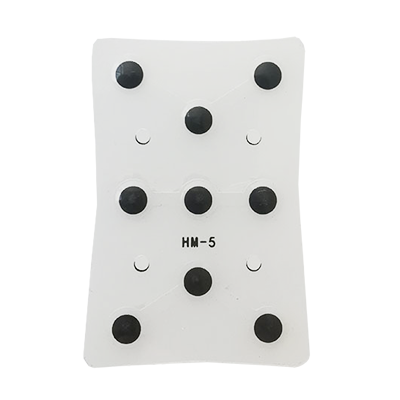
New Trend Factory Custom Cross 4-Legged Snap Dome Poly Metal Dome Array
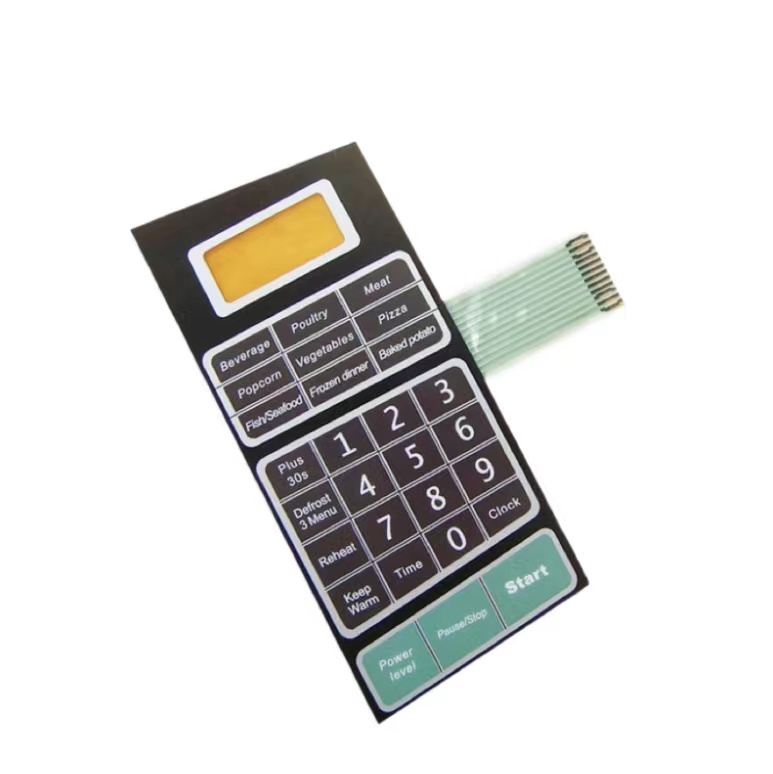
Low MOQ Custom Membrane Switch Panel Keypad Control
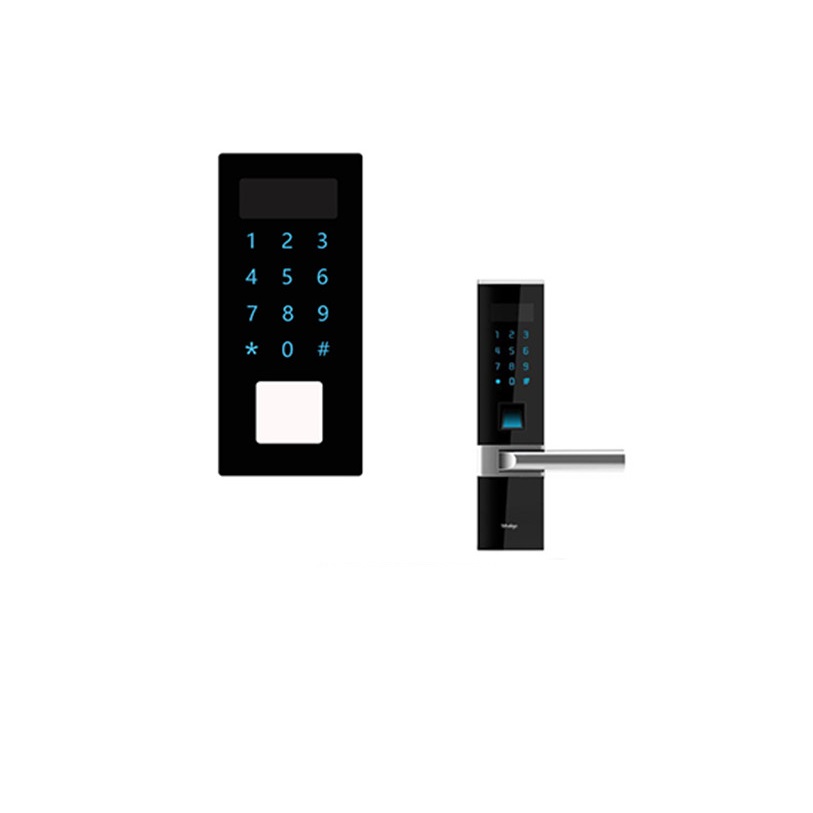
Custom Waterproof Smart Keypad PMMA Membrane Switch Panel
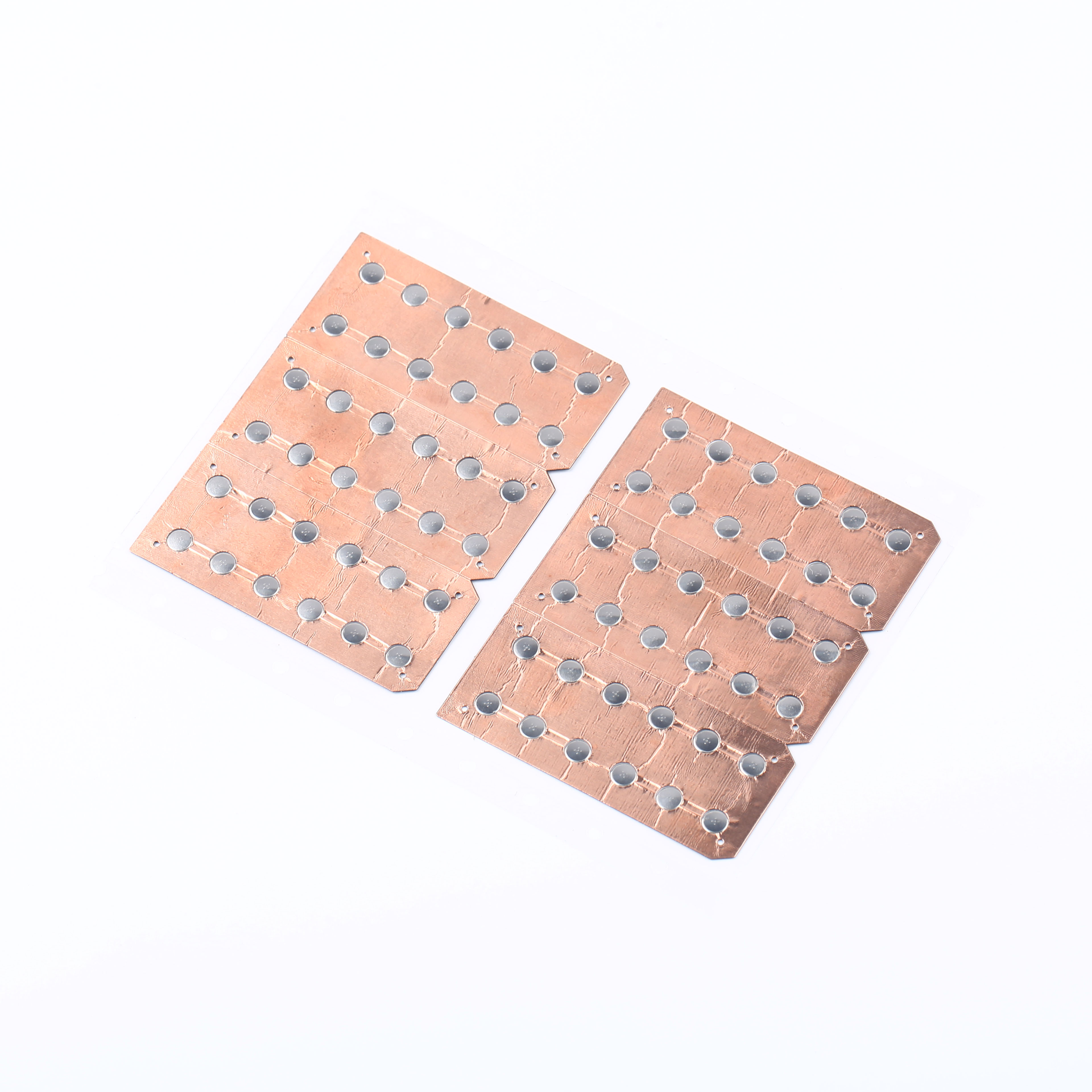
Round Metal Snap Dome Sheet Adhesive Copper Foil Array
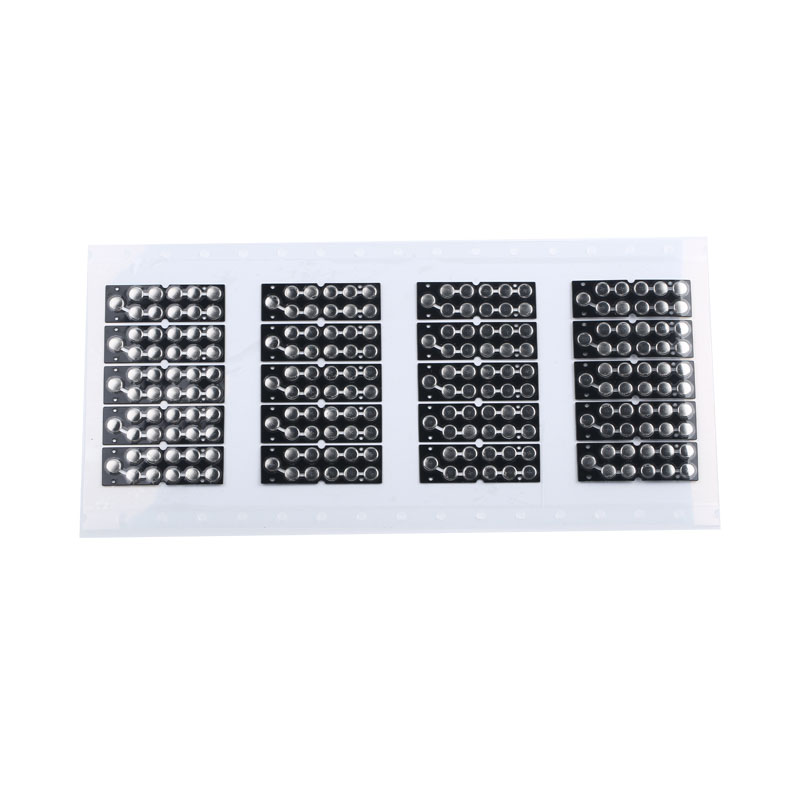
Round Metal Dome Array Single Layer Transparent PET
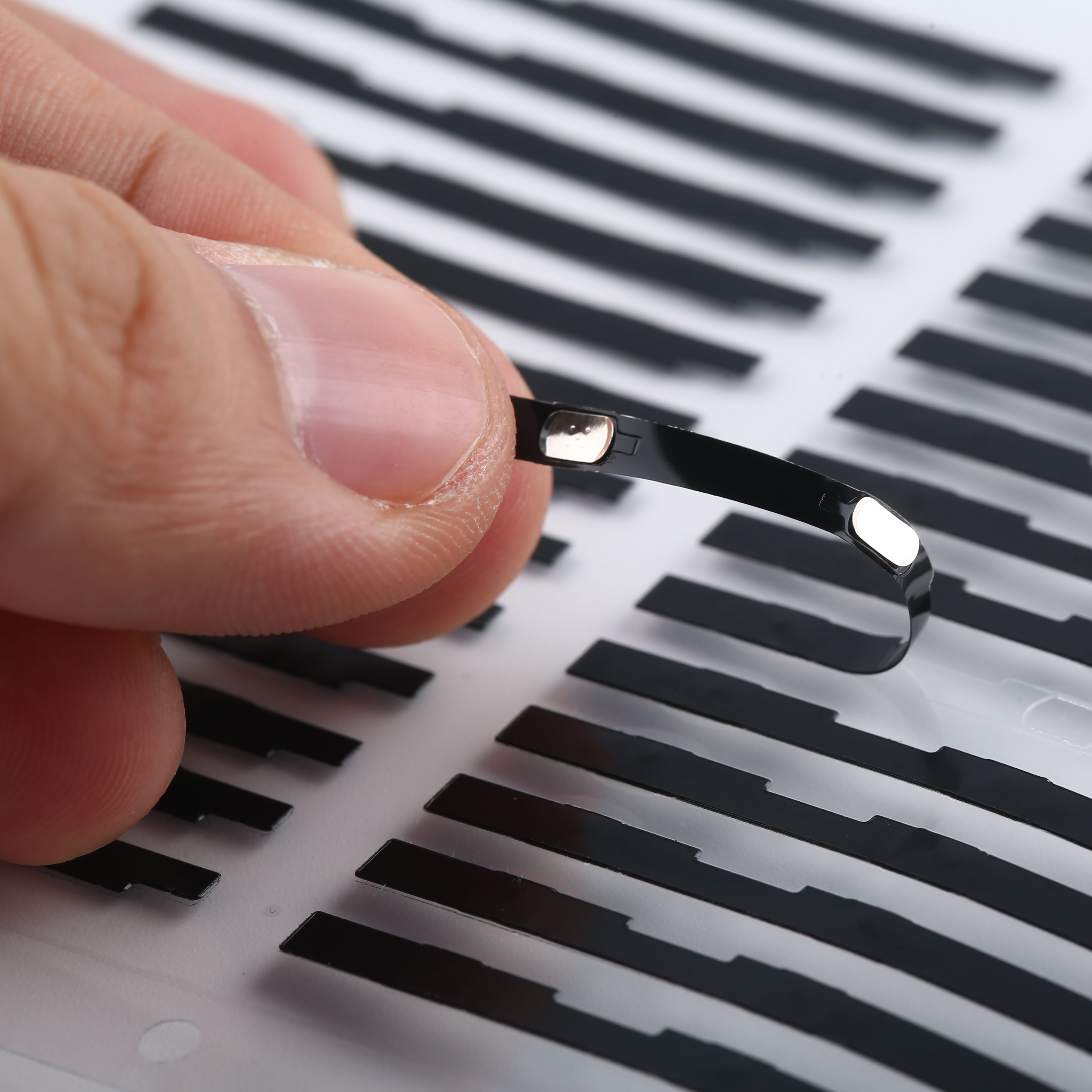
Oval Metal Dome Array Single Layer PET with Adhesive

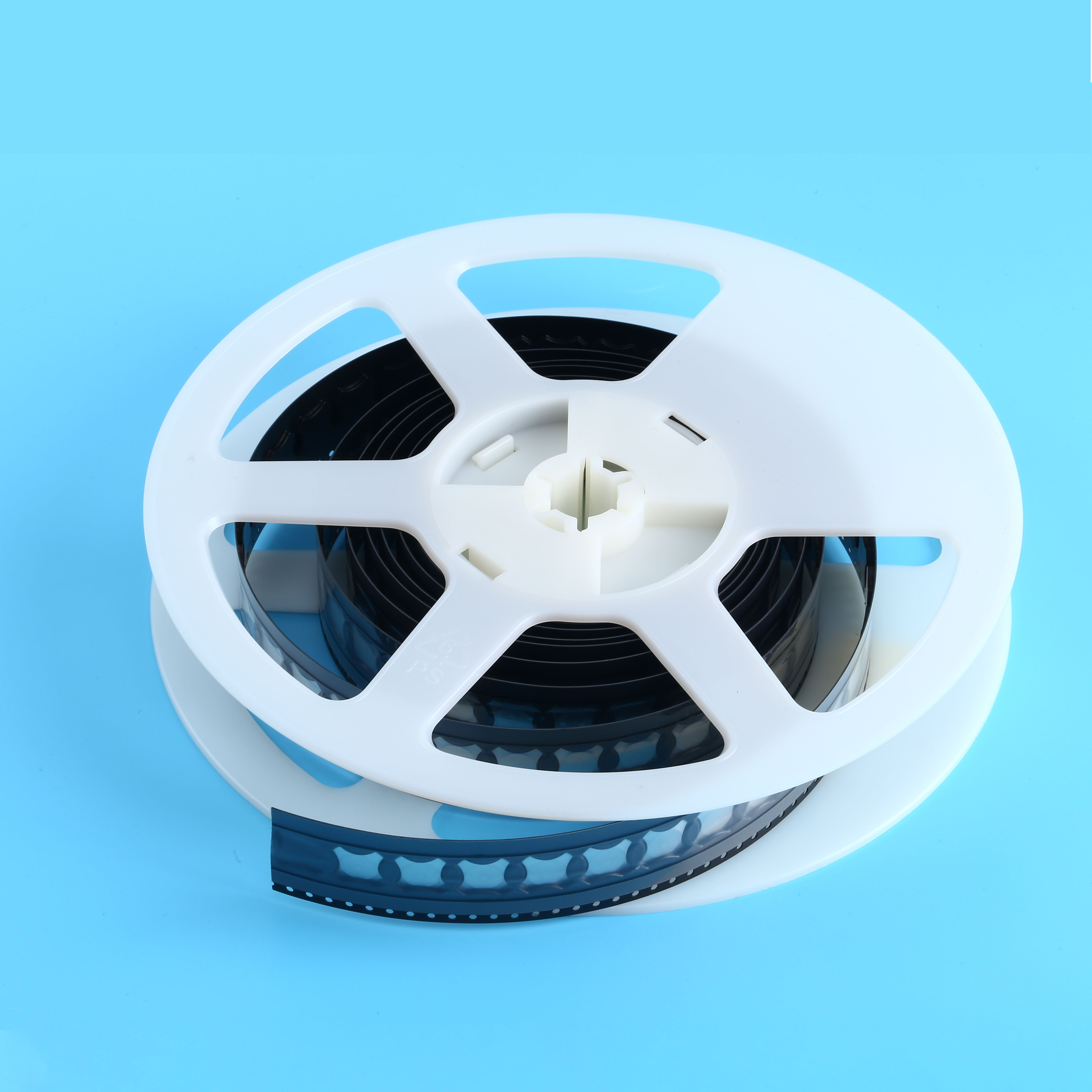
Cross 4-Legged Snap Dome in Tape & Reel Packaging
16+
Years Engineering Expertise
2,600㎡
In-House Manufacturing Area
100%
CCD Machine Vision & Electrical Check
ISO 9001
SGS Factory Verified Operation
Engineering Authority
Acrylic (PMMA) vs Synthetic Polymers in Industrial HMI Applications
A technical assessment of structural rigidity, surface hardness, optical transmission, and environmental resilience for modern equipment engineering.
High Surface Rigidity (Up to 4H-9H)
Unlike flexible Polycarbonate (PC) and Polyethylene Terephthalate (PET) films that top out at 2H or 3H hardness, extruded or cast PMMA graphic overlays provide a robust front-panel barrier that can be hard-coated up to 9H pencil hardness for extreme abrasion resistance.
This structural property makes acrylic overlays the premier design choice for external keypads exposed to mechanical abrasion, metal tools, and high-impact industrial environments.
Crystal-Clear Optical Transmission
Standard PMMA exhibits light transmission exceeding 92%, rivaling optical glass without the hazard of splintering under mechanical impact. It eliminates visual distortion over TFT LCD, OLED, and segment displays.
Our screen-printing facilities support dead-front graphic zones, semi-transparent tint filters, infrared (IR) transceiver windows, and anti-glare (AG) or anti-reflective (AR) surface treatments.
Multi-Layer Integration & Sealing
Modern acrylic graphic overlays serve as structural substrates that integrate seamlessly with custom membrane circuits, metal snap domes, Light Guide Films (LGF), and capacitive sensing nodes.
Utilizing high-performance structural adhesives such as 3M 467MP, 468MP, or 3M VHB, our CNC-routed panels achieve complete IP65 to IP67 ingress protection against moisture, oils, and aggressive sanitizing agents.
Material Selection Guide
Substrate Comparison Matrix: PMMA vs. PC vs. PET
Select the optimal engineering material based on tactile actuation, optical window requirements, flex cycles, and chemical exposure parameters.
| Engineering Property | Acrylic (PMMA) Overlay | Polycarbonate (PC) Overlay | Polyester (PET) Overlay |
|---|---|---|---|
| Surface Hardness (Pencil) | 3H - 9H (with UV cured hardcoat) | HB - 2H (Hardcoating optional) | 2H - 3H (Hardcoat required for heavy use) |
| Optical Clarity / Transmission | Up to 92-93% (Glass equivalent) | 86 - 90% | 85 - 89% (Slight internal haze) |
| Key Embossing / Flex Fatigue | Rigid substrate (Not embossable for keys) | Good forming capability; moderate flex life | Exceptional (>5 million switch actuations) |
| Chemical & Solvent Resistance | Resistant to alcohols, oils, weak acids | Susceptible to hydrocarbon stress cracking | Excellent resistance to harsh chemicals & MEK |
| Machining & Edge Profiling | Laser cutting, CNC beveling, polishing | Die-cutting, laser cutting, thermoforming | Precision steel-rule die cutting, laser cutting |
| Primary Application Envelope | Medical consoles, display bezels, luxury touch UI | Cockpit instruments, budget panels, flat labels | Industrial tactile membrane switches, high-cycle keypads |
Market Horizon
Future Sourcing & Technological Trends in Graphic Overlays
Key manufacturing innovations reshaping the procurement landscape across North American and European OEM equipment brands.
Capacitive Sensing Integration
Mechanical pushbuttons are rapidly migrating toward solid-state capacitive touch sensors laminated behind 1.0mm - 3.0mm dead-front acrylic overlays. This design creates smooth, hermetically sealed control surfaces that eliminate mechanical wear and ingress points.
Uniform Micro-LGF Backlighting
High-density Light Guide Films (LGF) and micro-etched acrylic light-diffusing plates now provide ultra-even luminance across graphic panels with minimal LED current consumption, removing hot spots in medical and dark-room industrial control rooms.
Antimicrobial & Easy-Clean Films
Post-pandemic healthcare standards demand overlays treated with non-leaching antimicrobial coatings that withstand standard medical biocides (bleach, isopropyl alcohol, quaternary ammonium) without clouding or surface crazing over multi-year cycles.
Precision Hybrid Fabrication
Demands for complex geometries, beveled edges, integrated light pipes, and adhesive-free sensor areas are shifting production toward combined 5-axis CNC diamond milling, high-speed automated laser profiling, and multi-station vacuum laminators.
Factory Capabilities
Why Global OEMs Partner with Dongguan Cevra Electronic Technology Co., Ltd.
Operating in Dongguan since March 2009, our vertically integrated 2,600㎡ facility unites substrate fabrication, clean-room printing, and advanced testing under one roof.
SGS Verified & ISO 9001 Certified
Our quality management operations conform strictly to ISO 9001 standards. The facility, production lines, and QA/QC management capacity have been independently audited and verified onsite by SGS Group, ensuring complete transparency and supply-chain traceability.
Integrated In-House Production
From initial CAD/DFM engineering reviews to semi-automatic cleanroom screen printing, precision die punching, laser cutting, CCD vision alignment drilling, automatic membrane lamination, and automated assembly—we control tolerances across the entire manufacturing cycle.
Comprehensive Laboratory Verification
Every batch undergoes exhaustive testing in our metrology lab, including dome load-deflection curve tests, high/low thermal cycling chambers (-40°C to +85°C), tension peel analyzers, adhesive tack testers, electric pencil scratch hardness units, and CCD optical dimension verifiers.
Procurement Knowledge Base
Frequently Asked Questions on Custom Graphic Overlays & HMI Manufacturing
Direct answers from our senior engineering team to help you streamline project onboarding, file requirements, and production schedules.
What engineering documentation is required to initiate an OEM/ODM acrylic graphic overlay project?
To provide a Design for Manufacturability (DFM) review and tooling quote, our engineering team requires:
- Vector Artwork: Adobe Illustrator (.AI), PDF, or EPS with text outlined and Pantone / RAL color specifications indicated.
- Mechanical Drawing: 2D CAD files (DXF/DWG) or 3D STEP/IGS models indicating material thickness, dimensional tolerances, cutouts, display windows, and bevel angles.
- Environmental Requirements: Operating temperature range, UV exposure, chemical exposure (e.g., hospital cleaners, fuel, salt spray), and expected ingress protection level (IP rating).
- Adhesive & Backer Data: Mounting substrate specifications (metal, powder-coated paint, ABS, polycarbonate) to identify the correct adhesive bonding system (e.g., 3M 467MP, 468MP, 300LSE).
When should an engineer specify an acrylic overlay instead of polycarbonate or polyester?
Choose an acrylic (PMMA) overlay when your interface demands structural front-panel rigidity, glass-like optical clarity (>92% light transmission) without glass breakage risks, superior surface pencil hardness (up to 4H-9H when hardcoated), and a high-end cosmetic finish with beveled edges. For keypads that require flexible embossed pushbuttons with tactile metal snap domes actuated millions of times, a flexible PET or PC overlay is typically the appropriate design choice.
What types of display windows and surface textures can you manufacture on acrylic panels?
We provide water-clear transparent windows, translucent colored smoke filters for LED/segment displays, dead-front graphics (where indicators remain invisible until backlit by high-efficiency LEDs), and infrared-transmissible (IR) windows for remote sensing. Surface options include high-gloss optical polish, anti-glare (AG) velvet matte textures, and selective UV hard-coatings that protect active window areas while leaving bonding perimeters intact.
How do you verify adhesive bonding strength and environmental durability before shipment?
Our quality assurance department validates material integrity using our in-house test laboratory. This includes 90° and 180° tension peel tests (ASTM D3330), static shear and holding tack testers, programmable high/low temperature cabinets (-40°C to +85°C with controlled relative humidity), and electric pencil scratch hardness testing to ASTM D3363 standards. Every shipment is backed by batch inspection reports and full raw material traceability.
What are your Minimum Order Quantities (MOQ) and production lead times?
We support rapid prototyping through laser profiling and digital printing with low starting quantities (from 10 to 50 pieces for initial evaluation). Production runs generally start from 100 pieces for custom membrane switch assemblies, and up to tens of thousands of units for mass production. Engineering prototypes typically dispatch in 5-7 business days, while volume production runs ship in 12-18 business days depending on tooling complexity.
Collaborate Directly with Dongguan Cevra's Engineering Specialists
Whether you need a custom-milled PMMA display bezel, an integrated capacitive touch keypad, or a complete tactile membrane switch assembly, our technical team is ready to evaluate your DFM drawings and supply quote proposals within 24 hours.