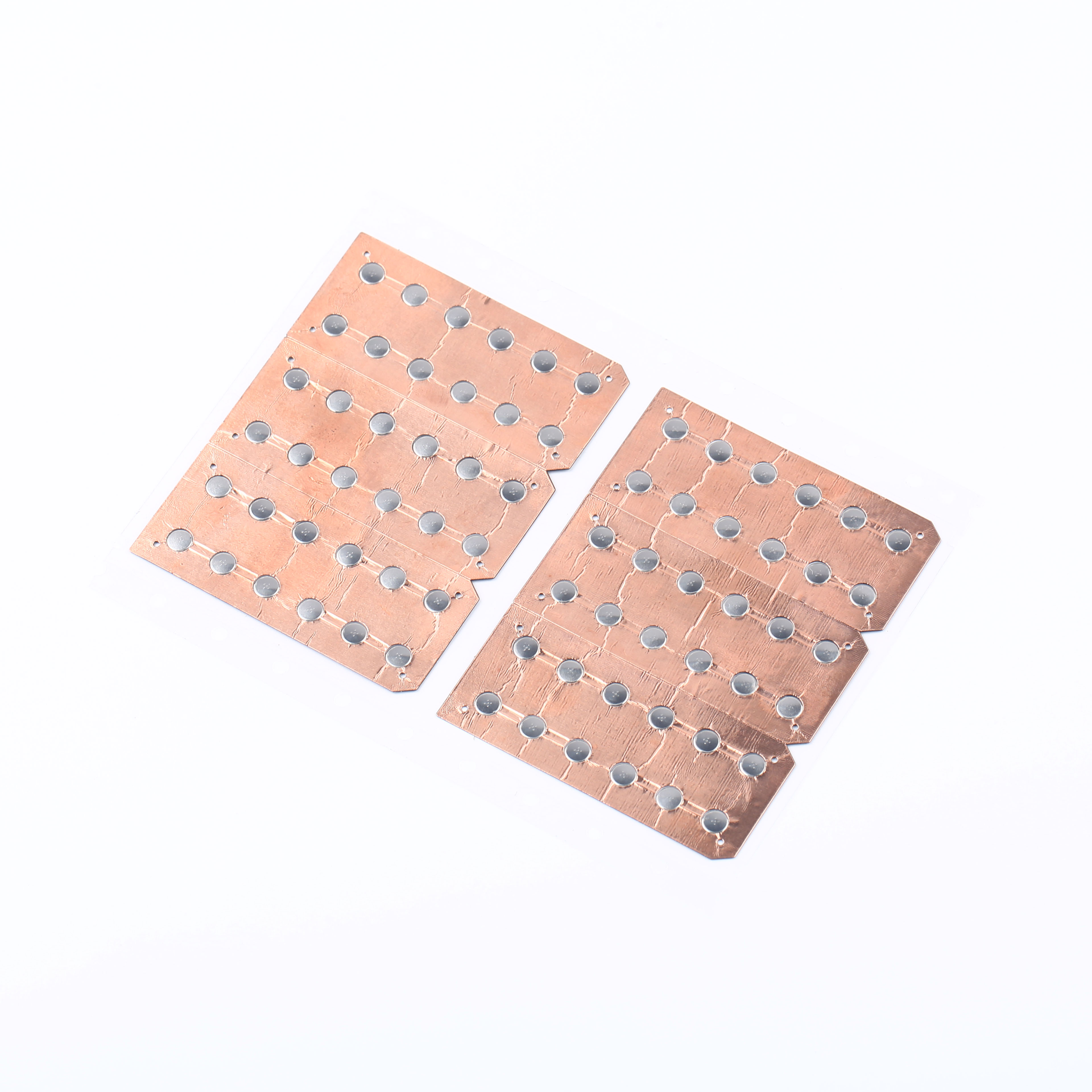
OEM/ODM Factory Direct Round Metal Snap Dome Sheet with Copper Foil Array
- Custom conductive copper foil substrate
- Round snap dome or zero-travel pad integration
- High temperature 3M adhesive carrier
Precision-manufactured in our Dongguan cleanroom. Explore our standard-setting dome sheets, graphic overlays, capacitive touch panels, and custom-circuit membrane solutions below.
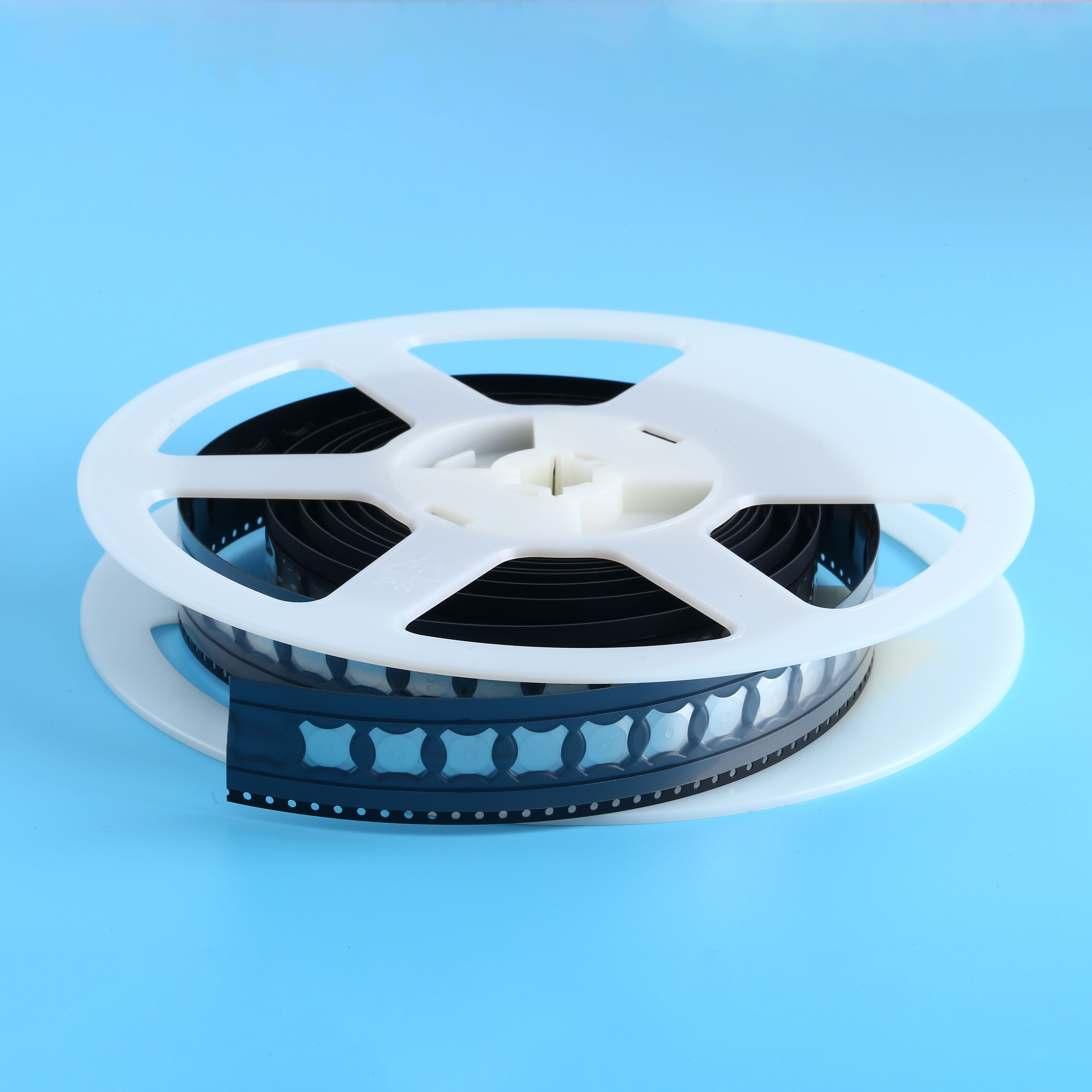
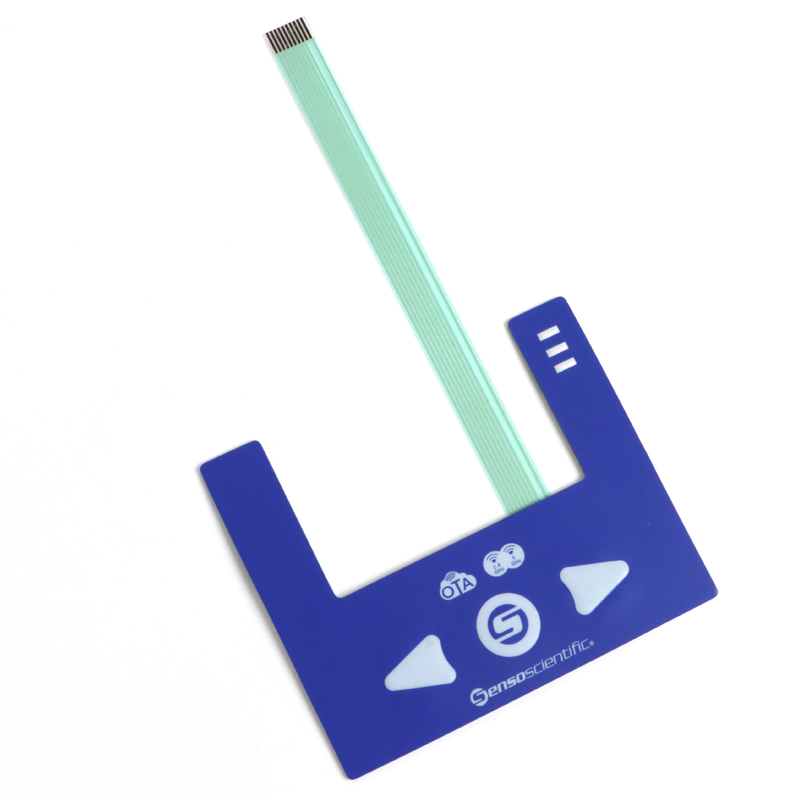
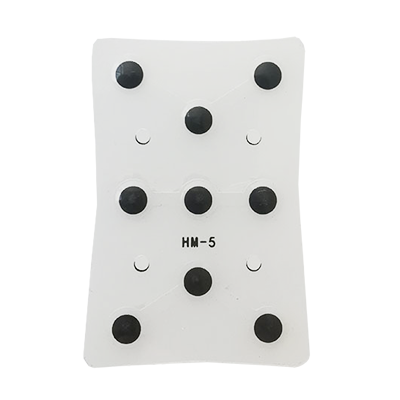
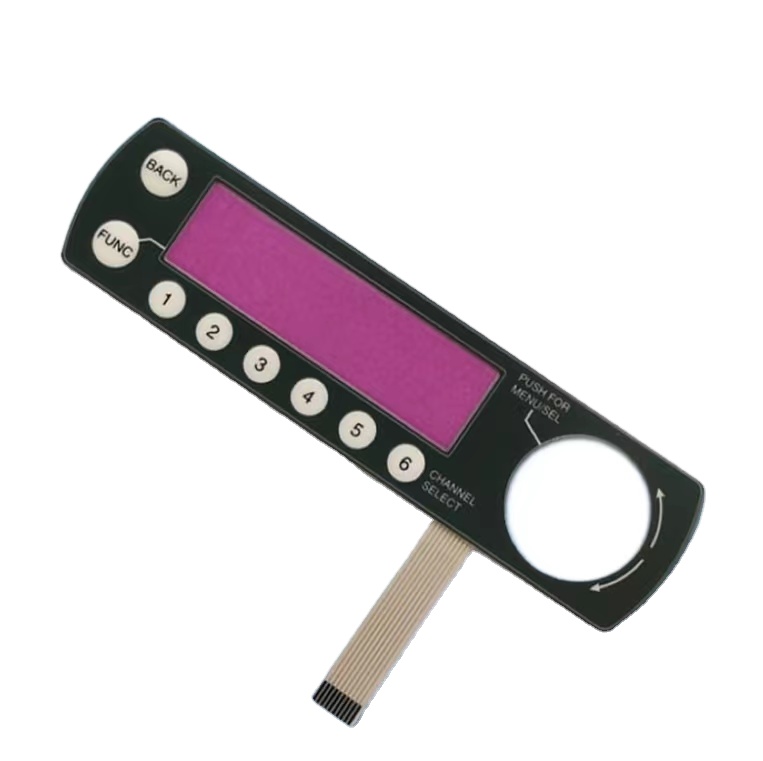
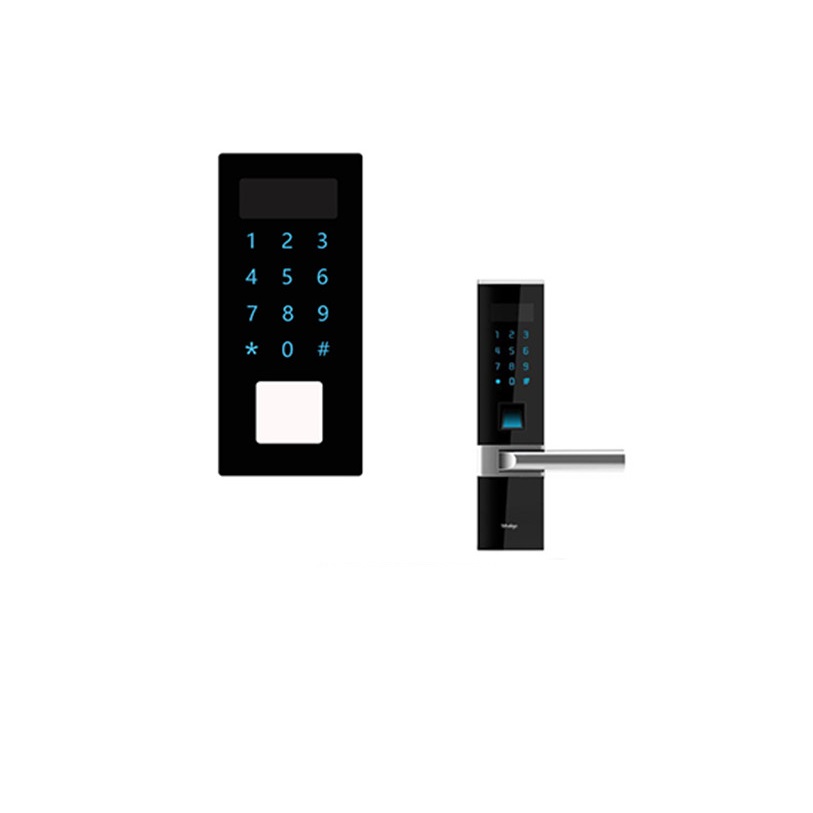
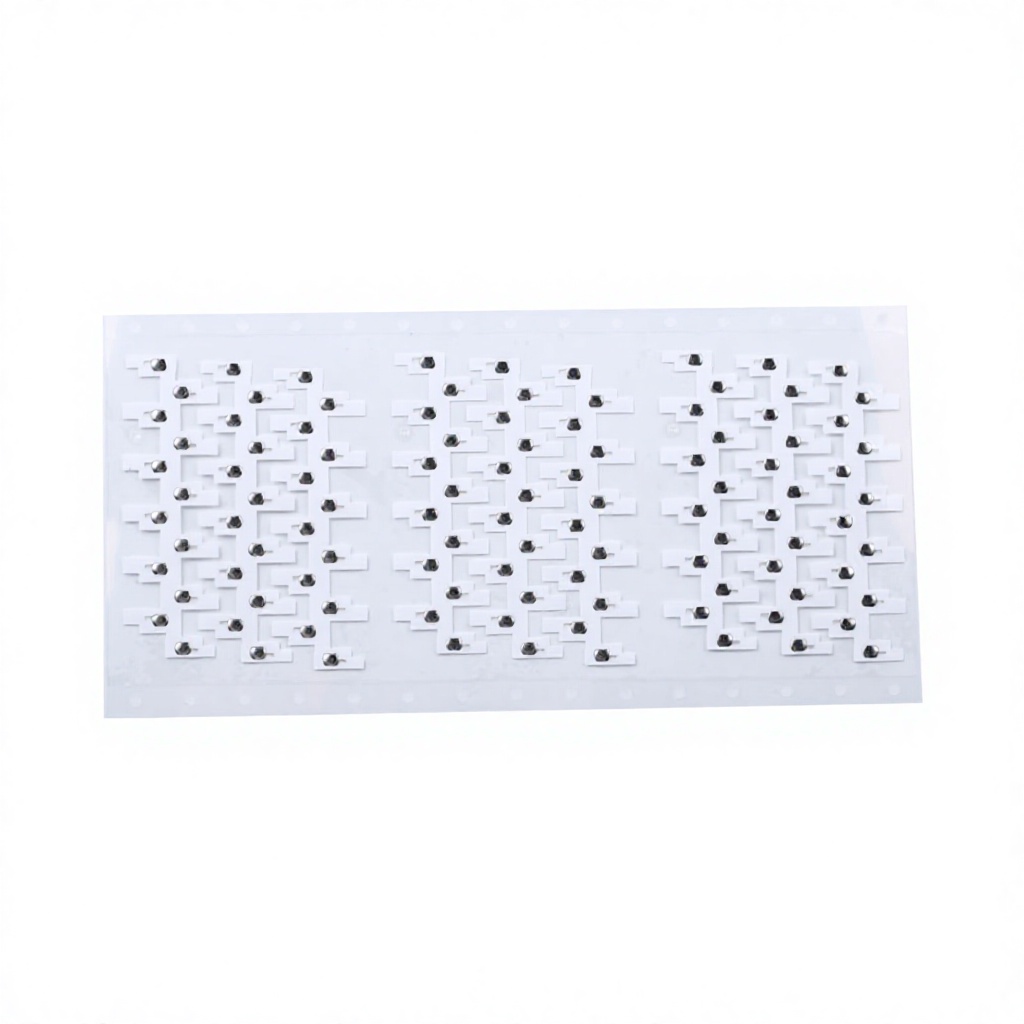
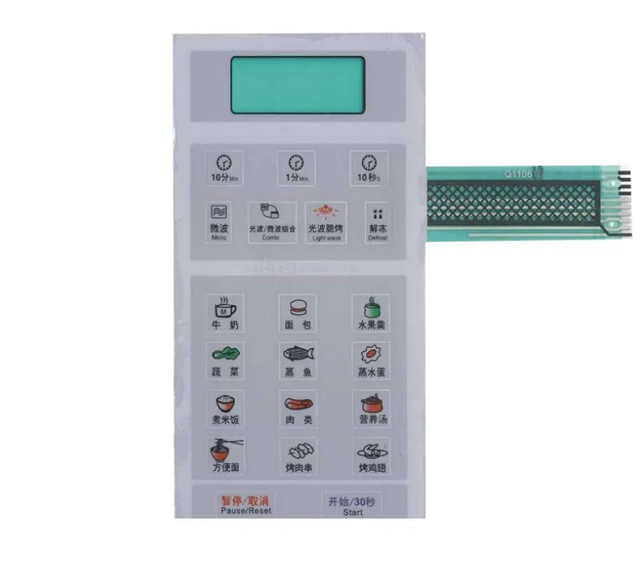
Unlike tactile keypads that rely on the mechanical snap of stainless steel or polydomes, non-tactile membrane switches achieve circuit closure via direct momentary contact through an ultra-thin vented spacer layer. This architecture delivers unparalleled lifespan, sanitary cleanability, and silent zero-travel actuation.
Non-tactile switches feature actuation travel between 0.1mm and 0.4mm with actuation forces typically calibrated between 0.5N to 3.0N (50g to 300g). By eliminating mechanical dome stress concentrations and metal fatigue, non-tactile contact pads routinely exceed 5,000,000 to 10,000,000 operational cycles, making them the most durable electromechanical HMI technology available for high-throughput instrumentation.
Without tactile dome cavities requiring expansive volume displacement, non-tactile membrane switches can be laminated with continuous perimeter adhesive seals. This isolates silver conductive traces and contact fingers from moisture, aggressive disinfectants (glutaraldehyde, sodium hypochlorite), petrochemicals, and dust contamination, meeting strict FDA cleanability mandates for medical respirators and laboratory analyzers.
In sensitive environments such as hospital intensive care units, recording studios, defense cockpits, or quiet control rooms, the absence of an audible click prevents ambient noise pollution. System engineers integrate visual LED confirmations or microcontroller-driven piezoceramic haptic buzzers directly behind the panel to deliver customizable user feedback without mechanical clatter.
Cross-sectional breakdown of a professional-grade 6-layer non-tactile membrane switch engineered at Dongguan Cevra Electronic Technology Co., Ltd.
Evaluate the electromechanical characteristics of leading human-machine interface technologies to select the optimal solution for your product requirements.
| Performance Parameter | OEM Non-Tactile Membrane Switch | Tactile Metal Snap Dome Switch | Capacitive Touch Film Panel |
|---|---|---|---|
| Mechanical Life Expectancy | 5,000,000 to 10,000,000+ Cycles (Superior) | 1,000,000 to 3,000,000 Cycles | Solid-state (Virtually Unlimited) |
| Travel Distance | 0.10 mm to 0.40 mm (Zero/Low Travel) | 0.30 mm to 0.80 mm (Definite Travel) | 0.00 mm (True Zero Travel) |
| Tactile / Audio Feedback | Silent, flat feel (Requires LED/Audio prompt) | Distinct mechanical snap and audible click | None (Requires firmware buzzer/LED) |
| Ingress & Environmental Seal | Superior (IP67/IP68 hermetic perimeter seal) | Excellent (IP65 with vented channels) | Superior (Hermetic continuous surface) |
| Operating Temperature | -40°C to +85°C (-40°F to 185°F) | -40°C to +85°C | -20°C to +70°C (Controller dependent) |
| False Triggering / Water Rejection | Zero false triggers from water film or gloves | Zero false triggers from water or gloves | Requires complex tuning for moisture/gloves |
| Total Tooling & Unit Cost | Low NRE tooling, highly competitive unit cost | Moderate (Additional dome array assembly) | Higher (IC controller, tuning & firmware) |
Strategic supply chain analysis for procurement officers, system architects, and electronics contract manufacturers navigating modern HMI component sourcing.
OEM manufacturers are increasingly merging zero-travel non-tactile physical switches with capacitive gesture sensors on a single flexible substrate. This hybrid approach enables high-reliability mechanical emergency-stop inputs alongside modern sliding touch controls for medical displays and smart home consoles.
Legacy optical fiber and electroluminescent (EL) foils are rapidly giving way to precision laser-etched Light Guide Films (LGF). By using side-firing micro-SMD LEDs directed through 0.125mm high-refractive-index films, suppliers achieve uniform daytime-visible luminescence with up to 80% lower power consumption.
For high-vibration automotive cockpits and precision aerospace avionics, procurement teams are shifting toward polyimide Flexible Printed Circuits (FPC). Etched copper traces prevent silver electromigration under persistent DC bias in high-humidity environments, reducing closed-circuit resistance below 1 Ohm.
Post-pandemic procurement standards mandate surfaces that actively inhibit bacterial proliferation. Modern polyester graphic overlays are formulated with integrated silver-ion additives that penetrate microbial cell walls, maintaining active biocidal effectiveness even after repeated industrial cleanings with harsh hospital disinfectants.
Operating from our 2,600㎡ precision production facility in Dongguan, China since March 2009, Dongguan Cevra Electronic Technology Co., Ltd. provides vertically integrated OEM/ODM manufacturing under an ISO 9001 certified quality management system.
We control every phase of manufacturing under one roof: automated roll-to-roll screen printing, high-precision CCD optical drilling, laser die-cutting, embossing, and automated layer lamination. This single-source approach eliminates third-party subcontractor delays, accelerates DFM prototyping to 5-7 days, and guarantees trace registration tolerances within ±0.05mm.
Our quality verification processes protect client programs against field failures. In-house testing infrastructure includes automated contact resistance testers, high/low temperature environmental chambers (-40°C to +125°C), computerized tension peel testers, 3M holding tack testers, electric pencil hardness scratch testers, and optical coordinate measuring machines.
Serving OEM leaders across North America, Europe, Japan, and Southeast Asia, our bilingual engineering department provides comprehensive Design for Manufacturability (DFM) reviews, Gerber/CAD conversions, and material stack-up optimization. Flexible order models support rapid pre-production prototype runs from 10 pieces up to full-scale mass production exceeding 500,000 units monthly.
In-depth technical answers addressing circuit design, mechanical life, environmental shielding, and production timelines.
Standard screen-printed silver ink non-tactile switches exhibit closed circuit loop resistances ranging from 10 to 100 Ohms, depending on trace length, geometry, and connector type. For applications requiring low loop resistance (under 1 Ohm), we recommend copper-etched polyimide FPC circuits. Operating ratings typically support 30V DC maximum at 100mA, with a contact bounce (debounce) of less than 5 milliseconds and an open-circuit dielectric breakdown resistance exceeding 500V DC at 100M Ohms.
We incorporate a dedicated internal shielding layer positioned immediately beneath the graphic overlay. This layer utilizes either continuous printed conductive grid patterns (silver/carbon matrix) or an aluminum/copper foil laminate grounded directly through a dedicated pin on the interconnect tail. This design provides electrostatic discharge (ESD) protection up to 15kV to 25kV (air and contact discharge), preventing system resets and safeguarding sensitive internal microprocessors from external electromagnetic interference.
Polyester (PET, such as Autotex or MacDermid Autotype) is recommended for non-tactile membrane keypads. PET delivers exceptional flexural fatigue resistance—enduring millions of depressions without surface micro-cracking—and offers superior resistance to aggressive chemicals, alcohols, and industrial solvents. Polycarbonate (PC) is suitable for flat decorative faceplates and high optical clarity instrument lenses, but it can suffer from micro-crazing under continuous cyclic flexing or chemical exposure.
When keys are pressed, air between the conductive layers must disperse to prevent air-cushioning and inadvertent actuation. In sealed non-tactile designs, we implement precision micro-venting channels within the internal spacer layer. These channels route air between adjoining button pockets or exhaust through the flexible tail into the host device's dry interior. For outdoor IP67 installations, we integrate breathable, water-impermeable Gore-Tex micro-membranes over the vent holes to prevent moisture entry while allowing pressure equalization across temperature fluctuations.
Our manufacturing lines support standard 2.54mm (0.100") and 1.27mm (0.050") pitch crimped female housing connectors (FCI Clincher, Nicomatic, Amphenol, or compatible female pins). Additionally, we produce plain bare-tail flex ends engineered for direct mating with Zero Insertion Force (ZIF) and Non-ZIF surface-mount PCB connectors down to 0.5mm and 1.0mm pitch. Contact areas feature protective carbon printing or gold-flash plating to ensure durable mating retention.
For custom OEM prototypes, tooling and sample production are completed in 5 to 8 business days following CAD artwork approval. Mass production runs require 12 to 18 business days depending on order volume and component complexity (such as integrated surface-mount LEDs or LGF backlighting). Our flexible MOQ starts at 10 to 50 pieces for prototype evaluation, scaling smoothly to monthly delivery volumes of 100,000+ units.
Work directly with Cevra's senior HMI engineering team. Submit your CAD vector files (DXF, DWG, Step, AI) or functional circuit schematics for a comprehensive DFM review, layer stack-up recommendation, and firm factory quotation within 24 hours.