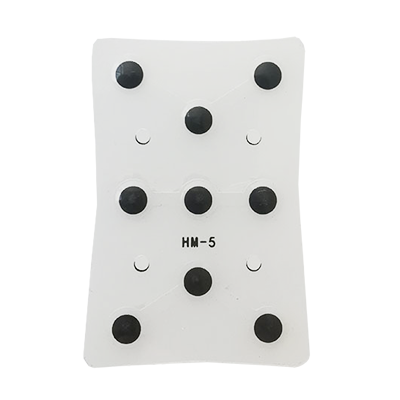
Membrane Keypad with Light Guide Film Metal Dome Array Sheet
Uniform low-profile backlighting featuring precision SUS301 tactile dome arrays over rigid or flexible PCB assemblies.
Product Details →Industrial-Grade Layer Stacks, Tactile Feedback Assemblies, and Environmental Ingress Protection for Global OEM/ODM Device Programs.
From micro-force tactile arrays to high-clarity graphic overlays and capacitive backlighting, explore our precision-built interface systems.
Uniform low-profile backlighting featuring precision SUS301 tactile dome arrays over rigid or flexible PCB assemblies.
Product Details →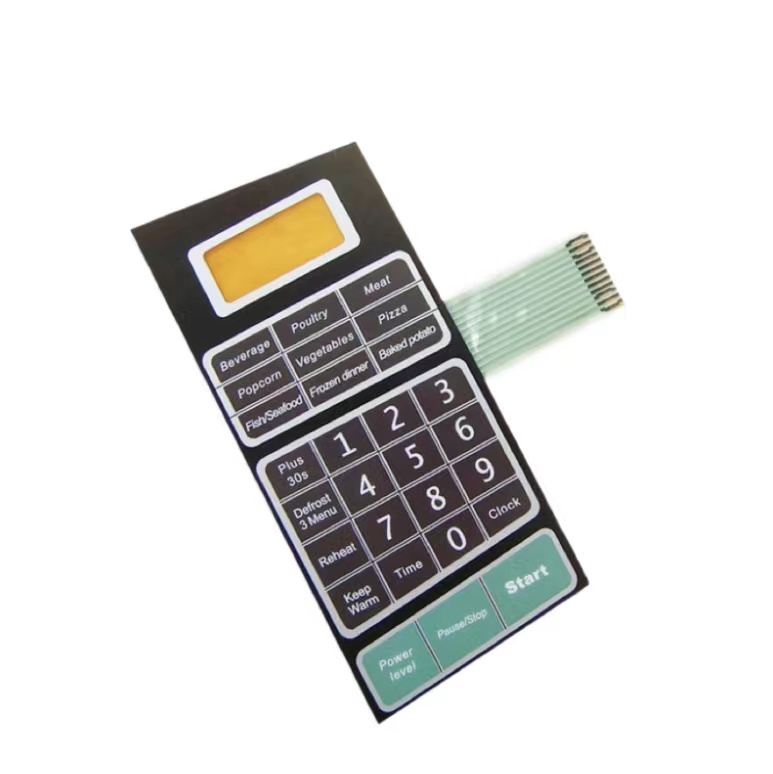
Rapid validation tactile control interfaces engineered with custom silver-paste circuits and textured industrial Autotex overlays.
Product Details →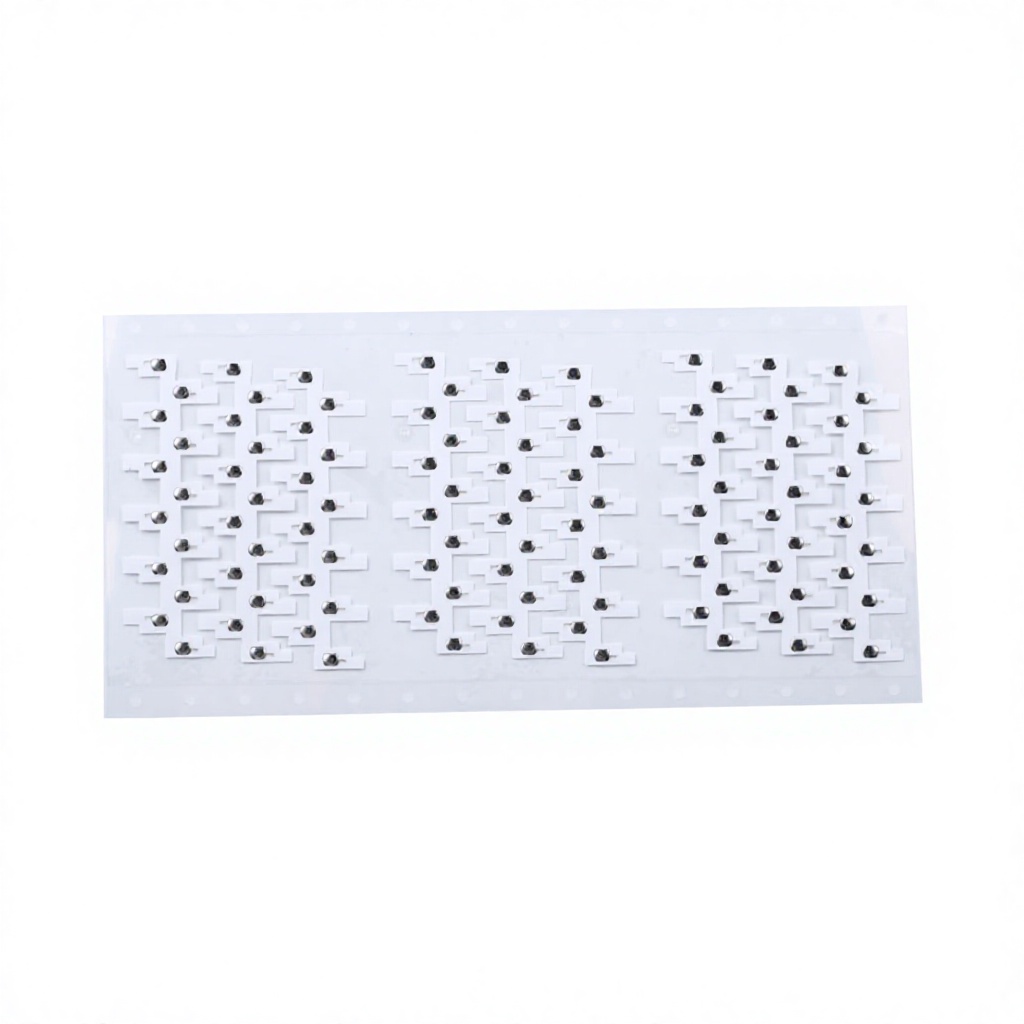
Precision-calibrated tactile trip forces for telecommunication headsets, compact remotes, and high-density PCB button layouts.
Product Details →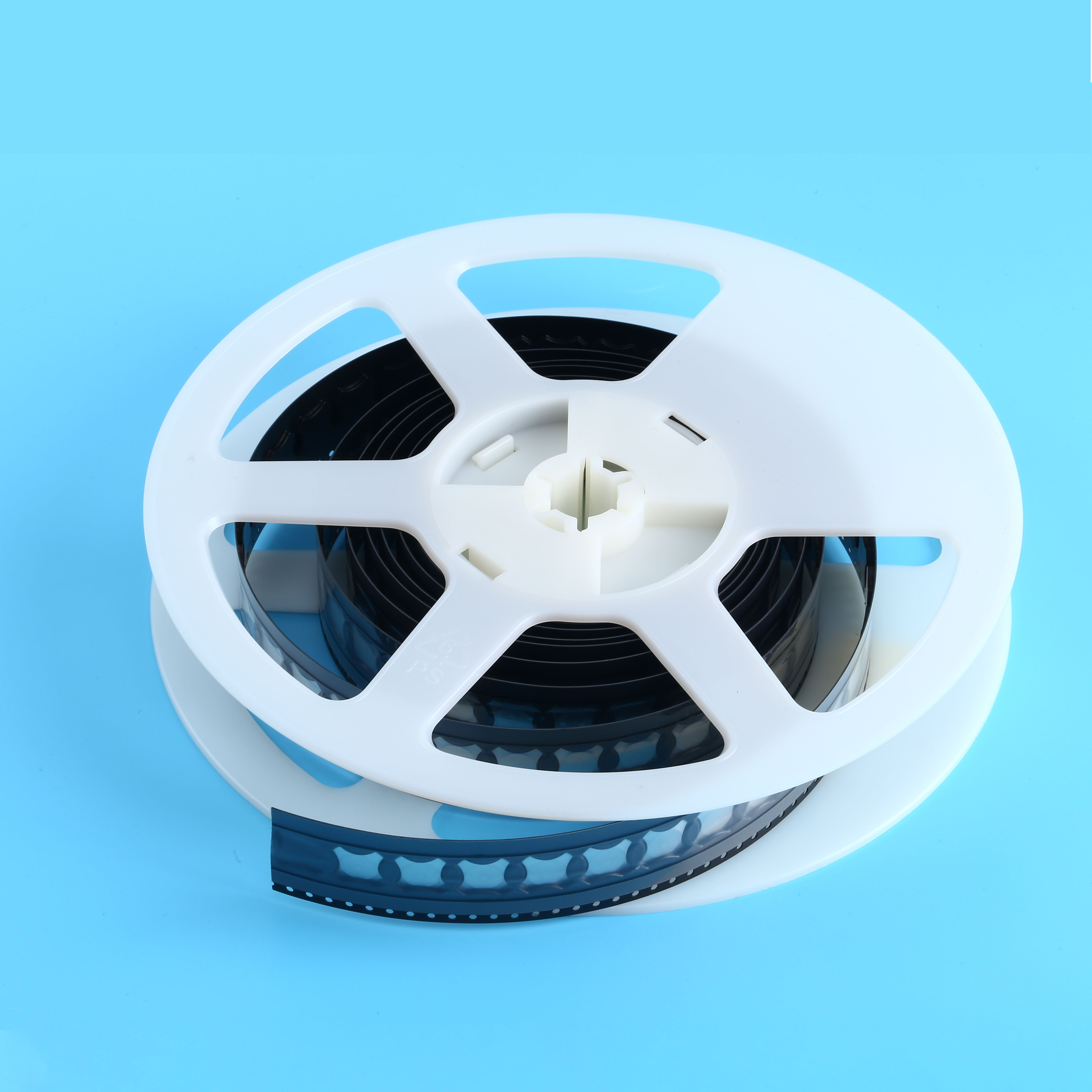
Automated SMT placement ready, offering stable tactile actuation ratio and extended operating cycles up to 1,000,000 clicks.
Product Details →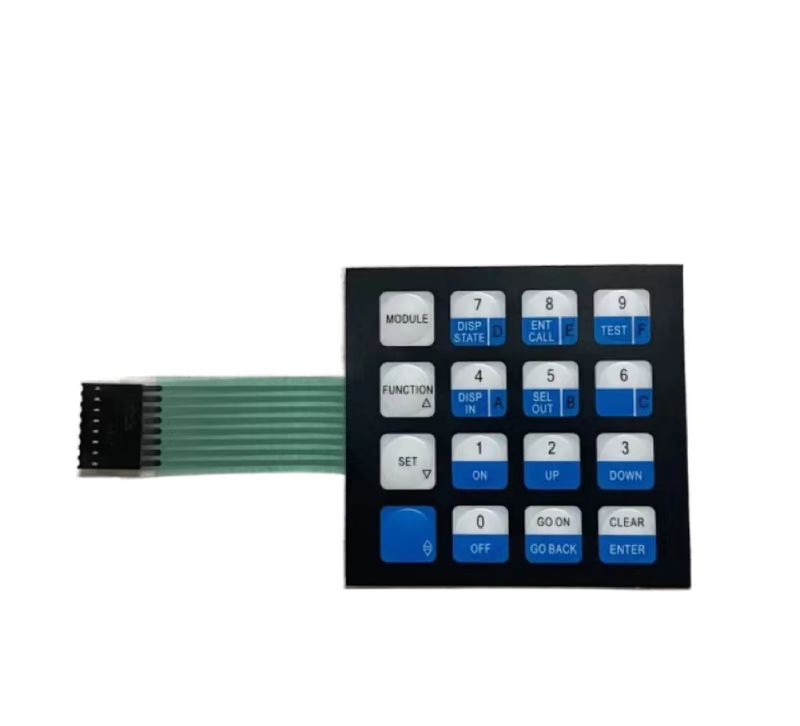
Standardized matrix array with high-tack 3M double-sided acrylic adhesive for quick enclosure assembly and harsh environment sealing.
Product Details →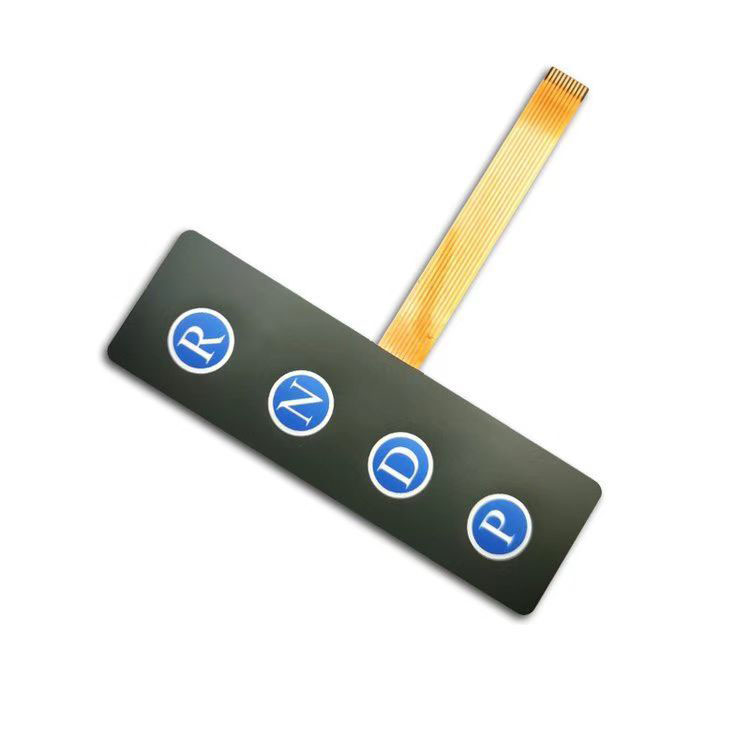
Rim and pillow embossed key boundaries with discrete SMD LED embedding for high-visibility low-light medical and commercial HMIs.
Product Details →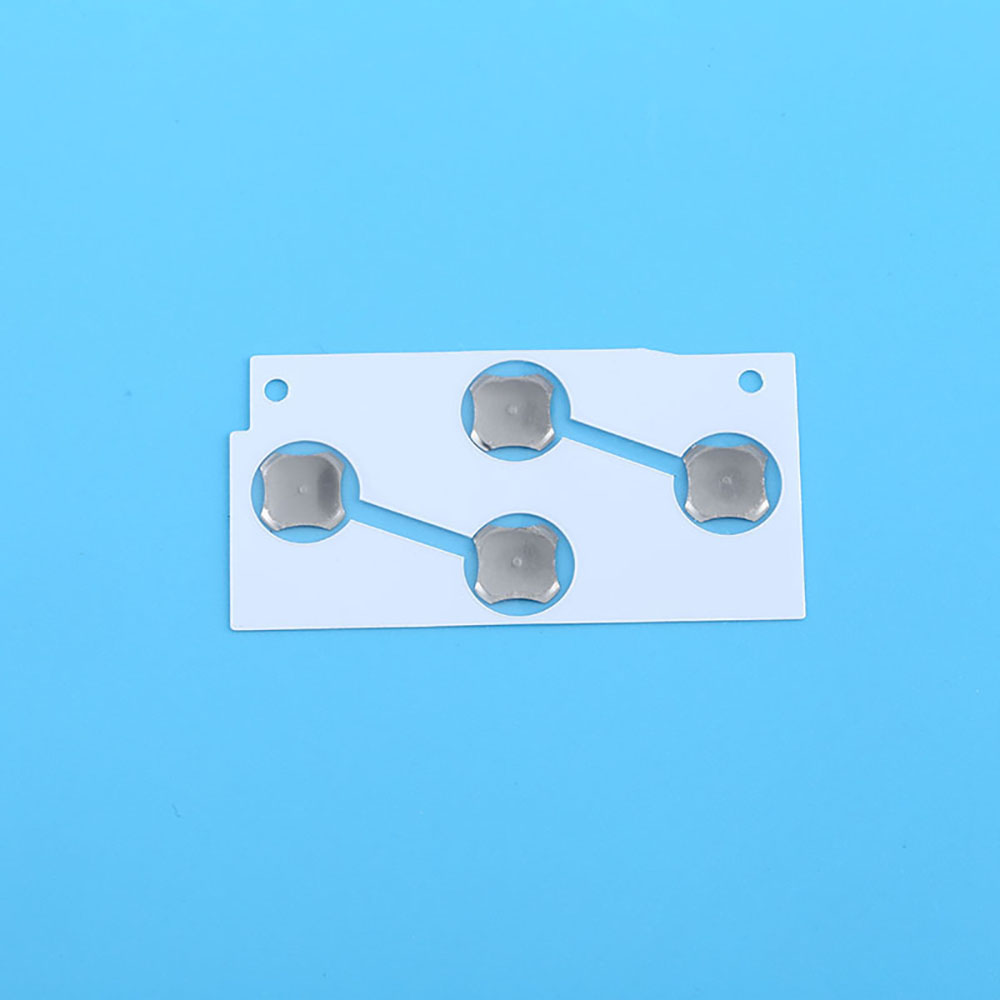
Engineered dome arrays with micro-ventilation trace channels, eliminating air-pocket dampening to preserve sharp tactile click ratios.
Product Details →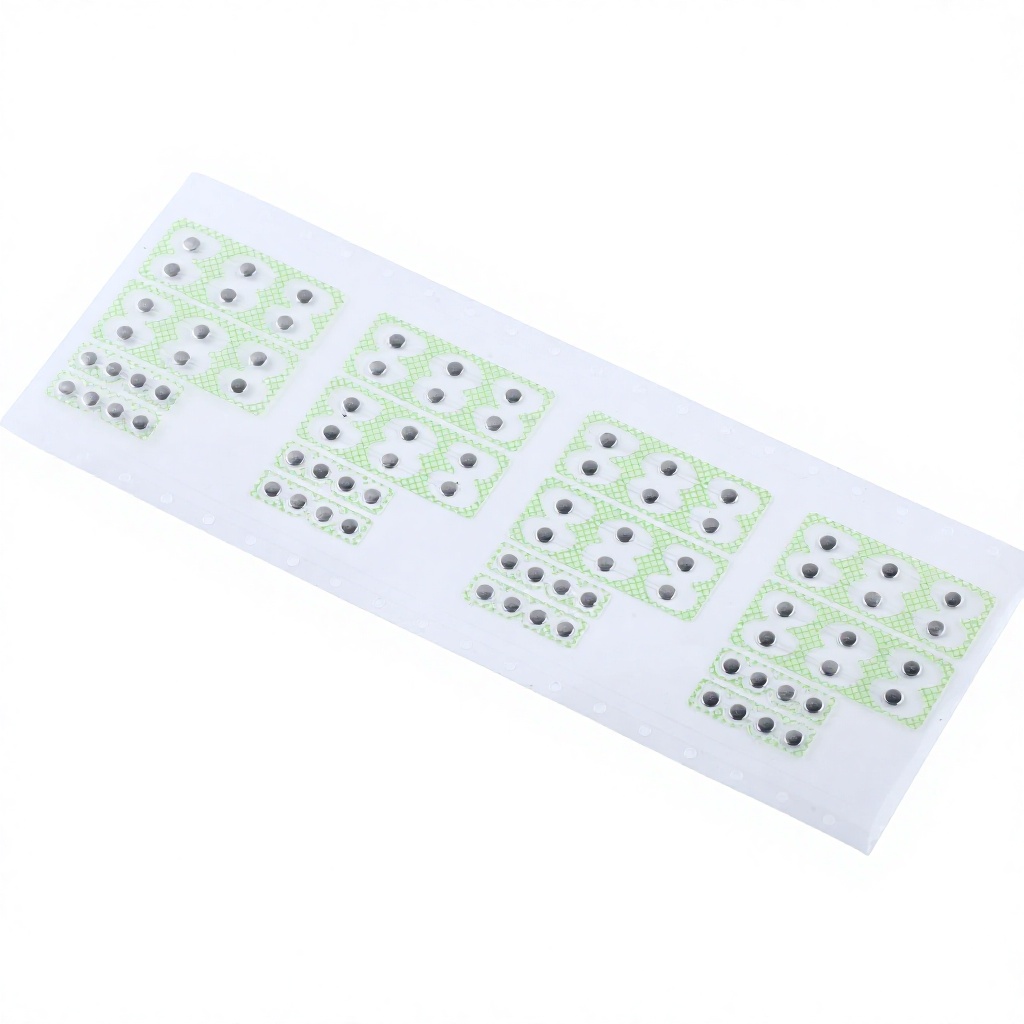
Sealed perimeter gasket barrier rated IP65/IP67 to resist washdown, chemical exposure, and humidity in outdoor industrial equipment.
Product Details →Based in Dongguan, China, Dongguan Cevra Electronic Technology Co., Ltd. eliminates third-party manufacturing variables through end-to-end tooling, printing, laminating, and optical testing.
Exporting high-precision membrane switches, graphic overlays, and dome arrays to Tier-1 OEMs across North America, Europe, Japan, and Southeast Asia under direct DDP/FOB supply agreements.
Complete traceability across raw incoming polymers (Autotex PET, Lexan PC), conductive inks, and 3M adhesive backings with rigorous internal quality control protocols.
Utilizing high-speed laser cutting, automated CCD target punching, precision silk-screen printers, and pneumatic dome mounting machines for tolerances within ±0.05mm.
Custom graphic overlays, circuit spacers, silver or copper flexible circuits (FPC), tactile snap domes, and rear mounting plates combined into unified, low-profile human-machine interfaces.
In-house testing suite including dome trip load testers, high/low thermal shock chambers (-40°C to +85°C), 180° peel adhesion gauges, and MIT folding endurance analyzers.
Direct communication with bilingual mechanical and electrical engineers. Rapid sample turnaround in 3–5 working days with scalable production lines from 10 to 1,000,000+ units.
A comprehensive breakdown of multi-layer substrate dynamics, tactile calibration, and electrical routing for mission-critical hardware.
A custom OEM membrane control panel is an engineered multilayer sandwich of precision-printed technical films, functional adhesives, and conductive traces designed to execute switching actions under demanding electrical and physical environments. For global procurement teams, understanding the specific interplay between graphic overlay substrates, actuation switches, and internal venting channels is fundamental to preventing field failure caused by delamination, silver migration, or tactile fatigue.
The operational lifespan of a membrane control panel begins with the base polymer selected for the front graphic layer. While Polycarbonate (e.g., SABIC Lexan) provides high clarity, superior dimensional stability, and ease of embossing, its flex fatigue threshold is limited to approximately 100,000 cycles. It remains ideal for non-tactile faceplates, display bezels, and stationary medical interfaces.
Conversely, oriented Polyester films (such as MacDermid Autotex PET) deliver an actuation life exceeding 5,000,000 cycles. PET demonstrates exceptional resistance to aggressive chemicals (alcohols, solvents, household bleach, industrial detergents) and resists micro-cracking when embossed with pillow or rim profiles. For harsh industrial controllers, CNC panels, and outdoor equipment, PET is the industry benchmark.
| Engineering Property | Biaxially Oriented PET (e.g., Autotex) | Polycarbonate (e.g., Lexan PC) | Polyimide (Kapton FPC Circuit) |
|---|---|---|---|
| Flex Life (Switch Actuations) | > 5,000,000 cycles | ~100,000 cycles | > 10,000,000 cycles |
| Chemical & Solvent Resistance | Exceptional (Hydrocarbons, Alcohols) | Moderate (Susceptible to Ketones, Esters) | Extreme Chemical Inertness |
| Embossing & Forming Integrity | Requires thermal embossing; high retention | Cold/Hot forming easy; sharp edges | Typically flat or adhered to stiffeners |
| Direct Soldering Suitability | No (Requires conductive epoxy bonding) | No (Low thermal threshold) | Yes (Lead-free reflow compatible) |
| Primary Application Area | Industrial Machinery, Field Equipment | Displays, Diagnostic Bezels, Appliances | High-Density Traces, SMT Integrated Panels |
Tactile perception directly governs operator safety and ergonomic confidence. Our factory utilizes high-grade SUS301 stainless steel domes available in four-legged (cross), round, and triangular geometries with plating alternatives ranging from bare stainless to bright nickel and 24K gold flash.
Design Note for Hardware Engineers: Unvented switch chambers trap microscopic air pockets. When keys are pressed rapidly or exposed to temperature cycles, trapped air creates internal backpressure that causes "pillowing" and irregular click forces. Cevra integrates CNC-cut micro-vent channels into the adhesive spacer layer, routing air between inactive panel sectors while preserving the perimeter IP67 barrier.
Anticipate evolving industry standards, environmental directives, and technical architectures to future-proof your hardware procurement roadmap.
Procurement teams are shifting toward hybrid panels that blend tactile metal snap domes for safety critical functions (Emergency Stop, Main Power) with planar capacitive touch sliders and wheels for secondary navigation, delivering a sleek smartphone-like aesthetic without compromising safety compliance.
Eliminating bulky acrylic light pipes, contemporary membrane designs utilize micro-grooved 0.125mm to 0.25mm Light Guide Films (LGF). Edge-lit by a minimal number of side-firing SMD LEDs, LGF systems deliver uniform key legends and icon illumination while reducing total assembly thickness and power draw.
Driven by medical device directives and commercial food equipment sanitation codes, surface overlays increasingly incorporate silver-ion antimicrobial coatings directly into the polymer matrix, actively neutralizing bacterial biofilms without degrading during repeated hospital-grade disinfectant wipe-downs.
For applications subjected to persistent vibration, dense SMT component counts, and fine pitch (0.5mm ZIF) connectors, copper-clad polyimide FPC is replacing traditional screen-printed silver ink. FPC eliminates silver migration risks under high voltage gradients and humidity, extending operational life.
Modern procurement strategies avoid fragmented assembly supply chains. Cevra provides fully consolidated sub-assemblies comprising membrane switches adhered directly to CNC-machined aluminum backplates, injection-molded ABS/PC bezels, and daughterboards ready for drop-in line integration.
To eliminate parallax errors and internal condensation across LCD/OLED display cutouts, overlays are optically bonded to display glass utilizing non-yellowing acrylic OCA, maximizing ambient sunlight readability for industrial handhelds and EV charging stations.
Key engineering and manufacturing considerations addressed by our Senior Product Engineering Team.
Silver migration occurs when moisture combines with a DC voltage bias, causing silver dendrites to bridge switch gaps. We counter this by applying continuous carbon overcoat passes over silver conductive tracks, utilizing hydrophobic dielectric coatings, maintaining minimum trace gaps (≥0.5mm), or recommending polyimide copper circuits (FPC) for high-reliability medical and defense hardware.
We require CAD mechanical drawings (DXF, DWG, or STEP) depicting exterior dimensions, key positions, embossed profiles, and tail length/location; vector artwork files (AI, PDF, or CorelDraw) specifying graphic layers, window tints, and Pantone/RAL color codes; and an electrical schematic mapping pinout assignments, tactile switch matrices, and LED polarities.
Achieving IP65/IP67 ingress ratings relies on uninterrupted adhesive gaskets. We implement high-tack acrylic adhesives (such as 3M 467MP, 468MP, or 3M VHB foam systems) around the panel's active perimeter. Tail exits are protected using integrated adhesive labyrinth seals or top-exiting flexible conduits that isolate switch cavities from external fluid entry.
Standard trip forces range from 200g to 500g, with 280g to 350g being preferred for industrial machine panels to prevent accidental activation while maintaining decisive ergonomic snap. Travel distances typically span 0.3mm to 0.8mm depending on dome diameter (typically 6mm, 8.4mm, 10mm, or 12mm) and key embossing height.
Yes. We bond miniature surface-mount devices (0603, 0805, 1206 packages, side-view LEDs, and resistors) into flexible silver circuits using isotropic conductive epoxy reinforced with UV-cured potting encapsulation, preventing component shear during assembly flexure and thermal cycling.
We supply standard flex tails with 1.00mm, 1.27mm, or 2.54mm pitch spacing compatible with ZIF/LIF zero-insertion connectors. Alternatively, we terminate with industry-standard female crimp connectors (such as Nicomatic, FCI Clincher, or Amphenol) paired with friction-latching or polarization housings.
Connect with our engineering office in Dongguan. Send your CAD mechanical files, graphic artwork, or target specifications for rapid manufacturability analysis and quotation within 24 hours.
Send an Inquiry