Factory-Direct HMI Tactile Interface Solutions
High-tolerance tactile keypads, graphic overlays, and stainless dome matrices manufactured in strict compliance with ISO 9001 quality parameters.
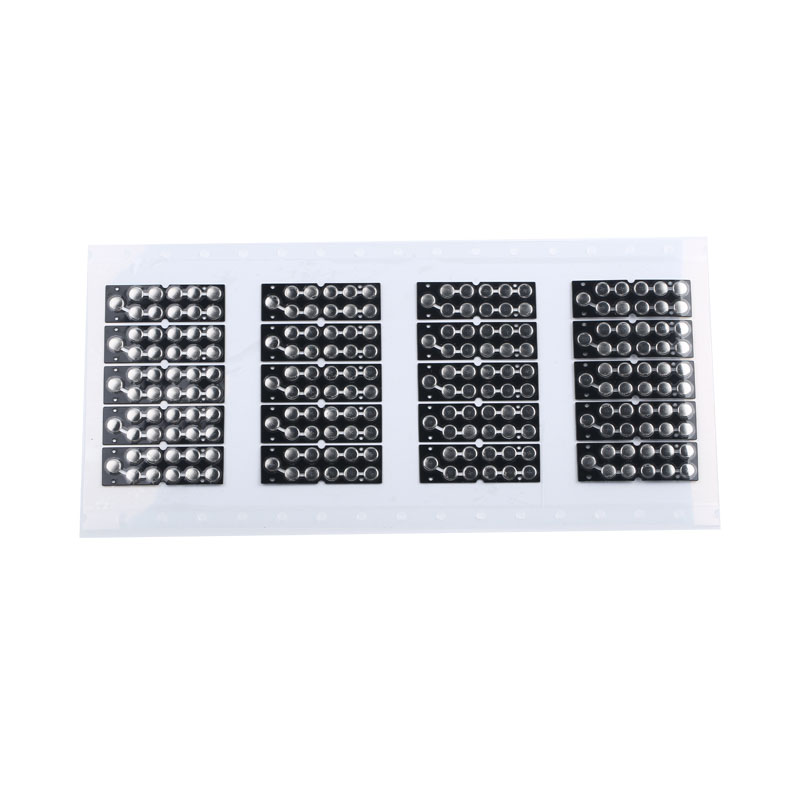
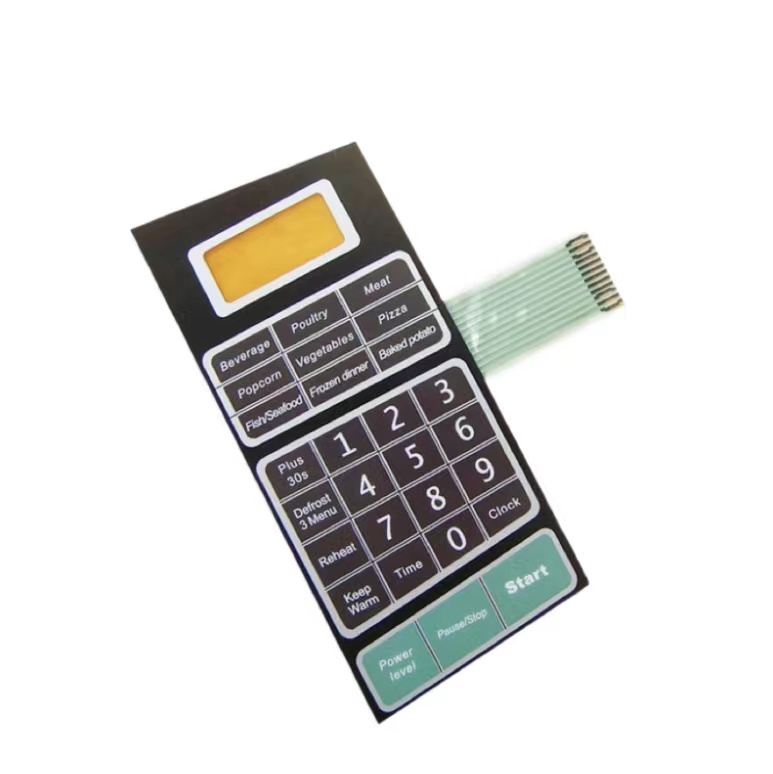
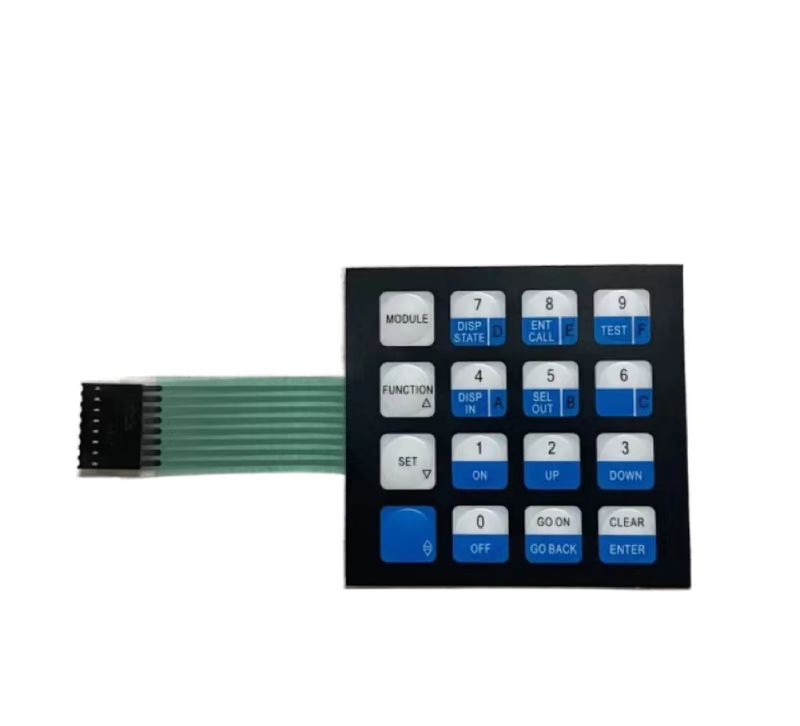
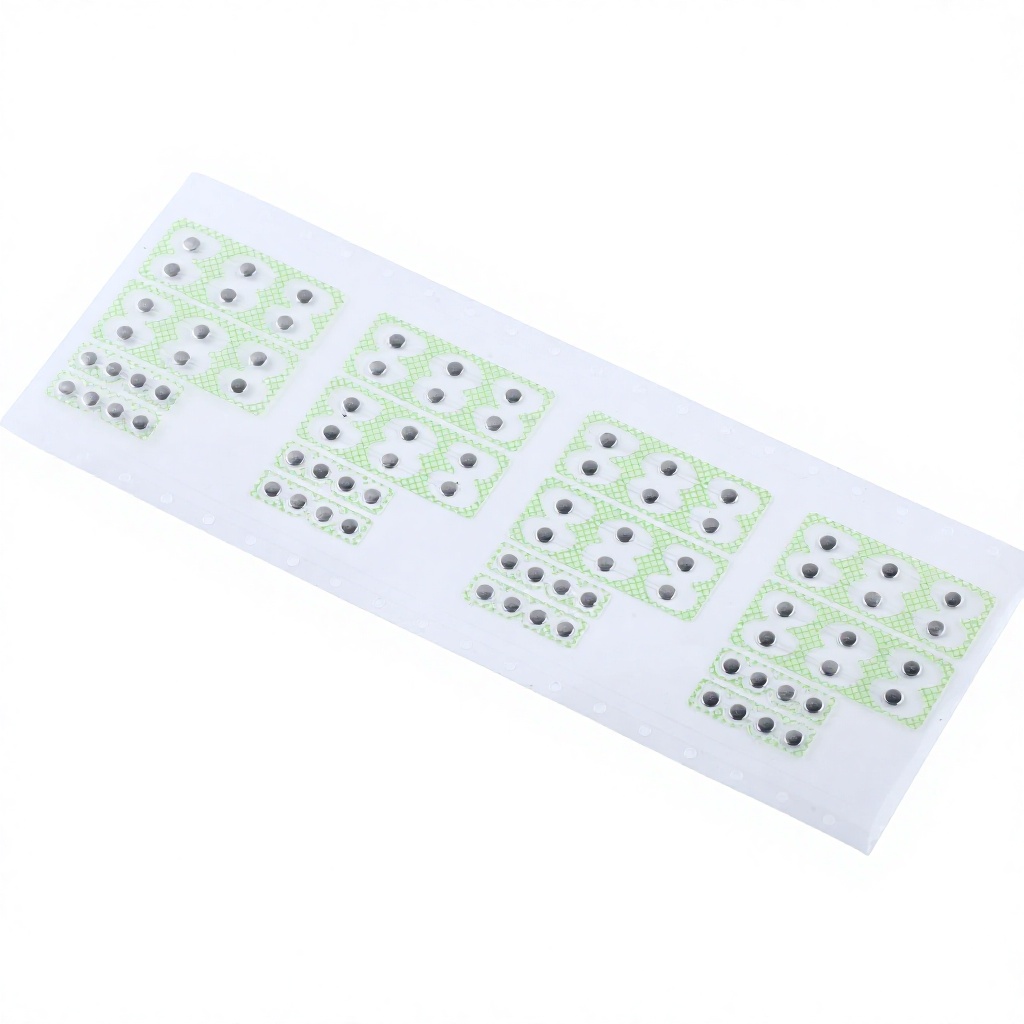 Stainless SUS301
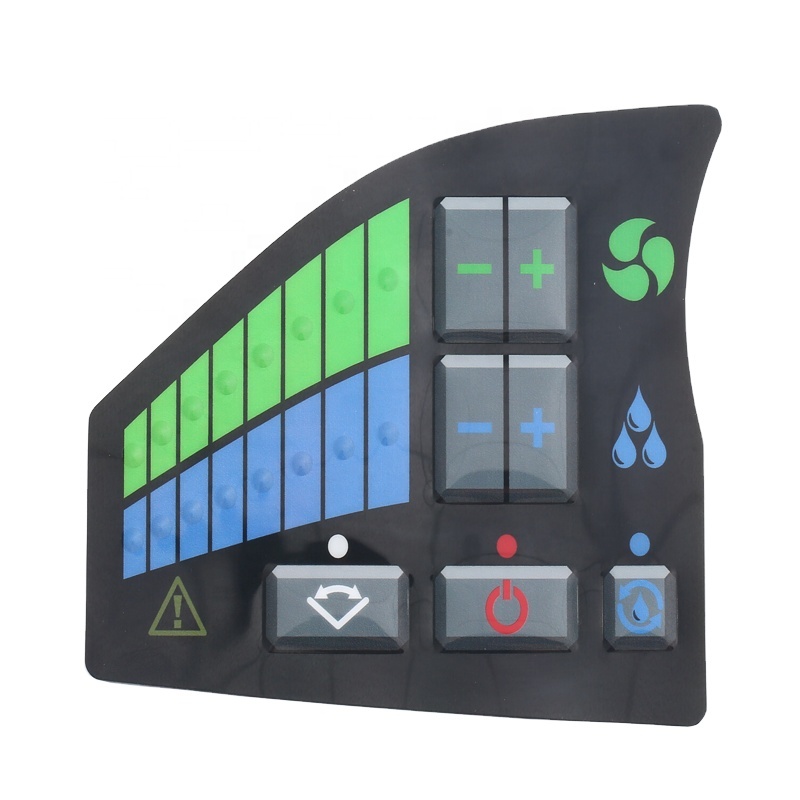
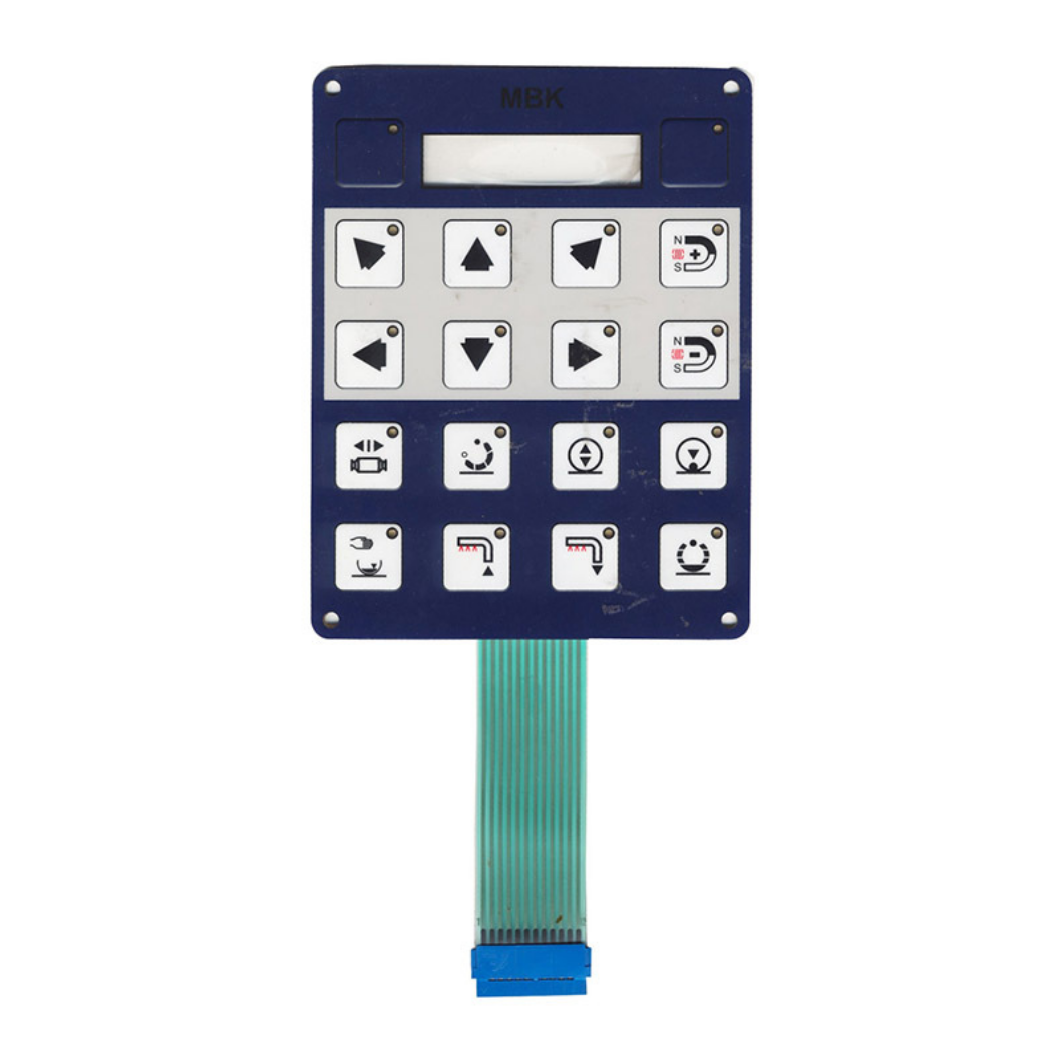
Engineering Deep-Dive: Tactile Feedback Physics and Layer Stack Architecture
In modern electronic human-machine interfaces, tactile response is not merely an aesthetic consideration; it directly governs user input accuracy, operation verification in noisy environments, and equipment safety. A premier tactile membrane switch relies on an intricate balance between mechanical travel, snap ratio, and circuit trace integrity. At our Dongguan facility, we build human-machine interfaces from raw polymer films to surface-treated stainless contact arrays under strict class 10,000 cleanroom controls.
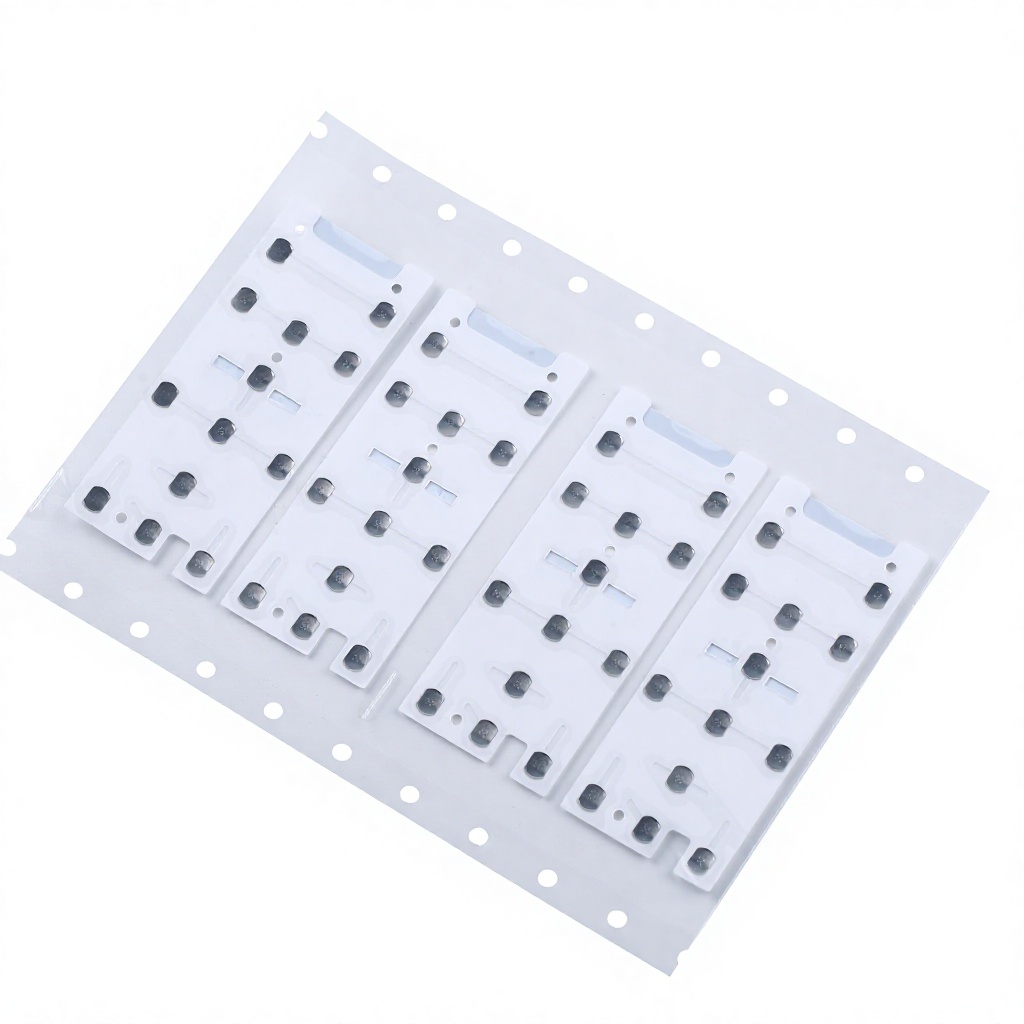
The heart of a tactile switch is the metal dome. Fabricated from precision-tempered SUS301 stainless steel (often imported from Japan), these spherical or 4-leg cross structures provide a distinct snap when depressed. The snap ratio, calculated as (Actuation Force - Contact Force) / Actuation Force × 100%, is engineered to exceed 45% to 65%, guaranteeing decisive operator feedback even through industrial gloves. When the dome collapses, its inner apex bridges independent conductive traces printed with micron-level conductive silver paste, closing the circuit with typical loop resistances calibrated below 100 ohms.
Substrate & Overlay Film
We utilize biaxially-oriented Autotex PET (polyethylene terephthalate) and optical-grade Lexan PC (polycarbonate). PET delivers flex endurance over 5 million actuations, chemical resistance to alcohols, hydrocarbons, and industrial solvents, and minimal thermal shrinkage during conductive ink curing cycles.
Venting & Anti-Interference
Hermetic seals without proper air balance lead to the "pillowing effect" and degraded actuation dynamics. Our structural spacers feature micro-machined venting channels linking adjacent dome pockets. These equalize pressure variations across temperature extremes (-40°C to +85°C) without compromising IP67 liquid ingress barriers.
EMI/RFI Grounding Shields
For medical devices and precision aerospace equipment, stray capacitive coupling and electrostatic discharge (ESD) pose critical failure risks. We integrate full-surface printed carbon grids or solid aluminum foil grounding layers that divert up to 15kV discharges away from delicate logic microcontrollers.
Strategic Sourcing: Next-Generation Membrane Switch Procurement Trends
Global supply chain leaders and OEM hardware engineers face changing market realities. Procuring HMI panels is moving past basic component pricing toward Total Cost of Ownership (TCO), multi-technology convergence, and regional supply chain compliance. Sourcing directors should align with three structural procurement shifts:
1. Transition from Silver PET to FPC Backbones
While screen-printed silver circuitry on PET remains cost-effective for standard matrix keypads, mission-critical equipment increasingly demands Flexible Printed Circuits (FPC) with etched copper traces. Copper circuits eliminate silver migration hazards in humid environments, accommodate fine-pitch surface-mount (SMT) LEDs, micro-resistors, and sensors, and resist vibration-induced micro-fractures in industrial and automotive applications.
2. Hybrid Tactile-Capacitive Convergence
Procurement teams are shifting away from standalone mechanical switches toward hybrid architectures. Designers incorporate flush capacitive touch sliders for parameter adjustment alongside positive-snap metal dome switches for critical emergency stops or power buttons. This approach provides sleek aesthetic styling while retaining physical confirmation for safety-critical operations.
3. Embedded Light Guide Film (LGF) Uniformity
Bulky, power-consuming discrete point backlighting is being replaced by ultra-thin Light Guide Film (LGF) modules. With thicknesses under 0.15mm, engineered micro-dots redirect light from edge-mounted side-firing LEDs, ensuring smooth, glare-free illumination across legends with minimal battery drain in portable instrumentation.
Technological Evolution: Where Industrial HMI Interfaces Are Headed
The membrane interface industry continues to advance beyond simple mechanical contacts into integrated electromechanical subassemblies. Development is concentrated in three main areas:
Antimicrobial & Harsh Chem Protection
Driven by clinical medical hygiene standards and food processing washdown protocols, graphic overlays now incorporate micro-textured surfaces embedded with antimicrobial silver-ion additives. These kill 99.9% of bacteria within 24 hours while withstanding aggressive bleach, IPA, and quaternary ammonium cleaning solutions.
In-Mold Electronics (IME) Integration
The boundary between mechanical structural enclosures and electronic control circuitry is blurring. Through advanced thermoforming and functional ink printing, circuitry and metal domes are integrated directly inside 3D injection-molded resin housings, eliminating internal wiring harnesses, structural spacers, and secondary assembly steps.
Precision High-Temp Plating Systems
Standard nickel-plated stainless domes can encounter contact resistance drift under prolonged micro-vibrations or elevated operating temperatures. Advanced switch architectures increasingly utilize 24K gold flash contact pads and Au-plated dome undersides, guaranteeing contact resistance below 0.1 ohms across over 1,000,000 actuations.
Why Global Buyers Partner with Dongguan Cevra Electronic Technology
Established in March 2009 in Dongguan, Guangdong—the center of precision electronic hardware manufacturing—Dongguan Cevra Electronic Technology Co., Ltd. operates a specialized 2,600㎡ manufacturing facility. As a verified custom manufacturer audited onsite by SGS Group, we maintain end-to-end control across the production lifecycle:
Full In-House Manufacturing
From automated silk-screen printing, precision CCD micro-drilling, and laser profiling to automatic dome placement and high-speed multi-layer lamination, everything stays under one roof. This minimizes supply chain vulnerabilities and ensures complete layer-to-layer registration accuracy.
Advanced In-House Testing Laboratory
Every production batch is tested with our dome load force testers, holding tack fixtures, tension peel gauges, high/low temperature environmental test chambers (-50°C to 150°C), and electric pencil scratch hardness testers.
Design for Manufacturability (DFM)
Our engineering department conducts comprehensive DFM evaluations prior to production tooling. We identify potential pin-out bottlenecks, select appropriate 3M adhesive configurations (such as 3M 467MP, 468MP, or VHB foam tape), and fine-tune tactile feedback profiles.
Flexible MOQ & Rapid Prototyping
We support agile hardware engineering with quick-turn prototyping starting from 10 to 100 units for membrane switches, with high-volume scalability exceeding hundreds of thousands of metal dome arrays monthly.
ISO 9001 & International Compliance
Our quality management system is audited under ISO 9001 guidelines. All materials comply with RoHS, REACH, and UL flammability standards (94V-0/94VTM-2), simplifying global product compliance for your end devices.
Export Packaging & Fast Shipping
All finished modules are sealed in custom anti-static bags with moisture-absorbing desiccants and impact-absorbing double-corrugated export cartons, ensuring prompt delivery via DHL, FedEx, air freight, or sea shipments.
B2B Buyer FAQs: Technical Sourcing & Engineering Specifications
What design files and specifications are required to receive an accurate quote?
Please share vector artwork (Adobe Illustrator .AI, .EPS, or CorelDRAW with outlined fonts) along with mechanical CAD drawings (.DXF, .DWG, or 3D .STEP). Specify your target layer stack-up, key embossing preferences, Pantone or RAL color codes, required metal dome dimensions, connector pinout pitch, and working environmental conditions.
How do I determine whether to specify a PET or Polycarbonate (PC) graphic overlay?
Polycarbonate (PC) is easy to die-cut, cost-efficient, provides high optical clarity for LED windows, and carries an elevated flame resistance profile (UL94V-2). However, for buttons subjected to frequent actuation or exposure to harsh cleaning chemicals, PET (e.g., Autotex) is the preferred choice due to its high flex-fatigue life (>5 million cycles) and resistance to chemical cracking.
What are the standard dimensions, shapes, and trip forces for metal dome contacts?
We manufacture 4-leg cross domes, circular snap domes, and triangular domes ranging from 4.0mm to 20mm in diameter. Typical trip forces vary from 160g to 450g depending on target tactile response. Domes are supplied as individual loose components, pre-spaced on clear adhesive carrier tape arrays, or integrated directly into fully laminated membrane switch layers.
How do you prevent silver migration and trace degradation in humid operating environments?
To eliminate silver migration caused by sustained DC voltage bias and moisture exposure, our production process includes printing a protective carbon overcoat over all silver conductors. For critical outdoor or marine applications, we recommend converting from screen-printed silver to etched copper Flexible Printed Circuits (FPC) with polyimide coverlay protection.
What testing methodologies are implemented to verify production quality prior to dispatch?
Every production batch undergoes automated optical CCD alignment verification, 100% electrical continuity and short-circuit testing, dome actuation force profile characterization, adhesion tensile peel testing, and thermal chamber dwell testing to ensure switch panels meet their designated operational parameters.
What are the standard prototype turnaround times and minimum order quantities (MOQ)?
Standard design prototypes are delivered within 5 to 7 business days following drawing sign-off. Production MOQs are built around custom hardware development: rapid prototype runs start from 10 to 50 pieces, standard custom membrane panels from 100 pieces, and metal dome components from 1,000 pieces.
Ready to Build Your Custom HMI Membrane Switch?
Send your CAD drawings and design specifications to our engineering team. We provide rapid DFM reviews, stack-up recommendations, and direct factory pricing within 24 hours.
Send an Inquiry