ISO 9001 Certified OEM & ODM Specialist

China Wholesale Polyester Overlay Manufacturers & Factories

The authoritative engineering & procurement white paper on custom biaxially-oriented polyester (PET) graphic overlays, tactile dome arrays, and ruggedized human-machine interfaces.

16+
Years Factory History (Est. 2009)
2,600㎡
Class 10,000 Cleanroom & Plant
5,000,000+
PET Actuation Flex Cycles
SGS & ISO
Audited Factory Verification
Direct From Dongguan Factory

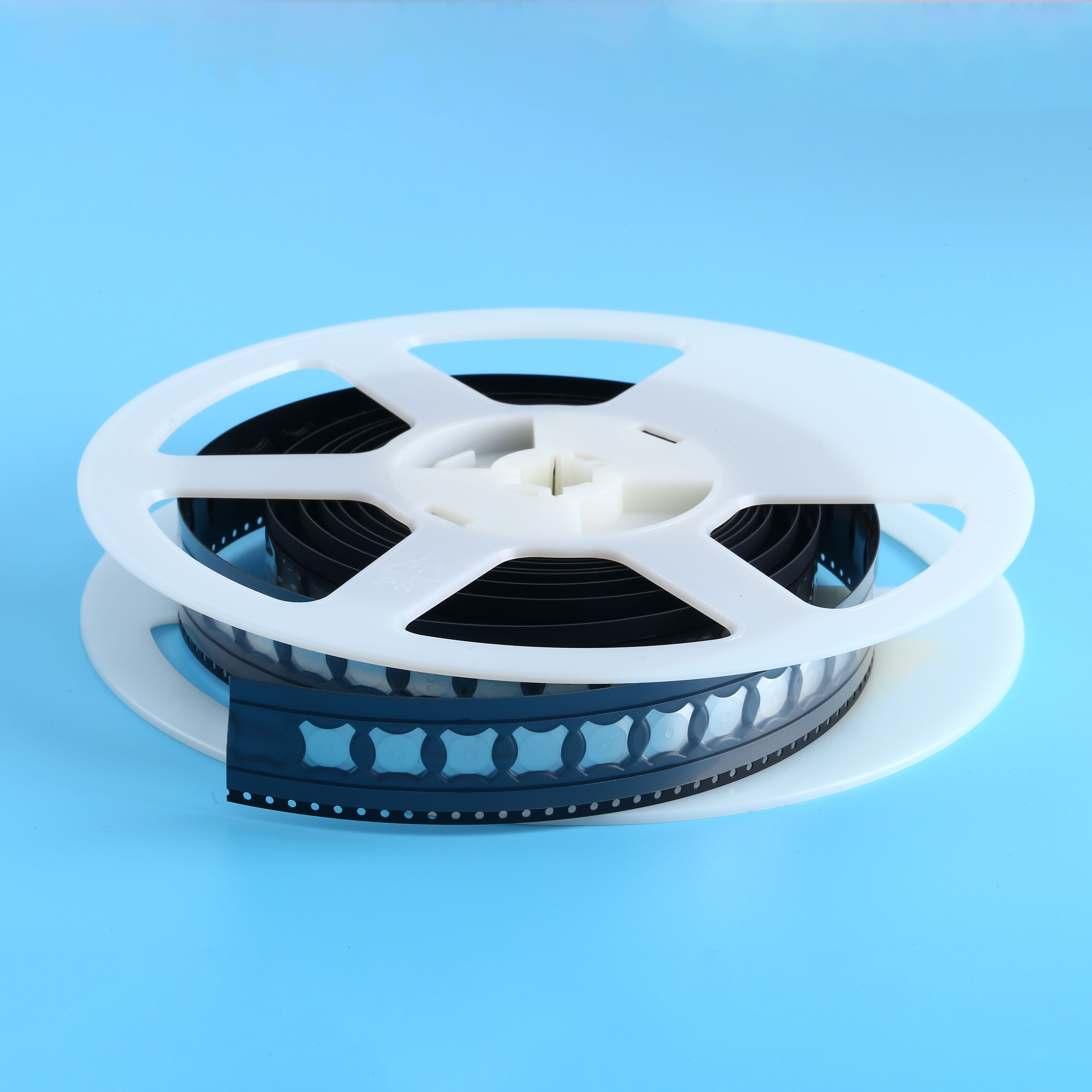
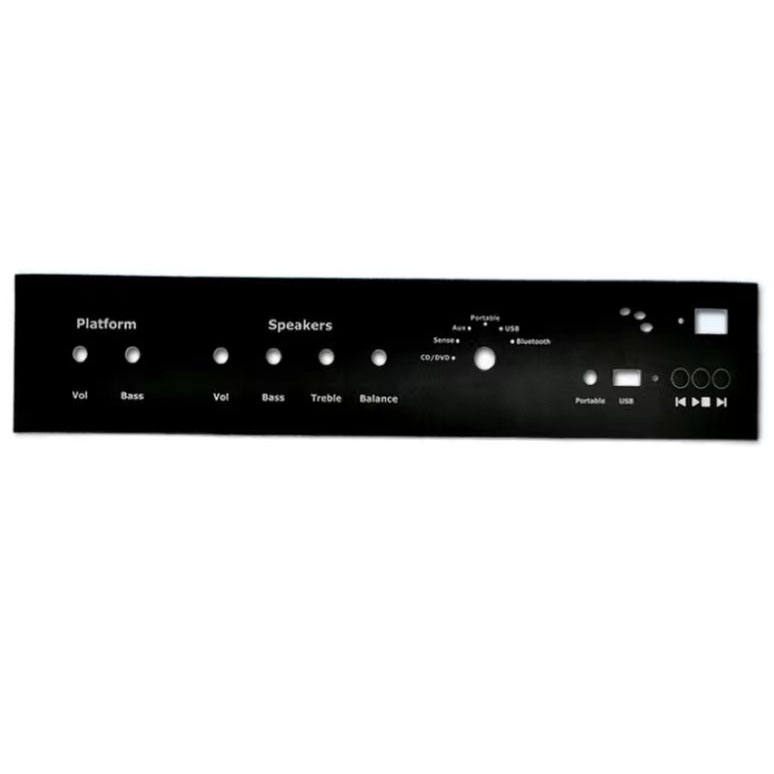
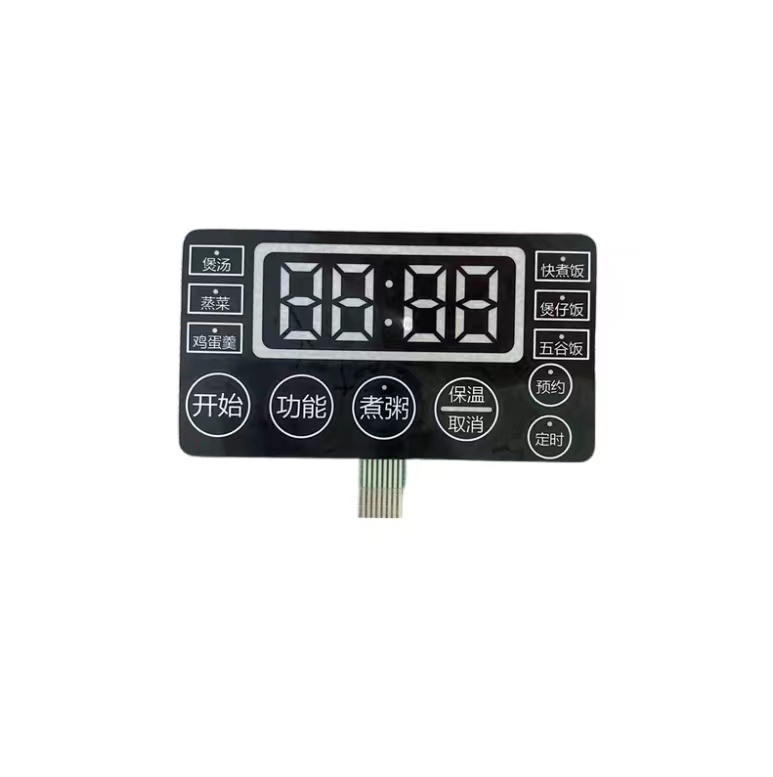
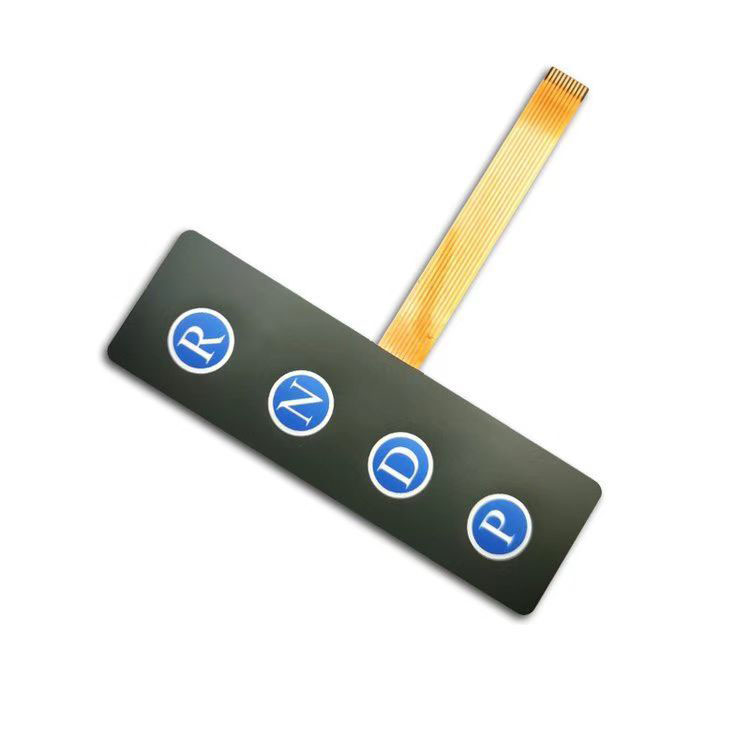
Featured Membrane Switch & Polyester Overlay Products

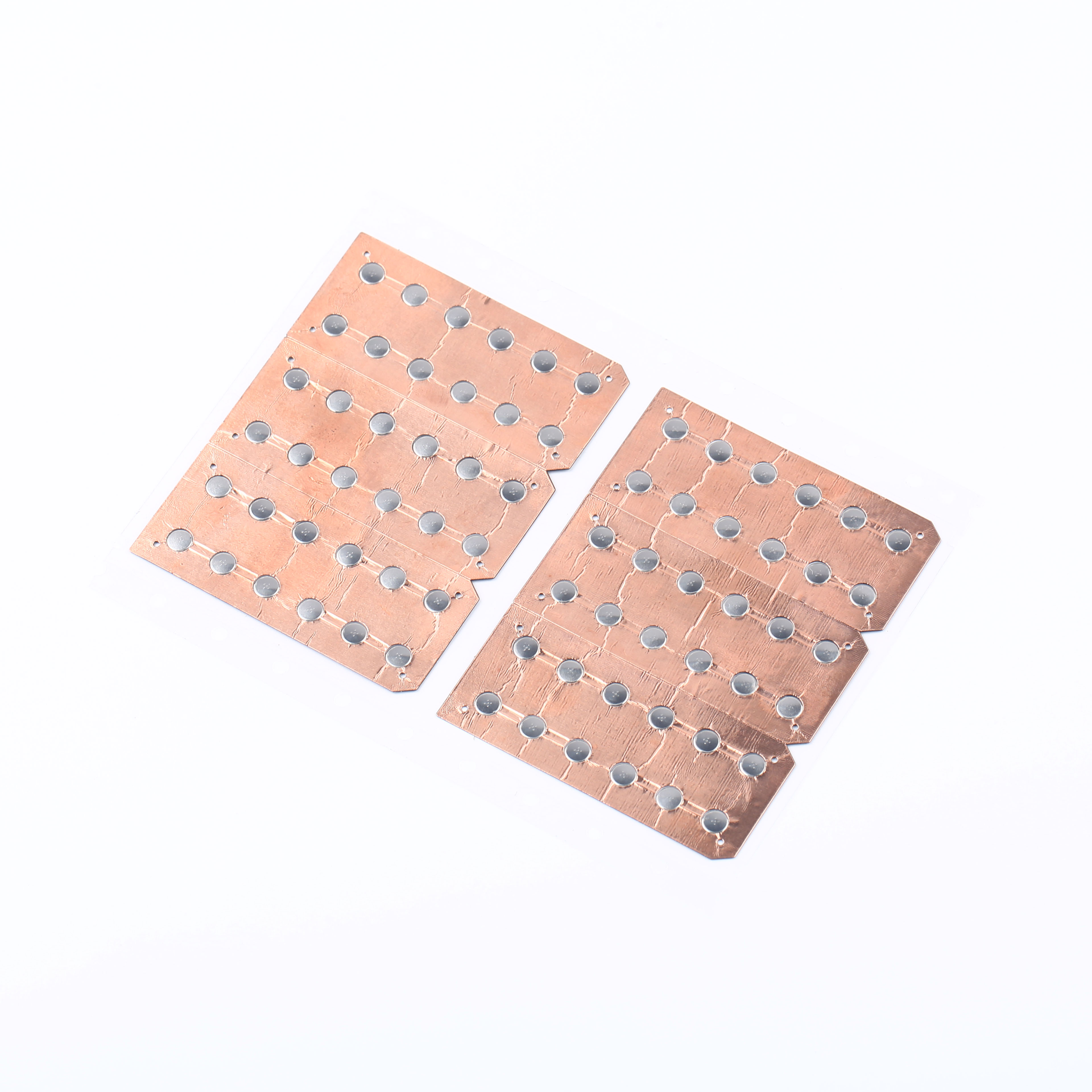
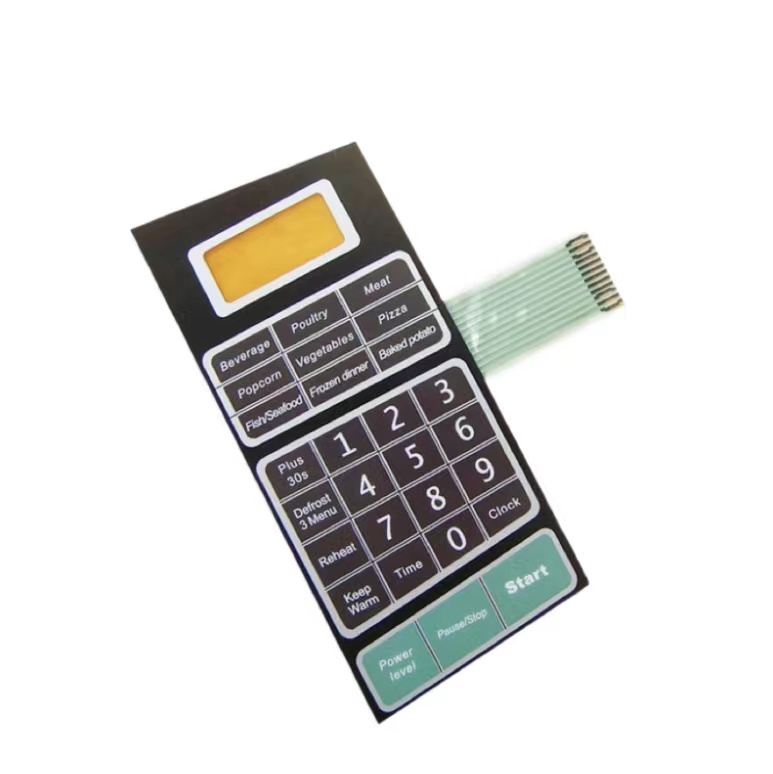
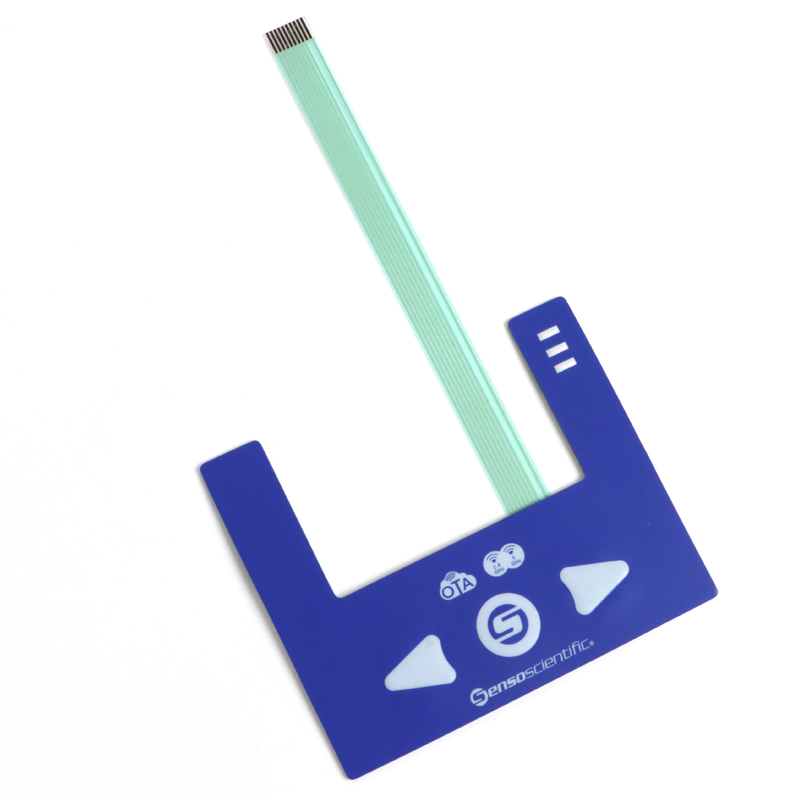
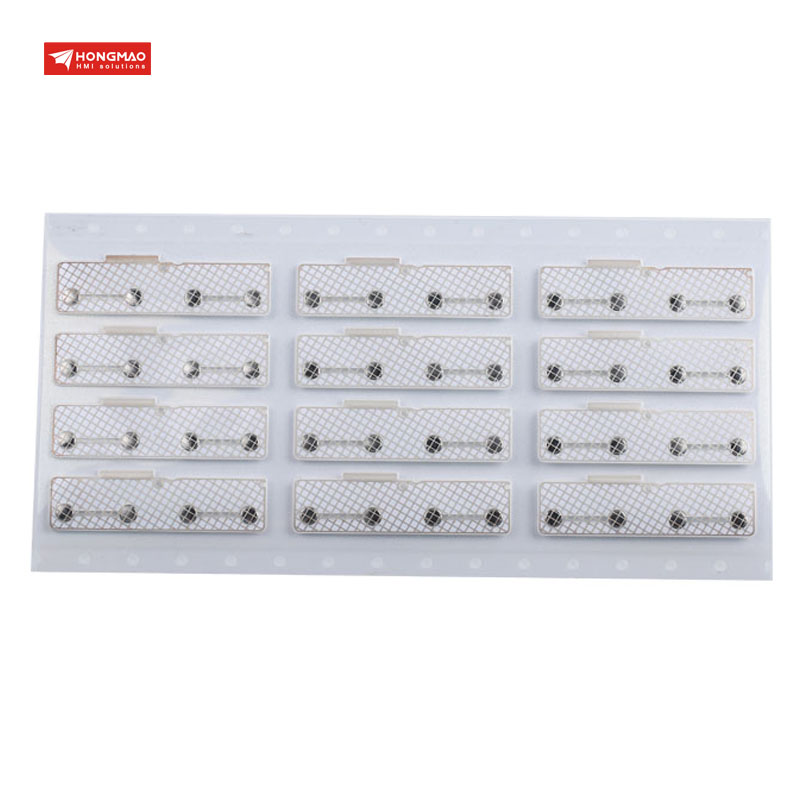
Precision-engineered in our integrated facility with screen-printed sub-surface graphics, laser-cut adhesives, tactile stainless-steel dome arrays, and ESD shielding.
Get Catalog
Engineering White Paper

Material Science: Polyester (PET) vs Polycarbonate (PC) in Industrial Overlays

A rigorous metallurgical, mechanical, and polymer analysis guiding OEM mechanical engineers toward optimal HMI material specification.

The Engineering Consensus: While Polycarbonate (PC) has historically been utilized for low-cost faceplates due to easy thermal forming and high optical clarity, Biaxially-Oriented Polyethylene Terephthalene (PET / Polyester) represents the gold standard for dynamic, flexural human-machine interfaces. In industrial environments characterized by aggressive chemical cleanings, continuous switch flexing (>1,000,000 actuations), and thermal fluctuations, polyester graphic overlays eliminate catastrophic embrittlement, stress cracking, and silver-migration hazards.

Flexural Fatigue Endurance

Biaxially oriented polyester films (such as MacDermid Autotype Autotex or Mylar) exhibit exceptional tensile strength (>170 MPa) and tensile modulus. Under repeated tactile switch actuation, PET withstands upwards of 5,000,000 keypresses without micro-fissuring or fatigue plastic deformation. Conversely, polycarbonate begins suffering from molecular fatigue and hinge fracture under 100,000 actuations when tactile keys are sharply embossed.

Aggressive Chemical Resistance

In medical diagnostic suites, automotive control modules, and harsh factory floors, industrial overlays must survive exposure to aggressive solvents, isopropyl alcohol (IPA), household bleach, oil, MEK, and caustic CIP (Clean-in-Place) washdown chemicals. High-performance polyester films resist chemical penetration and surface swelling indefinitely, while unstabilized polycarbonate hazes, crazes, and softens upon contact with hydrocarbons and aliphatic compounds.

Sub-surface Screen Printing Fidelity

By executing screen printing or high-density digital UV printing on the second surface (sub-surface) of the polyester film, decorative graphics, color legends, and brand icons are shielded completely from abrasion, fingernail scratching, and chemical contact. Primer-treated polyester layers facilitate exceptional adhesion bonds with conductive conductive silver inks, carbon tracks, and pressure-sensitive acrylic adhesives (PSA).

Performance Parameter Polyester (PET) Graphic Overlay Polycarbonate (PC) Overlay Engineering Selection Metric
Mechanical Flex Life (Actuations) > 5,000,000 cycles ~ 100,000 cycles PET provides 50x longer life for embossed tactile buttons.
Chemical / Solvent Resistance Exceptional (Alcohols, Alkalis, Oils) Poor to Moderate (Prone to crazing) Mandatory for medical washdowns & petrochemical equipment.
Embossing Retention Under Heat Excellent up to 100°C (Requires hydro-forming) Good (Easier cold / thermoforming) PET maintains tactile springback memory over decades.
Dielectric Strength 15,000 - 20,000 V/mil 12,000 - 15,000 V/mil Superior insulation against high-voltage ESD discharge.
Optical Clarity for Display Windows Gloss/Matte with UV hardcoat (92% transmission) Native glass-like optical clarity PET utilizes selective texturing to yield ultra-clear LCD/OLED windows.
Cost Profile (Tooling & Materials) Moderate (High value longevity) Low Initial Cost PC fits low-cost disposable gadgets; PET dominates capital OEM goods.
Strategic Market Intelligence

Future B2B Procurement Trends in China's Overlay Industry

How global supply chain volatility, functional integration, and environmental mandates are transforming the custom polyester overlay procurement matrix through 2026–2030.

1. Transition to Hybrid Cap-Touch HMI

Global procurement teams are shifting away from standalone membrane keypads toward hybrid panels. Modern industrial designs marry a clean, seamless polyester front overlay with capacitive sensor electrodes printed directly on the backing film. By incorporating back-molded light-guide film (LGF) and haptic feedback actuators, buyers achieve sleek smartphone-like aesthetics with industrial-grade IP67 ingress protection against water, oils, and grease.

2. Advanced Functional Hardcoats & Antimicrobial Coatings

Following post-pandemic biosecurity protocols, tier-1 medical OEMs require antimicrobial additive hardcoats embedded directly within the polyester substrate matrix. These ionic silver formulations eliminate 99.9% of bacteria (staphylococcus, E. coli) without leeching over repeated wash cycles. Concurrently, anti-glare (AG), anti-reflective (AR), and anti-fingerprint (AF) oleophobic nanocoatings are mandated to ensure sunlight readability in outdoor marine and military HMI units.

3. Direct Factory Sourcing & Rapid DFM Prototyping

Procurement directors are aggressively disintermediating trading houses to contract directly with ISO-certified manufacturing factories in South China's Greater Bay Area (Dongguan/Shenzhen). Access to factory-floor Design for Manufacturability (DFM) reviews, laser cut sample iterations delivered in under 5 business days, and integrated laser-punch automated lines drastically compress new product introduction (NPI) cycles from six months down to three weeks.

4. Eco-Friendly Bio-Based PET & Halogen-Free Inks

Stringent RoHS 3, REACH, and European WEEE compliance frameworks are driving rapid adoption of recycled PET (rPET) base films, solventless UV-curable inks, and halogen-free conductive silver/carbon formulations. Leading Chinese factories maintain strictly segregated cleanrooms and supply documentation with full elemental ICP testing to ensure seamless export entry into European and North American customs without chemical non-compliance delays.

Enterprise Capabilities

Why Tier-1 OEMs Partner with Dongguan Cevra Electronic Technology

Founded in March 2009 in Dongguan, China, Cevra integrates R&D engineering, screen printing, CNC laser processing, metal dome forming, and 100% functional test protocols under an audited ISO 9001 quality management framework.

16+ Years In-House Technical Heritage

Established in 2009, our 2,600㎡ manufacturing campus operates semi-automatic and fully automatic screen printing lines, precision die-cutting equipment, CCD guide-hole drilling machines, and pneumatic lamination chambers. We control the complete process chain—avoiding subcontractor markup, delays, and quality degradation.

Rigorous In-House Metrology & Reliability Lab

Every production batch undergoes comprehensive validation using specialized lab apparatus: Metal Dome Load Force Testers (checking trip force, tactile ratio, and return force), High & Low Temperature Climatic Chambers (-40°C to +125°C), Adhesive Holding Tack & 180° Peel Tension Testers, and Electric Pencil Hardness Testers (up to 3H).

Engineered Layer Stack-Up Customization

From Autotex polyester graphic overlays, spacer gaskets (0.05mm - 0.25mm), SUS301 stainless steel tactile domes (with or without dimples), light guide films (LGF), and conductive silver/copper circuitry, to 3M 467MP, 468MP, or 300LSE adhesive backers, we configure the exact stack-up matched to your housing geometry.

SGS Onsite Audited & Trade Assurance

Cevra's factory production lines, workforce capacity, and quality management systems are independently audited onsite by SGS Group. With full Alibaba.com Trade Assurance support, 5-year verified track record, and multi-language engineering support, we provide risk-free commercial sourcing for global buyers.

Purchasing Knowledge Base

Frequently Asked Questions: Polyester Overlay Sourcing & Engineering

Direct answers from our senior application engineers on tolerances, adhesive chemistry, embossing profiles, and quality verification standards.

What engineering tolerances can your Dongguan factory maintain on custom polyester overlays?
For critical dimensional outlines, our laser cutting and CNC precision punching dies achieve standard tolerances of ±0.10mm (±0.004 in), with high-precision toolsets capable of ±0.05mm. In terms of graphic registration and sub-surface screen print alignment, CCD-guided vision alignment systems maintain multi-pass ink registration within ±0.08mm. Cutout window dimensions and interior key positions are held consistently to ensure seamless drop-in assembly into injection-molded plastic bezels or milled aluminum housings.
Which 3M adhesive backer should be specified: 3M 467MP, 468MP, or 3M 300LSE?
The adhesive selection depends on your enclosure substrate material and surface texture:
  • 3M 467MP (2.0 mil / 50µm): Industry standard for high surface energy (HSE) substrates like smooth sheet aluminum, stainless steel, and rigid smooth plastics. Offers exceptional shear strength and temperature resistance up to 204°C.
  • 3M 468MP (5.0 mil / 130µm): Features a thicker adhesive layer designed to bridge micro-textures, powder-coated metals, and brushed or slightly uneven surfaces.
  • 3M 300LSE (High-Strength Acrylic): Essential for low surface energy (LSE) plastics such as polypropylene (PP), polyethylene (PE), and powder coats where standard acrylics experience adhesive failure or edge lifting.
How does Cevra prevent silver migration in high-humidity operating environments?
Silver migration occurs when moisture and direct current (DC) voltage potential cause silver ions to migrate across dielectric gaps, leading to dendritic shorts. Cevra mitigates this risk by: (1) Applying a proprietary carbon overprint paste completely encapsulating all silver conductive traces; (2) Maintaining minimum trace spacing design guidelines of ≥0.5mm in high-voltage segments; (3) Utilizing hydrophobic UV dielectric insulating masks; and (4) For high-reliability critical medical or aerospace systems, offering Flexible Printed Circuit (FPC) copper polyimide circuit layers in lieu of printed silver inks.
What embossing styles are available for polyester overlays, and how do they impact switch feel?
We provide four primary embossing profiles utilizing heated male/female matched tooling:
  • Rim (Border) Embossing: Raised border around the button perimeter. Leaves the central key flat, allowing positive tactile seating when pressing against an internal metal dome.
  • Pillow (Pad) Embossing: The entire button surface is raised in a smooth plateau (typically 0.3mm to 0.5mm height). Provides prominent finger-finding tactile locator properties.
  • Dome Embossing: Spherical or elliptical raised shape. When utilized without metal domes (polyester polydomes), the formed PET acts as its own spring mechanism, yielding a soft tactile sensation.
  • Braille Embossing: Meets ADA guidelines for visually impaired users on public kiosks, ticketing terminals, and elevator panels.
Can transparent display windows on polyester overlays retain true optical clarity?
Yes. While polyester films frequently feature textured finishes (fine, velvet, or suede) on the front surface to diffuse glare and hide finger smudges, we apply a clear UV-curable window varnish (selective gloss printing) over the display window zones. This chemically transforms the textured micro-structure into an optically transparent viewing window with up to 92% light transmission, rendering it completely clear for underlying TFT LCD, OLED, 7-segment LED, and vacuum fluorescent displays without graphic distortion.
What are Cevra's minimum order quantities (MOQ) and sample lead times for custom projects?
Recognizing that OEM development paths require validation phases, our MOQ framework is highly accommodating:
  • Prototyping & Pilot Runs: Starting from just 10 to 50 pieces utilizing digital laser cutting to eliminate expensive hard tooling steel rules during proof-of-concept. Lead time: 5 - 7 business days.
  • Full Mass Production: Typically 100 to 500+ units for complex membrane switches, and 1,000+ pieces for metal dome arrays. Production lead time: 10 - 15 business days depending on layer complexity and testing parameters.
How does your factory ensure color accuracy across repeat wholesale orders?
We utilize high-precision X-Rite spectrophotometers to measure ink color coordinates against Pantone Matching System (PMS) and RAL color libraries. Master ink formulations are computerized and retained under strict environmental storage controls. Each production run is validated to maintain a tight color difference delta (ΔE < 1.0), guaranteeing that replacement panels or subsequent repeat orders match historical production samples with 100% aesthetic uniformity.
What specific factory verification and quality certifications does Cevra possess?
Dongguan Cevra Electronic Technology operates under an audited ISO 9001:2015 Quality Management System. Furthermore, our production facilities, machinery inventory, testing laboratories, and trade capacities have undergone rigorous onsite factory audits conducted by SGS Group. All raw materials (films, inks, adhesives, and plating alloys) are accompanied by valid RoHS, REACH, and UL 94 flammability compliance certificates for friction-free global customs clearance.

Accelerate Your Custom Polyester Overlay Project

Partner directly with Dongguan's trusted OEM/ODM engineering manufacturer. Submit your CAD drawings (DXF, DWG, STEP), Adobe Illustrator vector artwork, or functional specifications today for a complimentary DFM feasibility audit and quotation within 24 hours.

✓ NDA Protected Intellectual Property ✓ 24-Hour Engineering DFM Review ✓ Prototype to Volume Production ✓ Alibaba Trade Assurance Guarantee