Specialized OEM/ODM Membrane Interface Assemblies
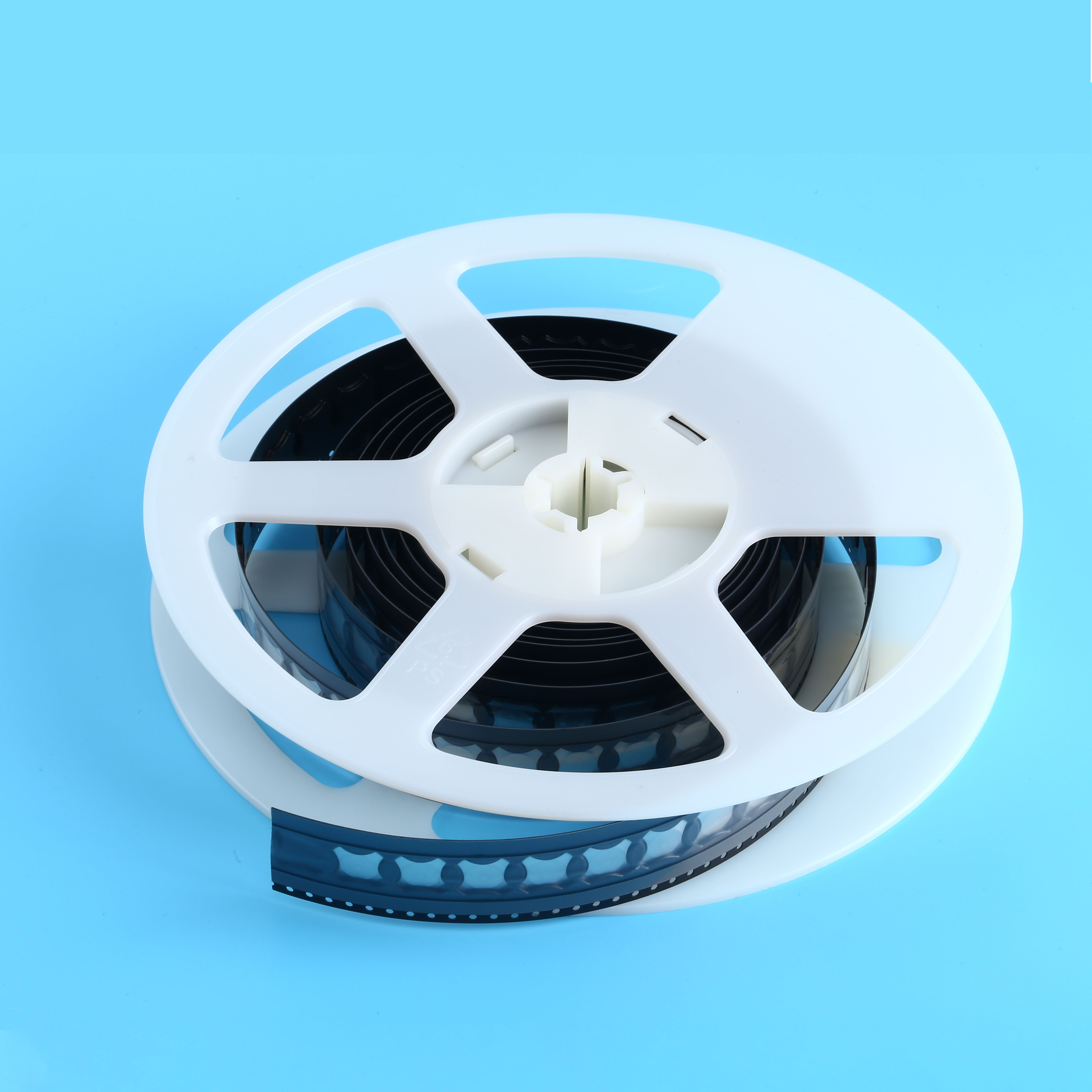
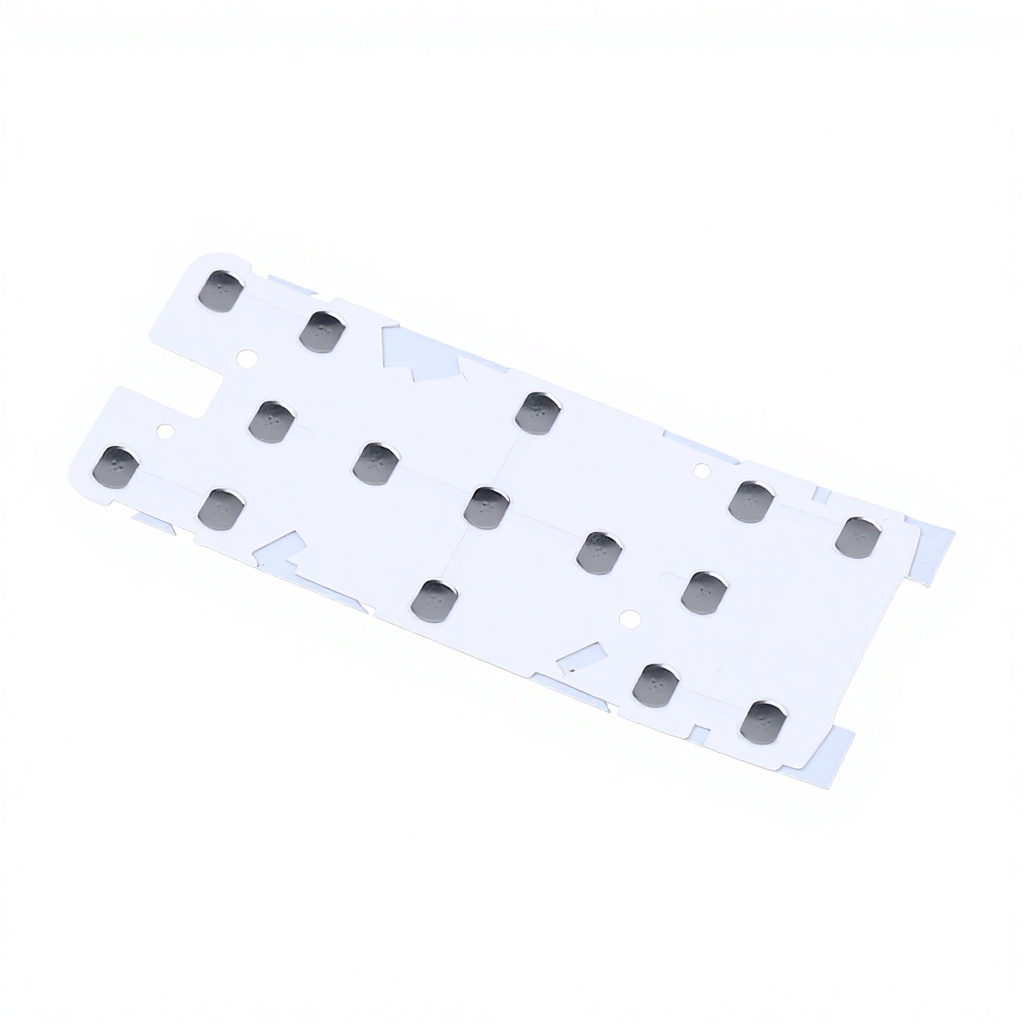
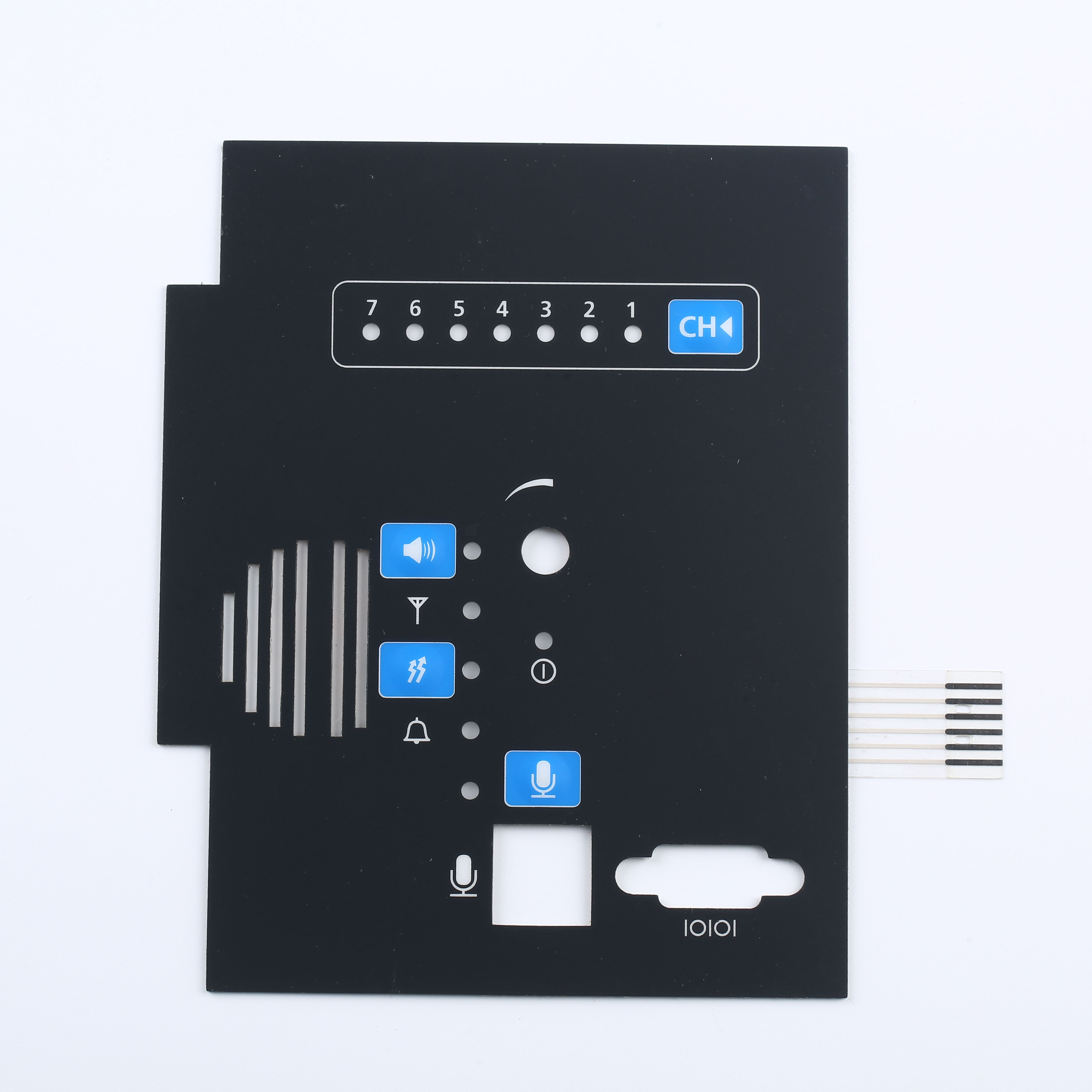
Sourced directly from our Dongguan manufacturing facility. Each interface integrates optical precision, calibrated tactile snap action, and robust environmental ingress protection.
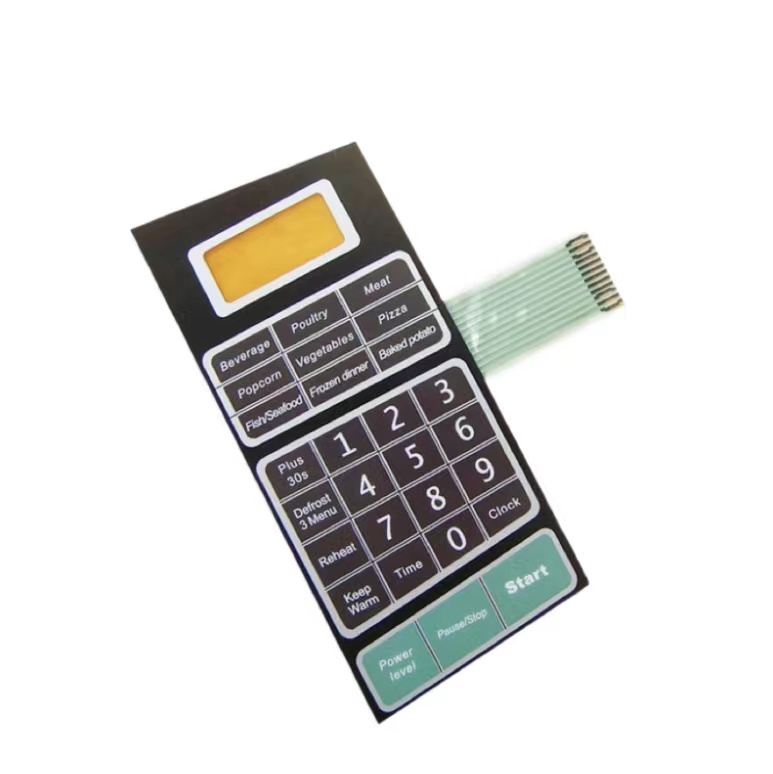
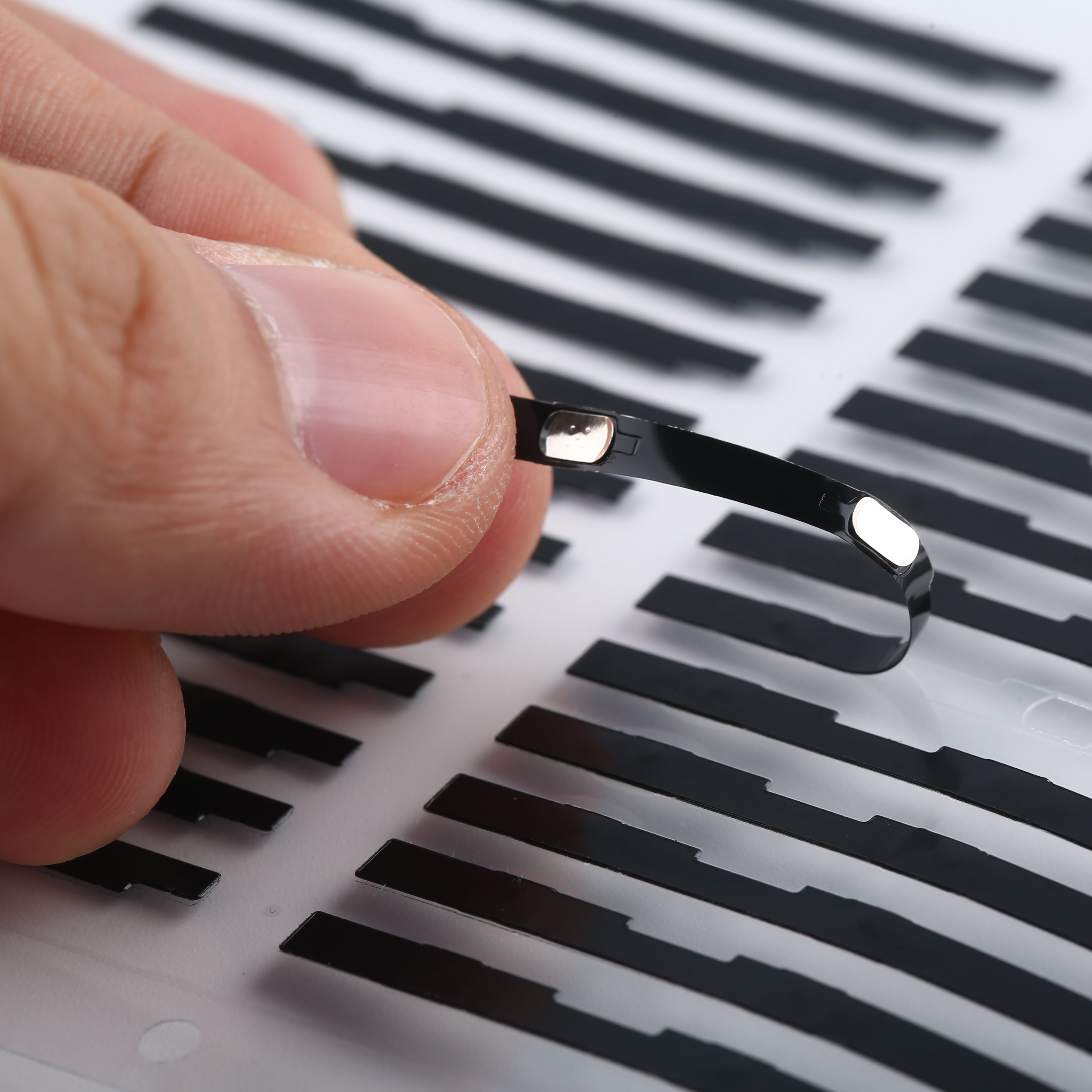
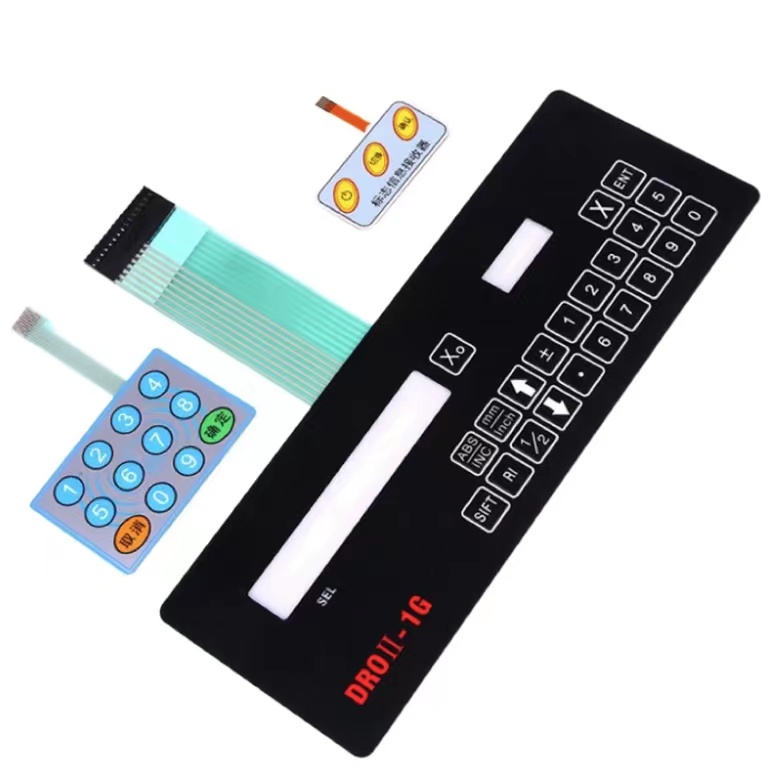
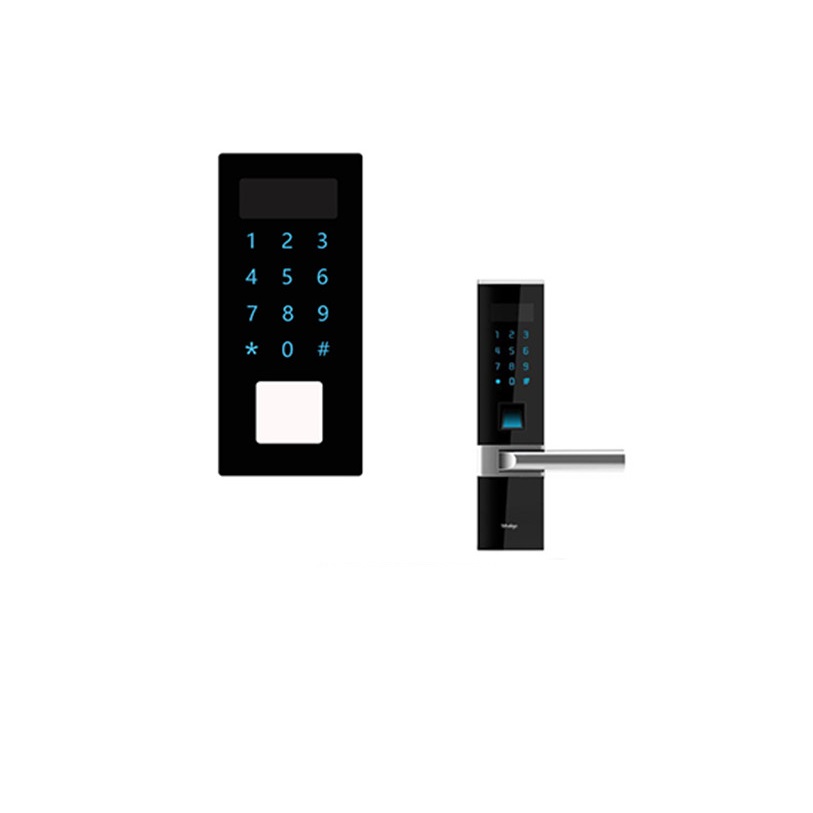
White Paper: Graphic Overlay & Substrate Specification Guide
The durability, tactical response, and optical clarity of a membrane interface hinge entirely on material science. Below is an engineering comparison of base substrates deployed across medical, industrial, and consumer interfaces.
| Substrate Criterion | Biaxially Oriented PET (Autotype / Melinex) | Polycarbonate (Lexan / Makrofol) | PMMA / Acrylic Blends |
|---|---|---|---|
| Flex Life (Actuations) | > 5,000,000 cycles (Exceptional fatigue resistance) | ~ 100,000 - 300,000 cycles (Prone to stress cracking) | Rigid only (Non-flexible, top-plate integration) |
| Chemical & Solvent Resistance | Resistant to alcohols, MEK, bleach, dilute acids | Moderate; attacked by aromatic hydrocarbons | Good against alkalis; vulnerable to ketones/esters |
| Optical Clarity & Hardness | Up to 3H pencil hardness with UV hardcoat | Standard 1H; scratches easily without proprietary hardcoat | Superior optical transparency (92%), 4H-6H surface |
| Formability & Embossing | Requires thermal hydro-forming for high domes | Cold and hot embossing effortlessly; crisp shapes | Machined, routed, or injection molded |
| Optimal Field Applications | Medical diagnostic devices, heavy factory automation | Consumer appliances, instrument panels with clear displays | Capacitive smart door locks, outdoor touch consoles |
Full-Cycle In-House Manufacturing Control
Dongguan Cevra Electronic Technology Co., Ltd. eliminates sub-tier contractor variance by maintaining vertical integration across all production phases.
Class-Controlled Clean Printing
Micro-particle contamination causes pinholes and dielectric breakdown. Our automated screen printing facilities maintain filtered positive pressure, ensuring consistent ink deposit thickness for conductive silver tracks and pinhole-free graphic color separations.
SUS301 Precision Snap Domes
We stamp our proprietary 4-legged cross, oval, and triangular tactile domes out of high-tensile SUS301 stainless steel. Contact resistance remains under 1 Ohm with gold or nickel plating options, backed by automatic tactile curve force-displacement calibration.
CCD Alignment & Die-Cutting
Multi-layer registration tolerance is held strictly within ±0.05mm through automated optical targeting CCD drills and precision punching machinery. This prevents air-pocket misalignment, delamination, and tactile dome off-centering.
Comprehensive Testing Laboratory
Shipments undergo rigorous verification: dome load cycle testers, peel force tension gauges, tack testers, high/low temperature humidity cabinets (-40°C to +85°C), and pencil surface abrasion checks ensure failure-free field life.
Advanced EMI/RFI & Ingress Sealing
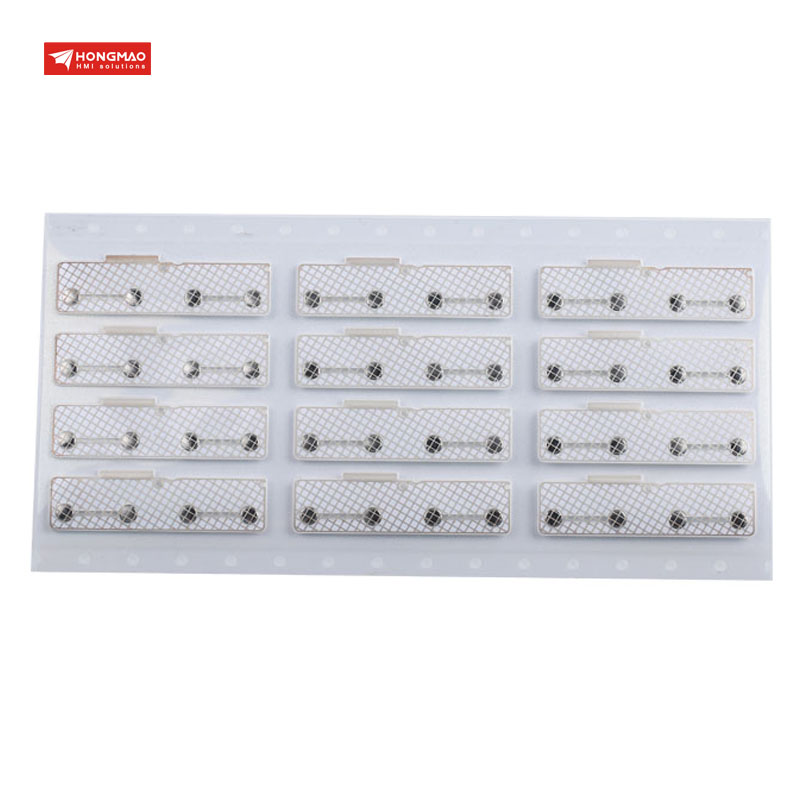
Custom panels feature continuous peripheral perimeter gasket seals reaching IP65 to IP67 standards, paired with selective printed graphite, aluminum foil, or ITO grid layers to safeguard against high RF noise environments.
Direct OEM/ODM Engineering Collaboration
Bypass intermediary trading desks. Work directly with experienced layout engineers on tail pitch configurations (1.0mm, 2.54mm, ZIF, crimp pins), adhesive selection (3M 467MP, 468MP, 300LSE), and rapid prototyping turnarounds.
Key Engineering Insights: Next-Gen Sourcing Dynamics
Modern procurement specialists are shifting beyond basic graphic skins. The convergence of solid-state sensors and classic membrane switches is transforming human-machine interaction specifications:
Frequently Asked Questions for Custom Membrane Panel Overlays
Direct answers from our senior engineering team to streamline your procurement review process.
What engineering files and data are required to quote and begin DFM analysis?
To deliver an accurate quote and stack-up review, provide vector artwork (Adobe Illustrator, CorelDraw, or PDF with vector layers) specifying graphic colors and Pantone codes. For structural dimensions, circuit routing, and key locations, supply 1:1 DXF, DWG, or STEP files alongside your pinout schedule, switch loop specifications (tactile force, travel), and connector termination details.
How do we choose between Polycarbonate (PC) and Polyester (PET) for the front graphic layer?
PET (Polyester) is recommended whenever buttons are continually pressed or exposed to harsh industrial chemicals, medical cleaning agents, and flexing stress; it resists millions of presses without micro-cracking. PC (Polycarbonate) is more budget-friendly, easier to thermoform and emboss, and ideal for consumer enclosures, flat fascia plates, or instruments where buttons are actuated less frequently.
How do you safeguard membrane circuits from silver migration in humid or outdoor conditions?
Silver migration occurs under moisture, DC electrical potential, and trace contamination. We mitigate this through three proven engineering steps: printing protective carbon dielectric overcoats on all silver conductors, designing continuous hermetic perimeter gaskets using specialized 3M adhesives (like 3M 300LSE or 468MP), or upgrading demanding circuitry directly to flexible copper PCB (FPC) tracks.
What actuation forces and travel distances are available for stainless steel metal domes?
Our SUS301 metal dome configurations range from 6mm to 20mm in footprint diameter, offering trip forces from 160g up to 500g depending on tactile preference and thumb/glove operation requirements. Typical travel is 0.2mm to 0.6mm, yielding a distinct, crisp click feel rated for over 1,000,000 cycles.
What are your production lead times for prototypes versus mass manufacturing?
Laser-cut, screen-printed functional prototype switch assemblies are typically completed in 5 to 7 working days. Once the first article is fully approved, volume mass production with dedicated steel stamping tooling usually completes in 12 to 18 working days, shipped in antistatic protective packaging.