16+
Years Industrial & Medical HMI Experience
2,600㎡
In-House Dust-Controlled Plant Space
100%
CCD Visual & Electrical Load Testing
ISO 9001
Certified & SGS Onsite Verified Factory
Factory Direct Catalog
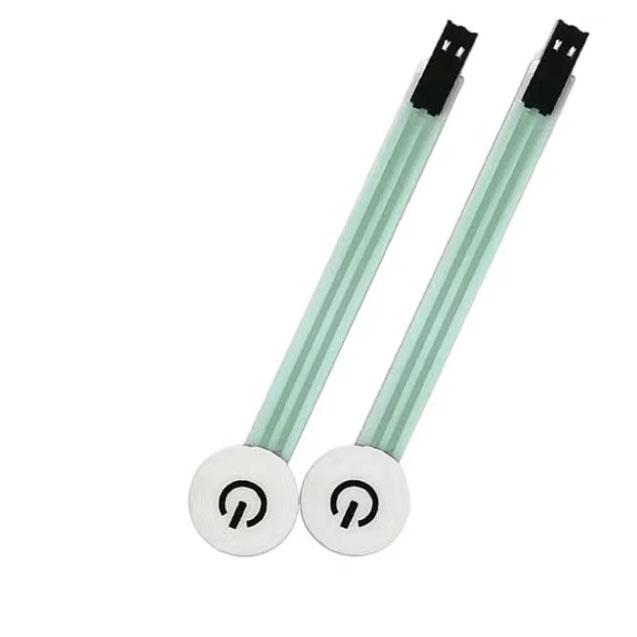
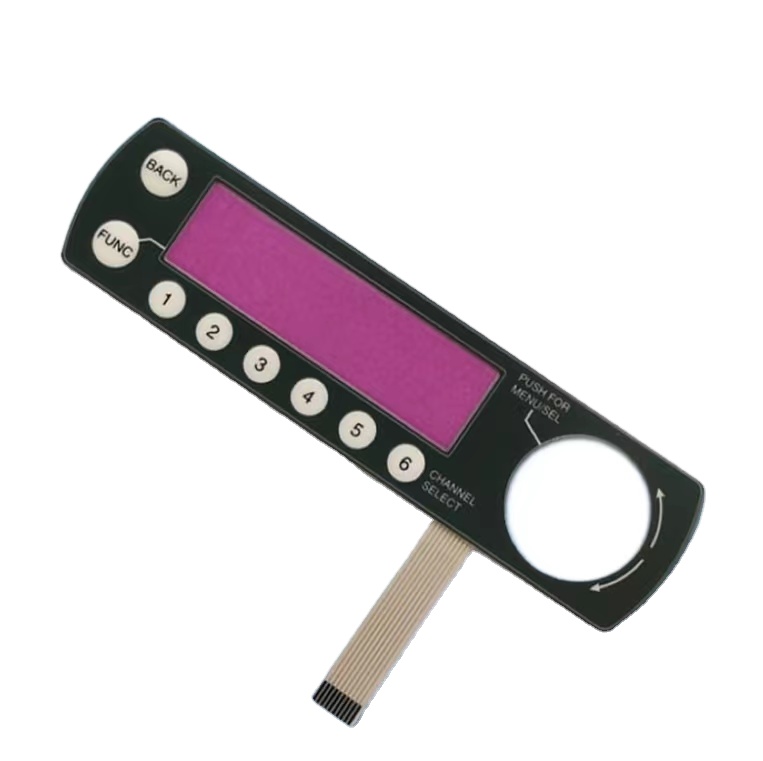
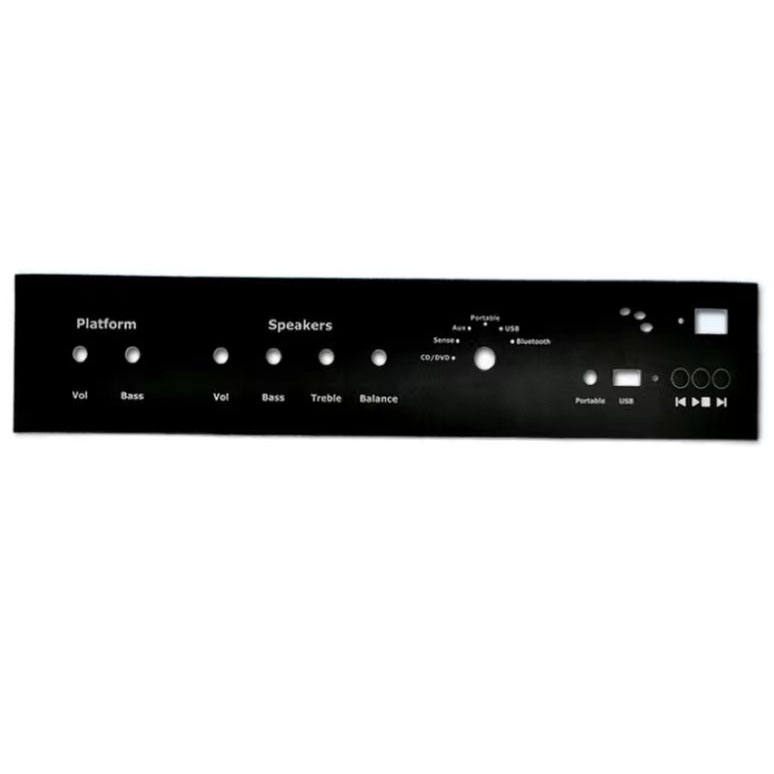
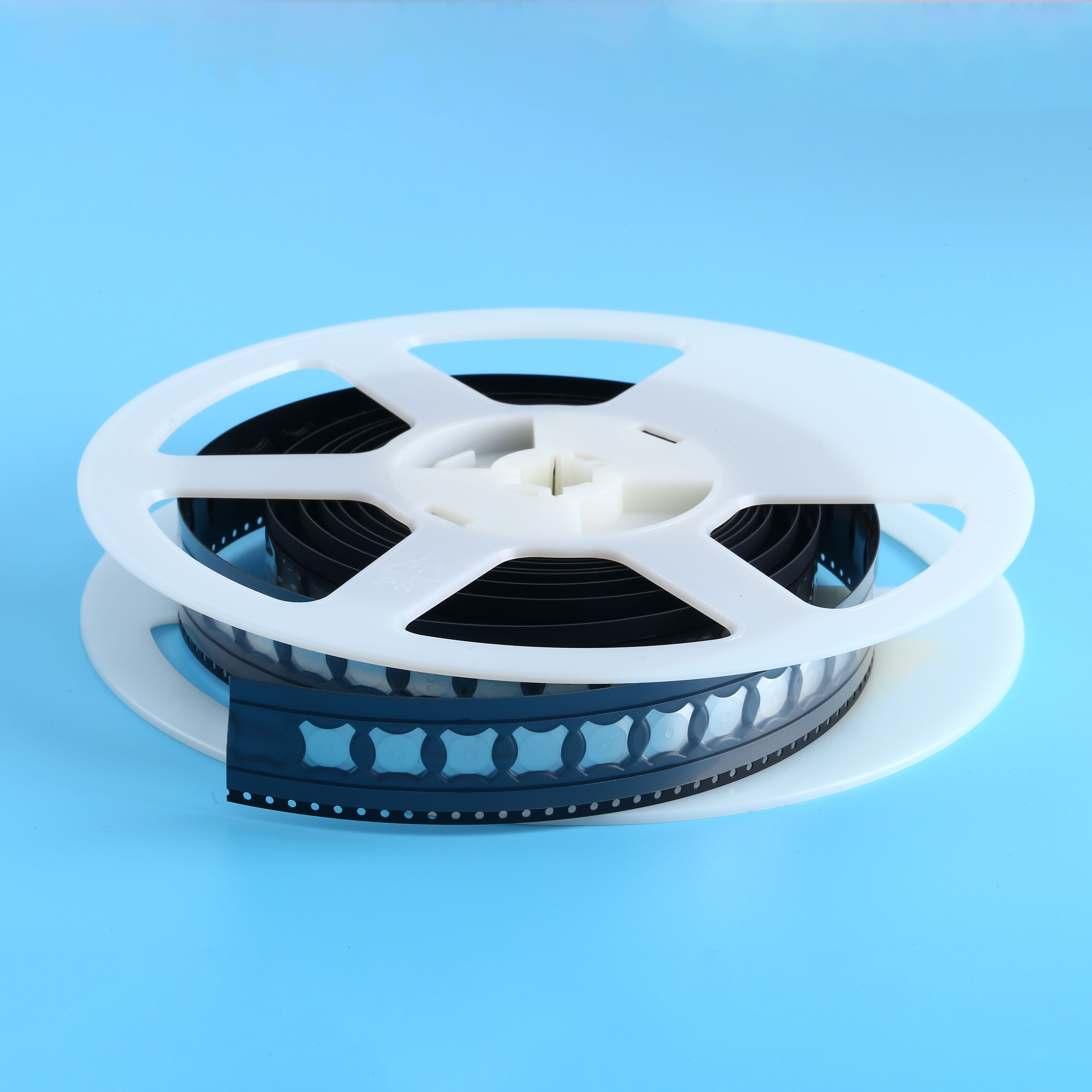
Medical & High-Reliability Membrane Switch Components
Engineered for high actuation fatigue lifecycles, rigorous sterilization, and seamless electronic integration.
Technical Authority
Engineering Medical HMIs: Strategic Material Specification & Architecture
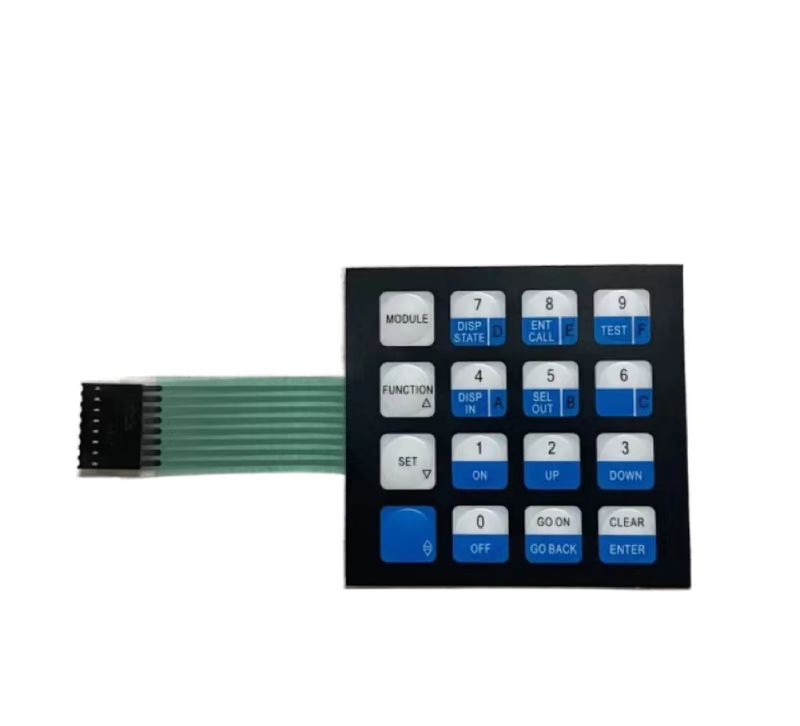
In clinical environments, membrane switches function as critical protective barriers and precision input interfaces. Material stack-up dictates diagnostic uptime and infection control compliance.
Antimicrobial & Chemical Resistance
Hospital settings mandate rigorous cleaning protocols using harsh agents such as isopropyl alcohol (IPA), bleach (sodium hypochlorite), quaternary ammonium, and hydrogen peroxide. Medical switches require biaxially oriented polyester (Autotex Fine/Velvet) or anti-microbial hardcoated films (Microban® or BioCote® embedded) to inhibit micro-fissuring and biological colonization.
ESD / EMI / RFI Dielectric Shielding
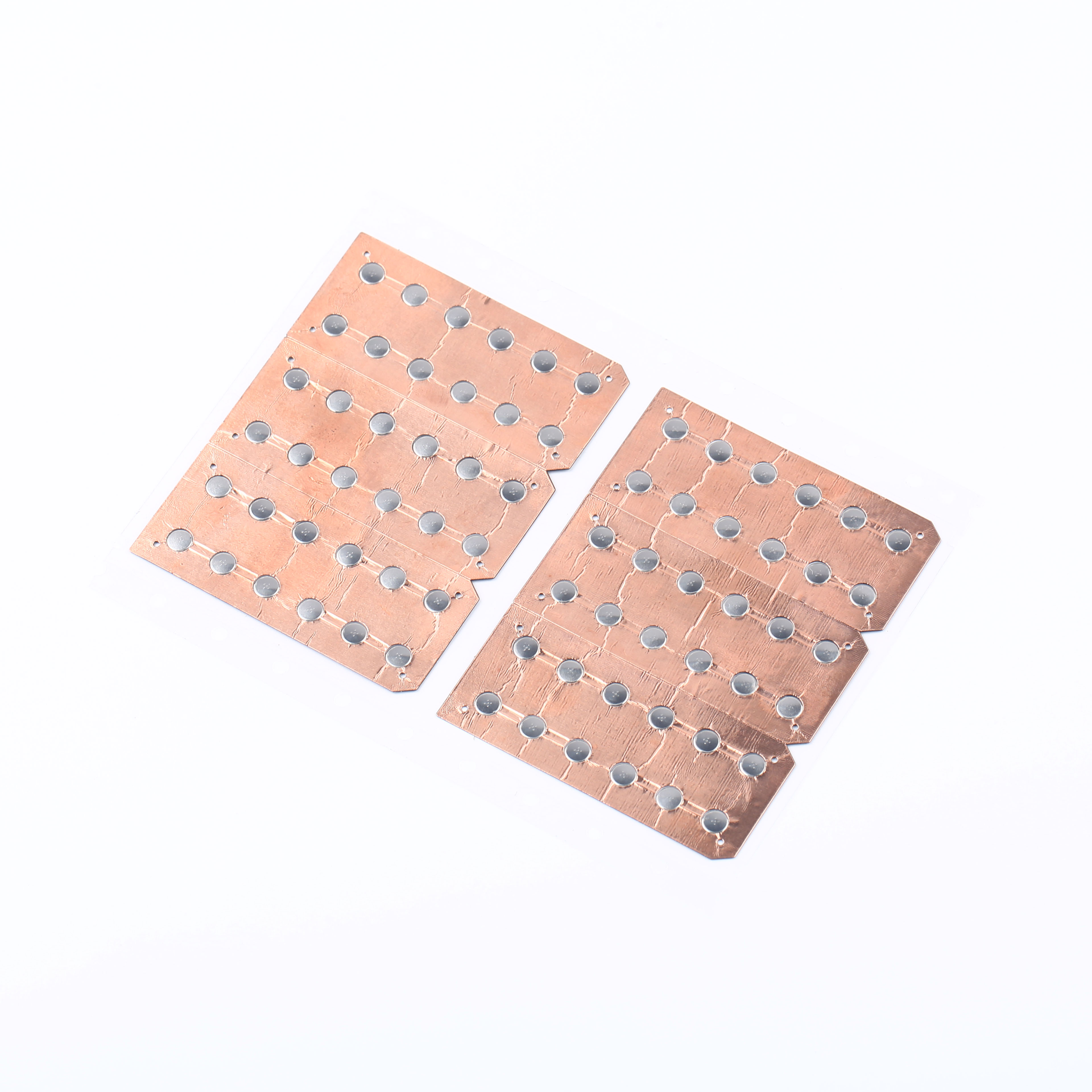
IEC 60601-1-2 medical EMC compliance demands comprehensive electrostatic discharge (ESD) mitigation. Cevra applies printed selective carbon traces, vacuum-metalized aluminum layers, or solid copper foil ground planes across the switch stack-up. This architectural boundary channels up to 15kV discharges away from sensitive diagnostic microcontrollers.
Hermetic Perimeter Ingress Sealing
Sterilization liquids, patient bodily fluids, and washdown solutions must never enter the internal circuit layers. Utilizing medical-grade pressure-sensitive acrylic transfer adhesives (such as 3M 467MP, 3M 468MP, or 3M 300LSE for low surface energy plastics), Cevra builds perimeter continuous gaskets that reliably meet IP65, IP66, and submersible IP67 ingress standards.
| Engineering Criteria | Standard Consumer/Commercial Keypad | Cevra Medical-Grade Membrane Switch |
|---|---|---|
| Graphic Substrate | Standard Polycarbonate (PC) | Textured, Chemical-Resistant Autotex PET / Antimicrobial Film |
| Cleaning Fluid Tolerance | Degrades / Hazes with Alcohol & Disinfectants | Withstands Betadine, Chlorasolv, Cidex, Bleach, 70%+ IPA |
| Tactile Actuation Lifespan | 500,000 to 1,000,000 cycles | > 5,000,000 cycles (Precision Stainless Steel 4-Leg Snap Domes) |
| Ingress Protection (Sealing) | IP40 - IP54 Typical | IP65 to IP67 Hermetically Sealed Gas/Liquid Barrier |
| Shielding Integrity | Unshielded or Minimal Carbon Line | Full Area Printed Silver/Carbon or Copper Foil Ground Plane (15kV ESD) |
Strategic Procurement
Emerging Technology Trends in Medical Device HMI
Procurement teams are shifting focus from simple push-button controls to integrated, smart, and ultra-hygienic user interface modules.
Capacitive Sensing Integration
Hospitals prefer wipe-down seamless flat surfaces. Hybrid panels integrating capacitive touch switches with zero physical crevices eliminate harbors for cross-contamination in surgical theaters.
Homogeneous LGF Backlighting
Light Guide Film (LGF) technology channels illumination from side-firing surface-mount LEDs across switch legends uniformly, preventing hot-spots and enabling clear night-mode visibility in intensive care units.
FPC & Rigid-Flex Circuitry
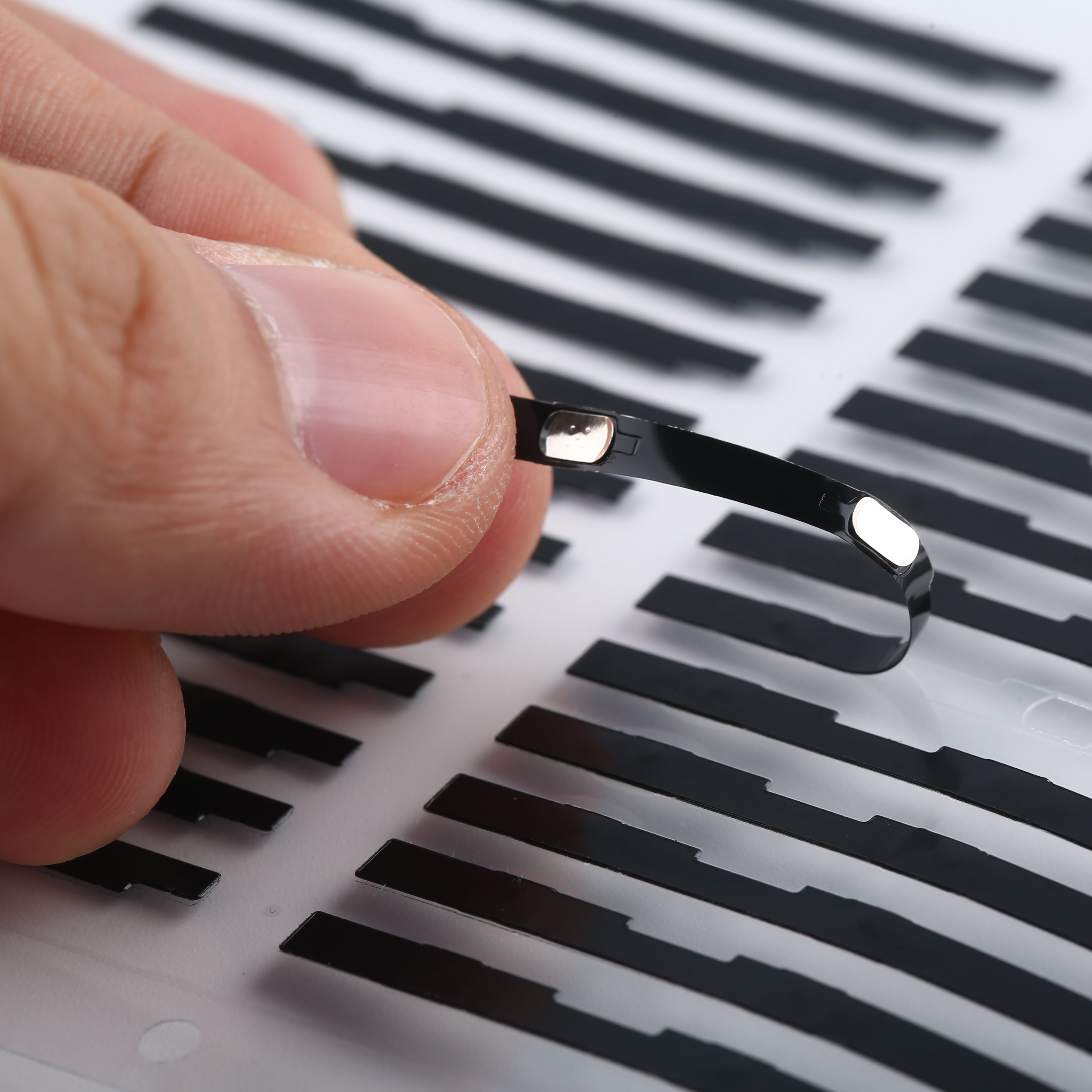
Transitioning from printed silver-flake inks to polyimide-based Copper Flexible Printed Circuits (FPC) accommodates ultra-dense routing pitches (0.5mm), direct SMT active component mounting, and extreme trace flexibility.
Turnkey Sub-Assembly Modules
OEMs increasingly source pre-tested sub-assemblies featuring the graphic panel, dome array, rigid aluminum or FR4 backer plate, display window, and custom housing brackets directly from a single ISO-certified source.
Factory Capabilities
Dongguan Cevra: Verified In-House Manufacturing Infrastructure
Operating since March 2009 in Dongguan, China, Dongguan Cevra Electronic Technology Co., Ltd. provides end-to-end engineering and manufacturing accountability under strict quality management systems.
Full In-House Fabrication
From screen printing in dust-controlled cleanrooms, automated layer lamination, CNC precision punching, and laser cutting, to CCD optical alignment drilling, every critical manufacturing phase is managed internally to ensure complete batch traceability.
Stringent Inspection Laboratories
Our quality verification suite includes automated CCD visual inspections, computerized electrical circuit testing (open/short circuit & trace resistance), metal dome load-deflection curve testers, peel-adhesion tension gauges, and high/low thermal shock cabinets.
Onsite SGS Verification & Global Export
Verified onsite by SGS Group, Cevra serves original equipment manufacturers across North America, Europe, and Asia-Pacific. We offer English engineering support, formal DFM feedback, robust export packaging, and flexible prototype-to-volume MOQs.
Procurement Guidance
Frequently Asked Questions: Sourcing Medical Membrane Switches
Essential technical clarifications for medical hardware design engineers and sourcing directors.
What specific materials prevent yellowing, cracking, and degradation from hospital disinfectant wiping?
Standard polycarbonate (PC) films haze and develop micro-cracks when exposed to hospital wipes like CaviWipes, quaternary ammonium, or 70% isopropyl alcohol. For medical applications, we specify textured, hardcoated polyester (PET) films such as MacDermid Autotex (F150/F200) or specialty anti-microbial films. PET exhibits superior chemical inertness against active solvents, oils, and cleaning acids while maintaining dimensional stability and flex-fatigue life over millions of cycles.
How do Cevra engineers ensure IP67 sealing integrity against medical fluid washdowns?
IP67 ingress protection requires a hermetically sealed internal cavity. We utilize continuous closed-cell adhesive gaskets—frequently genuine 3M 467MP, 468MP, or high-tack modified acrylics—patterned without interruption around the panel perimeter. Trace exit tails feature sealed transition bottlenecks or molded rubber grommets to stop capillary fluid ingress. Furthermore, internal air venting is redirected to dry housing areas or managed using waterproof, breathable hydrophobic membranes.
What parameters are critical when choosing metal snap domes for clinical personnel feedback?
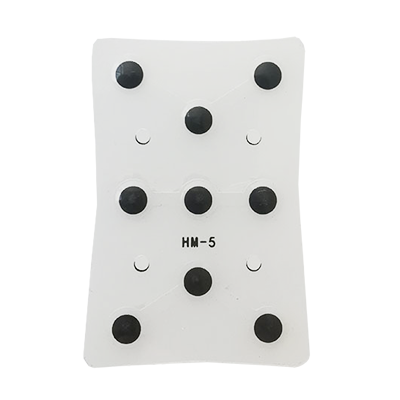
Medical staff wearing nitrile or surgical gloves require unambiguous tactile confirmation. We recommend four-legged cross domes (diameter: 8.4mm to 12mm) or circular snap domes with an actuation force ranging between 280g and 450g. This provides a tactile ratio of 40%–55%, giving a clean, audible "click" that prevents inadvertent double-clicking or missed critical dosage adjustments.
Can backlighting and capacitive sensing be combined within a single membrane panel?
Yes. We regularly combine Light Guide Film (LGF) or embedded surface-mount LEDs with capacitive sensor circuits. By designing multi-layer architectures using ultra-thin etched copper FPCs or screen-printed PEDOT/silver conductors, backlighting channels illuminate specific functional keys or dead-front annunciators without interfering with the proximity capacitive fields of adjacent buttons.
What documentation and files are needed to begin rapid DFM review and prototyping?
To initiate a comprehensive Design for Manufacturability (DFM) review, supply your vector graphic art (Adobe Illustrator .AI or .PDF with defined Pantone/RAL color codes), mechanical outline drawings (AutoCAD .DWG, .DXF or 3D .STP), schematic circuit diagrams (indicating pinouts and tail exit positions), and target environmental specifications (temperature range, IP rating, actuation cycle targets). Prototypes are typically completed within 7 to 10 working days.
Factory Direct Collaboration
Accelerate Your Medical Device Interface Development
Consult directly with our HMI application engineers in Dongguan. From design stack-up reviews and material samples to full compliance testing, we help bring your medical device to market faster.