Factory Direct Catalog
Precision-Engineered Membrane Switches & Tactile Assemblies
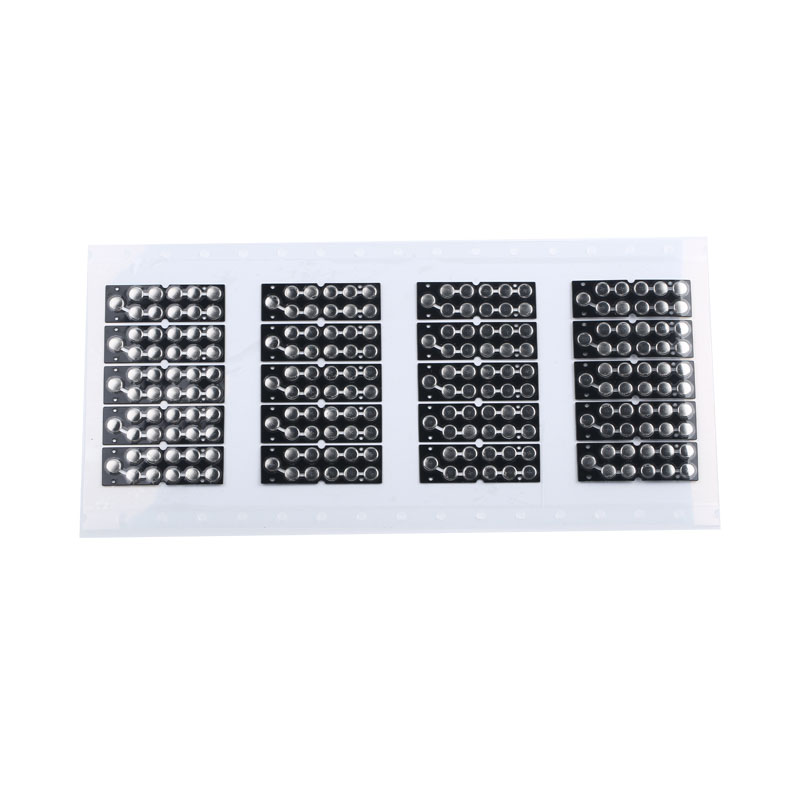
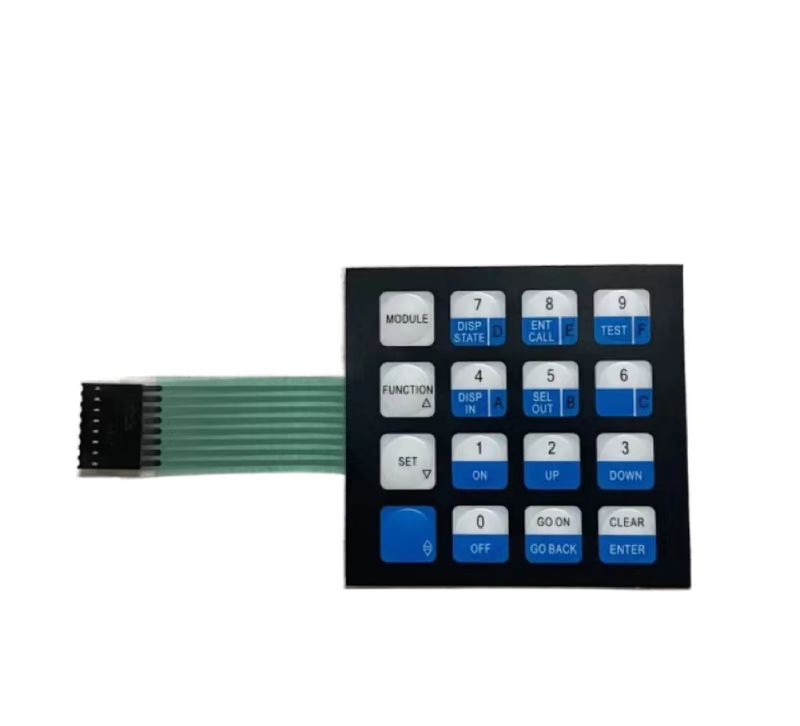
Explore our certified HMI modules engineered with embedded SMD LEDs, light guide films, tactile metal domes, and robust PET substrates for global OEM/ODM applications.

Engineering Whitepaper
Anatomy of Modern Backlit LED Membrane Switches
Evaluating multi-layer architectures, electro-mechanical optimization, and photonic integration for mission-critical interfaces.
Modern human-machine interfaces (HMIs) require more than fundamental circuit connectivity. In rugged industrial setups, clinical diagnostic instruments, and intelligent commercial equipment, the LED membrane switch serves as the frontline intersection of tactile responsiveness, environmental hermeticity, and photonic feedback. As a leading manufacturer operating out of Dongguan, China, Dongguan Cevra Electronic Technology Co., Ltd. builds thin-film electronic modules that withstand harsh operational demands while delivering premium ergonomics.
Key Architecture Rule: Integrating ultra-thin surface-mount LEDs (typically 0603 or 0805 packages) directly between polyester dielectric layers demands specialized embossed conductive housing pockets and silver-loaded conductive adhesives to maintain an overall switch profile of less than 1.5mm while eliminating flex stress fractures.
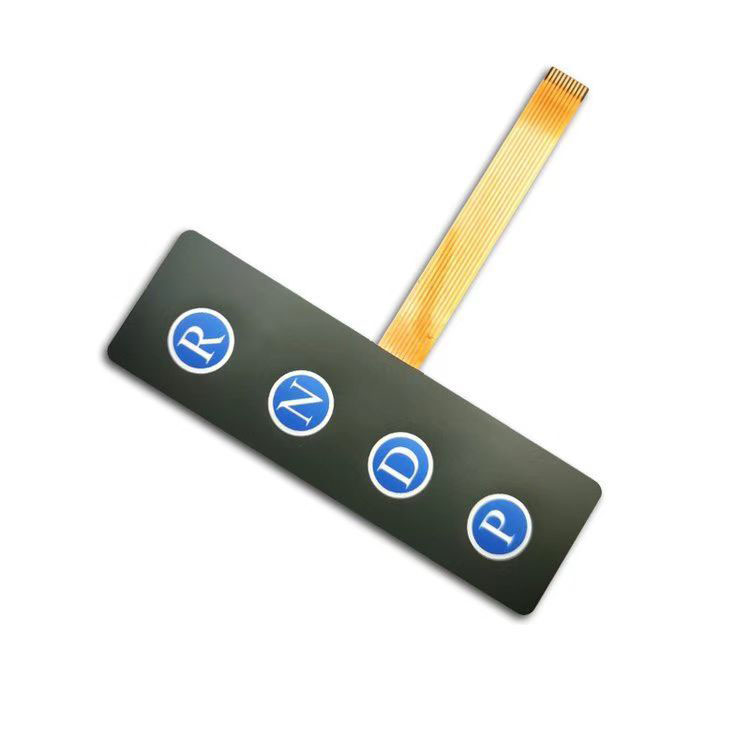
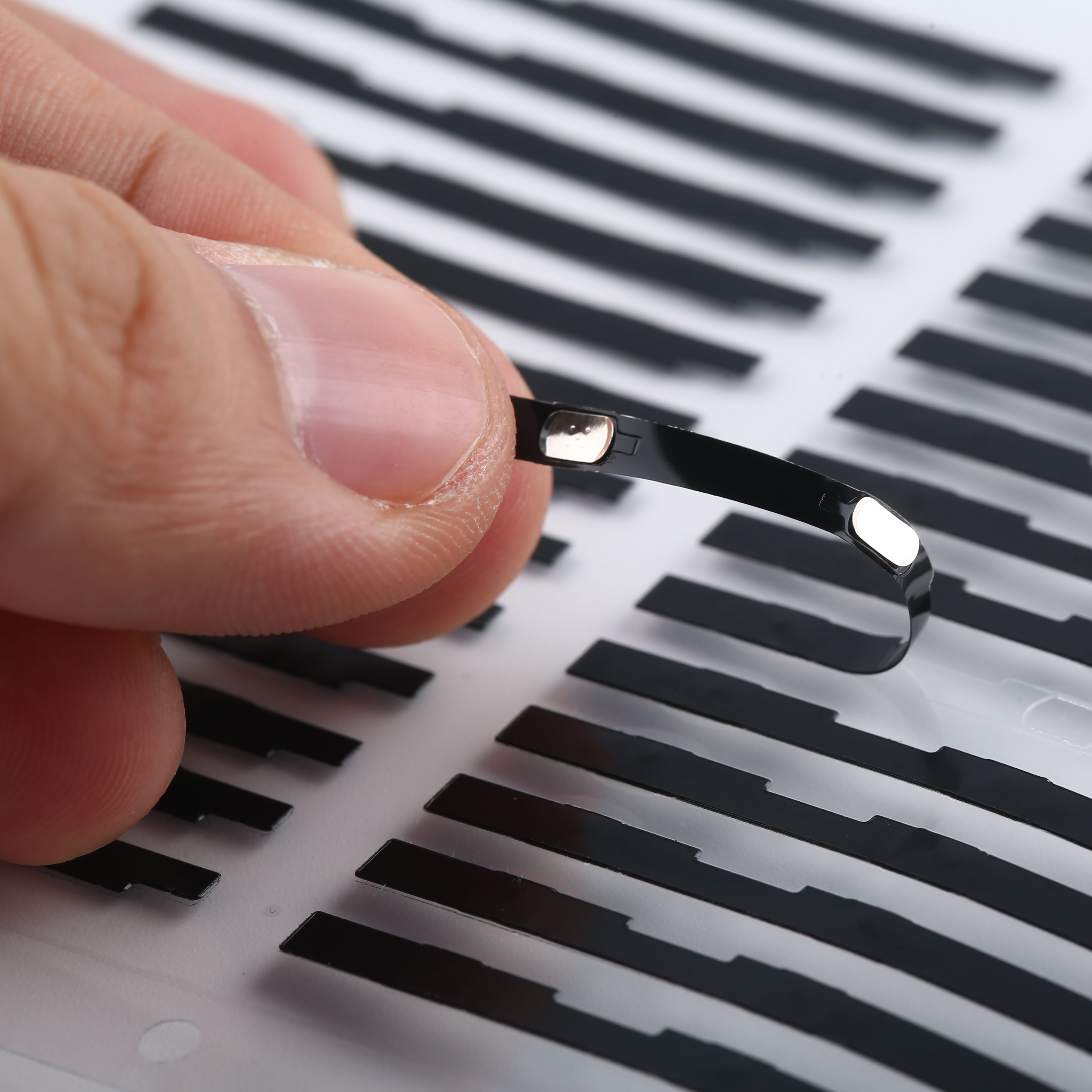
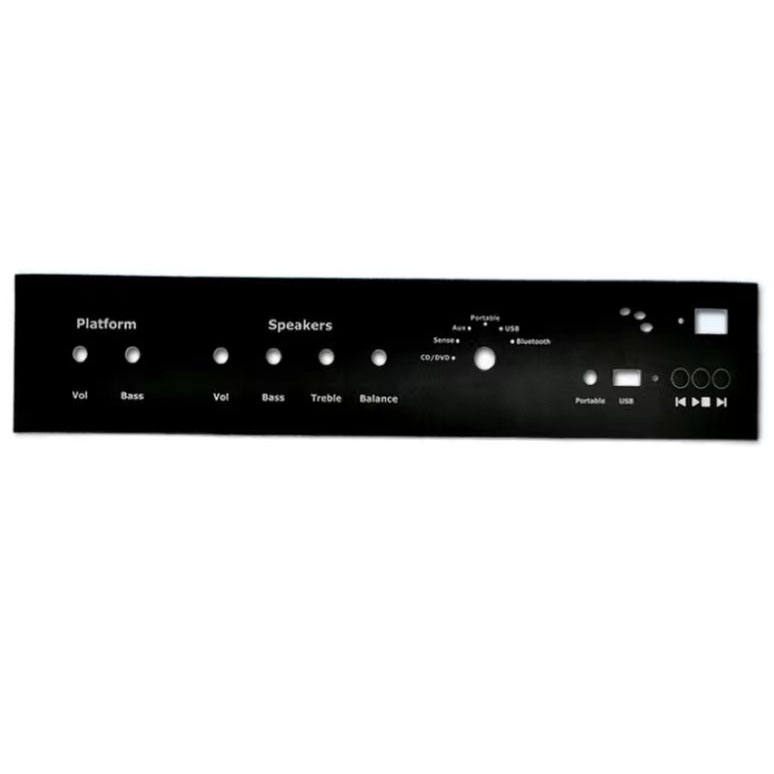
The multi-layer composite system of an illuminated membrane switch typically integrates five to eight functional films. The top overlay, formulated from biaxially oriented polyethylene terephthalate (PET) or robust polycarbonate (PC), undergoes selective texturing and micro-embossing to deliver precise key travel definition. Directly underneath, modern designs leverage Light Guide Film (LGF) matrices or direct side-firing LED channels paired with optical diffusion sheets. This prevents hot-spotting, delivering uniform luminance across translucent switch legends while consuming minimal electrical power.
| Layer Element | Standard Material | Key Functionality | Tolerance Limit |
|---|---|---|---|
| Graphic Overlay | Autotex PET / Lexan PC (0.125 - 0.20mm) | Chemical barrier, UV shielding, visual iconography | ±0.05 mm |
| Photonic LGF Layer | Optical-grade Micro-grooved TPU/PET | Lateral light diffusion, ultra-flat profile distribution | ±0.03 mm |
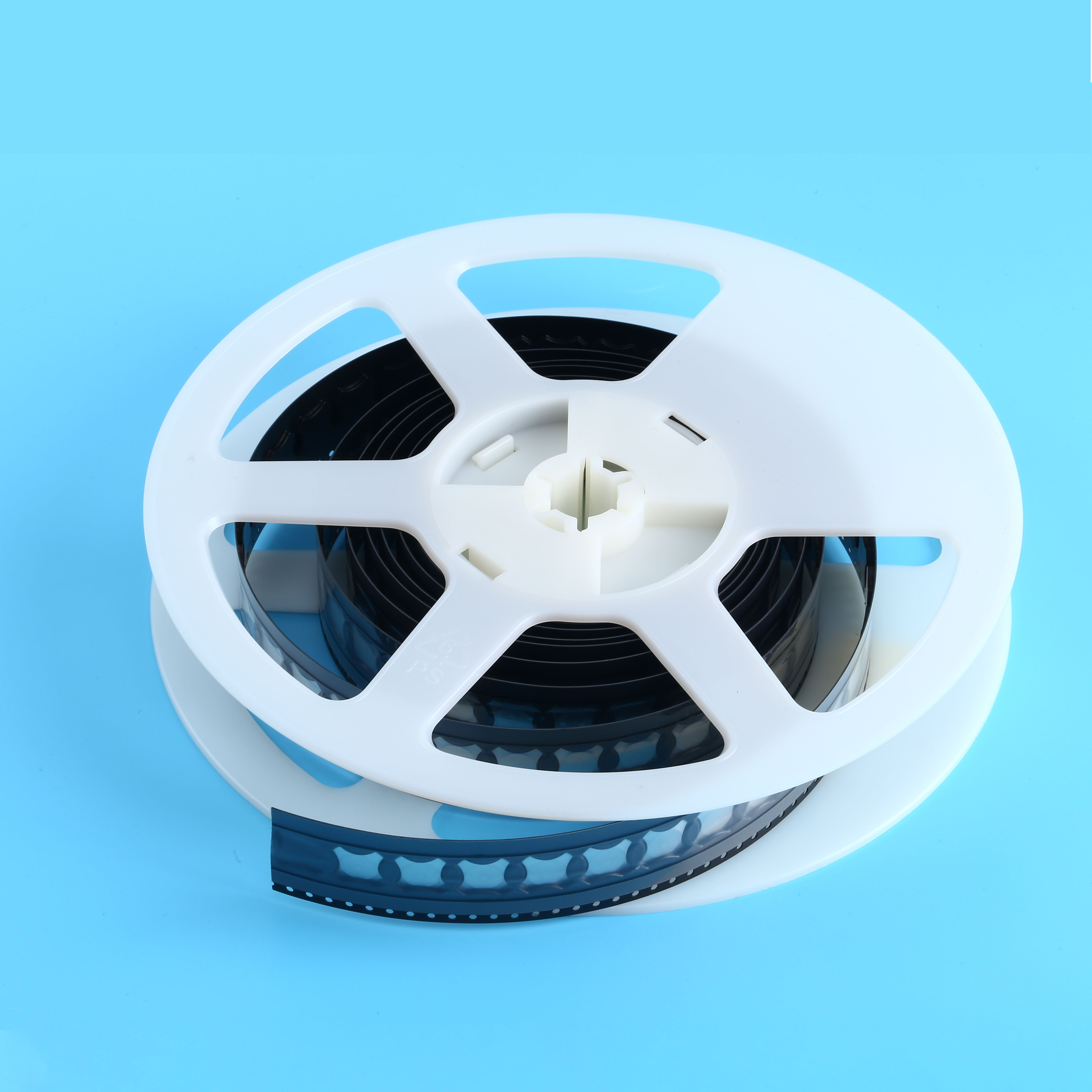
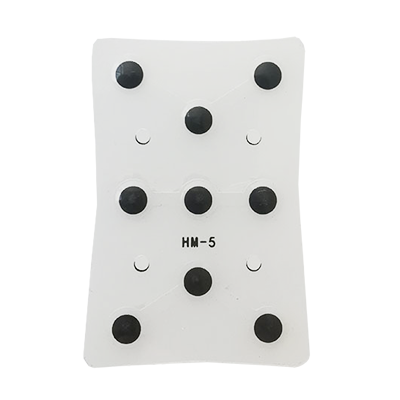
| Tactile Dome Matrix | SUS301 Stainless Steel (Nickel/Gold-Plated) | Acoustic & physical snap feedback, high cycle actuation | ±15g Actuation |
| Circuit Layer | Conductive Silver / Carbon Paste on PET or FPC | Low-impedance interconnectivity, SMD LED hosting | <1.0 Ω/cm trace |
| Mounting Adhesive | 3M 467MP / 3M 468MP / 3M 300LSE | Vibration resistance, IP65–IP67 waterproof bond | 100% Hermetic seal |
Market Outlook 2025–2030
Future Procurement Trends & Technological Evolution
How global supply chain strategies and material science advancements are transforming membrane keypad sourcing.
Consolidated HMI Sub-Assemblies
Global procurement teams are shifting away from sourcing discrete components (switches, dome arrays, display lenses) separately. The prevailing trend favors unified sub-assemblies where LED membrane switches arrive pre-laminated to CNC aluminum backplates, FR4 PCBs, or plastic bezels ready for direct final unit drop-in.
Capacitive & Tactile Hybrids
The boundary between pure mechanical snap feedback and modern sleek capacitive touch is blurring. Next-generation designs integrate central capacitive slider zones for parameter adjustment alongside high-reliability metal snap domes for critical ON/OFF emergency stops and tactile verification.
Antibacterial & Chemical Shielding
In medical diagnostic workstations and industrial food processing, demand for textured antimicrobial hardcoats (incorporating silver ion technologies) has grown exponentially. Procurement specifications now routinely require surface survivability against harsh sterilizing agents like isopropyl alcohol and sodium hypochlorite.
Automated SMT on Flexible PET
Advancements in low-temperature curing conductive epoxies allow precision pick-and-place mounting of bi-color and RGB SMD LEDs directly on standard heat-stabilized polyester film circuits, dramatically driving down fabrication costs compared to traditional flexible printed circuit (FPC) copper substrates.
Supply Chain Resiliency & Traceability
OEM buyers are mandating end-to-end traceability down to adhesive lot numbers and stainless steel coil origins. Partnering with vertically integrated ISO 9001 manufacturers in Dongguan provides transparency across screen printing, laser ablation, lamination, and computerized optical inspection.
Why Source From Cevra
Dongguan Manufacturing Direct: Scale, Quality & Precision
Operating since 2009 in Dongguan, China—the epicenter of global electronics hardware—Dongguan Cevra Electronic Technology Co., Ltd. provides certified in-house production without intermediate trading margins.
16+
Years Manufacturing
2,600㎡
Modern Workshop
ISO 9001
SGS Audited Facility
100%
Traceable Lab Testing
Unlike trading entities that outsource production stages across multiple vendors, Cevra manages the complete product lifecycle inside our 2,600㎡ facility. Our in-house machinery includes automated screen printing suites, cleanroom class assembly environments, high-precision CCD drilling centers, laser die-cutting systems, and fully automatic continuous roll-to-roll laminators.
To ensure complete electrical integrity and mechanical longevity, every batch undergoes strict laboratory verification before export clearance. Our comprehensive on-site testing protocol encompasses:
- Automated Dome Load Force Testing: Graphing tactile snap ratios and peak force parameters to guarantee uniform button feel across millions of cycles.
- Computerized Electrical Analysis: 100% open/short testing, contact resistance measurement, and insulation withstand verification.
- Environmental Stress Screening: High and low temperature thermal shock chambers (-40°C to +85°C) to validate adhesive bonds and silver ink ductility.
- Mechanical Surface Durability: Standardized pencil hardness scratching tests, holding tack peel testers, and chemical solvent rub evaluations.
Purchasing Guidance
Frequently Asked Questions on Membrane Switch Procurement
Essential technical clarifications to streamline your design for manufacturing (DFM) process and RFQ workflow.
What core engineering files are required to initiate an accurate quotation?
To provide a precise quotation and DFM assessment, we typically request mechanical drawings (AutoCAD DXF/DWG or SolidWorks 3D), graphic artwork files (vector-based Adobe Illustrator .AI, CorelDraw, or high-resolution PDF with PMS/RAL color codes), circuit schematic or pinout diagrams, preferred connector termination (standard 2.54mm, 1.0mm ZIF, or solder tabs), and operating environmental conditions (humidity, operating temperatures, IP rating requirements).
How do you achieve uniform LED backlighting without hot spots?
Uniform backlighting across slim profiles is achieved primarily through micro-etched Light Guide Film (LGF) modules. Edge-mounted, ultra-thin SMD side-view LEDs channel light across a grooved optical film that refracts light vertically solely underneath the desired graphic icons or windows. For complex multi-color demands, light isolation gaskets and light-blocking silver or black barrier prints are layered to prevent color bleeding between adjacent illuminated keys.
What is the functional lifespan difference between metal domes and poly domes?
Stainless steel metal domes (such as 4-legged cross, round, or triangular configurations) generally provide an actuation lifespan exceeding 1,000,000 to 5,000,000 cycles, characterized by an acute tactile snap and extremely low contact resistance. Embossed polyester (poly) domes are formed directly into the PET film; while cost-effective for high-volume entry-level consumer goods, their tactile feedback degrades sooner, usually rated around 100,000 to 500,000 cycles depending on temperature.
How does Cevra ensure ingress protection (IP65, IP67) against water and dust?
Ingress protection relies on precision continuous perimeter gasket laminations using proven acrylic industrial adhesives like 3M 300LSE (for low surface energy plastics) or 3M 467MP/468MP. Additionally, we integrate internal air venting channels routed through the tail exit rather than the front surface, preventing pressure differentials during rapid actuation while keeping the front face totally impervious to liquid splashes, oils, and particulate intrusion.
What are the typical prototyping lead times and minimum order quantities (MOQ)?
We support agile engineering cycles with rapid prototype turnarounds typically completed in 5 to 7 working days. For standard custom overlay keypads, prototyping quantities can start as low as 10 to 50 pieces. Full-scale production batch runs generally start at 100 to 500 pieces for complete membrane switches, and 1,000 pieces for standalone metal snap domes or dome arrays.