Verified Precision Products & Sourcing Recommendations
Compare baseline mechanical, electrical, and optical configurations tailored for mission-critical industrial, medical, and appliance HMI assemblies.
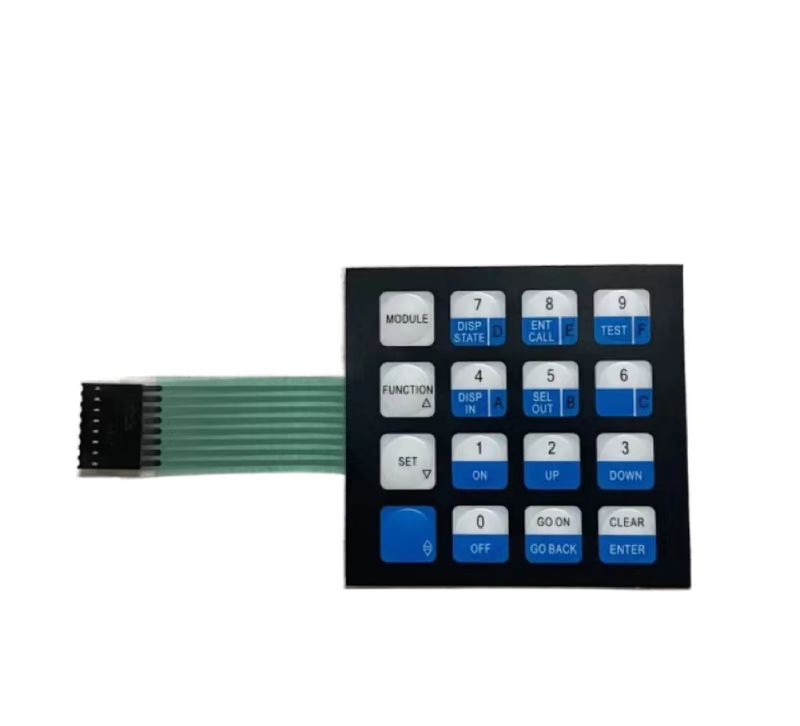
Custom Diy 4x4 Tactile Dome Flexible Membrane Switch Graphic Overlay Keypad
High-density matrix layout optimized for access panels and field controllers requiring clear tactile acknowledgment.
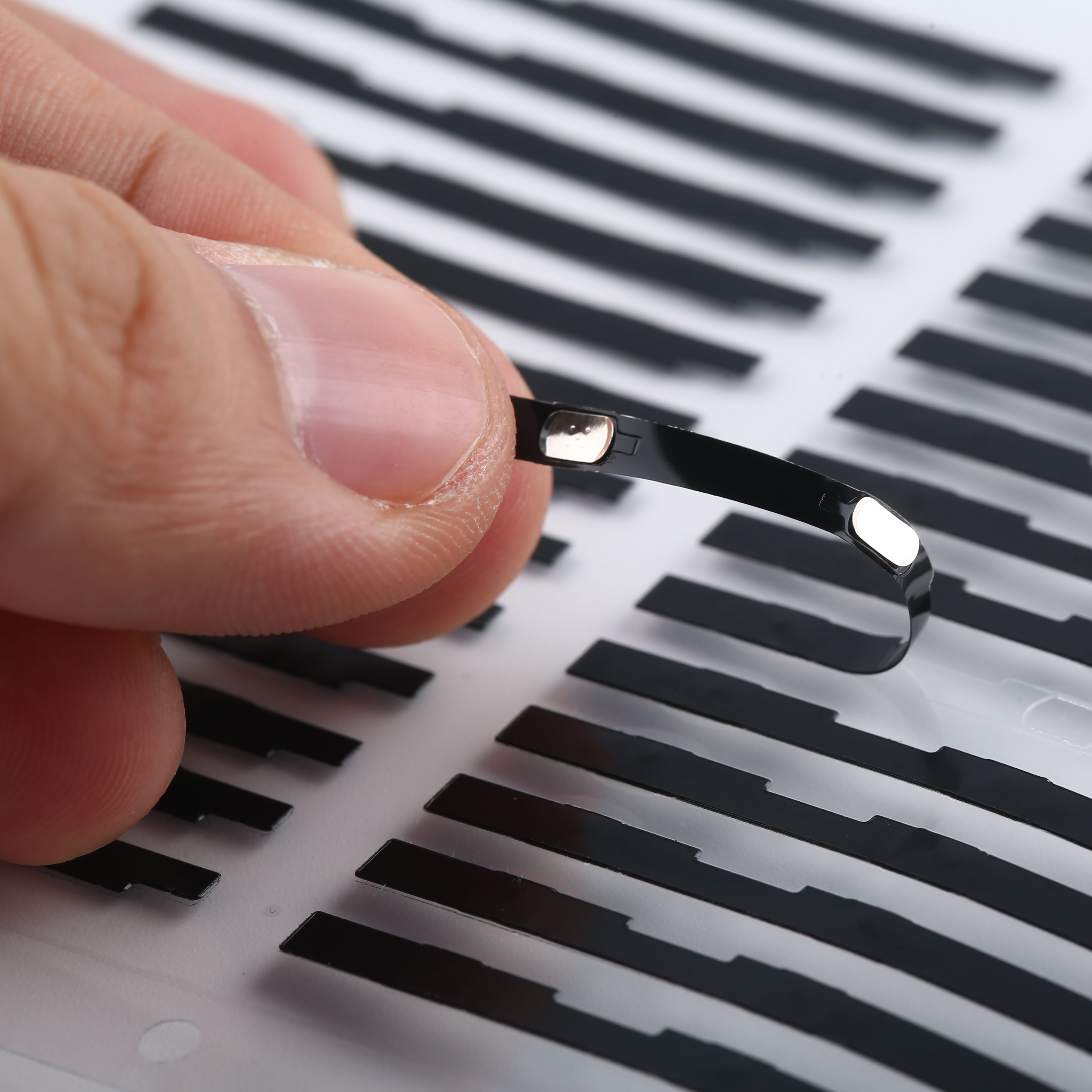
Free Sample Oval Metal Dome Array Single Layer PET With Adhesive Array
Space-saving oval snap dome arrays designed for miniature consumer electronics, audio systems, and micro-actuators.
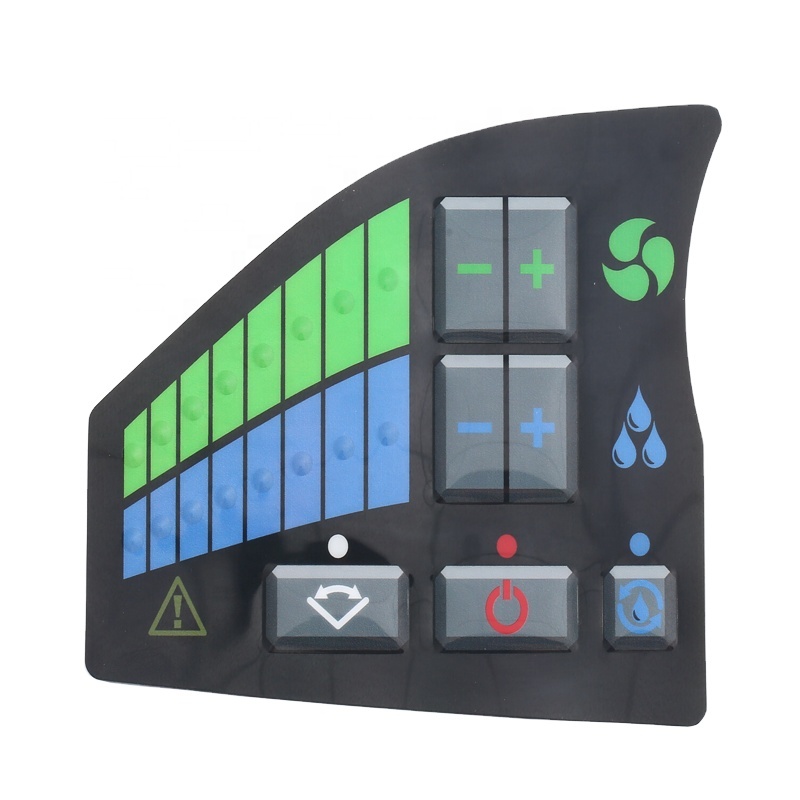
Custom Silk Printing Embossed Metal Dome Tactile Buttons Graphic Overlay
Pillow or rim-embossed front panels paired with high-snap domes, guaranteeing precise finger location in low-light.
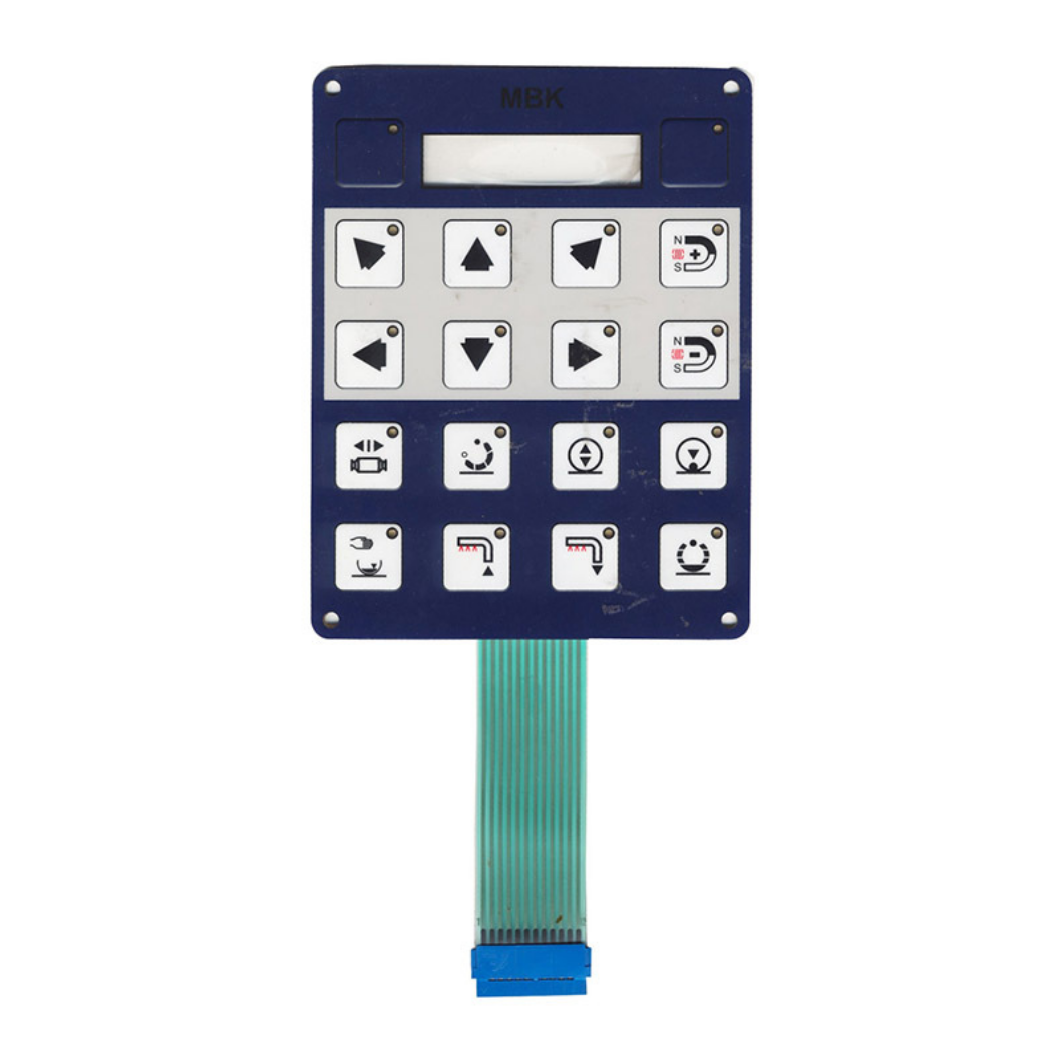
Linear 1 Row 4 Key Custom Direct-Feed Membrane Switch Array
Streamlined form-factor suited for narrow profile enclosure bezels, industrial edge controls, and power-strip triggers.
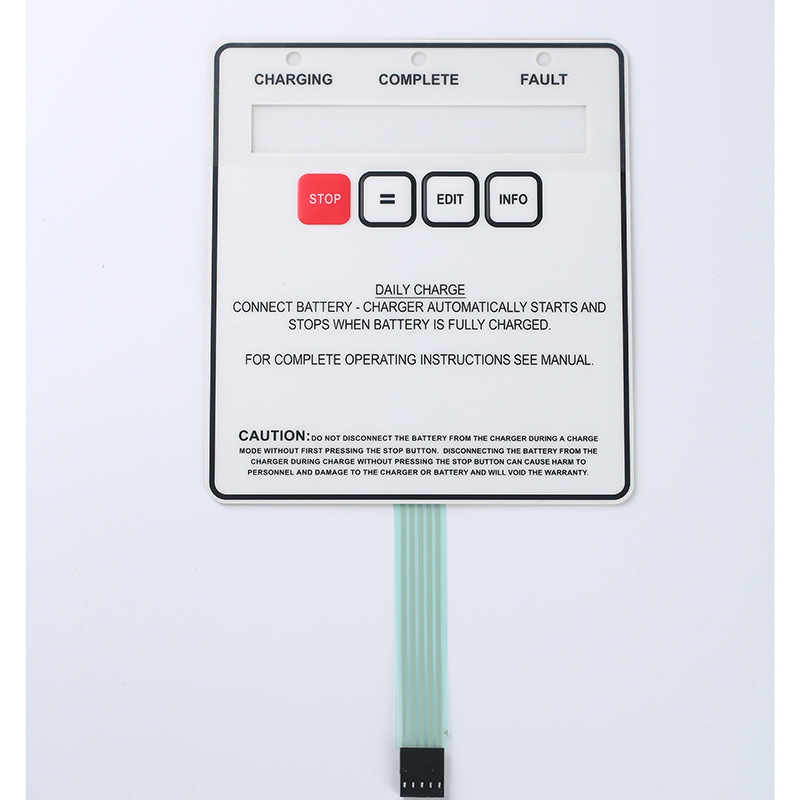
IP67 Waterproof & Dustproof Medical Membrane Switch Control Panel
Antimicrobial surface treatments coupled with perimeter gasket layers to withstand harsh clinical sterilization.
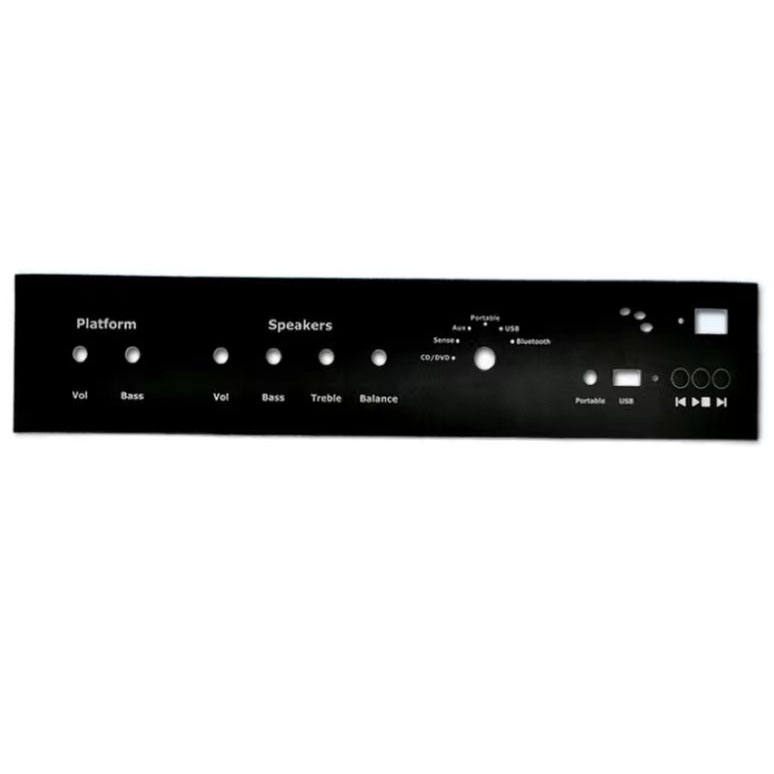
Intelligent Appliance Capacitive Touch Membrane Interface Panel
Zero-wear solid-state capacitive sensing layer bonded with UV-stabilized decorative polycarbonate overlays.
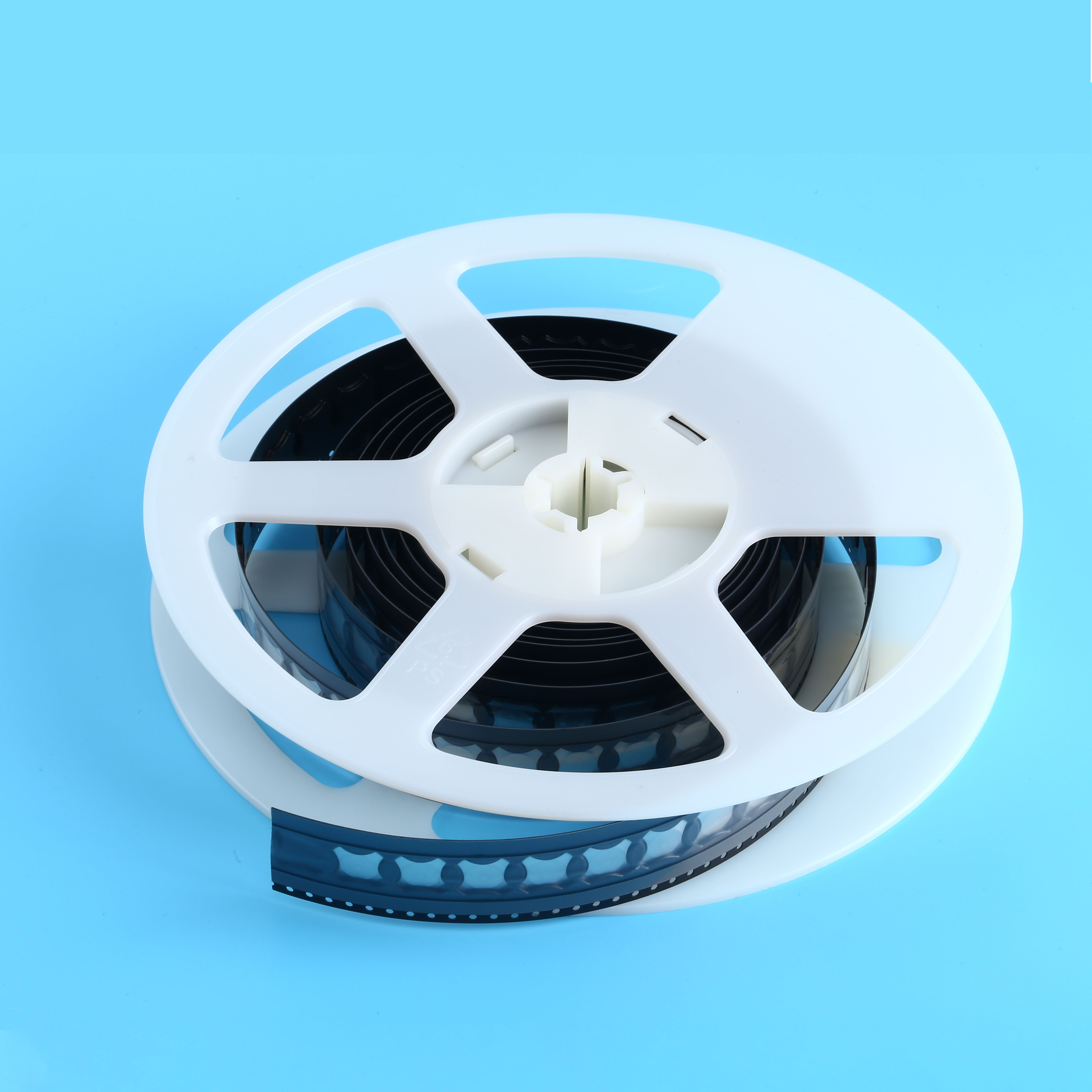
Precision Cross 4-Legged Stainless Steel Snap Dome Arrays (Tape & Reel)
Standardized dome arrays prepared for high-speed pick-and-place robotics and automatic SMT lamination processes.
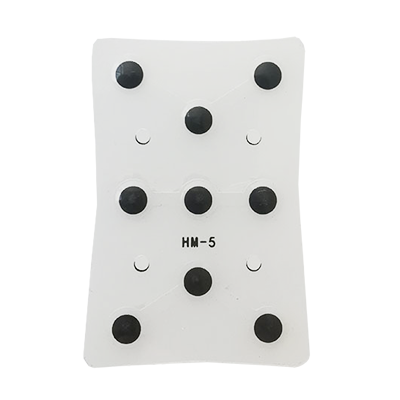
LGF Backlit Membrane Keypad With Tactile Metal Dome Array Sheet
Micro-etched light guide film technology driving balanced surface illumination from low-power edge-lit SMT diodes.
Engineering Comparison: Backlighting Methodologies
Selecting the optimal illumination system involves balancing structural stack thickness, power consumption, chromatic uniformity, and tooling budgets.
| Evaluation Parameter | Light Guide Film (LGF) System | Discrete Surface-Mount LED | Electroluminescent (EL) Lamp | Fiber Optic Woven Mesh |
|---|---|---|---|---|
| Typical Stack Thickness | 0.125mm – 0.25mm (Ultra-thin) | 0.8mm – 1.6mm (Requires spacer) | 0.1mm – 0.2mm (Very thin) | 0.3mm – 0.5mm (Moderate) |
| Luminance Homogeneity | High (Optimized micro-dot refraction) | Localized hot-spotting unless diffused | Completely uniform, zero hot-spots | Very uniform across wide key areas |
| Power & Thermal Load | Low (Driven by 2-6 edge SMT LEDs) | Moderate (Depends on LED count) | Low power, but needs high-voltage AC | Low, driven by external diode source |
| Lifecycle to Half-Brightness | >50,000 Hours (Solid-state LED life) | >50,000 Hours (Standard SMT life) | 3,000 – 8,000 Hours (Phosphor degradation) | >50,000 Hours (Passive fiber matrix) |
| Driver Circuit Complexity | Standard DC Voltage (3.0V – 5.0V) | Standard DC Voltage, simple resistors | Requires AC Inverter (60V–110V AC) | Standard DC driving edge LEDs |
Product Sourcing Trends & Next-Generation Industrial Shifts
OEM engineering departments are navigating a profound transition in physical human-machine interfaces. Below are the definitive design directions dominating global procurement roadmaps.
1. Convergence of Capacitive & Tactile Feedback
Buyers are shifting away from standalone dome keyboards toward hybrid constructions. These feature seamless capacitive sliding surfaces combined with underlying metal dome tactile confirmation for safety-critical emergency shut-offs and confirmation inputs.
2. Universal Adoption of Micro-Dot LGF
Electroluminescent (EL) lamps are increasingly phased out due to limited half-lives (sub-5000 hours) and RF inverter interference. Micro-etched Light Guide Film (LGF) has achieved dominance by channeling high-efficiency perimeter LEDs through optical polycarbonate foils.
3. Rigorous EMI/RFI Shielding Integration
Medical instruments and ruggedized defense gear demand comprehensive protection against electro-static discharge (ESD). Modern procurement requisitions mandate printed carbon/silver grid lattices or continuous aluminum foil shields with under 1.0 Ohm contact resistances.
4. Flexible Copper Clad (FPC) Transition
While screen-printed conductive silver ink on PET remains cost-effective for static layouts, demanding environments are turning to Polyimide FPC copper circuitry. Copper circuits eliminate silver migration risks in hot, humid settings and allow dense 0.5mm SMT components.
5. Antimicrobial & Chemically Hardened Films
Post-pandemic procurement standards mandate overlays capable of enduring hospital-grade isopropyl alcohol, bleach, and petrochemical washdowns. Manufacturers utilize textured Autotex PET impregnated with antimicrobial agents that disrupt cellular walls without optical clarity loss.
6. Digital Tooling & Agile Prototyping
Tool-less laser die-cutting and high-speed flatbed UV digital printers have compressed prototype turnaround times from 3 weeks down to 48-72 hours, enabling iterative mechanical validation before hard steel stamping molds are machined.
Why Direct-from-Factory Procurement with Cevra Matters
Located in Dongguan, China, Cevra is a complete human-machine interface manufacturing facility, eliminating broker markups and ensuring strict quality ownership.
End-to-End In-House Control
From graphic overlay screen printing, laser profiling, and CCD target drilling to automatic dome sorting and clean-room lamination, 100% of production takes place within our 2,600㎡ facility. No outsourcing means full control over tolerances.
Verified ISO 9001 & SGS Audited
We operate a quality system where incoming raw materials (Autotype PET, 3M adhesives, Japanese stainless steel domes) undergo strict receiving verification. The factory floor has passed independent onsite audits by the world-leading SGS Group.
Dedicated Laboratory Validation
Every production batch is backed by test data: metal dome trip-force curve analyzers, high/low temperature environmental testing chambers (-40°C to +85°C), 180° peel adhesion dynamometers, holding tack stands, and electrical loop resistance testers.
Frequently Asked Questions: Sourcing & Manufacturing
Direct answers from our senior application engineers on layout, environmental sealing, circuit performance, and procurement terms.
What is the minimum actuation force tolerance for tactile switches?
Actuation forces typically range from 160g to 450g depending on dome diameter (6mm to 12mm) and geometry (cross 4-legged, triangle, or round). Our stamping and automated load sorting achieve an actuation tolerance of ±20g to ensure uniform keyboard feel.
How do you prevent light bleed between illuminated zones?
We deploy printed light-blocking masks (carbon or high-density black inks) combined with laser-cut perimeter light barriers within the adhesive spacer. For LGF designs, optical dot distribution is segmented to isolate individual indicators from adjacent backlighting fields.
When should an engineer specify PET over Polycarbonate (PC)?
Polycarbonate offers optical clarity and eases dimensional embossing, but PET (such as Autotype) provides higher mechanical flex life (>5 million switch actuations vs. ~100,000 for PC) and resistance to cracking from industrial chemicals, solvents, and fuel exposure.
What tail termination standards are supported for industrial motherboards?
Our flex leads support standard 2.54mm, 1.27mm, and 1.0mm pitch configurations. Common options include female AMP/Berg latching housings, solder tabs, and bare tail pins prepared for direct Zero Insertion Force (ZIF) PCB interface connectors.
How is an IP67 rating achieved across the membrane assembly?
We use continuous perimeter die-cut gaskets using waterproof adhesives (such as 3M 200MP or 300LSE). Integrated air-vent paths route between keys without breaking the seal, or vent internally through the connector tail to equalize pressure during temperature swings.
What are your rapid prototyping MOQs and production lead times?
Prototypes start from 10 to 50 pieces using digital UV profiling without hard tooling fees. Standard functional samples deliver in 5 to 7 working days. Full production orders typically ship within 12 to 18 business days after approved artwork and schematic sign-off.
Collaborate Directly with Dongguan Cevra Application Engineers
Send your CAD drawings, vector artwork, or technical requirements. We will provide a comprehensive Design for Manufacturability (DFM) analysis and stack-up breakdown within 24 hours.