Featured Industrial Electronic Keypads & Metal Dome Systems
Standard, semi-custom, and turnkey OEM/ODM Human-Machine Interface switch modules engineered to deliver tactile consistency, environmental sealing (IP65–IP68), and high electrical conductivity under extreme field conditions.
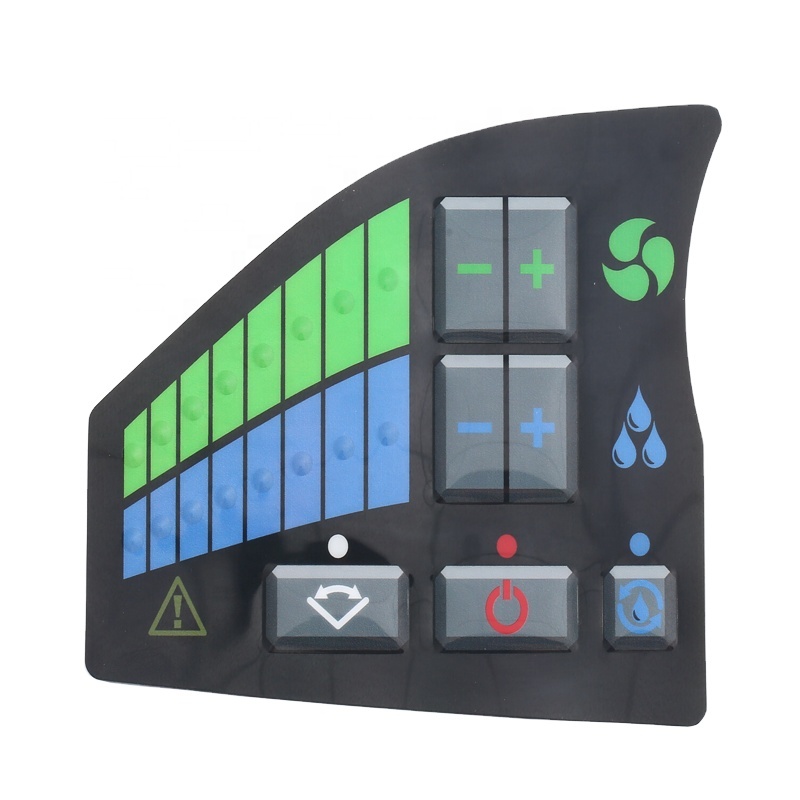
Custom Silk Printing Embossed Metal Dome Tactile Buttons Membrane Switch Control Graphics Overlay
- Overlay Film: Autotex Fine PET / PC
- Tactile Mechanism: Stainless Steel Metal Dome
- Actuation Force: 250g - 400g Custom
- Dielectric Seal: 3M 467MP / 468MP

New Trend Factory Custom Cross 4-Legged Snap Dome Poly Metal Dome in Reel Packing for SMT Assembly on Membrane Switch
- Format: Tape & Reel SMT Pick & Place
- Dome Profile: 4-Leg Cross / Dimpled Center
- Plating Type: Nickel / Selective Gold
- Trip Ratio: >45% Crisp Tactile Feel
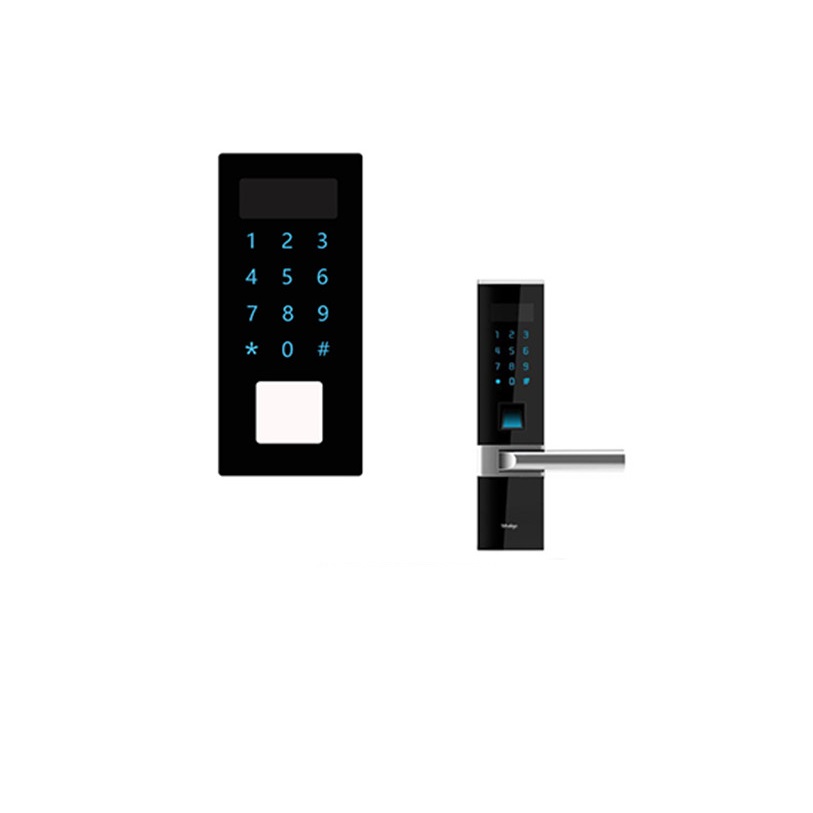
Custom Waterproof Keypad Smart DoorTouch Switch Button Membrane Switch PMMA Membrane Switch Panel Capacitive
- Front Substrate: Optical PMMA Acrylic / Glass
- Sensing Tech: Solid-State Capacitive Touch
- Sealing Grade: Full IP67 / IP68 Waterproof
- Interconnect: Rigid-Flex / Custom FPC
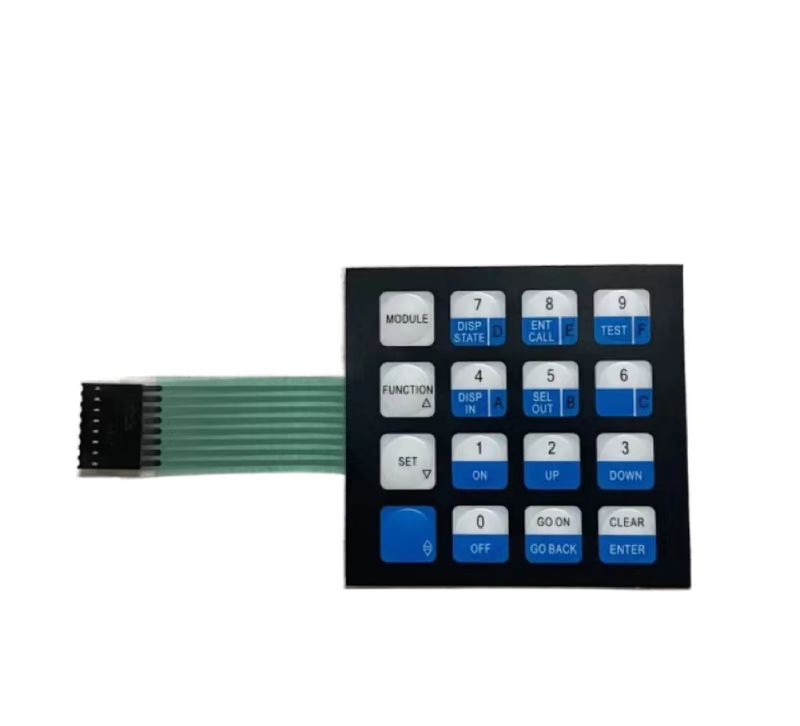
Custom Diy 4x4 Tactile Dome Flexible Membrane Switch Graphic Overlay Membrane Keypad
- Circuit Array: 4x4 Matrix Conductive Silver
- Termination: 2.54mm Pitch Female Housing
- Contact Rating: 30V DC / 100mA Max
- Insulation Res.: ≥100MΩ @ 250V DC
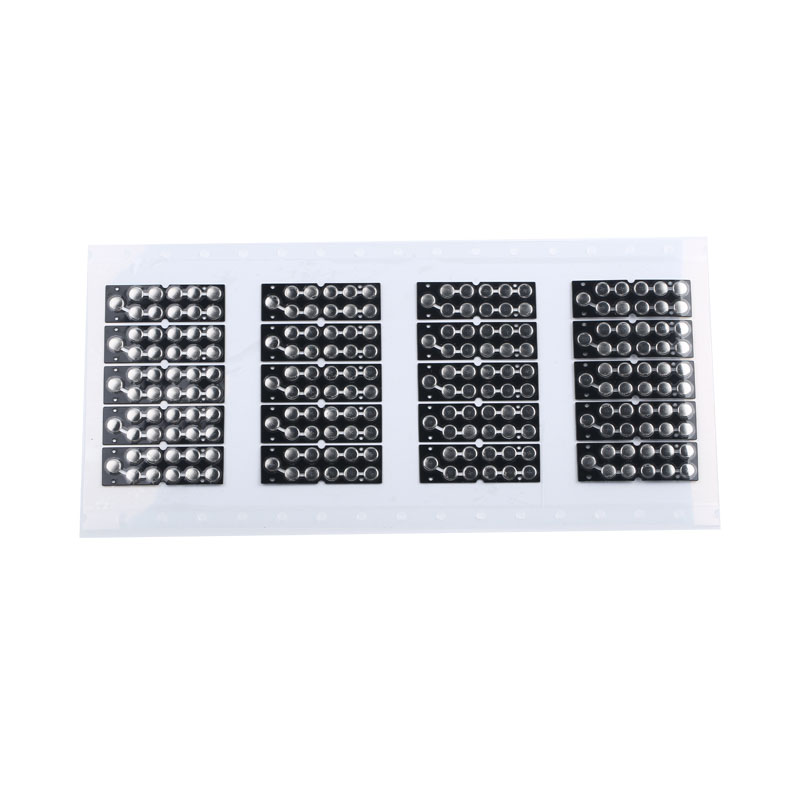
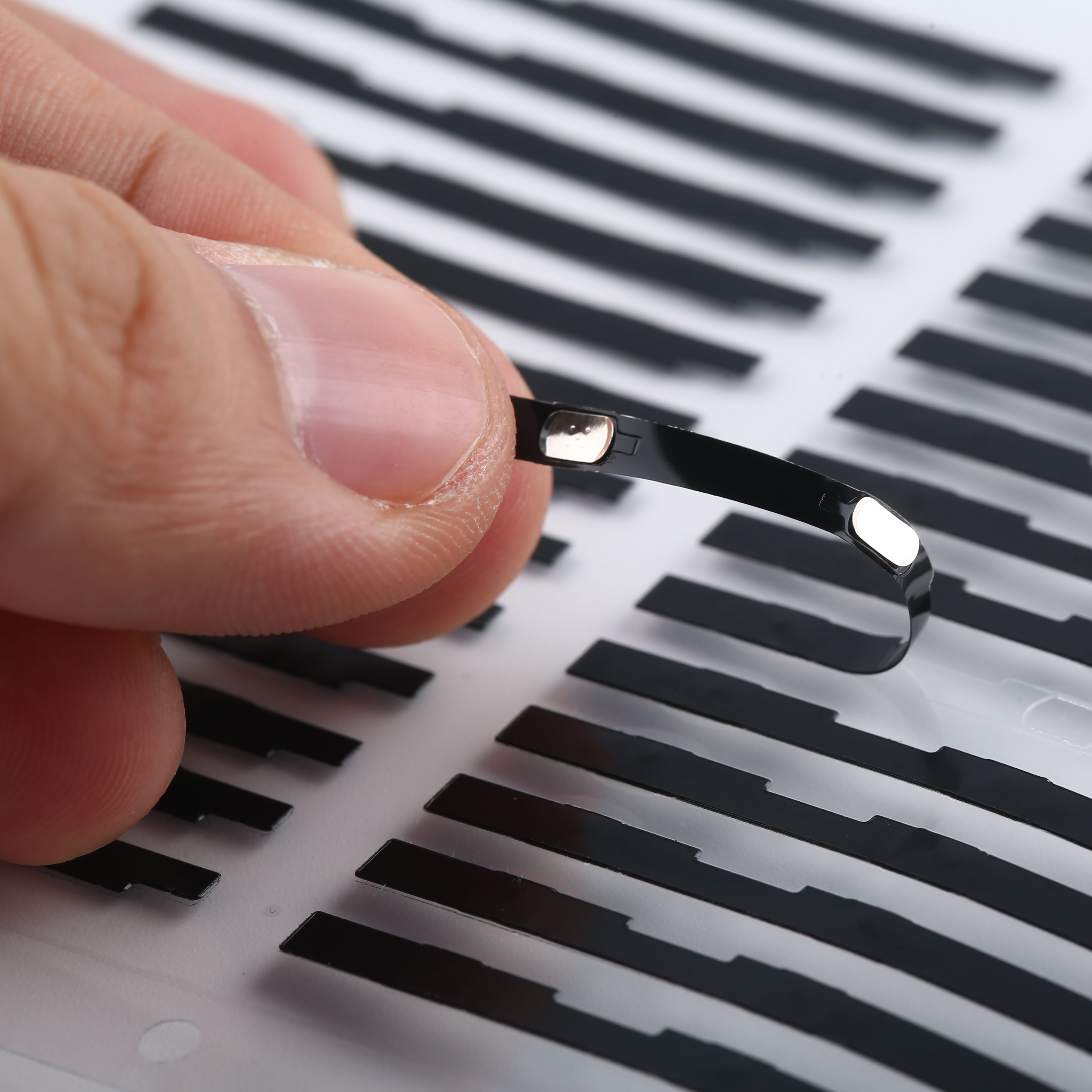
Free Sample Round Metal Dome Array Single Layer Transparent Pet With Adhesive for Television Remote Control
- Carrier Layer: High-Clarity Optical PET
- Dome Geometry: Round Waist Snap Dome
- Assembly Method: Rapid Peeling Peel-and-Stick
- Venting Route: Micro-Air Vent Channeling
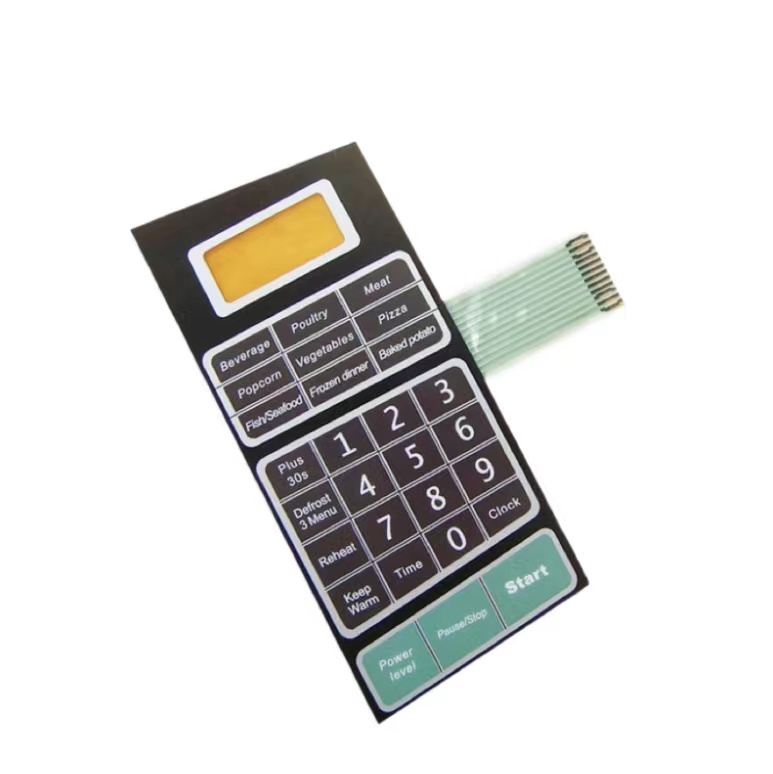
Low Moq Custom Membrane Switch Panel Keypad Control
- Customization: Rapid Prototype to Production
- Embossing Styles: Rim, Pillow, Flat Available
- ESD Shielding: Printed Aluminum Foil / Carbon
- Certification: RoHS, REACH Compliant
Free Sample Oval Metal Dome Array Single Layer Pet With Adhesive for Headphone Control Buttons
- Form Factor: Oblong / Oval Snap Dome
- Application: Wearable Audio & Medical Pens
- Height Envelope: Ultra-Low Profile (<0.35mm)
- Life Expectancy: >1,000,000 Actuations
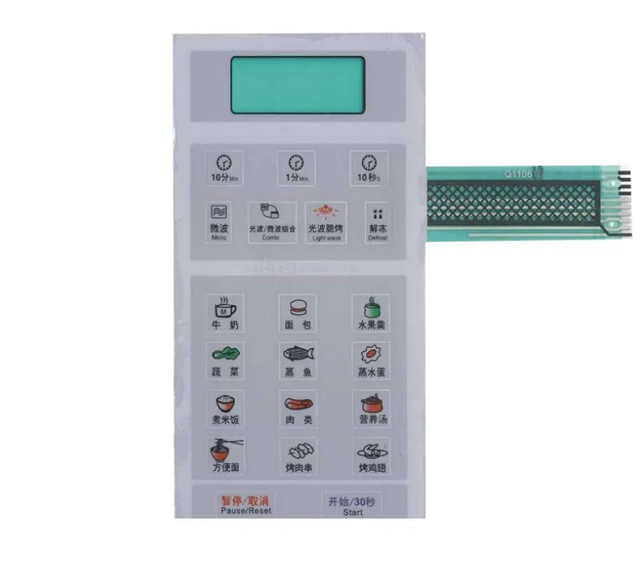
Factory Cheap Price Electronic Membrane Switch Membrane Switch Control Panel
- Circuit Substrate: Stabilized Thermal Heat PET
- Operating Temp: -40°C to +85°C Extreme
- Window Clear: Anti-Glare / UV Gloss Window
- Factory Direct: Direct Pricing with Strict QA
Architecting High-Reliability Electronic Keypads: Engineering Fundamentals & Materials Stack-Up
As industrial automation, medical diagnostics, energy infrastructure, and smart IoT devices demand more durable Human-Machine Interfaces, the humble keypad has transformed into a high-density, multi-layer electromechanical subsystem.
Overlay Polymers: Biaxially Oriented PET vs. Polycarbonate
While Polycarbonate (PC) offers superior optical clarity and ease of thermal forming for 3D graphic bezels, it exhibits low flex life when subjected to repeated tactile key presses (developing micro-stress fractures under 50,000 cycles). Conversely, Biaxially Oriented Polyethylene Terephthalate (PET, such as Autotex Fine / MacDermid Autotype) delivers exceptional tensile strength, flexural fatigue resistance exceeding 5 million actuations, and robust resistance against harsh cleaning chemicals, isopropyl alcohols, and industrial solvents.
Silver Flake Migration Prevention & Carbon Overprinting
Under high humidity and continuous DC voltage bias, standard screen-printed silver conductive traces can develop dendrite growth known as electrochemical silver migration, precipitating catastrophic short circuits across switch tracks. Dongguan Cevra prevents this failure mode by printing a continuous, conductive graphite/carbon barrier mask over all exposed silver switch contacts, or migrating dense high-reliability circuit layers to etched polyimide flexible printed circuits (FPC) with gold immersion plating.
Metal Dome Dynamics & Trip Ratio Optimization
Tactile feedback in high-performance electronic keypads is governed by the snap dome's switch dynamics. The tactile ratio—expressed as ((Actuation Force - Contact Force) / Actuation Force) × 100%—must be maintained between 40% and 65% to yield a crisp, unambiguous mechanical click. Using four-legged stainless steel domes (SUS301) with nickel or selective flash gold plating, our engineers calibrate trip profiles that ensure ergonomic operator feedback even when working with thick industrial safety gloves.
Global Procurement Trends: Sourcing Electronic Keypads in 2025–2030
How international OEMs, Tier-1 contract manufacturers (EMS), and procurement directors are mitigating supply chain vulnerabilities, optimizing total cost of ownership (TCO), and accelerating time-to-market.
Consolidation from Fragmented Vendors to Vertically Integrated Partners
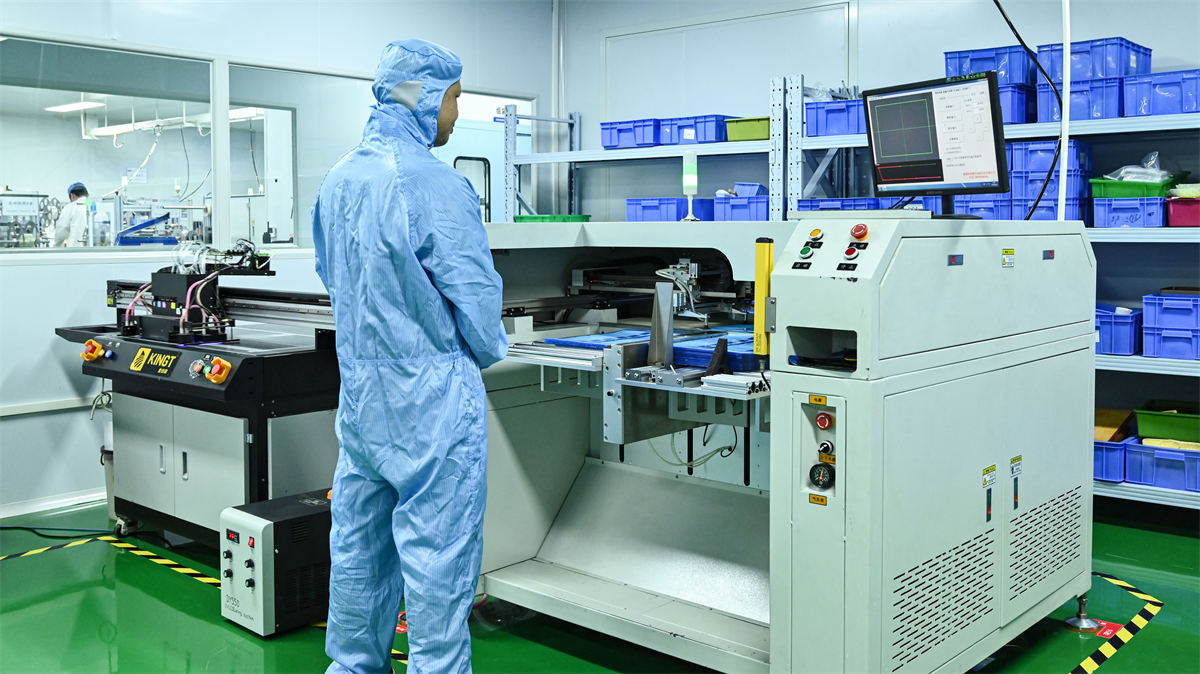
Procuring graphic overlays from a printing shop, snap domes from a metal stamper, and final assembly from an EMS causes compound margin stacking, finger-pointing during ESD/moisture field failures, and prolonged NPI lead times. Procurement teams now aggressively favor integrated China manufacturers capable of managing precision screen printing, laser die-cutting, automated dome array placement, and 100% electrical circuit testing under one certified roof.
Total Cost of Ownership (TCO) vs. Superficial Unit Pricing
Low-cost silver ink formulations with inadequate binders or recycled PET carrier sheets lead to high scrap rates during final device box-builds and premature field failures in the warranty period. Leading buyers analyze TCO: calculating the value of zero-defect lots, automated tape-and-reel packaging for high-speed SMT placement, and suppliers verified onsite by independent inspection agencies like SGS Group to protect brand equity.
DFM-Driven Rapid Prototyping & Low-MOQ Flexibility
In an era of hyper-iterative hardware releases, hardware startups and medical innovators cannot afford rigid minimum order quantities of 10,000 units during clinical or pilot trials. Cevra bridges this gap by offering low-MOQ prototype runs starting at 10 to 100 pieces backed by comprehensive Design for Manufacturability (DFM) reviews—optimizing trace routings, tail bend radiuses, and spacer venting cavities prior to hard-tooling commitment.
Technological Development Trends in Modern Electronic Keypads
The integration of solid-state capacitive sensing, ultra-thin Light Guide Films (LGF), and embedded SMD micro-components is redefining the boundaries of physical human interface panels.
Light Guide Film (LGF) & Side-Fire LED Uniform Backlighting
Bulky electroluminescent (EL) lamps (which deteriorate rapidly with half-lives under 3,000 hours) and hot-spot-prone discrete top-firing LEDs are being phased out in favor of Light Guide Film (LGF) modules. By utilizing micro-optical dot matrix patterns molded onto ultra-thin (0.125mm) polycarbonate sheets, light from low-power perimeter side-firing LEDs is collimated across symbols with 90%+ chromatic and luminance uniformity, maintaining an ultra-slim keypad thickness under 1.2mm.
Hybrid Capacitive Touch with Acrylic/Glass Bezels
In medical and commercial kitchen environments where sterile wipe-downs and aggressive disinfectants are mandatory, mechanical key seams present bio-contamination hazards. The industry has surged toward capacitive touch membrane panels featuring solid-state sensor foils laminated beneath seamless, dead-front printed PMMA acrylic or chemically strengthened Gorilla Glass. Zero mechanical travel translates into zero particulate entrapment and infinite mechanical cycle life.
Comprehensive RFI/EMI/ESD Multi-Layer Shielding
As electronic enclosures pack dense wireless RF transceivers (Bluetooth, Wi-Fi 6, 5G, LoRa), unshielded membrane switches act as unintentional patch antennas, causing electromagnetic interference or succumbing to electrostatic discharges. Modern industrial electronic keypads integrate full aluminum foil or printed carbon grid shielding layers connected directly to a ground trace, dissipating ESD strikes up to 15kV without firmware rebooting or controller latch-up.
Comparative Matrix: Keypad Technologies for Critical Applications
| Evaluation Parameter | Tactile Metal Dome Keypad | Capacitive PMMA Touch Panel | SMT Snap Dome on Rigid PCB | Polydome (Embossed Poly) Switch |
|---|---|---|---|---|
| Tactile Feedback | Crisp, unambiguous snap (Trip Ratio >50%) | Zero travel; optional buzzer/haptic vibration | Sharp mechanical click | Muted, soft tactile feel |
| Actuation Lifetime | >1,000,000 to 5,000,000 cycles | Virtually infinite (>10,000,000 touches) | >1,000,000 cycles | 100,000 to 500,000 cycles |
| Environmental Ingress | IP65 to IP67 with perimeter perimeter gas-tight seal | Hermetic IP68 rating; fully submersible front | Depends on enclosure bezel gasket | IP54 to IP65 typical |
| Operating Temperature | -40°C to +85°C (Extreme industrial rated) | -20°C to +70°C (Sensor controller dependent) | -40°C to +105°C | -10°C to +60°C (Plastic creep limit) |
| Ideal Applications | Industrial machinery, instruments, military avionics | Sterile medical devices, smart appliances, kiosks | Automotive dash switches, remote controls | Consumer toys, budget consumer appliances |
Why Global Equipment Makers Partner with Dongguan Cevra
Established in March 2009 in Dongguan, Guangdong, Cevra Electronic Technology Co., Ltd. combines 16+ years of specialized HMI engineering with an ISO 9001 certified and SGS-audited 2,600㎡ manufacturing facility.
SGS Onsite Audited
Independently verified onsite by SGS Group. Production lines, QA/QC capability, engineering staff, and facilities are fully validated for international export accountability.
16+ Years Continuity
Over a decade and a half dedicated exclusively to custom membrane switches, metal domes, graphic overlays, light guide films, and precision die-cut components.
100% In-House Testing
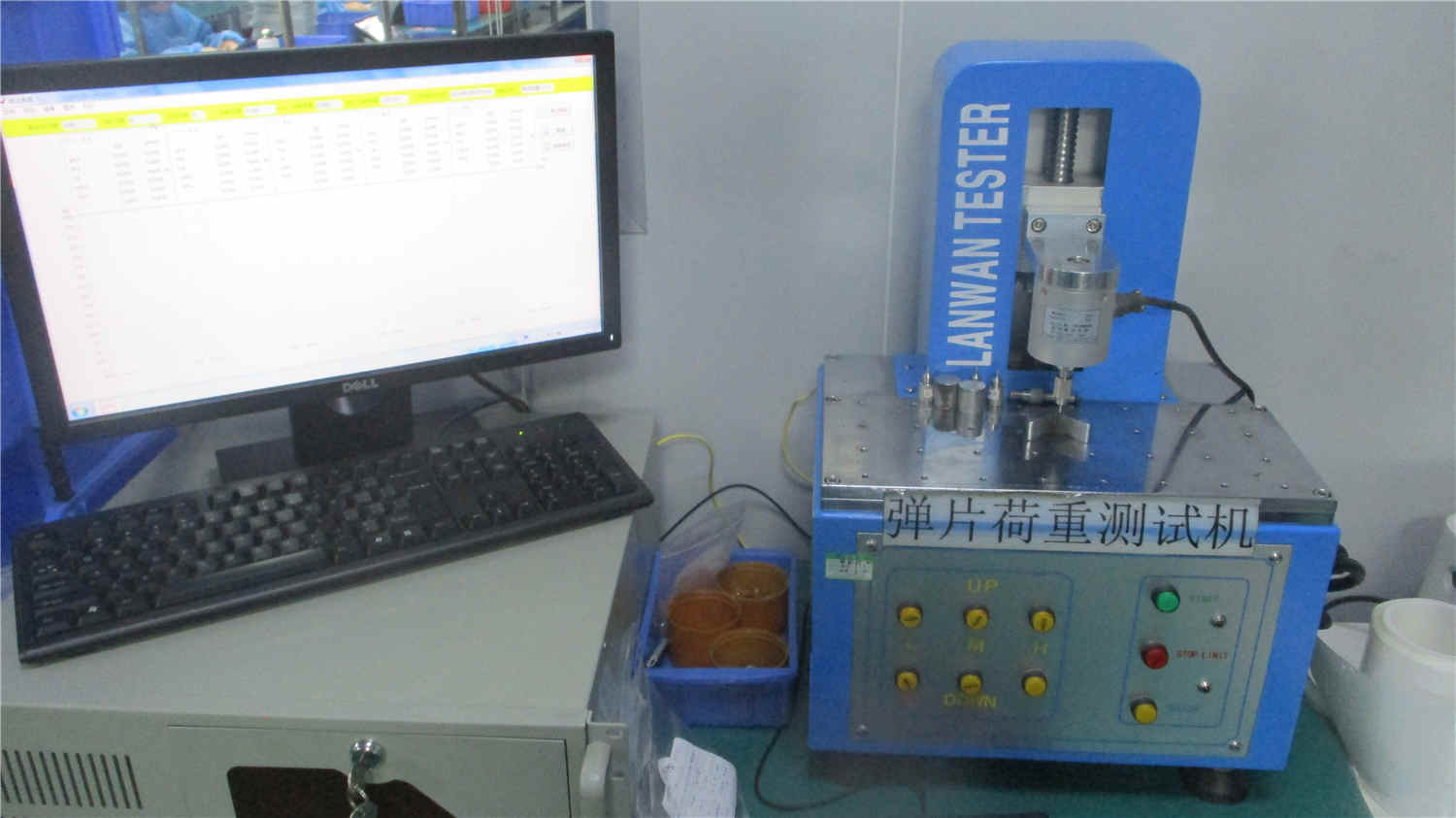
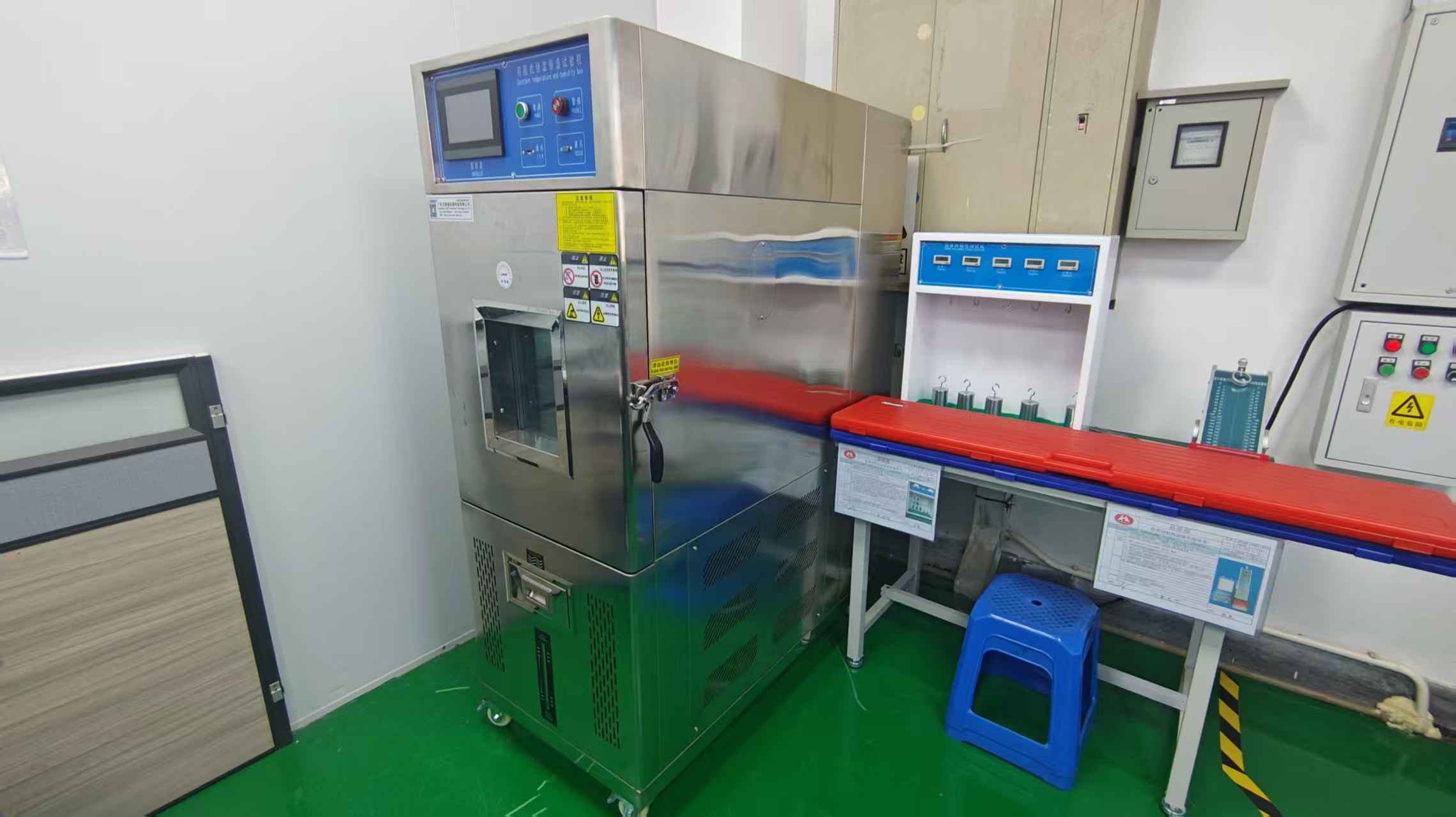
Equipped with specialized dome load analyzers, peel adhesion tension testers, holding tack testers, electric pencil hardness testers, and high/low temperature cabinets.
Dongguan Ecosystem
Located at the epicenter of South China's global hardware hub, providing immediate access to premier engineering resins, precision stamping dies, and swift global logistics.
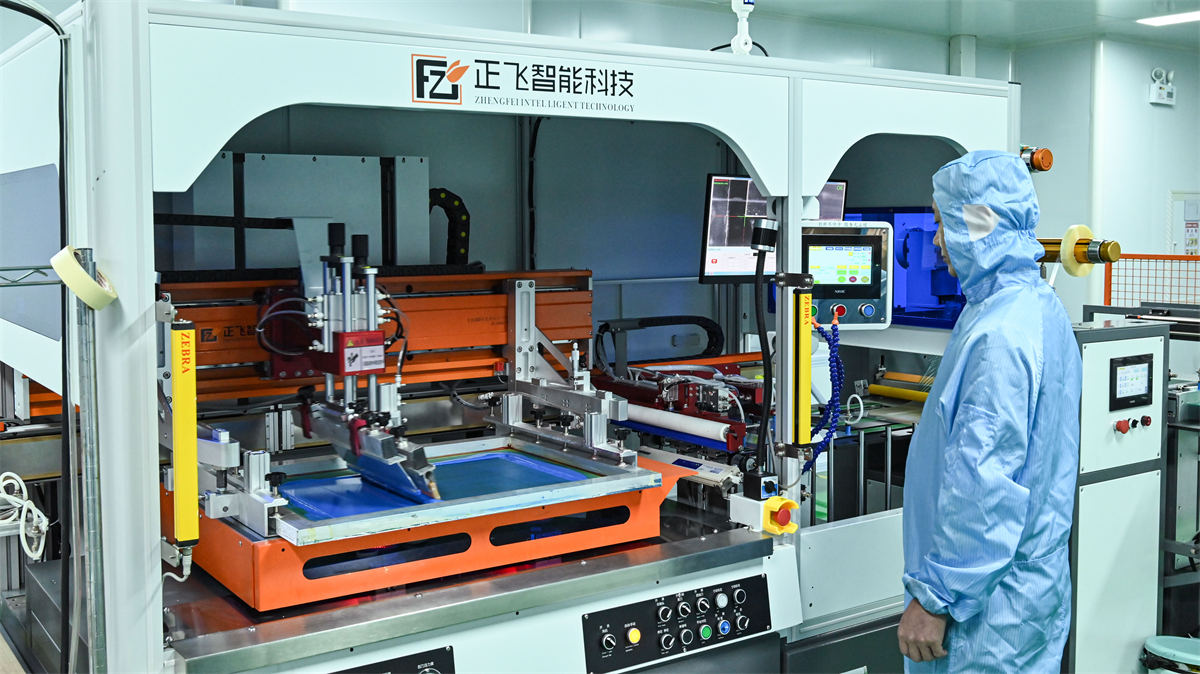
In-House Manufacturing & Metrology Capabilities
Our cleanroom printing and QA laboratories adhere to rigorous international inspection metrics to prevent delamination, cosmetic blemishes, or contact resistance drift.
Frequently Asked Sourcing & Engineering Questions
Direct, highly detailed technical answers to guide procurement officers, quality assurance engineers, and electronic designers during switch specification.
1. What engineering drawings and technical data are necessary to generate an accurate DFM review and quotation?
- Vector Graphic Files: Adobe Illustrator (.AI), CorelDRAW (.CDR), or Vector PDF detailing graphic art, Pantone/RAL color codes, display window locations, and embossing perimeters.
- Mechanical CAD Dimensions: DXF, DWG, or STEP files defining overall perimeter tolerances, mounting cutouts, LED placements, tail length, and connector pitch.
- Circuit Schematic: Netlist, pin-out diagram, or matrix mapping (X-Y) with specified contact resistance limits and operating current/voltage.
- Operating Conditions: Ambient temperature range, UV exposure requirements, chemical/washdown environment, and desired actuation force (typically 280g–400g for industrial equipment).
2. How do you prevent internal condensation and key "pillow lock" under rapid barometric or temperature changes?
3. What is the fundamental functional difference between PET circuits and Flexible Printed Circuits (FPC)?
Polyimide FPC Circuits: Manufactured via photolithography and chemical etching of rolled annealed copper on Kapton polyimide film. FPC accommodates ultra-tight pitch traces (<0.5mm), supports reliable surface-mount (SMT) reflow soldering of dense micro-controllers, multi-color side-emitting LEDs, and resistors, and exhibits near-zero trace resistance (<0.05Ω/inch). FPC is recommended when tail flexures exceed thousands of dynamic installation bends or in high-density medical equipment.
4. What quality control procedures and metrology instruments are utilized during final lot acceptance?
- 100% Electrical Testing: Automated test jigs verify continuity, contact resistance (typically <100Ω for silver circuits, <1Ω for FPC), open/short circuits, and insulation resistance (>100MΩ @ 250V DC).
- Tactile Force Profiling: Computerized dome load testing graphs actuation force (F1), contact force (F2), and calculates tactile ratio percentages to eliminate inconsistent clicks.
- Adhesion & Peel Strength: Tension peel testing validates 3M adhesive bonding integrity on aluminum, steel, and ABS plastic surfaces.
- Environmental Stress Screening: High and low temperature test chambers cycle parts between -40°C and +85°C to test for trace crazing or adhesive delamination.
5. What are your Minimum Order Quantities (MOQ) and production turnaround lead times?
- Rapid Prototyping: Dedicated prototype lines deliver fully functional samples in 5 to 7 business days from tooling and artwork approval, with low MOQs starting from 10 to 100 units.
- Mass Production: Standard volume production runs typically ship within 12 to 18 business days depending on raw material customization (e.g., custom PMMA windows, specialty 3M adhesives, or FPC fabrication).
- Metal Domes & Arrays: Loose snap domes and standard peel-and-stick dome arrays maintain stocked lines available for immediate export dispatch.