ISO 9001:2015 & SGS On-Site Verified

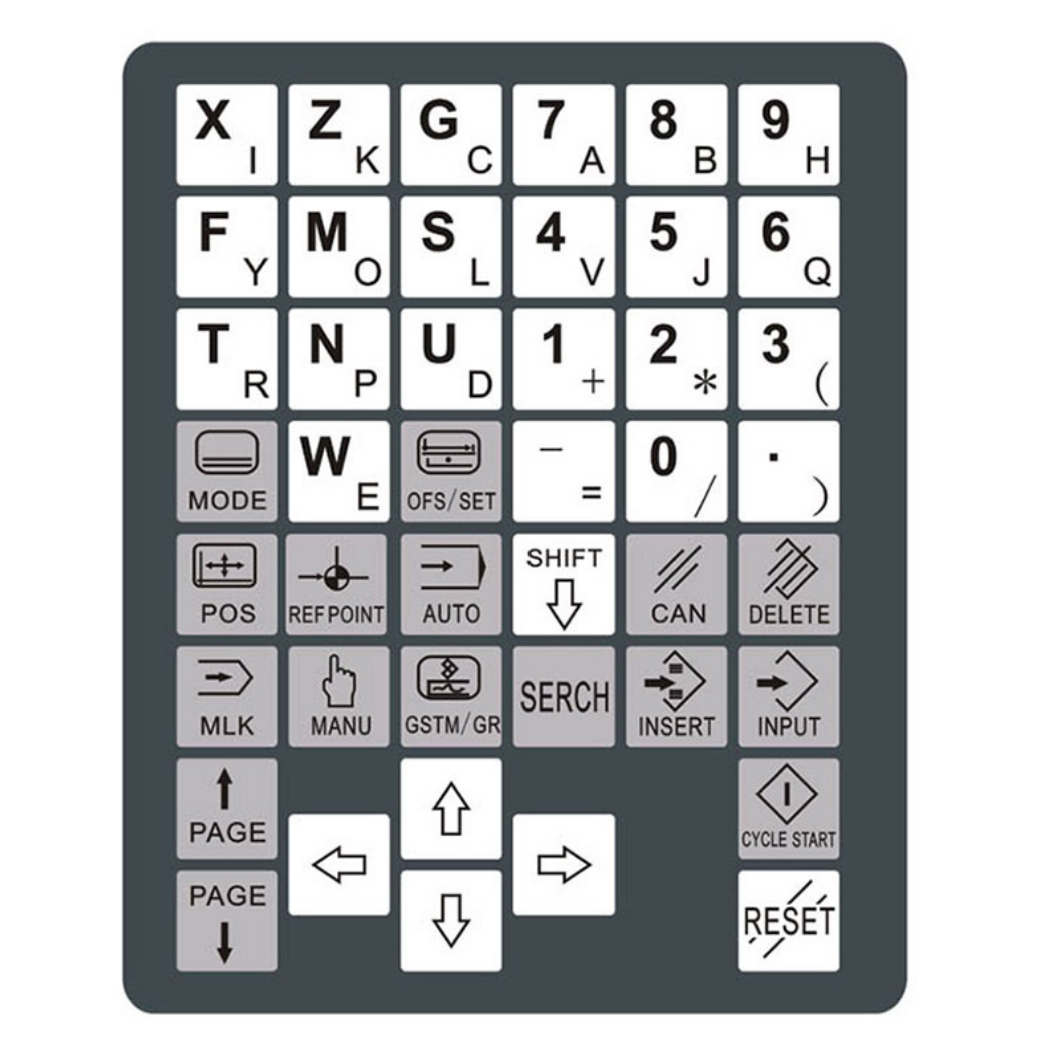
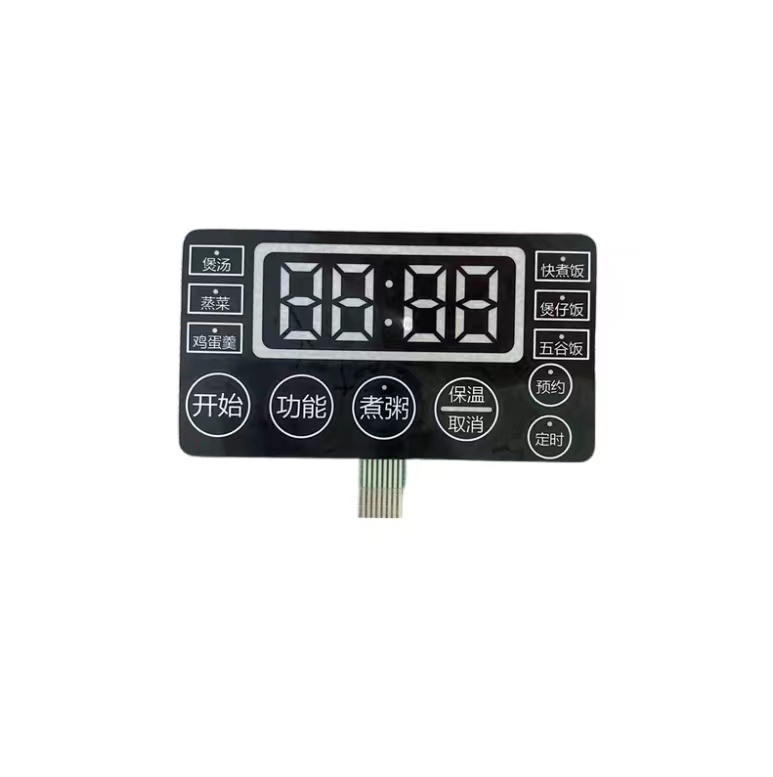
China Top Custom Membrane Switch Manufacturers & Suppliers

Engineering-Driven Human-Machine Interface (HMI) Solutions, Precision Metal Dome Arrays, and Custom Graphic Overlays Designed for High-Reliability Industrial, Medical, and Outdoor Applications.

In-House Manufacturing Depth

Why International OEMs Partner with Cevra Electronic Technology

Established in March 2009 in Dongguan, Guangdong, Dongguan Cevra Electronic Technology Co., Ltd. operates a vertically integrated 2,600㎡ manufacturing facility. Certified under ISO 9001 and verified on-site by SGS Group, we eliminate trading layer margins, mitigate supply chain volatility, and enforce zero-defect quality standards.

16+
Years Membrane Switch R&D (Since 2009)
2,600㎡
Dedicated Dust-Free Production Floor
100%
In-House Tooling, Laser Cut & Test
#5
Top Ranked Factory in Keypads & Keyboards
< 0.1%
Customer Defect Return PPM Threshold

ISO 9001 & SGS On-Site Verified

Our Dongguan manufacturing hub has been audited and certified by SGS Group and operates strictly in compliance with ISO 9001 Quality Management System frameworks. Every production lot adheres to strict military-grade incoming raw material inspections (IQC), in-process quality control (IPQC), and 100% computerized electrical testing before final packaging.

Full In-House Fabrication Suite

Unlike trading desks that outsource operations, Cevra maintains end-to-end control. Our shop floor features precision silk-screen printers, high-speed CCD alignment guide-hole punchers, CNC digital plotting cutters, laser cutting systems, automatic laminators, and automated pick-and-place metal dome tape applicators for total dimensional accuracy.

Dedicated Engineering & DFM Feedback

Our dedicated team of CAD/CAM mechanical and electronic engineers reviews your Gerber, DXF, or AI vector files within 24 hours. We offer complimentary Design for Manufacturability (DFM) advice regarding trace routing, tail pitch optimization, silver migration prevention, dome force curve balancing, and adhesive shear load capacity.

Advanced Laboratory Testing Rigor

Our on-site testing lab is equipped with high/low temperature programmable climate chambers (-40°C to +150°C), metal dome dynamic load curve analyzers, Mitutoyo surface tension peel testers, holding tack fixtures, Taber abrasion resistance testers, and electric pencil hardness instruments ensuring overlay longevity in punishing environments.

Tier-1 Global Raw Material Supply Chain

Quality begins at the chemical level. We partner directly with premium substrate manufacturers including MacDermid Autotype (Autotex PET), Sabic Lexan (Polycarbonate), 3M Industrial Adhesives (467MP, 468MP, 300LSE, VHB), Acheson Henkel conductive silver and carbon inks, and Shin-Etsu silicones to guarantee optical clarity and conductive trace stability.

Agile Prototyping to High-Volume Scale

We bridge the gap between initial pilot runs and multi-million unit mass rollouts. Rapid laser-cut prototypes can be turned around in as few as 3–5 working days without expensive hard die tooling. Volume production is backed by scalable semi-automated production lines with short lead times and flexible low MOQs starting from 10–100 pieces.

Engineering Whitepaper & Technical Stack

Anatomy of a High-Reliability Custom Membrane Switch

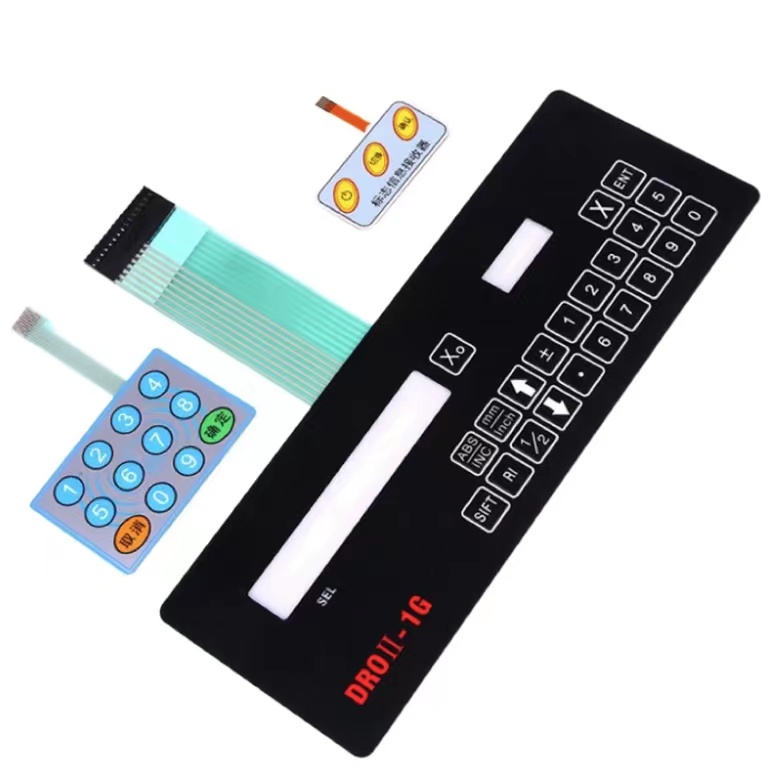
A membrane switch is not simply an aesthetic graphic skin; it is a multi-layered precision electromechanical subsystem. Understanding the function of each laminated interface is vital for optimizing electrical performance, moisture sealing, and lifecycle longevity.

1. Multi-Layer Stack-Up Architecture

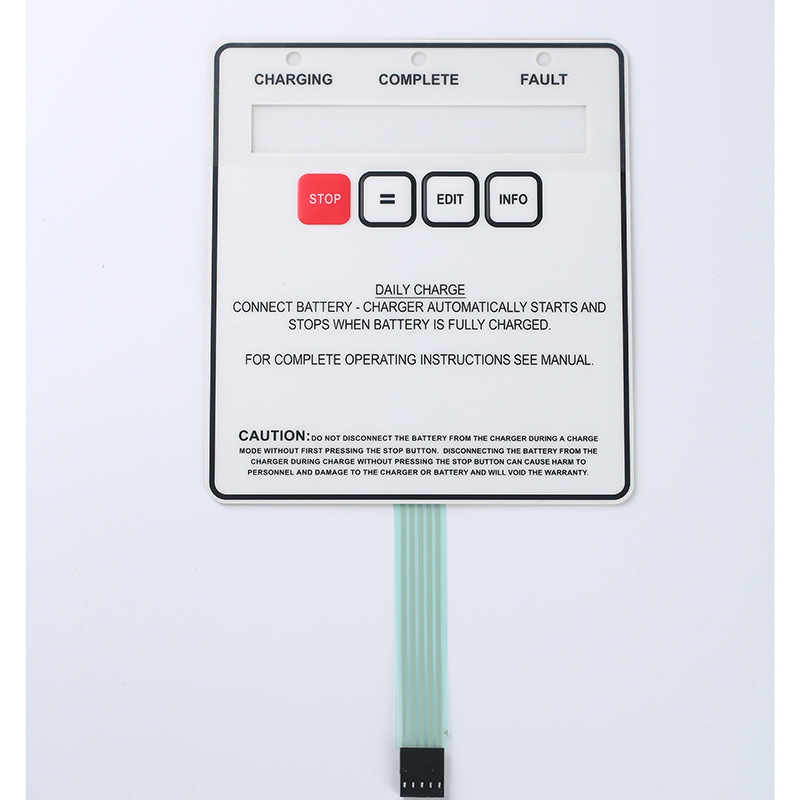
Industrial-grade membrane keypads consist of six to eight distinct functional layers bonded under calibrated pressure and heat. The Graphic Overlay serves as the visible interface, utilizing sub-surface screen or digital printing on treated PET or PC so legends never scratch or degrade. Directly underneath, the Overlay Adhesive bonds the graphic sheet to the upper circuit or dome retainer layer while sealing the internal chambers from ambient air and volatile moisture.

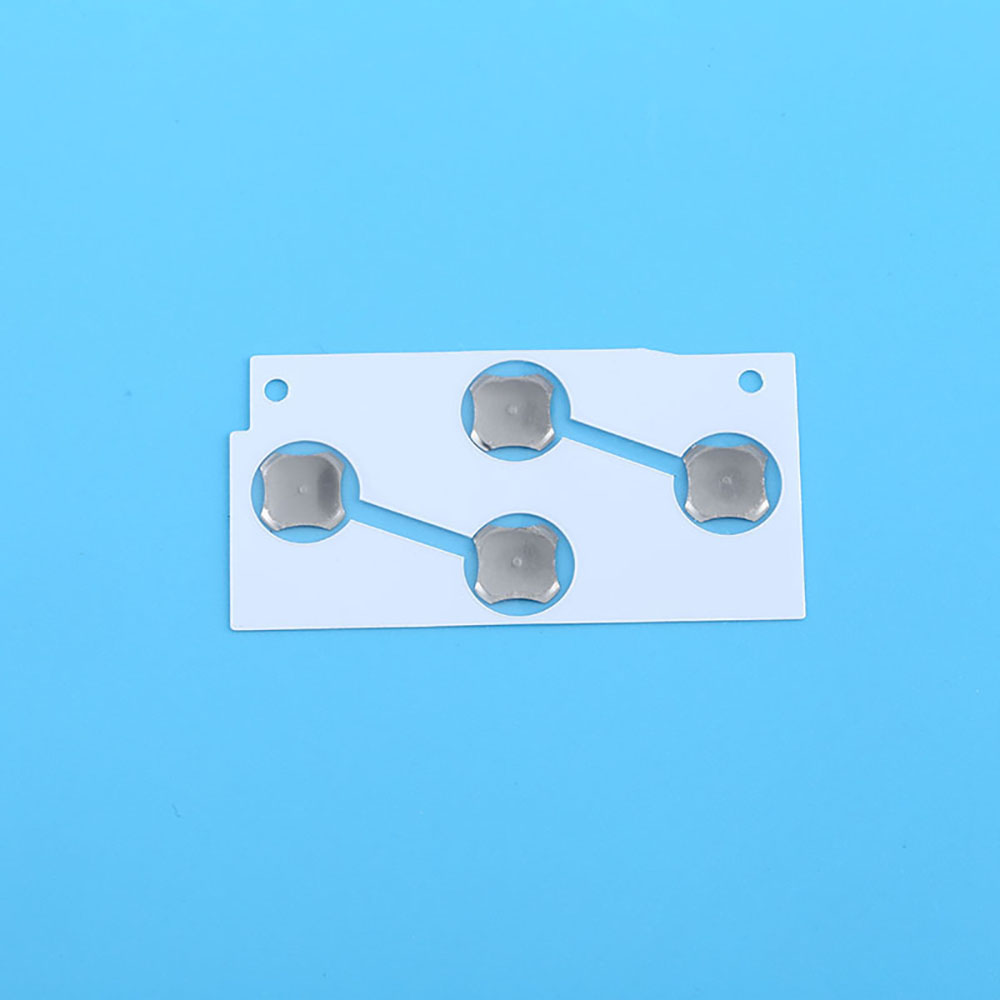
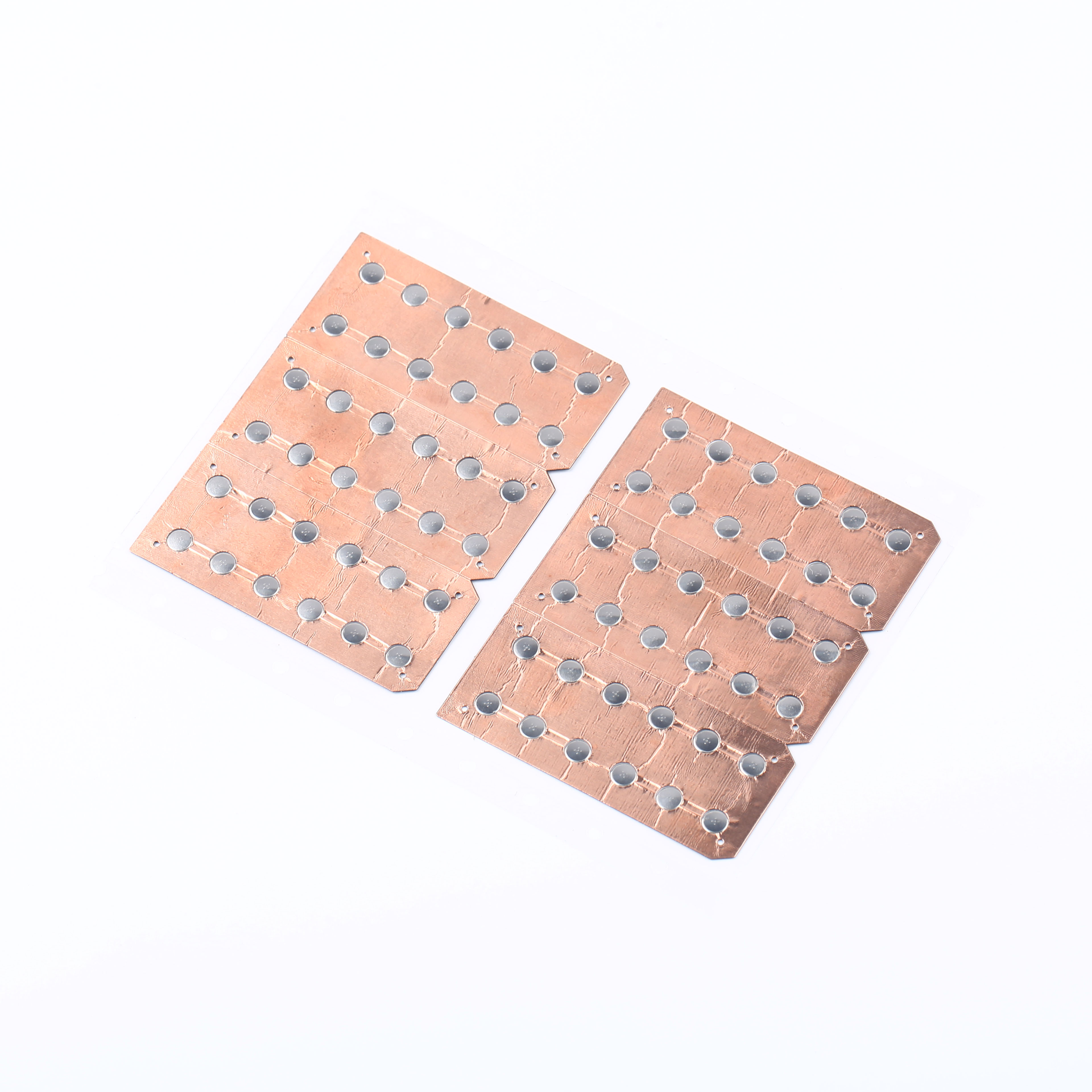
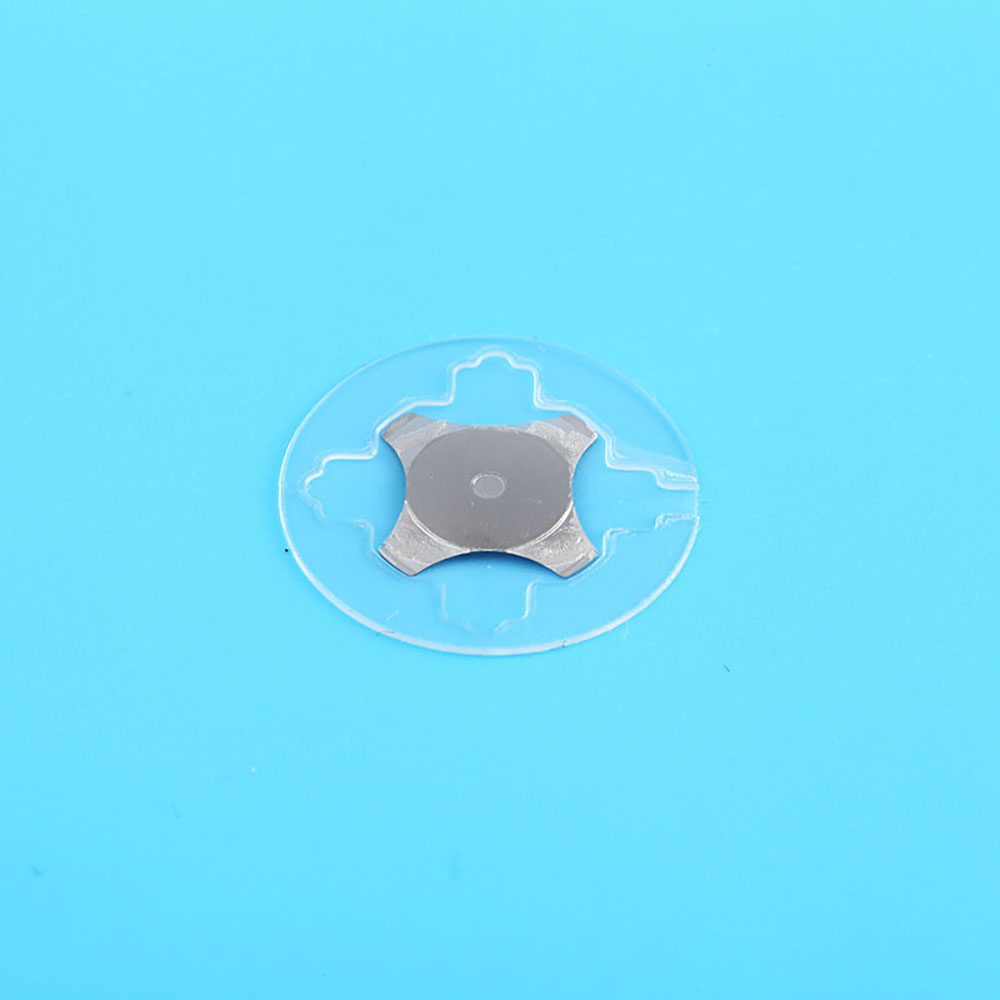
The Dome Retainer (Spacer Layer) utilizes polyester film with laser-routed air venting channels that equalize atmospheric pressure during key actuation, preventing key sticking or "pillowing" across extreme temperature cycles. Within this chamber sits the Tactile Metal Dome, fabricated from precision-stamped SUS301 stainless steel with nickel or gold plating. When pressed, the dome snaps downward to bridge open traces on the Circuit Layer (printed conductive silver, polymer thick film, or polyimide FPC), completing the circuit. Finally, the Rear Mounting Adhesive (such as 3M 300LSE for low-surface-energy plastics or 3M 468MP for cast aluminum) bonds the finished switch assembly to your device's chassis.

Engineering Attribute Polyester (PET - Autotex) Polycarbonate (PC - Lexan) Polyimide Flex (FPC Circuit)
Flex Mechanical Life > 5,000,000 cycles (Superior fatigue resistance) ~ 100,000 to 300,000 cycles (Prone to stress cracking) > 10,000,000 cycles (Exceptional flexibility)
Chemical & Solvent Resistance Resistant to alcohols, solvents, hydrocarbons, detergents Vulnerable to aromatic hydrocarbons and harsh alkalis Superior chemical, oil, and solvent resilience
Dielectric Strength 150–200 kV/mm (Excellent ESD barrier) 120–150 kV/mm High dielectric reliability in thin cross-sections
Embossing & Forming Requires precision thermoforming or hydroforming Cold embosses easily; sharp crisp tactile rims Non-embossable (Used strictly for trace routing)
Recommended Use Case High-use industrial keypads, medical monitors, marine HMI Low-actuation bezels, cosmetic faceplates, appliance lenses High-density pitch (<1.0mm), micro SMT LEDs, automotive

2. Electrical Trace Topology: Conductive Silver vs. Flexible Copper FPC

Selecting the appropriate conductive medium is the primary electrical determinant in membrane switch architecture. Silver-Printed Polymer Thick Film (PTF) on treated polyester represents the industry benchmark for standard keyboards, fuel dispensers, and household appliances. Conductive silver ink offers exceptional cost efficiency and short tooling turnaround times. However, for tight trace spaces (pitch ≤ 1.0mm), ultra-dense pinouts, or applications subject to high direct-current voltage gradients under humid conditions, silver migration can occur if not properly protected with carbon overcoat barriers.

For critical mission parameters—such as military avionics, surgical robotics, and automotive dashboard interfaces—Copper Flexible Printed Circuits (FPC) utilizing rolled-annealed copper laminated to polyimide are recommended. Copper circuits allow reflow soldering of ultra-miniature SMT LEDs, resistors, diodes, and sensors directly to the tail, eliminating silver-silver contact interface resistances and lowering circuit trace resistance to less than 1 Ω.
Strategic Market Intelligence

Future Procurement Trends in Membrane Keypad & HMI Sourcing

Supply chain leaders and senior component procurement specialists face an evolving landscape. The transition toward smart surfaces, supply chain consolidation, and higher ingress protection standards is redefining how custom membrane switches are purchased globally.

1. Consolidation toward Single-Source Box Builds

Global OEM procurement departments are rapidly divesting from multi-tier sub-assembly vendors. Rather than purchasing a bare graphic overlay from a printer, metal domes from a stamper, and a rigid backer from a CNC shop, buyers now require "Ready-to-Mount" assemblies. Cevra delivers pre-integrated sub-modules complete with die-cast aluminum or injection-molded ABS backers, optical bonding displays, integrated FPC connectors, and pre-wired IP67 sealing gaskets directly to OEM assembly lines.

2. Stringent Ingress & Disinfection Resilience (IP67 / IP69K)

Post-pandemic sanitization mandates in hospital environments and intense wash-down procedures in food processing facilities have made traditional mechanical pushbuttons obsolete. Sourcing specifications now universally mandate IP67 or IP68 water submersion resistance, resistance to hospital-grade sporicidal disinfectants (including quaternary ammonium, hydrogen peroxide vapor, and sodium hypochlorite), and impervious perimeter gaskets.

3. Comprehensive Near-Shoring Buffer Warehousing

To hedge against maritime freight fluctuations and geopolitically induced border bottlenecks, international purchasing directors are pairing long-term Blanket Purchase Orders (BPOs) with Vendor-Managed Inventory (VMI) strategies. Cevra supports structured call-off delivery agreements, holding safety stock reserves of custom overlays and dome sheets ready for immediate release to European and North American assembly hubs.

4. Rigorous Actuation Tolerance Specification (±15g)

Procurement teams are moving beyond broad tactile descriptions. Modern engineering prints specify exact snap ratios (calculated as (F1 - F2) / F1 × 100%) and trip forces held within narrow tolerances (±15g to ±20g). Automated force-displacement test curves must accompany high-volume certificate of analysis (CoA) documentation to guarantee uniform ergonomic feedback across all human interface keys.

Next-Generation HMI Engineering

Emerging Technological Trends in Membrane Switch Manufacturing

The boundary between physical mechanical switches and modern capacitive displays is converging. Discover the leading-edge innovations transforming industrial control surfaces into intuitive, backlit, and hybrid intelligent smart skins.

1. Capacitive Touch & Hybrid Tactile Architectures

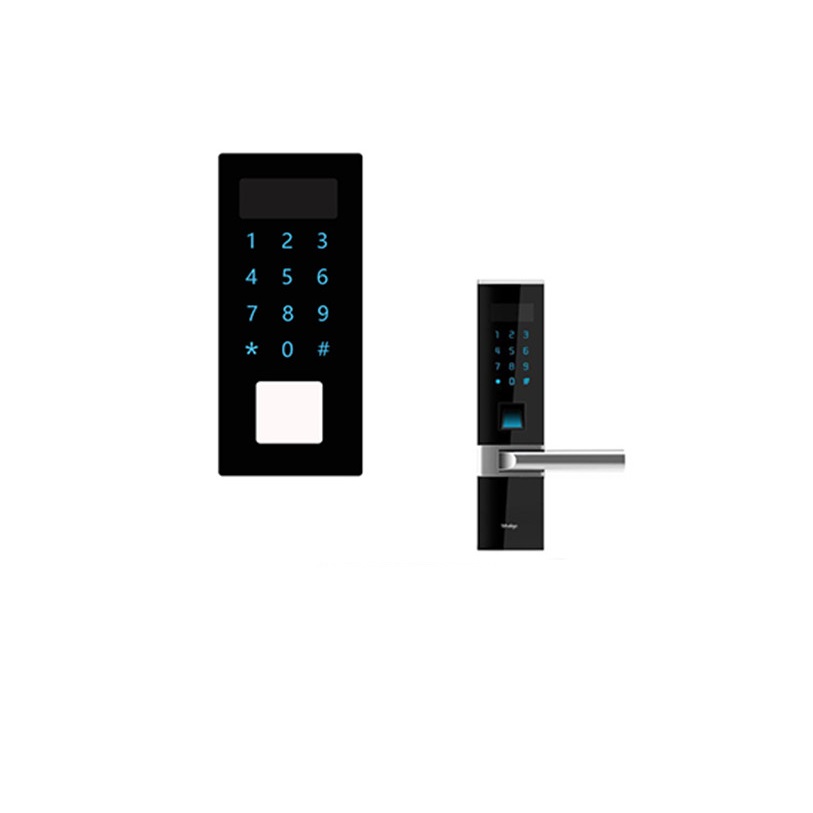
While traditional tactile metal domes remain unbeatable for blind-touch operational feedback in industrial machinery where gloves are worn, modern equipment requires sleek, glass-like aesthetic panels. Cevra engineers hybrid interface modules that combine capacitive touch sensor buttons on solid PMMA/polycarbonate top plates with localized tactile snap domes for mission-critical functions (such as Emergency Stop, Power, or Motor Run). This delivers the clean look of a touch screen while preserving mechanical safety interlocks.

2. Uniform LED Backlighting via Light Guide Film (LGF) & Fiber Optics

Legacy membrane backlighting relied on discrete point-source LEDs placed next to key legends, often causing unsightly hot spots, uneven illumination, and excessive thickness. Modern designs integrate micro-molded Light Guide Film (LGF) layers measuring just 0.125mm to 0.250mm thick. Utilizing side-firing SMT LEDs mounted on the circuit layer, the ultra-thin LGF distributes light uniformly through internal reflection, directing crisp, daylight-readable lighting to legends and icons with ultra-low power consumption.

3. In-Mold Electronics (IME) & 3D Curvilinear Surface Integration

The human-machine interface is breaking out of the traditional flat 2D plane. By combining thermoformed decorated film with printed conductive traces that survive high-pressure plastic injection molding, In-Mold Electronics (IME) embeds structural circuitry, capacitive sensor pads, and LED indicators directly inside 3D contoured dashboard trims, medical handles, and smart home appliances. This slashes part counts, eliminates internal wiring harnesses, and creates an impervious hermetically sealed monolithic housing.

4. Antimicrobial & Self-Healing Functional Nanocoatings

Advanced chemical surface modifications have moved to the forefront of graphic overlay formulation. Top-tier medical keypads now incorporate silver-ion or zinc-pyrithione antimicrobial nanocoatings embedded directly within the polymer matrix of Autotex PET film during extrusion. These functional additives continuously disrupt bacterial cell walls, achieving a 99.9% reduction in MRSA, E. coli, and fungal pathogens without leaching or washing off during daily chemical wipe-downs.

Knowledge Base & Due Diligence

Frequently Asked Questions for Custom Membrane Switch Sourcing

Key technical, economic, and logistical questions addressed directly by our senior production engineering team to assist your supplier audit and RFQ drafting.

What engineering documentation is required to generate a formal manufacturing quotation?

To provide a rapid, accurate DFM review and quotation within 24 hours, our engineering department requires:

  • Graphic Artwork Vector: Adobe Illustrator (.AI), CorelDraw (.CDR), or Vector PDF containing Pantone (PMS) or RAL color callouts, embossing borders, and transparent LED/LCD window definitions.
  • Mechanical Layer Stack-Up / Housing Outline: CAD files in DXF, DWG, or STEP format detailing outer dimensional tolerances, tail exit coordinates, cutout locations, and total stack thickness limits.
  • Electrical Schematic & Pinout: Pin-to-key matrix schematic, connector type and pitch (e.g., 2.54mm, 1.0mm, or ZIF insertion), maximum loop resistance thresholds, and operating voltage/current.
  • Environmental Specifications: Operating temperature range, UV exposure expectations, chemical wash-down protocols, and required ingress ratings (e.g., IP65, IP67).
  • Commercial Volume: Estimated prototype batch quantity and projected Annual Usage Quantity (EAU).
How do you ensure zero silver migration in humid or outdoor industrial applications?

Silver migration is an electrochemical dendritic growth that can develop across energized silver conductor traces when exposed to moisture and DC electrical bias. At Cevra, we mitigate this risk through four proprietary design protocols:

1. Carbon Overcoat Encapsulation: We screen print a 100% pinhole-free carbon conductive ink layer over all silver tracks, physically shielding the silver particles from ambient ionic moisture.
2. Creepage & Clearance Design Rules: We enforce a minimum trace spacing rule (≥ 0.5mm to 1.0mm) between opposite polarity conductors.
3. Perimeter Gasket Barriers: We incorporate a continuous, unbroken outer adhesive seal that isolates the internal conductive circuit from moisture ingress.
4. FPC Alternative: For mission-critical marine or military hardware, we substitute silver PTF with polyimide copper FPC traces protected by a laminated polyimide coverlay.

What are the key trade-offs between Polycarbonate (PC) and Polyester (PET) graphic overlays?

Polyester (PET): Features exceptional mechanical tensile strength and flexural fatigue endurance exceeding 5,000,000 actuations without work-hardening or cracking. It offers superior resistance against harsh industrial solvents, fuels, household detergents, and medical cleaners. PET is the standard material for tactile buttons, harsh environments, and long-life industrial HMI products.

Polycarbonate (PC): Easily shaped, die-cut, and embossed at room temperature, providing crystal-clear optical display windows and crisp tactile rims. It is more cost-effective for decorative bezels and non-flexing front panels. However, PC exhibits significantly lower flexural fatigue life (typically fracturing under repeated button pressing after 100,000 to 300,000 cycles) and will craze or haze when contacted by aromatic solvents, acetone, or concentrated alcohols.

What metal dome configurations are manufactured in-house, and how is click ratio controlled?

Cevra manufactures and integrates stainless steel snap domes in three primary geometric styles:

  • 4-Leg Cross Domes (8.4mm, 10mm, 12mm, 14mm, 16mm, 20mm): Ideal for switch arrays, offering high actuation stability, long stroke, and trip force choices ranging from 160g to 500g. Available with central dimples to maximize tactile feel through thick overlays.
  • Round (Circle) Domes (4mm to 12mm): Compact footprint suited for high-density keypads and space-constrained handheld devices.
  • Triangular Domes: Provide high trip forces in compact spaces, often used in specialized remote triggers.

Click ratio (the perceived sharpness of the snap) is controlled during tooling stamping and verified on our computerized load-displacement testing rigs. Each batch is inspected to confirm trip force (F1) and return force (F2) adhere strictly to customer tactile curves.

How does Cevra achieve true IP67 or IP68 waterproof ratings on flexible keypads?

Standard membrane switches breathe through the tail exit or internal vent channels. To achieve IP67 (submersion up to 1 meter for 30 minutes) or IP68 water sealing, we employ an impervious perimeter seal architecture.

This involves routing internal air equalization channels exclusively between individual keys inside a closed internal chamber, rather than venting out through the tail. The outer boundary is laminated using high-tack, closed-cell acrylic foam adhesives (such as 3M 467MP, 3M 468MP, or 3M VHB) forming a continuous 3.0mm to 5.0mm wide hermetic perimeter wall. Furthermore, the connector tail exit is sealed with UV-cured potting epoxy or custom elastomer gaskets to eliminate capillary moisture ingress along the flexible traces.

What quality testing procedures are conducted before shipment dispatch?

100% of finished membrane switch assemblies undergo automated electronic and physical verification prior to export boxing:

  • Electrical Continuity & Resistance: Automated test fixtures verify pin-to-pin open/short routing and confirm circuit loop resistance falls within specified limits (< 100 Ω for silver; < 2 Ω for FPC).
  • Dielectric Breakdown Voltage: Hi-pot testing at 500V to 1500V DC confirms no flashover occurs between adjacent tracks or through insulating spacer layers.
  • Dome Force & Tactile Feel: Batch sampling on automated force-displacement load analyzers ensures trip force variance stays within ±15g.
  • Optical & Visual CCD Inspection: High-resolution optical cameras detect cosmetic printing anomalies, dust contamination, overlay scratch defects, or color offset.
  • Adhesive Peel & Shear Testing: Tensile peel testing confirms bonding strength to customer-specified backer substrates.
What are the standard production lead times and Minimum Order Quantities (MOQs)?

Because we manufacture all tooling, laser dies, and screen printing frames in-house, we support rapid turnaround cycles:

  • Engineering Prototype Phase: 3 to 7 business days for laser-cut, soft-tooled physical samples submitted with full inspection reports. Minimum order quantities start as low as 10 to 50 pieces for prototypes.
  • Mass Production Run: Typically 12 to 18 business days following customer First Article Approval (FAA). Standard batch MOQs are flexible, beginning at 100 pieces for complex assemblies and 1,000 pieces for metal dome sheets or bare overlays.
  • Expedited Fast-Track: Fast-track manufacturing is available for urgent customer product launches.

Ready to Engineer Your Custom Membrane Switch Interface?

Connect directly with an ISO 9001 certified manufacturing engineer at Dongguan Cevra. Upload your design files or describe your operating environment to receive an actionable DFM feasibility review, material stack-up proposal, and transparent factory-direct quotation within 24 hours.