Engineered LED Keypads & Tactile Interfaces
Direct-from-factory human-machine interface assemblies engineered to withstand stringent thermal, chemical, and cycle-life demands across global medical, defense, and industrial deployments.
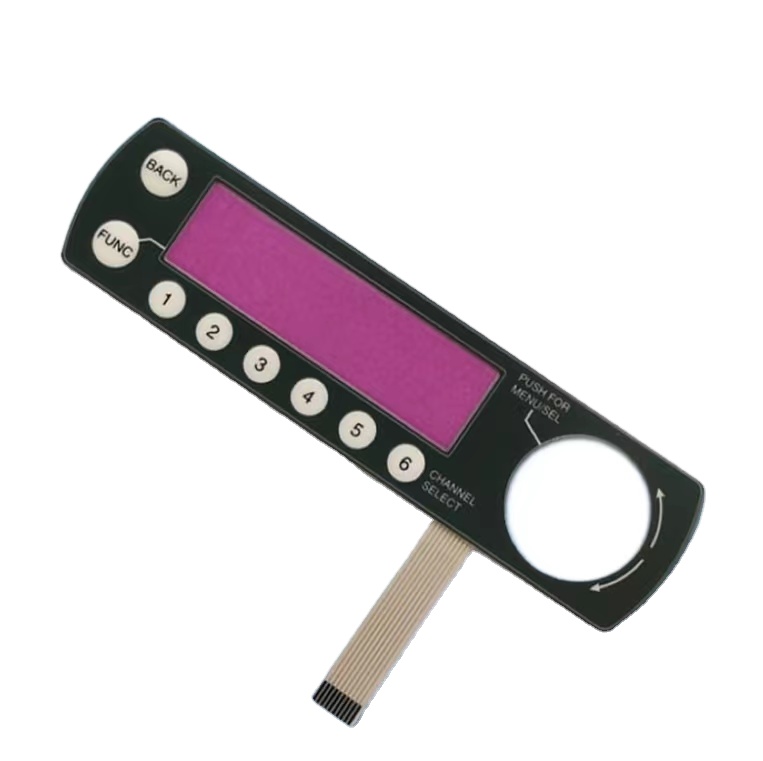
Medical Instrument PET Membrane Keypad with Integrated Backlighting
Explore Specifications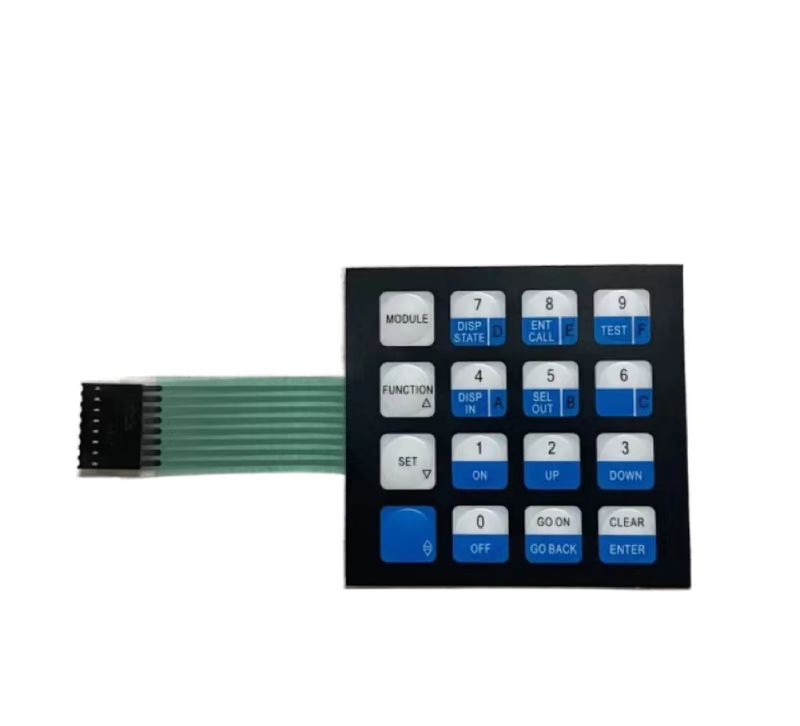
4x4 Tactile Dome Flexible Membrane Keypad Matrix with LED Window
Explore Specifications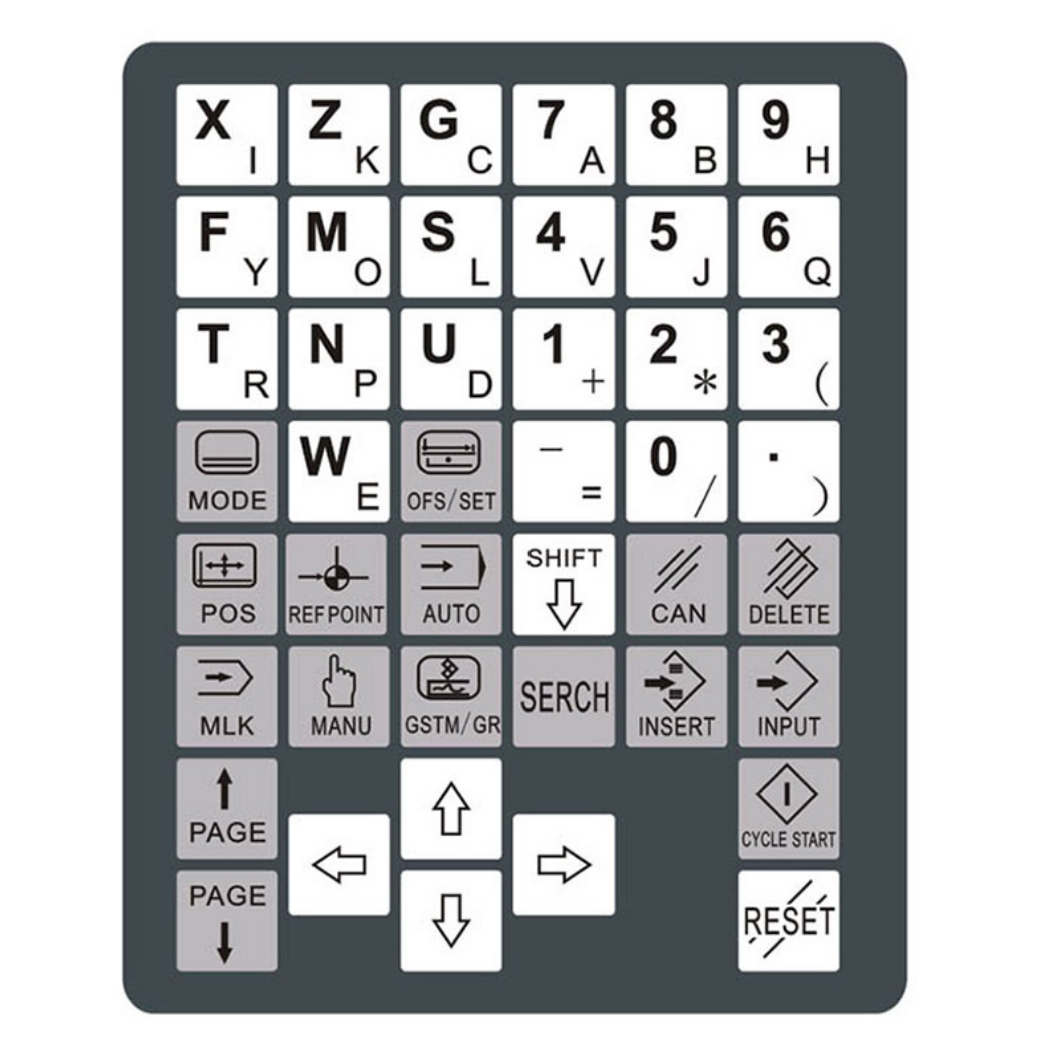
Harsh Environment 3x3 / 4x5 Fuel Dispenser Matrix Keypad
Explore Specifications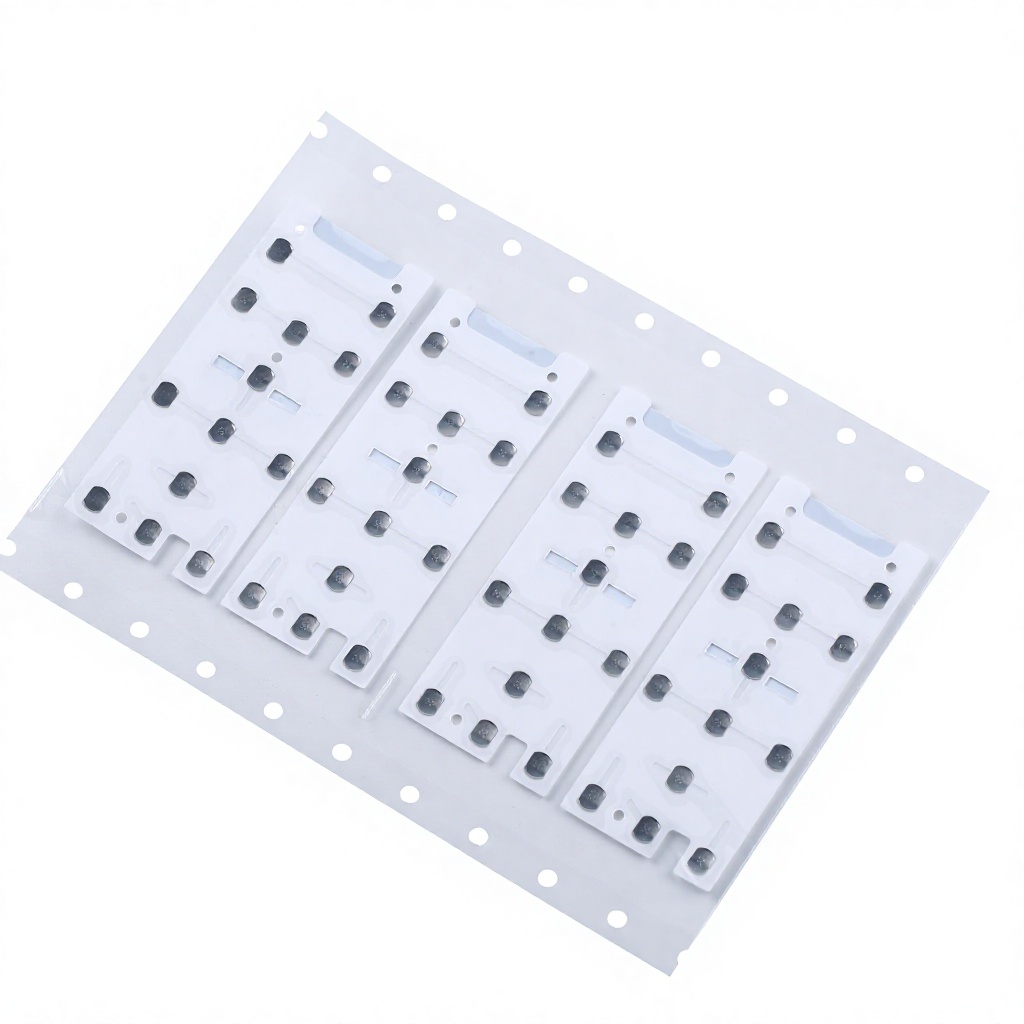
SUS301 High-Precision Stainless Steel Tactile Metal Dome Array
Explore Specifications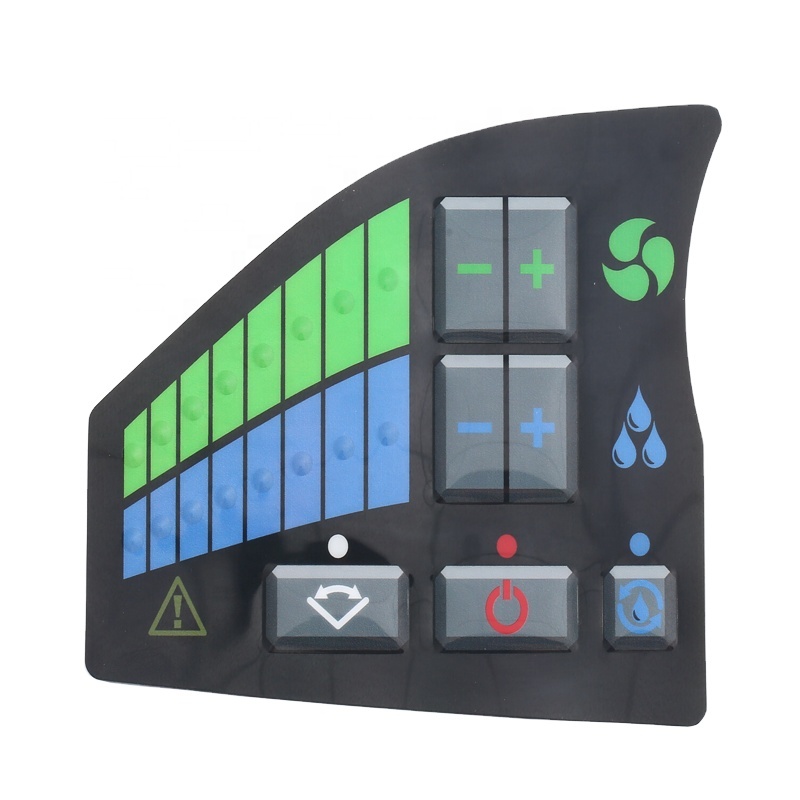
Embossed Tactile Metal Dome Membrane Switch with Control Overlay
Explore Specifications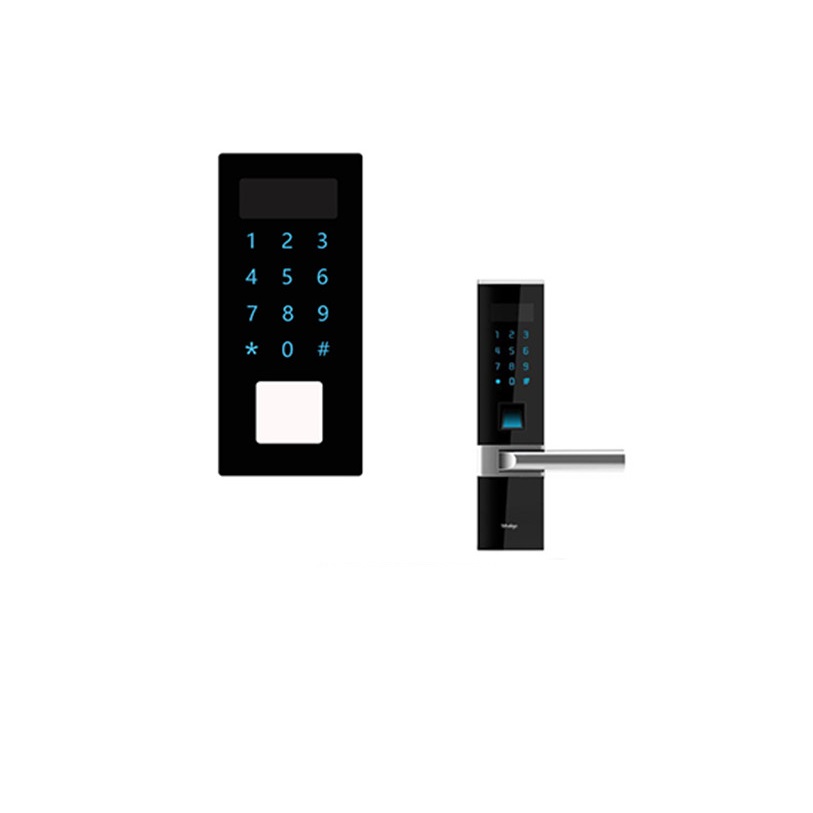
Waterproof Capacitive PMMA Smart Door Access Keypad Panel
Explore Specifications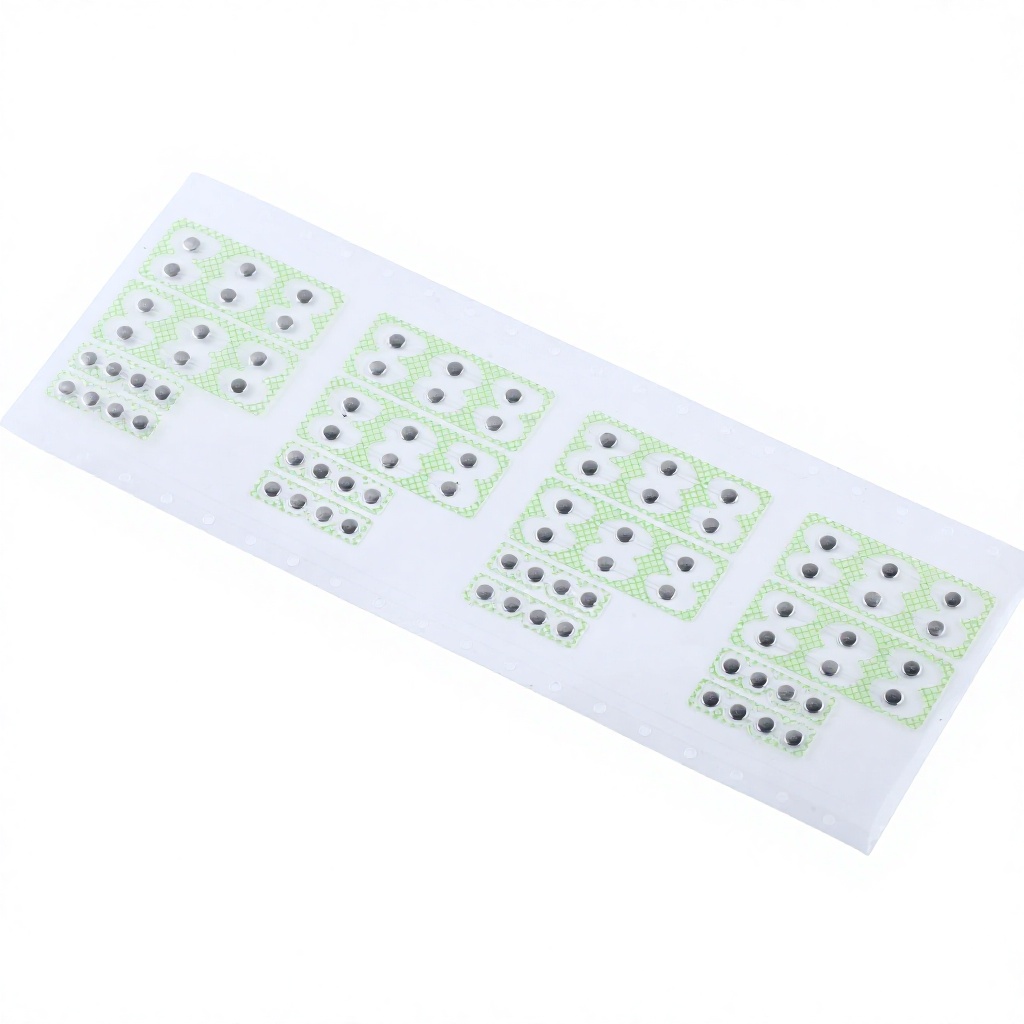
Sealed IP67 Single-Layer Stainless Dome Array with Air Vents
Explore Specifications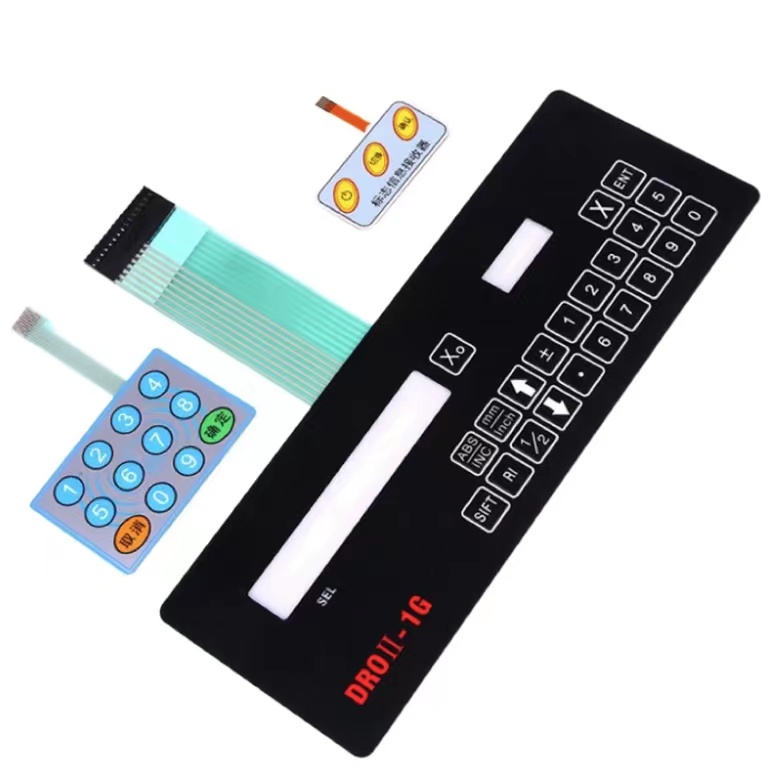
Factory-Direct Precision Graphic Overlay Membrane Control Console
Explore SpecificationsEngineering Overview: Evolution of LED Backlit Keypads in China
The manufacturing landscape for human-machine interface (HMI) modules in South China has shifted from simple, passive switch matrices to highly integrated, electro-mechanical control assemblies. Modern systems integrate surface-mount technology (SMT) LEDs, capacitive sensing nodes, and specialized optical diffusion layers directly into ultra-thin flexible substrates. For international procurement managers, securing long-term reliability requires looking beyond cosmetic overlay appearance to internal stack-up engineering, trace integrity, and environmental sealing protocols.
Precision LED integration presents unique engineering hurdles, particularly regarding thermal management, cross-talk light leakage, and mechanical shear forces generated during repetitive key actuation. When a metallic snap dome actuates directly adjacent to a rigid surface-mount diode, localized shear strain can rupture conductive silver or carbon ink traces over time. Top-tier Chinese exporters prevent these failures by pairing custom Flexible Printed Circuits (FPC) with polyimide stiffeners, using conductive epoxies with controlled elasticity, and deploying precision Light Guide Films (LGF) that redistribute photon vectors evenly across actuation points.
Comparative Structural Analysis: HMI Backlighting Methodologies
| Backlight Technology | Thickness Profile | Luminance Uniformity | Power Consumption | Tooling & Unit Cost |
|---|---|---|---|---|
| Direct Surface Mount LED (Point Source) | 1.2 mm - 2.5 mm | Moderate (prone to hot spots without diffusers) | Low - Medium (20mA per node) | Lowest tooling; economical per-unit cost |
| Light Guide Film (LGF) Integration | 0.8 mm - 1.4 mm | High (micro-etched optical extraction dots) | Minimal (side-firing micro-LEDs) | Moderate tooling; high repeatability |
| Electroluminescent (EL) Lamp | 0.5 mm - 0.8 mm | Excellent (completely uniform surface glow) | Requires AC Inverter (causes EMI risk) | Low initial cost; finite phosphor half-life (~3000 hrs) |
| Fiber Optic Weave Matrix | 0.6 mm - 1.2 mm | High, non-emissive surface illumination | Low (illuminated from peripheral source) | High manufacturing complexity and assembly cost |
Strategic Sourcing Outlook: Future Trends in LED Keypad Procurement (2025–2030)
Sourcing strategies for global industrial OEMs are shifting rapidly due to automation, component miniaturization, and higher field-longevity expectations. When sourcing from China's Pearl River Delta, technical buyers should align their RFQ parameters with four primary macro-developments:
1. Transition to Copper Flex (FPC)
While screen-printed silver ink circuits remain cost-effective for static desktop applications, dynamic industrial, military, and medical devices are rapidly transitioning to etched copper on polyimide (FPC). Etched copper traces resist electrochemical migration and tolerate vibration, thermal cycling, and high-density ZIF connector insertions with zero trace delamination.
2. Micro-Etched Optical Dot LGF Systems
Eliminating bulky incandescent and point-source backlighting, next-generation keyboards rely on side-firing 0603 or 0402 micro-LEDs focused into 0.125mm optical-grade light guide films. Precision CNC or laser-etched extraction gradients ensure even light dispersion across complex alphanumeric arrays without increasing stack-up thickness.
3. Monolithic Chemical & Antimicrobial Hardcoats
Medical instruments and petrochemical consoles demand robust chemical resistance against aggressive sanitizers, bleach, and industrial solvents. Premium production facilities run roll-to-roll UV-cured textured hardcoats on biaxially-oriented PET, achieving a 3H pencil hardness that survives over 5 million cycles without visual degradation.
4. Hybrid Capacitive-Tactile Functional Architecture
HMI design is converging toward capacitive touch surfaces paired with sub-surface metallic tactile feedback. By combining PMMA/PC dead-front graphic lenses, capacitive proximity sensors, and sealed snap domes, manufacturers achieve seamless, hygienic exterior panels with unmistakable tactile feedback upon actuation.
Why Partner with Cevra: Integrated Manufacturing Excellence
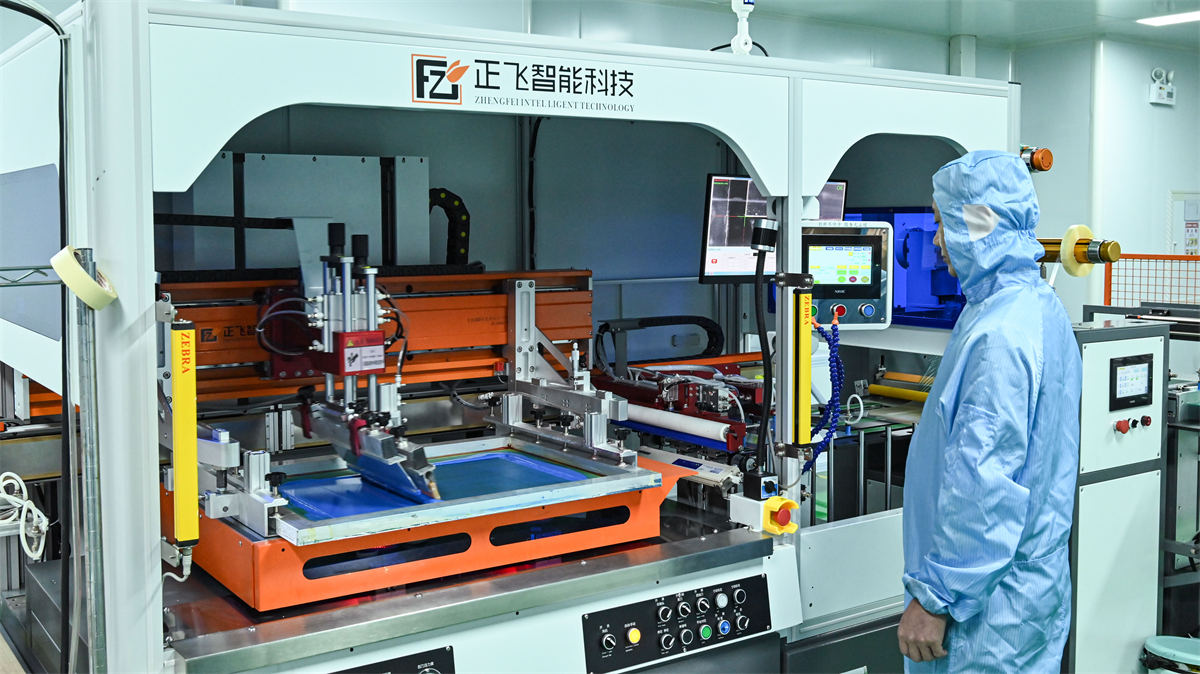
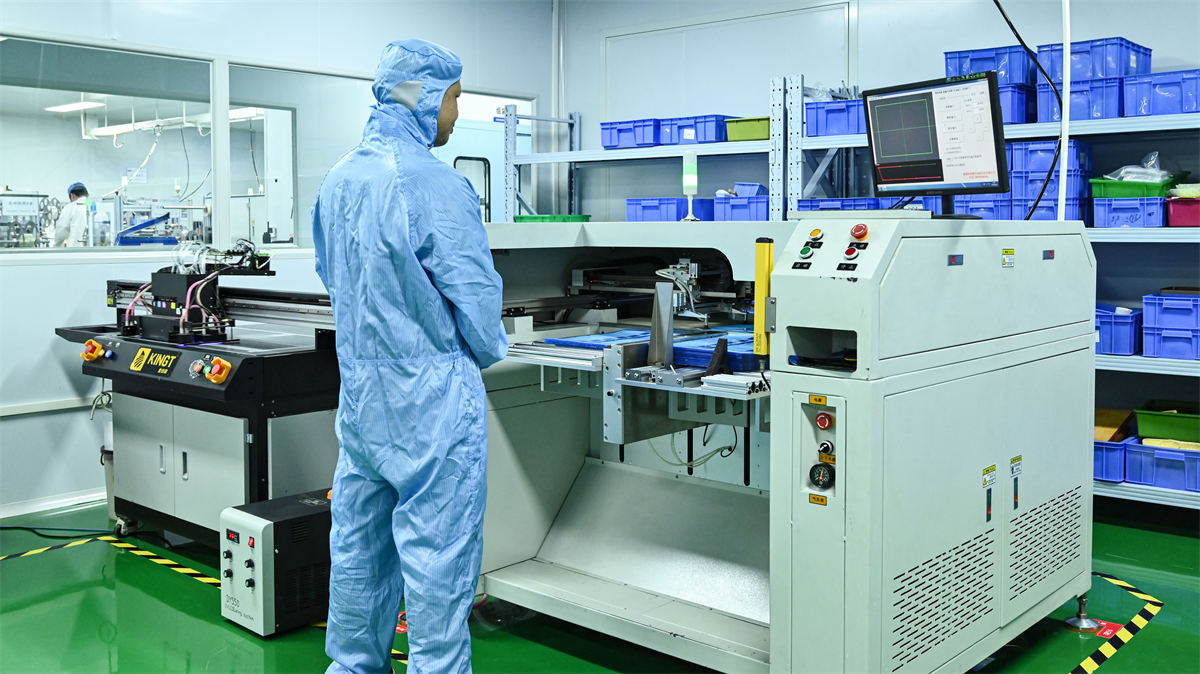
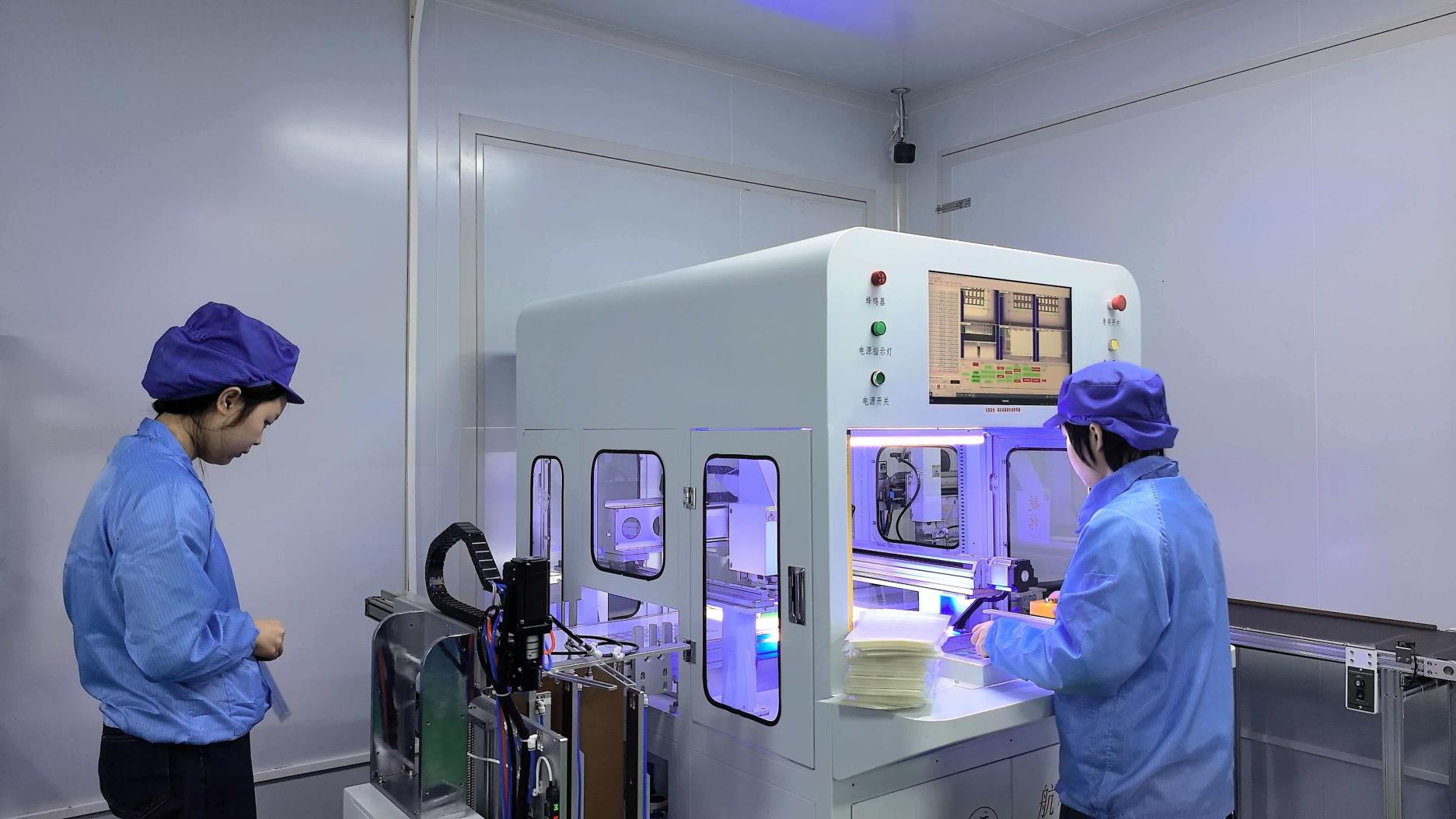
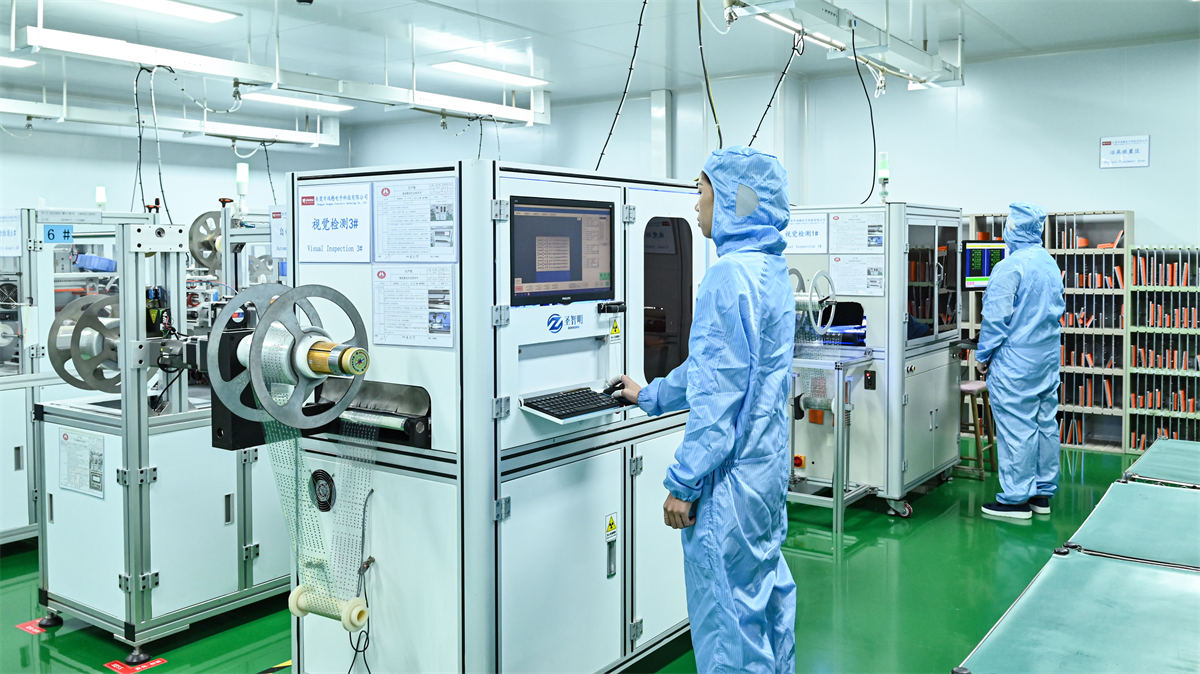
Headquartered in Dongguan, Guangdong—the core hub of South China's precision hardware and electronics cluster—Dongguan Cevra Electronic Technology Co., Ltd. has developed specialized HMI fabrication techniques since March 2009. Our operation functions not as a broker or trading desk, but as a fully integrated, audited manufacturing plant housing cleanrooms, precision printing suites, automated die-cutting, and comprehensive testing laboratories.
Class 1,000 / 10,000 Screen Printing
Contamination control remains paramount in high-voltage and back-lit membrane engineering. Our high-precision multi-color screen printing lines maintain tight environmental control over airborne particulates, preventing pinhole short-circuits, silver migration, and cosmetic voids under backlit windows.
100% In-House Actuation & Force Testing
Every lot of SUS301 stainless steel domes is verified on proprietary computerized load-displacement testers. We verify trip force (typically 200g to 450g), tactile return ratio, contact bounce (<5ms), and loop resistance down to milliohm thresholds to ensure consistent operation across all switches.
SGS Inspected & ISO 9001:2015 Registered
Production runs in strict compliance with ISO 9001:2015 quality management procedures, with comprehensive material traceability from 3M adhesive backings to Autotex PET film. The operational infrastructure, design departments, and labor safety protocols have been audited onsite by SGS Group.
Inside Our Production Facility
A closer look at the equipment and controlled environments behind our custom keypad manufacturing:
Frequently Asked Questions: Sourcing LED Keypads from China
Direct technical answers to common queries raised during design-for-manufacturability (DFM) reviews and supply chain negotiations:
What engineering documentation is required to receive an accurate DFM review and tooling quote?
To deliver an uncompromised structural DFM review and formal quotation, our engineering department requires: (1) 2D vector artwork with defined mechanical outlines, window zones, clear apertures, and Pantone/RAL color codes (Adobe Illustrator, PDF, or DXF); (2) 1:1 Circuit schematic showing pinout logic, LED forward voltages, polarities, connector pitch, and tail trajectory; (3) 3D mechanical enclosure assembly (STEP or IGES) to verify total stack-up height, embossing cavities, and perimeter perimeter sealing channels; (4) Operating environmental specifications (thermal range, moisture levels, IP rating targets, and anticipated annual usage).
How do you prevent light bleed between adjacent keys in backlit LED keypads?
Light bleed is prevented through a multi-tier containment approach: (1) Opaque light-blocking mask layers printed between graphic lenses and diffusion cavities; (2) Precision die-cut silicone or closed-cell Poron polyurethane spacer gaskets that form optical isolation cells around each SMT diode; (3) Strategically placed blind light pockets routed within internal adhesive layers; and (4) Integrated Light Guide Films (LGF) configured with localized extraction dots, directing luminous flux upward through the target key legend while minimizing lateral leakage into neighboring transparent display windows.
When should engineers choose an FPC substrate over conventional silver-printed polyester (PET)?
Polyimide FPC with photo-imaged copper traces is strongly recommended when: (1) Component density requires compact SMT footprints (such as 0402 micro-LEDs, microcontrollers, resistors, and sensor ICs) that demand standard lead-free reflow or robust soldering; (2) The interface connector is a high-density, sub-millimeter pitch ZIF connector subjected to repeated insertion cycles; (3) Traces must run adjacent to high-EMI hardware, requiring integrated copper ground planes; or (4) The deployment environment involves continuous high humidity and thermal extremes where screen-printed silver circuits risk dendrite formation and silver electromigration.
How does the factory verify contact resistance and tactile switch longevity?
Every switch design undergoes rigorous validation in our physical testing laboratory: Contact loop resistance is verified below 100 ohms (for silver circuits) and below 1 ohm (for FPC designs). Snap dome mechanical endurance is verified using pneumatic cycle actuators running continuously up to 1,000,000 to 5,000,000 cycles. We also measure pre- and post-test actuation force curves using computerized load testers to ensure the tactile ratio remains within ±15% of initial specification.
What environmental sealing techniques achieve an IP67 rating on membrane keypad assemblies?
Achieving true IP67 or IP68 ingress protection requires engineering a completely sealed, uninterrupted outer perimeter adhesive gasket—typically using high-shear acrylic systems like 3M 200MP, 300LSE, or VHB tapes. The graphic overlay must feature continuous perimeter printing free of pinholes, while the flex tail exit must be channeled either through the backside of a rigid backer plate or sealed with silicone or epoxy potting to prevent moisture ingress into the internal dome cavities.
Ready to Prototype Your Custom LED Keypad Module?
Upload your engineering drawings for rapid DFM evaluation. Work directly with our Dongguan engineering team to optimize stack-up thickness, tactile performance, and backlighting clarity.
Get Catalog